







What Does Siphon Coffee History Tell Blue Mountain Brewers?
The siphon brewer brings a retro sense of ritual, and pairing it with Jamaican Blue Mountain coffee is a common approach among coffee lovers. This guide walks through the equipment, the origin background of Blue Mountain, how to tell authentic beans from fakes, and the siphon parameters and process needed to reproduce the cup at home.
Front Street Jamaica Blue Mountain beans come from the Blue Mountain region at 1310 meters, Clifton farm, Typica variety, washed and graded top grade, and carry a certificate from the Jamaica Coffee Board. The wooden barrel packaging also bears a green frog logo. That sort of coffee knowledge helps buyers avoid the many Blue Mountain specialty and blended products on the market.
The siphon brewer carries a retro sense of ritual, and using it to brew Blue Mountain coffee, known for its balance and elegance, is a favorite among many coffee lovers. In this article, Front Street Coffee brings out the siphon equipment commonly used in its stores, paired with authentic Front Street Jamaica Blue Mountain No. 1 coffee, to fully demonstrate the birth of a pot of Blue Mountain coffee, from the origin background of Blue Mountain coffee and how to tell authentic from fake, to the parameter settings and brewing process of the siphon. If you also want to recreate a cup of rich-aroma, full-bodied Blue Mountain coffee at home with a siphon, this practical guide is worth reading carefully.
For more specialty coffee knowledge, please follow the WeChat official account: FrontStreet Coffee
Elegance never seems to go out of style. Today, Front Street has brought out a treasured piece of equipment from the store—the siphon coffee brewer—and paired it with the famous Front Street Jamaica Blue Mountain coffee to brew a pot of siphon Blue Mountain coffee on the spot. Without further ado, let's get started.
Flavor Characteristics of Blue Mountain Coffee
Front Street Jamaica Blue Mountain Coffee is very famous, but its output is small and its history is quite long. It can be said that even if you have never been exposed to specialty coffee, you must have heard the name Blue Mountain No. 1 Coffee. On the market, there are often all kinds of confusing names such as Blue Mountain specialty coffee, Blue Mountain flavor coffee, and Blue Mountain blended coffee. Not all products with the words "Blue Mountain" are authentic Front Street Jamaica Blue Mountain No. 1 Coffee , and if you are not careful, you may drink fake Blue Mountain. So, how exactly can you tell which Blue Mountain coffees are real? FrontStreet Coffee will first walk everyone through the origins of Blue Mountain coffee.
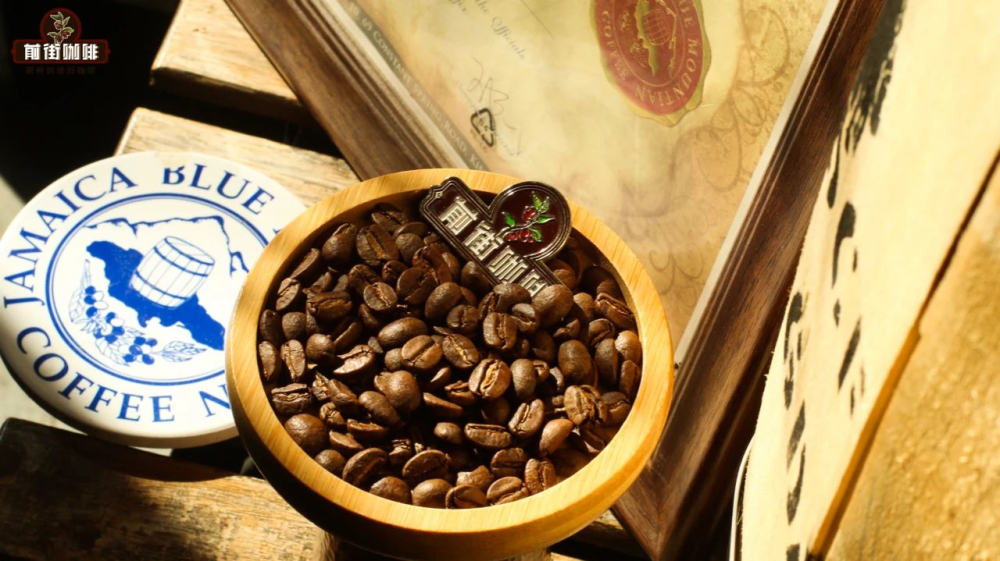
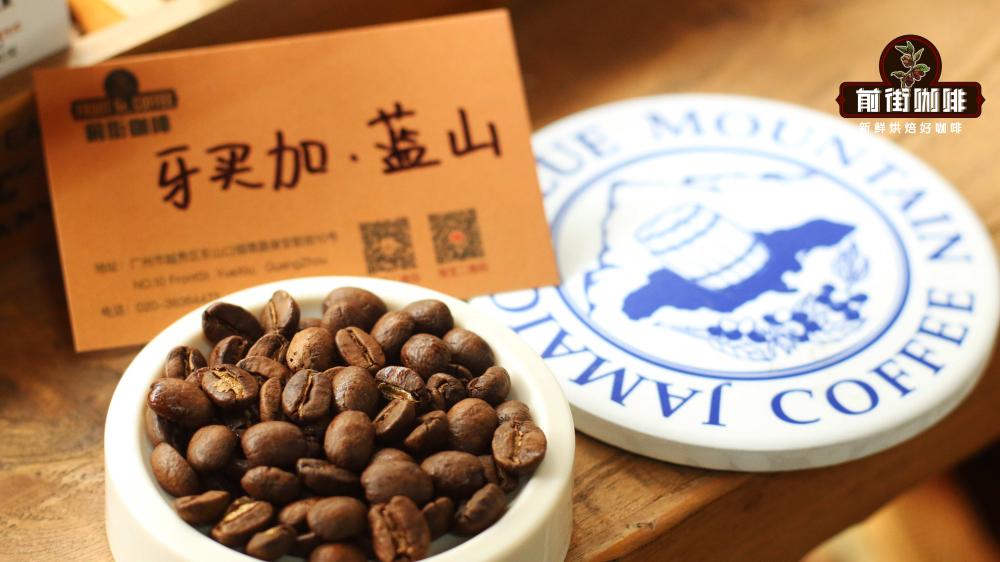
Front Street Jamaica Blue Mountain No. 1 Coffee Beans Region: Blue Mountain Region Farm: Clifton Altitude: 1310 meters Variety: Typica Processing Method: Washed Grade: NO.1
The Front Street Jamaica Blue Mountain No. 1 Coffee sold by FrontStreet Coffee holds a certificate issued by the Jamaica Coffee Board. In addition, the wooden barrel packaging of Front Street Jamaica Blue Mountain Coffee Beans will be printed with a green frog logo (you can look at the picture below of FrontStreet Coffee purchasing Jamaican green beans). This is because FrontStreet Coffee specially selected a Jamaica Blue Mountain No. 1 coffee estate with Rainforest Alliance certification—Clifton Farm—and Jamaica is also the only producing region in the world that uses wooden barrels to pack green beans. Combined with the most iconic Blue Mountain flavor, genuine Front Street Jamaica Blue Mountain coffee has a very rich aroma and a balanced taste, without any one flavor standing out particularly or being noticeably lacking. Authentic Front Street Jamaica Blue Mountain No. 1 Coffee is priced higher than other coffees. FrontStreet Coffee believes the three most important reasons are: small quantity, excellent flavor, and strict quality control.
How to Brew Authentic Blue Mountain Coffee with a Siphon?
- Coffee-to-Water Ratio
Usually when making siphon coffee, the coffee-to-water ratio falls between 1:10 and 1:12, with the 1:12 ratio being used by more people. If brewing one serving at home, you might as well use the parameters Front Street usually uses: 18 grams of coffee grounds and 200 milliliters of water.
Specific Operation Method
Taking Front Street's usual brewing as an example
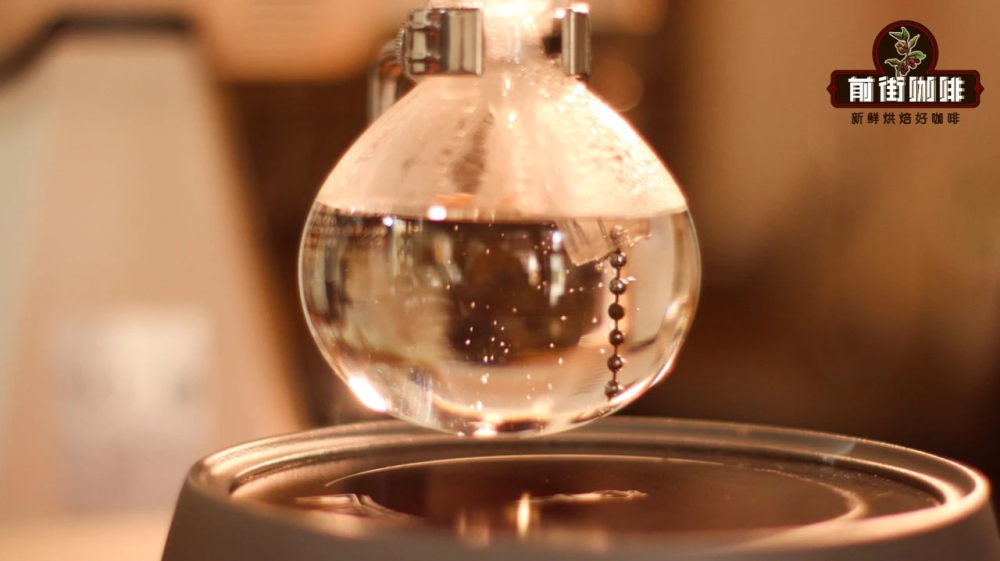
1. Pour in 200 milliliters of hot water, wipe the lower pot dry, and turn on the heat source.
2. Insert the upper pot diagonally into the lower pot, and make sure the explosion-proof bead touches the bottom of the lower pot.
3. When continuous small water droplets appear in the lower pot, straighten the upper pot and press it tight. Wait for the water in the lower pot to be drawn up into the upper pot.
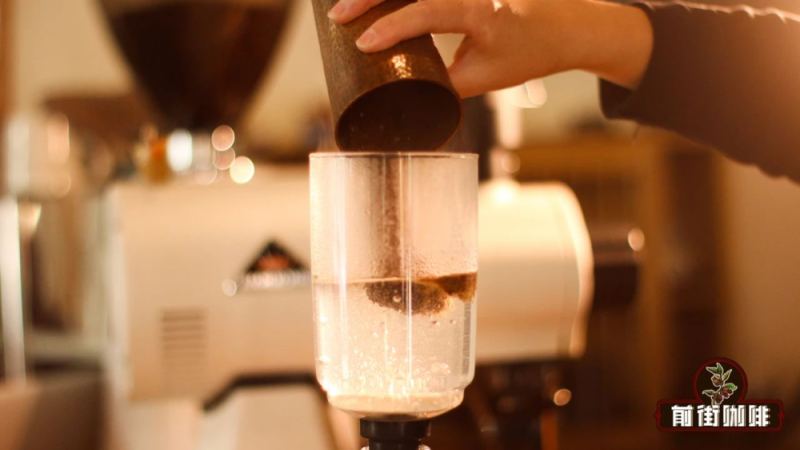
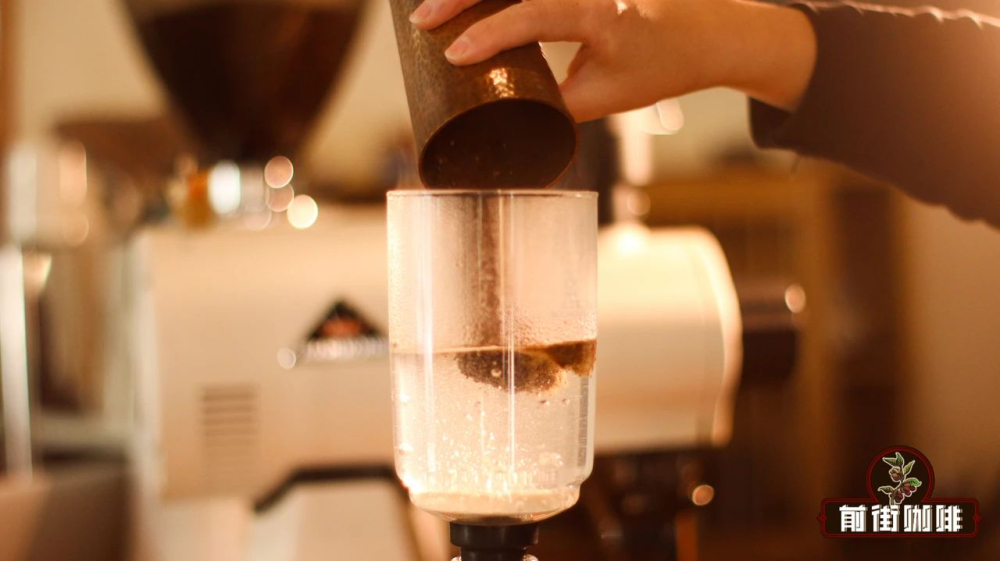
4. Pour in Front Street Blue Mountain coffee grounds and start timing. In the first stage, use a stirring rod to press all the coffee grounds into the water by patting, so they absorb water evenly.
5. In the second stage, at 25 seconds, begin stirring using the method recommended by Front Street, so that the coffee clearly separates into three layers: coffee liquid, coffee grounds, and coffee foam.
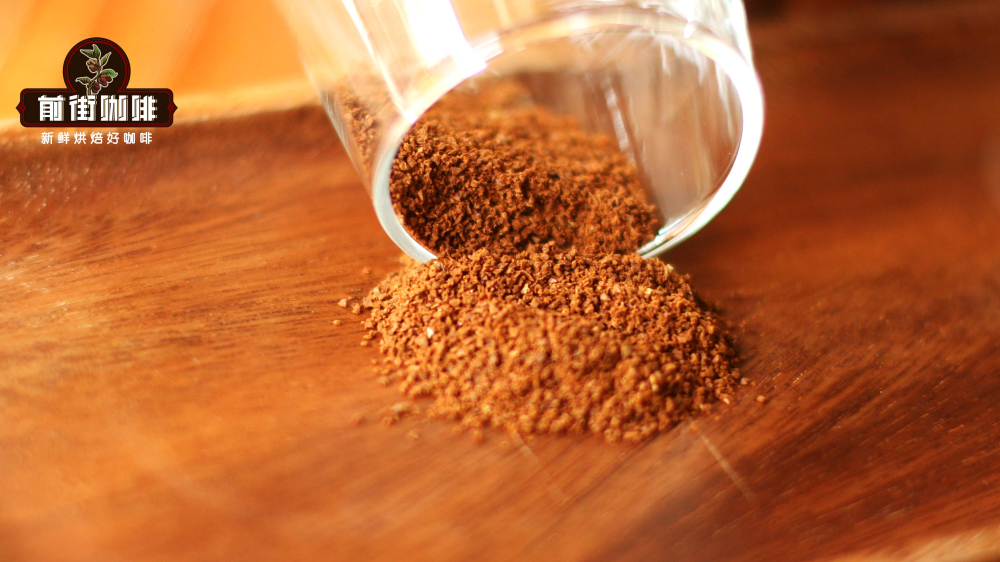
6. In the final stage, at 50 seconds, begin stirring in the same direction. At 60 seconds, remove the heat source and wait for the coffee liquid to fall back down.
The siphon Blue Mountain coffee made this way is very aromatic and rich. Although it is not as transparent and clean as pour-over coffee, the oils floating on its surface add quite a bit of body.
In Front Street's view, compared with pour-over coffee, using a siphon brewer is obviously more troublesome to operate. First, a heat source is needed before brewing, and the entire extraction process requires full attention. After finishing the coffee, it must also be cleaned promptly, washing the flannel used for filtering the grounds. In a store with a large output volume, siphon production would only be even more troublesome.
The above content is compiled by CoffeeHunters, a coffee news website.


