







Search Results for: Extraction Fail

Why Does Extending Extraction Time Fail to Make Coffee Stronger? A Deep Dive into the Extraction Principles of Espresso
Many coffee enthusiasts pursue a richer taste and often mistakenly believe that extending the extraction time will yield a stronger coffee. By observing the changes in flavor and color during the pre-, mid-, and post-stages of espresso extraction, and combining the relationship between the brew ratio and extraction yield, this article reveals the principle that extending extraction actually dilutes concentration and reduces positive flavors. If you want a more powerful coffee base, you might try replacing Espresso with Ristretto, and Front Street Coffee will also provide you with professional advice. [more…]

Why Does the Coffee Bed Raising Technique Sometimes Fail in Pour-Over? Causes of and Remedies for Weak Flavor Due to Excessive Bypass Water
In the process of pour-over coffee brewing, many enthusiasts encounter the problem of weak coffee flavor but cannot find a clear reason. In fact, this is likely related to excessive bypass water. Bypass water refers to water that mixes directly into the coffee liquid without participating in extraction, which dilutes the coffee concentration and makes the flavor thin. This article will systematically analyze the two common causes of bypass water—the habit of rinsing the edge of the dripper and forcibly raising the coffee bed—and, combined with differences in dripper types and coffee bean density, explain why certain brewing techniques backfire. At the same time, the article will share Front Street Coffee's strategies for brewing high-density coffee beans, helping everyone reduce bypass water interference and brew a good cup of coffee with full flavor. [more…]
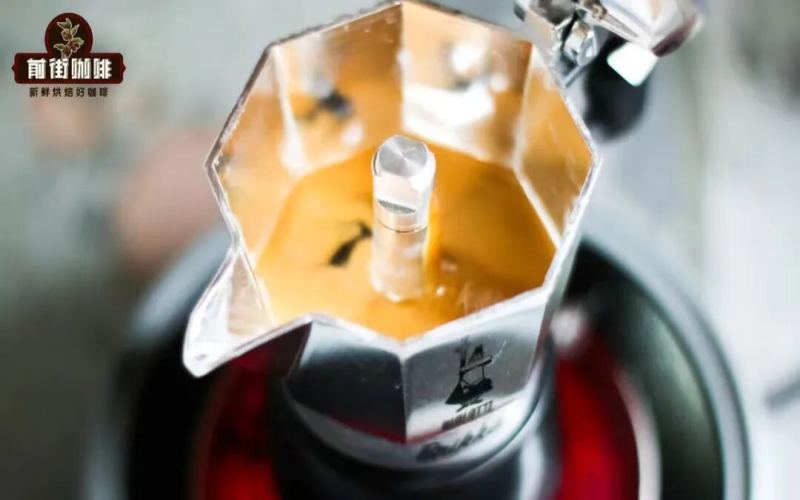
Moka Pot Coffee | Why Do Light Roast Coffee Beans Often Fail in a Moka Pot? What Should You Watch Out for When Making Moka Pot Coffee with Light Roast Beans?
After drinking too much coffee of a certain flavor, we always want to switch things up and try something new. For example, some friends who use moka pots, even though they usually buy deeply roasted coffee beans full of caramelized aroma to make moka pot coffee, occasionally want to switch to light roast beans and experience the floral and fruity notes of light roast coffee. However, due to the [more…]

A Complete Guide to Making Dirty Coffee: Recipe Tutorial, Flavor Meaning, and the Essential Difference from a Latte
Dirty coffee, with its messy visual appeal and the contrasting hot-and-cold layered texture, has become a favorite among many coffee lovers and is a hot seller at Front Street stores. However, many people who try to recreate it at home often fail to achieve the layering, with the coffee liquid mixing directly into the milk. This article breaks down the reasons for Dirty layering failures from five aspects: coffee bean selection, cup shape, extraction distance, coffee liquid concentration, and milk texture, and provides Front Street's practical experience and product recommendations. It also explains what exactly sets Dirty apart from a latte, helping you make a cup of Dirty that is both beautiful and delicious. [more…]

Coffee Latte | What are the methods and techniques for making a latte? Which espresso beans are suitable for making a latte? Introduction to the latte milk-to-coffee ratio and espresso extraction recipe
Making a latte can be said to be a skill for every barista: first extract the espresso, then prepare the milk, and let the two achieve a perfectly balanced taste. But many friends say that when they make lattes at home, they always fail to achieve the effect of a coffee shop, so they ask Front Street Coffee for tips on making latte coffee. Iced latte coffee see [more…]
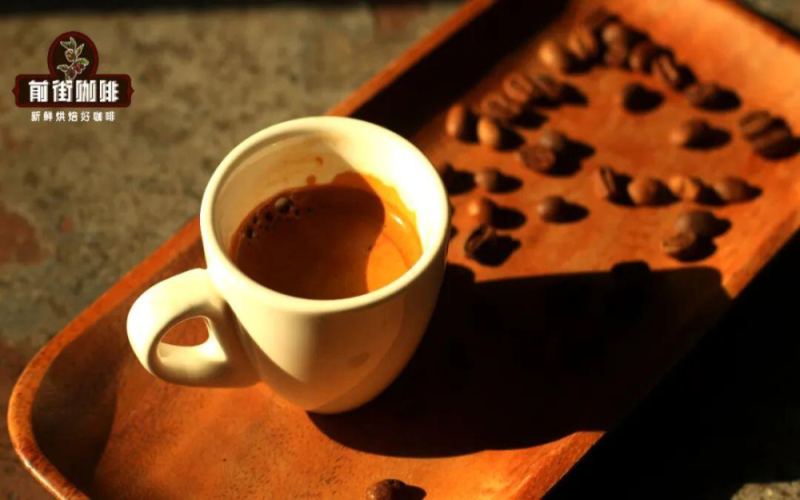
Definition of SOE Coffee | Why Are SOE Coffee Beans More Expensive Than Espresso Blend Beans? What's the Difference Between SOE Beans and Espresso Beans? What Are the Characteristics of SOE Coffee?
Nowadays, to create their own brand identity, many coffee shops offer personalized SOE coffee beans for customers to choose from. When we confirm that we want to switch the coffee from a blend to an SOE, we are always charged a few extra yuan. Why is that? SOE stands for "Single Origi [more…]
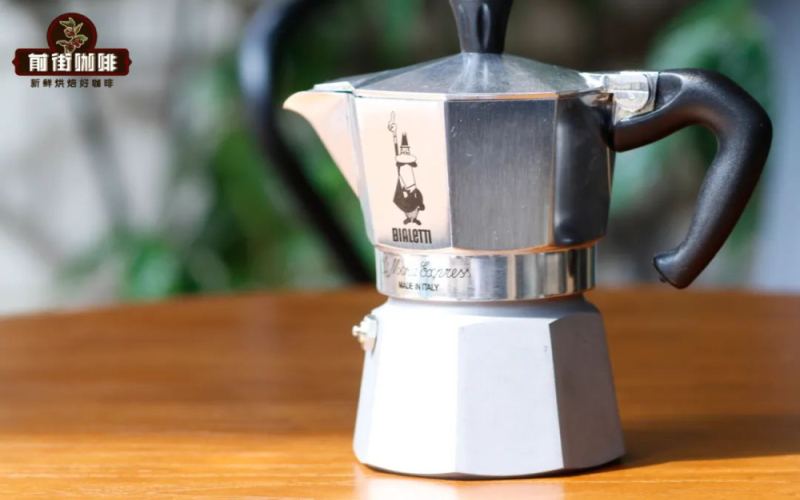
A Practical Guide to the Moka Pot: Extraction Principles, Operating Steps, and Why the Pot Gets Stuck
The moka pot is the most common coffee brewing device in Italian households, extracting a cup of rich, crema-topped coffee by means of steam pressure. In China, however, many enthusiasts are still unfamiliar with its correct operation, and some even encounter the problem of being unable to unscrew the body after brewing. This article begins with the moka pot's invention background and structural principles, then demonstrates the complete process step by step—filling water, adding grounds, heating, and removing from heat—and explains how grind size affects extraction safety, as well as why the body becomes difficult to open after use due to pressure differences. Front Street PWN Golden Mandheling is used for the brewing demonstration, helping readers master the key points of using this classic device. [more…]

Espresso Bean Selection Guide | What Milk Pairs with Classic Espresso? Which Espresso Coffee Beans Are Recommended for Coffee Shop-Style Espresso?
Many people may not know that making an ideal espresso requires a good deal of effort, including selecting coffee beans, resting the beans, and extraction—every one of these aspects must be ensured without fail, as missing even one link may prevent you from making a rich and aromatic Italian-style coffee. Next, let's start with the first and most important point. [more…]
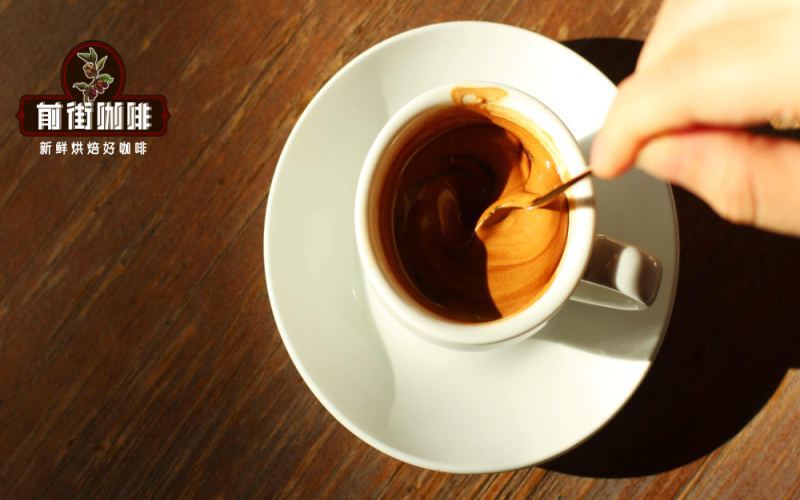
What Causes Over-Extraction in Espresso? Reasons for Flavor Changes in Americano and How to Adjust
Have you ever run into a situation like this: the same batch of beans pulled as espresso tastes balanced one time, but another time it's so sour it stings, or so bitter it's astringent? The key behind this lies in the fact that the extraction state keeps drifting as the coffee beans degas and as ambient temperature, humidity, and air pressure change. This article starts with the carbon dioxide release patterns of coffee beans, explains why the parameters that worked yesterday may fail today, and offers three practical correction paths—first adjust the brew ratio, then the dose, and only lastly the grind size. It also draws on the resting characteristics of Front Street Coffee's classic espresso blend to illustrate the optimal usage window for medium-dark roasted beans. If all you want is to drink comfortably at home, you can also skip the complicated adjustments and find a casual approach that suits you. [more…]
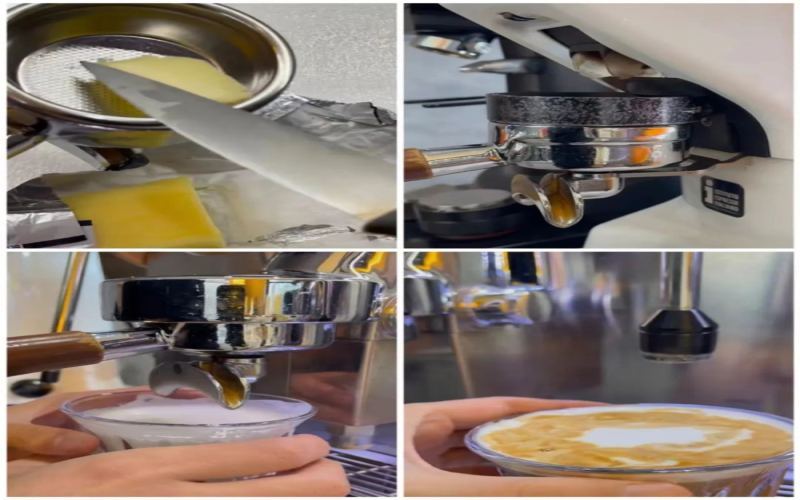
Espresso Machine Turned into a Pasta Maker? A Netizen's Full Record of a Butter Latte Fiasco and Lessons Learned
In recent years, more and more coffee enthusiasts have chosen to buy their own espresso machines at home, starting with espresso and gradually mastering the preparation of drinks like lattes, latte art, and dirty coffee. Recently, a netizen tried to recreate the butter latte commonly seen in coffee shops at home. To skip the wait for butter to soften at room temperature, they had a sudden idea: put a block of butter directly into the portafilter and tamp it together with the coffee grounds for extraction. This method sparked a nationwide copycat challenge, but the results often ended in failure—the butter was squeezed into thin strips by the pressure and shot out from the bottomless portafilter, coffee liquid splattered everywhere, and the countertop was left in a mess. Onlookers joked that the espresso machine had switched careers to become a pasta maker. This article fully documents the process of this creative experiment, the real feedback from netizens, and warm reminders from experienced individuals. If you're also tempted to try it, you might want to first read this compilation by Front Street Coffee before making a decision. [more…]
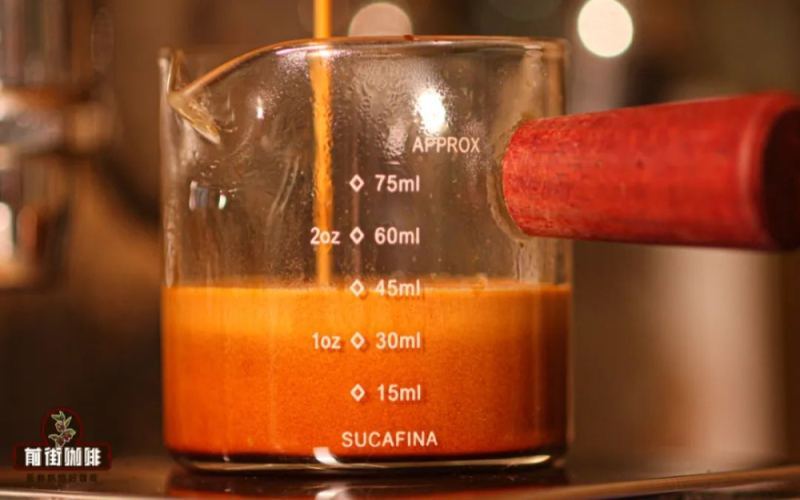
What information can the crema on espresso actually reveal? Thicker crema is not always better for latte art.
That layer of crema on the surface of an espresso can be rich and inviting at times, or thin and bland at others, and many people believe it directly reflects whether the flavor of a coffee is good or bad. But is that really true? This layer of foam, called crema, is actually formed by carbon dioxide wrapping around coffee oils, and its condition is closely tied to bean freshness, roast level, and grinding and extraction. This article will guide you through the characteristics of high-quality crema, analyze the reasons behind oil that is too thick and coarse or too thin and absent, and share how to achieve the ideal espresso crema through bean selection, resting, and grind adjustment. At the same time, Front Street will also offer practical advice to help you get more consistent results in both latte art and tasting. [more…]

Latte Coffee Making Guide: From Coffee Bean and Milk Selection to Extraction Ratio, Crafting a Fragrant, Sweet Hot Latte
As the weather turns cooler, a hot latte has once again become the daily go-to for many people. However, recreating a café-quality rich and sweet latte at home is no easy task—friends often report that their lattes either let bitterness steal the show, or the milk flavor completely overwhelms the coffee aroma. In fact, the key to a delicious latte lies in the coordination of three elements: bean selection, extraction, and ratio. Starting from Front Street's backend inquiries, this article systematically breaks down how coffee bean roast level affects latte flavor, how whole milk pairs best with beans, how to adjust espresso extraction parameters, and the golden ratio range between milk and coffee—helping you consistently make a balanced, mellow, and distinctly sweet hot latte at home. [more…]
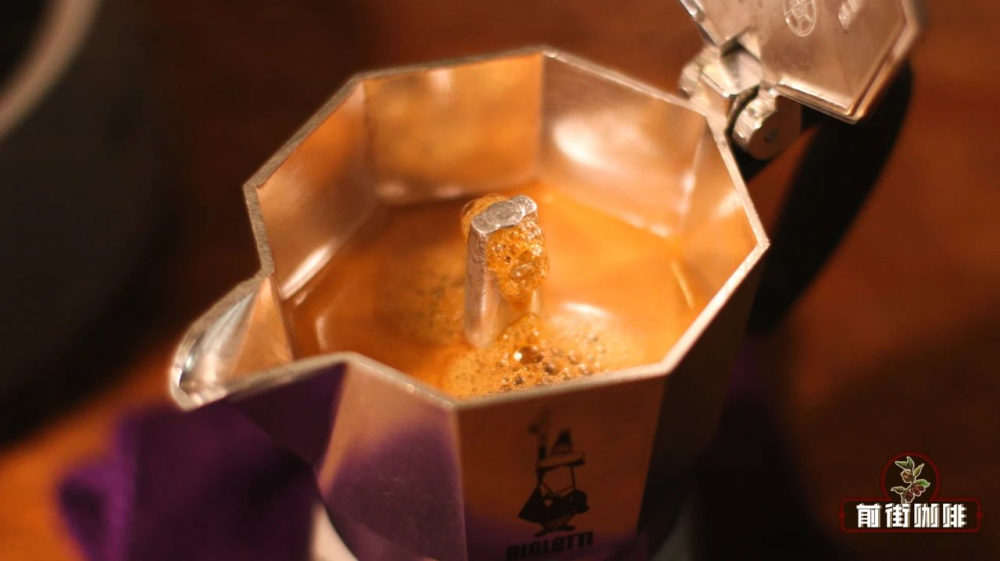
Moka Pot Coffee Grind | How Does Coffee Grind Size Affect the Crema, Flavor, and Mouthfeel of Coffee Brewed in a Moka Pot? Step-by-Step Guide to Brewing Black Coffee with a Moka Pot
Coffee brewed with a moka pot is stronger, which is the result of a fine grind and pressure extraction, but many people find the grind size for the coffee grounds very difficult to get right. Compared with other brewing methods, the coffee grounds used in a moka pot actually do not have such high demands on the grind! Finer than the extremely fine particles of espresso [more…]

Moka Pot Tutorial | How to Use a Moka Pot to Extract Espresso Crema? What Are the Requirements of a Moka Pot for Coffee Beans? How to Determine the Coffee Ground Coarseness for a Moka Pot?
The moka pot is a household coffee brewing device that has won people's affection for its many advantages, such as being simple to operate, convenient, and space-saving, and it has also caught the attention of many beginners. Today, Front Street will give a proper introduction to using the moka pot, combining text and images, so everyone can get started quickly. Moka [more…]
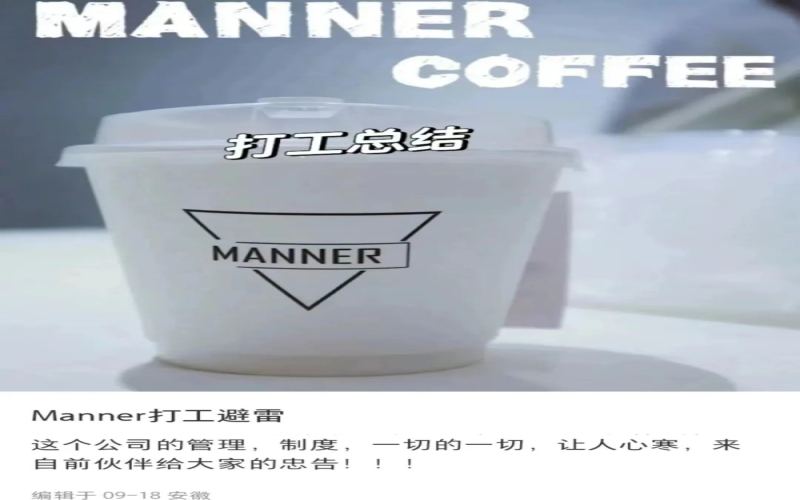
Manner's Raise Assessment Is as Hard as SCA Advanced Certification? Baristas Slam the Harsh System, Sparking Heated Debate
Recently, a netizen complained on social media that Manner Coffee's pay-raise assessment system is too strict, claiming that to earn the high salary advertised on its recruitment page, one must pass exams comparable in difficulty to SCA intermediate or even advanced barista certification, which resonated with many baristas. What kind of assessment threshold lies behind Manner's high pay? Compared with other brands, what makes its promotion system so difficult? This article takes you through it. [more…]
The Ratio Range of Espresso to Milk in Latte: Blending Methods for the Classic Italian Combination
As temperatures drop, hot lattes once again become the top choice for coffee lovers. Many people who try making lattes at home often run into the problem of unbalanced flavor—either the coffee is too bitter, or the milk masks the coffee's character. Drawing on Front Street Coffee's hands-on experience, this article systematically shares how to make a rich, well-balanced hot latte, covering the choice of coffee bean roast level, principles for pairing milk, adjustments to espresso extraction, and the optimal ratio range between milk and coffee, helping readers find the latte recipe that best suits their own ingredients. [more…]

Salted Yuzu Dirty Recipe Detailed Guide: Key Techniques and Ingredient Ratios to Solve Milk Curdling Caused by Yuzu Juice
In recent years, the salted pomelo Dirty has become quite popular online, but many people frequently fail when trying to recreate it at home. The core difficulty lies in the acidity of the pomelo juice, which causes milk proteins to denature and curdle, seriously affecting the taste. Through multiple experiments, Front Street has found a method that is closer to the original: using concentrated pomelo juice combined with sucrose syrup to make a homemade pomelo syrup, then combining it with milk and espresso, and finally sprinkling on sour plum powder to create a unique experience of intertwined salty and sweet flavors. This article will share the complete production parameters and flavor layers of this drink, from material selection, syrup ratios, coffee bean recommendations, to specific operating steps, helping coffee enthusiasts make a rich, well-balanced salted pomelo Dirty at home. [more…]

Moka Pot Coffee Maker Usage Illustrated Guide | How to Determine the Grind Size of Coffee Powder for Moka Pot? Can a Moka Pot Be Used on an Induction Cooker? Which Coffee Bean Varieties Are Suitable for Moka Pot?
The method for using a moka pot isn't complicated. Front Street believes that as long as you find the right coffee beans, make sure the grind size is correct, and then turn off the heat at the right time, you can easily make a delicious cup of moka pot coffee. Without further ado, Front Street will now demonstrate the specific method for using a moka pot. What type of coffee beans are suitable for a moka pot? [more…]
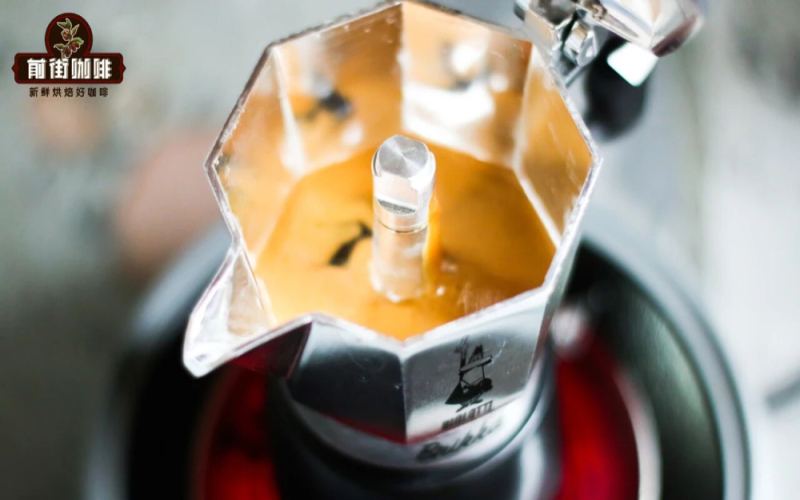
How to brew light-roast beans in a moka pot for the best taste? A full analysis of flavor, crema, and milk coffee issues
Many Moka pot users are accustomed to using dark roast beans because they are rich in oils and have a full-bodied, caramelized aroma. But when switching to light roast beans, they often run into problems like sharp acidity, sputtering during extraction, thin oils, and weak milk coffee. In fact, light roast beans aren't unsuitable for Moka pots—it's just that the extraction parameters need adjusting. This article breaks down the common reasons light roast beans go wrong in Moka pot coffee, offering solutions one by one from grind size and coffee dose to heat level and milk coffee ratio, while keeping product recommendations like Front Street Coffee's classic blend, helping you make a cup of well-balanced, clearly flavored coffee even with light roast beans. [more…]

What boundaries should you observe when visiting a coffee shop? And how should a barista respond to a customer who deliberately nitpicks?
As more people become interested in specialty coffee, a new phenomenon has emerged in cafés: some customers, armed with scattered knowledge picked up from training classes or books, observe the barista's every move throughout the process and even offer pointers on the spot, leaving many café owners on edge. Compared with the old days of rival cafés coming to challenge them, this enthusiast-style nitpicking is actually more of a headache. Drawing on several real accounts, this article discusses what to keep in mind when visiting a café, what baristas should do when they encounter someone intent on challenging them, and how to give feedback on a cup of coffee that doesn't live up to expectations in a way that is both sincere and appropriately measured. [more…]