







Why Did a Coffee Machine Turn Into a Pasta Maker?
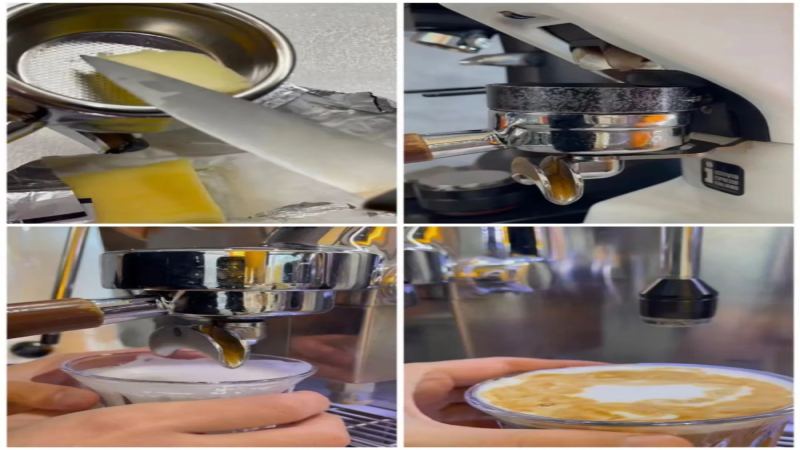
A home barista tried to skip softening butter by loading a block of butter straight into the portafilter with the coffee grounds, then tamping and pulling a shot. Pressure forced the butter through the puck and out of the bottomless portafilter in thin strips, spraying coffee across the counter. The result looked more like pasta than a butter latte.
The trick spread as an online copycat challenge, and most attempts ended the same way. Experienced coffee enthusiasts note that fat pushed through a portafilter at extraction pressure has nowhere to emulsify properly. A safer method is to soften butter first, then stir it into a finished espresso so it blends smoothly.
In recent years, more and more coffee enthusiasts have chosen to buy their own coffee machines at home, starting with espresso and gradually mastering the making of drinks like lattes, latte art, and dirty coffee. Recently, a netizen tried to recreate the butter latte commonly seen in coffee shops at home. To save time waiting for the butter to soften at room temperature, they had a sudden idea: put a block of butter directly into the portafilter along with the coffee grounds, tamp it, and extract. This method sparked a nationwide copycat challenge, but the results frequently ended in disaster—the butter was squeezed into thin strips by the pressure and shot out from the bottomless portafilter, coffee liquid splattered everywhere, and the countertop was left in a mess. Onlookers joked that the coffee machine had switched careers to become a pasta maker. This article fully documents the process of this creative experiment, the real feedback from netizens, and warm reminders from those with experience. If you're also tempted to try it, you might want to first read this compilation by Front Street Coffee before making a decision.
▲
Click to follow | Daily specialty coffee culture magazine Coffee Workshop
As coffee gradually integrates into daily life, many enthusiasts buy their own coffee machines and tinker with various drinks at home. From initially learning to extract espresso, they gradually progress to making lattes, doing latte art, mixing various flavored lattes and dirty coffees, recreating at home all the good flavors they've had outside.
Recently, a netizen planned to make a butter latte at home, a drink sold in many coffee shops. But during preparation, they found that given the current temperature, softening the butter to room temperature would take quite a while. To immediately enjoy a hot butter latte, they would have to wait patiently for a while longer.
To cut down on that waiting time, the netizen suddenly had an idea: put chunks of butter directly into the portafilter, then follow the usual espresso extraction steps—tamp the coffee puck, lock on the group head. This way, the softening of the butter and its fusion with the espresso would be done in one go, saving time and effort to make a warm yet not greasy butter latte.
After watching the whole process, this butter latte seemed not complicated at all, and the final product looked quite convincing. So, many netizens eagerly wanted to try it. Following the blogger's method, they took butter from the fridge, cut it into chunks, placed it under the coffee grounds in the portafilter, tamped it firmly, then expectantly locked on the handle, turned on their phone to record, and stood quietly by, waiting for their own cup of butter latte...
However, what happened next seemed completely different from what was expected?!?!
Perhaps because a bottomless portafilter was used, the butter didn't melt into liquid and flow into the cup in time. Instead, under the pressure of the coffee machine, it was forced down to the bottom of the basket, then through the fine holes of the bottomless portafilter, turning into a cluster of pale yellow thin strands, like a tangled ball of yarn, finally landing with a "plop" into the milk in the cup. But wait, it doesn't end there—after the "noodles" were squeezed out, the coffee puck formed channels due to the temporary gaps, and the coffee liquid began splattering everywhere.
In the end, it turned out that the outcome of following the trend was not just a cup of not-so-buttery butter latte, but also a bonus of a messy countertop.
After watching the entire recreation process, onlookers filled the comment section with laughter, completely indifferent to the blogger's plight. Everyone started naming it: "Pasta maker." Some said, "Did the coffee machine have beef noodles last meal? And extra thin ones," "Noodle coffee," and "Handle: Sorry, I threw up."
Of course, many curious netizens said they "didn't believe it" and insisted on trying it themselves to see if it really would fail. Just like that, batches of "victims" appeared on social platforms. Although their failures took different forms, they were all amused and exasperated by their own creative coffee.
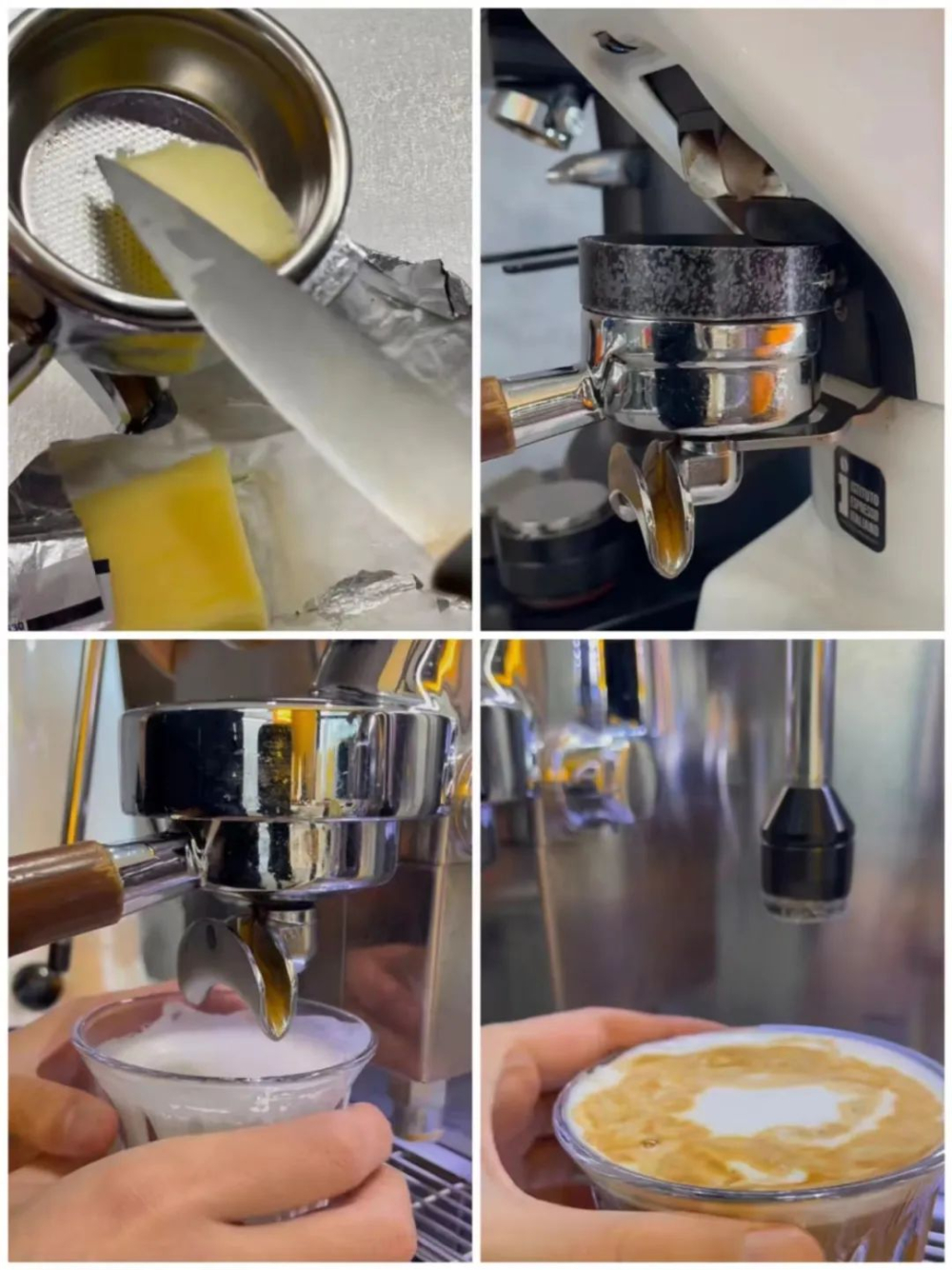
"I advise everyone not to make butter latte this way, it's too vicious!!" "Have you ever seen a coffee machine that makes noodles?" "Other people's butter latte looks like ramen... mine looks like diarrhea..." "At the time I didn't believe it... then I laughed silly," "What a butter waterfall latte," "Stretchy butter caramel latte"... All kinds of messy scenes, no one could bear to look directly!
These friends who tried it are all telling us through personal experience that making butter latte this way indeed doesn't yield a butter espresso. Instead, you get freshly pressed "butter noodles" and espresso splattering everywhere. As for the taste of this butter latte, some think it's "sweet and not greasy," while others bluntly say "not tasty." Only those who try it themselves can truly tell.
Finally, a warm tip from someone with experience: don't get too close during extraction, or you might get a face full of butter.
Image source: Xiaohongshu
Disclaimer: Some images in this article are from the internet. For content on the website such as images, we will respect the original copyright and indicate the source. However, due to the large volume, some images and texts may not be credited in time; please forgive us. If the original author has any disputes, they can contact the website for handling. Once verified, we will correct it immediately. Compiled and edited by "Coffee Workshop." Please indicate the source when reposting. If there is infringement, please inform us for deletion. Thank you~!
The above content is compiled by CoffeeHunters, a coffee news website.


