






Search Results for: Ethiopian Geisha
Flavor Differences Between Ethiopian Geisha and Panamanian Geisha: Same Name, Different Variety—Why the Huge Gap in Price and Taste
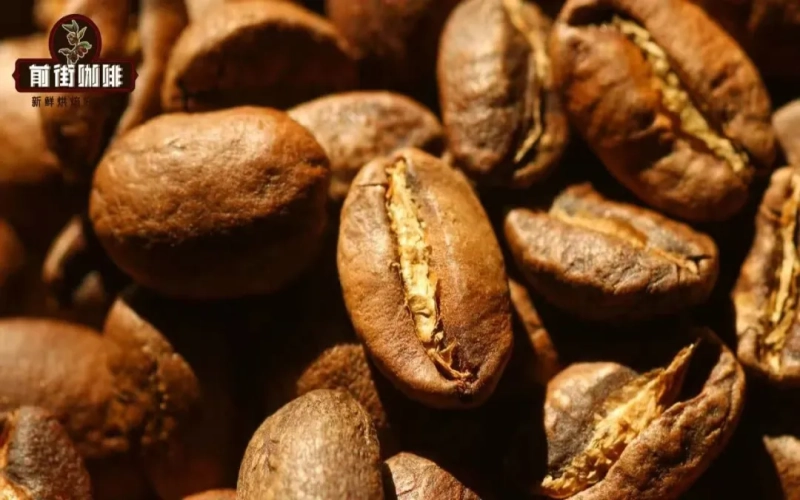
Geisha coffee varies significantly in flavor and price depending on its origin and processing method. Among them, Ethiopian Geisha and Panamanian Geisha often spark lively discussion among coffee enthusiasts due to their stark differences in price and taste. Although the two share the name "Geisha," they are actually entirely different varieties. Panamanian Geisha originated from the Geisha forest in Ethiopia, was discovered by Hacienda La Esmeralda, and won the 2004 BOP competition, known for its white floral notes, citrus fruit character, and green tea-like quality, with the designation T2722; Ethiopian Geisha, on the other hand, tends to have a rich, juicy mouthfeel and is genetically more distantly related to Panamanian Geisha, making it something of a distant relative. This article will outline the origins and flavor differences of the two, and recommend several high-value Geisha beans from Front Street Coffee for comparative tasting. [more…]

What's the difference between Panama Geisha and Ethiopian Geisha? A clear explanation from flavor and bean appearance to origins
Geisha is now a star variety in the specialty coffee world, but Panama Geisha and Ethiopian Geisha actually represent two different flavor paths. After comparing them, Front Street Coffee found that although both possess outstanding acidity and floral aromas, their specific expressions differ markedly: Panama Geisha leans toward jasmine florals, citrus, and honey-like sweetness, with a soft, easy-drinking entry; Ethiopian Geisha also has florals, but its main thrust is abundant juiciness and explosive fruit flavors. This article examines, from the perspectives of historical origins, dissemination routes, terroir conditions, and green bean appearance, why these two coffees sharing the same name taste like two different beans, and also answers how the true Geisha flavor should be understood. [more…]
Tracing the Origins of the Geisha Coffee Variety: Flavor Differences and Genetic Lineage Between Ethiopian Native Gesha and Panamanian Geisha
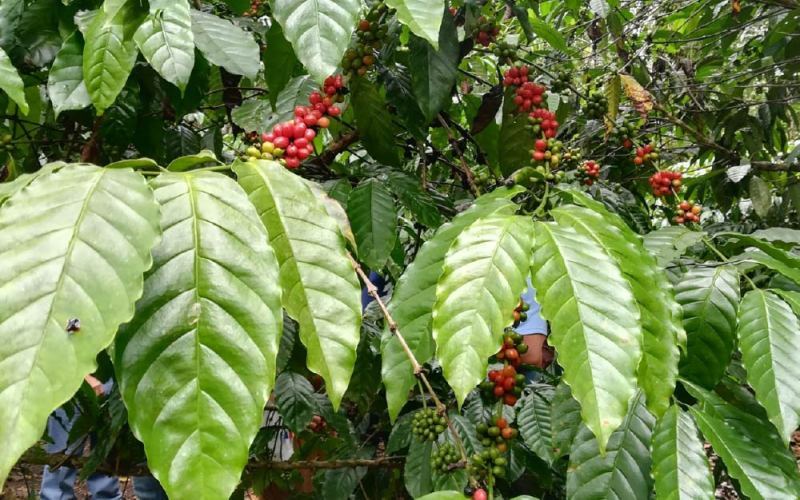
Although Geisha coffee originated in Ethiopia, it rose to world fame in Panama. What many people do not know is that the Geisha grown in Central America today and the native Geisha of Ethiopia are actually two different varieties, a fact hinted at by the difference in spelling between Gesha and Geisha. Through comparison, Front Street Coffee found that Panamanian Geisha is known for its refined fruit acidity, floral aroma, and tea-like body, while native Ethiopian Gesha presents notes of citrus, almond, and tea, with slightly less complexity. This article traces Geisha's century-long journey from being collected in the Kaffa forest to achieving fame in Panama, sorts out the genetic relationship between T2722 and Gesha1931, and introduces the flavor characteristics of the Ethiopian Gesha Village and Panamanian Hacienda La Esmeralda series Geisha coffee beans currently sold by Front Street Coffee. [more…]
Gesha Village: Tracing the Origins of Ethiopian New Varieties and Recent Auctions
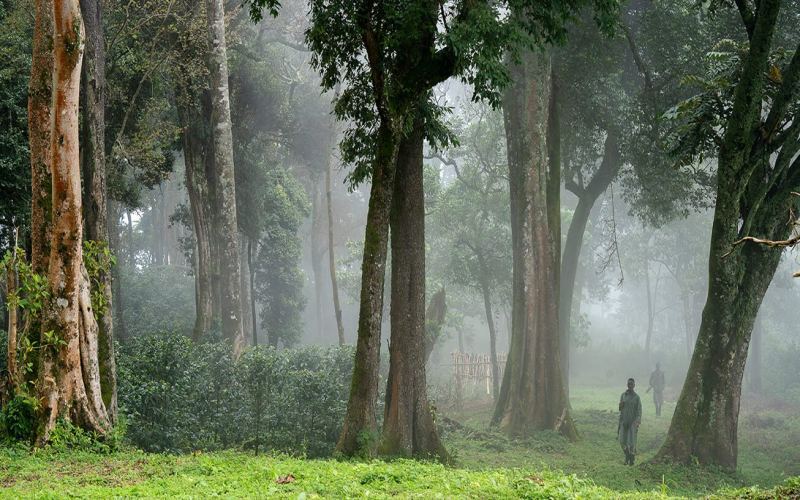
The name Geisha is now almost a highly recognizable symbol in specialty coffee. But what many people don't know is that its roots actually lie in Ethiopia. In recent years, an estate named after Geisha—Gesha Village—has turned its attention back to Ethiopia, and has also made "original Geisha" a [more…]
Ethiopian Geisha Coffee Flavor Analysis: Differences from Panama Geisha and Brewing Recommendations
Geisha coffee has always been best known for Panama's Hacienda La Esmeralda, but the variety actually originated in the Geisha forest of Ethiopia. This article focuses on the taste characteristics of Ethiopian Geisha coffee beans, outlining the farm structure, grading system, and growing elevation of Geisha Village, and comparing how Panama Hacienda La Esmeralda Geisha differs in flavor, including specific differences in floral notes, tea-like quality, and candied sweetness. At the same time, Front Street Coffee also shares the complete three-stage pour-over parameters and operating steps for Panama Natural Green Label, providing a reference for coffee lovers when purchasing and brewing Geisha coffee. [more…]

From Ethiopian Heirloom to Panama Hacienda La Esmeralda: A Comparison and Flavor Analysis of Geisha Coffee's Two Major Producing Regions
Geisha coffee is one of the most sought-after varieties in today's specialty coffee world, but many people don't know that its roots actually lie in Ethiopia. This article will take you through the journey of Geisha from Ethiopia's native forests to Panama's Hacienda La Esmeralda, and compare the similarities and differences between Geisha coffees from two major origins—Ethiopia's Gesha Village and Panama's Hacienda La Esmeralda—in terms of bean morphology, processing methods, and flavor expression. It will also introduce several Geisha products selected by Front Street Coffee, including Front Street Gesha Village Red Label, Gold Label, and Front Street Emerald Red Label, and present their flavor differences through actual cupping data, helping you gain a more comprehensive understanding of the diversity of Geisha coffee. [more…]
Exploring 90+ Specialty Coffee: A Multifaceted Flavor Analysis of Panama Geisha and Ethiopian Heirloom Varieties
Ninety Plus is a highly esteemed brand in the specialty coffee world, renowned for its coffee beans from the Panama Geisha estate and multiple regions in Ethiopia, celebrated for their unique processing methods and richly layered flavors. This article will analyze one by one more than ten Ninety Plus coffee beans recommended by Front Street Coffee, including Juliette, Lotus Solstice, the Horizon series, Ginseng, Clinique, the Nectar series, and more, covering honey processing, natural processing, and patented Solkiln, Red processing, Ruby processing, and other techniques. From origin, harvest season, variety, Level, altitude to processing method and flavor description, it fully presents the individual characteristics of each bean, guiding you to appreciate the splendid expression of Geisha and Ethiopian heirloom varieties in terms of cleanliness, sweetness, fruity aroma, and vinous notes. [more…]

A Full Comparison of Three Famous Ethiopian Coffees: Gesha, Yirgacheffe, and Huakui—Origins, Varieties, and Flavors
Ethiopia is the birthplace of Arabica coffee and, in the minds of coffee lovers worldwide, a region with an exceptionally high quality-to-price ratio. Within this genetic treasure trove, Geisha, Yirgacheffe, and Huakui are collectively known as the "Three Giants of Ethiopian Coffee" thanks to their fame. Although most coffee enthusiasts have heard of them, not everyone can clearly explain the specific differences among the three in terms of regional attributes, the meaning of their names, and flavor expression. From the perspective of Front Street, this article systematically sorts out the origins and development of these three coffees: Yirgacheffe is actually the name of a region, Geisha is the name of a variety but has two references, and Huakui is a commercial name. Only by understanding their identities and flavors can one truly appreciate the rich charm of Ethiopian coffee. [more…]
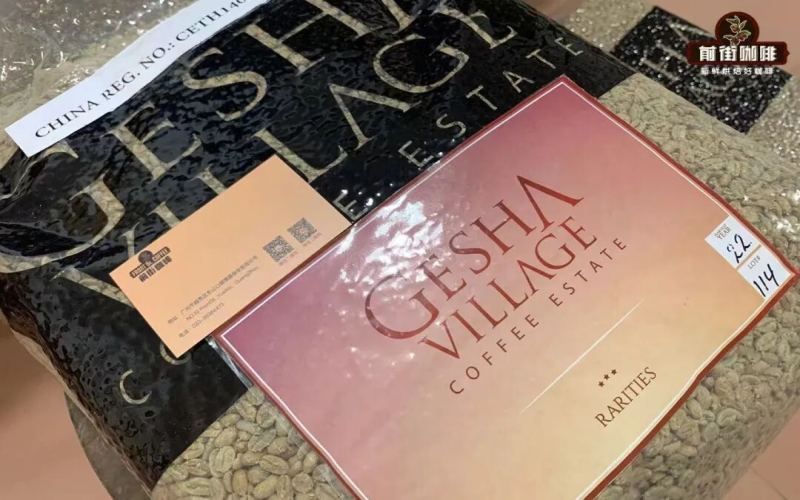
Ethiopian Geisha Coffee | What is the origin of Gesha Village? How does Gesha Village grade Geisha coffee? What are the characteristics of different grades of Geisha?
In the past, when some friends who wanted to taste Geisha coffee came to Front Street Coffee and ordered Geisha, the baristas at Front Street would carefully ask, "Do you mean Ethiopian Geisha or Panamanian Geisha?" Everyone would be confused about the difference between these two Geishas. Nowadays, the name of Panamanian Geisha [more…]
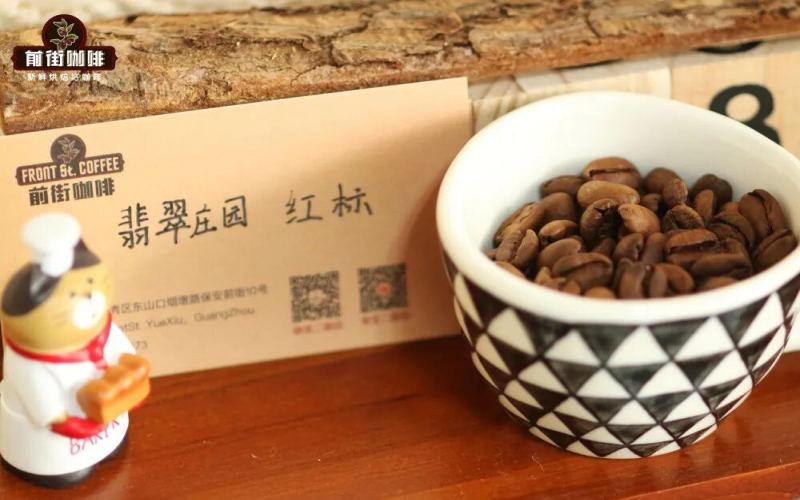
Geisha Coffee Origins | How Do Panamanian and Ethiopian Geisha Differ? What Geisha Varieties Are There? An Introduction to Panama Emerald Geisha Grades
Some people say that Geisha coffee is so expensive, so what exactly does Geisha coffee taste like? Front Street believes that when you drink Geisha coffee, you'll feel like it's not a cup of coffee, but a cup of floral and fruity tea. Because of different growing regions, the flavors that Geisha coffee presents also vary, but overall, Geisha coffee naturally has a [more…]
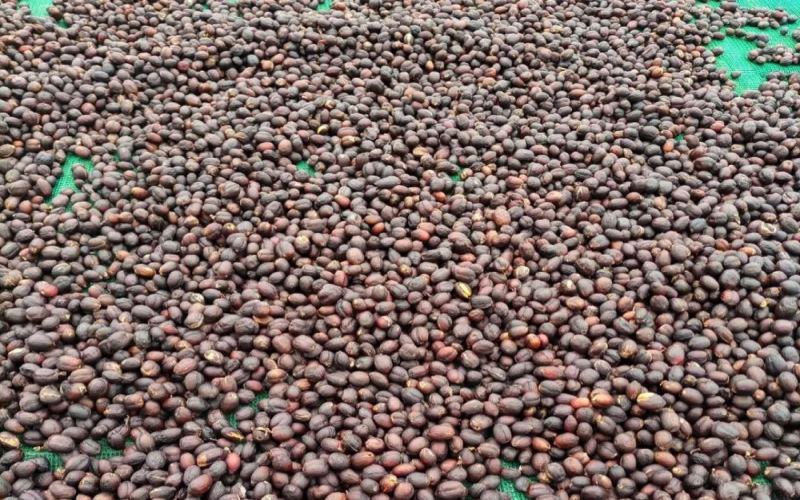
Ethiopian Geisha Coffee Brewing Guide: Grana Estate Flavor Characteristics and Cold Brew Feasibility Analysis
Ethiopia is both the birthplace of coffee and the place where the Geisha variety was first discovered. Unlike producing countries in the Americas such as Panama, Ethiopian coffee is dominated by smallholder farmers, with a vast and complex mix of varieties, often exported under the label "heirloom," making true Geisha identification difficult. This article focuses on Front Street's Ethiopian Grana Estate Geisha, introducing the floral and fruity aromas and soft caramel notes brought by its high-altitude natural process, and explaining that beyond pour-over, it can also handle cold brew, immersion in a Clever Cup, and Geisha SOE extraction. It also outlines the geography, varieties, and grading system of Gesha Village, compares the flavor differences between Front Street's Panama Emerald Estate and Gesha Village Gold Label, and finally offers light-roast recommendations to help coffee enthusiasts more fully understand the brewing and tasting directions for this bean. [more…]
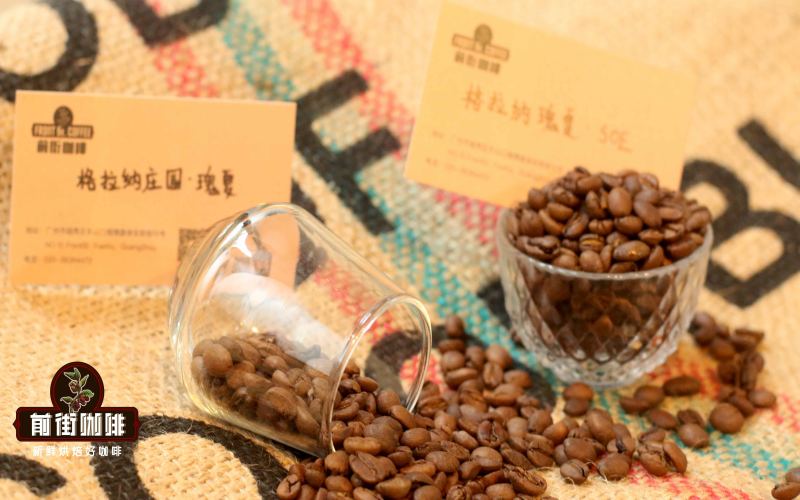
Can Ethiopian Native Geisha Be Used for SOE? Front Street Coffee Granada Estate Natural Geisha Roasting and Flavor Guide
Ethiopian heirloom Geisha is a completely different flavor profile from Panamanian Geisha, and with its outstanding value for money and unique specialty coffee expression, it is drawing the attention of more and more coffee lovers. The Grana Estate Geisha SOE launched by Front Street Coffee has an obvious yellow floral note and bright bergamot on the entry, with a fresh strawberry-like sweet fragrance in the finish. This bean comes from the Grana processing station at the border of the Kochere and Grana Abaya producing areas, where Israel Degefa led research in 2014, using raised-bed sun-drying for 14 to 20 days. Brewed as an Americano it has lime notes and a fermented black grape sweetness, while as a milk coffee it shows a smooth, sweet strawberry-cake quality. This article covers its origin background, processing method and SOE performance, and provides reference roasting ideas. [more…]
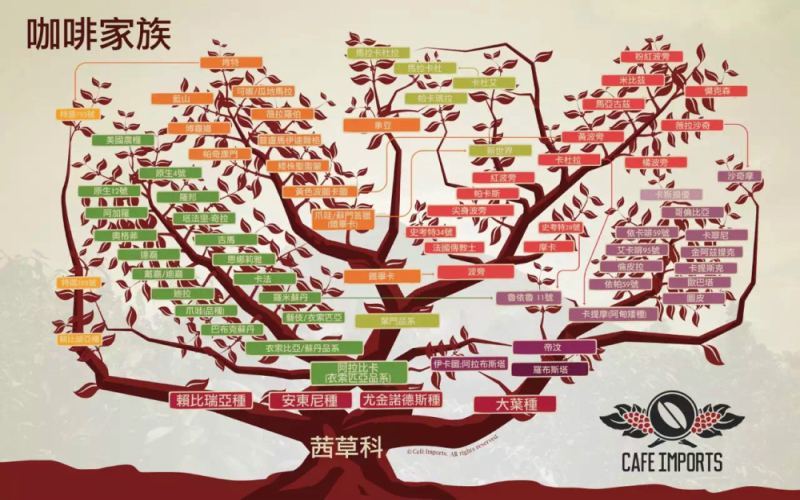
Geisha Coffee Variety Classification and Flavor Analysis: The Legendary Journey from Ethiopian Heirloom Varieties to Panama's Hacienda La Esmeralda
Geisha is a highly acclaimed top-tier variety in the coffee world, but which variety does it actually belong to? Is it Arabica? What makes its flavor and mouthfeel so unique? How does its acidity perform? This article traces Geisha's legendary journey from its discovery in the forests of the Gesha region of Ethiopia in 1931, through Kenya, Costa Rica's CATIE, and finally to its spectacular rise at Hacienda La Esmeralda in Panama. It also compares the differences in bean appearance and flavor between Panamanian Geisha and Ethiopian Geisha, and shares Front Street Coffee's brewing reviews of Hacienda La Esmeralda's Red Label and Gesha Village's Gold Label, offering you a comprehensive understanding of this fascinating variety. [more…]

Ethiopian Gesha Village Coffee Flavor Analysis: A Complete Overview of Variety Origins, Production Areas and Plots, and the Grading System
When people talk about Geisha, most think first of Panama. However, the roots of this legendary variety lie in Ethiopia. Front Street Coffee takes you through the history of Geisha's spread, from the discovery of the Geisha forest in 1931 to the establishment of the Gesha Village Estate in the Bench Maji region. This article will provide a detailed analysis of the three coffee varieties at Gesha Village—Gori Gesha, Gesha 1931, and Illubabor Forest 1974—and introduce the terroir characteristics and coffee flavors of the estate's eight farms one by one. In addition, Gesha Village's strict grading system of Auction, Gold, Red, Green, and Chaka lots will also be presented, helping coffee enthusiasts gain a comprehensive understanding of the unique charm of Ethiopian Geisha. [more…]
A Complete Guide to the Ninety Plus Specialty Coffee Bean Series: Flavor Exploration of Geisha and Ethiopian Heirloom Varieties and Future Trends
As a benchmark brand in the specialty coffee world, Ninety Plus is renowned for its rigorous Level grading system and innovative processing methods. This article systematically reviews the full lineup of Ninety Plus beans recommended by Front Street Coffee, covering Juliet, Lotus Solkiln, Prospect, Red Prospect, Prospect Ruby, and Silvia Solkiln from the Panama Geisha estate, as well as Ginseng, Clinique, Nectar, Red Nectar, and Nectar Ruby from the Ethiopian production region. From honey processing and natural processing to the patented Solkiln dense processing, red processing, and ruby processing, each one displays a unique flavor layering. The article fully preserves the origin, harvest season, variety, Level, altitude, processing method, and flavor description of each bean, providing coffee enthusiasts with a detailed tasting guide and, from this, looking ahead to the future direction of specialty coffee. [more…]
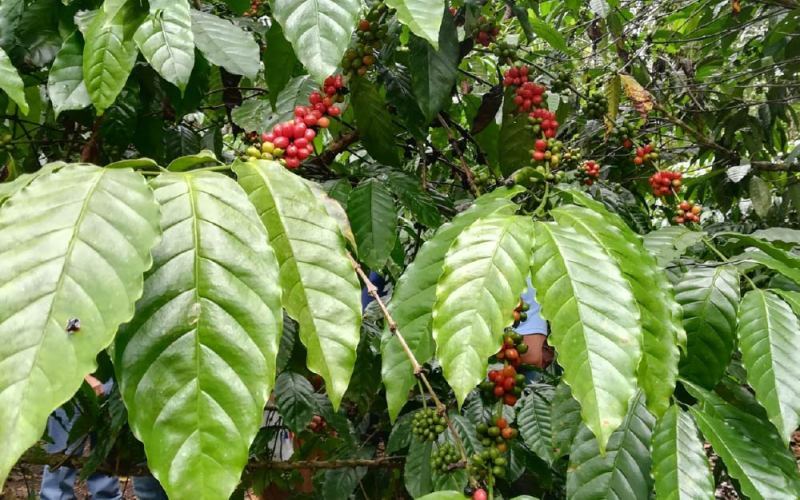
A Complete Analysis of Geisha Coffee Bean Producing Regions: From Ethiopian Origins to the Flavor Differences of Panama Hacienda La Esmeralda's Red, Green, and Blue Label Grades
Geisha coffee journeyed from the primitive forests of Ethiopia to the world stage, and it was Panama's Hacienda La Esmeralda that made it famous overnight. Today, Ethiopia, Costa Rica, and Panama all cultivate Geisha, but their flavor expressions each have their own strengths. How exactly do Hacienda La Esmeralda's Red Label, Green Label, and Blue Label differ? This article will systematically organize the core knowledge of Geisha coffee, from origin distribution, variety genetics, and altitude grading to flavor characteristics, and include Front Street Coffee's brewing suggestions, taking you through a comprehensive understanding of this highly sought-after specialty coffee. [more…]
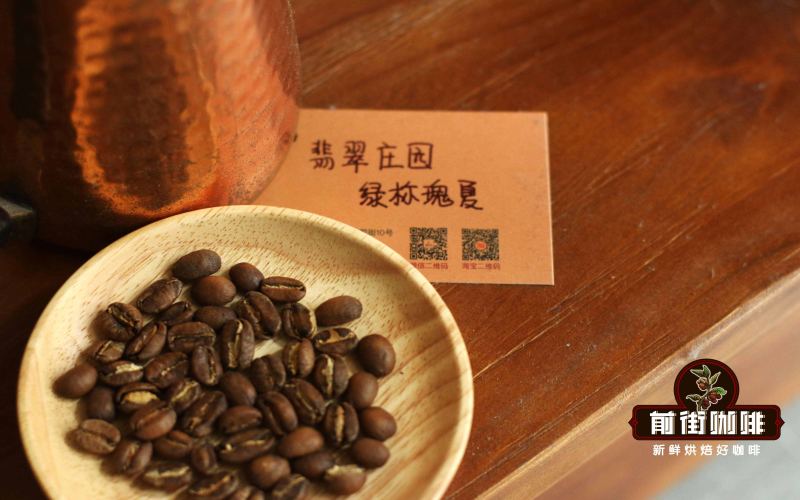
Gesha or Geisha? Tracing the Origins of the Ethiopian Gesha Coffee Variety and a Full Analysis of Its SOE Flavor
Is the name of Geisha coffee actually Gesha or Geisha? This question has long been debated in coffee circles. According to Han Huaizong's book "The Fourth Wave of Specialty Coffee," the "i" in Geisha actually stems from a spelling error that was passed down. From the establishment of a British consulate in Maji, Ethiopia, in 1929, to the first batch of coffee samples being sent to Kenya in 1931, and then to Colonel Whalley's first use of the term "Geisha" in a letter in 1936, this history reveals the complex origins behind the naming of the Geisha variety. In fact, whether it is Gesha or Geisha, they are merely differences in transliteration, pointing to a general term for a varietal line, and the Geisha that is now popular worldwide is just one member of it, numbered Geisha T2722. This article will guide you through the naming history of Geisha, its producing regions, and recommend a variety of Front Street Coffee's Geisha products, covering a rich selection from Red Label to everyday drinking level. [more…]
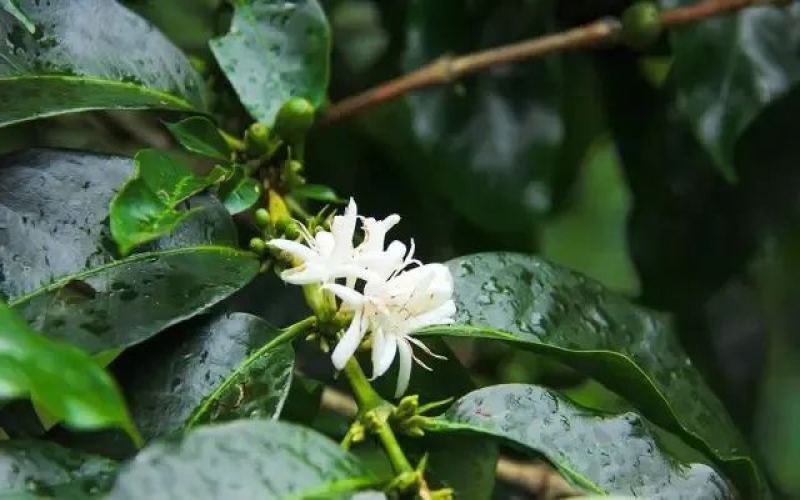
The Mystery of Geisha's Origins: Tracing the Variety from Ethiopian Forests to Gesha Village Estate
Geisha coffee has become a favorite among countless coffee enthusiasts thanks to its alluring flavors, yet many people still have only a vague understanding of this variety's origins and the path of its spread. This article, drawing on materials consulted by Front Street Coffee, sorts out the complete journey of Geisha—from being collected in Ethiopian forests in the 1930s, to passing through Tanzania and Costa Rica, and finally dazzling the world at Hacienda La Esmeralda in Panama. At the same time, we will also take an in-depth visit to Ethiopia's Gesha Village Coffee Estate, to learn about the origins of its founding, the discovery stories of its three major varieties—Gesha1931, Gori Gesha, and Illubabor—as well as the estate's plot divisions and lot grading system. At the end of the article, Front Street Coffee has also selected three Gesha Village coffees for enthusiasts to compare and taste. [more…]
Ethiopian Gesha Village Coffee Flavor Analysis: From Variety Traceability to Cupping Performance
When people talk about Geisha, most think of Panama, but rarely mention its birthplace—Ethiopia. This article begins with the history of Geisha's spread, tracing how this variety journeyed from African forests to the world stage, and focuses on Gesha Village Coffee Estate in the Bench Maji region. It covers the estate's founding background, the microclimates and flavor differences of its eight farms, the genetic characteristics of three Geisha varieties, and the estate's strict internal grading system. Brewing parameters from Front Street Coffee are also included, offering a complete reference for coffee enthusiasts who want to deepen their understanding of Ethiopian Geisha. [more…]
Yirgacheffe SOE Espresso Flavor Analysis: Front Street Grana Native Geisha and Espresso Serving Guide
Is coffee made from Ethiopian Yirgacheffe beans as an SOE espresso actually good? Starting with Front Street Coffee's Grana Estate native Geisha, this article introduces this Ethiopian native Geisha that Israel Degefa began researching in 2014, how its flavor differs from Panama Geisha, and why it has gained attention for its high cost-performance. We'll also discuss its specific performance when made into Americano and milk coffee, plus practical knowledge about espresso serving sizes, helping you craft a richly layered SOE at home. [more…]