







Search Results for: East African Rift Valley
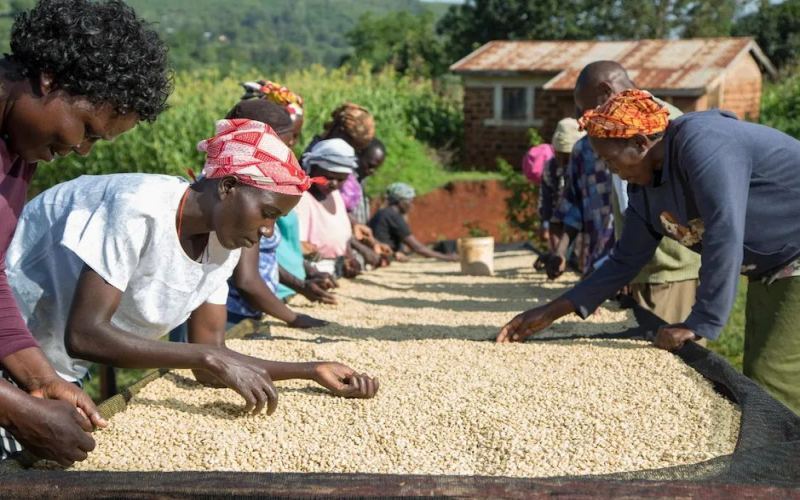
How are Kenya's coffee-growing regions divided? What makes the producing area at the foot of Mount Elgon in the west unique?
Kenyan coffee is renowned in the specialty coffee world for its layered fruity aromas and full, juicy body. This country in eastern Africa, with its high-altitude mountains, volcanic soil, and tropical monsoon climate, provides exceptional natural conditions for coffee cultivation. Kenya's coffee-growing regions are mainly divided into three major blocks: the Central Region, the East African Rift Valley Region, and the Western Region. Among them, the Western Region is represented by three major producing areas—Elgon, Trans-Nzoia, and Bungoma—at the foot of Mount Elgon, whose coffees feature bright acidity, citrus fruit flavors, and a rich body. This article will guide you through the overall distribution of Kenya's coffee-producing regions and take a closer look at the terroir characteristics of the Western Region. [more…]
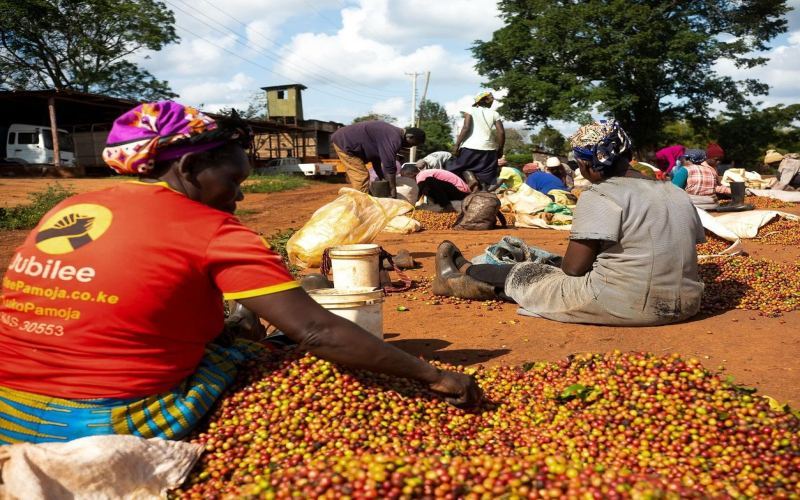
An Overview of Coffee-Producing Regions in West-Central Kenya and the Flavor Characteristics of K72 Washed Coffee
Kenya, as a representative producing country of African specialty coffee, has always been a focus of coffee lovers' attention in terms of its production area distribution and processing techniques. Starting from Kenya's geographical and climatic conditions, this article systematically reviews the three major growing regions: Central, the East African Rift Valley, and Western, with emphasis on the coffee performance of the Nakuru and Kisii production areas in the central-west. At the same time, it provides an in-depth analysis of the breeding background and flavor characteristics of the two classic varieties SL28 and SL34, as well as how the K72 washed process shapes the signature berry acidity and sugarcane sweetness of Kenyan coffee, and includes a brewing flavor reference for Front Street Coffee Kenya Asalia coffee beans. [more…]
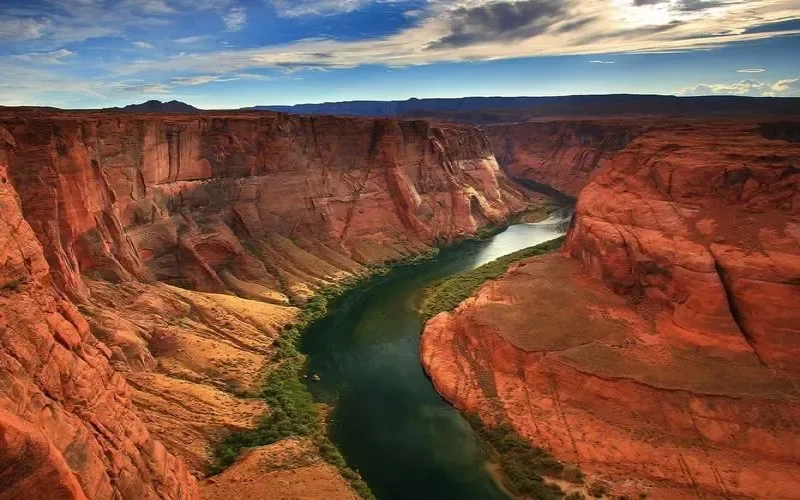
Exploring the East African Coffee Landscape: A Full Analysis of Tanzania's Kilimanjaro and Arusha Producing Regions
The African continent is dominated by plateaus, and the East African region in particular is home to the Ethiopian Highlands and the East African Plateau, with the Great Rift Valley running through it, dense clusters of volcanoes and lakes, and the Equator crossing it—together creating natural conditions extremely well suited to coffee cultivation. Coffee produced in this region accounts for about 14% of total global output, and Tanzania, thanks to its high-quality coffee, is known as the "coffee gentleman." Tanzania's terrain is high in the northwest and low in the southeast, with Mount Kilimanjaro standing in the northeast at 5,895 meters above sea level, the highest peak in Africa. Around this mountain, two core producing regions have formed: Kilimanjaro and Arusha. High altitude, volcanic soil, and pure snowmelt water together create the distinctive quality of the local coffee. Front Street Coffee also has a washed Typica from the Kilimanjaro producing region, and its flavor profile is worth noting. [more…]
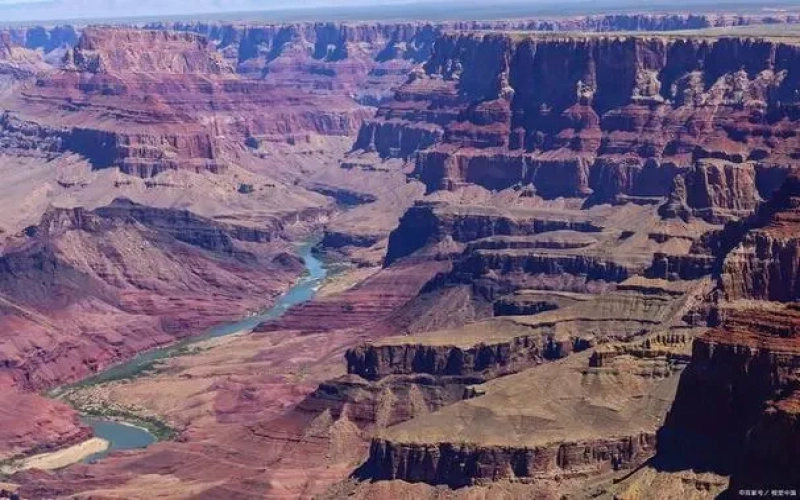
A Complete Guide to Kenyan Coffee Flavors and Grading System: From the East African Highlands to the Thika Region
Kenya, as an important coffee-producing country in East Africa, is renowned for its multi-layered flavors and bright, juicy acidity. This article starts with the terrain and climatic conditions of the African highlands, sorts out the three major coffee-growing regions in Kenya, focuses on the geographical advantages of the central producing region Thika and the distribution of processing plants, and explains in detail Kenya's official green bean grading system AA+, AA, AB, PB, C, E, TT, and T, as well as the TOP, PLUS, and FAQ cupping grades added by exporters. The article also presents the flavor description of Front Street Coffee's coffee beans from the Asalia processing plant in the Thika producing region, helping coffee enthusiasts gain a comprehensive understanding of the unique charm of Kenyan coffee. [more…]
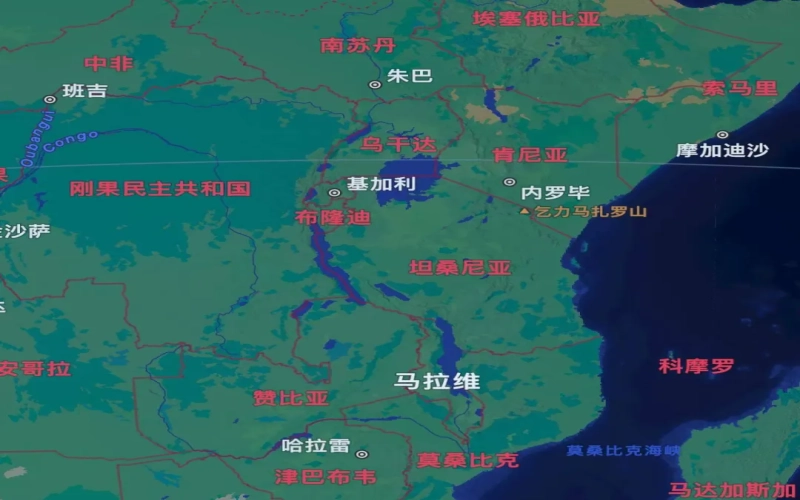
A Comprehensive Analysis of Coffee Producing Regions and Varieties in Malawi, a Landlocked Country in Southeast Africa
African coffee enjoys a stellar reputation in the global market, with Ethiopia recognized as its place of origin, while Malawi is likewise a producing country that cannot be overlooked. This landlocked nation in southeastern Africa, bordered by Tanzania, Mozambique, and Zambia, takes its name from Lake Malawi, the third-largest lake in Africa. Malawi has complex terrain, with the East African Rift running through the entire country; its tropical savanna climate, combined with abundant rainfall and diverse soils, provides ideal conditions for coffee cultivation. This article will guide you through Malawi's coffee-growing landscape, focusing on two well-known producing regions—the Misuku Hills and the Nkhata Bay Highlands—as well as major varieties such as Agaro, Geisha, Bourbon, and Catimor, and will also explain the operating model of smallholder cooperatives. [more…]
An Analysis of the Grading Differences Between Kenya Black Tea Grade 1 and Grade 2 and Their Quality Characteristics
Kenya is not only a tourist destination, but also an important black tea producing region globally. Since the introduction of tea cultivation in 1903, Kenya has developed into the world's third-largest tea producer and exporter. Local tea gardens are mainly distributed in the highlands of the East African Rift Valley, with the industry structure composed of large estates and smallholder cooperatives, among which KTDA manages over 60% of the output. Kenyan black tea is primarily processed using the CTC method, producing a strong and bright liquor that is highly favored in the international market. This article will provide a detailed analysis of the grading system for Kenyan black tea, including the specific differences between main grades such as BP1, PF1, D1, PD, F1, and secondary grades, helping coffee and tea enthusiasts gain a comprehensive understanding of the quality characteristics and classification logic of Kenyan black tea. [more…]
Kenya AA Coffee Beans' Flavor Goes Beyond Fruity: Regional Characteristics and a Review of Front Street's Masai Washed Beans
When it comes to African specialty coffee, Kenya is often an unavoidable stop. Situated at the intersection of the equator and the East African Rift Valley, its high altitudes and tropical savanna climate together shape a richly layered coffee flavor profile. The industry generally regards Kenya as one of the most satisfying origins, with a cup that offers both bright fruit acidity and a solid body. This article starts with Kenya's geography and climate, outlines its classic flavor characteristics, and presents the complete profile of Front Street Coffee's Kenya AA Maasai Washed beans—region, altitude, grade, processing method, and specific flavor descriptions—to help coffee lovers understand what other palate experiences Kenya coffee can offer beyond its fruity notes. [more…]
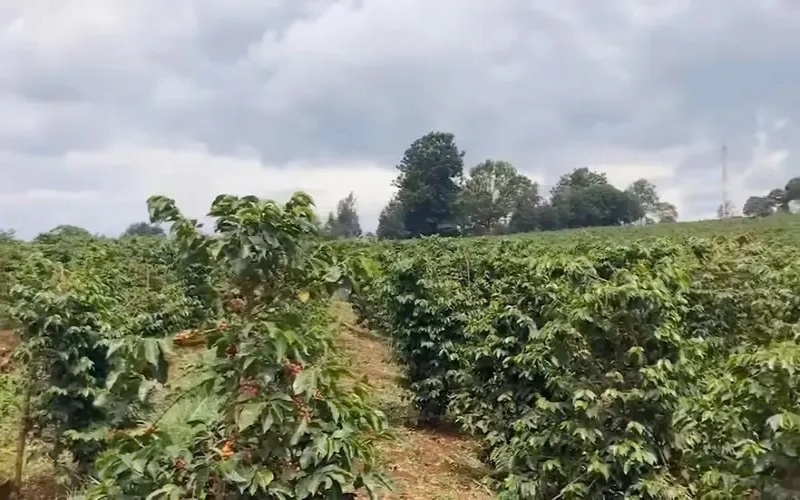
An In-Depth Analysis of Kenya's Nyeri Coffee Region: Flavor Codes from Colonial History to Volcanic Soil
Kenyan coffee is world-renowned for its multi-layered flavors and juicy acidity, and Nyeri is the most dazzling producing region in this East African coffee powerhouse. This article will begin with the colonial origins of Kenyan coffee, tracing its historical trajectory from introduction by missionaries to the formation of the smallholder model, then delve into the unique terroir conditions of the Nyeri region—the fertile volcanic soil brought by the extinct volcano Mount Kenya, glacial meltwater, and the high-altitude microclimate. By understanding this background, coffee enthusiasts can more deeply appreciate why Nyeri coffee can present such a distinct regional flavor. Front Street Coffee will also continue to pay attention to high-quality lots from this producing region. [more…]
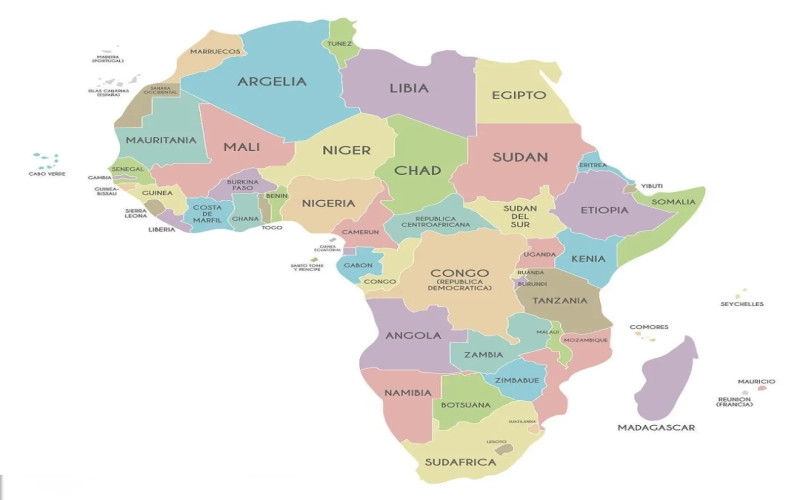
Tanzania Kilimanjaro Coffee Pour-Over Flavor Analysis and African Coffee Region Grading Standards
The African continent is dominated by plateaus and is known as the "Plateau Continent." Among its regions, East Africa, with its high altitudes, volcanic soil, and abundant water sources, has become an important producing area for specialty coffee. As one of East Africa's representative producing countries, Tanzania has long been known as the "Coffee Gentleman," and its Kilimanjaro region is especially famous. This article will introduce Tanzania's geographical and climatic conditions, coffee-growing history, distribution of major producing regions, and a grading system based on coffee bean size. At the same time, Front Street Coffee's Kilimanjaro beans will serve as an example to show the flavor performance of washed Typica in pour-over brewing—soft acidity, citrus and berry aromas, honey-nut sweetness, and a balanced tea-like mouthfeel. [more…]
An Analysis of Ethiopian Coffee Bean Varieties and Characteristics: Trading Models and Flavor Regions in the Country with the World's Richest Coffee Diversity
Ethiopia is hailed as the Garden of Eden of coffee, the birthplace of heirloom coffee varieties and a global treasure trove of coffee genetics. Within its borders lie thousands, even tens of thousands, of coffee varieties, most of them wild and undiscovered. Coffee production involves approximately 15 million people, primarily organized through smallholder cooperatives, and accounts for more than half of the country's GDP. The East African Rift Valley divides the growing regions into eastern and western walls; the east is represented by Harar, Sidamo, and Yirgacheffe, while the west includes Lake Tana, Gimbi, and Limu. The government centralizes grading and sales through the ECX exchange and registers trademarks to protect quality. Coffee is produced under four models: forest, semi-forest, garden, and plantation. The coffee ceremony is furthermore an ancient and elegant national art of Ethiopia. Front Street Coffee recommends that you delve deeper into the coffee culture of this mysterious country. [more…]
Ethiopia Yirgacheffe Washed Green Coffee Origin Analysis and Roast Level Grading Guide
Yirgacheffe is one of Ethiopia's most representative specialty coffee regions, renowned worldwide for its distinctive floral and citrus notes. This article provides a systematic introduction to Yirgacheffe washed green beans from the perspectives of geographic origin, grading system, and processing methods, while also documenting in detail the differences in flavor expression under two roast profiles: light roast and medium-dark roast. At the same time, drawing on recommendations from Front Street Coffee, it offers coffee enthusiasts a complete reference from bean selection to roasting, helping you gain a more comprehensive understanding of this outstanding representative of African washed coffee. [more…]
A Comprehensive Analysis of the Flavor Characteristics, Processing Methods, and Prices of Tanzanian Specialty Coffee Beans
Tanzanian coffee comes from the heart of the East African Rift Valley, with the Moshi area around Mount Kilimanjaro as its core producing region, where fertile volcanic ash soil gives the coffee a rich body and soft acidity. This article focuses on Front Street Tanzanian coffee, detailing its flavor profile—crisp acidity, medium body, interwoven sweet citrus and floral notes, along with wine and fruity aromas, and the round mouthfeel brought by the washed processing method. It also introduces the stylistic differences between the two major producing regions of Kilimanjaro in the north and Ruvuma in the south, the history of Bourbon variety introduction and the smallholder coffee farming structure, and compares the similarities and differences with Front Street Kenyan coffee, providing coffee enthusiasts with a comprehensive reference for purchasing and tasting Tanzanian specialty coffee beans. [more…]
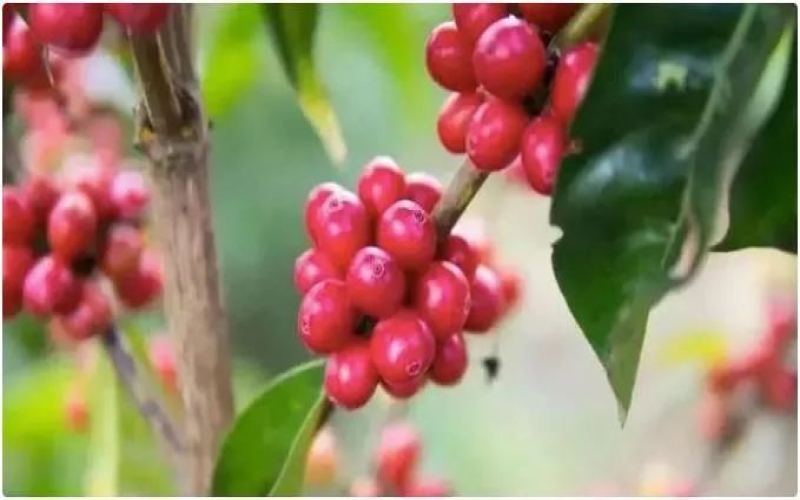
An In-Depth Analysis of the Kenyan Coffee Industry's Origins, Producing Regions, Bean Grading System, and SL28/SL34 Varieties
Kenya is located in East Africa, where the equator and the East African Rift Valley meet. Though neighboring Ethiopia, it has taken a completely different path in coffee development. From the introduction of coffee seeds by French missionaries in 1893, to large estate cultivation during the British colonial period, and then to the establishment of a grading system and auction system in the 1930s, Kenyan coffee gradually formed its unique grading standard centered on bean size and quality. Among the country's 14 producing regions, Nyeri, Kirinyaga, Murang'a, Kiambu, and Thika are the most well-known. The two iconic varieties SL28 and SL34, originating from Scott Laboratories' systematic selection of 42 coffee trees, remain the soul of Kenyan specialty coffee to this day. This article will also introduce the Thika AA TOP washed beans obtained by Front Street Coffee and their pour-over performance. [more…]
Flavor Characteristics and Grading System of Tanzanian Coffee: From the Kilimanjaro Region to Balance in the Cup
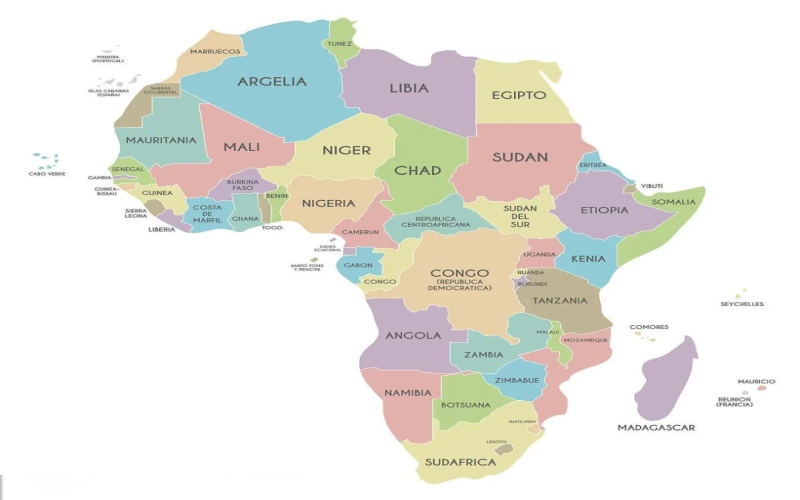
Tanzania is located in East Africa and, with its high-altitude mountains, volcanic soil, and abundant water sources, is one of the important coffee-producing countries in East Africa, long known as the "coffee gentleman." This article will start from Tanzania's geographical and climatic conditions, sort through its nine major coffee-producing regions, review the development of the coffee industry from the colonial period to after independence, and focus on introducing the growing advantages of the producing areas around Mount Kilimanjaro. At the same time, the article will also explain Tanzania's coffee grading method based on bean size, and, in combination with Front Street Coffee's Kilimanjaro Typica washed beans, present its soft flavor interwoven with citrus, berries, honey, and nuts. [more…]
A Comprehensive Analysis of Ethiopian Yirgacheffe Coffee Beans: From Regional Characteristics to Front Street Coffee's Gudingding Light Roast Pour-Over Experience
Yirgacheffe is one of Ethiopia's most renowned coffee regions, celebrated worldwide for its floral and citrus notes. Starting from the product information of Front Street Yirgacheffe Gutingding, this article provides a detailed explanation of the origin of the name Yirgacheffe, the geographical characteristics of the region, the clean flavors brought by the washed process, and the differences in performance between light roast and medium-dark roast in actual brewing. Whether you are a beginner just getting into specialty coffee or a veteran looking for a daily staple, you will find a complete understanding of this classic African washed bean and a purchasing reference. [more…]

What exactly does coffee variety 74110 represent? A rundown of disease-resistant seeds bred in Ethiopia
In the world of specialty coffee, varieties named after numbers are becoming increasingly common, and 74110 is one of the most talked-about. It comes from Ethiopia, the birthplace of coffee, was bred by the Jimma Agricultural Research Center, and is one of the pioneering varieties in the fight against coffee berry disease. This article will walk you through the origin of the name 74110, the background of its discovery, its plant characteristics, and its flavor profile. We will also look at Ethiopia's unique approach to variety selection and the concept of "heirloom varieties," and see how this variety frequently appears in COE competitions. Front Street Coffee invites you to explore the story behind this number. [more…]
An In-Depth Analysis of Tanzania's Coffee Bean Grading System and the Flavor of the Kilimanjaro Region
Tanzanian coffee is grown in the fertile soils of the East African Rift Valley, structured around bright acidity and medium body, interwoven with blackcurrant, sweet citrus, and floral notes, suitable for both hot and iced drinks. This article systematically reviews its washed processing characteristics, estate bean grading logic, and transportation aging risks, explains in detail the terroir of core producing regions such as Kilimanjaro, Moshi, and Arusha, and introduces representative brands such as Africafe and Tanica Cafe as well as the cultural origins of the "coffee gentleman." It also focuses on industry developments such as Tanzania's promotion of domestic sales and the addition of six new coffee-producing regions, providing coffee enthusiasts with a comprehensive and professional guide to the producing region. [more…]
A Comprehensive Guide to Ethiopia's Sidama Region: From Guji to Hambela, the Origins and Flavor Profile of Huakui Coffee
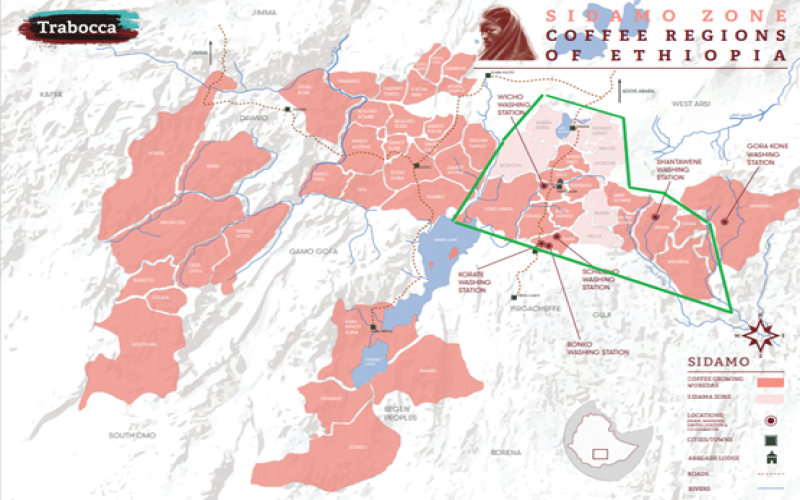
Sidamo is one of Ethiopia's most representative specialty coffee regions, spanning the fertile highlands of the East African Rift Valley and famed for its intense flavors, bright acidity, and rich floral and fruity notes. This article systematically covers Sidamo's geography, the regional divisions of Guji and Hambela, the rise to fame and naming conventions of Huakui coffee, and the cultivation model of the Arsi region in detail. It also shares Front Street Coffee's brewing parameters and flavor review of Sidamo natural beans, giving you a comprehensive look at this region's unique charm. [more…]
Tanzanian Coffee Bean Origins and Charm, Front Street Brand Bean Selection Guide, and Overview of Major Estates
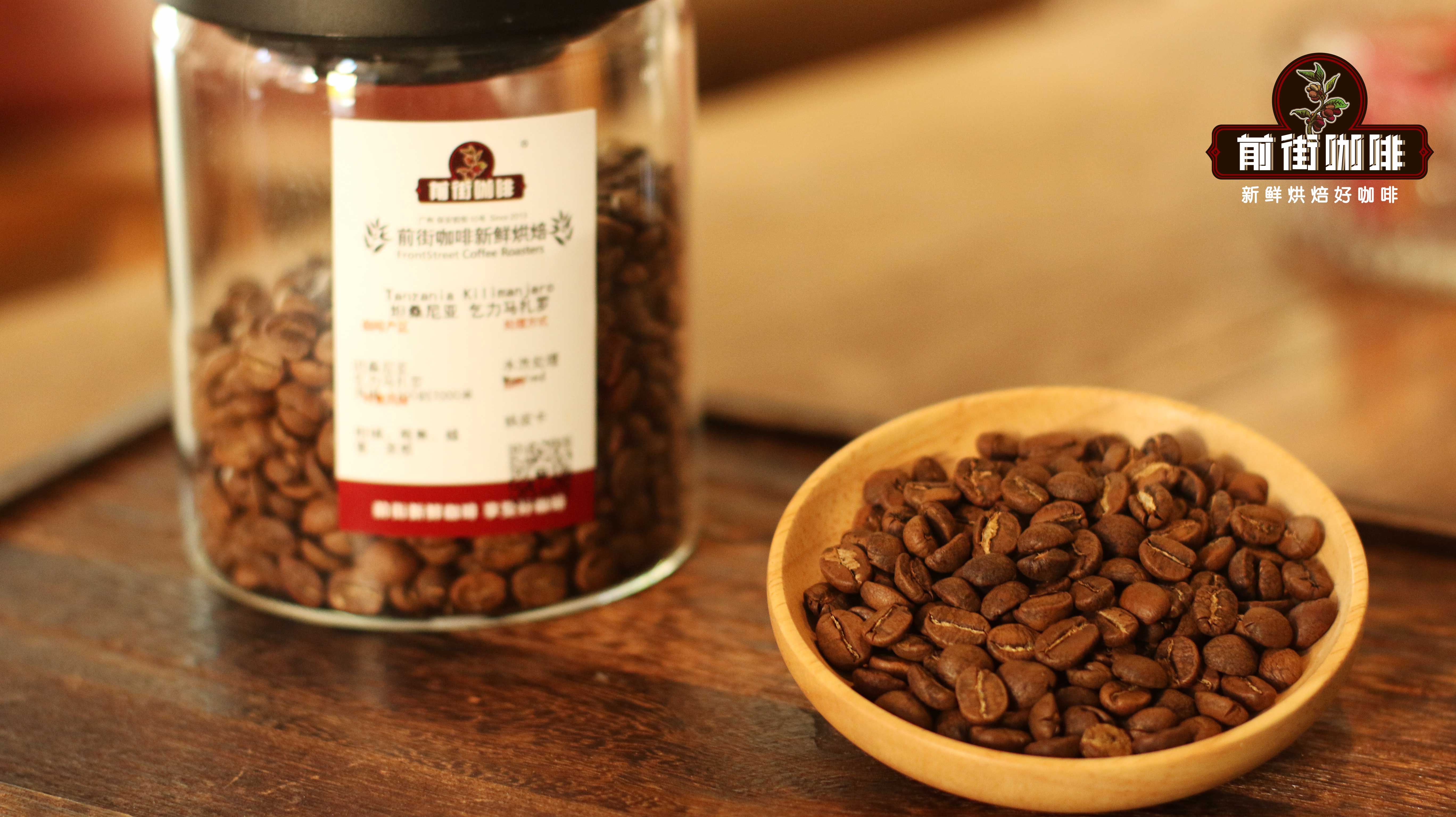
Tanzania is located in the East African Rift Valley, with fertile volcanic soil and high-altitude growing conditions, producing coffee that combines bright acidity with a full-bodied mouthfeel. The northern Kilimanjaro region is known for citrus, spice, and malt chocolate flavors, while the southern Ruvuma region presents floral notes and elegant fruit acidity. Front Street Tanzania Kilimanjaro coffee beans are selected from northern highland AA-grade washed beans, with rich flavor layers that perform excellently whether served hot or iced. This article will comprehensively examine the characteristics of Tanzanian coffee, from regional distribution, variety evolution, processing methods to estate partnership systems, and introduce relevant product information from the Front Street brand, providing coffee enthusiasts with a practical bean selection reference. [more…]
A Comprehensive Analysis of Sidamo Specialty Coffee: A Flavor Guide to the Guji, Hambela, and Arsi Sub-regions and Huakui
Sidamo is one of Ethiopia's most representative specialty coffee regions, located in the fertile highlands of the East African Rift Valley. Thanks to abundant rainfall, significant day-night temperature differences, and diverse microclimates, it nurtures coffees with intertwined floral and citrus flavors and rich layers of complexity. This article systematically sorts out Sidamo's geographical environment and the layout of its eight major production areas, provides an in-depth introduction to the terroir characteristics of sub-regions such as Guji, Hambela, and Arsi, and recounts in detail the rise to fame of Huakui coffee, its naming rules, and brewing parameters. At the same time, it presents Front Street Coffee's hands-on review of two beans—Natural Arsi and Huakui 8.0—to help coffee enthusiasts gain a comprehensive understanding of this region's unique charm. [more…]