







Search Results for: Deviation

Coffee Pour-Over Kettle Recommendations | What Types of Pour-Over Kettles Are There? Which Pour-Over Kettle Is Suitable for Coffee Beginners? How to Adjust the Spout of a Pour-Over Kettle?
Many novice friends often have some questions after drinking the coffee they brewed themselves. Clearly, the beans, parameters, and brewing methods they used were exactly the same as those in the café, so why can't they brew coffee as delicious as the coffee shop's? So, a friend came to the Front Street Coffee store with this question, and as a result, discovered that the problem [more…]
Americano | How do you drink espresso? Is iced Americano black coffee addictive?
Everyone is familiar with Americano. Coffee fans who often visit Front Street Coffee know that Americano is made by combining espresso from a coffee machine with an appropriate proportion of water. Americano has basically become a standard item on coffee shop menus, and those who have been to [more…]
French Press Usage Tips | How Many Coffee Beans to Use for French Press Coffee? How Much Coffee Grounds to Put in a French Press? Does French Press Coffee Have a Lot of Oil?
Coffee is becoming more and more popular, and there are all kinds of brewing methods. However, when you're busy, you might feel you don't have time for a pour-over, and even an espresso seems to take too long. In that case, using a lazy person's pot to make a cup of coffee might be a pretty good choice! French press coffee and pour-over coffee [more…]
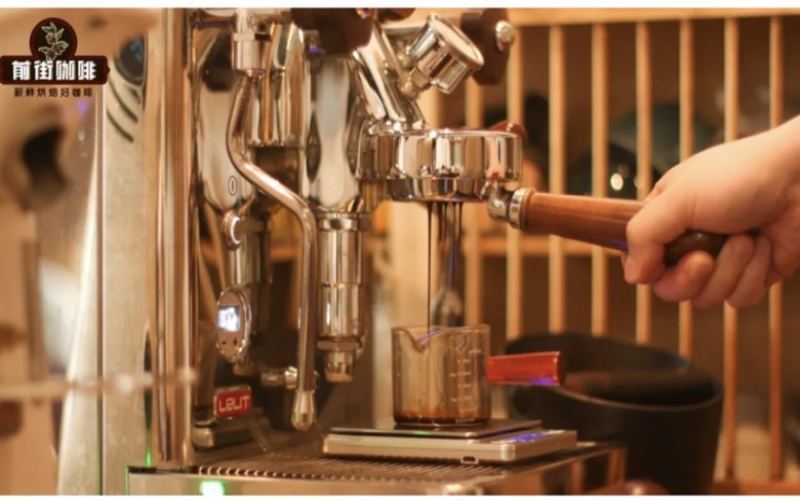
Single-Origin Espresso at Home: How to Pull SOE on a Home Machine
SOE is short for Single Origin Espresso, which means using beans from a single origin to make espresso. Trying SOE on a home semi-automatic espresso machine is the starting point for many coffee enthusiasts moving from blends to single-origin coffees. SOE has a narrower extraction window than blends, and on a home machine you need to [more…]
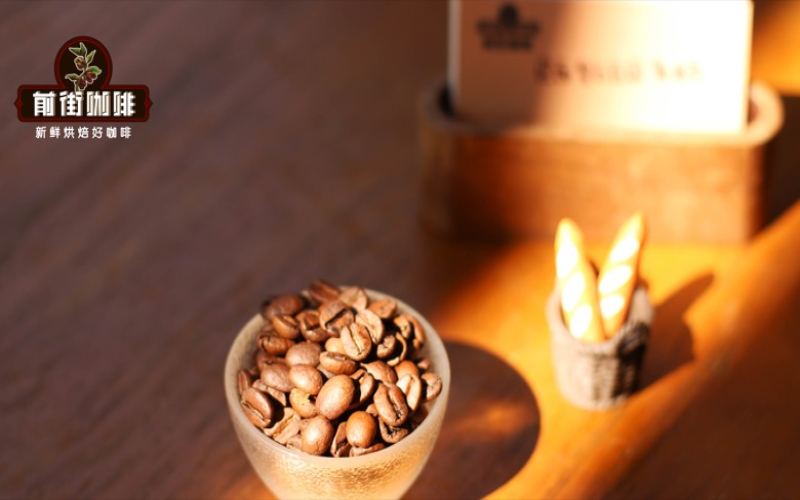
Origin Selection for Home Espresso Beans: The Performance of Single-Origin SOE on Home Machines
A home semi-automatic espresso machine doesn't necessarily mean you can only brew espresso blends—single-origin SOE can also produce distinctive shots on a home machine. The flavor profiles of SOEs from different regions vary noticeably; choose the right region, and even a home machine can deliver espresso with regional character. Mandheling SOE is the rich, full-bodied choice for home machines. Mandheling is harvested [more…]

Types of Americano Coffee Beans | What Is the Standard Iced and Hot Americano Recipe at Coffee Shops? Italian Specialty Coffee Beans Recommended for Making High-Sweetness Americano Black Coffee
For more specialty coffee knowledge, please follow: Front Street Coffee (Frontsteet Coffee) Americano is made by diluting espresso with water, typically using dark-roasted Italian-style coffee beans. The Americano beans crafted by Front Street are a blend of single-origin beans from two different regions, which [more…]
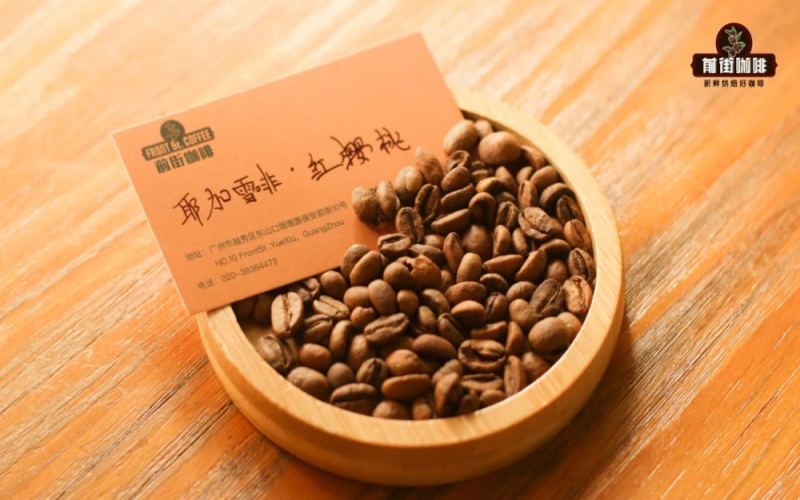
Yirgacheffe Roast Profile | Which roast level suits Yirgacheffe coffee beans? What are the differences in flavor and mouthfeel between light-roast and dark-roast Yirgacheffe coffee?
In the coffee industry, roasting is the most fascinating step. Green coffee beans are almost entirely devoid of flavor—tasting them directly reveals an rather unpleasant vegetal taste. So what kind of roasting process is needed to bring out the brilliance of these otherwise unremarkable green beans? Here at Front Street Coffee (FrontStreet [more…]

Step-by-step Guide to Making Iced Latte: A Full Breakdown from Bean Selection and Milk Choice to Ratio Control and Technique Tips
An iced latte may seem like it only takes three steps to make: add ice, pour milk, add coffee. But to truly make a delicious iced latte, there are quite a few details to consider behind the scenes. From choosing coffee beans and milk, to the ratio between espresso, milk, and ice, to the rhythm of operations during extraction and assembly, every step directly affects the final flavor performance. This article uses Front Street Coffee's iced latte preparation as an example to sort out three key aspects—material selection, milk-to-coffee ratio, and operational details—to help coffee enthusiasts consistently reproduce a balanced, layered iced latte at home. [more…]
Characteristics of Americano | How do coffee shops make Americano black coffee? Which coffee beans are suitable for making Americano? What coffee flavors does a standard Americano present?
Americano is made by diluting espresso with water, typically using dark-roasted Italian-style coffee beans. Front Street's Americano beans are a blend of single-origin beans from two different regions, which has the advantage of compensating for the low acidity of traditional Italian-style coffee and making the flavor richer. Many people ask about Americano beans. [more…]

Iced and Hot Americano Methods | Is There a Big Difference Between Espresso and Americano Coffee Beans? Which Coffee Beans Are Suitable for Iced Americano? What Are the Steps for Tasting Americano Coffee?
For more specialty coffee knowledge, please follow: Front Street Coffee (Frontsteet Coffee). Americano is made by diluting espresso with water, typically using dark-roasted Italian-style coffee beans. The Americano beans used by Front Street are a blend of single-origin beans from two different regions. This [more…]

Specialty Dark Roast Coffee Bean Recommendations | How to Roast Golden Mandheling Green Coffee Beans? Introduction to the Flavor and Mouthfeel Characteristics of Golden Mandheling Black Coffee Brewed with the Three-Stage Pour-Over Method
Mandheling coffee beans mainly exhibit a rich mouthfeel and a sweet, caramel-like flavor with a pleasant bitterness. Therefore, they are generally dark roasted. Taking Front Street's Golden Mandheling coffee beans as an example, before roasting Golden Mandheling, Front Street will roughly determine the roasting direction based on the growing information. The Golden Mandheling coffee beans are grown at an altitude of 1100–1 [more…]

The Origin and History of Americano Coffee | What's the Difference Between Americano and Espresso? How Do You Define a Proper Espresso? What's the Espresso Coffee-to-Water Ratio?
Everyone is familiar with Americano. Coffee enthusiasts who often visit Front Street Coffee (FrontStreet Coffee) know that Americano is made by combining espresso from a coffee machine with a suitable proportion of water. Americano has basically become a standard item on coffee shop menus, and those who have been to [more…]
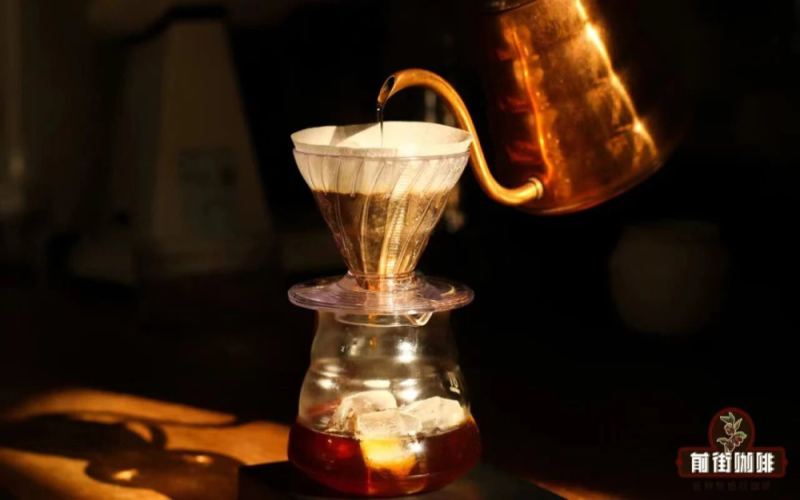
Japanese-style iced pour-over coffee brewing demonstration | What is single-pour iced pour-over? What is a suitable coffee-to-water ratio for iced pour-over coffee?
The recent weather is so hot it feels like it could melt you in minutes. In this kind of weather, anyone still willing to happily meet up at a café is definitely a friend for life! But even in such hot weather, you can't just give up coffee, right? So, if you don't want to go out, can't afford a cold drip tower, and can't wait several hours for cold [more…]
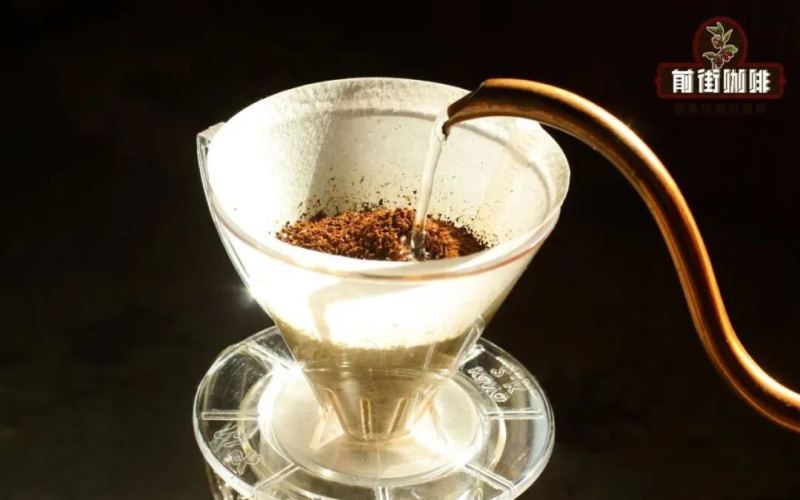
Coffee Processing Methods | What Is Wet Hulling? How Does It Differ from Traditional Washed Processing? How Does Wet Hulling Affect Coffee Flavor?
After guests come to Front Street and order a cup of Golden Mandheling coffee, they will ask out of curiosity. Why do most Indonesian coffee beans use the wet-hulled process rather than the washed process or the natural process? In this article, Front Street will explain what the wet-hulled process is. What is the wet-hulled process? Wet-hulling, also [more…]
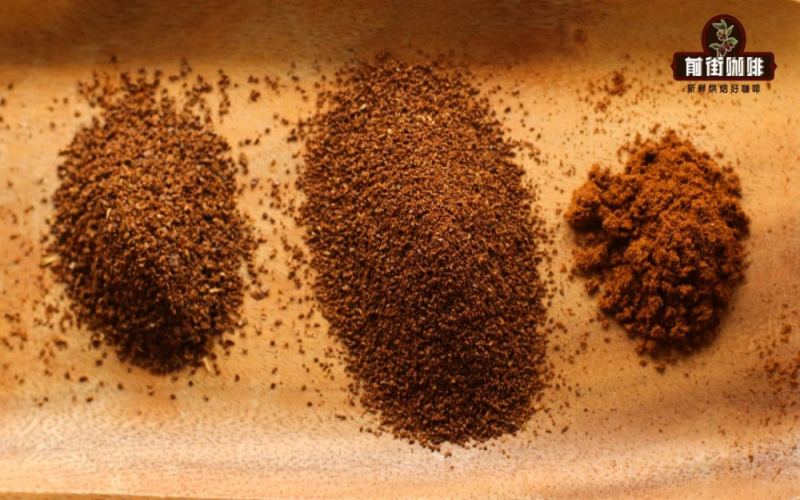
Coffee Grounds Coarseness Reference | Pour-Over Coffee Grind Size 1 to 10: Which Is the Finest? How to Adjust Coffee Bean Grind Parameters for Espresso and Moka Pot
A delicious cup of coffee is hard-won, because from seed to cup is a very long wait. Even at the final step of extraction, you must ensure that the coffee you use meets brewing standards, because extraction is easy—but have you ever thought about it? Coffee grounds are what extract the flavor compounds, [more…]
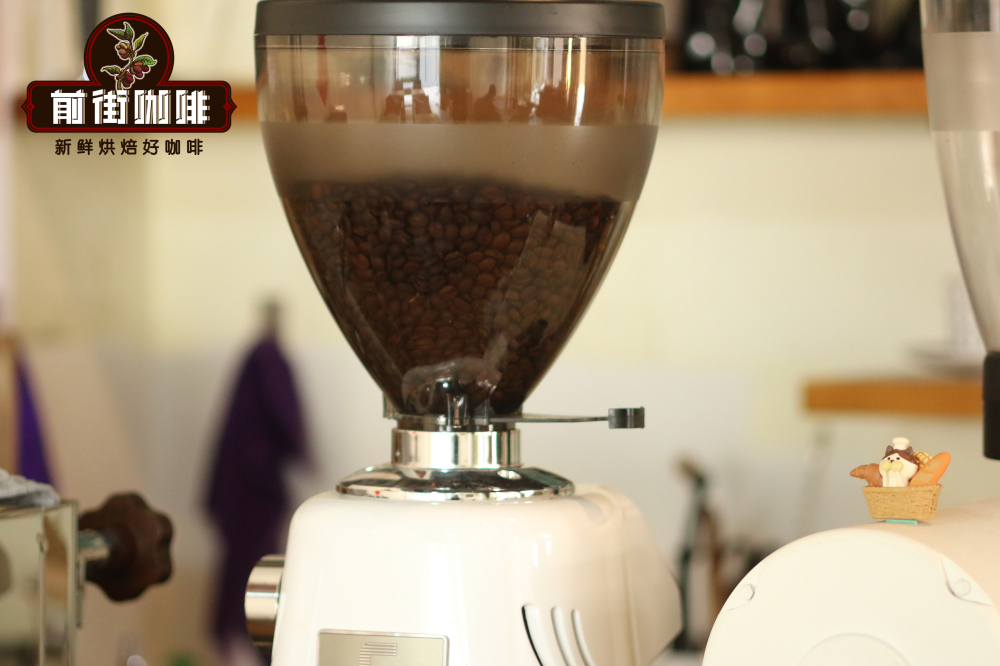
Espresso Brew Ratio | How Much Coffee Grounds for One Espresso Shot? How to Find the Right Grind Size for Espresso Beans?
How much coffee powder does an espresso need - How to drink espresso powder: How much coffee liquid is extracted from 20g of powder? When brewing coffee, we all know that the coarseness of the grind is very important. If you're not careful and the grind isn't right or is uneven, the coffee can easily be under-extracted or over-extracted. Compared with pour-over, cold brew, and other methods, espresso [more…]
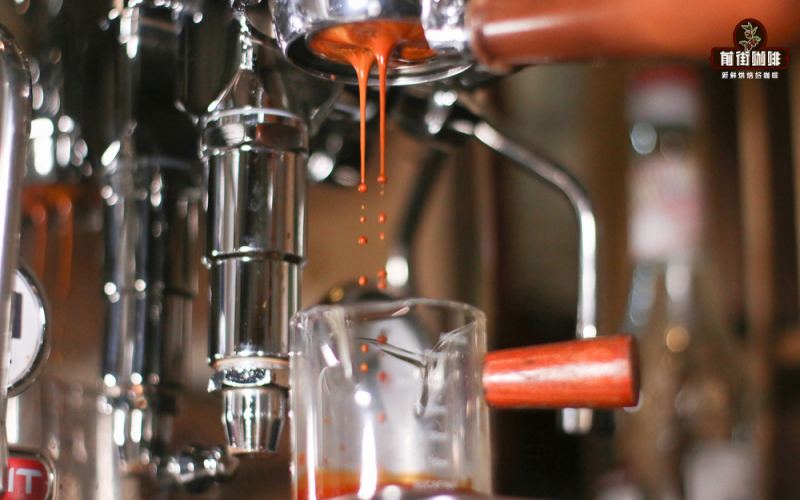
Espresso Extraction Parameters | What is the golden extraction ratio for espresso? What are the specific steps for extracting espresso?
Front Street Coffee has always emphasized that the extraction parameters for pour-over coffee have a significant impact on the cup, and for espresso the impact is even greater. You should know that factors such as the concentration and extraction time of espresso are more demanding than those of pour-over coffee, and the slightest [more…]
Coffee Grinding | Which is the finest grind setting from 1 to 10? How do you read the grind size for espresso and moka pot? How do you adjust the coffee grind size?
A delicious cup of coffee is hard-won, because from seed to cup is a very long wait, and even at the final step of extraction, you must ensure that the coffee you use meets brewing standards, because extraction is easy, but have you ever thought about it—coffee grounds extract flavor compounds, so the water used [more…]

Coffee Brewing Methods | How Big Is the Difference Between Pour-Over and Espresso? Which Coffee Beans Are Best for Pour-Over Beginners?
Nowadays, when you go to a coffee shop, most shops offer both pour-over coffee and espresso. Friends who don't drink coffee very often may be confused by this. They're both coffee, so what's the difference? Front Street Coffee is here to explain these two types of coffee respectively. [more…]
The correct way to drink espresso | How much coffee powder is used to make an espresso? How do you determine the grind setting for espresso beans?
When brewing coffee, we all know that the coarseness of the grind is very important. If you're not careful and don't find the right grind setting, or if the grind is uneven, the coffee can easily end up under-extracted or over-extracted. Compared with methods like pour-over and cold brew, espresso grounds are ground much finer and require more precise adjustment to get the taste of the espresso just right. [more…]