







Search Results for: Danche Meng
90+ Dancong Dream Coffee Flavor Analysis: Sun-Dried Processing Characteristics, Brewing Parameters, and Tasting Highlights
90+ Danche Meng is a naturally processed Ethiopian coffee from Levelup, a sub-brand of Ninety Plus. Through its unique flavor process and meticulous post-processing, it presents a complex layering of cocoa, black raspberry, blueberry, and floral notes. This article systematically examines this coffee's characteristics and brewing methods, from the flavor classification system, processing techniques, and origin background to specific pour-over parameters, helping coffee enthusiasts gain a more complete understanding of the 90+ brand philosophy and what makes Danche Meng unique. [more…]
90+ Specialty Coffee Brands and Panamanian Estate Growing Characteristics: Flavor Analysis of Danch Meng, Honey Kiss, and Red Honey Kiss
90+ (Ninety Plus Coffee) is an American specialty green coffee merchant focused on extreme flavors. Having been established for only five or six years, it has rapidly risen to fame in the global coffee community, and all its coffees score above 90 points in cupping. This article provides a detailed introduction to three representative coffees under 90+: Danch Meng, Honey Kiss, and Red Honey Kiss, covering the origin of their names, production areas, altitudes, processing methods, and flavor characteristics. It also particularly recommends relevant product information from Front Street Coffee, taking you deeper into the unique charm of 90+ coffee. [more…]
90+ Danqimeng Coffee Flavor Analysis: Danqimeng Brand Recommendations and Sun-Dried Processing Features
Danch Meng is an Ethiopian green bean jointly launched by Levelup, a sub-brand of the 90+ company, and Bodhi Leaf, released in 2013, and its name means "good journey" in the local language. This bean comes from smallholder farms in the Gelena Abaya Dumeso area of Yirgacheffe, and thanks to the 90+ natural processing technique, it presents rich flavors of cocoa, black raspberry, plum, floral notes, blueberry, and dark chocolate. Front Street Coffee has also launched a 90+ Danch Meng product, and this article will provide a comprehensive interpretation of this distinctive Yirgacheffe coffee from aspects including the origin of its name, producing area information, processing method, flavor description, and brand background. [more…]
What brand series does 90+ Dangermond coffee have? A detailed explanation of the Dangermond pour-over extraction process.
Danch Meng is an Ethiopian green bean jointly launched by Ninety Plus' Levelup sub-brand and Bodhi Leaf. In the local language, it means "good path" or "Perfect approach." This bean comes from smallholder farms in Yirgacheffe, Kelinga Abaya Dumerso, and thanks to the signature 90+ natural processing technique, it presents a rich flavor profile weaving together cocoa, black raspberry, plum, blueberry, and dark chocolate. This article will outline the 90+ brand's grading system, the origin information and naming logic of Danch Meng, and include the pour-over extraction parameters for Front Street Coffee's Sidamo and Danch Meng for coffee lovers' reference. [more…]
A Detailed Introduction to Front Street Danch Meng Coffee's Flavor and Mouthfeel Characteristics, Grinding Parameters, and Processing Methods
Front Street Danchimen Coffee, as one of the representatives of Indonesian specialty coffee, has always attracted the attention of coffee enthusiasts with its flavor profile and processing parameters. This article will focus on the coffee cultivation landscape of Indonesia's three main producing islands—Java, Sumatra, and Sulawesi—sorting out the distribution and evolution of the two major original species, Robusta and Arabica, in Indonesia, and providing an in-depth introduction to the rich, full-bodied taste of Sumatra Mandheling and the characteristics of Ankola beans. At the same time, we will also help you learn about the brand background and honors of the internationally renowned specialty coffee producer 90+, as well as the 90+ specialty bean series introduced by Front Street. Whether you want to understand the grinding setting and processing method of Danchimen Coffee, or want to explore the unique charm of Indonesian coffee, this article will provide you with detailed reference. [more…]
Panama Illeta and Coffee Bean Grades Explained: The Specialty Journey of the 90+ Geisha Estate
Where does the name of Panama's Eleta Coffee come from? How are Panama coffee beans graded? This article begins with the founding story of Ninety Plus (90+), taking you through how Joseph Brodsky accumulated experimental processing experience in Ethiopia and then established the 90+ Geisha estate in Panama in 2009. It also covers patented processing methods such as Red, Ruby, and Solkiln, as well as the flavor profiles of the LevelUp sub-label series, and includes a detailed profile of 90+ Geisha from Panama's Volcan region. Front Street Coffee will also recommend noteworthy beans for you in this article. [more…]
An Overview of the Origins of the 90+ Coffee Brand and Its Classic Series: A Comprehensive Interpretation from the Ninety Plus Philosophy to Its Signature Bean Varieties
90+ Coffee is often mentioned in specialty coffee circles, but what exactly does it represent? This article traces the brand's origins, founder Joseph Brodsky's bean-hunting journey in Ethiopia, and the exclusive Profile Processing system, explaining how Ninety Plus set an industry benchmark with 13 top-tier flavor series. It also lists classic lots such as Hachira, Nectar, Lotus, Candlelight, and Dancheman, and reminds readers to view brand premiums rationally, with quality as the final criterion. The article retains Front Street brand recommendations and product information, making it suitable for enthusiasts who want to gain a deeper understanding of 90+ Coffee. [more…]
The Flavor Truth of Yunnan Washed Catimor Arabica Coffee and an Analysis of Its Path to Specialty Status
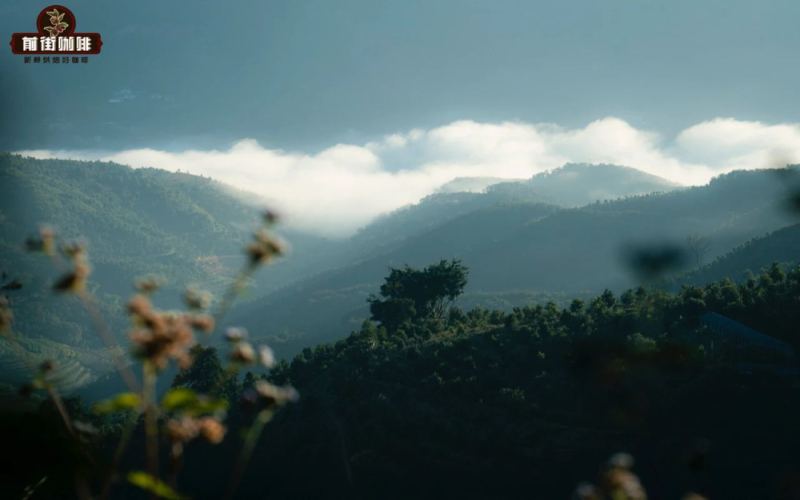
Yunnan coffee is gaining increasing recognition within China, yet most enthusiasts have limited understanding of its varietal composition and current specialty status. Front Street Coffee currently offers two Yunnan beans: the Typica variety is classified under the specialty series, while the Catimor variety is conventionally called Yunnan small-batch coffee in the market. Both are medium-roasted to present a balanced profile of nuts, brown sugar, and soft fruit acidity. This article will trace the varietal origins of Yunnan Catimor, its shifting fortunes relative to Typica, analyze the impact of high-altitude cultivation and post-processing on flavor, and share Front Street Coffee's five-year cultivation practice from seed to cupping. At the same time, we will verify rumors one by one regarding Yunnan green bean competition scores, CQI records, and other claims, exploring the real path of Yunnan coffee toward specialty status. [more…]
Ninety Plus Candela and the Complete Guide to the Ninety Plus Brand: The Specialty Coffee System from Ethiopia Sidama to Panama Geisha
In the world of specialty coffee, Ninety Plus (Ninety+) is a name that cannot be overlooked. Founded by Joseph Brodsky in 2006, the company started with Ethiopian native varieties and redefined the way green coffee is produced through its unique Profile Processing system. This article begins with Ninety Plus's Candor, a Front Street Coffee natural-process Sidamo, and systematically reviews the terroir characteristics of the Sidamo region, the brand philosophy and founder's story of Ninety Plus, and core processing methods such as natural processing and Solkiln, then interprets one by one classic product lines such as Kemgin, Nekisse, Perci, and Lotus along with their grading system, and finally includes the roasting analysis and cupping performance of Front Street Coffee 90+ Candor, providing coffee lovers with a complete Ninety Plus knowledge map. [more…]

Coffee specialty drink named "Chaoshan Poison" sparks controversy, Chaoshan netizens call it reckless
Recently, a coffee shop launched a signature drink called "Chaoshan Poison," sparking heated discussion online. In Chaoshan cuisine, "Chaoshan Poison" has long been synonymous with raw-marinated seafood, yet this coffee, priced at 45 yuan, is primarily made with cold brew coffee and green olive juice, garnished with Chaoshan aged medicinal kumquat and bamboo-salt wampee—a far cry from public perception. Chaoshan netizens have voiced their displeasure in dialect, arguing that the name misleads consumers and that the shop lacks understanding of local food culture. This article will review the course of events and explore the boundary between creative local specialty coffee and naming. [more…]

Halloween Coffee Specials Roundup: Starbucks Dragon Fruit Cloud, Charcoal Frappuccino and Other New Flavors Spark Discussion
As Halloween approaches at the end of October each year, major coffee brands rush to launch their limited-edition festive specials. This year, Starbucks, Peet's Coffee, Costa, and other brands have all rolled out new offerings. The visual designs are certainly eye-catching, but the flavors have left many consumers crying "dark." From dragon fruit cloud-topped lids to bamboo charcoal black sauce Frappuccinos, from sesame almond tofu to Pirate's Treasure Lattes—how do these Halloween special drinks actually perform? Netizens' reviews are mixed: some are sold on the aesthetics, while others are put off by the taste. This article will review the highlights and sore points of these festive new releases to see which one is truly worth a try. [more…]
Controversy Over China Post's First Post Office Coffee Shop: Xiamen vs. Zhongshan—Which Is the Authentic One? Full Analysis of the Franchise Mystery
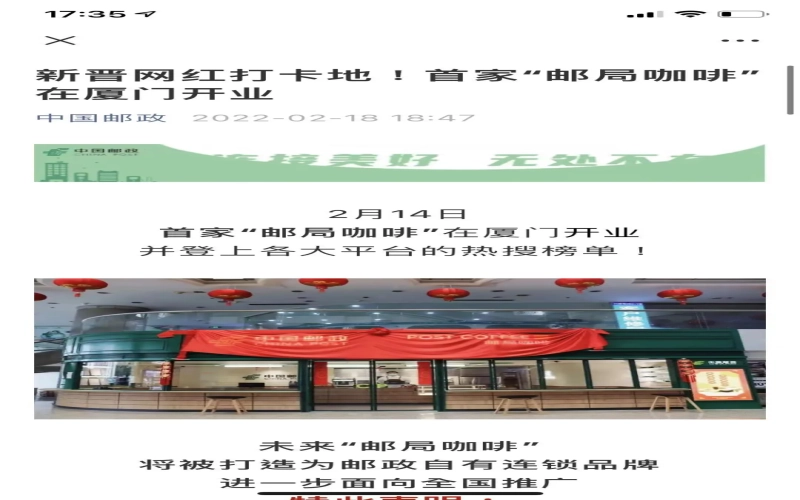
China Post recently made a high-profile announcement declaring the Xiamen Guomao Building Post Office Coffee the "first in the country," but this has sparked questions from post office coffee shops that have already opened in multiple locations. From negotiations for authorization at the Beijing headquarters in 2021, to the establishment and operation of Shanghai Zhongyu Jiaye, and then to the Zhongshan Postal Branch claiming that authorized stores already existed last December, a dispute over "first" and "authentic" has surfaced. Contradictions between the official WeChat account's statements and local declarations, along with rumors of franchising, have made the situation even more confusing. This article will sort out the timeline of Post Office Coffee, the claims of all parties, and the focal points of the controversy, and include professional coffee news to help you clarify the truth behind this mix-up. [more…]
The Origin Story and Flavor Characteristics of Panama Geisha Coffee: An Analysis of Hacienda La Esmeralda and Ninety Plus Geisha
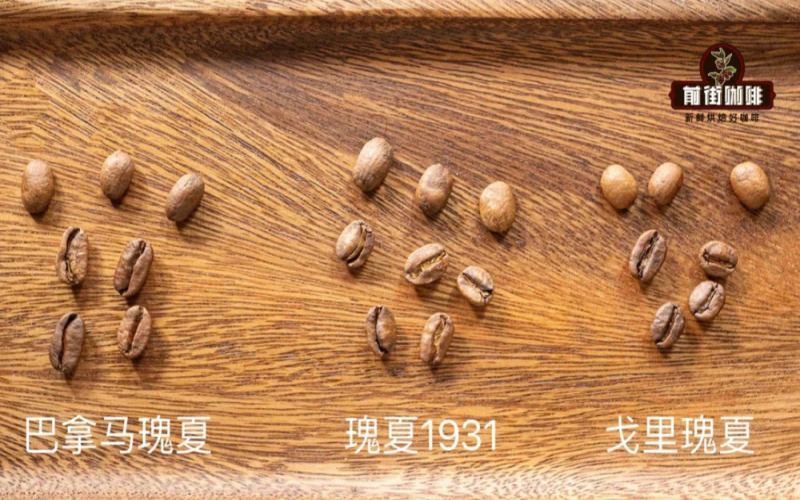
Geisha coffee is one of the most prestigious varieties in today's specialty coffee world. Its origins can be traced back to the Kaffa forests of Ethiopia, and it later rose to fame in Panama. In 2004, the Peterson family discovered that the windbreak trees on Hacienda La Esmeralda were actually the distinctively flavored Geisha, and from then on rewrote the history of Panamanian specialty coffee. This article will trace the spread of Geisha from Ethiopia to Panama, analyze the red, green, and blue label grading system of Hacienda La Esmeralda, and introduce Ninety Plus's innovative processing and representative works with the Geisha variety. At the same time, Front Street Coffee will also share specific information on two selected Geisha beans to help enthusiasts understand this variety's flavor code more systematically. [more…]
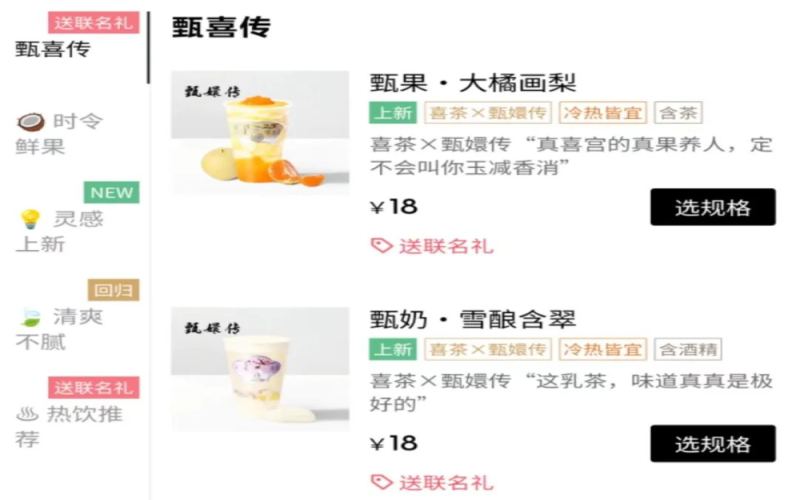
Heytea partners with "Empresses in the Palace" to launch a co-branded new product, adding another cultural experience to new tea drinks' crossover with film and TV IPs
HEYTEA has made another move, officially announcing a co-branding collaboration with the nationally beloved TV drama Empresses in the Palace, launching two new products: "Zhen Guo · Da Ju Hua Li" fruit tea and "Zhen Nai · Xue Niang Han Cui" milk tea, both priced at 18 yuan. This is the first time Empresses in the Palace has crossed over into a co-branding partnership with a new-style tea beverage brand, and it is also HEYTEA's latest IP collaboration attempt following A Dream of Splendor and Genshin Impact. From "Meng Hua Cha Xi · Dian Cha" selling nearly 300,000 cups on its launch day, to the Genshin Impact co-branded fruit juice tea's first batch selling out within 59 minutes, HEYTEA's cross-brand collaborations have become increasingly frequent and remarkably effective. This collaboration not only enriches the drama's connotations but also provides a new direction for exploring cultural experiences in new-style tea beverage brands. Follow Coffee Workshop to learn more about specialty coffee and beverage industry trends, and Front Street Coffee (FrontStreet Coffee) also continues to bring you professional coffee knowledge exchange. [more…]
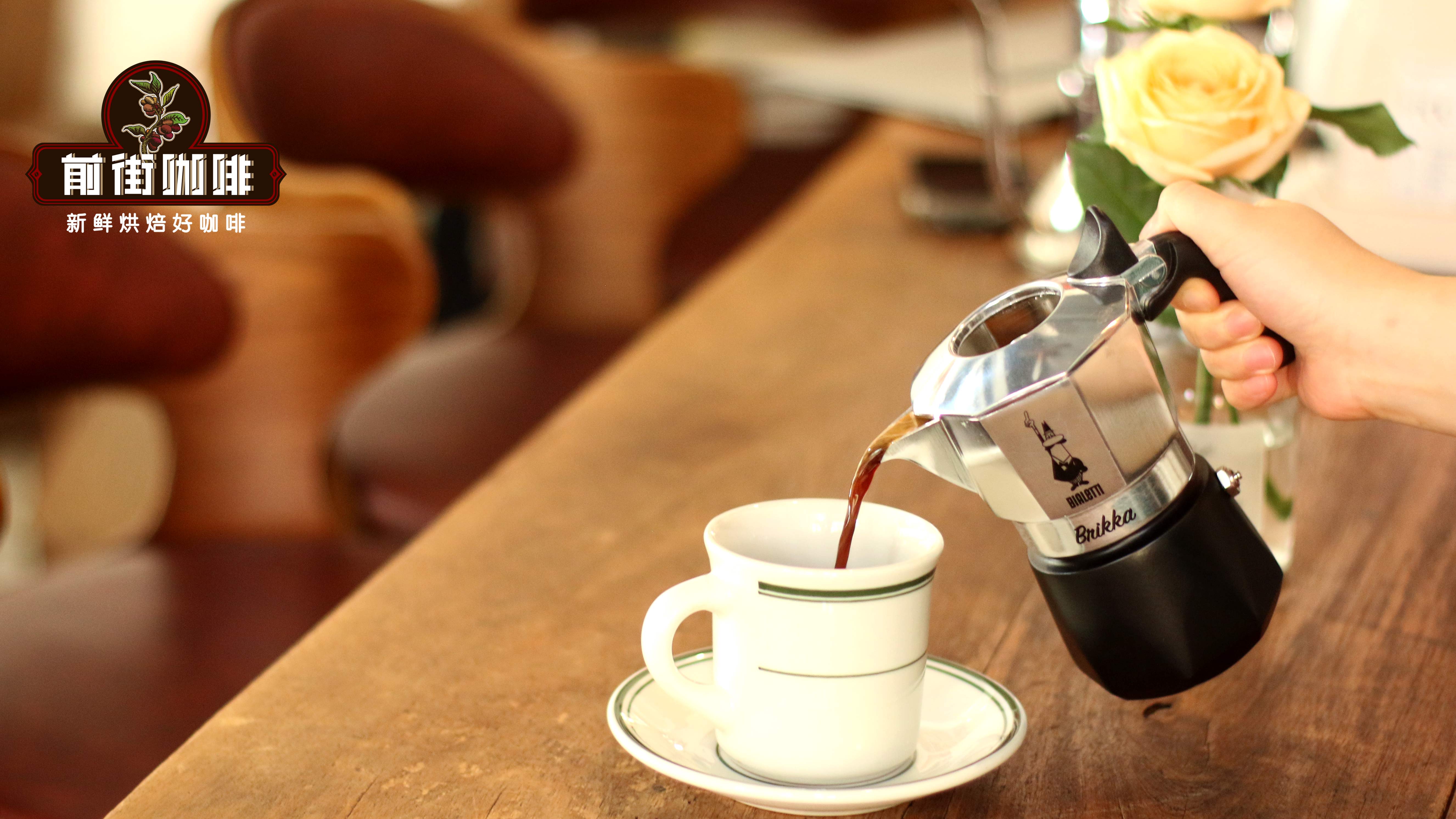
Moka pot coffee brewing parameters | How to brew moka pot coffee to get crema? What coffee beans and what grind size of coffee grounds should be used for a moka pot?
For more specialty coffee knowledge, please follow our WeChat official account: Front Street Coffee. The moka pot is probably the simplest and cheapest device for making strong coffee. For those who enjoy espresso but aren't ready to dive into semi-automatic espresso machines, the moka pot is a great option. [more…]
Panama Hacienda La Esmeralda Red Label Geisha Grade Full Guide: Natural Process and 90+ Geisha Flavor Comparison
Geisha coffee has been the most talked-about variety in specialty coffee circles in recent years, and the Red Label Geisha from Hacienda La Esmeralda in Panama is the benchmark among them. This article begins with the origins and spread of Geisha, walks through how Hacienda La Esmeralda discovered Geisha and how it classifies Red Label, Green Label, and Blue Label by altitude and cupping score, and further compares the cultivation philosophy and processing methods of 90+ (Ninety Plus) Geisha estates. The article also includes the specific parameters and flavor descriptions of two representative beans from Front Street Coffee, helping you understand the similarities and differences between Esmeralda Red Label Natural and 90+ Geisha in terms of origin, grade, processing method, and roasting differences. [more…]
A Comprehensive Analysis of Panama Geisha Coffee: From Hacienda La Esmeralda to 90+, a Practical Guide to Pour-Over Parameters and Coffee-to-Water Ratios
Geisha coffee is arguably the most dazzling star in the specialty coffee world in recent years, and one of the most expensive varieties at auction. This article begins with the variety's origins, tracing how it was discovered in Panama and rose to prominence, then moves on to Hacienda La Esmeralda's Red Label, Green Label, and Blue Label grading system, as well as what makes Ninety Plus (90+) unique in its processing and naming of Geisha. The article also provides Front Street Coffee's recommended Geisha pour-over recipe, including grind size, coffee-to-water ratio, water temperature, and a three-pour rhythm, to help you recreate the classic citrus, floral, and honey-like flavors at home. [more…]
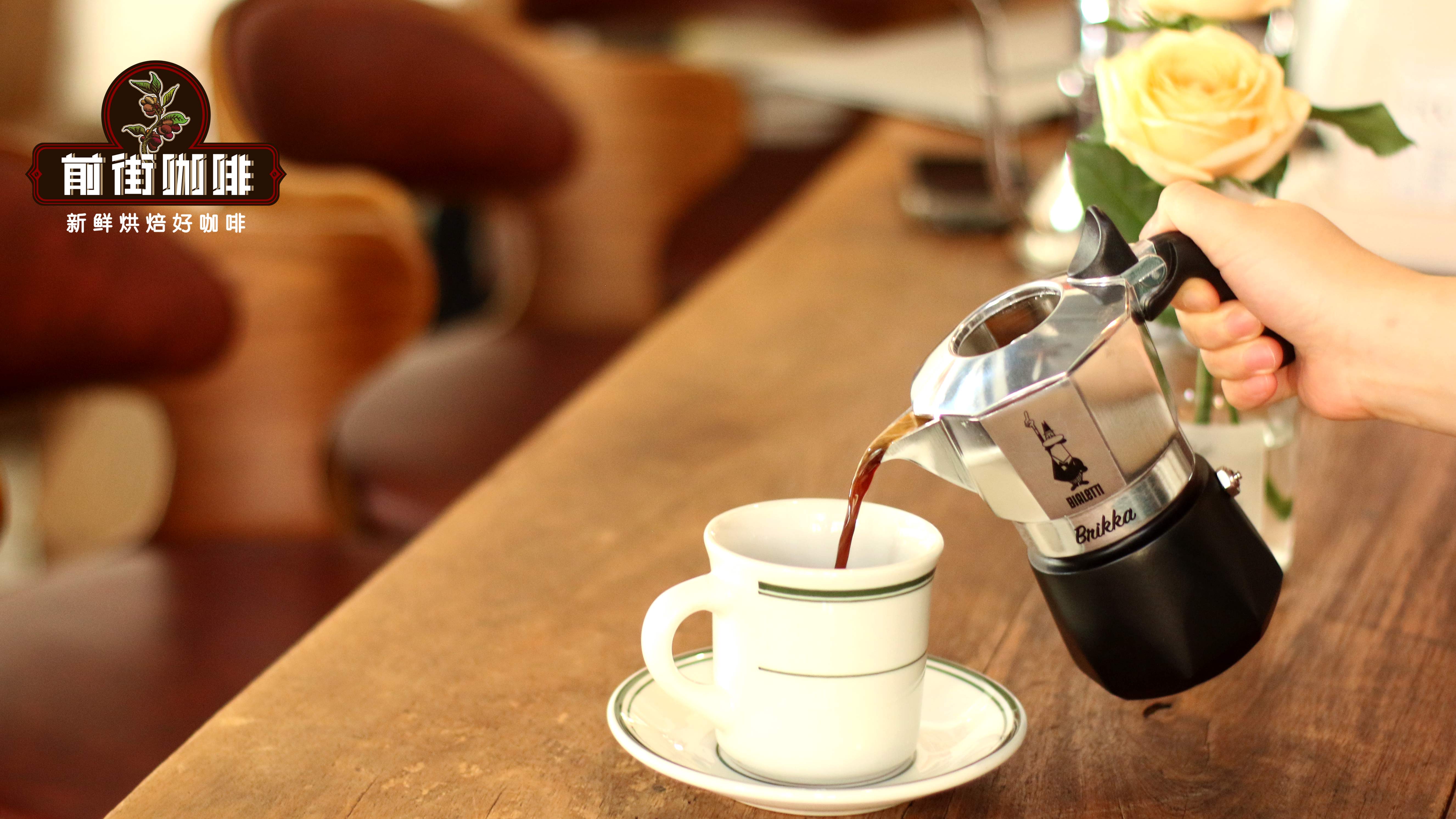
How High Should the Heat Be for a Moka Pot? A Full Breakdown of Metal Shell Design, Heating Methods, and Coffee Bean Selection
The moka pot is one of the lowest-barrier and least expensive tools for making strong coffee, and for enthusiasts who love espresso-style flavor but aren't ready to buy a semi-automatic espresso machine, it's a very friendly choice. Although it's said that every Italian nonna has one, if you really want to use it well, there are some basics you need to understand in advance. Today, Front Street Coffee will take you into the fun world of the moka pot, focusing on several core questions: flame intensity, the metal body design of the pot, and heating methods. We'll also talk about how to choose coffee beans, how fine to grind, how to fill the basket, how to control the water amount, and when to turn off the heat, helping you easily brew a cup of moka pot coffee with rich crema and aromatic flavor. [more…]
A Complete Guide to Panama Geisha Coffee: Variety Origins, Pour-Over Parameters, and a Practical Guide to Water Temperature and Coffee-to-Water Ratio
Geisha coffee is a legendary variety that the specialty coffee world cannot avoid. From the Kaffa forests of Ethiopia to the valleys of Boquete, Panama, it has conquered coffee lovers worldwide with its intense citrus aroma, jasmine fragrance, and bright fruity acidity. This article traces the discovery and spread of Geisha, explains the grading logic behind Hacienda La Esmeralda's Red, Green, and Blue labels, and introduces 90+'s innovative approach to processing Geisha. At the same time, Front Street Coffee will share pour-over tips for high-altitude hard beans, including water temperature, coffee-to-water ratio, grind size, and the three-pour rhythm, to help you brew Geisha's floral and fruity notes more consistently. [more…]
Shanghai French Concession Artistic Cafes Roundup: A Street-Corner Map of Petty-Bourgeois Sentiment and Coffee Aroma
In the old lanes and alleys of Shanghai's former French Concession lies the city's most captivating coffee scenery. Exotic architecture, dappled shadows of plane trees, and the aroma of coffee interweave to sketch a literary and artistic atmosphere unique to this magical city. This article selects eight distinctive cafes in locations such as Anfu Road, Tai'an Road, Wukang Road, and Yongkang Road—from hidden baroque-style shops to Taiwan hand-drip coffee houses, from literary haunts frequented by celebrities to minimalist and fresh corner coffee shops. Each one carries different stories and moments in time. Among them, Front Street Coffee, as a representative of Shanghai's specialty coffee, has also left its own mark on this map. Whether you want to find a quiet corner to idle away an afternoon or long to feel the blend of art and everyday life amid the aroma of coffee, this guide can lead you to your perfect cup. [more…]