







Search Results for: Custom-ground coffee powder
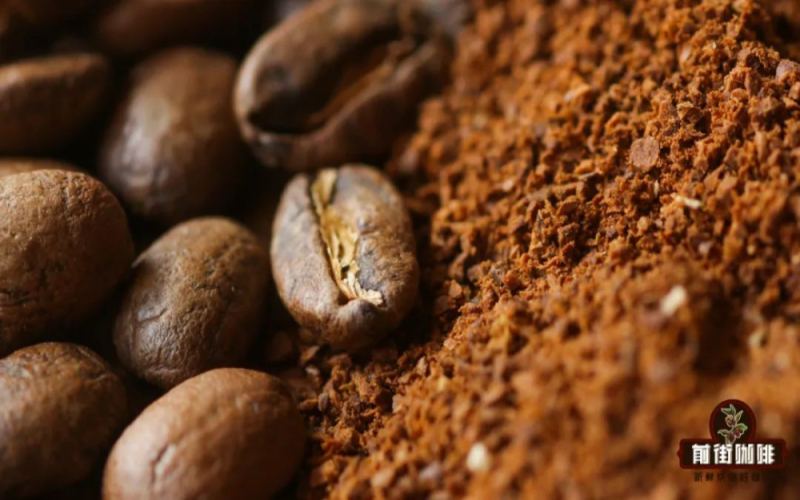
How to store and use pre-ground coffee powder? A full analysis of flavor shelf life after grinding and brewing precautions.
Many people know that pre-ground coffee powder is not as aromatic as freshly ground coffee, yet they still choose to have it ground for them, and there are actually quite a few practical considerations behind this. Pre-ground powder saves the trouble of buying a coffee grinder, is portable and labor-saving, and the professional grinders at coffee shops usually provide a more uniform grind. However, once coffee beans become powder, their peak flavor period is greatly shortened, and the way they are stored and used changes accordingly. From Front Street's perspective, this article sorts out the major advantages of pre-ground powder and explains in detail the key points to note when using pre-ground powder, such as stirring and sealing, to help you enjoy a more satisfying cup within the limited flavor window. [more…]
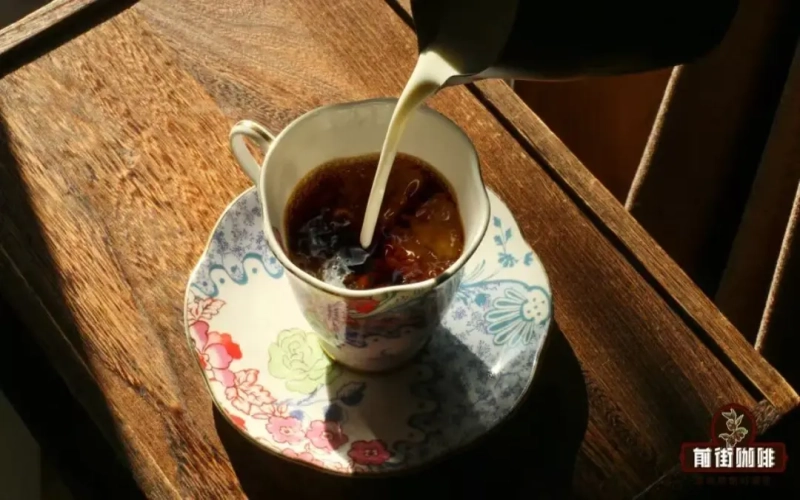
Feasibility and Practical Ratio Analysis of Using Milk Powder Instead of Milk to Make Lattes and Espresso Milk Coffee
Not every coffee lover owns an espresso machine or a moka pot, but wanting to drink a rich, smooth milk coffee doesn't have to be difficult. This article centers on the common question "Can milk powder be used instead of milk to make a latte," and, drawing on Front Street Coffee's practical experience, systematically sorts out the key operating points, ratio suggestions, and precautions for using milk powder in two scenarios: low-concentration black coffee brewed by pour-over and espresso. The article not only explains the principle of reconstituting milk powder into milk, but also gives specific references for powder amount, water temperature, and ratio, and recommends the Front Street Boundary Estate · Sidra coffee beans suitable for making milk coffee. Whether you want to simply experience the fun of using milk powder to make milk coffee, or try using milk powder to steam milk foam for latte art, you can find an executable solution here. [more…]
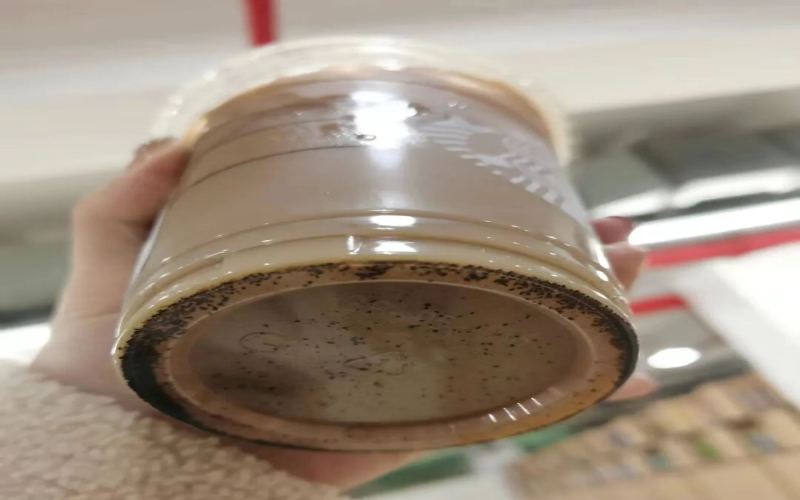
Starbucks Salted Flat White Leaves Black Powder Residue at the Bottom of the Cup, Staff Clarifies: Having Powder Is the Standard Serving
Starbucks has clearly picked up the pace of new product launches this year. Before people have even had a chance to check in on the cherry blossom limited edition, the Salted Flat White has already taken over as the store's main promotion. However, this new product has sparked controversy because of black powder residue left at the bottom of the cup, with many consumers suspecting that staff had made an operational error and mixed in coffee grounds. Faced with complaints, Starbucks staff collectively protested their innocence—having coffee powder is actually the correct method, and not having it would instead be a violation. What exactly is going on here? Why is the freshly ground coffee powder used for decoration so often mistaken for extraction residue? And why do consumers have so many complaints about the taste? This article will reconstruct the whole incident and analyze the gap between the standard recipe for this beverage and the consumer experience. [more…]

How long can coffee beans be stored after grinding into powder? Analyzing the shelf life difference between coffee grounds and coffee beans
Many coffee enthusiasts have encountered this situation: ground coffee powder is delayed for some reason, and by the time it is brewed, the aroma has already vanished. The optimal flavor period for coffee beans is usually about two months, but once ground into powder, their freshness may last only half as long as the beans, or even shorter. Behind this is the scientific principle that a sharp increase in surface area causes aroma to escape more rapidly. Front Street has verified through cupping experiments that coffee powder used within 10 minutes of grinding still has a clear flavor, but after being left for more than 30 minutes it becomes noticeably flat. This article will analyze in detail the freshness preservation differences between coffee powder and coffee beans, and share practical storage tips to slow aroma loss. [more…]
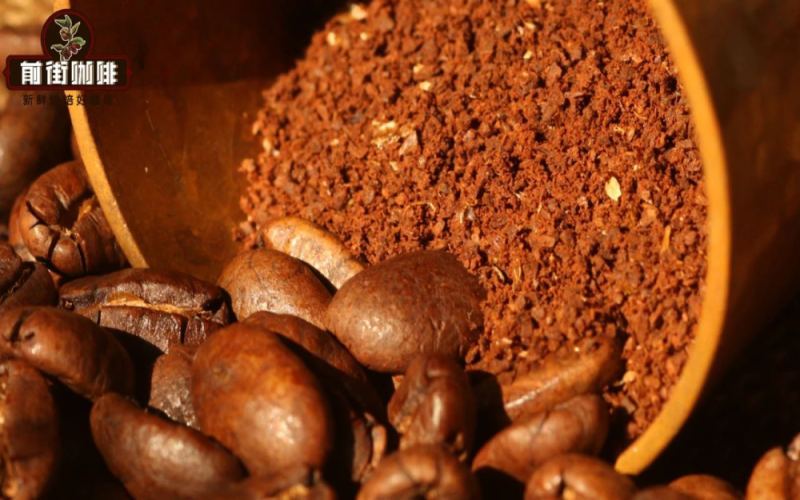
Freshly Ground Coffee Beans vs. Pre-Ground Coffee Powder: How to Choose? A Full Analysis of Flavor Differences, Buying Tips, and Storage Methods
In coffee consumption, a common yet crucial choice is this: should you buy whole coffee beans, or directly purchase pre-ground coffee powder? This decision directly affects the flavor performance, convenience, and shelf life of the coffee. This article will systematically compare the pros and cons of coffee beans and coffee powder from the perspectives of aroma retention, oxidation rate, and freshness assessment, and offer purchasing suggestions for different scenarios. At the same time, the article will also share the proper storage methods for coffee beans and coffee powder, helping you find a balance between convenience and quality, so that every cup of coffee can present its ideal state. [more…]
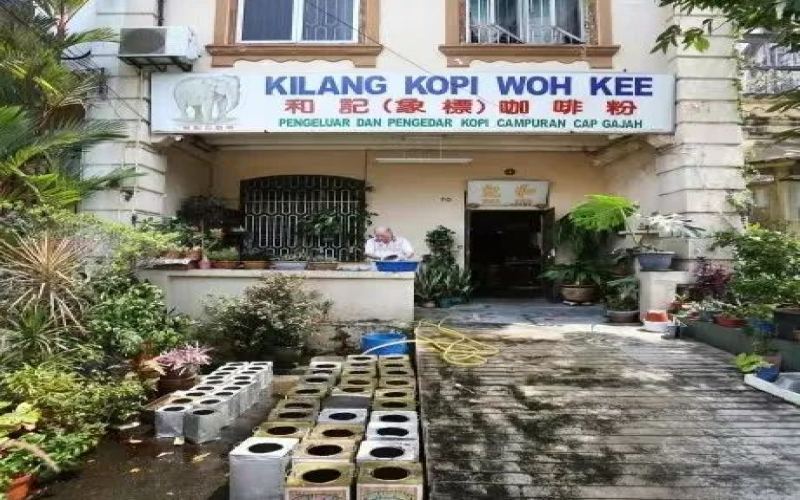
An 80-Year-Old Ipoh Coffee Powder Factory Closes: Hock Kee Elephant Brand Has No Successor, Third Generation Unable to Keep Up Physically and Reluctantly Shuts Down
In Ipoh, Malaysia, the rich aroma of white coffee cannot be separated from the support of local coffee powder factories, and the Hock Kee (Elephant Brand) coffee powder factory, which has been in operation for a full eighty years, is one of the most representative old establishments among them. This coffee powder factory, founded in the 1930s by Hainanese Fu Hechang, roasts coffee beans using semi-traditional techniques, and has won the trust of three generations of locals with its pure, fragrant quality. Many tea houses in Ipoh have long purchased its coffee powder to make white coffee. However, as the third-generation operators grew older and manpower became scarce, and the fourth generation each had their own careers and no intention of taking over, the family finally decided to cease operations. After the news spread, longtime customers rushed to stock up as mementos, with some even traveling dozens of kilometers just to taste the flavor remembered from years past. This old factory bearing the elephant trademark, after completing its final batch of orders, will officially pass into history. [more…]
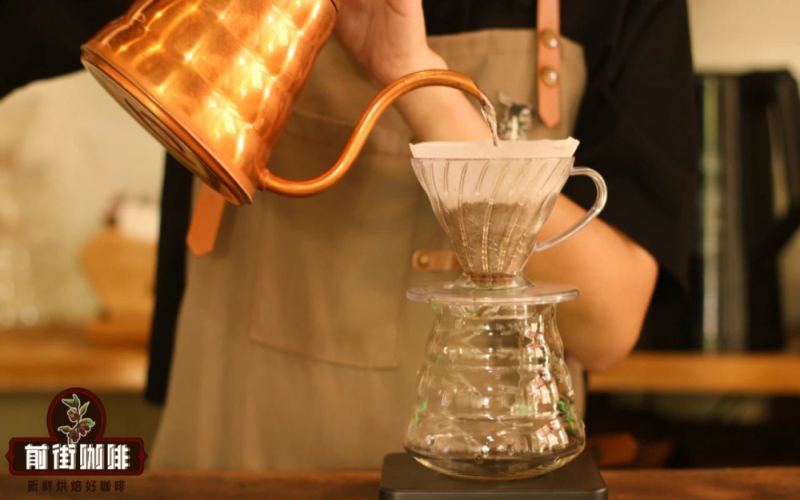
How Should You Handle Ground Coffee? A Detailed Guide to Five Brewing Methods and Key Tips for Using Drip Coffee Bags
Friends who are just getting into coffee often encounter a question: once coffee beans are ground into powder, should they be boiled or brewed? In fact, there is no single answer to this question. The key depends on the characteristics of the beans and what equipment you have on hand. In this article, Front Street Coffee will systematically sort out the five main extraction methods for freshly ground coffee powder - decoction, pressure, gravity, immersion filtration, and cold brew. It will also discuss notes on bean resting and storage, as well as the frequently asked question of whether drip bag coffee can be brewed repeatedly. Whether you are a complete beginner or an enthusiast who wants to further understand the differences between various brewing methods, you can find practical references here. [more…]
Coffee Storage | How long is coffee's optimal flavor period? How long can ground coffee be stored after grinding? Which storage method can extend the optimal flavor period of ground coffee?
Recently, due to the crazy discounts of Double Eleven, many friends have gathered to place orders online, and Front Street Coffee's Taobao Tmall customer service has therefore received more coffee-related questions than ever before. Questions related to grinding on demand, such as "how long can coffee beans last after being ground into powder" and "within how many days after grinding is it best to finish drinking it," are among the questions these friends have been consulting about recently. [more…]

The Correct Way to Drink illy Espresso Ground Coffee: Medium Roast Brewing Ratio and French Press Operation Guide
illy, as a long-established Italian coffee brand, produces pre-ground espresso powder that is not an instant product; it requires a filter tool or an espresso machine to complete extraction. For home or office settings, Front Street Coffee recommends using a French press for immersion brewing. This article will introduce the blending characteristics of illy espresso powder, its differences from instant coffee, and, using 15 grams of powder as an example, the specific brewing parameters and operational details, helping coffee enthusiasts easily make a rich, full-bodied cup of coffee. [more…]
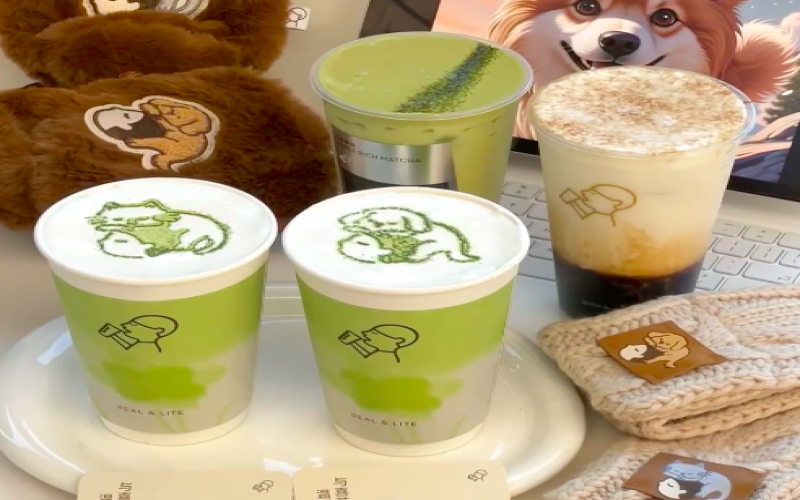
HEYTEA's limited powder-sprinkling designs often go wrong, and staff admit the operation is difficult
Heytea recently launched a limited winter warming campaign. In addition to themed merchandise, its offline stores also set up a free Easter egg—sprinkling the Heytea pet pattern onto the milk cap of designated drinks. Many fans made special trips to pick up this cup with the "limited-edition pattern," but the products they actually received frequently turned out to have the pattern blurred into a mess, with no recognizable shape at all. Some consumers complained that the product did not match the description and questioned whether the staff were just going through the motions; store employees, meanwhile, complained bitterly, saying whether the pattern takes shape depends heavily on powder-sprinkling skill, and that pet patterns are much harder to execute than the usual Heytea character, with a shaky hand or a slight angle deviation potentially causing a fail. In this controversy over sprinkling powder on a cup of milk cap, who exactly should take the blame? [more…]

A Starbucks barista's self-created blueberry powder color-changing drink goes viral—stunning looks, but mocked as looking like glass cleaner.
Recently, a batch of stunningly beautiful Starbucks "dreamy new drinks" has emerged on social platforms. In fact, they are all creative beverages mixed by employees themselves using ingredients like blueberry powder. From sky blue to dreamy purple, from healing spirulina blue to the failed "glass water," this wave of color-mixing craze has turned the bar into a palette. Although these secret drink methods are not official products and customers theoretically cannot order them, it does not dampen the creative enthusiasm of coffee lovers at all. This article will take you through the origin, ways to play, and failed attempts of this blueberry powder DIY trend. [more…]
How to Grind Coffee Beans into Powder at Home? Manual vs. Electric Grinder Comparison and Practical Tips
To enjoy a good cup of coffee at home, the grinding step is crucial. This article explains in detail the classification of coffee bean grind sizes, the best timing, and three key principles—uniform particle size, avoiding heat generation, and removing fines—and compares the features of hand grinders and electric grinders. It also introduces emergency grinding methods such as mortar and pestle, hammer, rolling pin, and blender, as well as Front Street Coffee's product recommendations. Whether you are a beginner or an enthusiast, you can find a grinding solution that suits you, making every cup of coffee rich and delicious. [more…]
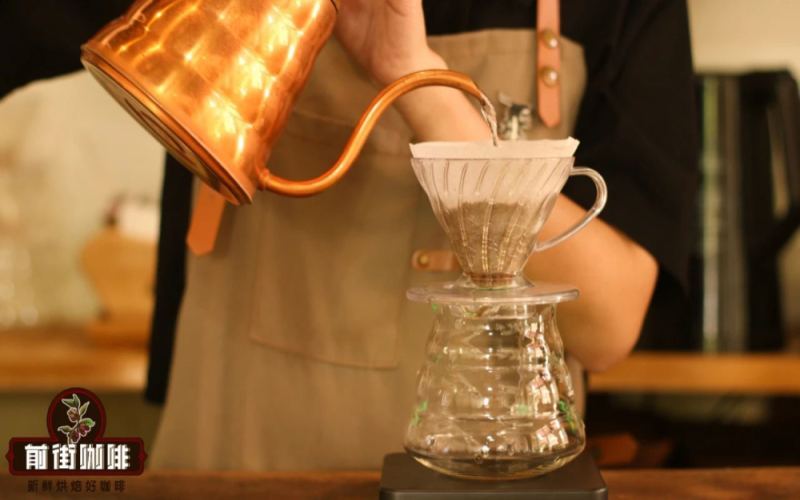
A Complete Analysis of Pour-Over Coffee Dose and Water-to-Coffee Ratio: Parameter Calculations and a Detailed Explanation of the Seven Elements from One Serving to Two Servings
For enthusiasts who are just getting into pour-over coffee, one of the first things that often causes confusion is how many grams of coffee to use for a single serving, and how to calculate the water-to-coffee ratio for two people. Starting from Front Street Coffee's practical experience, this article systematically explains the principles of distributing the coffee-to-water ratio in pour-over brewing. Combined with the strength recommendations of the SCAA (Specialty Coffee Association of America), it provides the widely applicable parameter range of 1:15, and further analyzes the seven major elements of pour-over brewing—from coffee bean freshness, grind size calibration, and water temperature control to dripper selection and brewing time. The article also includes the specific brewing data and three-stage extraction method for Front Street Yirgacheffe Washed Gedingding, helping readers, on the basis of understanding the principles, reduce operational mistakes and consistently brew a clean-tasting cup of good coffee. [more…]
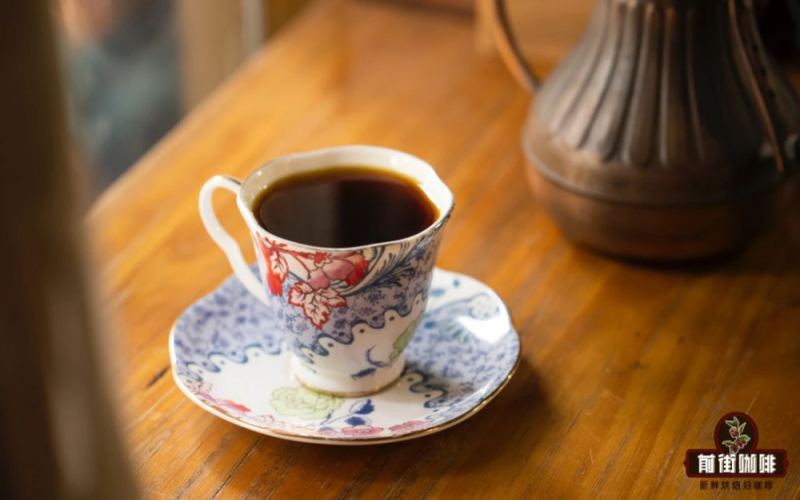
How to properly drink coffee grounds? American drip coffee maker usage guide and key operating points analysis
Can you brew coffee grounds directly? How should you drink coffee after grinding the beans? Starting from the daily inquiries received by Front Street Coffee baristas, this article systematically introduces the types of American drip coffee makers, capacity specifications, water and coffee grounds standards, and the complete operating steps. The content covers the history of American coffee, its differences from espresso, how to make iced Americano, and recommendations for choosing coffee beans suitable for American coffee makers. Whether you are a coffee beginner or an enthusiast hoping to easily brew a pot of good coffee at home, this guide can help you get started quickly and master the essentials of using an American drip coffee maker. [more…]
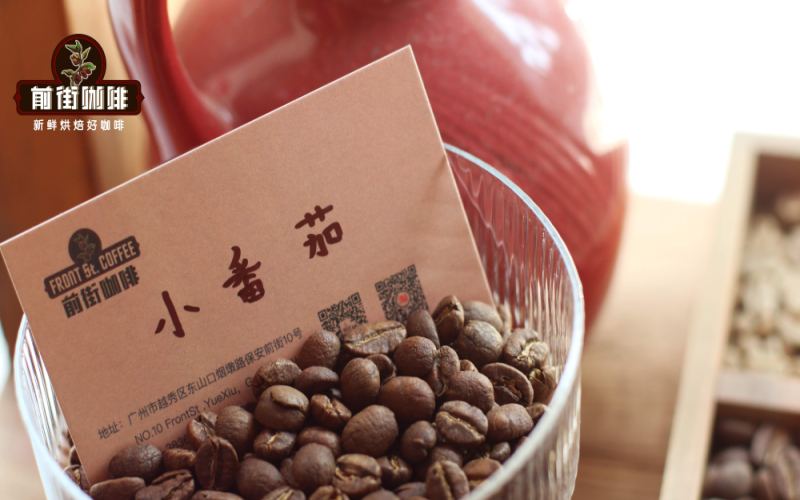
How to Store Ground Coffee | Can Ground Coffee Be Put in the Fridge? How Long Does Ground Coffee Last? How Do the Flavor and Taste Change After Coffee Beans Are Ground into Coffee Powder?
It's a well-worn topic that freshly ground coffee brews up more fragrant, and we're also well aware of how important freshness is to coffee flavor. But sometimes, to avoid hassle, many friends have the merchant grind the coffee beans into powder before shipping when buying beans, because then when it's time to brew, there's no need to worry about what grind setting to use, nor [more…]
How should you brew illy espresso powder to make it taste good? A full breakdown of espresso machine and Americano methods.
illy is an Italian coffee brand founded in 1933, known in Chinese as Yili, and it is also one of the earliest companies in the world to sell pre-ground coffee powder. Many local cafés in Italy prefer to use beans or coffee powder specially blended by illy for espresso to make Italian-style coffee. illy's espresso powder is made from 100% Arabica coffee beans, roasted and then ground. Unlike instant coffee, it does not dissolve directly in water and needs to be extracted using a filter tool or an espresso machine. Front Street Coffee reminds us that the key to enjoying a good cup of illy espresso lies in the extraction method and ratio. This article will introduce illy's brand positioning, the origin of espresso, the working principle of espresso machines, as well as the method for making Americano and recommended ratios, to help you better enjoy illy coffee powder. [more…]
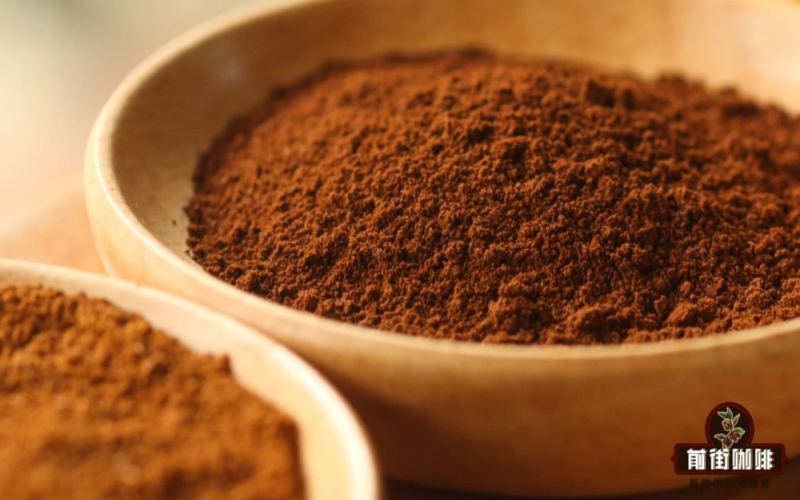
Can espresso-fine coffee grounds be used for pour-over? A detailed explanation of the feasibility and key points of brewing with fine grounds
Coffee enthusiasts often grind their purchased coffee beans into espresso-level fine powder, yet don't know how to handle it—if operated according to regular pour-over parameters, it easily leads to over-extraction. So, can espresso-grind coffee powder actually be used for pour-over or cold brew? And how should the brewing plan be adjusted? In this article, Front Street Coffee uses medium-dark roasted Front Street Mandheling as an example, analyzing the precautions for pour-over with fine powder one by one, from dripper selection, water temperature setting, coffee-to-water ratio to pouring technique, and provides a practical comparison of two coffee-to-water ratios, 1:15 and 1:10, to help you master fine-grind coffee powder at home and avoid waste. [more…]
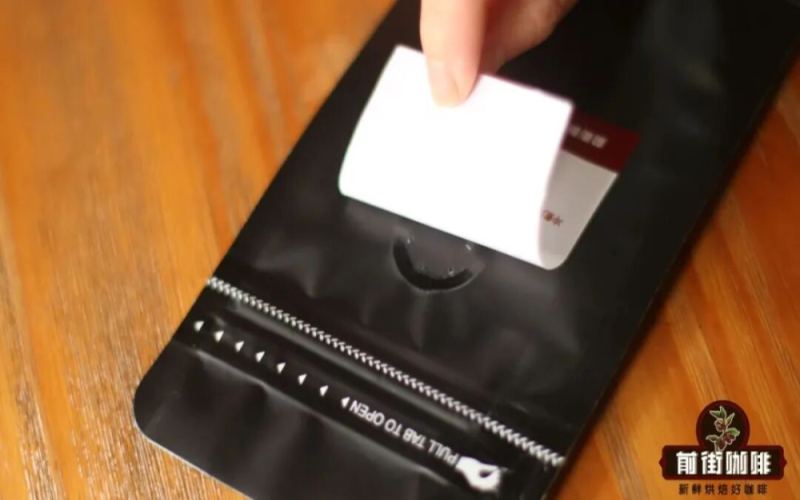
Should Coffee Beans Be Ground Fresh or Ground by the Seller? From Peak Flavor Window to Flavor Changes, Explained Clearly
Many coffee enthusiasts choose to have the shop grind their beans into powder when buying, for the sake of convenience—no need to adjust the grinder settings or do the grinding themselves. But once coffee is ground into powder, the aroma dissipates at a noticeably faster rate, and its peak flavor period shrinks significantly as well. Through practical comparative testing, Front Street Coffee found that well-sealed ground coffee can still maintain decent flavor within three weeks after grinding, but beyond a month, only a flat coffee taste remains. This article will start with the optimal flavor period of coffee beans, combine specific brewing experiments to analyze how coffee flavor changes after pre-grinding, and offer practical storage advice to help you decide whether to buy beans or ground coffee. [more…]
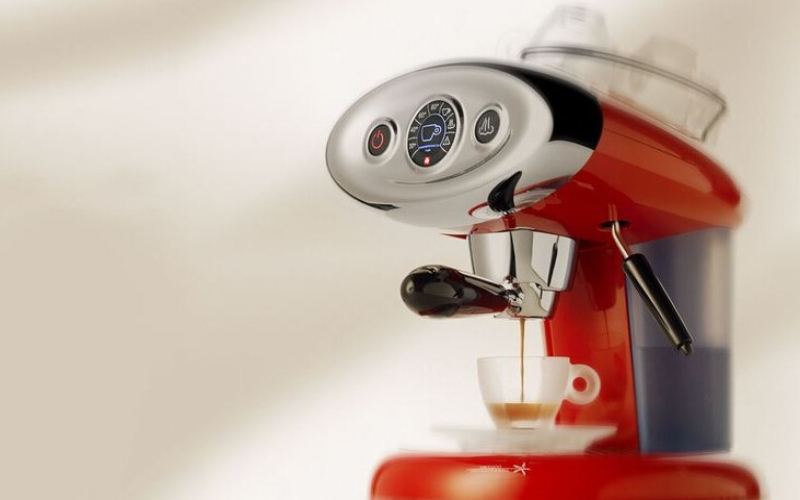
Illy Espresso Ground Coffee Review: Pairing with Espresso Machines, French Press Brewing Methods, and Introduction to Cappuccino Varieties
As an iconic Italian coffee brand, illy has been regarded as a benchmark in the pre-ground coffee segment since its founding in 1933. Its espresso powder is ground from 100% Arabica beans, positioned as more premium than instant coffee, and able to retain a richer original flavor. But many enthusiasts are confused about how to brew it—it is not an instant product and requires equipment such as an espresso machine or a French press to extract the ideal strength. This article will systematically review the pros and cons of illy espresso powder, introduce practical brewing methods for home and office scenarios in detail, and also touch on the varieties of cappuccino. At the same time, Front Street Coffee will also provide targeted equipment recommendations in the article to help everyone better bring out the performance of this classic Italian-style coffee powder. [more…]

Coffee Bean Recommendations for American Coffee Makers | How to Make Delicious American Coffee with a Drip Coffee Maker? Coffee Grounds Grind Size Reference
Customers who frequently come to Front Street Coffee for a cup sometimes ask the baristas whether there's a lazy-friendly coffee machine suitable for home use, preferably at a reasonable price. Well then... let's take a look at the American-style drip coffee maker! The drip coffee maker is currently one of the more commonly used [more…]