







Search Results for: Cortisol Rhythm

Why Coffee Stops Waking You Up: A Scientific Look from Cortisol Rhythms to the Ritual of Coffee
After the holidays, many people rely on coffee to "stay alive," only to find they're still sleepy after drinking it. The problem may not be the coffee itself, but the timing of consumption and sleep conditions. Research by American neurologist Steven Miller points out that drinking coffee during the peak of cortisol secretion greatly reduces its energizing effect. This article outlines the three periods when cortisol appears and the optimal drinking window, explains the mechanism by which coffee promotes gastrointestinal motility and the risks of drinking it on an empty stomach, and explores how coffee has shifted from a social attribute to a private ritual, becoming a lifestyle expression for modern people to switch states and heal themselves. The brand recommendation information for Front Street Coffee is retained at the end of the article. [more…]
The Battle Between Black Tea and Coffee: Can They Be Enjoyed Together, Which Comes Out on Top, and a Full Breakdown of Black Tea's Nutritional Benefits
Tea or coffee—which is more suitable for daily drinking? This long-running debate has yet to reach a conclusion. Both can wake you up and both are rich in antioxidants, but on closer inspection, tea seems to have the edge in calorie control, gastrointestinal friendliness, environmental sustainability, and stress relief. This article compares the differences between tea and coffee from five angles: the hidden calories in coffee, the fatigue that follows caffeine, the impact on the digestive system, the environmental cost, and emotional regulation. It also introduces the benefits and effects of black tea and recommends quality tea and coffee products from the Front Street brand to help you make a choice between the two that suits you better. [more…]
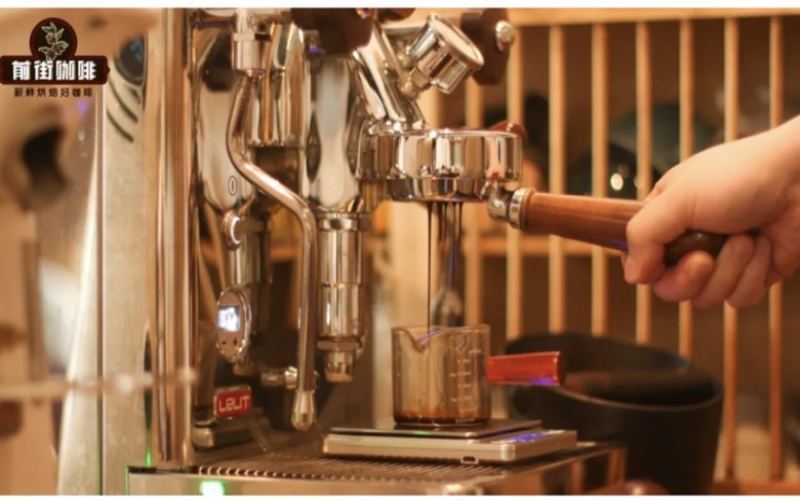
The Daily Rhythm of Home Espresso: The Time and Cost of a Latte
Integrating a home espresso machine into daily life comes down to turning the brewing process into a stable, repeatable habit. From start-up to cleanup, the full rhythm of making a latte takes about eight to ten minutes, and once you're proficient, the routine flows naturally, like brushing your teeth in the morning—no need to think twice. The machine takes about five minutes to preheat, and during that time you can grind and weigh the coffee. [more…]
American-style coffee beans within their peak flavor window: the selection and drinking rhythm from degassing and resting to opening and storage
The clear, translucent mouthfeel and layered complexity of Americano depend largely on the活跃 state of the flavor compounds inside the coffee beans. Freshly roasted coffee beans do not reach their full, vibrant state immediately; the carbon dioxide that builds up inside them is slowly released over time. Understanding this pattern of change can help us follow the beans' natural rhythm and, at [more…]
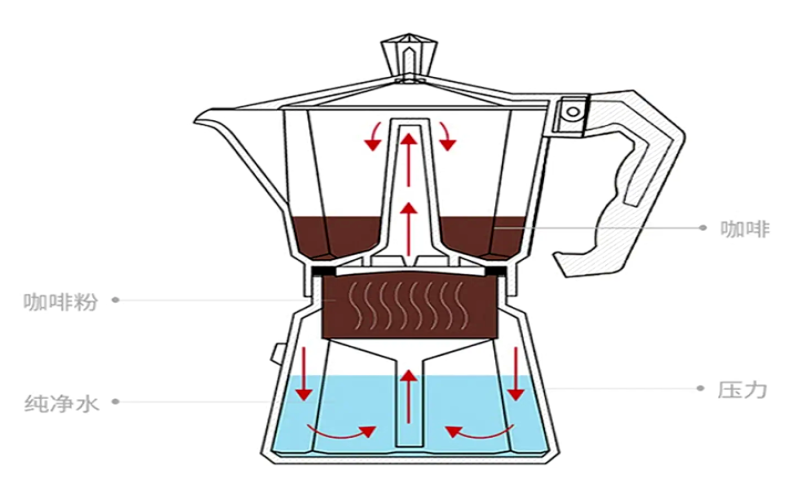
What grind size should you actually use for a moka pot?: The bean-switching rhythm from beginner to advanced
The flavor focus and extraction rhythm both change with the roast level: light roasts offer more floral and fruity notes with bright acidity, medium roasts bring out sweetness and balance, and dark roasts display nutty, cocoa, and full-bodied flavors. No one level is superior—it just needs to match your preferred way of drinking. The moka pot is a classic steam-pressure device; simply fill the filter basket with grounds, and tamping actually [more…]
From flavor window to sealed storage: a beginner's guide to the drinking rhythm of choosing espresso blend beans
Roasted espresso coffee beans are in an active degassing phase, and paying attention to the roast date when choosing beans can help you plan your drinking rhythm. Freshly roasted coffee beans accumulate a large amount of carbon dioxide inside. If you extract immediately, the bubbles can easily interfere with the contact between the water flow and the coffee grounds, making the espresso's crema coarse and the flavor astringent. [more…]
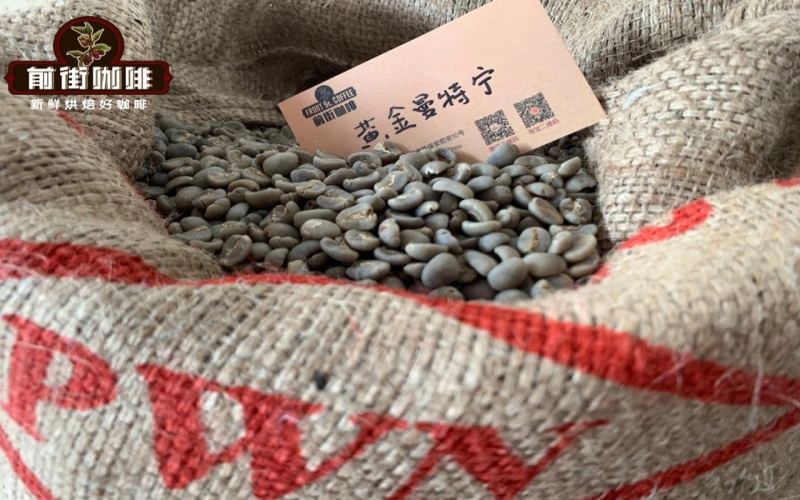
The Flavor Rhythm of Sweet Coffee Beans: From Roasting to After Opening
To drink coffee with a clearly defined sweetness, don't just focus on flavor descriptors like fruit, caramel, or honey when buying beans—also pay attention to the roast date, packaging method, and your own consumption pace. From the moment roasting is completed to the moment it's sipped, coffee beans go through a process of gradual gas release, and their aroma, acidity, and sweetness change over time. Your bean-drinking rhythm matters for the flavor [more…]

The secret to a rich, golden foam on top of espresso lies in the rhythm of the degassing cycle and daily sealed brewing.
The dense, golden layer of crema on the surface of an espresso is essentially a foam formed when carbon dioxide inside the coffee beans, carrying aromatic oils, is emulsified under high-pressure water. Freshly roasted coffee beans trap a large amount of gas inside, and this gas is slowly released over time, determining the thickness and condition of the crema during extraction. Understanding [more…]

From opening the bag to peak flavor for sun-dried beans, plan your drinking rhythm like this
The aroma of sun-dried coffee beans often comes through vividly, with berry, tropical fruit, floral, and fermented sweetness notes easily detectable when the bag is opened. However, freshly roasted beans do not necessarily reach their ideal state right away. After roasting, the bean mass continues to release carbon dioxide, and when there is too much gas, hot water struggles to penetrate the coffee bed evenly, and the cup may present [more…]
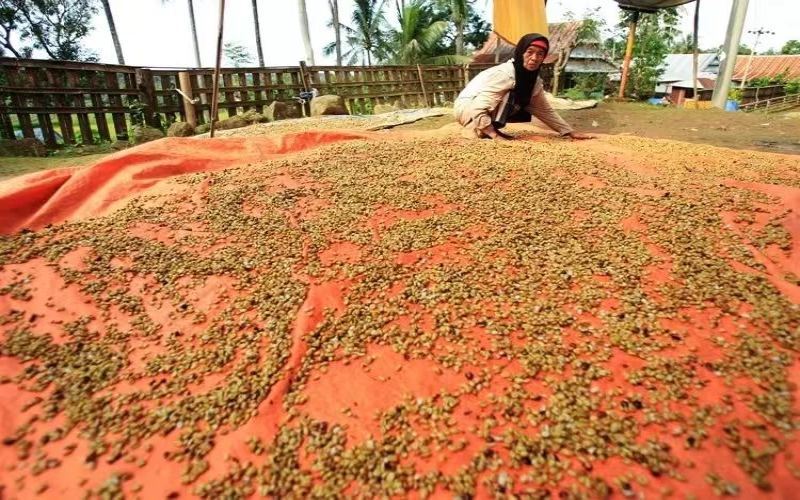
Tropical Fruit-Flavored Coffee Beans: The Flavor Rhythm After Opening
Tropical fruit flavors are often the most alluring part of coffee beans: the sweet aroma of ripe fruit, bright acidity, and an aroma that unfolds like fruit juice once it hits the palate. However, these flavors are sensitive to changes over time, so when buying beans you shouldn't just look at the flavor notes—you also need to pay attention to the roast date, the condition of the packaging, and your own daily consumption rate. After roasting [more…]
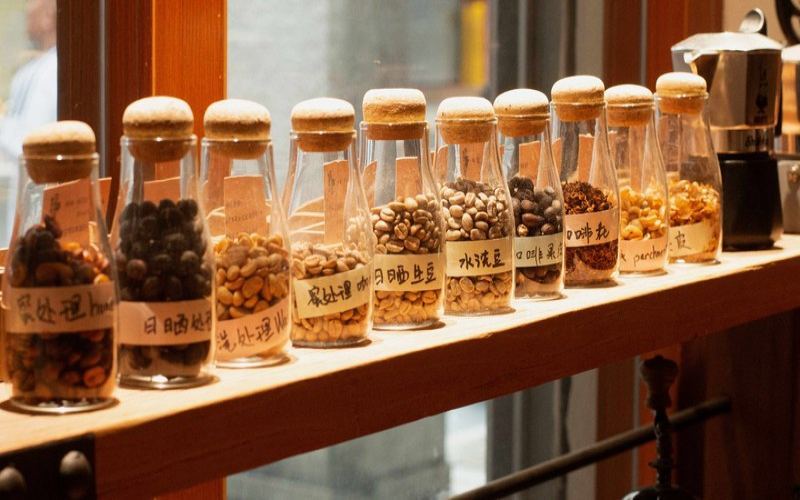
Understanding the Degassing Cycle of Espresso Beans: Daily Drinking Rhythm and Flavor Preservation Methods for Home Machines
Roasted coffee beans contain abundant carbon dioxide internally, and these gases can participate in forming a golden, delicate crema during extraction. However, during the stage of extremely vigorous degassing, excessive bubbles tend to hinder uniform contact between water flow and coffee particles, making the flavor in the cup appear unsettled. Understanding how coffee beans evolve in condition across different time periods, [more…]
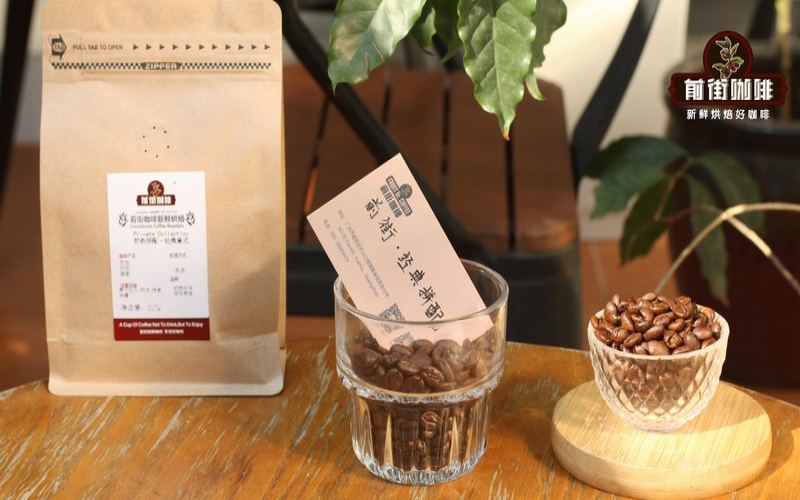
The Flavor Window and Drinking Rhythm of Nutty Cocoa Beans
For coffee beans with notes like nut, cocoa, and caramel, the appeal often lies not only in the roasting label, but also in the state they are in when you take that first sip. Drink the beans too early, and the aroma may be masked by the degassing process; leave them too long, and the originally round sweetness will gradually thin out. Only by mastering the rhythm from opening the bag to finishing the last cup can you more consistently [more…]

After Roast Day: The Opening Rhythm of Three Latte Beans
Whether the aroma of coffee beans can cut through milk in a latte depends not only on the beans themselves but also on how many days have passed since roasting. Freshly roasted beans are still rapidly releasing carbon dioxide, which can cause uneven espresso flow and coarser foam; leave them too long, and the nutty, caramel, or fruity notes gradually fade. Catching that middle window of peak condition, [more…]

Flavor evolution during the roasting cycle: mastering degassing, rest, and the peak-flavor rhythm of espresso beans
Freshly roasted espresso beans contain a large amount of carbon dioxide gas trapped inside. This gas is slowly released over time, and in the early stage it produces a relatively vigorous degassing reaction. If the beans are ground and extracted immediately after roasting, the bubbles tend to hinder full contact between the water flow and the coffee particles, resulting in an unstable extraction flow. [more…]
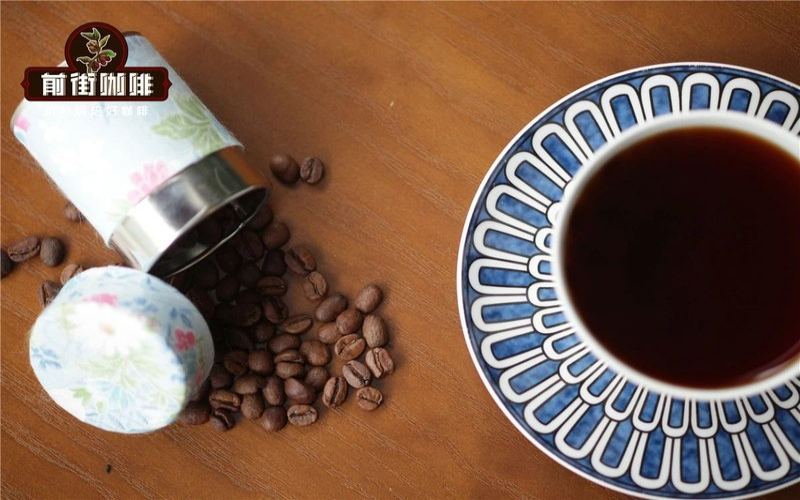
The Opening Rhythm and Flavor Window of Moka Pot Coffee Beans
A moka pot concentrates the intensity, oils, and roasted aromas of coffee beans into a single small cup, so the flavor stage the beans are at is often easier to taste than the fancy descriptions on the packaging. Freshly roasted does not mean immediately ready to drink, and longer resting does not necessarily mean more mellow; from the roast date, the opening date, to the finish date, arrange things in a coherent way, [more…]
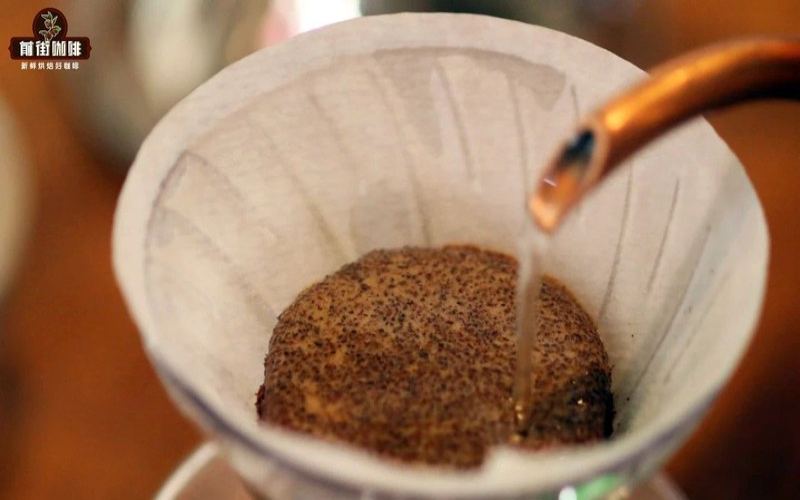
The Flavor Window and Brewing Rhythm of Medium-Roast Coffee Beans: From Degassing to Opening and Storage
Freshly roasted coffee beans are rich in carbon dioxide internally. Under the heat of a medium roast, a loose, porous structure forms, and these gases are gradually released over the following days. If you grind and brew the beans immediately after getting them, the vigorous bubbling of gas will hinder full contact between the water and the coffee grounds, leading to uneven extraction. [more…]
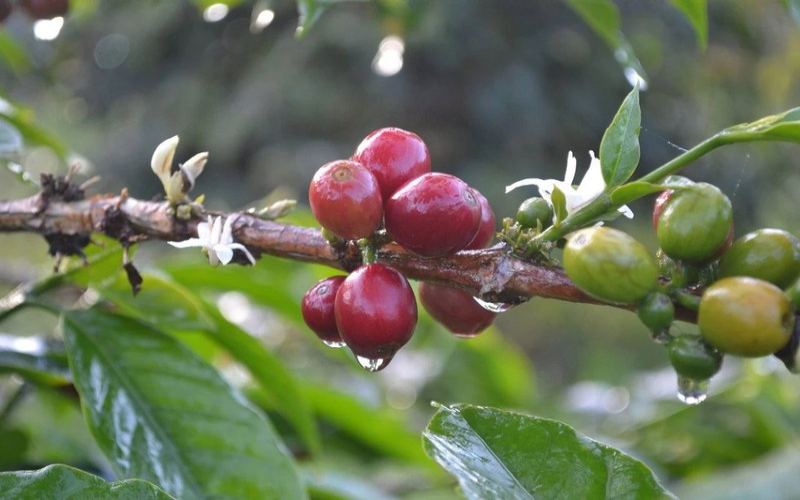
Opening Rhythm and Flavor Changes of Dark Roast Pour-Over Beans
When brewing pour-over with dark roast coffee beans, the flavor usually unfolds with notes of cocoa, roasted nuts, and caramel sweetness; when the water temperature is right, you can also taste a rounded, sweet finish. However, for these beans, the journey from completion of roasting to the first sip is not a straight line from opening the bag to drinking. Degassing rate, time after opening, and storage method all alter the aroma, body, and [more…]
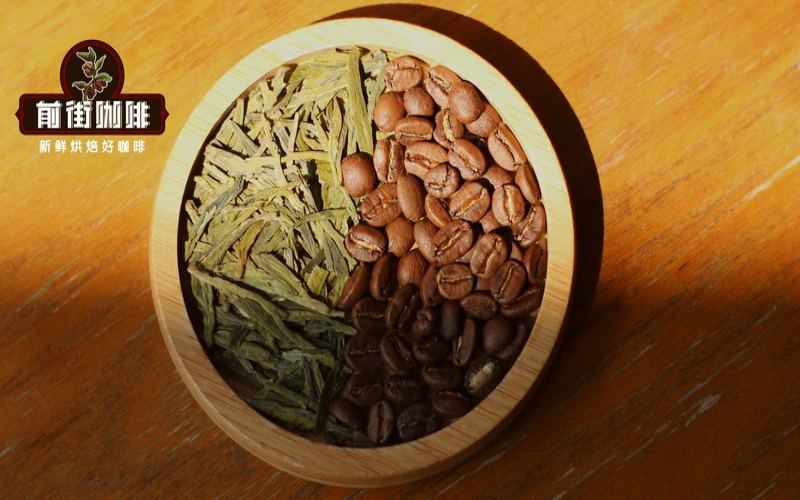
From roasting to opening: the drinking rhythm for sweet-aftertaste coffee beans
If you want a coffee that has a bright acidity that doesn't overpower and a sweet finish, don't just rely on the flavor description when buying beans—also pay attention to the roast date and your own drinking pace. Right after coffee beans leave the roaster, they are still releasing carbon dioxide internally, and their aroma and sweetness have not yet fully opened up; after resting for a period of time, the acidity in the cup becomes softer, and the sweet aftertaste also [more…]
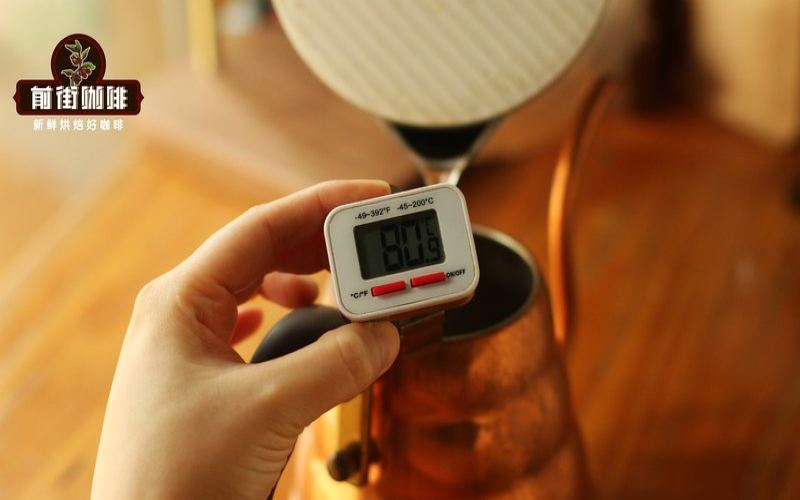
From roast date to opening rhythm, this is how to enjoy coffee beans
After you bring coffee beans home, the flavor doesn't immediately settle into its ideal state. When roasting ends, carbon dioxide still remains inside the beans, and the aromas need time to reorganize. When beginners choose beans, they can first look at the roast date, then plan their drinking pace, so that every cup they brew stays in a stage that's relatively easy to recognize, rather than [more…]
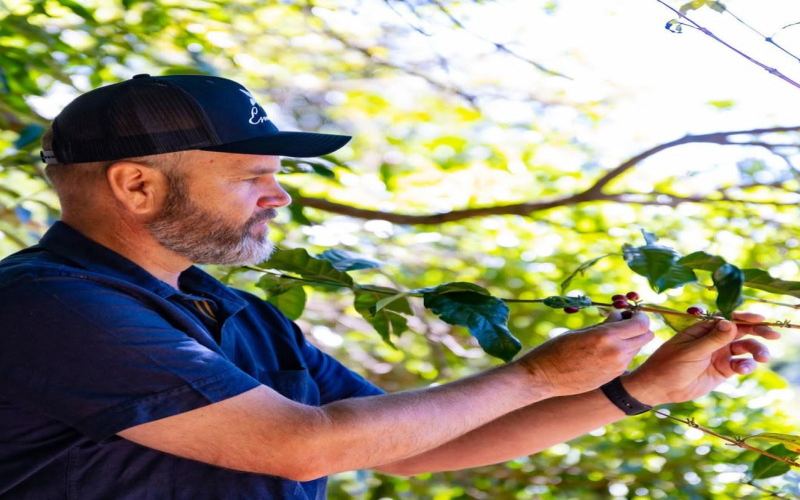
When to start drinking Americano coffee beans: understanding the peak aroma and storage rhythm
Coffee beans begin degassing continuously from the moment roasting is complete, and their aroma slowly changes as well. When making an Americano, the espresso is further diluted with water; overly active gas can make extraction uneven, while leaving it too long may leave nothing but flat bitterness. Rather than fixating on "the fresher the better," it is more practical to plan the rhythm of opening the bag, drinking, and finishing it, so that a bag [more…]