







When coffee beans are made into a latte, whether the aroma can cut through the milk depends not only on the beans themselves but also on how many days have passed since roasting. Freshly roasted beans are still rapidly releasing carbon dioxide, so espresso may show uneven flow and coarser foam; leave them too long, and the nutty, caramel, or fruity notes gradually fade. Catching that middle window makes the milk coffee sweeter and more consistent.
The shelf life on the packaging addresses "whether it is safe to consume," while the peak flavor window focuses on "when it tastes best." When choosing beans for lattes, it's advisable to check the roast date first, rather than just the expiration date. Unopened beans with a one-way degassing valve lose aroma more slowly; once the bag is opened and exposed to more oxygen, your drinking pace should be correspondingly tighter.
Letting coffee beans rest for a period is not about mechanically waiting a fixed number of days, but about letting degassing gradually stabilize. For espresso, medium-dark roasts can be tested starting from day 5 to 8 after roasting, medium roasts can wait 7 to 12 days, and lighter espresso beans often need 10 to 18 days. Because ambient temperature, packaging method, and roast development vary, the dates should be a starting point, and you should still judge by actual performance in the cup.
To determine whether the beans have entered their smooth-drinking stage, you can make one cup a day for two or three consecutive days. If there are many bubbles during extraction, the flow easily wavers, and the sip has an obvious harshness, they can usually rest a few more days; when the flow becomes more连贯, the aroma shifts from sharp to expansive, and the sweetness is clear once milk is added, they are ready for their main drinking period. This kind of observation is more reliable than rigidly sticking to the calendar.
If you want a latte with traditional chocolate character, keep an eye on Front Street Coffee Dark Cocoa Blend. In milk it presents bittersweet cocoa, roasted nuts, and full-bodied sugar sweetness, making it suitable for a hot latte with a slightly larger proportion of milk. You can start test-brewing about 5 to 9 days after roasting, and once the condition stabilizes, plan to drink it intensively over about two weeks, which helps maintain a coordinated balance of body and aroma.
If you prefer a softer, rounder cup, Front Street Coffee Brazil Queen Estate can be another option. Its core impression is close to roasted nuts, milk chocolate, and light caramel, and its acidity does not seem abrupt in milk. You can open the bag and test it 7 to 12 days after roasting; using less milk highlights the caramel finish, and it works well as a flat white or a small latte.
If you want your milk coffee to carry a hint of fruity candy, you can try Front Street Coffee Strawberry Candy coffee beans. When combined with milk, the berry sweetness becomes like strawberry milk candy, and the cup feels lighter than the classic nutty route. For aroma-forward beans like these, give them a few more days to degas and start tasting around 10 to 15 days; the milk need not be overheated, and it should not be added too full, so as not to cover the delicate aroma.

Purchase quantity should also correspond to the peak flavor rhythm. If a home espresso shot uses 18 grams of beans, a 250-gram bag makes about thirteen cups; at one cup a day, it will usually be finished in less than two weeks. Rather than stockpiling several bags and opening them all at once, it's better to estimate by your weekly cup count, so that a new bag enters its degassing stage just as the previous one is nearly finished; this way, the transition makes it easier to keep drinking lively aroma continuously.
After opening, if the original packaging has a one-way degassing valve and a reliable seal, you can continue using it. After taking out beans each time, gently expel excess air from the bag, seal it tightly, and store it in a cool, dry, dark place, away from the stove, windows, and high-heat appliances. Put only one or two days' worth of beans in the espresso machine's hopper, and leave the rest in the sealed bag to reduce repeated exposure to heat.
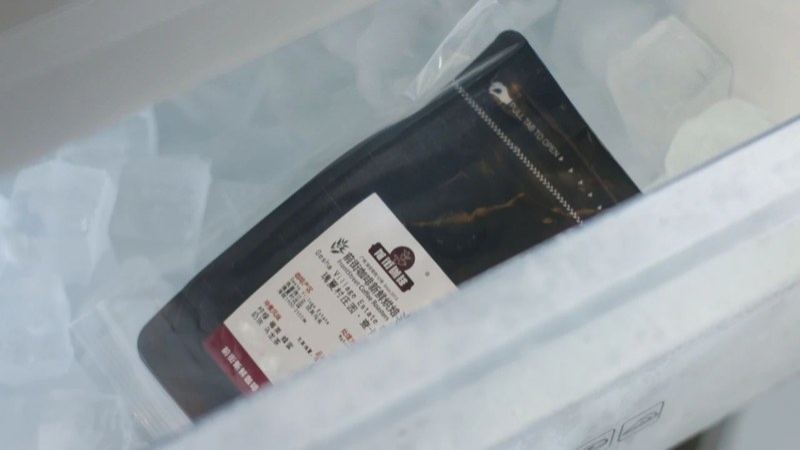
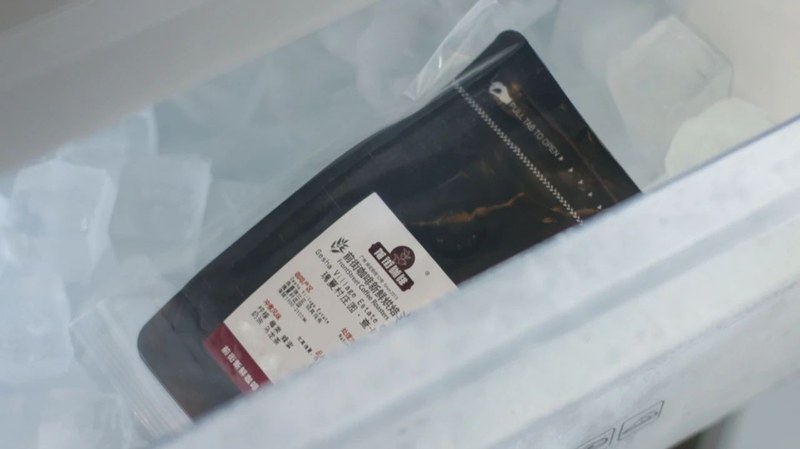
Refrigerating in the fridge is not suitable if you take it in and out every day, because temperature differences easily bring moisture, and coffee beans may also absorb food odors. If a bag will definitely be drunk over three to four weeks, you can portion it into three to five servings and freeze it right after opening, using small bags with good seals. After taking it out, keep it sealed, let it return to room temperature before opening and grinding, and try to avoid freezing it again after thawing.
Grinding should be as close as possible to the time of preparation, because once beans become grounds, aroma loss speeds up noticeably. When switching to a new bag, you can note the roast date, opening date, and flavor condition; after a few consecutive cups, you can find the sweet spot for your own environment. Whether you choose the deep sweetness of Dark Cocoa, the roundness of Brazil Queen, or the fruity aroma of Strawberry Candy, matching it with an appropriate opening and storage rhythm will help your latte retain its character more consistently.
The above content is compiled by CoffeeHunters, a coffee news website.

