







Search Results for: Container
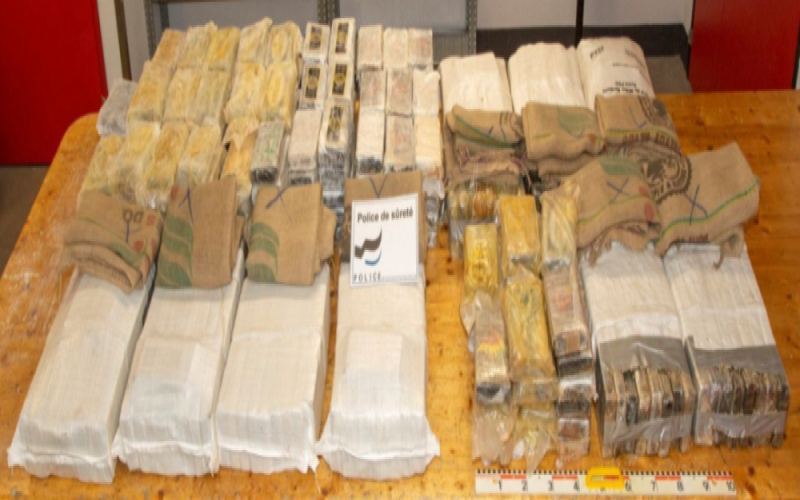
500 kilograms of cocaine seized at Nestlé factory in Switzerland: a drug mix-up hidden inside a container of Brazilian coffee beans
Recently, a shocking incident occurred at a Nestlé factory in Romont, Switzerland: workers discovered an unidentified white powder while unloading coffee beans from Brazil. Police identified it as cocaine with a purity exceeding 80%, weighing over 500 kilograms in total and valued at approximately 330 million RMB. A preliminary police investigation suggests this was very likely caused by a drug trafficking gang loading the wrong container. Similar incidents have previously occurred in China as well—Shanghai police once seized marijuana worth 150 million on an international cargo ship. How exactly do these bizarre mix-ups happen? This article will reconstruct the course of events and explore the drug trafficking methods behind them. [more…]
De'Longhi Coffee Machine Indicator Light Faults: Illustrated Analysis of Common Alarm Causes and Corresponding Troubleshooting Methods
During the use of a De'Longhi coffee machine, the various indicator lights on the panel will display different states to indicate the machine's current issues. This article uses diagrams to explain one by one the meanings of the water shortage light flashing and staying on, the coffee grounds container indicator light flashing and staying on, the extractor abnormality represented by the triangular exclamation mark indicator light, and the excessive bean amount issue when the grounds container and exclamation mark flash simultaneously. It also introduces the meanings of the display icons on mid-to-high-end models, including water shortage, bean shortage, full grounds container, and descaling prompts. If the problem still cannot be resolved after troubleshooting step by step, it is recommended to contact a professional repair technician. We hope this is helpful to friends who are currently using De'Longhi coffee machines. [more…]

Global shipping costs may plummet by 70%, offering hope for reduced logistics costs in the coffee industry
Recently, shipping consultancy agencies have predicted that container freight rates could drop sharply by 70% over the next year, which may be good news for the coffee industry that relies on maritime shipping. Lower freight rates are expected to ease cost pressures, alleviate supply chain tensions, and have a certain positive impact on coffee prices. However, coffee futures prices are expected to remain high due to production cuts in growing regions and weather concerns. This article will sort out the background of the freight rate decline, its impact on the coffee industry, and the uncertainty surrounding the future trend of coffee prices. [more…]
Cold Brew Coffee Bean Flavor Recommendations | Is There a Big Difference in Flavor and Taste Between Ice Drip Coffee and Cold Brew Coffee? Introduction to Cold Coffee Extraction Principles, Brewing Methods, and Coffee-to-Water Ratio
For more specialty coffee knowledge, please follow our WeChat official account: Front Street Coffee (FrontStreet Coffee). "What is the difference in taste between cold brew coffee and ice drip coffee?" "Which is simpler to make, cold brew coffee or ice drip coffee?" Guests visiting Front Street Coffee (FrontStr [more…]

The Complete Guide to Coffee Bean Freshness: A Practical Guide from Causes of Staleness to Optimal Storage Methods
Many people buy coffee beans to brew at home, yet often overlook the impact of storage methods on flavor. Once coffee beans are opened, light, oxygen, moisture, and high temperatures all accelerate their aging, leading to loss of aroma and even off-flavors. This article will start with the four major external factors affecting coffee freshness, analyze their mechanisms of action one by one, and provide practical storage recommendations. At the same time, we will also answer common questions such as whether coffee can be put in the refrigerator and how long coffee beans can stay fresh, helping you enjoy a truly fresh cup of coffee within its optimal flavor period. Whether you are a beginner just starting out or an enthusiast with some experience, this basic knowledge about storage is worth understanding. [more…]
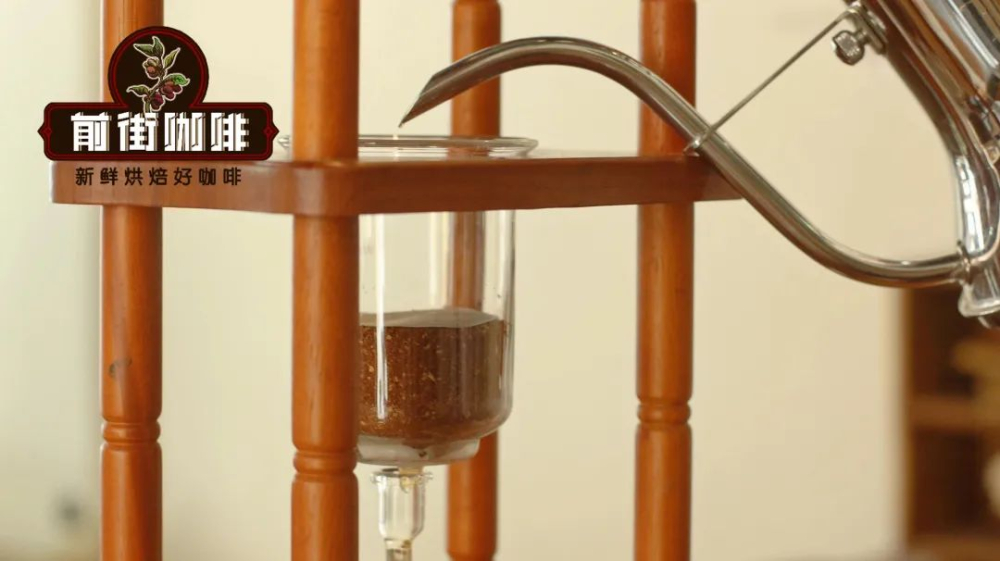
Cold Brew Coffee Single-Origin Bean Recommendations | Can Dark Roast Coffee Beans Be Used for Cold Brew? What Are the Grind Size, Coffee-to-Water Ratio, and Extraction Time for Cold Brew Coffee? Step-by-Step Guide to Making Cold Brew Coffee
For more specialty coffee knowledge, please follow the WeChat public account: Front Street Coffee (FrontStreet Coffee). In the coffee industry, iced coffee is extremely popular, especially in the hot summer, when its popularity feels like fans surrounding their idol. So when it comes to iced coffee [more…]
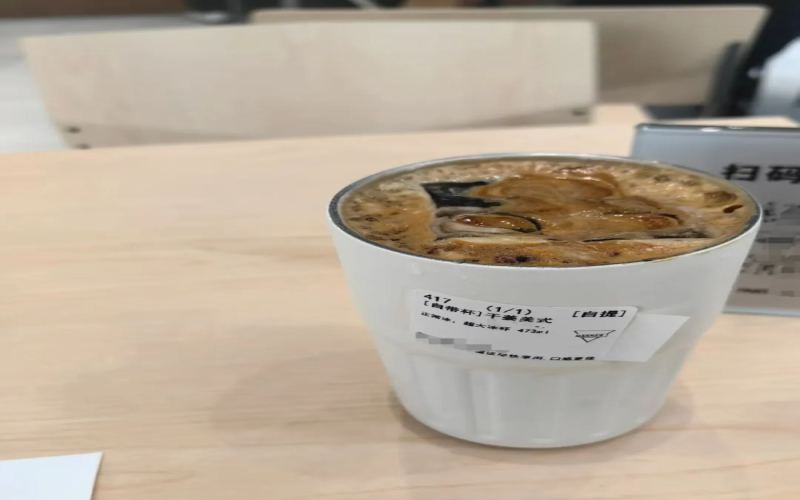
Customer Brings Own Orange Peel to Buy Manner Coffee, Refused Discount: Where Is the Boundary of Eco-Friendly Reusable Cups?
Manner Coffee's long-standing offer of a 5-yuan discount for bringing your own cup has led many consumers to develop the habit of carrying a cup for coffee on the go. However, when a customer showed up with a hollowed-out orange peel to buy an orange latte, they were denied the discount because the container did not meet the store's rules. Does this "all-natural" orange cup count as an eco-friendly bring-your-own cup? The staff refused to recognize it on the grounds that it lacked an environmental label and was kitchen waste, while the customer insisted that their creative container should be accepted. The incident sparked heated discussion online, with supporters arguing that orange peel is biodegradable and compostable, while opponents worried about food safety and the seriousness of merchant rules. This debate over a cup of coffee reflects the subtle tension between consumer creativity and merchant regulations in bring-your-own-cup culture. [more…]

The History of Cold Brew Coffee | What Types of Coffee Beans Should You Use for Homemade Cold Brew Coffee? What Are the Coffee-to-Water Ratio, Extraction Time, and Grind Size Parameters for Cold Brew?
For more specialty coffee knowledge, please follow our WeChat official account: Front Street Coffee (FrontStreet Coffee). In the coffee industry, iced coffee is extremely popular, especially in the hot summer, when its popularity feels like fans surrounding their idol. So, speaking of iced coffee, [more…]

How to Choose Beans and Make Cold Brew Coffee? Grind Size, Coffee-to-Water Ratio, Brewing Time, and Front Street Coffee Recommendations
Cold brew coffee presents a clean and delicate flavor through low-temperature slow extraction, making it a cup of good coffee worth waiting patiently for in the heat of summer. This article begins with the Dutch origins of cold brew coffee, sorts out its extraction principles and equipment composition, and offers coffee bean selection suggestions for different taste preferences, covering multiple recommendations such as Front Street Yirgacheffe, Front Street Butterfly, and Front Street Sherry Barrel. Then, using Front Street Panama Emerald Estate Diamond Mountain as an example, it explains in detail key parameters such as coffee grounds amount, grounds-to-liquid ratio, ice-to-water ratio, grind size, drip speed, and refrigerated fermentation time, helping coffee enthusiasts make a pot of pure-flavored cold brew coffee at home. [more…]
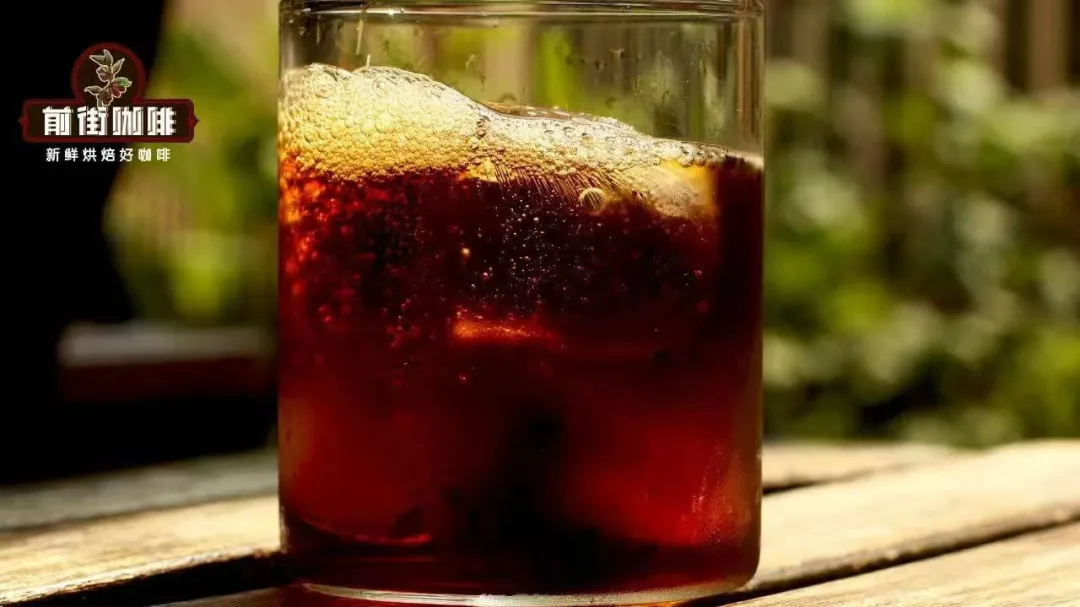
Cold Brew vs. Ice Drip Comparison | How to Tell Ice Drip Coffee from Cold Brew Coffee? What Coffee-to-Water Ratio and Grind Size Should You Use to Make Cold Brew at Home?
The distant cicadas are chirping nonstop, the dog days of summer have just begun, heat waves are rolling through the streets, and the tap water at home is running hot. A barista at Front Street Coffee had just opened the door when a friend walked in right after and asked if there was any cold brew coffee. To get through the hottest forty days of the year, without a cup of ice-cold coffee, it really [more…]

Ice Drip Coffee Powder-to-Water Ratio | What Are the Steps and Brewing Parameters for Making Ice Drip Coffee? Which Coffee Beans Are Suitable for Ice Drip Cold Brew?
For more specialty coffee knowledge, please follow: Front Street Coffee (Frontsteet Coffee) The cicadas in the distance never stop chirping, the dog days of summer have just begun, heat waves roll through the streets, and the tap at home runs hot water. No sooner had Front Street's barista just opened the door than a friend stepped into the Front Street shop to ask [more…]
The Complete Guide to Coffee Bean Freshness: Analysis of the Four Major External Factors Affecting Flavor and the Best Storage Methods
Many coffee lovers are in the habit of buying coffee beans and brewing at home, but how to store them properly to slow down deterioration and preserve the alluring flavors of specialty coffee is a body of knowledge that is easily overlooked. This article, from Front Street's perspective, systematically examines how the four external factors—direct light, oxygen, moisture, and high temperature—affect coffee freshness, and offers corresponding protective strategies for each. We will also discuss the key points for choosing airtight containers, recommendations for storage locations, and common misconceptions about storing coffee in the refrigerator, and finally answer the key question of how long coffee beans and ground coffee each stay fresh, helping you enjoy a truly good cup within its optimal flavor window. [more…]
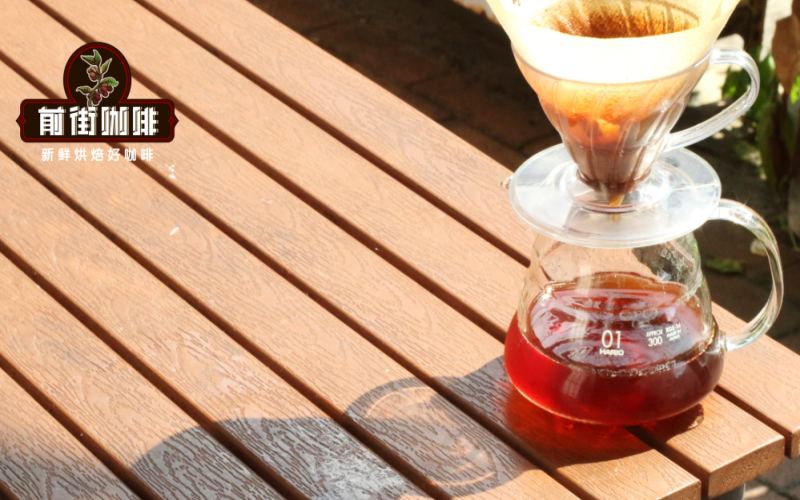
Cold Brew vs. Ice Drip Coffee: Ratio Guide to Making Single-Origin Black Coffee with Cold Water
Both cold brew and iced drip are cold-extraction iced coffees, yet they differ in preparation method, taste profile, and suitable bean types. Drawing on Front Street Coffee's practical experience, this article systematically sorts out the definitions of cold brew coffee and iced drip coffee, their operating procedures, recommended coffee-to-water ratios, and the differences in flavor between the two, and offers recommendations for light-roast single-origin beans suitable for making iced coffee, helping coffee lovers make a refreshing, smooth cup of iced black coffee in summer. [more…]

Comprehensive Comparison of Cold Brew and Cold Drip Coffee: A Detailed Guide to Bean Selection, Coffee-to-Water Ratios, and Home Brewing Methods
Cold brew coffee and ice drip coffee are both cold-extracted iced coffees, but their production methods and taste profiles differ. Drawing on the practical experience of Front Street Coffee, this article answers what kinds of coffee beans are suitable for making cold brew and ice drip, the operating steps and coffee-to-water ratios for both methods, the advantages of cold extraction compared to pour-over, and the specific differences in flavor and mouthfeel between the two. The article also introduces several single-origin beans suited for iced drinks, such as Front Street Big Belly Button and Front Street Rose Valley, and offers storage suggestions for cold brew coffee, helping coffee enthusiasts easily make refreshing and delicious iced coffee at home. [more…]
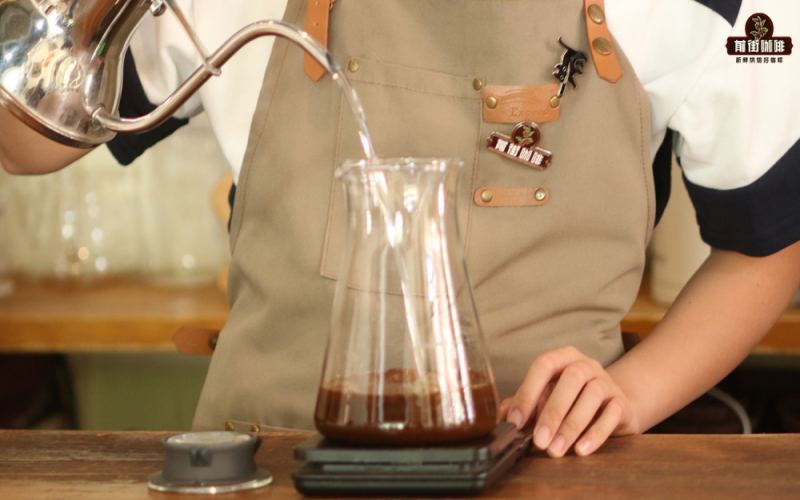
What Is Ice Drip Coffee? How Is It Different from Cold Brew? Front Street Coffee Geisha Cold Brew and Ice Drip Methods Explained in Detail
Although ice drip coffee and cold brew coffee both focus on low-temperature extraction, their brewing principles and taste profiles each have their own strengths. Cold brew relies on long soaking followed by filtering, making it relatively easy to do; ice drip, on the other hand, requires a dedicated drip device, with ice water passing through the coffee grounds drop by drop at an extremely slow rate, and this dynamic extraction brings a cleaner, clearer flavor. This article will detail the equipment structure, extraction principle, and taste characteristics of ice drip coffee, and use the Tiamo three-tier ice drip pot as an example to explain Front Street's ice drip brewing parameters, while also recommending a high-quality single-origin bean suited to ice drip—Front Street Butterfly. In addition, the article will share Front Street's specific cold brew coffee method, including key steps such as coffee-to-water ratio, grind size, and refrigeration time, to help you easily make refreshing summer iced coffee at home. [more…]
Three Major Taboos in Coffee Bean Storage and Analysis of Freezing Feasibility: Practical Tips from Moisture Prevention to Thawing
As the Spring Festival approaches, courier services are gradually suspending operations, and many coffee lovers have already stocked up on beans in advance. But how to keep coffee beans fresh during this period has become a concern for everyone. Storing coffee beans requires avoiding three major enemies: high temperatures, moisture, and oxidation. High temperatures accelerate the loss of aroma, moisture easily leads to mold, and oxidation shortens the optimal flavor period. Front Street recommends that unopened original packaging be kept in a cool, dry place, and that an airtight container be used after opening. As for refrigeration or freezing, although it can slow oxidation, it comes with the challenges of absorbing odors and becoming damp during thawing. This article will break down these storage points in detail to help you enjoy the New Year with peace of mind. [more…]
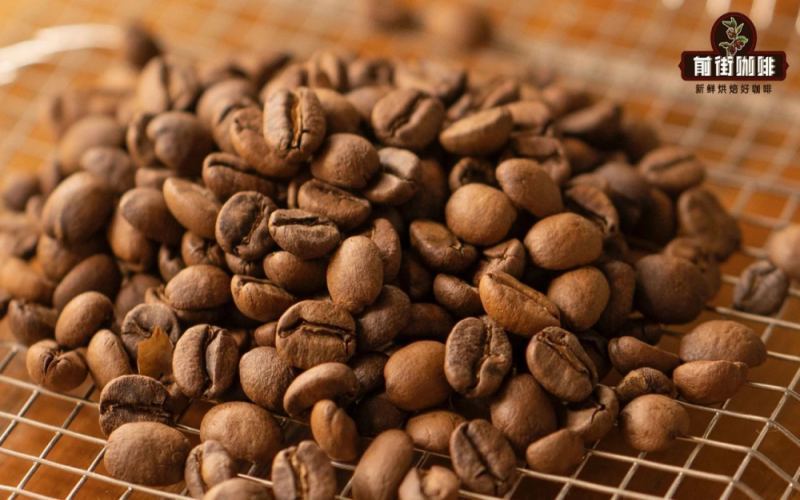
A Detailed Guide to the Freshness Differences Between Whole Coffee Beans and Ground Coffee, and How to Store Them
The flavor of coffee is closely tied to its freshness, and there is a significant difference in how long coffee beans and ground coffee stay fresh. Whole coffee beans, with their smaller surface area, generally maintain their freshness longer than ground coffee. This article will cover common questions about the storage life of coffee beans versus ground coffee, how to choose storage containers, and whether refrigeration or freezing is suitable, while sharing practical storage tips from Front Street Coffee to help coffee lovers preserve the aroma and taste of their coffee as much as possible from purchase to brewing. [more…]
The Complete Guide to Cold Brew Coffee: History, Bean Selection, and Practical Parameters for Hacienda La Esmeralda Diamond Mountain
In the height of summer, a glass of cold brew coffee always brings a refreshing coolness. Unlike regular iced pour-over coffee, cold brew coffee relies on ice water for a long, low-temperature extraction, typically requiring 6 to 8 hours or even longer, followed by refrigerated fermentation, to present a clean and delicate flavor. This article will start with the Dutch origins of cold brew coffee, outline the thinking behind selecting coffee beans for different taste preferences, and use [Front Street Panama Hacienda La Esmeralda Diamond Mountain] as an example to break down in detail the production parameters such as coffee grounds amount, coffee-to-water ratio, grind size, and drip speed, helping coffee enthusiasts make a pot of cold brew coffee worth waiting for at home. [more…]
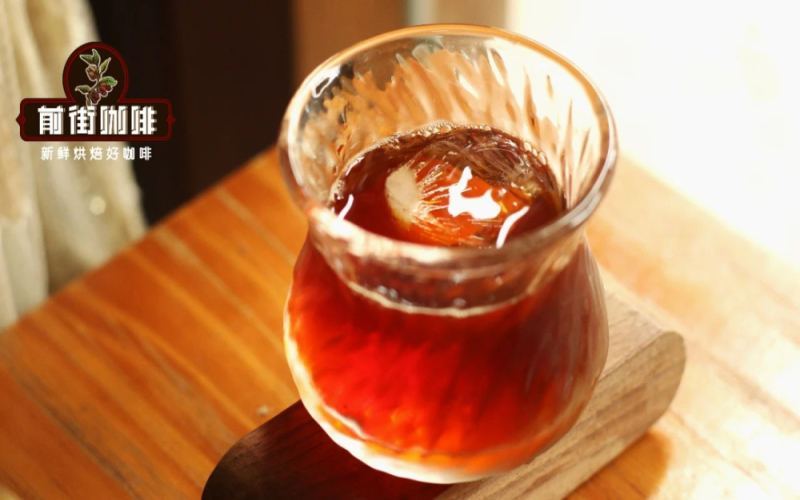
Cold Drip vs. Cold Brew Coffee: Home Brewing Methods, Coffee-to-Water Ratio Parameters, and Yirgacheffe Flavor Analysis
The intense heat of midsummer is hard to endure, and a refreshing glass of cold brew coffee has become a life-saving elixir for many coffee lovers. But what exactly is the difference between ice drip coffee and cold brew coffee? And how can you make it at home? Front Street Coffee will break down the equipment structure and production process of ice drip coffee in detail, and share a simpler cold brew coffee method. From the logic of adjusting the grind size, to the flexible use of a 1:10 coffee-to-water ratio, and then to the flavor performance of Kenya and Yirgacheffe Red Cherry beans under low-temperature extraction, this article presents them one by one, helping you easily make a clear and smooth iced coffee at home. [more…]
An Analysis of the Differences Between Ice Drip Coffee and Cold Brew Coffee: Brewing Parameters, Grind Ratio, and Flavor Performance of Front Street Coffee Beans
In the height of summer, a glass of ice-cold coffee is practically a lifesaver, yet many people can't clearly explain the difference between ice drip and cold brew. From the perspective of Front Street Coffee, this article systematically breaks down the extraction principles and equipment setup of ice drip coffee, explaining key parameters in detail such as 60 grams of grounds, a 1:10 coffee-to-water ratio, and an 85% pass rate through a No. 20 sieve, along with a simple process for making cold brew coffee at home. It also analyzes how grind size and coffee-to-water ratio affect flavor, and finally recommends two coffee beans suited for cold brew—Kenya Asalia and Honduras Sherry—to help coffee lovers easily enjoy a smooth, uniquely flavored glass of iced coffee in the scorching heat. [more…]