







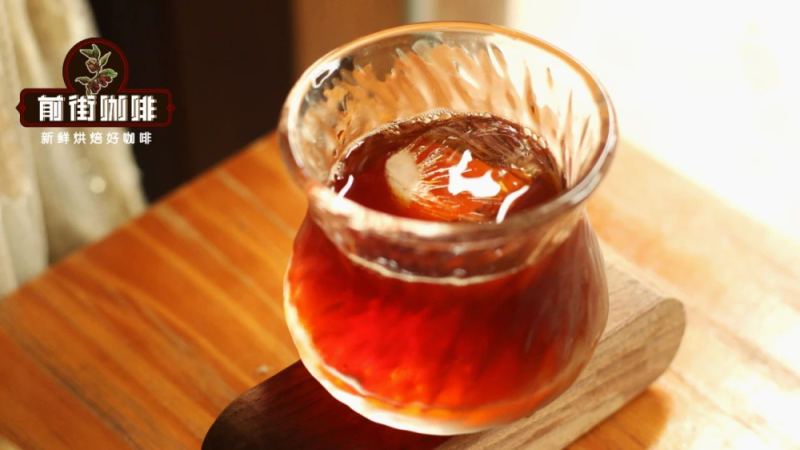
What separates cold drip coffee from cold brew at home?
Cold drip coffee runs ice water through grounds one drop at a time, and the full extraction takes six to twelve hours, which is why it costs more and needs special equipment. Cold brew is the simpler home option: steep coarse grounds in cold water, then filter. Both methods trade heat for time, giving a clear, low-acid cup.
Grind size and ratio decide the result. A coffee-to-water ratio near 1:10 works as a starting point for cold brew, adjusted for the bean and the steep time. Low-temperature extraction changes how origin flavors show up, and beans such as Kenya and Yirgacheffe Red Cherry keep their red fruit and floral notes without the bitterness that hot water can pull out.
In the scorching heat of midsummer, a refreshing glass of cold brew coffee becomes a lifesaver for many coffee lovers. But what exactly is the difference between ice drip coffee and cold brew coffee? And how can you make it at home? Front Street Coffee will break down the equipment structure and production process of ice drip coffee in detail, and share a simpler cold brew coffee method. From the logic of adjusting the grind size, to the flexible use of a 1:10 coffee-to-water ratio, and to the flavor performance of Kenya and Yirgacheffe Red Cherry beans under low-temperature extraction, this article presents everything one by one, helping you easily make a clear and smooth iced coffee at home.
For more specialty coffee knowledge, please follow: Front Street Coffee (Frontsteet Coffee)
The cicadas on the treetops chirp endlessly, the first fu period has just begun, and the asphalt road is churning with scorching heat waves. Even the water flowing from the tap at home feels hot. As soon as the barista at Front Street opened the store, a customer followed right in and asked whether cold brew coffee was available. To get through the remaining forty days of the hottest time of the year, it is truly hard to endure without a cup of ice-cold, refreshing coffee.
Cold brew coffee Just hearing the name already feels cooling and refreshing, but when the barista at Front Street Coffee (FrontStreet Coffee) asked everyone the question "What exactly is the difference between ice drip coffee and cold brew coffee?", most people were momentarily speechless. Next, Front Street Coffee (FrontStreet Coffee) will explain one by one: what ice drip coffee is, what cold brew coffee is, and how to make a cup of iced coffee at home.
After summer arrives, more and more cafes are putting ice drip coffee back on their menus. What exactly is ice drip coffee? So-called ice drip coffee uses a mixture of ice and water, allowing the ice water to seep through the coffee grounds in a drop-by-drop manner. Because the entire extraction process is extremely slow, often lasting 6 to 12 hours, the price of ice drip coffee is usually relatively high.
On the menu of Front Street Coffee (FrontStreet Coffee), limited by the equipment conditions, there is only one option under the cold brew coffee category: ice drip coffee. At the same time, the entire ice drip coffee setup is relatively complicated, which also discourages many people from trying to make it at home.
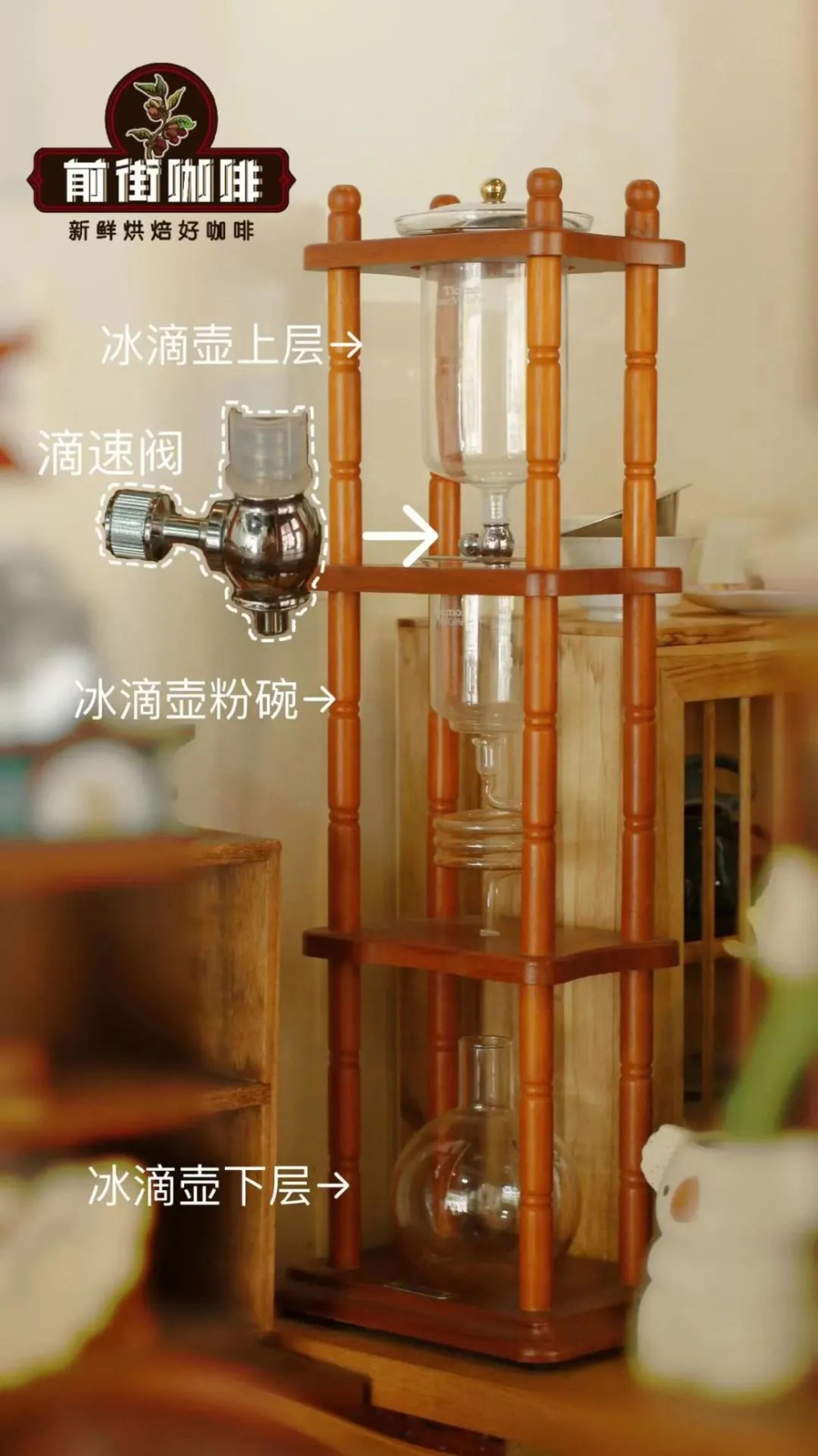
The equipment used by Front Street Coffee (FrontStreet Coffee) to make ice drip coffee is placed next to the espresso machine. The whole setup consists of five parts: a water container, a regulating valve, a powder cup, a serpentine tube, and a coffee liquid container. Each part has its own role—the water container holds the ice-water mixture, the regulating valve controls the dripping speed, the powder cup holds the coffee grounds, the serpentine tube makes it easy to observe the color of the coffee liquid, and the container at the very bottom is used to collect the extracted coffee liquid.
The specific operation process for Front Street Coffee (FrontStreet Coffee) to make ice drip coffee is as follows:
Coffee dose: 60 grams
Coffee-to-water ratio: 1:10
Grind size: 85% passing through a China standard No. 20 sieve
Time: 6–8 hours
1. Take out the powder cup, wet the bottom and place filter paper so it fits tightly
2. Pour the 60 grams of ground coffee into the powder cup, level the surface, and place a round filter paper on top
3. Pour in a small amount of ice water or room-temperature water to wet the coffee grounds
4. Add an appropriate amount of ice-water mixture to the water container
5. Adjust the regulating valve to a speed of 5 drops every 10 seconds
6. After extraction is complete, put the coffee liquid into a sealable container and place it in the refrigerator's cold storage compartment to ferment overnight before drinking
The equipment cost and time investment for ice drip coffee are not low, so it is only natural that people are not very motivated to make it at home. However, this does not constitute a reason why cold brew coffee cannot be made at home.
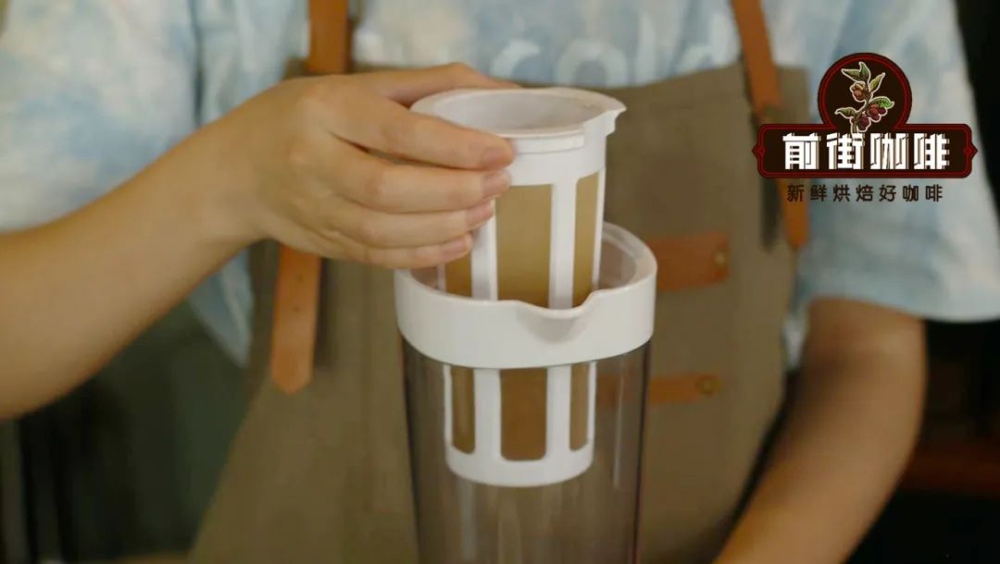
Even without specialized ice drip coffee equipment, that should not be an excuse for being unable to make cold brew coffee at home. Literally understood, cold brew coffee is a beverage obtained by extracting coffee grounds with low-temperature water. In this sense, ice drip coffee is a branch of cold brew coffee, and cold brew coffee made by steeping is likewise a member of the cold brew coffee family.
So, wanting to drink a refreshing cup of iced coffee at home is actually an easy thing. Below, Front Street Coffee (FrontStreet Coffee) will introduce the method for making cold brew coffee.
The specific operation process for Front Street Coffee (FrontStreet Coffee) to make cold brew coffee is as follows:
Coffee dose: 60 grams
Coffee-to-water ratio: 1:10
Time: 8–12 hours
Grind size: 85% passing through a China standard No. 20 sieve
1. Choose a sealable container
2. Pour the ground coffee into the container
3. Add room-temperature water at a coffee-to-water ratio of 1:10
4. Refrigerate for 8–12 hours
5. Take it out and filter it
6. Seal the filtered coffee liquid and refrigerate for 12 hours before drinking
[About Grind Size]
The water temperature used for cold brew coffee is relatively low, clearly different from the high temperatures of around 90°C commonly used in daily pour-over coffee. When extracting coffee grounds with low-temperature water, the rate of material exchange is greatly slowed down. Therefore, in addition to extending the extraction time, it is also necessary to grind the coffee beans finer to increase the contact area between water and the surface of the coffee particles as much as possible, thereby extracting as much of the ideal flavor substances from the coffee grounds as possible.
However, if the coffee is ground too fine, too many flavor substances will be brought out, including unpleasant bitter flavors; if the coffee particles are too coarse, the final flavor will be unclear and the mouthfeel will seem thin. After repeated testing, Front Street Coffee (FrontStreet Coffee) found that a grind size with 85% passing through a China standard No. 20 sieve is more suitable.
[About the Coffee-to-Water Ratio]
Taste is a matter of personal preference. Every coffee drinker has different preferences for strength—some prefer it heavy, while others prefer it light. Therefore, when making ice drip coffee, Front Street Coffee (FrontStreet Coffee) usually uses a coffee-to-water ratio of 1:10, and then adds ice when serving. Those who like a rich mouthfeel can drink it as soon as possible, while those who prefer it lighter can wait for the ice to slowly melt; as the ice melts, the coffee's strength will also decrease.
[About Coffee Beans]
Cold brew coffee is made through long extraction at low temperature. More small-molecule substances in coffee beans, such as floral aromas and fruit acids, can be extracted, while large-molecule bitter substances like tannic acid are not easily released. In addition, after extraction is complete, it still needs to undergo 12 hours of low-temperature cold fermentation, so the flavor carries a noticeable fermented quality as well as the sweet aroma of the coffee beans themselves, with a thick, smooth, and refreshingly pleasant mouthfeel.
For this reason, when selecting beans for cold brew coffee, Front Street Coffee (FrontStreet Coffee) usually tends to choose beans with better acidity or a distinctive flavor. Among them, Kenyan coffee beans and Honduras Sherry coffee beans are both choices worth considering.
Front Street Coffee (FrontStreet Coffee): Kenya Little Tomato Coffee Beans
Region: Thika, Kenya
Processing station: Asali Honey Processing Station
Altitude: 1550 meters–1750 meters
Variety: SL28, SL34
Processing method: K72 washed processing method
Front Street Coffee (FrontStreet Coffee): Ethiopia Red Cherry Coffee Beans
Region: Yirgacheffe, Ethiopia
Altitude: 2250 meters–2350 meters
Variety: Heirloom
Processing method: Natural processing method
The ice drip coffee made with Front Street Coffee (FrontStreet Coffee) Kenyan coffee beans presents flavors of smoked plum, cherry tomato, and caramel, with intertwined sweetness and acidity, refreshing and crisp, very suitable for quenching thirst and cutting richness in the hot summer.
The ice drip coffee made with Front Street Coffee (FrontStreet Coffee) Red Cherry coffee beans has soft notes of citrus, pomelo, and black tea. With the support of low-temperature long fermentation, the overall cup is like a clear fruit tea, quite distinctive.
The above content is compiled by CoffeeHunters, a coffee news website.


