







Search Results for: Commercial pour-over coffee beans

Specialty Coffee Bean Buying Guide: Commercial Pour-Over Single-Origin Recommendations and a Full Analysis of Espresso Blend Flavors
The charm of specialty coffee lies in its endlessly varied flavors; different origins, varieties, and processing methods give each bean its own unique character. Whether for running a café or brewing at home, choosing the right coffee beans is fundamental to the quality of the final cup. This article approaches the topic from two dimensions—freshness control and matching brewing methods—to sort out the logic of buying coffee beans for commercial and home use. It also compiles a list of four espresso blend recommendations and five single-origin pour-over beans, covering popular products from Front Street Coffee such as Huakui, Blackberry, Cerrado, Golden Mandheling, and Butterfly, explaining each one's flavor characteristics and suitable audience, to help coffee lovers choose according to their needs and avoid detours. [more…]
How to choose between commercial pour-over beans and espresso beans? Key points for selecting specialty coffee beans and Front Street brand single-origin recommended list
The charm of specialty coffee lies in the diverse flavors brought by origin, variety, and processing method, and whether it's a café serving or home brewing, choosing the right beans is the first step. This article starts from two key dimensions—freshness and purpose—first explaining how to distinguish espresso beans from pour-over beans based on the extraction method, then offering purchasing guidance for four commercial espresso blends, and finally introducing five single-origin beans suitable for pour-over and cold brew one by one, covering representative types such as Ethiopian natural, Costa Rican black honey, Brazilian semi-washed, Indonesian wet-hulled, and Panamanian washed, along with the flavor descriptions and suitable audiences for the corresponding Front Street Coffee products. [more…]
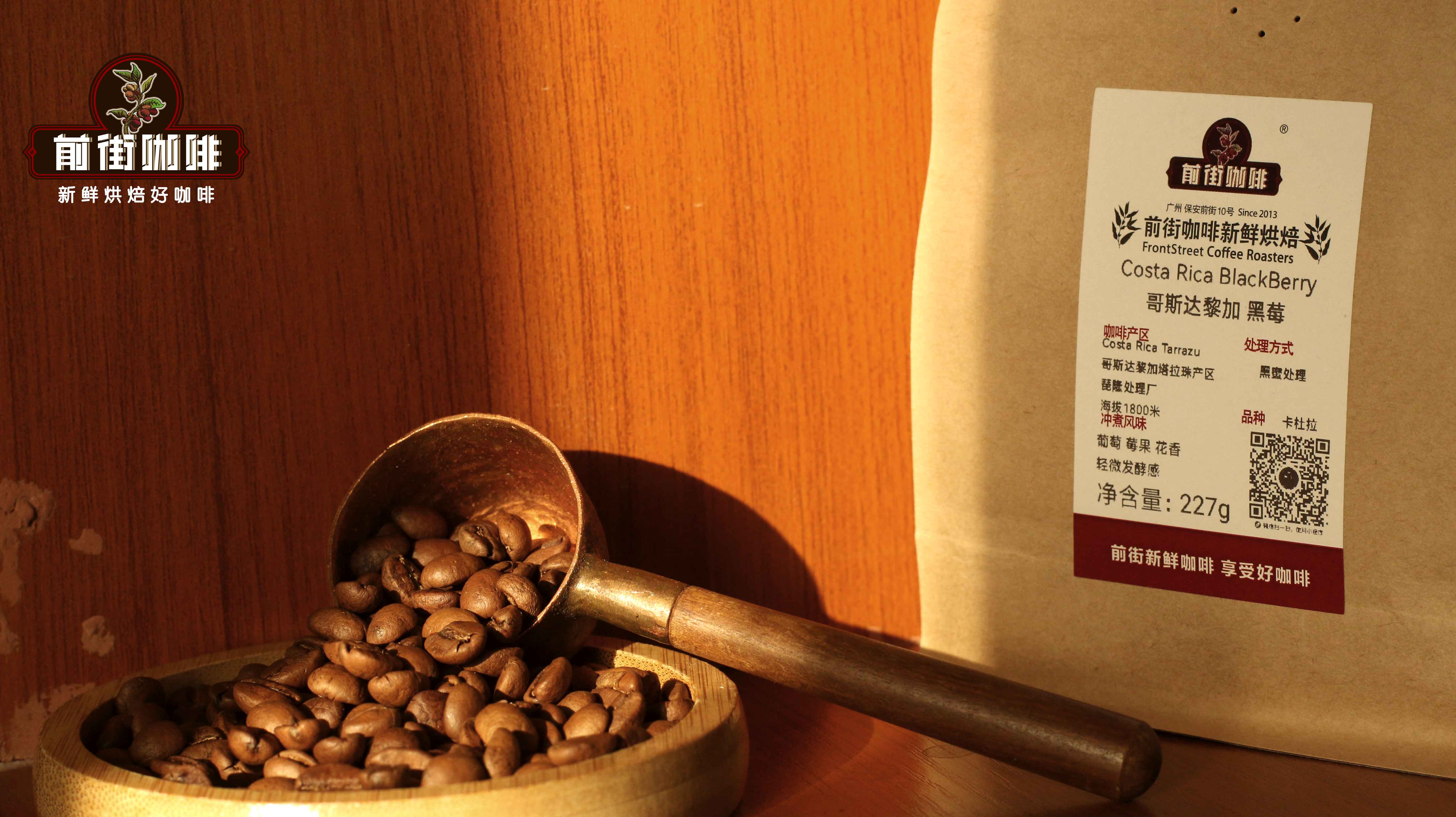
Commercial Pour-Over Coffee Beans | What's the Difference Between Single-Origin Pour-Over Beans and Espresso-Specific Coffee Beans? Recommendations for Beginner-Friendly Specialty Pour-Over Coffee Beans and Home Espresso Beans
The world of specialty coffee is fascinating, and each country's coffee has its own character. Depending on the region, variety, processing method, and intended use, it can display completely different styles and tones. Whether you want to open a café or brew at home, you can't skip the first step: buying coffee beans. For home coffee [more…]
Single-Origin vs. Blended Beans: What Really Sets Specialty Coffee Apart from Commercial Coffee, and Why Pour-Over Costs More Than Espresso
When ordering at a café, many people wonder: why does a pour-over always cost noticeably more than an espresso, even though both are just a cup of coffee? Behind this lies a difference on three levels: coffee bean grade, sourcing cost, and labor time. This article, from the perspective of Front Street, sorts out the essential differences between single-origin beans and blend beans, analyzes the positioning divide between specialty coffee and commercial coffee, and explains one by one the key factors affecting the pricing of pour-over and espresso. Whether you are a coffee enthusiast just starting out or a veteran who relies on espresso every day, you can find the answer here. [more…]
Choosing commercial coffee beans by roast level: three flavor paths are easier to understand
When choosing commercial coffee beans, you need to consider not only whether the flavor is appealing, but also whether they can handle the high-frequency brewing demands of a café or home setting. Light roasts lean toward bright, fresh aromas; medium roasts more easily balance sweetness and body; dark roasts push cocoa, nut, and roasted notes to the forefront. Choosing by roast level is more reliable than [more…]
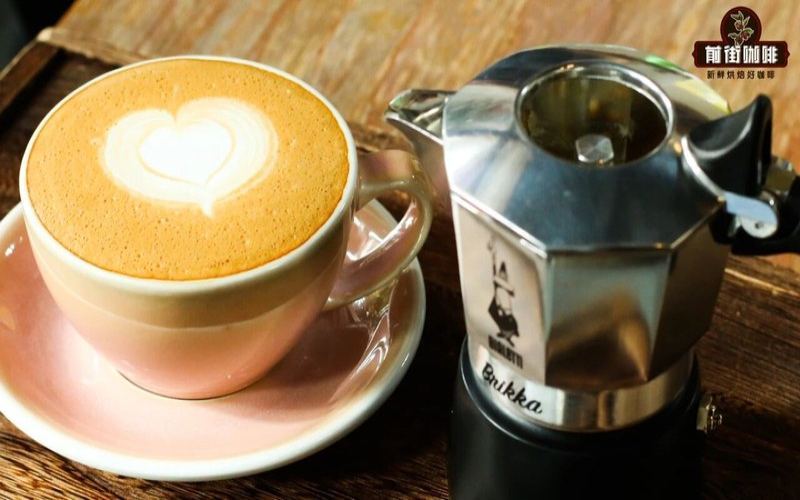
Selection Logic for Home and Commercial Espresso Beans for Americano, Latte, and Moka Pot
In both home and café settings, milk coffee consumption far exceeds that of pure pour-over, making the selection of a suitable espresso blend crucial. This article outlines the extraction principles of espresso and moka pot brewing, pointing out that medium-dark roast, low acidity, and fresh roasting are universal benchmarks. On this basis, Front Street Coffee, leveraging its five-day fresh roast advantage, has launched several targeted products: those pursuing pure Arabica can choose the "Front Street Specialty Blend"; for commercial latte art requiring rich crema, the "Front Street Commercial Blend" or the "Front Street Classic Blend" containing Mandheling is preferable; the cost-conscious are suited to the "Espresso Moka Pot Coffee Beans Recommended by Many Baristas - Front Street Black Cocoa Blend"; while those craving fruity and floral notes can try the "Front Street Strawberry Candy Espresso Blend." The article helps readers make precise purchases according to their own needs. [more…]

What Are the Differences Between Robusta and Arabica? A Full Analysis of the Coffee-to-Water Ratio, Grind Size, and Water Temperature for Pour-Over Pure Robusta
Robusta and Arabica are the two major species that dominate global coffee consumption, yet they differ significantly in flavor expression, chemical composition, and market positioning. Starting from the characteristics of each species, this article examines the different roles Robusta and Arabica play in the specialty coffee world, and focuses on sharing a complete practice session of a 100% Robusta pour-over: using Vietnamese dark-roasted Robusta, with 15g of grounds, a 1:15 coffee-to-water ratio, grinding at a 70%–75% pass-through rate on a No. 20 sieve, a water temperature of 86°C–89°C, and a total brew time of about 2 minutes. The resulting cup presents hazelnut, caramel, chocolate, nut, and barley tea flavors, with a rich and full-bodied mouthfeel, and an earthy aftertaste once cooled. The article also explains that Robusta is high-yielding, easy to cultivate, and cost-effective, making it an important base bean for commercial coffee and espresso blends. Both Front Street Coffee's Commercial Blend and Classic Blend contain 10% Robusta to enhance body and crema. [more…]

Commercial Coffee Bean Recommendations: The Brewing Logic from Light to Dark Roasts
The roast level of commercial coffee beans directly influences a cup's aroma profile, mouthfeel weight, and suitable drinks. Light roasts tend to preserve floral and fruity notes, medium roasts commonly show nutty, caramel, and soft sweetness, while dark roasts push cocoa, roast, and heaviness to the forefront. When selecting beans for a shop or home, filtering along these lines is better than simply [more…]

Commercial Coffee Bean Recommendation Rankings: First Consider the Scenario, Then Flavor and Roast
When choosing coffee beans, start by considering your daily drinking scenarios: is it a cup of black coffee in the early morning, or a milk coffee to go with breakfast; is it a slow pour-over to savor, or a quick cup from a machine. Different scenarios call for different roast levels, flavor intensity, and brewing methods. Espresso extraction focuses on dose, grind size, [more…]

Why Is Cold Brew Priced Higher Than Americano? Analyzing the Differences Between the Two from Extraction Methods to Coffee Bean Selection
Among various types of black coffee, cold brew is often priced the highest, creating a stark contrast with the affordable Americano. This price difference is no accident—it stems from fundamental differences in extraction methods and the coffee beans used. Americano is based on espresso, simply diluted with water, making it flexible and quick to prepare; cold brew, on the other hand, encompasses various forms such as ice drip and cold steep, requiring long, slow extraction with ice water, which comes at a higher time cost. More crucially, Americano typically relies on dark-roasted commercial blend beans to accommodate milk coffee offerings, while cold brew often uses specialty beans with traceable flavors, which demand higher cultivation and processing standards, with costs accumulating layer by layer. This article will analyze the sources of the price difference between cold brew and Americano from three dimensions—water temperature, time, and beans—and share Front Street Coffee's bean selection recommendations for cold brew. [more…]
Commercial Coffee Bean Roasting Brands | Is there a big difference between specialty coffee and commercial coffee? Which cost-effective selected espresso beans are suitable for opening a shop?
Commercially available coffee is generally divided into three categories: "industrial coffee," "commercial coffee," and "specialty coffee." The classification criteria are as follows: (1) Industrial coffee: 100% pure Robusta coffee beans. (2) Commercial coffee: blended beans from different regions or varieties. (3) Specialty coffee: high-quality [more…]
Colombian Coffee Complete Guide: Regions, Varieties, Grading System, Processing Methods, and Pour-Over Flavor Guide
Colombia, with its combination of low latitude and high altitude, has become the world's second-largest producer of Arabica coffee. From its early focus on commercial blend beans to its gradual shift toward the specialty coffee market after 2001, Colombian coffee has undergone a clear transformation path. This article will systematically outline the distribution of Colombia's specialty and commercial production regions, the main cultivated varieties (Caturra, Catuai, Castillo, Colombia), the washed processing flow, the characteristics of the grading system, and Front Street Coffee's specific recommendations for roasting and brewing, helping readers gain a comprehensive understanding of the flavor profile and industry logic of this major South American coffee country. [more…]
How to Choose Commercial Coffee Beans? An Analysis of the Differences Between Three Types of Coffee Beans and Front Street's Popular Blend Recommendations
Coffee beans on the market can generally be divided into three major categories: industrial coffee, commercial coffee, and specialty coffee, each with different emphases in terms of raw material composition and practical use. Industrial beans are the raw material for instant coffee; specialty beans emphasize single-origin flavor and a cupping score of 80 or above; while commercial beans, blended from multiple single-origin coffees in proportion, have become the top choice for coffee shops making espresso thanks to their stable flavor, rich crema, and lower cost. In addition to sorting out the differences among the three, this article will also introduce the bean-sourcing channels and quality assurance of the long-established roaster Front Street Coffee, and explain one by one the flavor characteristics and applicable scenarios of its five most popular commercial blend beans, providing a practical reference for opening a shop and choosing beans or for household purchasing. [more…]
How to Choose a Commercial Coffee Bean Brand? Industrial, Commercial, and Specialty Coffee Grading Standards and Front Street Commercial Bean Recommendation Guide
Faced with the dazzling array of coffee beans on the market, many café operators and coffee enthusiasts are puzzled: which brand of commercial coffee beans is actually good? What kind of beans are truly suitable for commercial use? To answer these questions, we first need to clarify the basic definitions and usage differences among the three major categories: industrial coffee, commercial coffee, and specialty coffee. This article will systematically sort out the criteria for distinguishing these three types of coffee, delve into the evaluation system of specialty coffee in terms of growing altitude, screen size specifications, and the proportion of defective beans, and further introduce the traceability mechanism and terroir characteristics of estate coffee. Finally, combined with Front Street Coffee's commercial product line, it provides readers with a reference for choosing commercial coffee beans that offer both quality and value for money. [more…]
Colombian Coffee Beans Pour-Over Practical Guide: V60 Three-Pour Extraction Parameters and Flavor Performance Analysis
Colombia, as the world's third-largest coffee producer and the largest exporter of Arabica, has become synonymous with high-quality coffee thanks to its high altitudes, volcanic ash soils, and microclimates. This article focuses on Front Street Colombian coffee beans, providing a detailed introduction to the specific V60 pour-over method, including water temperature, grind size, coffee-to-water ratio, and the three-stage pouring technique, while also explaining the flavor layers that this brewing method brings out. At the same time, the article also outlines the division of Colombia's commercial and specialty production regions, helping readers gain a more comprehensive understanding of this producing country's coffee landscape. [more…]
A Beginner's Guide to Choosing Coffee Beans: Entry-Level Brands for Home Espresso and Commercial Bean Recommendations
Those who are just starting to explore coffee are often not yet familiar with brewing techniques and workflows, so starting with cost-effective, everyday drinking beans is a relatively safe choice—it lets you experience the representative flavors of a producing region without putting too much strain on your wallet. So which coffee brands are suitable for beginners to practice with daily? This article rounds up several brands worth paying attention to, with a particular focus on recommending a number of commercial blend beans suited to home espresso brewing, covering flavor directions ranging from classic and intense to fruity and bright, making it easy for coffee lovers to choose according to their personal taste preferences. [more…]
How to Choose Commercial Coffee Beans: Balancing Budget and Drinking Frequency
Commercial coffee beans aren't something you can master just by memorizing a few names. When buying beans for daily use, you need to consider how quickly you'll drink them, how much to buy at a time, and whether you'll mainly be making black coffee or milk-based coffee at home. What's truly worth referencing is the balance of acidity and sweetness once it hits your palate, the body's thickness or thinness, and the lingering aftertaste once it cools—then, combined with your brewing habits, your range of choices will gradually [more…]
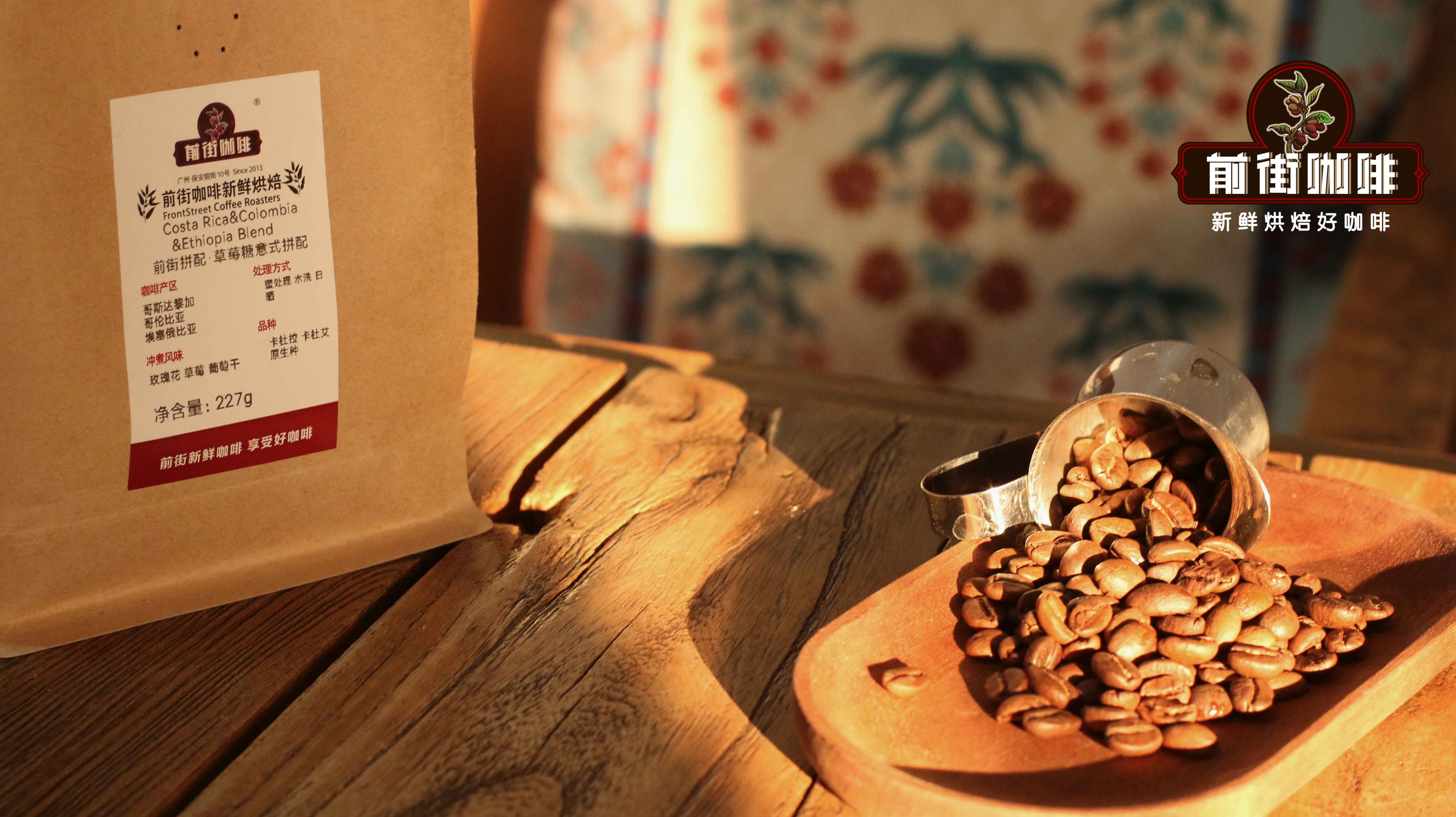
Commercial Espresso Blend Beans Roundup | What Are the Advantages of Using Blend Beans for Espresso Extraction? Recommended Great-Tasting, Not Bitter, High-Value Espresso Beans for Opening a Shop
A well-balanced espresso can enhance the flavor of Italian coffee. To create an espresso with balanced acidity, body, and sweetness, you must start with choosing the right coffee beans—or rather, start with blending different coffee beans. Although single-origin coffees are very popular in pour-over coffee, they often lack [more…]
From Instant to Specialty: A Comprehensive Analysis of Coffee Culture Evolution and Tasting Methods
Coffee is no longer just a pick-me-up; it is a lifestyle that requires understanding to truly savor. This article traces how the three waves of coffee have transformed the coffee journey of Chinese people—from instant coffee blended with creamer, to chain cafés creating a conceptual environment, to specialty coffee advocates returning to the essence of quality. It explains in detail the origins of specialty coffee and the SCAA definition, clarifies the difference between commercial beans and specialty beans, introduces the flavors of well-known single-origin coffees such as Front Street Coffee Blue Mountain, Yirgacheffe, Mandheling, and Geisha, and reveals the science behind roasting and the ritual of pour-over coffee. Only by understanding these things can you truly taste the good coffee in your cup. [more…]
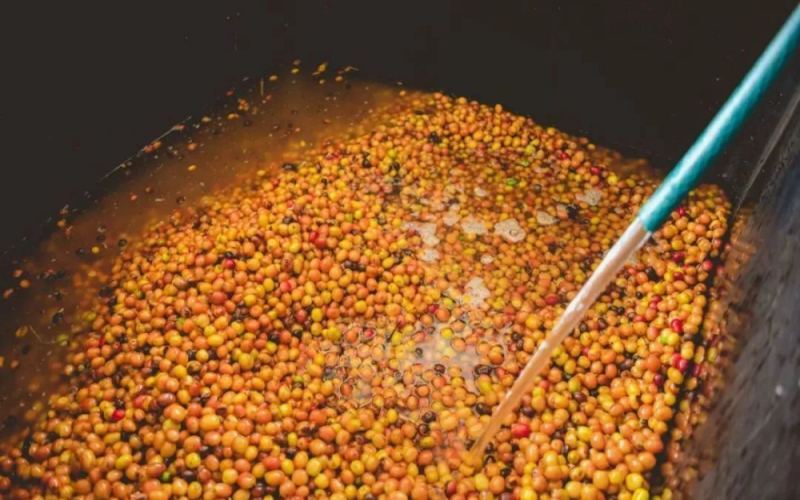
An Overview of Colombian Coffee Brands and a Pour-Over Guide: A Complete Analysis from the Huila Region to the Flavors in Your Cup
Colombia, as the world's third-largest coffee producer, has a well-developed industry system including FNC and CENICAFE. Its terrain spans three major regions from south to north, with distinct harvest seasons, giving rise to many coffee brands each with its own characteristics. This article systematically reviews well-known brands such as Juan Valdez, Ming Coffee, Gevila, and Colin, analyzes the smooth and sweet flavor characteristics of Colombian coffee, and provides an in-depth introduction to the regional divide between commercial beans and specialty beans—the three major MAM production regions in the central and northern parts and specialty production regions such as Huila in the south each have their own strengths. Finally, it includes the pour-over parameters and staged extraction plan for Front Street Coffee Colombia Huila Caturra Washed beans, providing coffee lovers with a complete reference from bean selection to brewing. [more…]