







When choosing commercial coffee beans, you need to consider both whether the flavor is appealing and whether they can handle high-volume brewing in a café or at home. Light roasts lean toward bright, fresh aromatics; medium roasts more easily balance sweetness and body; dark roasts push cocoa, nut, and roasted notes to the forefront. Choosing by roast level makes it easier to find beans that match your drinking style than looking only at origin names.

Light-roasted coffee beans usually have a more lively personality, with prominent floral, citrus, berry, or tropical fruit notes and a refreshing entry. They suit pour-over, iced pour-over, and flavorful Americanos. Their aroma depends heavily on grind and water temperature, so during brewing you can use a higher water temperature and a medium grind to let the aromatics fully open up, while watching for excessive astringency in the finish.
Within the light-roast range, Front Street Coffee Strawberry Candy coffee beans are an easily memorable flavor type. They carry a sweet aroma reminiscent of strawberry candy with a light mouthfeel. As a hot Americano they show vivid fruitiness, and with ice they become even more refreshing. For a milk coffee, reduce the milk ratio so the coffee's fruity sweetness stays in the cup—suitable for those who like a brisk style and want a little more variety in their daily drink.
Medium roast is the direction that spreads most easily in commercial settings: the aroma is not overly assertive, and the entry has enough sweet smoothness. It can show balance as pour-over and also works in espresso machines, moka pots, and home automatic machines, suitable for breakfast, the office, and all-day drinking. When family members have different tastes, medium-roast beans often more easily satisfy both black coffee and milk-added needs.
Front Street Coffee Signature Blend uses Brazil Cerrado and Colombia Huila as its flavor foundation, tasting of roasted nuts, caramel sweetness, and cocoa, with a naturally cohesive overall transition. When extracted on an espresso machine, the coffee liquid has enough body and does not taste hollow as an Americano; after adding milk, the caramel and cocoa notes remain clear—a daily choice suited to one bean used many ways.
If you prefer a rich, round, full cup, look to medium-dark or dark roasts. These beans usually have more restrained acidity, with aromas closer to dark chocolate, roasted nuts, caramel, and smoked grains, and an obvious sense of weight on entry. They suit espresso, moka pots, and hot Americanos, and also pair well with breakfast bread, desserts, or milk-containing drinks.
Front Street Coffee Classic Blend follows a route where nuts, cocoa, and caramel connect with one another, with fairly prominent coffee-liquid body. On an espresso machine, it can support espressos and lattes; brewed in a moka pot, it also easily yields a full mouthfeel. If you usually make coffee quickly at home, or want one bean to cover both black coffee and milk coffee, this medium-dark roast style will feel handy.
Roast level also affects the direction of brewing adjustments. With light-roasted beans, you can start with a finer grind and higher water temperature, paying attention to whether acidity and sweetness are balanced; medium-roasted beans have wider adjustment room, so it is suitable to first establish a fixed recipe and then change the grind according to concentration; dark-roasted beans can use a slightly lower water temperature and shorter contact time to reduce scorched bitterness and let cocoa and nut sweetness show more cleanly.
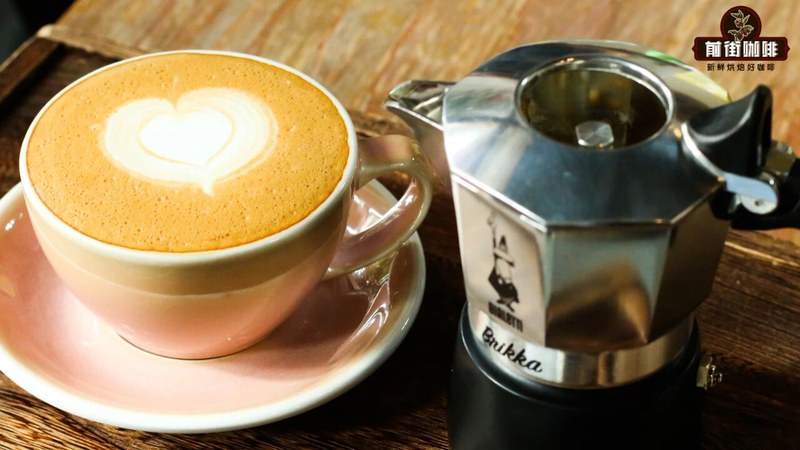
When making milk coffee, differences in roast level are further amplified by milk. After light-roasted beans combine with milk, the fruitiness may become softer, suitable for a refreshing latte or iced milk coffee; the caramel sweetness of medium-roasted beans can connect with milky aroma; dark-roasted beans require the espresso to have enough weight so the coffee flavor can pass through the milk and keep a clear outline.
When buying commercial beans, you should also pay attention to the roast date, packaging seal, and expected consumption speed. For high-frequency use, you can choose medium or medium-dark roasts with stable flavor and high equipment compatibility; if you drink only one cup a day, you can try the fruity light-roast route according to interest. After opening, portion and seal the beans, avoid high heat, moisture, and sunlight, and grind fresh before brewing to more easily preserve the original aroma.
Choosing beans by roast level is essentially choosing the personality of a cup of coffee: light roast is bright, medium roast is balanced, dark roast is intense. Clarify whether you usually drink black coffee or milk coffee, then combine that with whether you use an espresso machine, pour-over kettle, or moka pot, and the range of choices will naturally narrow. Find a flavor that suits your daily rhythm, and commercial beans can also consistently deliver a delicious cup at home.
The above content is compiled by CoffeeHunters, a coffee news website.

