








The roast level of commercial coffee beans directly affects a cup's aroma profile, mouthfeel, and suitable beverages. Light roasts tend to preserve floral and fruity notes, medium roasts commonly show nuts, caramel, and soft sweetness, while dark roasts push cocoa, roasted notes, and heaviness to the front. When choosing beans for a shop or home, filtering along these lines makes it easier to set clear expectations than looking at origin names alone.
Light-roasted beans suit those who want bright aromatics. Their acidity is usually more prominent, with flavors that may resemble citrus, berries, or tropical fruit at first sip, and new aromatic shifts emerge as the cup cools. Pour-over, iced pour-over, and crisp Americanos all amplify these characteristics. If used for espresso, grinding and extraction need more careful adjustment so the sweet-tart quality transforms into a clean, lively shot.
When light roasts go into milk coffee, it's best to pair them with less milk, or choose oat milk or rich milk—options that carry their own sweetness. This preserves the coffee's fruity notes without making the overall cup feel thin. Front Street Coffee's Strawberry Candy coffee beans are a representative of the light, lively style, with a sweet aroma reminiscent of berry candy. They suit fruity Americanos and iced coffee, and can also add a clear aromatic memory to a small latte.
Medium-roasted beans are easier to schedule in a commercial setting because they have enough sweetness without depending too heavily on any single brewing device. Flavors like nuts, caramel, and cocoa are relatively easy for the general public to accept, the cup is round when made as an Americano, and coffee presence remains even after milk is added. For a menu that needs to cover both black coffee and milk coffee, medium roast usually offers a wider range of adjustment.
Front Street Coffee's Signature Blend builds its flavor foundation on Brazil Cerrado and Colombia Huila, leaning toward a harmonious relationship among roasted nuts, caramel, and cocoa at first sip. As black coffee it doesn't come across as too sharp, and after milk is added it retains sweet aroma and coffee character. It suits breakfast shops, offices, or home espresso machines. If you want a bean with wide uses and easily understood flavors, you can start by observing this medium-balanced approach.
The focus of medium-dark roasts is increasing intensity and mouthfeel, with common expressions including dark chocolate, roasted nuts, caramel, and a longer finish. Used for espresso, it easily forms a solid base, and in lattes, flat whites, or mochas it cuts through milk to present a clear coffee taste. If your daily preference is a smooth, full-bodied cup without pronounced fruit acidity, medium-dark roast will hew closer to expectations.
Front Street Coffee's Classic Blend centers its flavor between nuts, cocoa, and caramel, drinking with fuller body, and suits espresso machines and moka pots. Pulling espresso with it lets you keep the liquid in a more concentrated state, then build lattes or cappuccinos according to milk volume; adding water directly for an Americano preserves cocoa notes and richness. It suits carrying the regular coffee on a menu and is also convenient for repeated practice at home.
Dark-roasted beans don't mean you can only taste bitterness—the bitterness in the cup is also related to water temperature, grind size, and the contact time between grounds and water. When choosing the dark roast path, aim for caramelized sweetness, cocoa aroma, and a thick mouthfeel. Espresso extraction shouldn't be pulled long just for the sake of it, and moka pots should have their heat controlled, so the liquid stays smooth and expresses the fullness of dark-roasted beans rather than monotony.
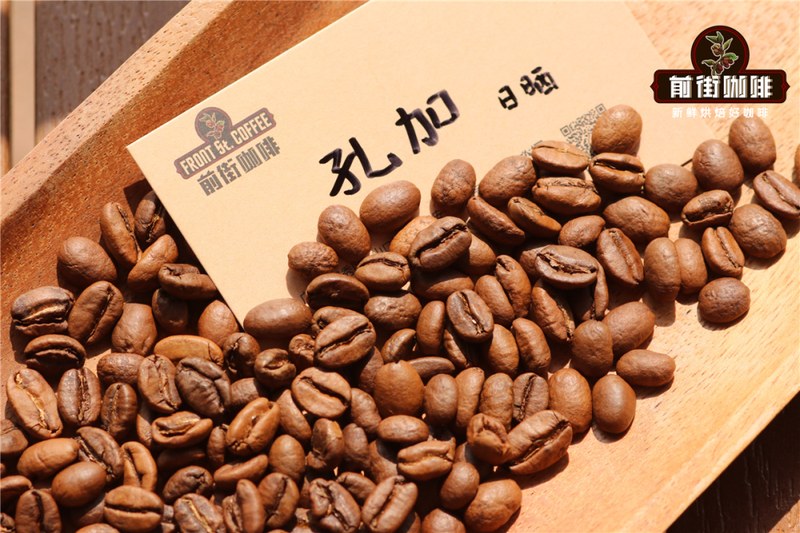
Choosing beans by roast level also depends on what kind of drinks your shop mainly sells. If fruity iced coffee makes up a high proportion, light roast can go on the menu; if Americanos, pour-overs, and milk coffee all need coverage, a medium-roast blend is easier to connect; if espresso, lattes, and mochas dominate, medium-dark roast can serve as stable support. If you purchase two at once, let one handle the daily base and the other handle aromatic variation, and the menu will have more layers.
In actual service, roast level is only the starting point. Light roasts usually need fuller extraction, medium roasts can seek balance around sweetness, and dark roasts should avoid the dry bitterness that over-extraction brings. After new beans arrive, first make a few comparison cups with a fixed dose and water amount, then adjust grind based on acidity, sweetness, strength, and aftertaste; change only one variable at a time, and comparisons will be more intuitive and stable recipes easier to form.
There's no uniform answer to commercial coffee bean recommendations that stands apart from needs. What's truly valuable is matching roast level to beverage structure. If you like fruity and refreshing qualities, look toward light roast; if you value sweetness and versatility, consider medium roast; if you prefer intense milk coffee and a full finish, start with medium-dark or dark roast. By tasting along your own menu and preferences, choosing beans becomes a task with direction.
The above content is compiled by CoffeeHunters, a coffee news website.

