







Search Results for: Colombia Green Grass Estate
Flavor Characteristics and Origin Analysis of Colombia Santander El Árbol Estate Double Anaerobic Enzyme Washed Coffee
The Santander region in northern Colombia, with its unique terroir, nurtures coffee beans with distinctive flavors, renowned for their rich body, lingering aftertaste, and unique herbal aroma. Located in this region, Dashu Estate sits at an altitude of 1,700 meters, cultivates the Caturra variety, and employs a double anaerobic enzyme washed processing method, endowing the coffee beans with a richly layered taste experience. This Colombia Dashu Estate coffee brought by Front Street Coffee has a powerful aroma, moderate acidity, and a mellow body, presenting a unique flavor of grass and fresh green plants. This article will provide a detailed interpretation of the region's background, estate information, processing techniques, and cupping performance, taking you through a comprehensive understanding of the charm of this coffee. [more…]
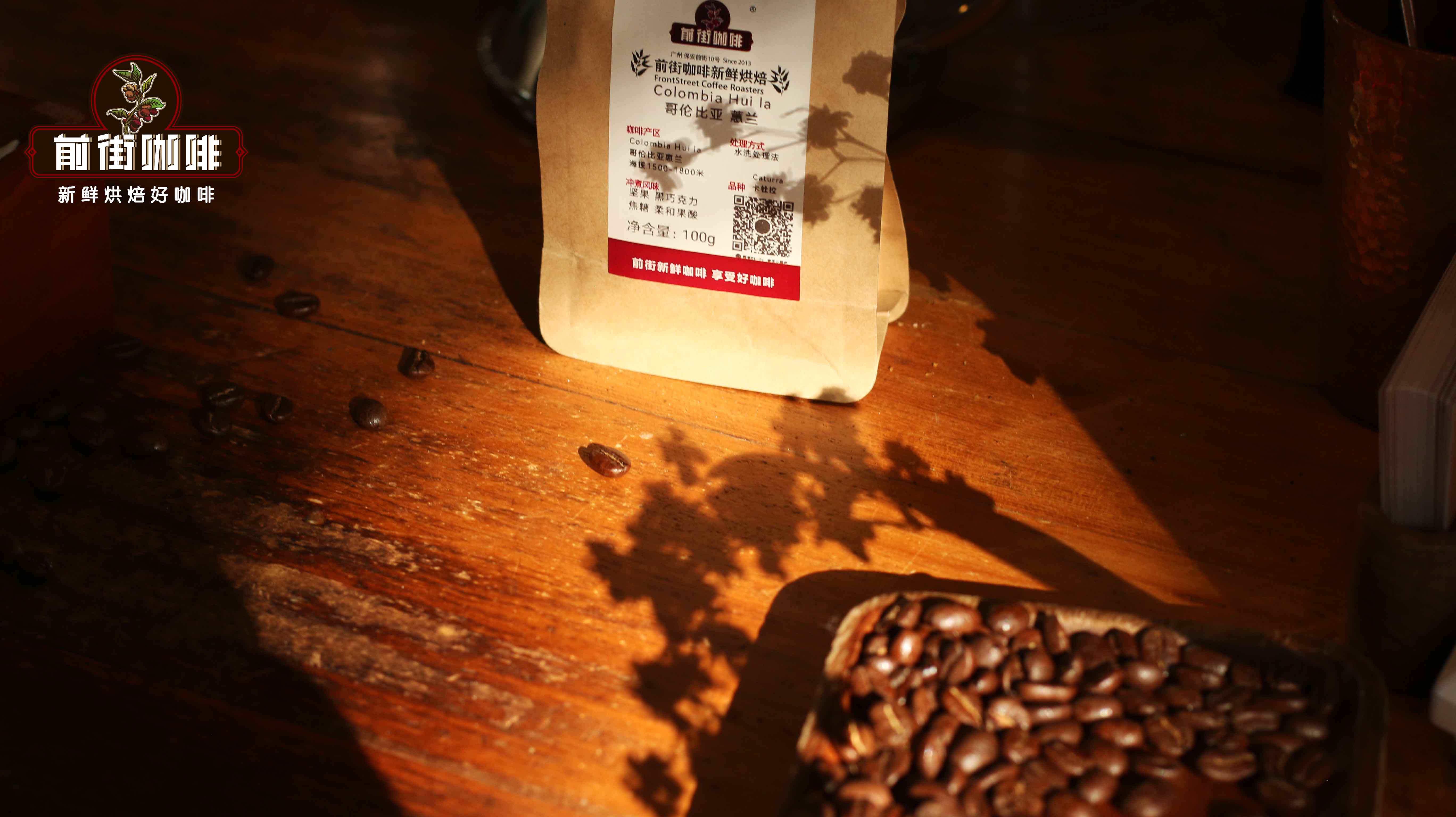
Colombia Hope Estate Geisha Coffee: A Complete Interpretation from Growing Region Background to Cup Flavor
Colombia is an important producer of specialty coffee worldwide, and Hacienda La Esperanza, as one of the country's top estates, is especially notable for its Geisha variety. This article begins with a recommendation from Front Street Coffee's Huilan, then expands to cover Hacienda La Esperanza's producing region background, cultivation model, and competition honors, before focusing on the specific parameters and flavor performance of this Geisha. You will learn why it uses a light roast and washed processing, as well as the layers of pomelo, honey, blueberry, and toffee it presents from dry aroma through each stage on the palate. The article balances producing-region knowledge with tasting details, making it suitable for coffee lovers who want a deeper understanding of Colombian Geisha. [more…]
Front Street Coffee Bean Hunt: Exploring the Rare Pink Bourbon of Finca El Paraiso in Cauca, Colombia
In Cauca Province in southwestern Colombia, there is an estate called Paraiso, where a rather rare coffee variety is grown—Pink Bourbon. It is a cross between Red Bourbon and Yellow Bourbon. When the coffee cherries ripen, they take on a romantic pink color, but maintaining this color consistently is extremely difficult. Front Street Coffee has now gone deep into the Cauca producing region to bring this special report on a washed Pink Bourbon, breaking it down one by one, from the terroir of the producing region and the estate’s background to green bean characteristics, roasting curves, and cupping flavors. If you are interested in the diverse flavors of pour-over coffee, this bean—with notes of peach, plum, grapefruit, and a lingering tea-like floral aroma—may become your next choice to try. [more…]
Colombia Finca La Esperanza Coffee Flavor Analysis and Proper Brewing Guide
Located in Pitalito, Huila, La Pradera Farm is run by producer Dionel Chilito and grows varieties such as Caturra, Colombia, and Geisha. Since Dionel's father bought the farm 45 years ago, two generations of the family have cultivated it together. Dionel constantly experiments with different fermentation and storage techniques to improve coffee quality and cupping scores. The Geisha coffee is selectively hand-picked, depulped on the same day, dry-fermented for 36 hours, and then washed three times through channels. This article will walk you through the acidity profile of this coffee and share the authentic brewing method recommended by Front Street Coffee, helping you fully appreciate its layered flavors. [more…]
Front Street Colombia Botón Estate Maragogype Pour-Over Guide: V60 Three-Stage Extraction Parameters and Flavor Analysis
El Boton Estate in Antioquia, Colombia, has been run by the Herran family since 1930, and for nearly a century has grown only one variety: Maragogype. Annual production is just 600 bags. These beans are about three times the size of ordinary Arabica, making them the largest coffee beans in the world. Front Street Coffee brings you this El Boton Maragogype, which has a prominent sweetness on entry, with fruity acidity of grape and pomegranate and a full-bodied, black-tea-like richness. This article will break down the complete brewing approach for these giant beans layer by layer, from the estate's story, the characteristics of the Maragogype variety, and the washed processing method, to roasting recommendations and V60 three-pour hand-brew parameters, helping coffee lovers fully release its rich fruity aroma and soft nutty notes. [more…]

Analysis of the Flavor of Brazilian Sun-Dried Yellow Bourbon Coffee: From Processing Method Differences to an Introduction to the Quality of Queen's Farm
Brazil, as the world's largest coffee producer, has always drawn attention for its processing methods and flavor characteristics. This article starts with the differences between the natural sun-dried method and the washed method, offers an in-depth analysis of the taste profile of Brazilian coffee, and focuses on the naturally processed Yellow Bourbon coffee beans from Queen's Farm—these beans are full of sweetness, rich in fruity notes, and have a long-lasting aftertaste, performing excellently whether brewed as a single origin or used as an espresso blend bean. Front Street Coffee recommends that you keep an eye on this Brazilian specialty bean that combines balance and sweetness. [more…]
An Analysis of Colombian Coffee Region Flavors and a Full Overview of the Features of Hacienda La Esperanza Geisha Coffee Beans
Colombian coffee, as one of the few single-origin coffees renowned worldwide by its country name, owes its elegant flavor—sweet and lightly aromatic, with a pleasant balance of acidity and sweetness—to superior geographical and climatic conditions. This article will guide you through the history of Colombian coffee cultivation and the characteristics of its main producing regions, offering an in-depth analysis of how the microclimates of Cauca, Tolima, and other areas shape the flavors in the cup, with a special focus on the top estate—Hacienda La Esperanza's Geisha coffee beans. From its frequent championship records in auctions to its high scores in Coffee Review, and to product information recommended by Front Street Coffee, this single article will help you fully appreciate the charm of Colombian specialty coffee. [more…]
A Detailed Guide to Single-Origin Coffee Classification: A Comprehensive Analysis of Flavor Characteristics Across Major Producing Regions from Africa to the Americas and Differences in Coffee Shop Flavors
Have you ever walked into a specialty coffee shop, faced the dazzling array of single-origin coffees on the menu, and felt at a loss where to begin? Single-origin coffee refers to coffee made from beans sourced from a single origin, and it can be traced back to a specific region or even estate. This article will systematically sort through the representative single-origin coffees from major producing regions such as Africa, Central and South America, and Asia, introduce Front Street Coffee's rigorous process from roasting curve testing to cupping selection, and present the flavor descriptions of coffee beans from each region one by one, helping you find the cup that best suits your taste. [more…]
2022 China Coffee Bean Price Guide and Buying Guide: What Beans to Use for Opening a Coffee Shop and How to Calculate the Cost per Jin
For friends who want to open a coffee shop or are currently running a café, one of the most pressing questions is: how much does coffee beans cost per catty, and where can you buy them with the best value for money? This article compiles the latest 2022 quotes and purchasing insights from China's coffee bean market, covering estate-level coffee beans from major producing regions such as Ethiopia, Indonesia, Jamaica, Panama, Colombia, and Yunnan, the price ranges from half a pound to one pound, and how different roast levels and processing methods affect flavor and cost. It also specifically retains product information and recommendations from Front Street Coffee, helping you make clearer judgments when selecting beans for your shop. [more…]
Colombia Hope Estate Coffee Beans: Full Analysis of Flavor Characteristics and Origin Story
Colombian coffee is renowned worldwide for its soft, mellow flavor, and La Esperanza Estate in the Huila region stands out as a leader among them. This estate, jointly run by several coffee farmers, has repeatedly achieved outstanding results in Colombian coffee competitions and scored high on Coffee Review, thanks to its forest-grown environment at elevations of 1,400 to 1,650 meters and its commitment to hand-picking. This article will take you deep into La Esperanza Estate's regional background, the characteristics of its four sub-estates, its coffee varieties and processing methods, and the strikingly different flavor profiles under light and dark roasting, while also introducing the fascinating story of rare varieties such as Geisha. Front Street Coffee invites you to savor the coffee charm of this top-tier estate. [more…]
A Comprehensive Interpretation of the Coffee Flavor Wheel: From Compounds to Sensory Classification, Mastering the Correct Approach to Coffee Flavor Tasting
Every cup of coffee contains thousands of aromatic compounds, and these substances interweave into a complex and fascinating flavor profile. The coffee flavor wheel, developed through research by the SCAA (Specialty Coffee Association of America) in collaboration with several universities, provides tasters with a systematic descriptive language. This article will guide you through the origins and composition of coffee flavors, explain the meanings of approximately eighty-five flavors across nine major categories on the flavor wheel, and describe how floral, fruity, nutty, cocoa, spice, and fermented flavors form during roasting and processing. At the same time, we will also introduce the flavor characteristics of specific coffees such as Front Street Yirgacheffe, Front Street Geisha, and Front Street Mandheling, helping you more accurately identify and express coffee flavors in daily life. [more…]
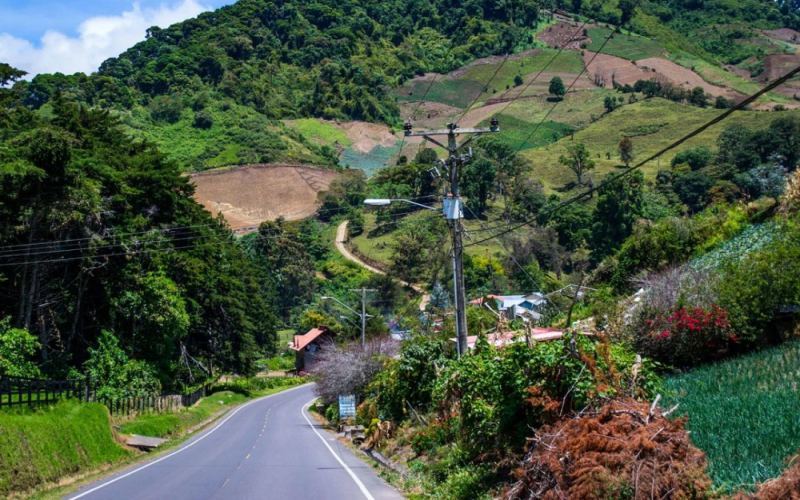
Central America vs. South America Coffee Flavor Comparison: Panama, Colombia, Costa Rica, Brazil, and Honduras Famous Regions Explained
Central and South America are the core regions of the global specialty coffee world. Central American coffees are mostly grown in high mountain areas at elevations of 1,600 to 1,700 meters, where the significant temperature difference between day and night lengthens the fruit ripening cycle, which in turn increases bean density, and the cup profile often shows soft acidity, good cleanliness, and medium body. Through cupping, Front Street Coffee has found that the flavor differences among producing countries are quite distinct. This article will examine one by one the coffee characteristics of five well-known producing countries: Panama, Colombia, Costa Rica, Brazil, and Honduras, covering their main producing regions, elevation conditions, representative estates, and cupping performance, and will also include information on several representative coffee beans currently sold by Front Street Coffee along with brewing flavor descriptions, providing coffee lovers with a complete reference on regional flavors. [more…]
Geisha Coffee Quality Grades and Price Analysis: A Complete Guide to Its History, Green Bean Appearance, and Pour-Over Flavor
Geisha coffee is hailed as the champion variety among specialty coffees, renowned worldwide for its full-bodied sweetness, clean mouthfeel, and rich floral and fruity aromas. From its quiet export origins in Ethiopia's Geisha Mountains to its meteoric rise at Hacienda La Esmeralda in Panama, Geisha has traversed a legendary journey spanning more than seventy years. This article will guide you through the historical trajectory of Geisha coffee, the appearance characteristics of green and roasted beans, the flavor differences across various origins, and the brewing parameters recommended by Front Street Coffee for the Savage series Geisha from Panama's Deborah Estate, offering coffee enthusiasts a complete Geisha tasting guide. [more…]
A Guide to Ten Entry-Level Specialty Coffee Beans: A Complete Analysis of Flavor Characteristics and Regional Representatives
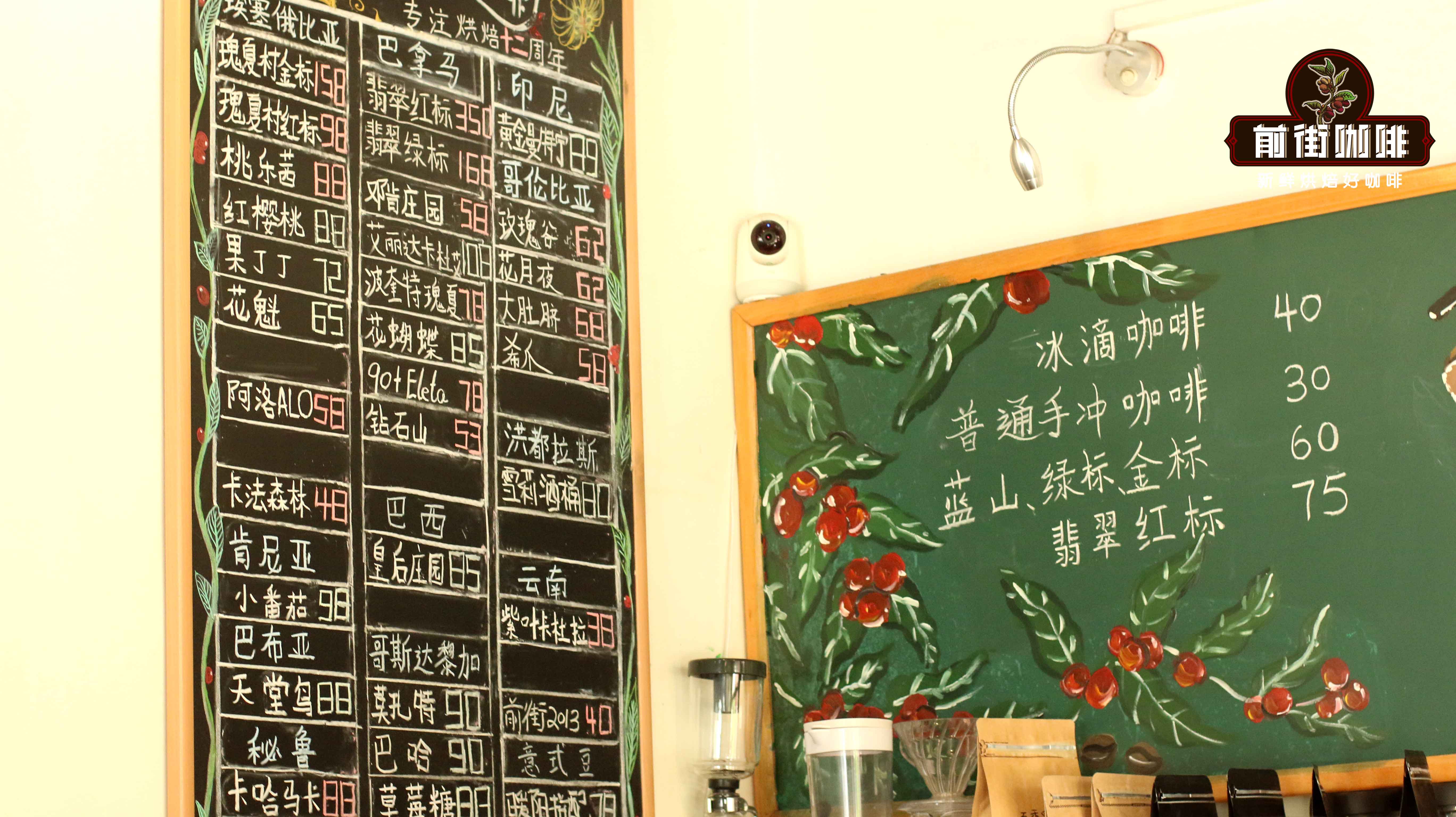
Faced with a bewildering variety of coffee beans, those new to specialty coffee often don't know where to start. Front Street Coffee's stores carry more than fifty beans, and the question I'm asked most often is what beans a beginner should choose. This article uses ten representative coffee-producing countries as a thread, sorting out the flavor characteristics and mouthfeel tendencies of each region's coffee beans one by one, covering dimensions such as acidity, sweetness, body, and aftertaste, and listing one representative Front Street product for each region along with its brewing performance. Whether you prefer bright citrus acidity, rich nutty-chocolate notes, or lush floral and winey aromas, you'll find the cup that suits your taste below. The following are listed in no particular order. [more…]
Is Caturra Part of the Arabica Family? A Complete Guide to the Origins and Key Characteristics of the Caturra Variety
Many coffee enthusiasts, once they get into specialty coffee, begin to pay attention to information such as origin, processing method, and variety. Coffee varieties are broadly divided into two major categories, Arabica and Robusta, but the differences behind the two are often overlooked. This article, from the perspective of Front Street, sorts out the origin of the Arabica species and the context of its subspecies, and focuses on Caturra—it originates from a natural mutation of Bourbon, has a short plant, is easy to pick, has better disease resistance than the parent species, and has higher yield, and is widely planted in Central and South America. The article will also mention common varieties such as Typica, Bourbon, and Geisha, as well as related Front Street products and brewing suggestions, to help readers build a more complete understanding of varieties. [more…]
Comparison of Sun-Dried Coffee from Costa Rica's Three Major Regions: Analyzing the Flavor Differences Between Tarrazú, the Western Valley, and the Central Valley
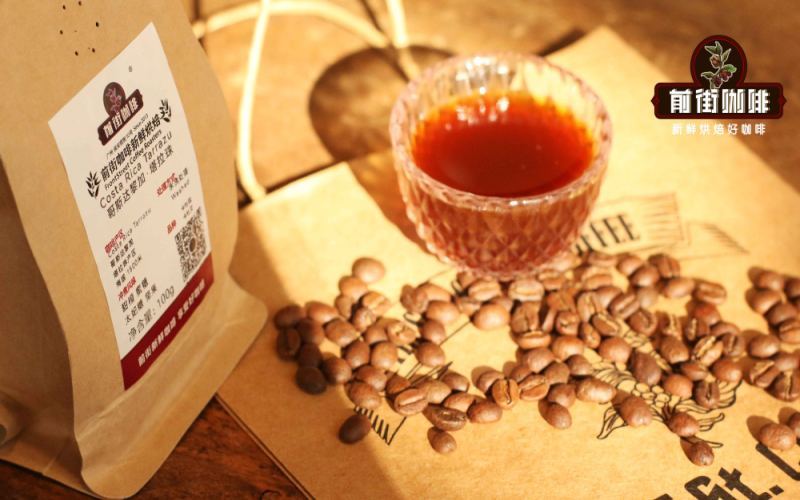
Front Street Coffee has previously compared the differences among coffees from various Kenyan regions using the same processing method; this time, we turn our attention to Costa Rica. Also using natural processing, how much will the flavors differ among coffees from three major regions—Tarrazú, the Western Valley, and the Central Valley? This article will compare three beans—from the Pirong Processing Plant, Genesis, and Black Soul—one by one, from bean background, green bean appearance, and roasting curves to cupping and pour-over performance. If you haven't yet tried Costa Rican specialty coffee, you might start with the classic Front Street Tarrazú washed Caturra and savor its soft aroma of sweet orange, nuts, and chocolate. [more…]
Geisha Coffee Taste | Is Geisha Coffee Better Light Roast or Dark Roast? Where Is Geisha Coffee Grown? How to Describe the Taste of Gesha Coffee?
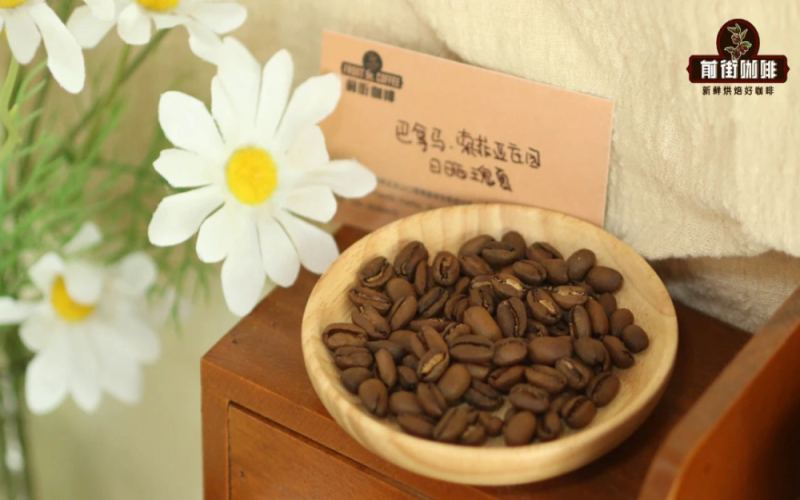
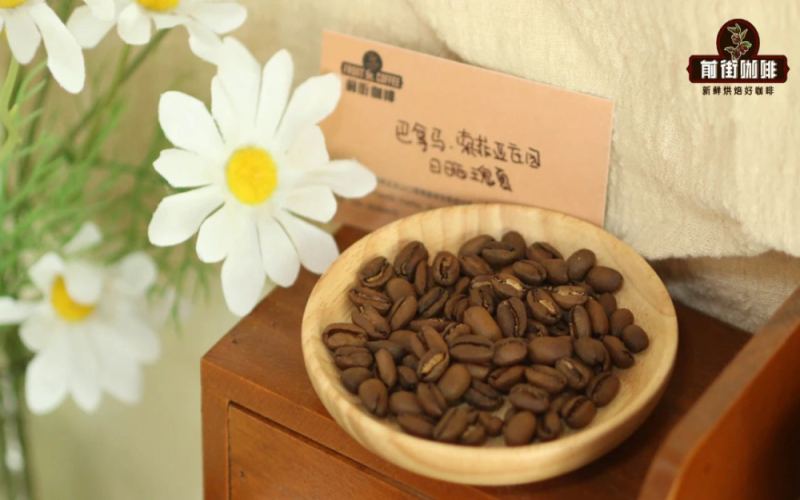
Geisha coffee beans: is light roast or dark roast better? Flavor description and mouthfeel characteristics introduction CUPPING 10-10-11 Equipment: Hario V60 pour-over drip, medium grind (slightly fine). Because it is roasted relatively light, I hope a finer grind can reduce the acidity. Water temperature: 91°C, wet aroma is good. [more…]
How to Choose Between Light and Dark Roasts for Geisha Coffee? A Complete Analysis of Flavor Expression and Brewing Parameters
Geisha coffee is world-renowned for its intense floral aromatics, citrus and berry notes, and delicate acidity, and the choice of roast level directly determines its flavor direction. This article analyzes the taste differences of Geisha coffee across three dimensions—light, medium, and dark roast—and, drawing on Front Street Coffee's roasting philosophy and brewing practices, provides a detailed interpretation of the flavor characteristics of Panama Hacienda La Esmeralda Geisha. It also includes Front Street's recommended V60 pour-over parameters, coffee-to-water ratio, and grinding standards to help coffee lovers find the cup that best suits them between floral-fruity brightness and rich body. [more…]
A Comprehensive Guide to the New SCAA Coffee Flavor Wheel: From Sour, Bitter, Sweet, and Salty to 85 Flavor Layers
The update to the coffee flavor wheel has made the tasting system more complete, but many people still feel confused when faced with descriptions like citrus, berries, and nuts. In daily brewing, Front Street Coffee recommends beans from different regions based on guests' taste preferences, while accurately identifying flavors requires systematic training. This article starts with the four major taste spectrums—sour, sweet, bitter, and salty—and, combined with the complete classification of the new flavor wheel, interprets one by one the specific expressions of floral, fruity, herbal, nutty and cacao, sweet, spice, sour and fermented, alcoholic fermentation, roasted, and other categories, helping coffee enthusiasts build a clear framework for flavor perception. [more…]
SCAA Pour-Over Specialty Coffee Flavor Wheel High-Resolution Download and Systematic Knowledge of Flavor Terminology
The coffee flavor wheel is a recognized tasting tool in the specialty coffee community, but when faced with descriptors like citrus, berries, nuts, and chocolate, many people don't know how to match them. Starting from the high-resolution image of the latest SCAA flavor wheel, this article systematically sorts out the compositional logic of coffee flavor: the relationship between the four basic tastes of sour, sweet, bitter, and salty and the roast level, the proportion data of each taste substance, the subdivision of the acidity spectrum, bitterness spectrum, sweetness spectrum, and saltiness spectrum, as well as an item-by-item analysis of the nine major flavor groups including floral and fruity, green and herbal, nutty and cocoa, sweet, spicy, sour and fermented, alcoholic fermented, roasted, and other. The article also intersperses Front Street Coffee's daily training methods and representative bean recommendations, helping readers build a complete tasting framework from smelling to drinking. [more…]