







Search Results for: Cold-Chain Milk
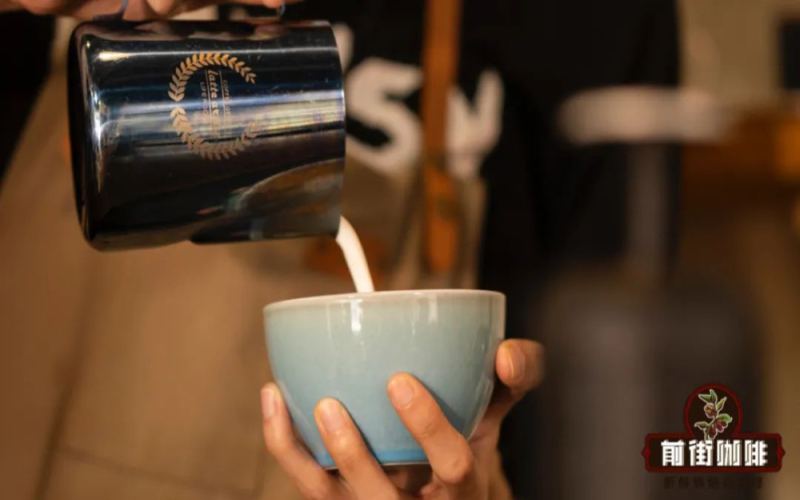
Why Do Cafés Prefer Low-Temperature Whole Fresh Milk for Lattes? A Core Analysis of the Differences Between Fresh Milk and Shelf-Stable Pure Milk
Walk into any café and order a latte or cappuccino, and unless you specify otherwise, the barista will almost always reach for whole fresh milk by default. Why are cafés so devoted to cold-chain fresh milk? What roles do the protein, fat, and lactose in milk each play in a milk coffee? And what trade-offs in flavor and shelf life do pasteurization and UHT ultra-high-temperature sterilization bring? Starting from how milk components affect coffee flavor and milk foam structure, this article peels back the layers to reveal the core logic behind whole fresh milk becoming the top choice for cafés, while comparing the real differences between cold-chain fresh milk and shelf-stable pure milk, so you can make a more suitable choice when making milk coffee at home. [more…]
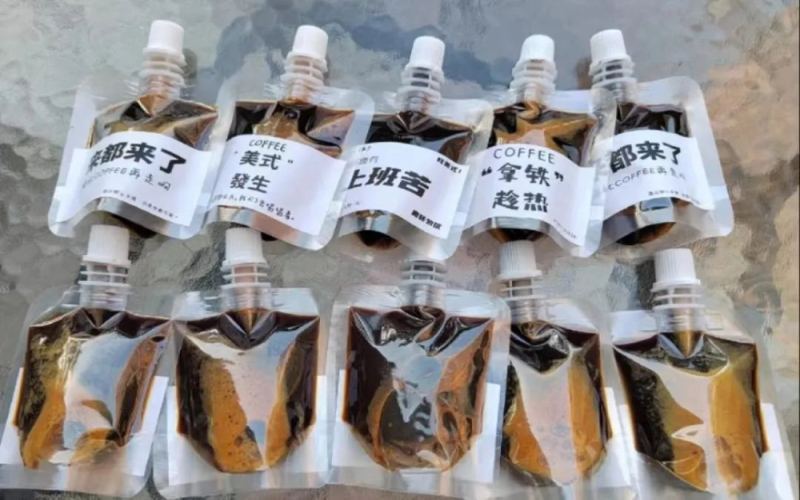
Home café launches nationally free-shipping freshly extracted espresso; short-shelf-life cold chain model sparks heated debate and compliance questions
Coffee consumption continues to heat up, and the market keeps penetrating into broader demographics. Recently, home cafés and independent shops have launched a freshly ground and freshly extracted espresso liquid that offers nationwide free shipping. It uses plastic sealing plus ice packs and cold-chain delivery, keeps for about 7 days refrigerated and up to half a month frozen, and has drawn attention because its aroma and crema performance are better than assembly-line instant products. While consumers ask on social platforms how to buy it, some also question whether it can still count as "freshly extracted" after long-distance transport, whether home workshops can meet food-safety requirements, and whether such products fall into the "three no's" category. This article sorts out the selling points, controversies, and potential risks of this new business format, and highlights the difficulties merchants need to face in quality control, marketing, and compliance. [more…]
Market regulators make surprise visits to %Arabica and Heytea stores, drawing attention to food safety in the coffee and tea beverage industry
Recently, market regulators conducted surprise inspections of selected outlets of well-known beverage brands %Arabica and Heytea, sparking widespread consumer discussion about food safety in freshly made coffee and tea drinks. The operation focused on raw material storage, operational standards, and hygiene conditions, with the inspection results revealing that some outlets still have room for improvement in detail management. As coffee lovers, we should not only pay attention to flavor performance but also prioritize the safety and quality of beverages. This article will recount the inspection process and findings, and, in conjunction with the product characteristics of brands such as Front Street Coffee, explore how the industry can uphold the bottom line of food safety amid rapid expansion. [more…]
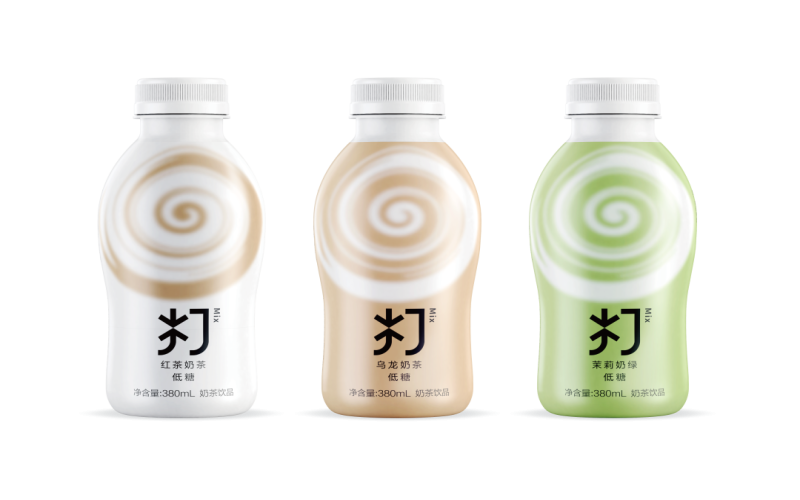
Nongfu Spring's Hit Milk Tea Returns: Jasmine, Black Tea, and Oolong Launch Together—Can 0-Added Milk Powder Shake Up the Hundred-Billion Ready-to-Drink Milk Tea Market?
After eight years, Nongfu Spring is once again making a push into the bottled milk tea sector. On October 12, its official WeChat account posted an article announcing a renewed layout for the "Da Milk Tea" series, launching jasmine, black tea, and oolong flavors, with a net content of 380 milliliters, highlighting selling points such as "0 added milk powder," "0 added tea powder," and "0 added flavorings." It is reported that this series uses concentrated milk and carefully selected whole-leaf extraction, with cold-chain storage and transportation throughout, and the JD.com presale price is 135 yuan for 15 bottles. Looking back to the end of 2013, Nongfu Spring had launched a matcha-flavored Da Milk Tea in a tumbler-shaped bottle, which faded out after a lukewarm market response. Now, bottled ready-to-drink milk tea is regarded as a new outlet, and in the hundred-billion milk tea market, street drinks, brewed drinks, and ready-to-drink drinks each occupy a share, with new brands such as Genki Forest and Hankou Erchang also entering the fray. Front Street Coffee believes that whether Nongfu Spring can win consumers' favor this time remains to be tested by the market. [more…]

How to Steam Milk Foam for Latte Art That Lasts Longer? A Full Guide to Choosing the Right Milk Brand and Steaming Techniques
Many people find that their milk foam never turns out well when learning latte art. In fact, the quality of the milk and the way it is steamed both directly affect the fineness and staying power of the foam. This article starts with the types of milk, analyzing the differences between shelf-stable milk and chilled milk, and between whole milk and skim milk. It then uses Front Street Coffee's recommended Vitasoy whole milk fresh milk to explain in detail the temperature control, technique, and the ratio of milk to foam when steaming milk with a steam wand. It also shares methods such as tapping out bubbles and controlling the heating temperature to make the foam more stable and long-lasting, helping coffee lovers achieve better results when pouring latte art and making lattes and cappuccinos. [more…]

New Trend of Tea Brands Crossing into Bakery: CHAGEE 4.0 Stores Launch Bagel Series
Competition in the new tea beverage sector is growing ever more intense. While defending their existing advantages, major brands are exploring diversified business paths, among which the "coffee + bakery" combination is particularly eye-catching. Recently, Chagee launched its Zhencui Tea series in its 4.0 stores and ventured into the bakery sector for the first time, rolling out three bagel products in one go, marking this new tea beverage brand's official entry into the bagel race. Meanwhile, chain coffee brands such as Starbucks, Tims Coffee, Peet's Coffee, and Seesaw had long since established bagel product lines. With their healthy attributes of low sugar, low oil, and low fat, their consumption scenarios covering all dayparts, and their fit with the customer profile of coffee shops, bagels are gradually becoming a standard bakery item in specialty coffee shops. This article will provide an in-depth analysis of the specific products and pricing strategy behind Chagee's cross-category attempt, as well as the deeper logic behind the rise of bagels. [more…]

Investigation into the Cross-Province Overnight Delivery of 8,000 Cups of Yidian Dian Milk Tea to Shanghai: The High-Price Resale Chain and Food Safety Risks
During the May Day holiday, "group leaders" in several Shanghai communities organized group buys of a Little Tea, with over 8,000 cups of drinks transported across provinces from out-of-town stores, arriving in consumers' hands overnight or even after nearly 24 hours. The group-buy price was double the official price, and the resellers were accused of profiting about 250,000 yuan. The total bacterial count in these milk teas rose sharply over time at room temperature, and some consumers developed gastroenteritis symptoms after drinking them. The Little Tea brand later issued a statement expressing shock at the high-priced reselling and reminding consumers to choose compliant channels carefully. This article reviews the course of the incident, the food safety data, and responses from all parties, while also offering coffee lovers Front Street Coffee's professional purchasing advice. [more…]
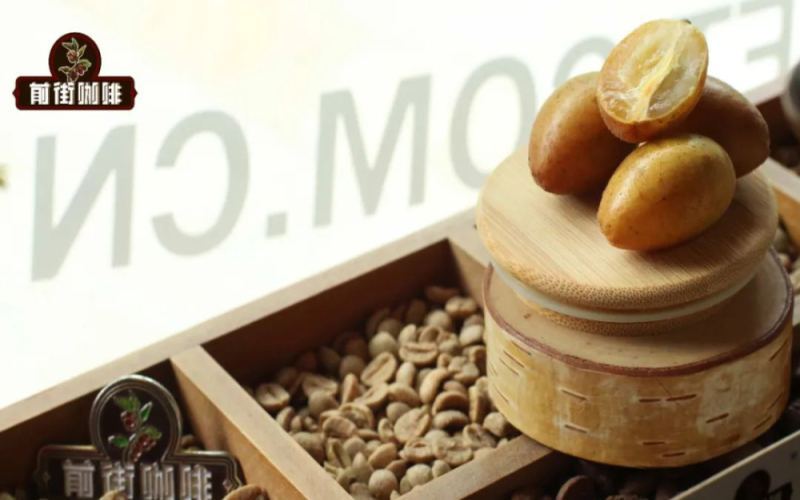
How to Make a Delicious Wampee Iced Americano? Three Special Recipes: Sparkling, Jasmine Tea, and Preserved Plum Iced Shake Detailed Tutorials
In the height of summer, wampee, a niche southern fruit, has become a popular partner for homemade iced coffee thanks to its sweet-and-sour juiciness and uniquely fresh aroma. Through repeated testing, Front Street Coffee has put together three distinctly different wampee iced americano recipes: the original wampee sparkling americano uses sparkling water to amplify the fruit aroma and add a more refreshing layer; the jasmine tea wampee americano blends homemade jam with a cold-brewed tea base for a soft fragrance; and the wampee preserved plum iced shaker americano targets those who dislike sweetness, using preserved plum water and a shaker to create a sugar-free version. All three recipes use Front Street Sunflower Warm Sun espresso blend, extracting 40g of coffee liquid from 20g of grounds in 31 seconds. Below, we break down the ingredients, steps, and production details one by one to help you find the cup that best suits your taste. [more…]
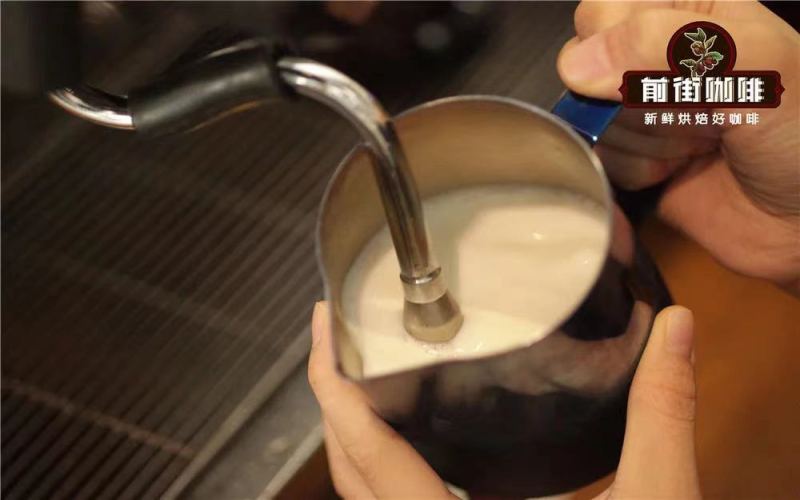
Milk Frothing Tutorial for Beginners | Why Does Milk Foam? How to Froth Milk for a Latte? What Are the Steps and Techniques for Latte Art Pouring and Integration?
At FrontStreet Coffee, steaming milk can be said to be a basic and core skill for every barista. Whether one can steam perfect milk is one of the factors used to judge whether a barista's level is up to standard. For example, the milk foam in a latte is on the thinner side, making it smooth and delicate to drink. The [more…]
Why Does Milk Frothing Always Go Wrong? A Full Guide to Analyzing Five Common Misconceptions and Practical Tips
Steaming milk is a fundamental skill every barista must master, but many people run into problems during the process, such as milk foam not incorporating, separating into layers, or dissipating quickly. Drawing on the hands-on experience of Front Street Coffee, this article systematically explains the principles of milk foaming, the key factors affecting incorporation, how milk foam performs at different temperatures, and the differences between steaming milk and frothing it by hand. It also compiles the five most common mistakes made when steaming milk, along with detailed steps for a tulip latte art pour, to help you comprehensively improve your milk foam quality and latte art skills. [more…]
Latte art tutorial | Why does milk foam? How can coffee beginners make latte art? What are the techniques for steaming milk for a latte?
Guide to Getting the Best Milk Foam, Why Does Milk Foam? Front Street Coffee (FrontStreet Coffee) - it can be said that steaming milk is a fundamental and core skill for every barista; whether one can steam perfect milk is a factor in judging whether the barista's skill level is up to standard. [more…]

How to Make a Flat White? A Detailed Guide to Espresso-to-Milk Ratios, Milk Foam Thickness, and Temperature
Flat white is a milk coffee that emphasizes the true flavor of coffee. Compared with a latte, it has a higher espresso content, less milk, and thinner milk foam. In this article, Front Street Coffee will systematically explain the controversy over the origin of flat white, the choice of espresso base, the recommended ratio of milk to coffee, and how to judge the temperature, thickness, and texture when steaming milk. It will also explain the differences between whole milk, low-fat milk, and skim milk when steaming, helping coffee lovers, after understanding the principles, consistently make a fragrant, velvety espresso milk coffee at home. [more…]

The Principles of Milk Foaming and Latte Milk Frothing Techniques: A Complete Guide from Integration to Latte Art Patterns
Steaming milk is a fundamental skill that every barista must master, and the quality of the milk foam directly affects the taste of a latte and the result of latte art. Drawing on the practical experience of Front Street Coffee, this article explains in detail the physical principles of milk frothing, answers common problems such as foam that won't incorporate, separation, and surface bubbles, and explains how steam pressure and foam fineness determine incorporation. The article also compares the stability of milk foam at different temperatures, provides two frothing methods—manual and steam—summarizes five common mistakes, and finally includes a step-by-step tutorial on tulip latte art. Whether you are a beginner or a coffee enthusiast looking to refine your skills, you will find practical guidance here. [more…]

What Milk Should You Choose for Brewing Coffee? Whole Milk vs. Skim Milk—Which Pairs Better with Coffee?
The pairing of coffee and milk is a classic choice for many enthusiasts in their daily drinking. Milk can soften the bitterness while preserving the coffee's aroma, making the entire cup more drinkable. However, different coffee types have different requirements for milk: espresso needs a stronger base to support the milk flavor, while pour-over coffee, being lighter in nature, requires more caution when adding milk. This article discusses the principles of pairing coffee with milk, the coffee-to-milk ratio for latte, whether pour-over coffee is suitable for adding milk, and the difference between fresh milk and pure milk, and shares Front Street Coffee's practical experience in latte ratio adjustment, helping readers find a milk coffee solution that suits them. [more…]

Specialty Coffee Knowledge: A Complete Guide to Latte Milk Frothing Principles, Integration Assessment, and Optimal Temperature
The key to an ideal latte lies not only in the quality of the espresso, but also in the fineness of the steamed milk and temperature control. Front Street Coffee will start from the basic principles of milk frothing to answer common questions such as why the milk foam does not blend and why it floats on the surface during latte art, and will also take an in-depth look at how steam pressure and foam fineness affect blending. At the same time, through experimental comparisons at different temperatures, we reveal why the 50 to 70°C range is the golden zone for long-lasting, stable milk foam, helping you master the core techniques for steaming perfect milk foam. [more…]

Which Milk Should You Choose for Coffee? A Side-by-Side Taste Test of Glass-Bottled Fresh Milk vs. Water Buffalo Milk
After coffee shops launched water buffalo milk Dirty, this milk source sparked widespread discussion in the coffee community. Water buffalo milk is familiar to friends in Guangzhou, Foshan, and Guangxi, but how does it actually perform in coffee? This article, through hands-on comparisons of glass-bottled fresh milk and water buffalo milk, makes hot lattes, Dirty, and iced mochas respectively, recording one by one from milk foam fineness, coffee integration, layering effect, to flavor layers. At the same time, it will also sort out the effects of pasteurization and ultra-high-temperature sterilization on milk taste, helping coffee lovers and cafe owners find milk suitable for pairing with coffee. [more…]
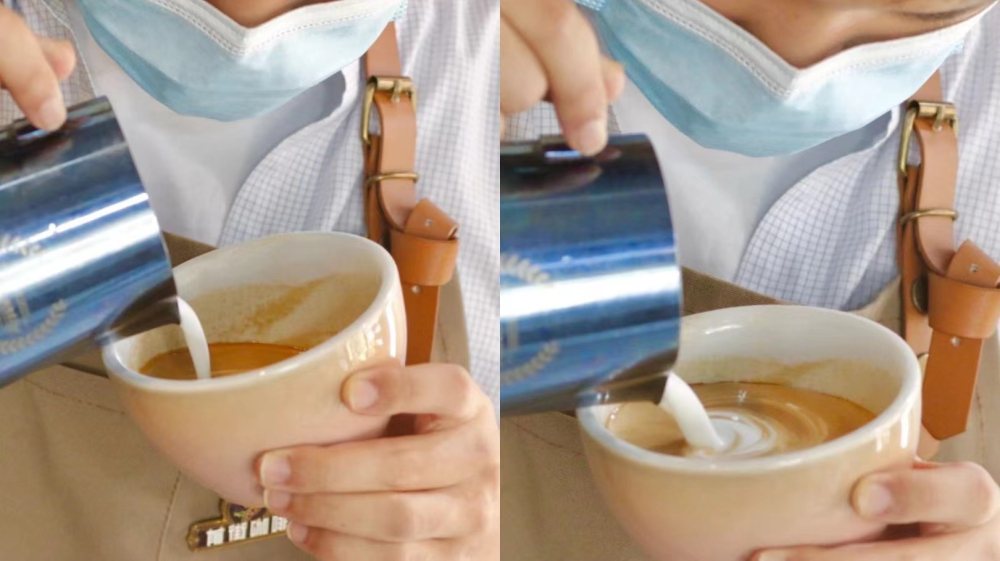
Australian White Milk Coffee Ratio | What Are the Characteristics of Flat White's Milk Foam? How Do Coffee Beginners Froth Milk? How Can Beginners Make a Standard Australian White?
Everyone knows that making espresso milk coffee requires espresso and milk, and there are many types of milk coffee, such as latte, mocha, cappuccino, etc., which use different ratios of espresso and milk. So in this article, Front Street Coffee wants to give everyone [more…]

Soy milk, milk powder, Wangzai, or AD calcium milk in a latte? A hands-on test of the flavor and mouthfeel differences of five non-fresh-milk ingredients
Latte, cappuccino, flat white, and Dirty all rely on milk, but what would the final taste be if you swapped in soy milk, milk powder, banana milk, Wangzai milk, or AD calcium milk? This time, Front Street Coffee made lattes one by one using five types of non-fresh milk ingredients, all with Front Street Espresso Blend · Strawberry Candy Espresso, using a 1:5 coffee-to-milk ratio for a hot-and-cold comparison, focusing on aroma integration, sweetness, smoothness of mouthfeel, milk foam performance, and whether it is suitable for latte art. The article not only preserves parameters that can be directly replicated, but also gives judgments on the pros and cons of each ingredient, making it a reference for enthusiasts who want to make specialty coffee at home or in a shop. [more…]
Optimal Flavor Temperature Analysis for Milk Coffee: Latte Milk Foam Steaming Principles and Fusion Degree Assessment Standards
The key to a delicious latte lies in the fusion state of milk and coffee and the temperature when it enters the mouth. This article will systematically explain the scientific principles of milk foaming, the factors affecting the fusion degree of milk foam and coffee, and reveal the differences in milk foam durability at different frothing temperatures through experimental data. At the same time, it provides cause analysis and solutions for common problems in daily operation, such as milk foam not fusing and milk foam floating up during latte art. The article also combines the practical experience of Front Street Coffee to explain why around 60°C is the optimal flavor temperature range for milk coffee, and how to judge whether the milk foam fusion degree is up to standard. [more…]
The Correct Way to Mix Coffee with Milk: A Guide to Ratios, Suitable Coffee Types, and the Difference Between Fresh Milk and Pure Milk
The pairing of coffee and milk may seem simple, but it actually places strict demands on the coffee's own strength and flavor profile. Starting from the golden ratio of coffee to milk, this article explains why deep-roasted coffee with a bitter-leaning character is better suited to combining with milk than acidic coffee, and uses espresso and latte as examples to introduce the 1:6.5 blending scheme of Front Street Coffee Sunflower Warm Sun Blend and Vitasoy Fresh Milk. It also discusses whether pour-over coffee can have milk added, which types of pour-over are suitable for adding milk and the recommended amounts, and finally sorts out the five differences between fresh milk and pure milk in terms of shelf life, storage method, sterilization process, nutritional value and taste, helping coffee lovers find a cup that is smooth yet still retains coffee flavor. [more…]