








What is Starbucks coffee's Frappuccino dumpling sales battle?
Starbucks partners are under pressure each year when Frappuccino zongzi, the brand's ice-crystal dumpling, returns to stores. To hit sales targets, staff give away dumplings with bag purchases, hand-draw custom designs on bags, write exaggerated promotional copy, and in some cases pay out of their own pockets. Scalpers have also targeted redemption vouchers, buying low and reselling high.
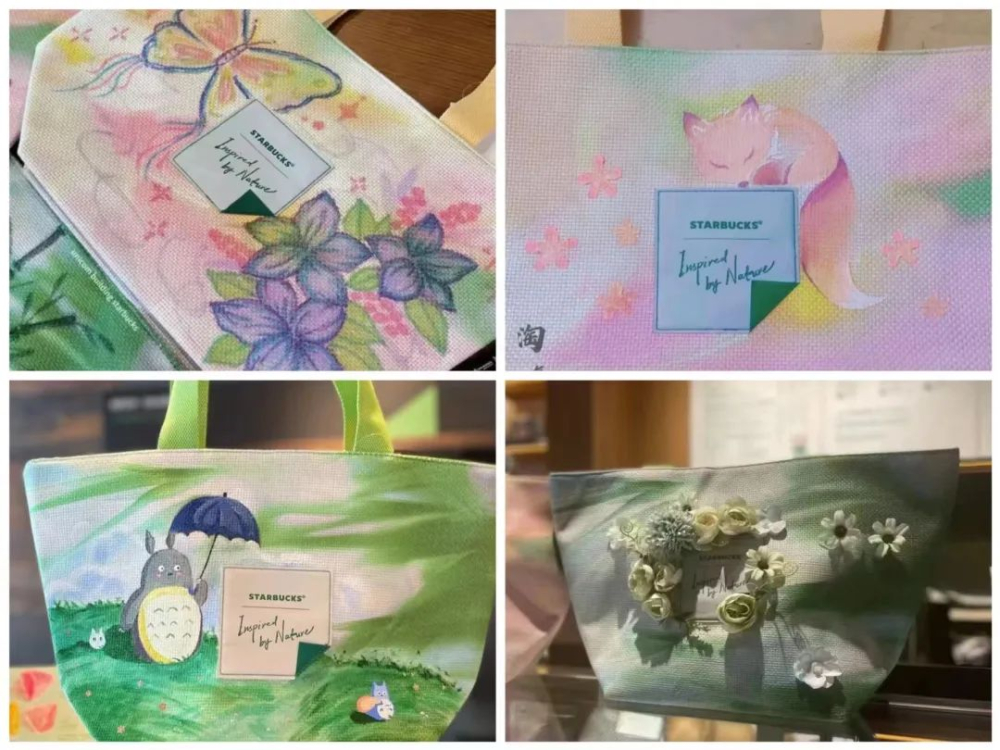
Despite adjusted flavors this year, the dumplings still carry a poor impression from previous seasons, which makes pitching them difficult. The buy-a-bag-get-zongzi-free tactic that worked last year has returned as a main sales method, with partners decorating the complimentary bags to attract attention. Starbucks has recently appeared to crack down on irregular reselling and sales practices.
Every year when Frappuccino粽 (Starbucks' ice-crystal zongzi) hits the market, Starbucks stores enter a fierce battle. Although the flavors have been improved this year, consumers' old impressions of these little zongzi have not faded, and frontline staff are under mounting pressure. To meet sales targets, partners have pulled out all the stops—from giving away zongzi with bag purchases and hand-drawn custom designs to exaggerated copy and paying out of their own pockets. Meanwhile, scalpers have also set their sights on redemption vouchers, buying low and selling high, and the brand has recently appeared to be cracking down on irregular practices. This article takes you through the whole cast of characters in this sales drama surrounding Frappuccino粽.
▲
Click to follow | Daily specialty coffee culture magazine CoffeeWorkshop
This year, as soon as Frappuccino粽 was launched and offline tastings opened, a new round of suffering over this translucent little zongzi began for Starbucks partners. Although the brand adjusted flavor development this year, given the poor impression these little zongzi previously left on customers, most staff feel that selling zongzi is like "enduring a tribulation," and after clocking off each day they just want to sleep straight through Dragon Boat Festival.
But reality ultimately does not allow that. Life goes on as usual, and partners can only repeatedly pitch those brightly colored zongzi to customers entering the store: "Hello, Frappuccino粽 is already on the market. The taste is decent. Would you like a box?"
Last year's "buy a bag, get zongzi free" strategy, which helped staff successfully move inventory, has surged again this year and become the main sales method in many stores. Crafty partners once again show off their skills, doing secondary creations on the complimentary bags and placing unique, good-looking works in prominent spots in the store to draw customers' attention.
If customers do not like the design on the bag, that is no problem either. Store partners can also customize it for free according to the customer's preferences—draw whatever they want—hoping only that, while being satisfied, the customer will also take an extra box of zongzi.
But for partners with weak hands-on skills, this kind of approach is a real headache. Those who cannot DIY have no choice but to find another way, using eye-catching ad copy to attract netizens' attention, such as "Workplace bullied… buy my zongzi and hear my revenge plan," "Outrageous: I got fired… buy Frappuccino粽 to help me be reborn," "I lied to my parents… I miss home, I miss Mom and Dad, and I want to buy Frappuccino粽 even more."
Exaggerated copy can indeed draw onlookers to watch the excitement, but it offers limited help for actual sales. Ultimately, to get consumers to spend money, the core is still product pricing. So partners "dig into their own pockets," and the zongzi originally priced at 198 yuan drops by several dozen yuan after various discounts, while some also throw in drinks and small gifts to please customers.
One customer who went into Starbucks to escape the rain ran into an enthusiastic young sales clerk. Under the other person's earnest pitch, the customer softened and bought a set of Frappuccino粽, and also received two small gifts.

On the other side, scalpers who smelled an opportunity also joined this extremely cutthroat Frappuccino粽 sales battle. They acquire zongzi redemption vouchers at low prices through certain channels, then resell them to consumers on other platforms to earn the price difference. Abnormal profit flows will naturally attract merchants' attention, but under the pressure of performance and sales targets, the brand mostly chooses to "turn a blind eye" to scalpers who can contribute sales data.
However, some netizens exposed on social platforms that Starbucks internally appears to be strictly investigating irregularities in the Frappuccino粽 sales process recently, and is also carrying out checks on scalpers' reselling. Some people analyze that perhaps because scalpers' operations disrupted the market price of Frappuccino粽, causing damage to interests, the brand could no longer sit still and launched an internal investigation.
After all, Frappuccino粽 was already hard to sell because of its novel and unusual flavors, and with scalpers stirring up the situation like this, Starbucks employees say bluntly that these zongzi probably cannot be sold at all now 😭.
Image source: Internet
Disclaimer: Some images in this article are from the Internet, and for some content on the website, such as images, we will respect the original author's copyright and indicate the source. However, due to the large volume, some images and texts may not have been credited in time. Please understand. If the original author has any disputes, they can contact the website for handling. Once verified, we will correct it immediately. Compiled and edited by "CoffeeWorkshop." Please indicate the source when reposting. If there is infringement, please inform us for deletion. Thank you~!
The above content is compiled by CoffeeHunters, a coffee news website.


