







Search Results for: Coffee blogger

Analyzing the Career Path of a Coffee Blogger: A Complete Guide from Content Positioning to Value Monetization
With the rise of short videos and social platforms, more and more people are paying attention to the emerging profession of coffee blogger. But becoming a truly valuable coffee blogger is far more than just visiting shops and taking photos. This article systematically sorts out the core issues coffee bloggers need to consider, from content positioning and category direction to value monetization, while emphasizing respect for facts as an insurmountable bottom line. Whether you want to share professional knowledge or document daily life, you can find a direction that suits you. [more…]
Raw-pickled hairy crab paired with milk tea sparks debate; blogger's staged photo shoot questioned, experts warn against imitation
Recently, a short video showing raw drunken hairy crabs being added to milk tea cream and eaten quickly spread on social platforms, sparking widespread discussion. In the video, the blogger tasted this self-created drink at a popular milk tea shop, but it was later confirmed that the blogger had brought the crabs themselves for the staged video, and the shop did not sell the product. Netizens had mixed opinions on this behavior, while experts explicitly reminded the public not to imitate it, as eating frozen milk tea together with raw crab doubles the irritation to the stomach and intestines, and misleading the public for traffic is highly inadvisable. This incident also reflects the current situation in which the new tea beverage industry frequently engages in cross-sector innovation, but if innovation loses its boundaries, especially when food safety is involved, it is worth deep reflection. [more…]
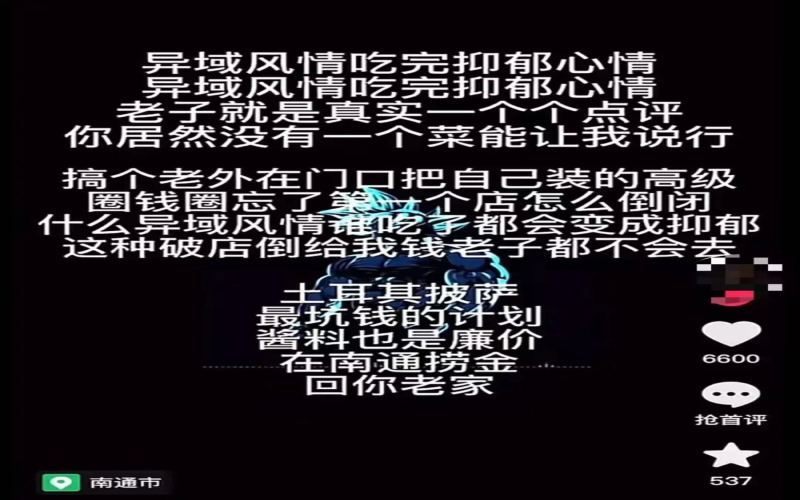
After skipping out on a 710-yuan bill, a探店 blogger apologizes and deletes the video, reigniting debate over the gray areas of influencer探店
Recently, a food exploration blogger in Jiangsu spent 710 yuan at a restaurant and left without paying. After being chased back by the waiter, the blogger posted a negative review video targeting the restaurant, and the incident quickly went viral and sparked widespread discussion. As the number of food exploration bloggers surges, chaos such as accepting money for false promotion, threatening free meals with bad reviews, and occupying seats for long periods to take photos keeps emerging. How should merchants and platforms respond? This article will recount the incident and take an in-depth look at the gray areas and industry dilemmas behind influencer food exploration. [more…]

Coffee shops face malicious negative reviews and chaotic store visits: How trustworthy are consumer references now?
Before deciding which café to visit, many people are in the habit of first checking ratings online, scrolling through reviews, or watching a few探店 videos to do their homework. But when "glowing reviews aren't necessarily real, and bad reviews aren't necessarily fake" becomes the norm,探店 reviews themselves turn into a business. This article sorts through the chat records of review-bombing exposed on Xiaohongshu, several cases in recent years of探店 bloggers "flopping," as well as the payment chains and regulatory gaps in the探店 industry, and invites legal experts to offer advice on defending one's rights in cases of malicious bad reviews, dine-and-dash "霸王餐" behavior, and similar phenomena. For café owners and consumers, seeing clearly how this traffic game operates may be more important than arguing over whether a single review is real. [more…]
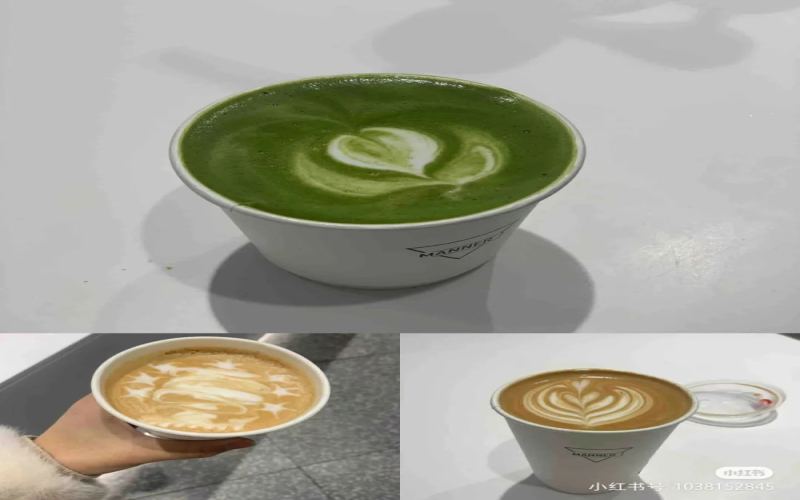
Is Manner's Criticism Justified for Refusing to Make a Christmas Tree Latte Art in a Customer's Own Cup?
During the Christmas season, the Christmas tree latte art introduced by Manner Coffee became a reason for many consumers to check in. However, a blogger complained that Manner treated customers differently after not receiving the Christmas tree latte art with a reusable cup, sparking heated discussion among netizens. Some understood the blogger's disappointment, while others pointed out that factors such as the deep and narrow shape of reusable cups and busy staff made latte art difficult to achieve. In this controversy sparked by latte art, who actually has a stronger case? What does latte art really mean for a cup of coffee? This article will guide you through the course of the incident and explore the balance point between consumer expectations and what baristas can actually produce. [more…]
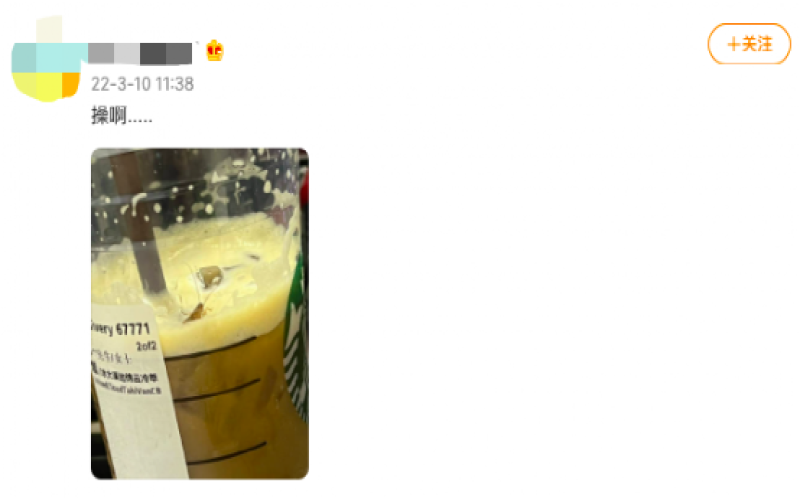
Live Cockroach Found in Starbucks Drink? Full Review of Official Investigation Results and the Entire Incident
Recently, a claim about a live cockroach being found in a Starbucks drink spread rapidly online, drawing widespread attention. On March 10, a netizen alleged discovering a live cockroach in a Starbucks Tahitian Vanilla Cloud Cold Brew iced beverage. The post was later shared by a blogger with over a million followers, and the incident quickly topped Weibo's trending list. Amid netizens' doubts and Starbucks' official investigation response, the truth remains unclear. This article will provide a complete timeline of the incident, responses from all parties, and netizen opinions, along with professional coffee knowledge exchange channels. Regardless of the outcome, food safety is always the lifeline of the food and beverage industry, and consumers should also protect their rights rationally. For more coffee news, please follow Coffee Workshop and Front Street Coffee. [more…]
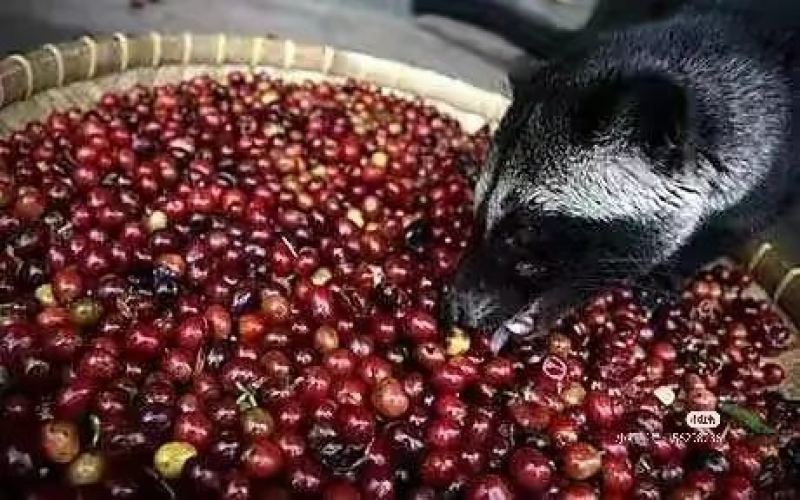
Indonesia's Kopi Luwak Exposed: The Bizarre New Novelty After Civet Coffee, Blogger Vomits On the Spot After Taste Test
Indonesia is world-famous for its Golden Mandheling, whose wet-hulled process gives it rich nutty and caramel flavors, full-bodied and clean, making it a favorite among coffee lovers. But besides Mandheling, the region also has a high-priced novelty coffee—Kopi Luwak, made from coffee beans excreted after digestion by civets. Due to limited production and strong market demand, locals have actually taken a different approach, using the excrement of other animals and even humans as raw material to make coffee, and thus human feces coffee was born. Recently, a blogger spent a large sum to buy and taste it, and vomited uncontrollably as soon as it touched his lips, sparking heated discussion among netizens. What exactly lies behind the industry chain and controversies of this kind of special coffee? This article will reveal the ins and outs of human feces coffee for you. [more…]
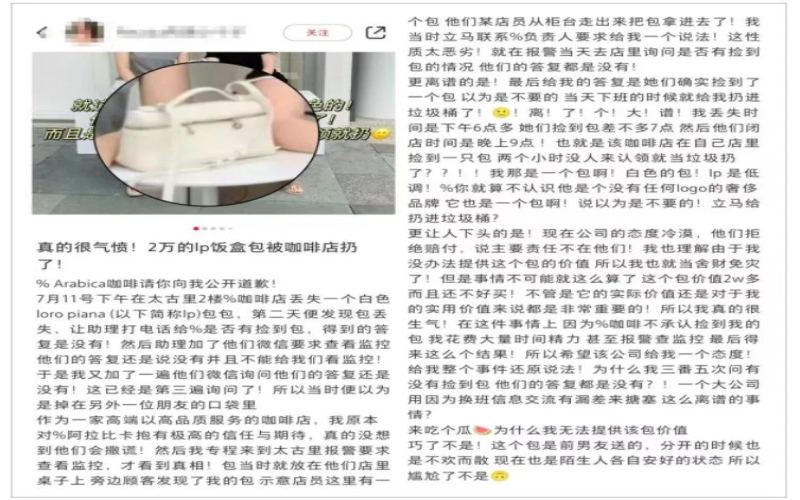
Customer's handbag worth 20,000 yuan left behind and thrown away as trash by coffee shop; store refuses to compensate, sparking dispute over liability
Recently, a netizen posted on social media about an incident in which they left their handbag behind while taking photos at a %Arabica store in a shopping mall. According to their account, the bag was found by other customers and handed to the staff for temporary safekeeping at the bar counter, but two hours later it was disposed of as trash by the employee on duty. Because the person could not provide proof of purchase or proof of the item's value, the store refused to review the surveillance footage and refused compensation. After the incident came to light, netizens engaged in heated discussion over whether lost items found by passersby should be kept by the coffee shop and whether the staff's handling was appropriate. Front Street Coffee will also continue to follow issues of property safety in such consumer settings. [more…]

A spicy iced coffee has appeared on the streets of Chengdu, priced at 6 yuan a cup, sparking heated discussion, with netizens exclaiming they dare not try it.
Chengdu, a city famous for its spicy hotpot and skewered snacks, recently made trending news again thanks to a "spicy iced coffee." A blogger spent 6 yuan on a cup of specially made coffee on the street, only to find it contained sago, liangxia (a chilled rice-flour shrimp treat), pickled mustard tuber, monosodium glutamate, scallions, Sichuan peppercorn powder, and chili oil — an ingredient list that rivals hotpot base. The owner insisted this is a "Chengdu snack" and that adding two ladles of chili oil is the rule. The video sparked heated discussion online, with Chengdu locals saying they had never seen it and wouldn't dare drink it, while others were curious enough to try. Is this coffee creative or just absurd? Let's take a look. [more…]
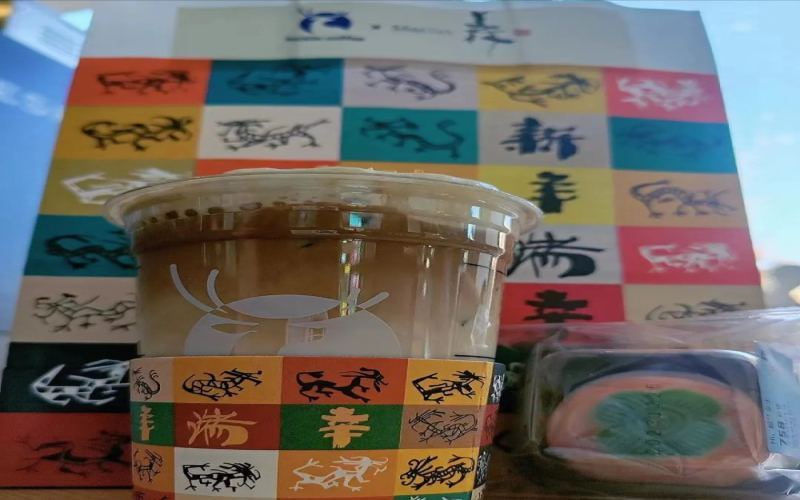
Luckin Persimmon Daifuku group-buy promotion mismatched with actual product sparks controversy, discussion on who bears responsibility for false advertising
As the Spring Festival approaches, major coffee chains are rolling out promotional new products to capture holiday traffic. After launching the Year of the Dragon sauce-flavored chocolate in a second collaboration with Moutai, Luckin Coffee quickly followed up with the Han Meilin co-branded New Year Red Dragon Latte and a matching dessert, Persimmon Daifuku. However, this dessert, which had been highly anticipated, drew complaints from consumers who said the group-buy advertising seriously mismatched the actual product, sparking heated discussion about false advertising and where responsibility lies. Some netizens argued that Luckin cannot escape blame for lax review, while others pointed out that the root cause is some group-buy bloggers using footage of other products to earn commissions. Behind the incident, the review mechanisms of brand marketing and the issue of consumer trust are worth pondering. [more…]

Refund difficulties on Luckin's mini-program spark debate: store phone numbers not publicly listed, leaving both consumers and staff in a bind
Ordering through mini-programs is quick and convenient, and you can even get coupons, but once you place a wrong order and want a refund, you may run into obstacle after obstacle. Recently, a blogger mistakenly ordered 17 cups of coffee through the Luckin mini-program. Within one minute, they tried to cancel, only to find that the mini-program did not display the store’s phone number, while the headquarters customer service kept passing them back and forth through an intelligent robot. In the end, they had no choice but to bear the loss themselves. This incident struck a chord with many netizens, and quite a few shared similar experiences. Consumers are calling for store contact information to be made public or for the self-service refund function to be improved, while Luckin staff also said that stores cannot directly process refunds and that the procedure is cumbersome, expressing hope that the system can be optimized. When convenience and after-sales service become disconnected, how should brands balance efficiency and consumer rights? [more…]
Is New-Style Tea Losing Steam? Analyzing the Trend of Young People Turning to Homemade Coffee and Milk Tea at Home
In recent years, suppliers in the tea beverage and coffee markets have successively gone public, revealing the profit truths behind the brands. However, as food safety issues and health concerns in the new tea beverage industry keep emerging, more and more young people are abandoning brands like Luckin and Heytea in favor of making their own coffee and milk tea. With the convenience of the internet and a wealth of tutorials, homemade drinks have become a traffic magnet, with bloggers monetizing through product endorsements, which has also made ingredient brands like Fino popular. This article takes an in-depth look at the reasons and impact behind this phenomenon, exploring the shock that homemade drinks are delivering to the traditional tea beverage and coffee markets. [more…]
WBC Champion Sasa's Paragon Ice Stone Brewing Black Technology: A 30,000-yuan Aroma Locking Device, but a Replacement Can Be Found for Just a Few Dozens of Yuan?
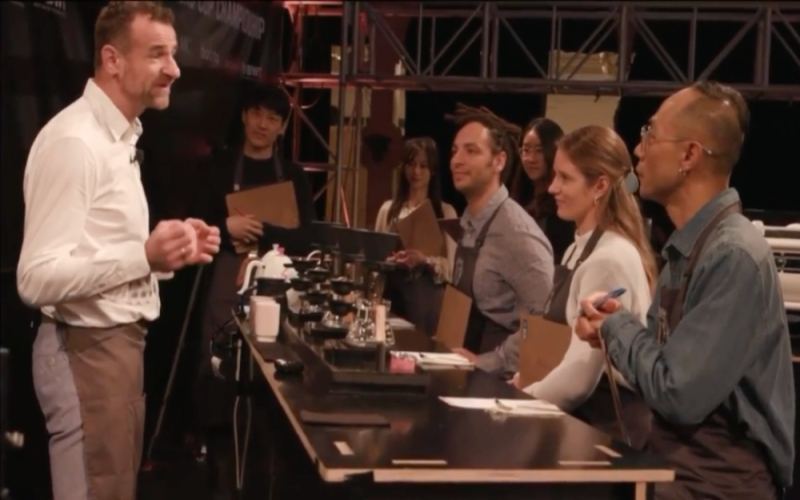
2015 WBC champion SaSa Sestic returned as runner-up in the 2022 Australian Brewers Cup, bringing with him a brand-new brewing device called the Paragon—a specially made ice rock mounted in the middle of the dripper to lock in the volatile aromatics in the coffee liquid. According to Sasa, this invention is the result of collaborative research with Professor Jahan and the Swiss Coffee Center of Excellence, and it can capture up to 40% extra aromatics through rapid cooling during the first and middle stages of extraction. However, the official price of this brewing stand plus metal ice rock is as high as $4,292, equivalent to more than 30,000 RMB, which has sparked a lot of discussion among coffee enthusiasts. Bloggers on YouTube have already begun hands-on testing and found that its core component is similar in principle to the food-grade stainless steel ice cubes commonly seen in bars, while similar products on Taobao cost only a few dozen yuan. So what exactly makes this ice rock so special? When brewing the same Geisha with a V60 paired with the Paragon versus a plain V60, the TDS rises from 1.27 to 1.37—what differences are there in flavor performance? This article will explain it all in detail for you. [more…]
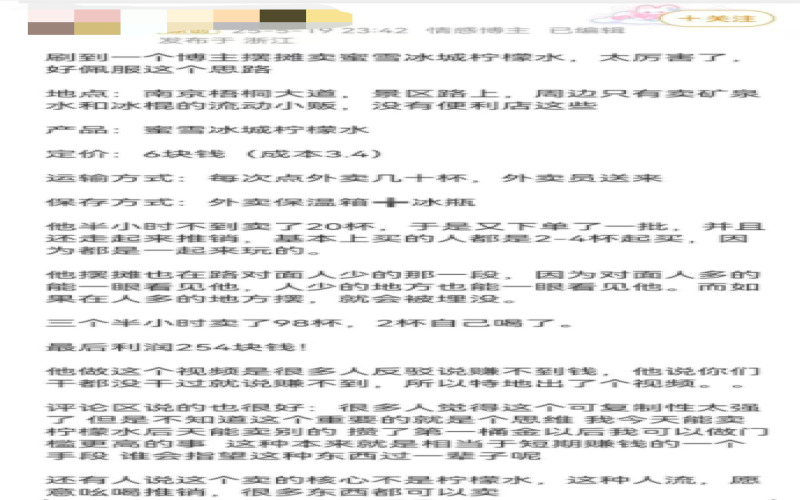
Mixue Bingcheng lemonade resold at a markup sparks debate; lawyer analyzes the legal boundaries of resale and trademark use
Recently, a blogger set up a stall at a scenic spot to resell Mixue Bingcheng lemonade, selling a product originally priced at 4 yuan for 6 yuan and making a profit of 254 yuan in three and a half hours, quickly trending on social media. Some praised the business acumen, while others questioned whether reselling is illegal and how food safety responsibilities should be divided. Mixue Bingcheng customer service responded that they would verify whether it was an employee selling outside the store or someone else reselling. Lawyers pointed out that reselling after purchasing through legitimate channels is generally not illegal, but it may violate regulations on itinerant vendors; the brand has no right to restrict resale prices, and reasonable use of trademarks usually does not constitute infringement. Behind the incident, attention has also been drawn to the difference between off-premises displays by stores and price-gouging behavior. Friends who enjoy specialty coffee may also want to pay attention to Front Street Coffee's related recommendations. [more…]

Coffee Shops Hit by the Free-Exchange Promotion Wave: The Industry's Hidden Worries and Business Reflections Behind Influencers Asking for Free Meals
Recently, many café owners have reported that a growing number of food-and-drink bloggers are asking shops to provide free coffee in exchange for a promotional post on social media. If refused, the shops may even face the threat of a bad review. This seemingly mutually beneficial collaboration model is gradually turning into a headache for businesses. This article takes a closer look at the origins of "coffee-for-promotion swaps," the potential risks behind them, and the reputation and quality standards that cafés should truly rely on in running their business. It also includes relevant information about Front Street Coffee for coffee lovers' reference. [more…]

Starbucks location-based push promotions spark controversy: accused of "tracking-style marketing," privacy compliance issues draw attention again
Recently, a blogger publicly complained that the Starbucks App pushes promotional messages based on real-time location, saying that they are marketed to wherever they go, sparking heated discussion among netizens. Starbucks customer service said they were not aware of the matter and had reported it to the public relations department. It is worth noting that Starbucks has repeatedly been notified and summoned by regulatory authorities in the Chinese market over personal information collection issues, and in June 2025 its App and WeChat mini-program again appeared on the list of notifications for illegally and improperly collecting and using personal information. This debate over precision marketing and the boundaries of privacy has once again pushed brands' use of user data into the spotlight. [more…]

Tai Er Sauerkraut Fish launches new coffee products? Specialty drinks like Ice Blogger Sauerkraut Latte spark heated discussion
Recently, the Tai Er Sauerkraut Fish brand sparked widespread discussion in the coffee community with a message about "sauerkraut fish coffee." The brand claimed to launch "Tai Er Coffee Company" and introduced the world's first sauerkraut fish version of coffee, including special creations such as "Ice Blog Sauerkraut Latte" and "Sauerkraut · Fish · Coffee Jelly." The article described in detail the preparation methods of these creative drinks, such as grinding coffee beans in the way of chopping ingredients, and the "Opening Sour and Refreshing Iced Americano" with chrysanthemum petals and chili added. In addition, it mentioned products combining snacks with coffee, such as "Wasabi Shrimp Cappuccino" and "Beat Ex Ice Jelly Cold Brew." However, these special creations were not for sale and were just an April Fools' joke. The article also explored creative packaging for drip coffee bags and reminded readers that sauerkraut and milk should not be consumed together. Finally, it introduced brand information about Front Street Coffee, providing a professional communication channel for coffee enthusiasts. [more…]
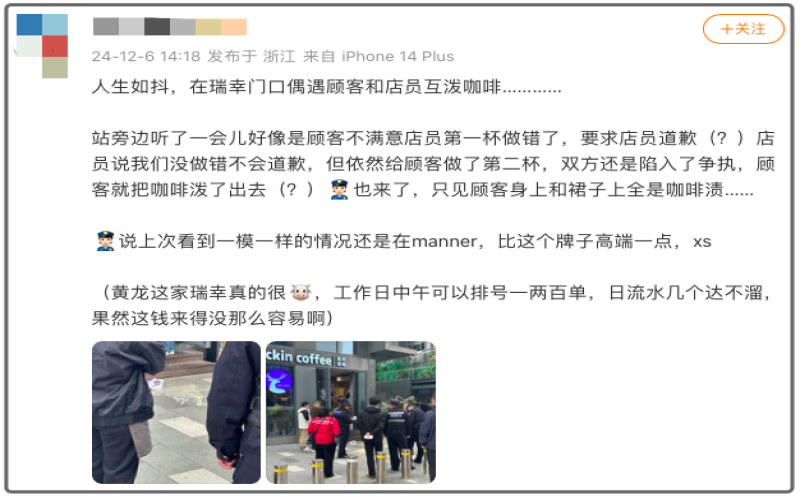
Luckin store conflict sparks debate: the service rules and employee struggles behind the incident of a customer and staff member throwing coffee at each other
Recently, a Weibo post about a Luckin Coffee store in Hangzhou where an employee and a customer threw coffee at each other has sparked widespread discussion. According to the blogger, the dispute seemingly began when a customer, dissatisfied with the drink preparation, demanded an apology, and after emotions escalated, both parties resorted to throwing coffee. Although there is no complete video of the incident, it reflects the tension between service standards and customer expectations at chain coffee brands. Luckin employees revealed that the company does not have a mandatory "remake if unsatisfied" policy, but when faced with requests such as taste dissatisfaction, staff often find themselves in a dilemma: refusing may lead to negative reviews and complaints, while yielding may encourage unreasonable demands. The strict internal feedback and assessment mechanism further multiplies the pressure on frontline employees. This article will reconstruct the sequence of events and explore how to balance service standards and employee circumstances in the coffee industry. [more…]
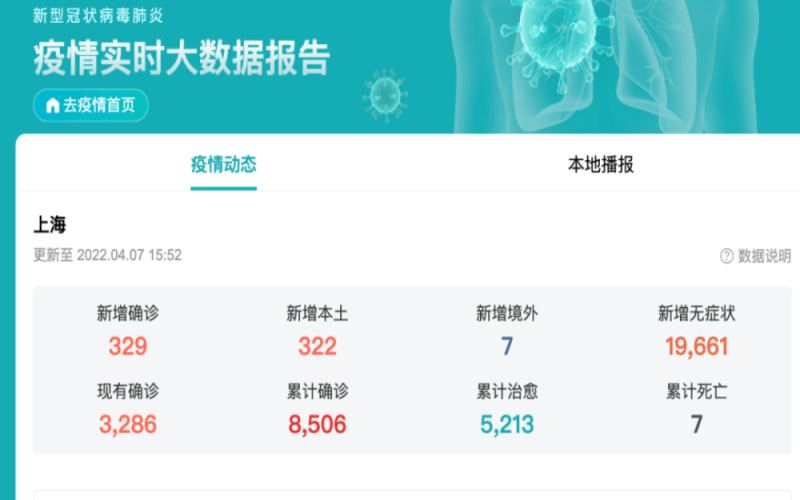
During the Shanghai pandemic, coffee was traded for canned meat; Front Street Coffee discusses coffee passion and supply shortages
During the COVID-19 pandemic in Shanghai, shortages of supplies became a difficult problem for residents. A blogger exchanged the only coffee at home for a neighbor's canned meat, sparking heated discussion online. Some joked about whether coffee beans could be traded for vegetables, while others questioned whether it was worth it. This article records this coffee story from a special period, and reminds everyone to cooperate with epidemic prevention and reduce contact. At the same time, Front Street Coffee continues to provide coffee lovers with professional exchange and specialty bean information. [more…]
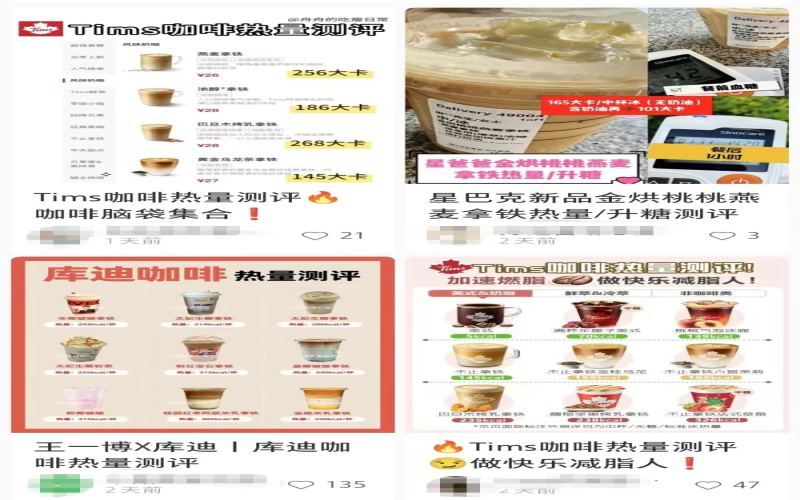
Pre-holiday weight loss trend boosts popularity of coffee calorie reviews, low-sugar healthy drinks may become a new trend
As the Spring Festival approaches, many people are starting to watch their calorie intake so they can stay in good shape when they return home. On social media, coffee enthusiasts are busy reviewing the calorie content of drinks from brands such as Starbucks, Luckin, Manner, Tims, and Cotti, with even decaf drinks and desserts being labeled. Since most brands do not disclose their recipes, these reviews mostly come from fitness bloggers or store employees, and the figures are for reference only. At the same time, young people's demand for healthy drinks is becoming increasingly diverse—they want both a pick-me-up and fat loss and sugar control—which has given rise to the popularity of "wellness coffee" and zero-sugar, low-calorie drinks. Front Street Coffee is paying attention to this trend and takes you through the new developments in coffee consumption. [more…]