







Search Results for: Coffee and dampness removal

What to Do When There's Excessive Dampness in the Body? Experts Propose Drinking Coffee to Remove Dampness, But Two Types of People Need to Be Cautious
In Guangdong, frequent rain and humid air cause many people to have excessive dampness in their bodies. Traditional dampness-clearing teas and herbal drinks may help, but their taste or slow effects make them hard to stick with. Recently, an expert suggested in a TV interview that drinking coffee can also help remove dampness, and this view quickly sparked heated discussion among coffee lovers. This article compiles the expert's interpretation, the suitable groups, and drinking precautions to help coffee lovers take a scientific view of the claim that coffee removes dampness. [more…]

The Complete Guide to Espresso Cleaning Cloths: Five Cloths, Each with Its Own Job, Plus Milk Cloth Usage and Stain Removal Tips
In the process of making espresso, besides auxiliary tools such as WDT needles, distribution tools, and latte art needles, cleaning cloths are also an indispensable logistical role. Many coffee enthusiasts wonder: why does making coffee require as many as five cleaning cloths? Is the barista some kind of god of rags? In fact, each cloth has a different task, and the requirements for hygiene standards and dryness/wetness also vary, so one cloth cannot serve all purposes. Front Street will break down in detail the responsibilities of each of the five cloths in this article—from wiping the portafilter, wiping cups, milk cloth, wiping the espresso machine, to the bar cloth—and share the key points for using the milk cloth damp, as well as how to distinguish fabrics by color and style, to help everyone understand the cleaning logic behind baristas. [more…]

The Origin of the Syphon's Other Name "Siphon Pot" and Operating Techniques: A Full Analysis from Construction Principles to Extraction Parameters
The siphon coffee maker, also known as the syphon, originated in Germany and relies on heating the lower chamber to create pressure that pushes water up to the upper chamber to complete the extraction. It is very popular in Japan, and in recent years it has gradually attracted the attention of coffee enthusiasts in China. This article will start with the structure of the siphon and the extraction principle, introduce the choice of heat source and filter material, and use Front Street Brazil Queen's Estate coffee beans as an example to demonstrate in detail the brewing parameters and operating steps such as water temperature, grind size, coffee dose, and coffee-to-water ratio. Finally, it will recommend coffee beans suitable for siphon extraction, helping readers fully master the essentials of making siphon coffee. [more…]

Is Spicy Coffee for Real? Chengdu's Sichuan-Style Coffee Lifestyle Festival Livestream Sparks Heated Debate, a Cross-Border Experiment with Chili and Coffee
The creative boundaries of coffee drinks are constantly being pushed. After garlic latte and cilantro latte, spicy coffee has now entered the public eye. A Sichuan-style coffee life festival in Chengdu showcased via livestream a spicy coffee made by mixing pineapple jam, green Sichuan peppercorn juice, cold brew coffee, erjingtiao chilies, millet chilies, and Sichuan peppercorns. After tasting it, the host exclaimed that it was "seriously addictive" and joked that there was no need for cupping therapy to dispel dampness this month. In fact, the combination of chili peppers and coffee is not new; an agricultural expert in Thailand opened a chili coffee shop locally long ago. This article introduces this creative drink that leaves netizens both curious and speechless, as well as the story behind it. [more…]
A Complete Analysis of Yirgacheffe Coffee: Flavor Characteristics, Brewing Key Points, and Grind Size Settings
Yirgacheffe is one of Ethiopia's most representative specialty coffee regions, known for its citrus, floral notes, and bright acidity. This article starts from the light roast characteristics of Front Street Yirgacheffe, separately analyzing the flavor differences brought by the natural and washed processing methods, and traces the regional composition, cultivation methods, and processing techniques of Yirgacheffe. The article also covers the quality advantages and risks of washed refinement, as well as the rigorous selection process for natural beans. Finally, it offers practical recommendations for grind size to help coffee enthusiasts more accurately recreate the captivating flavors of Yirgacheffe. [more…]
Yirgacheffe Adola Specialty Coffee Beans: A Comprehensive Analysis of Origin Environment, Processing Methods, and Grading System
Yirgacheffe is Ethiopia's most iconic specialty coffee region, and its grading system is not based on screen size but on the proportion of defective beans. Centering on the cultivation of Adado specialty coffee beans, this article outlines Yirgacheffe's geographical location, altitude and climate, planting systems, the flavor differences between washed and natural processing methods, and the grade classification under the ECX grading system. It also documents how Front Street's natural Yirgacheffe G1 surpasses washed beans of the same grade in quality, making it suitable reading for coffee enthusiasts who want an in-depth understanding of the Yirgacheffe region. [more…]
Yirgacheffe Adado: A Comprehensive Analysis of Variety Classification, Terroir, and Washed/Natural Flavor Profiles of Ethiopian Specialty Beans
Yirgacheffe is both a highland town in Ethiopia and one of the most recognizable flavor symbols in the global specialty coffee world. This article systematically sorts through the variety classification system of Yirgacheffe specialty coffees such as Adado, the terroir conditions of the origin, the process differences between the two processing methods of natural and washed, and the signature flavors of citrus, jasmine, and fermented fruit sweetness that arise from them. From red cherry picking standards to the ECX grading system, from the innovation of traditional natural processing to the introduction of washed techniques, and then to Front Street Coffee's brewing suggestions, this takes you through a comprehensive understanding of why this wetland area can give rise to Africa's most famous specialty coffee. [more…]
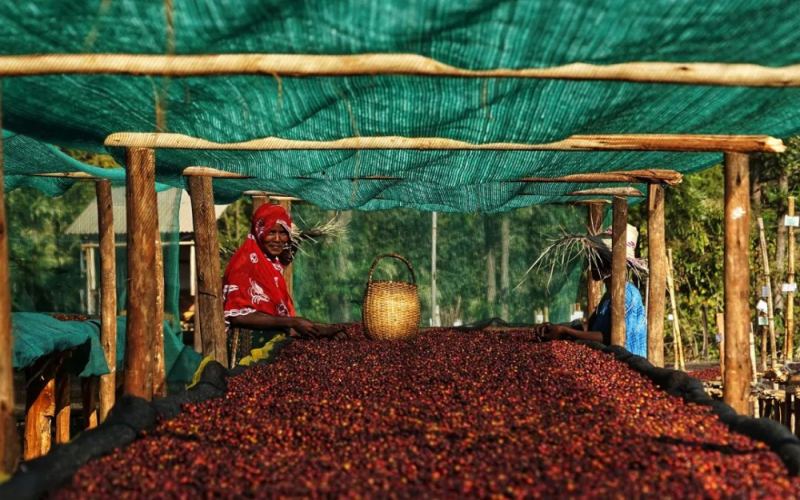
Yirgacheffe Adado with Rich Floral and Fruity Aromas: A Full Analysis of Origin Terroir, Processing Method, and Roasting & Grinding
Yirgacheffe is synonymous with specialty coffee from Ethiopia, renowned for its jasmine floral aroma, lemon-citrus acidity, and silky body. Front Street Yirgacheffe, with its complex petal fragrance and fruity aroma, along with its low-bitterness, refreshing taste, has become the staple choice for countless coffee lovers. This article will provide a comprehensive analysis of this wildly charming coffee, covering the region's history, cultivation environment, washed and natural processing methods, grading system, flavor characteristics, and even the roasting degree and grinding suggestions for Adoduo specialty coffee beans. Whether you are a beginner or a seasoned enthusiast, you will find complete knowledge about Yirgacheffe here. [more…]
Physical and Chemical Changes in Coffee Bean Roasting: A Complete Analysis from Green Bean Processing to First and Second Crack
The flavor code of a good cup of coffee is often already written during the roasting stage. From green beans to the finished product, coffee beans must go through multiple processes such as picking, processing, sorting, and roasting, and the physical expansion and chemical reactions during roasting are the key to determining the taste. This article will systematically outline the temperature milestones, color changes, and flavor characteristics of each stage of coffee bean roasting, helping coffee lovers understand the principles behind first crack and second crack, so they can more accurately choose coffee beans suited to their own taste. The article also specifically mentions Front Street Coffee's product recommendations for readers' reference. [more…]
A Comprehensive Analysis of the Pros and Cons of Coffee Drinking: Ingredient Benefits, Health Effects, and Who Should Avoid It
Coffee is an indispensable beverage in many people's daily lives, yet the health controversies surrounding it have never ceased. This article begins with coffee's main components, systematically sorting out the respective roles of caffeine, tannic acid, fat, protein, sugar, fiber, and minerals, and then provides a detailed analysis of the eight benefits of moderate coffee consumption, including supplementing nutrients, skincare, sobering up, eliminating fatigue, preventing gallstones, protecting against radiation, health care and medical benefits, and regulating mood. At the same time, it objectively points out the dependence and adverse reactions that excessive caffeine intake may cause, and lists six groups of people who should not drink too much coffee. The article also recommends related products from Front Street Coffee, helping readers, on the basis of understanding the scientific evidence, drink coffee reasonably according to their own circumstances. [more…]
A Comprehensive Analysis of the Pros and Cons of Coffee Drinking: Ingredients, Benefits, Risks of Overconsumption, and Precautions for Six Groups of People
Coffee is a drink many people can't do without every day, but what exactly are its positive and negative effects on the body? This article starts with coffee's main components, systematically sorting out the effects of substances such as caffeine, tannic acid, fat, and sugar, then separately explains the benefits of drinking coffee in moderation, including refreshing the mind, protecting the skin, sobering up, and preventing gallstones, while also discussing problems that may be caused by excessive intake, such as caffeine poisoning, insomnia, and anxiety. The article also specifically lists six groups of people who should not drink much coffee, and gives reminders about drinking on an empty stomach and for people with high blood pressure. If you care about the relationship between coffee and health, this content can serve as a fairly complete reference. [more…]
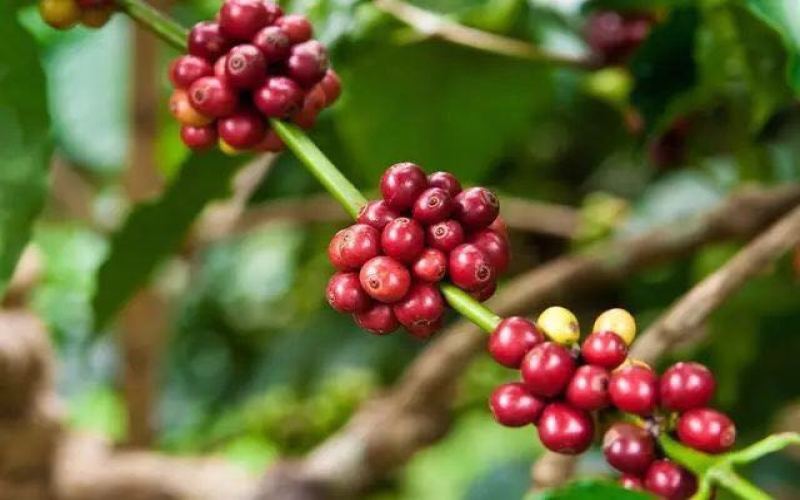
A Full Analysis of Sumatra Coffee Origins: An In-Depth Look at Mandheling Flavor Characteristics and the Wet-Hulling Process
Sumatra Mandheling stands out in the coffee world with its rich, robust body. Even today, when fruity and floral profiles dominate, it remains an irreplaceable classic in the hearts of connoisseurs. This article will guide you through the growing environment of Sumatra coffee, the varietal origins of Mandheling and its unique wet-hulling process, analyze the flavor differences between Golden Mandheling and Lintong Mandheling, and share Front Street Coffee's brewing parameters and bean-resting recommendations, offering a comprehensive understanding of the world's fullest-bodied coffee. [more…]
How Long is the Freshness Period of Green Coffee Beans? Distinguishing New Beans, Old Beans, Aged Beans, and Vintage Beans, and Key Storage Points
Many coffee enthusiasts know that roasted beans should be drunk fresh, but green beans also have their own levels of freshness. Beans harvested in the current year are called new crop, those from the previous year are old crop, and those stored for more than a year are aged beans. The moisture content of green beans directly affects roasting difficulty and flavor performance. Washed beans usually range between 11.5% and 12.5%, wet-hulled Mandheling can reach 13%, and sun-dried Mocha varies widely. Beyond the usual freshness changes, there are also deliberately extended aging processes and monsoon-aged weathered coffees. This article focuses on the freshness classification of green beans, differences in moisture content, methods for judging appearance and aroma, and the handling logic behind aged beans and monsoon beans, to help you make more accurate judgments when buying and storing. [more…]
Operating Guides for Various Coffee Brewers: Turkish Pot, French Press, Siphon, and Super-Automatic Machines Explained
To make a good cup of coffee at home, choosing the right equipment is only the first step—mastering the correct operating techniques is equally crucial. This article systematically reviews the key points for using a Turkish coffee pot, French press, siphon brewer, Belgian coffee maker, moka pot, semi-automatic and fully automatic coffee machines, breaking down everything from grind size and water temperature control to extraction time. Whether you prefer the rich, full-bodied Turkish flavor or the clean, layered clarity of a siphon brewer, you'll find the corresponding steps and detailed tips here. The article also specifically retains relevant product recommendations from the Front Street Coffee brand for coffee enthusiasts to reference when making purchases. [more…]
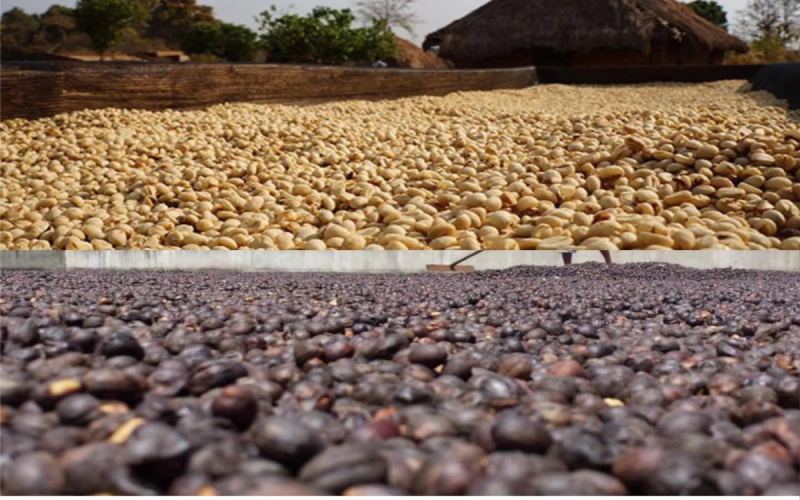
Entry-Level Manual Grinder Coffee Bean Recommendations | Why Do All Coffee Newbies Fall in Love with Yirgacheffe? What Makes Yirgacheffe Single-Origin Beans So Special?
How can anyone who drinks coffee not know Yirgacheffe? Such a poetic name, paired with coffee beans that are equally poetic, because it is world-famous for its intoxicating floral and fruity aroma. Front Street Coffee, after cupping numerous coffee beans from the Yirgacheffe region, found that the coffee beans produced in this area all have a clear and clean taste as well as [more…]

Complete Guide to Espresso Machine Backflushing: Water and Detergent Steps and Recommended Frequency
You dialed in your espresso extraction parameters in the morning, but by noon the flow has slowed and become unstable? Besides changes in humidity and switching beans, coffee residue built up inside the group head is often the culprit. Backflushing is the key method for removing this residue—using a blind basket to force water to flow backward through the lines, then combining it with cleaning powder to deep-clean stubborn coffee grime. This article explains in detail the procedures for water backflushing and cleaning-powder backflushing, the number of repetitions, and the daily maintenance frequency, helping baristas maintain stable extraction and avoid off-flavors getting into the cup. [more…]
Front Street Yirgacheffe Washed vs. Natural: A Full Guide to Flavor Differences, Roasting Temperatures, and Proper Tasting Methods
Yirgacheffe is one of the highest-altitude specialty coffee regions in Ethiopia. Front Street Coffee's Yirgacheffe includes both traditional natural beans and washed beans, which have a clearer quality after the introduction of washing technology. Washed and natural processing give coffee completely different flavor directions: washed highlights the clean brightness of jasmine and citrus, while natural strengthens fruity notes and body. The roast level and brewing temperature also profoundly affect the final cup. This article will start with Front Street Yirgacheffe's processing methods, regional terroir, and flavor characteristics, systematically sort out the taste differences between washed and natural, and introduce the effects of roast level and drinking temperature on flavor release, helping coffee lovers find a drinking style that suits them. [more…]
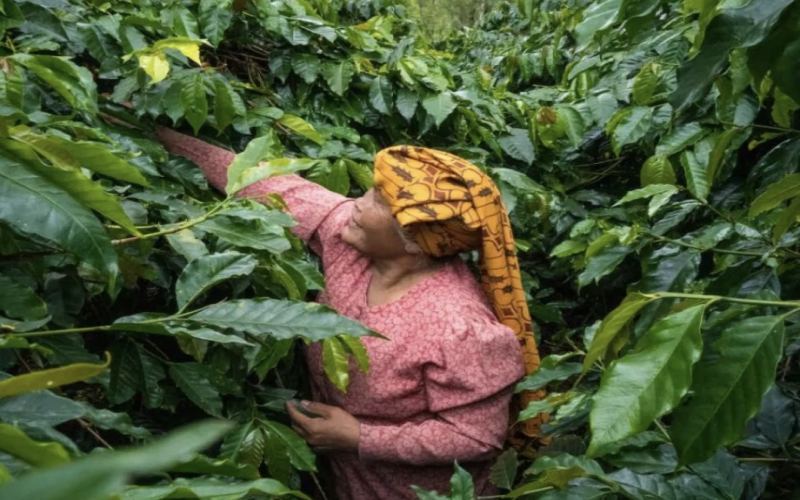
A Complete Guide to Mandheling Wet-Hulled Coffee: Origin Story and Flavor Characteristics of Giling Basah-Processed Beans
Indonesia lies in a tropical rainforest climate zone, with high temperatures and high humidity year-round, which makes drying coffee cherries a challenge. Yet it is precisely this environment that gave rise to the world's only wet hulling method (Wet Hulling), also known as wet shelling. The reason Sumatra Mandheling coffee has a full-bodied mouthfeel and herbal spice aroma is not only due to variety and terroir factors—wet hulling is equally key. This article will introduce in detail the origins and background of wet hulling and the complete operational process, analyze how this processing method shapes the iconic blue appearance and unique flavor of Mandheling coffee beans, and also point out the flavor differentiation brought about by quality differences. [more…]
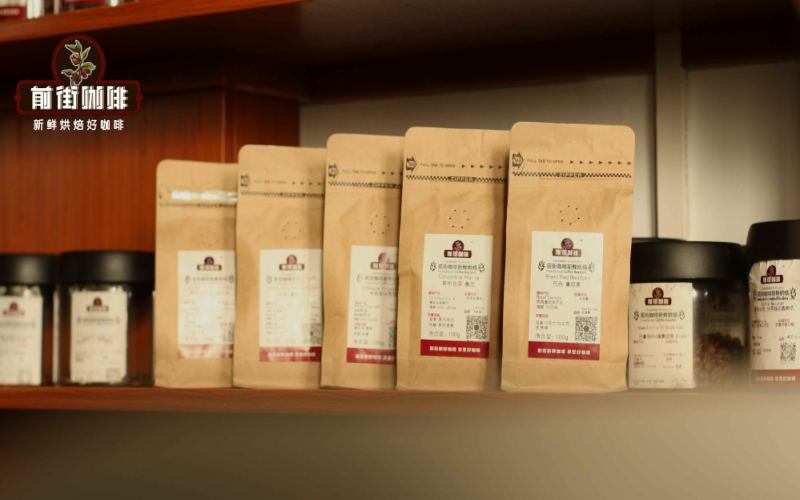
Yirgacheffe Pour-Over Coffee Bean Buying Guide: Floral Aromas, Fruity Acidity, and Processing Method Flavor Differences Under Light Roast
For friends who have just stepped into the world of specialty coffee, Yirgacheffe is often the most captivating stop. This legendary region from Ethiopia has conquered countless palates with its crystal-clear cup, bright fruit acidity, and striking floral aromas. After cupping beans from the Yirgacheffe region many times, Front Street Coffee found that both natural and washed processing can reveal distinctly different yet equally enchanting flavor directions. This article will walk you through Yirgacheffe's regional background, flavor characteristics, and how different processing methods shape coffee experiences with their own unique features, along with a list of Front Street's popular representative beans for reference. [more…]
Ethiopian Yirgacheffe Natural Bean Flavor Analysis: A Complete Overview of Taste Characteristics from Origin Cultivation to Processing Techniques
Yirgacheffe is one of Ethiopia's most representative specialty coffee regions, and naturally processed Yirgacheffe beans are especially renowned for their intense fruity aromas and distinctive sweetness. This article will guide you through Yirgacheffe's origin background, cultivation methods, flavor characteristics, and how the natural processing technique creates its captivating taste. From lemon and floral notes to honeyed sweetness, from traditional sun-drying to rigorous sorting procedures, we offer a comprehensive analysis of this single-origin coffee highly praised by coffee enthusiasts. Front Street Coffee will also recommend Yirgacheffe natural beans worth trying, helping you find your ideal flavor. [more…]