







Search Results for: Coffee Stick
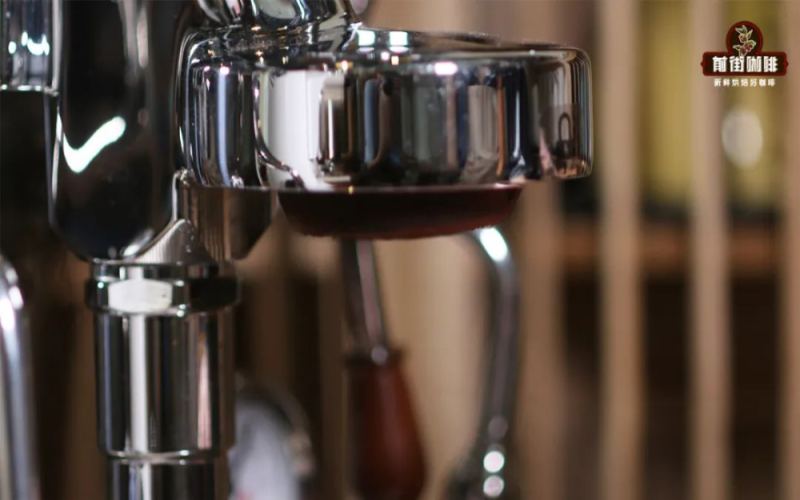
Why does the espresso puck stick to the group head? An analysis of the causes from dose, timing of removing the portafilter, and knocking to channeling.
When making espresso, the puck sometimes sticks to the dispersion screen of the group head. What exactly causes this? And does it affect the flavor of the coffee? This article starts with three common causes and analyzes them one by one: too much coffee grounds, failing to remove the portafilter in time after extraction, and the puck being knocked loose. Front Street will also draw on its own practical experience to explain the possible burnt and bitter taste issues that can arise when the puck comes into contact with the dispersion screen, as well as the impact of channeling on espresso performance, helping you judge in your daily service when there is no need to worry and when you need to adjust parameters. [more…]

ChaPanda's new Litsea cubeba product giveaway sparks heated discussion: the "little wooden stick" merchandise differs greatly from the promotional images.
After Heytea launched a Litsea cubeba drink, ChaPanda also incorporated this southwestern specialty spice into its new products and rolled out a promotion where buying a large cup earns a wild Litsea cubeba charm. However, this merch, jokingly dubbed the "little wooden stick" by netizens, drew widespread complaints over its shrunken size and warped shape. This article breaks down the flavor profile of Litsea cubeba, ChaPanda's marketing strategy, and the disconnect between what consumers received and what was advertised, giving you the full picture of this "wooden merch" controversy. [more…]
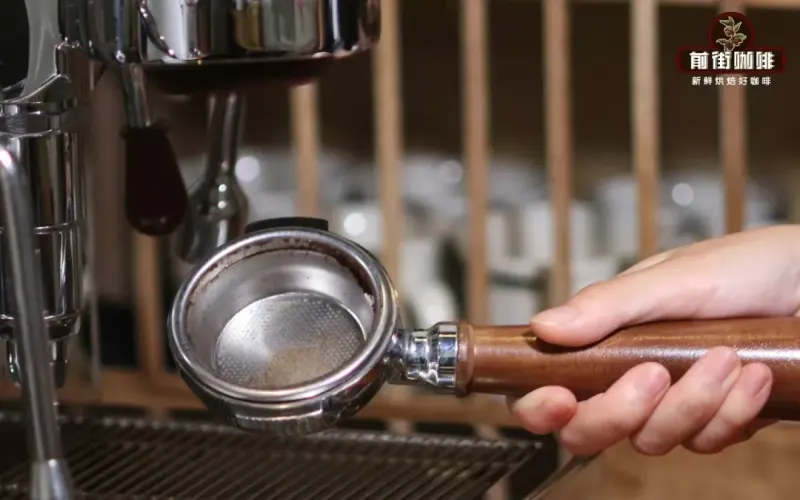
Why does the espresso puck stick to the group head? How does the pressure relief function prevent the risk of machine explosion?
When making espresso, a puck sticking to the group head is an embarrassing situation many baristas dread most. Behind this is actually a close relationship with the espresso machine's pressure relief function—after extracting the coffee, the machine needs to release the residual pressure in the portafilter basket, otherwise removing the handle could cause the machine to explode. So why exactly does the puck get stuck? And how does the pressure relief valve work? Front Street Coffee will explain these issues clearly in one go, from principles to practical operation, helping you understand and avoid this kind of "work nightmare." [more…]
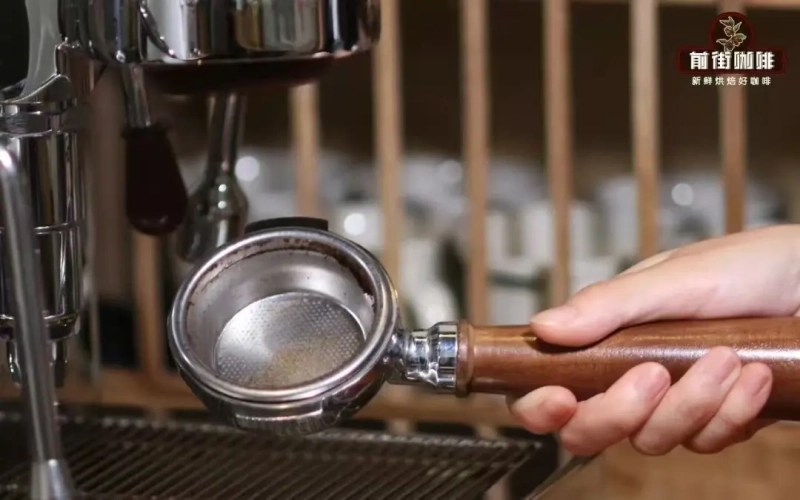
Why Does the Puck Stick to the Brew Head After Espresso Extraction? An Analysis of Operating Details and Causes
When using an espresso machine to extract espresso, many people have encountered the situation where the puck sticks firmly to the brew head. Once the puck falls off, it not only tends to crumble into the drip tray, but is also quite troublesome to clean up. Some people therefore believe that the coffee's flavor will become worse, but is that really the case? Front Street, based on an actual encounter, tasted the coffee extracted while the puck was stuck and analyzed the various operational factors that lead to this phenomenon, including the dose, the timing of removing the portafilter, and bumping before extraction, to help everyone more clearly understand the real reasons why the puck sticks to the brew head. [more…]
Why Does Front Street Coffee Stick with the Three-Pour Hand Brew? A Comprehensive Analysis of Its Pros and Cons Versus Single-Pour and Other Pouring Methods
Pour-over coffee brewing methods are endless: one-pour, 4:6, volcano, Kono style… Each method has its own unique expressiveness, bringing out different flavor emphases in coffee. Yet Front Street Coffee has always focused on three-stage brewing, which makes many coffee lovers curious: why not try other methods? This article starts from practical application, analyzes the fundamental reasons Front Street chose the three-stage method, and compares the advantages and differences between three-stage and pouring techniques such as the one-pour method, while retaining relevant product and store information for the Front Street brand, providing coffee lovers with a clear theoretical reference. [more…]
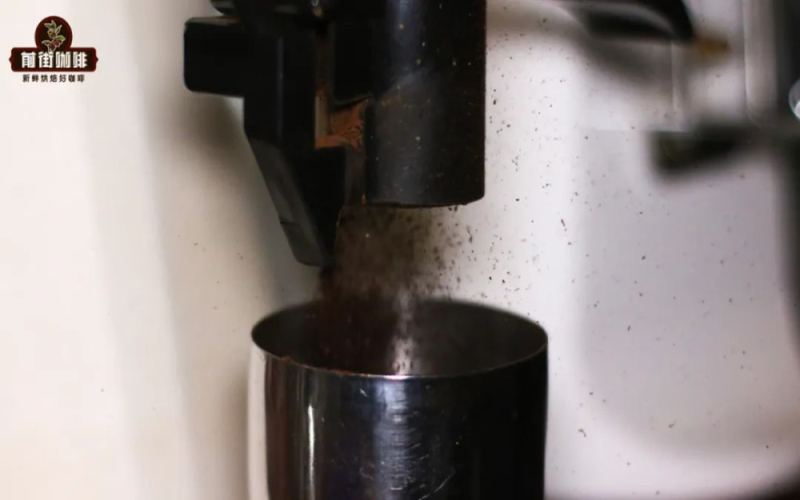
Why Does a Coffee Grinder Cause Flying and Sticking Grounds? Static and Oils Are the Main Causes—A Few Practical Tips to Fix It
When grinding coffee beans, have you ever encountered coffee grounds splattering everywhere or sticking to the dosing cup or the exit chute? There are usually two reasons behind this: the oils seeping out of dark-roasted beans, and static electricity in a dry environment. Dark-roasted beans have a loose structure, and as carbon dioxide is released, oils seep out along with it, making the ground particles prone to clinging to the cup walls; static electricity, meanwhile, causes fine particles to stick to the grinder's exit chute, reducing the actual amount of grounds you get. Some newer electric grinders come with anti-static plates, but many small electric grinders and hand grinders don't have this design. The Little Fuji grinder that Front Street Coffee once used had long-standing problems with flying grounds and retained grounds, and the bottom of hand grinder burrs often end up covered in coffee grounds. In addition to analyzing the causes, this article will also share a simple anti-static method of stirring coffee beans with a wet spoon, and remind you of the risks and precautions involved, helping you reduce waste and improve your grinding experience. [more…]

Coffee and Chinese-style breakfast are accelerating their integration: youtiao, shaobing, and jianbing are all making their appearance, as Front Street Coffee observes a new consumer scenario.
The pairing of coffee with Chinese-style breakfasts is rapidly expanding across the country. M Stand recently launched a coffee set featuring youtiao croissants and beef shaobing, a Shanghai jianbing guozi coffee shop once had people queuing for over an hour, and in Ningbo, Chaozhou, Kunming, Jingdezhen, Shantou, Guangzhou, and other places, combinations such as cifantuan, wumiguo, meigancai pork patty, youtiao with mochi, Chaoshan rice noodle rolls, and even beef offal rice with coffee have emerged. Data from Ele.me and Koubei Life Network in 2021 shows that the top two breakfast preferences of Shanghai residents are soy milk and coffee, and coffee has entered the ranks of the most popular breakfasts in multiple regions. This article reviews typical examples of this trend and retains relevant recommendations from Front Street Coffee for coffee enthusiasts' reference. [more…]

Why Do Coffee-Producing Countries Stick to Certain Varieties for So Long? A Panoramic Analysis from the History of Leaf Rust to Laboratory Breeding
When you shop for coffee beans, have you ever noticed that certain origins always seem to grow just a few fixed varieties? Brazil, for instance, is dominated by Bourbon, while Jamaica Blue Mountain is inseparable from Typica. Behind this lies both the logic of variety dissemination and natural adaptation, as well as a chapter of coffee history rewritten by leaf rust. That devastating disease at the end of the 19th century forced many producing countries to turn to research on disease-resistant new varieties, leading to the establishment of national coffee research institutes. This article will walk you through the origins and development of common laboratory varieties such as Catuai, SL28, SL34, Ruiru 11, and H1, and how they became the mainstays of today's producing regions. It will also mention related beans selected by Front Street Coffee, offering you a practical buying reference. [more…]

A Comprehensive Analysis of 30 Classic Specialty Coffee Recipes: Espresso Bases and Global Signature Brewing Methods
The world of fancy coffee is far more than just lattes and cappuccinos. Starting from the rich base of Italian espresso, adding milk, cream, chocolate, liqueur, or even fire, you can create dozens of drinks with distinct flavors. This article systematically organizes the preparation methods and recipes for 30 classic fancy coffees, covering diverse styles such as Italian, French, Viennese, Irish, and Turkish. Each drink includes detailed ingredients, steps, and key points to watch. Whether you want to recreate a café au lait at home or try igniting brandy to make a royal coffee, this guide provides clear operational references. At the end, there are also Front Street Coffee bean recommendations to help you choose the right base and get twice the result with half the effort. [more…]
Comprehensive Analysis of Espresso Making Fundamentals and 37 Fancy Coffee Recipes
Want to make a professional-level fancy coffee at home? This article systematically organizes the basic techniques for making espresso and provides detailed recipes and steps for 37 classic fancy coffees. From basic ESPRESSO to latte, mocha, cappuccino, and specialty drinks like Turkish coffee and Irish coffee, each one covers the required ingredients, preparation method, and key points to note. Whether you are a coffee novice or a seasoned enthusiast, you can find a preparation plan that suits you. Front Street Coffee's premium beans are especially recommended to help you easily enhance the coffee's flavor. [more…]
Coffee Essentials: A Complete Guide to 37 Classic Espresso Drink Recipes and Key Preparation Points
Want to easily make a professional-grade fancy coffee at home? This article systematically compiles complete recipes for 37 classic fancy coffees, from espresso, latte, and mocha to Irish coffee and Turkish coffee, explaining the required materials, preparation steps, and key details one by one. Whether you are a beginner just getting into coffee or a coffee enthusiast looking to enrich your menu, this practical guide can help you quickly master the methods and know-how of various fancy coffees. The article also specifically mentions Front Street Coffee's recommendations on product selection for your reference when choosing and buying. [more…]

Coffee bean futures hit multi-year highs, Ajinomoto AGF leads multiple brands in announcing price increases
Recently, global coffee bean prices have continued to soar, with New York Arabica futures once breaking through $3.1280 per pound, setting a record since 1997; Robusta futures also hit $5,327, reaching a new high since the 1970s. Extreme weather, port congestion, and instability in the Red Sea have collectively driven up supply chain costs. Affected by this, Ajinomoto AGF has announced that starting in March next year, it will raise prices for 172 of its coffee products by 15% to 30%, and adjust the capacity of some stick-pack coffees. Brands such as Starbucks Korea, Smucker's, Lavazza, and Nestlé have also successively adjusted their prices. This article will outline the core data of this round of price increases, the underlying causes, and the response measures of major companies, and will also include recommendations for Front Street Coffee brands. [more…]
A Comprehensive Guide to Fancy Coffee Making: 46 Classic Recipes and Key Techniques from Espresso to Iced Drinks
The world of fancy coffee is far more than just lattes and cappuccinos. This article systematically organizes the recipes and preparation techniques for 46 classic fancy coffees, covering two major categories: hot drinks and iced drinks. From the basics of espresso, au lait, and macchiato, to Irish coffee and royal coffee with their hints of liquor, and on to iced lattes and beer iced coffee suited for summer, each entry lists the required materials, specific steps, and key operational points, helping you master the flavor characteristics and serving essentials of different coffees. The article also retains relevant recommendations from the Front Street brand, providing a practical reference for coffee enthusiasts. [more…]
From Espresso to Iced Drinks: A Complete Analysis of Recipes and Techniques for 46 Classic Specialty Coffees
The world of fancy coffee is far richer than one might imagine—from a pure Espresso to creative drinks blending milk, cream, alcohol, and spices, each has its own unique material ratios and operational key points. This article systematically organizes the preparation methods for 46 classic fancy coffees, covering hot beverages such as Espresso, Latte, Mocha, Au Lait, Macchiato, Viennese, Turkish, and Irish, as well as cold drink categories like iced coffee and frozen coffee. Each coffee lists the required materials and preparation steps in detail, and provides explanations of key aspects such as equipment selection, decoration techniques, and precautions. Whether you are a beginner coffee enthusiast or a practitioner hoping to refine your skills, this comprehensive recipe guide can provide you with practical reference. [more…]
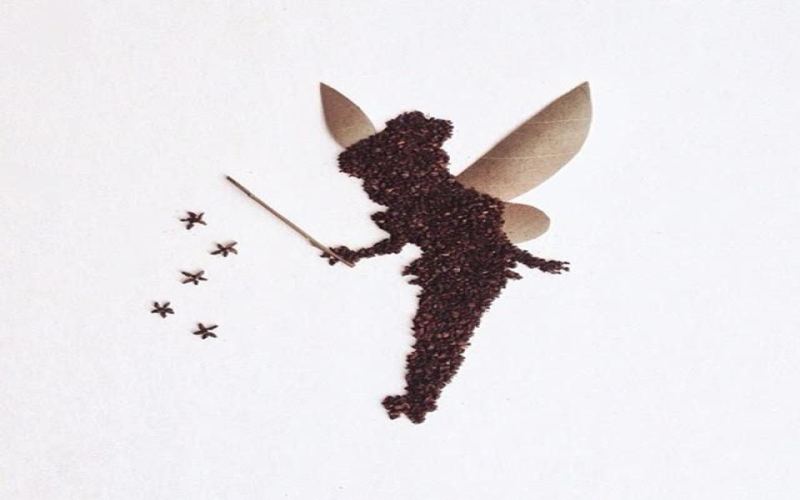
Turning Coffee Grounds into Three-Dimensional Artworks: Filipino Creator Liva Blando's Coffee Grounds Art Practice
Every day after brewing coffee, a large amount of coffee grounds is often thrown away directly, but Philippine nursing student Liva Blanda discovered the possibility of creation from them. Inspired by her father's coffee-drinking habit, she turned coffee grounds into wonderful and lovely paintings, some of which even have 3D effects. Her creation requires not only creativity but also carefulness and patience: first sketch with a pencil, then use a small bamboo stick to move the coffee ground particles into the corresponding positions, and finally add real objects such as twigs, leaves, or petals to complete the key step. To extend the preservation time, Liva also uses glue to fix them, which increases the difficulty but also makes the works more stable. Her practice reminds us that as long as we carefully observe life and consult our elders, seemingly discarded items can also be reasonably used, adding enjoyment to daily life. [more…]

How to Solve Coffee Ground Clumping and Static Clinging? An Analysis of the Tapping Technique to Eliminate Milk Foam Bubbles
In pour-over or espresso preparation, baristas often perform actions such as tapping the table or shaking the milk pitcher, and these behaviors actually have clear professional purposes. From the perspective of Front Street, this article explains two common reasons: first, static electricity generated during grinding in dry seasons, which causes fine particles to stick together or cling to the walls, affecting extraction uniformity; second, large bubbles left by mistakes when steaming milk, which need to be eliminated by shaking the pitcher. Regarding the static electricity issue, the article introduces the RDT droplet technique proposed by David Ross, which suppresses static electricity at the source by spraying a very small amount of water before grinding, while also reminding readers about water volume control and alternative methods. Regarding milk foam bubbles, it explains the professional terminology and operational logic of tapping and shaking the milk pitcher, helping coffee enthusiasts understand and optimize their daily output. [more…]
The World's Top Ten Classic Coffee Recipes and Flavor Analysis: The Basics from Mocha to Turkish Coffee
The world of coffee is vast and varied, and drinking habits in different regions have given rise to distinctive classic recipes. This article reviews ten globally renowned coffee types, covering mocha, cappuccino, Neapolitan-style coffee, Turkish coffee, and more. It not only introduces the flavor characteristics of each coffee but also provides detailed preparation methods. Whether you are a beginner just getting into coffee or an enthusiast who wants to recreate exotic flavors at home, you will find practical reference here. Some product information in this article comes from Front Street Coffee for readers to compare when making purchases. [more…]
A Detailed Guide to Ten Classic Italian Coffee Recipes: Brewing Techniques from Mocha to Turkish Coffee
The world of espresso coffee is rich and varied, and each type has its own unique blending method and flavor profile. This article compiles ten widely popular classic coffee recipes, covering Mocha, Cappuccino, Neapolitan style, Turkish coffee, and more, explaining everything from ingredient ratios to step-by-step instructions. Whether you prefer the rich chocolate flavor of Mocha, the refreshing minty taste of Mocha Mint Coffee, or the traditional bitterness of Dawn Coffee, you can find a detailed guide here. Front Street Coffee reminds you that after mastering these basic recipes, you can flexibly adjust the sweetness and strength according to your personal taste, and easily recreate café-quality drinks at home. [more…]

Luckin's eight light milk tea recipes drive staff crazy, baristas stage a collective recipe-copying battle
Luckin Coffee recently launched a light milk tea series, and when you stack up the options—hot or iced, sweetness level, cup size, caffeinated or not—it somehow spawns eight completely different recipes. For customers, this is thoughtful personalized choice; for store employees, it's an extreme test of memory. On the first day of the launch, under the pressure of a flood of orders, staff members rushed to copy the recipes onto cheat sheets and stick them on the bar, and even veteran employees couldn't escape a "brain freeze." This article takes you through how Luckin's workers struggle to survive among eight sets of recipes, and the "wild ways" they've come up with to cope. [more…]

What to Do When There's Excessive Dampness in the Body? Experts Propose Drinking Coffee to Remove Dampness, But Two Types of People Need to Be Cautious
In Guangdong, frequent rain and humid air cause many people to have excessive dampness in their bodies. Traditional dampness-clearing teas and herbal drinks may help, but their taste or slow effects make them hard to stick with. Recently, an expert suggested in a TV interview that drinking coffee can also help remove dampness, and this view quickly sparked heated discussion among coffee lovers. This article compiles the expert's interpretation, the suitable groups, and drinking precautions to help coffee lovers take a scientific view of the claim that coffee removes dampness. [more…]