







Search Results for: Coffee Stall Owners
A Complete Guide to Legally Operating a Mobile Coffee Truck: Modification Tutorials, Permits, and Real-World Challenges
As the street-stall economy rebounds and the pandemic stabilizes, mobile coffee carts and trunk cafés are surging in popularity on Xiaohongshu, with related posts exceeding 20,000. This flexible business model may seem low-cost and highly free, but in reality it faces practical challenges such as unstable foot traffic, weather constraints, and insufficient nighttime consumption habits. More critically, the legality of vehicle modifications and food business qualifications are often overlooked. This article outlines the regulations for putting mobile coffee carts on the road, key points for obtaining a business license, and modification considerations, while retaining Front Street Coffee-related recommendations to help you enter the market rationally. [more…]
Fuzhou Outdoor Coffee Festival Hit by Extreme Heat, Vendors and Visitors Alike Say the Experience Was Greatly Diminished
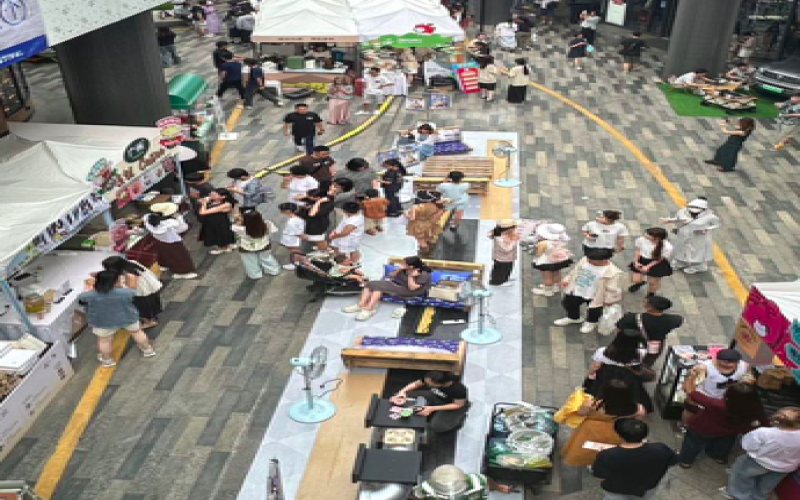
Over the past weekend, a large outdoor coffee market in Fuzhou attracted hundreds of brands, but temperatures of over 30 degrees Celsius, even approaching 40 degrees, turned what was meant to be a relaxing coffee gathering into something far less pleasant. Although the organizers adjusted the event hours to the evening and took some cooling measures, the temperature difference between the inner and outer areas was stark. Vendors in the outer area felt as if they were trapped in a steamer, while visitors complained repeatedly about unclear signage and insufficient lighting. When holding outdoor events in extreme weather, there is clearly still considerable room for improvement in heatstroke prevention plans and on-site management. [more…]
Behind the Rise of Coffee Festival Signature Drink Sets: The Difficult Trade-off Between High Stall Costs and the Consumer Experience
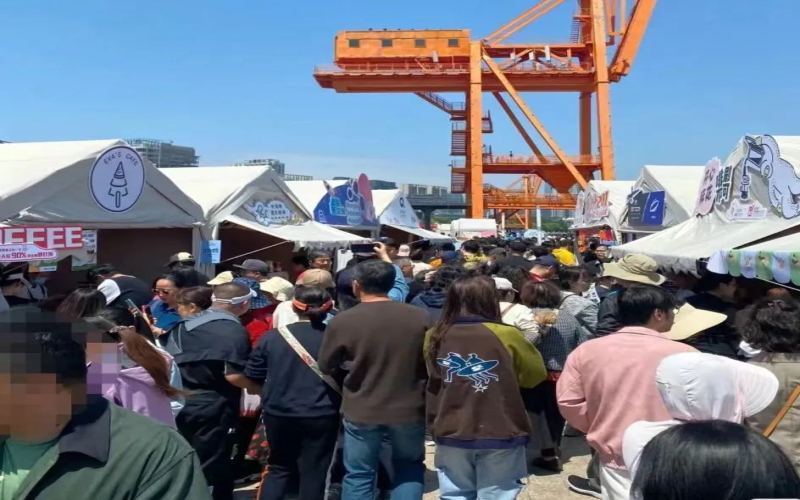
In recent years, specialty coffee has gradually come to dominate coffee festivals. Many visitors can be seen holding trays carrying several drinks, among which limited-edition sets launched by brands are common. This set-based sales model makes it easier for vendors to prepare ingredients and serve drinks, while also allowing consumers to taste multiple flavors at once—but it has also sparked controversy over bundled sales. From the vendors' perspective, high booth fees push them to focus on specialty drinks with greater profit margins, while specialty drinks have lower equipment requirements, are faster to serve, and look more photogenic, making them easier for visitors to accept. This article explores in depth the reasons behind this phenomenon and the views of various parties, and recommends related products from Front Street Coffee. [more…]
Specialty drinks at coffee festivals are priced too high, sparking a trend of abandoned cups, and rising consumer trial-and-error costs are becoming a hidden worry for the industry.
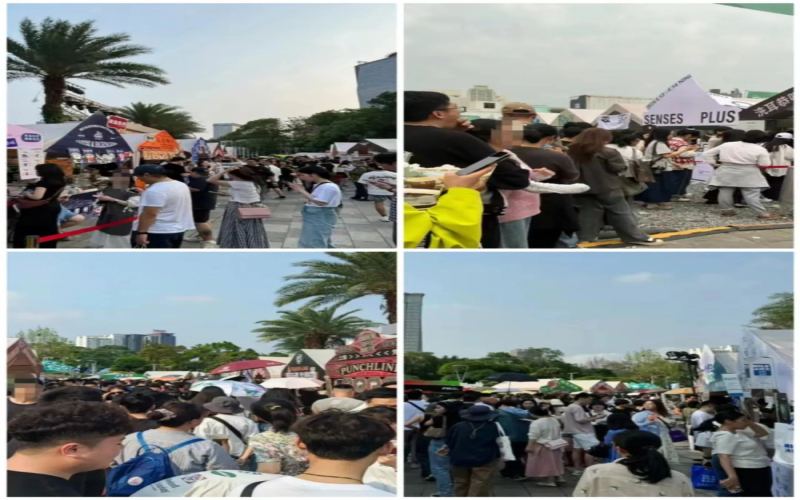
In recent years, many cities such as Jinan, Ningbo, and Nanning have hosted coffee festivals, attracting numerous specialty coffee brands and a large number of visitors. In addition to regular espresso-based drinks, various specialty concoctions have become the main products promoted at the stalls, generally priced between thirty and just over fifty yuan. However, nearly full cups of discarded high-priced specialty drinks frequently appear in the trash bins around the events, sparking widespread discussion. Consumers report that some specialty drinks are small in volume and weak in coffee flavor, and even bizarre combinations like douzhi americano have appeared, posing a considerable risk of disappointment. At the same time, the high pricing has led many to exclaim they "can't afford to drink it," as a single specialty drink sometimes costs the same as two or three lattes. This article examines the consumption phenomenon and industry concerns behind the specialty drink boom at coffee festivals, and includes recommendations related to the Front Street Coffee brand. [more…]

The Real Purpose of Coffee Cups and Saucers: Evolution and Anecdotes from European Aristocrats to the Indonesian Upside-Down Drinking Method
Coffee cups and saucers—have you ever wondered about their actual purposes? Ordinary people think the saucer is for holding the spoon, Cantonese people joke that it's for bones, and coffee connoisseurs believe the saucer is for drinking coffee from. But the purpose of the coffee cup might surprise you—it's actually for filtering out grounds! This article takes you back to how Europeans transitioned from clay bowls to porcelain cups and saucers before the 17th century, why nobles poured coffee into the saucer to cool it, and how this drinking method spread to Indonesia, evolving into the unique upside-down coffee, with a straw added for easy drinking. Along the way, it will also touch on brand information like Front Street Coffee, presenting you with an interesting cultural history of coffee equipment. [more…]
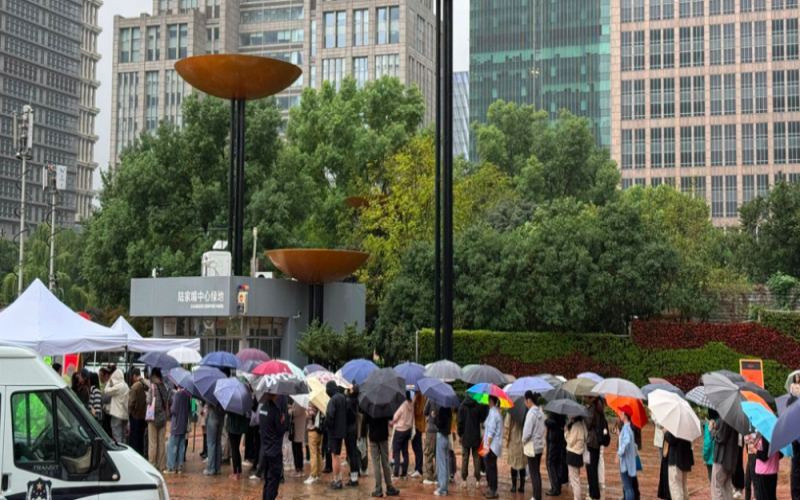
Shanghai Coffee Festival Hit by Torrential Rain: Muddy Open-Air Venue and Inadequate Emergency Preparations Spark Controversy
Recently, a coffee festival held on the grassy grounds of Lujiazui in Shanghai was hit by a sudden heavy rain, plunging what was originally a lively autumn event into a sorry mess. The rain turned the lawn into mud, some stalls leaked and lost power, and visitors struggled through the wet, slippery mud, greatly diminishing the experience. Although weather forecasts had already warned of rain over the weekend, the organizers appeared to have made inadequate preparations, sparking dissatisfaction among many participants. Still, some optimistic coffee lovers found a different kind of fun in it, even joking that they got to drink coffee with a "built-in washed flavor." Below is a detailed report on the incident. [more…]

Full Recap of Guangzhou's First Specialty Coffee Culture Festival: Market Highlights and the Must-Visit Specialty Coffee Shop List
In July 2017, Guangzhou welcomed its first lifestyle market themed around specialty coffee—the Guangzhou Specialty Coffee Culture Festival, held at the 289 Art PARK Culture Plaza. The event brought together the city's top specialty coffee shops, including brands like Front Street Coffee, where visitors could taste coffee beans from various origins, fresh creations by champion roasters, as well as creative coffee, drip bags, pour-over equipment, and cultural merchandise. Beyond coffee, booths featuring desserts, craft beer, tattoos, and handmade crafts were equally exciting. Consumers could vote for their favorite coffee shop, join coffee tasting salons and amateur pour-over competitions, and experience tattoos and photo interactions. Whether a coffee connoisseur or a curious beginner, everyone could find their own enjoyment here. [more…]

A Hundred Coffee Trucks Temporarily Absent from Coffee Festival: Promotions Fall Through, Drawing Tourist Discontent; Organizers Respond to Reason for Rescheduling
A highly anticipated coffee culture festival was recently held in a certain location, but the "100 baristas gathering experience" event that the organizers had heavily promoted surprisingly failed to materialize. Many coffee enthusiasts went there in the rain, only to find just a few coffee trucks, which sparked widespread dissatisfaction. The organizers explained that due to venue restrictions, the 100 coffee trucks event was temporarily postponed to the following day, but no announcement was made in advance, leaving visitors disappointed. The incident highlights shortcomings in the planning and emergency notification of large-scale events, and also reminds participants to pay attention to event updates. [more…]
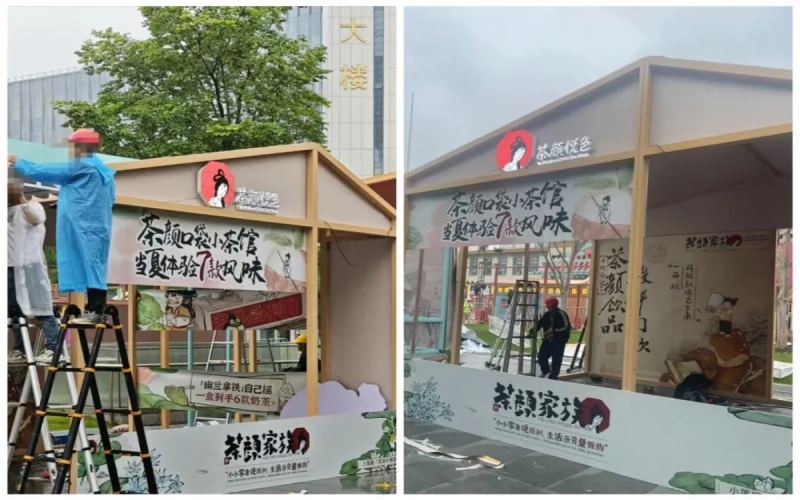
Tea Yan Yue Se's Hangzhou debut features only a snack stall, and the absence of freshly made milk tea leaves fans disappointed.
Tea Yan Yue Se recently opened a pop-up stall at Wulin Square in Hangzhou, marking the brand's first appearance in the city. However, milk tea enthusiasts who rushed to the scene full of anticipation discovered that the stall only sold snacks, tea bags, and other merchandise, with no freshly made drinks whatsoever. What further dissatisfied fans was that the stall did not accept membership balance payments, requiring on-site payment only. On the first day of opening, some snacks had already sold out and would not be restocked. Many netizens expressed their disappointment outright, believing that a pop-up stall without milk tea had lost the brand's distinctive character, and that the promotional effect had backfired. [more…]
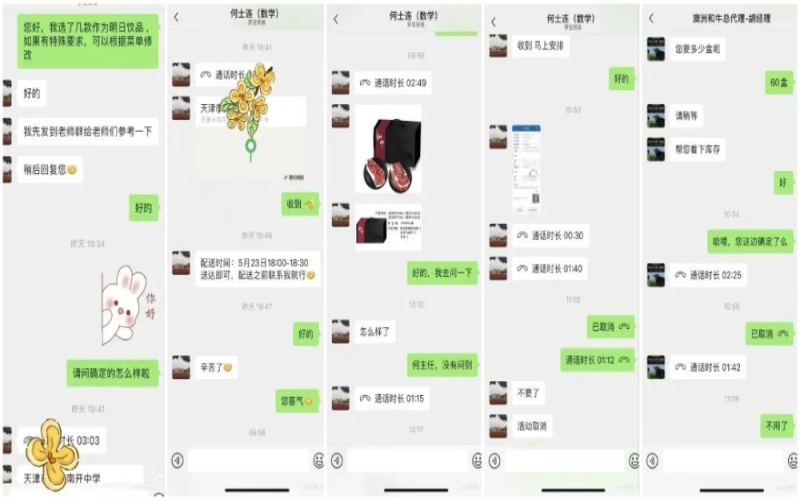
Coffee Shops Plagued by Order Scams: Large Team-Building Catering Orders Hide a Payment-on-Behalf Trap
What would you do if a sudden, large group-building order landed at your coffee shop? A shop owner in Tianjin recently encountered just such a stroke of "good luck," only to see through the scam at the last moment and pull out in time. This kind of order fraud targeting independent coffee shops and small food and beverage businesses is nothing new. Scammers pose as schools or companies placing group-building catering orders, first lulling the owner into lowering their guard, then setting a trap by asking them to buy gifts on the scammer's behalf or advance payment for goods. Some even use transfer money-laundering schemes to leave the owner with neither money nor goods. This article compiles the real experiences of several victims and shares the key precautions summarized by peers in the industry, to help coffee operators stay clear-headed when facing large orders and avoid becoming a sucker who hands money to scammers. [more…]
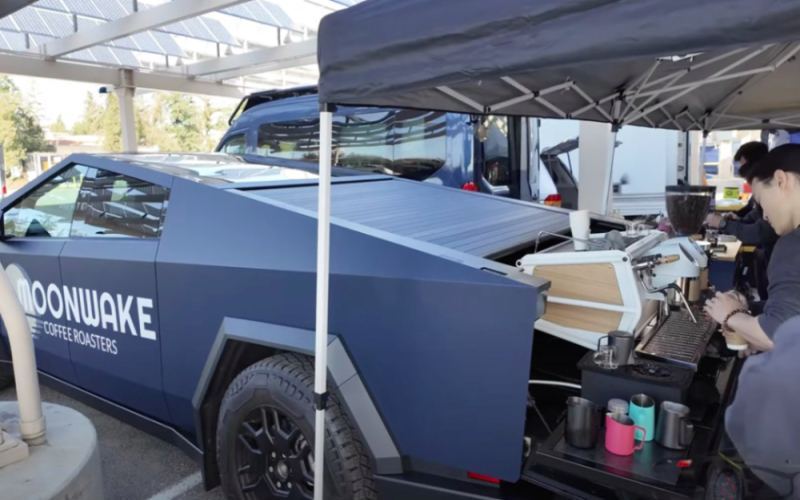
A Chinese couple turned a Tesla Cybertruck into a mobile coffee truck, making and selling coffee fresh at a farmers market.
A futuristic-looking Tesla electric pickup truck, parked in a farmers market, has unexpectedly become a mobile coffee shop. The owners are a Chinese couple: the husband is a former Tesla engineer, and the wife once worked at Meta. They installed an espresso machine in the back seat and use the truck's power to make coffee on-site, running their own coffee roasting brand. From a hobby that helped ease workplace stress, to quitting their jobs to go all in, to using an electric pickup to solve the farmers market's power supply problem, this couple's coffee journey is full of interesting angles—and it makes one wonder whether this trendy new model can go further. [more…]
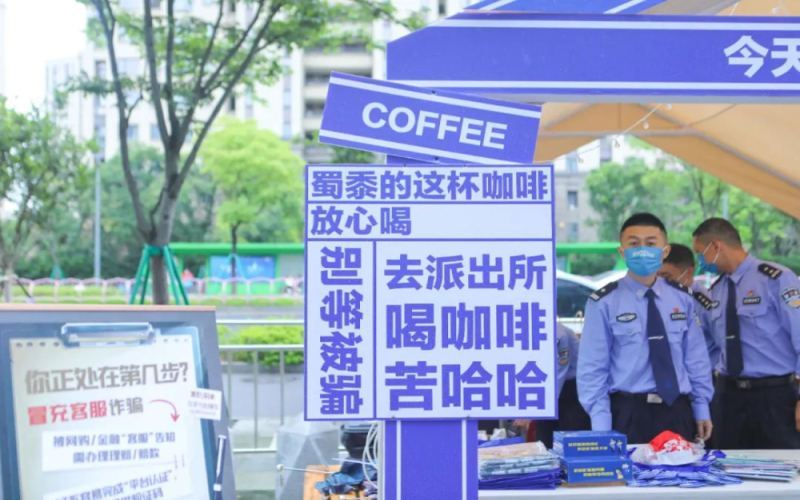
Ningbo Police Set Up a Coffee Stall? Anti-Fraud Campaign Gets Creative with Officers Brewing Coffee Themselves
A police station set up a coffee stall at a creative market, and the baristas were real police officers—the Jiangbei Branch of the Ningbo Public Security Bureau opened a POLICE COFFEE stall with the theme "Have you fought fraud today?", using coffee culture to close the distance with young people and deliver anti-fraud knowledge in a relaxed atmosphere. From cup sticker slogans to age-specific anti-fraud small gifts, from free coffee for collecting likes to stand-up comedy case studies, the police uncles racked their brains to protect everyone's wallets. This article takes you to see what is so special about this cup of "police coffee," and how police in multiple places are collaborating with cafes to promote anti-fraud awareness. [more…]
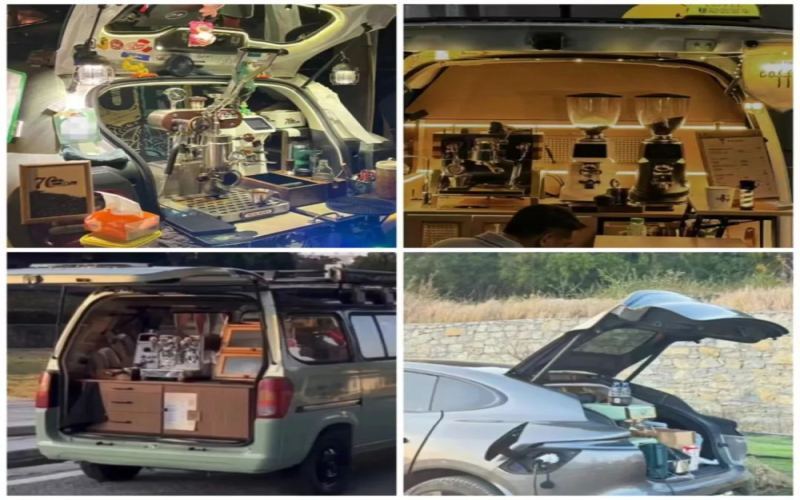
The Truth About Running a Mobile Coffee Cart: Customer Flow, Permits, and Profitability Behind the Low-Cost Entry
After the pandemic eased, mobile coffee carts and home cafés quickly gained popularity on Xiaohongshu. Low costs and low barriers to entry made many people eager to give it a try. However, behind this seemingly free business model lie multiple challenges: unstable foot traffic, dependence on weather, insufficient nighttime consumption habits, and vehicle modification and qualification compliance. Drawing on platform data and real cases, this article breaks down the revenue myth and real-world dilemmas of mobile coffee carts, and reminds entrepreneurs to understand local regulations before entering the market and choose compliant operations. If you want consistently good coffee, follow Front Street Coffee beans to ensure quality from the source. [more…]
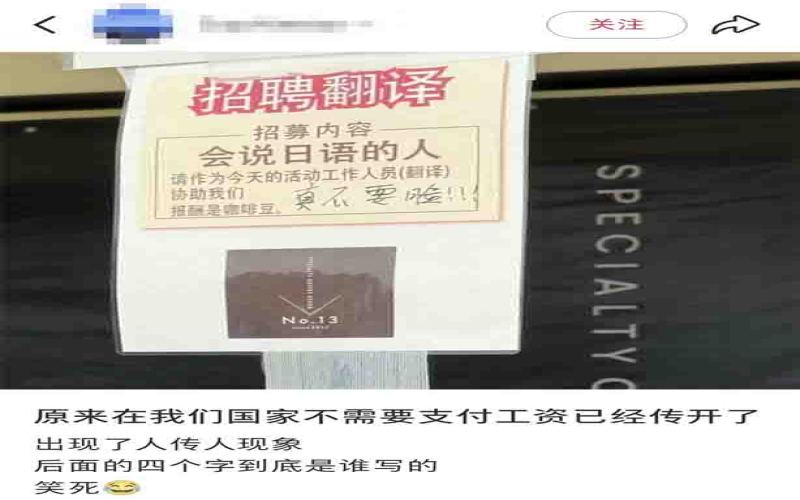
Coffee festival recruitment for Japanese translators offers coffee beans as payment, sparking both jokes and heated discussion online
Recently, at a coffee festival in Jiangmen, Guangdong, a coffee bean stall put up a notice recruiting a Japanese translator, claiming the payment would be coffee beans, which sparked widespread discussion online. In photos taken by passersby, someone had written "Shameless" in large characters in the blank space on the recruitment board. Netizens had mixed views: some joked, "Is it pure gold coffee beans?", while others speculated that the stall owner originally intended to recruit volunteers and thank them with coffee beans. The poster revealed that the stall owner might not understand Chinese and was unaware of the message. This article reviews the course of the incident and the views of all parties, and retains recommendations related to the Front Street brand. [more…]
A ride-hailing driver turned the center console into a pour-over bar, so you can get a fresh cup of coffee while waiting at a red light.
Everyone has seen mobile coffee carts, but have you ever seen a coffee bar installed inside a driver's cab, mounted above the center console? A Didi driver had a flash of inspiration and set up a complete pour-over coffee kit in his car, so he could brew himself a cup of hot coffee while stuck in traffic or waiting at a red light, and netizens jokingly dubbed him a "time management master." Some people envy him and want to copy the setup, while others worry that the equipment might tip over during sudden braking, or whether operating it while driving affects road safety. Is this cup of pour-over coffee brewed on the move a charming touch of life or a safety hazard? Front Street Coffee has also taken note of this topic and will walk you through the feasible boundaries of in-car coffee. [more…]

The Origin and Making of Hand-Whipped 400-Times Coffee: From Macau's Hon Kee Tea Stall to Korean Viral Fame
A cup of frothy coffee that requires repeated whipping hundreds of times quickly became popular due to the Korean variety show "New Product Launch Convenience Restaurant." During the pandemic, Koreans trapped at home rushed to imitate it, sparking a check-in craze on social platforms. Many people think this was invented in Korea, but its origins actually lie in Macau—at the Han Kee tea stall in an abandoned shipyard in the city's ring district. The owner mixed instant coffee powder, hot water, and granulated sugar in a 1:1:1 ratio, whipping it by hand at high speed to achieve a dense foam after about four hundred strokes. This article traces the origin and principles of this drink, and provides specific steps to recreate it using espresso and an electric milk frother, preserving Front Street Coffee's production demonstration and tasting experience. [more…]
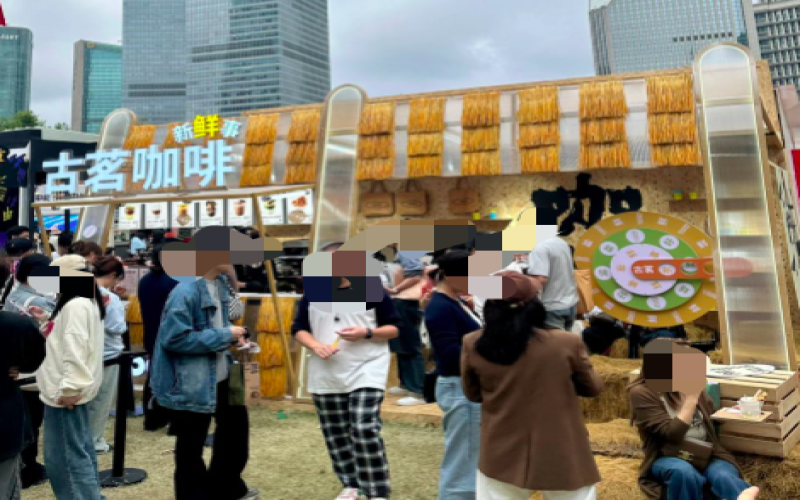
WBC champion Boram appeared at the Good-Me Coffee Festival booth shaking milk tea, while Luckin's collaboration with a coffee master sparked heated discussion.
A heavy downpour brought a distinctive African estate vibe to the coffee festival, and among the many stalls that insisted on staying open, the coffee pop-up stall from milk tea brand Good-mee unexpectedly became the center of attention. Besides the high-value-for-money specialty coffee that drew passersby to check in, the one-day store manager standing behind the bar attracted an even bigger crowd—none other than Boram Julio Um, champion of the 2023 WBC World Barista Championship, founder of Brazilian coffee brand Um Coffee Co., and one of the chief coffee masters collaborating with Luckin. The sight of this highly popular champion shaking milk tea for customers caught many people off guard, with some in the comments even calling out to Luckin, saying "Your handsome guy has been poached by Good-mee." So why exactly did this coffee industry star show up at the Good-mee stall? Let's revisit the lively scene together. [more…]
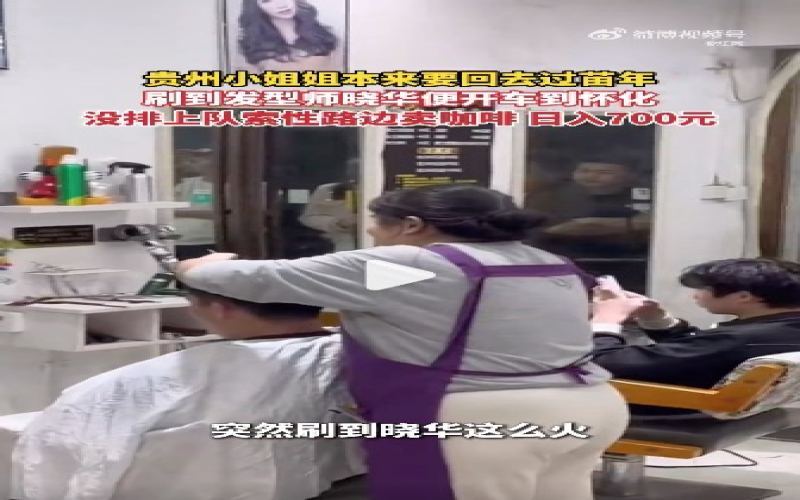
Hair Stylist Xiaohua from Huaihua Boosts Local Economy; Guizhou Woman, Unable to Get a Turn in Line, Sets Up a Coffee Stall on the Spot and Earns 700 Yuan a Day
Huaihua in Hunan Province quickly went viral on social media thanks to the sincere service of hairstylist Xiaohua, attracting over 200,000 visits in total, with more than 60 specialty shops already set up locally, and the culture and tourism authorities also rolling out supporting perks such as free admission to scenic spots. Amid this wave of traffic-driven dividends, a woman from Guizhou who had originally planned to get a haircut from Xiaohua queued for several days in a row but failed to get a reservation number, so she simply set up a temporary coffee stand beside her self-driving car, serving passersby pour-over coffee and reaching daily sales of around 700 yuan. This impromptu entrepreneurial move sparked heated discussion among netizens, with some praising her creativity and drive, and others questioning whether it was an elaborately planned marketing stunt. [more…]
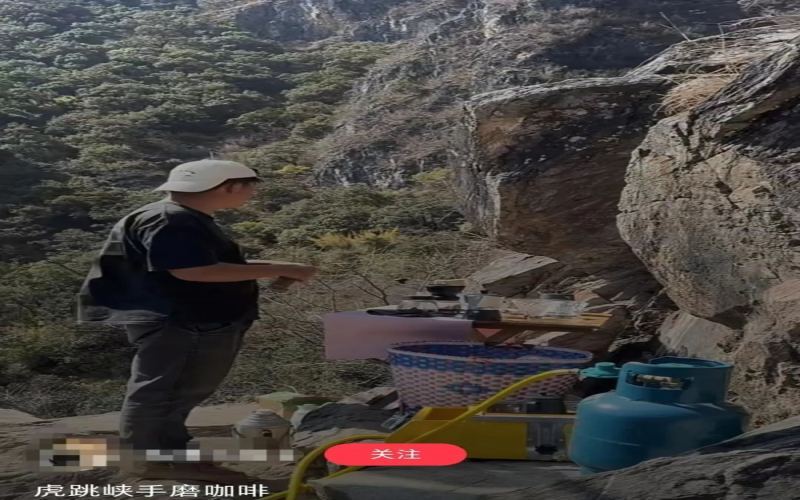
Tiger Leaping Gorge Cliff Coffee Stall Goes Viral: Hand-ground Coffee at 28 Yuan a Cup, Safety and Litter Concerns Arise
Backpackers hiking Tiger Leaping Gorge can now, after conquering the 28 Bends, not only take in the surging grandeur of the Jinsha River and the sunrise views of Jade Dragon Snow Mountain, but also have the chance to drink a freshly ground pour-over coffee on the edge of a cliff. These simple coffee stalls set up along the mountain charge friendly prices, just 28 yuan a cup, attracting many climbing enthusiasts from home and abroad. However, the stalls lack electricity and safety protection, and the disposal of coffee grounds and plastic waste is also worrying. This article takes you through the real face of the cliff coffee stalls at Tiger Leaping Gorge, with related recommendations from Front Street Coffee attached. [more…]

What boundaries should you observe when visiting a coffee shop? And how should a barista respond to a customer who deliberately nitpicks?
As more people become interested in specialty coffee, a new phenomenon has emerged in cafés: some customers, armed with scattered knowledge picked up from training classes or books, observe the barista's every move throughout the process and even offer pointers on the spot, leaving many café owners on edge. Compared with the old days of rival cafés coming to challenge them, this enthusiast-style nitpicking is actually more of a headache. Drawing on several real accounts, this article discusses what to keep in mind when visiting a café, what baristas should do when they encounter someone intent on challenging them, and how to give feedback on a cup of coffee that doesn't live up to expectations in a way that is both sincere and appropriately measured. [more…]