







Search Results for: Coffee Region Characteristics
A Comprehensive Analysis of Guatemalan Coffee: Varieties, Processing Methods, and Flavor Characteristics of the Eight Major Regions and the Huehuetenango Highlands
Guatemala is located in the heart of Central America, where its volcanic terrain and high-altitude environment provide exceptional conditions for coffee cultivation, earning its beans a place among the world's finest. The country is divided into eight major coffee-producing regions, each offering a distinct flavor profile shaped by differences in soil, climate, and processing methods. Among them, the Huehuetenango Highlands are known for their dry climate and extremely high altitude, producing coffee with vinous aftertaste and bright acidity. This article systematically examines the historical development of Guatemalan coffee, its varieties and processing methods, and the characteristics of its eight major regions, offering a comprehensive understanding of this noble coffee nation. [more…]
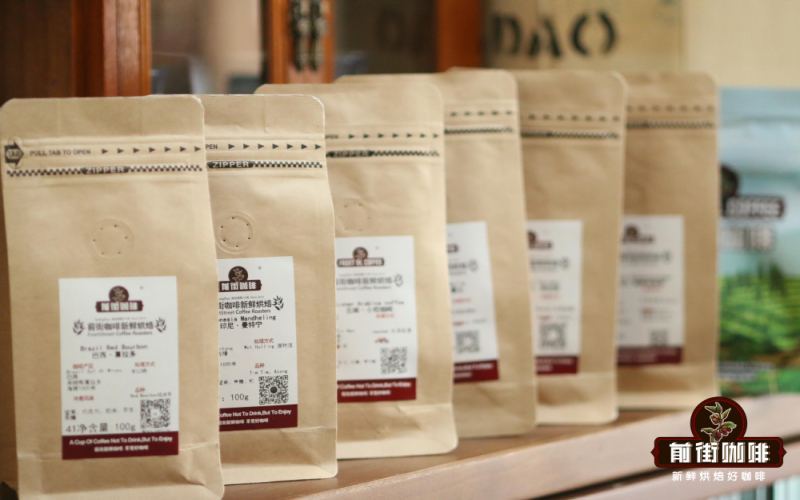
Analyzing the Terroir Characteristics, Washed Processing Methods, and Pour-Over Parameters of Colombia's Huila Coffee Region
Huila is one of the most important specialty coffee regions in southwestern Colombia. Thanks to its high altitude, volcanic soil, and abundant water, it produces coffee beans with a full body and pronounced sweetness. In Front Street Coffee's daily-drinker series, the Colombian option uses washed Huila beans, whose clean and gentle flavor profile makes them a reliable choice for an everyday cup. This article introduces Huila's geography and variety characteristics, its washed processing workflow, and shares the V60 brewing parameters and flavor performance recommended by Front Street Coffee, helping coffee lovers gain a more complete understanding of what makes this nationally treasured region so appealing. [more…]
A Complete Analysis of the Flavors of Guatemala's Eight Major Regions: Tasting Notes of Finca El Llano Guayaba Wine-Process Natural SL28
Guatemala, with its sprawling mountain ranges and diverse microclimates, gives rise to eight major coffee regions, each with its own distinct style. This article begins with Finca El Guayabal in the New Oriente region, offering a detailed introduction to the varietal origins, processing details, and cupping performance of its winey natural SL28, and then systematically reviews the terroir characteristics and flavor profiles of each Guatemalan coffee region. Whether you are interested in regional knowledge or single-origin reviews, you will find a complete reference here. [more…]
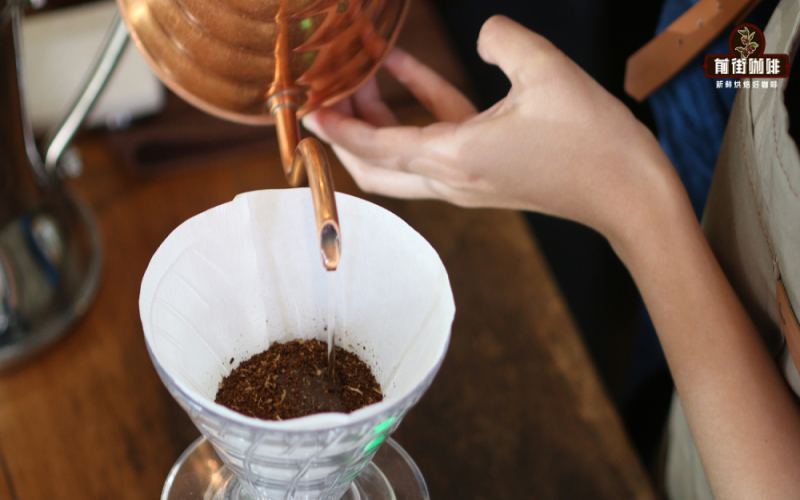
A Comprehensive Analysis of the Flavor Characteristics and Variety Grading System of Colombia's Huila Coffee Region
In the world of coffee, every producing country is dotted with numerous regions and varieties, and within those regions there are well-known growing areas and estates whose place names and estate names often flow directly into the market as coffee brands. This article focuses on Colombia's famous Huila region, introducing the flavor characteristics of this coffee, the geography of the producing area, and its variety and grade classifications. Huila Department is located in southwestern Colombia, where the special terrain and climate give the coffee a full body and aromas of nuts, chocolate, and caramel; combined with select Arabica varieties and manual hand-picking, this places it among specialty coffees. Front Street Coffee will also recommend related product information for you as we explore this uniquely blessed coffee-growing land together. [more…]
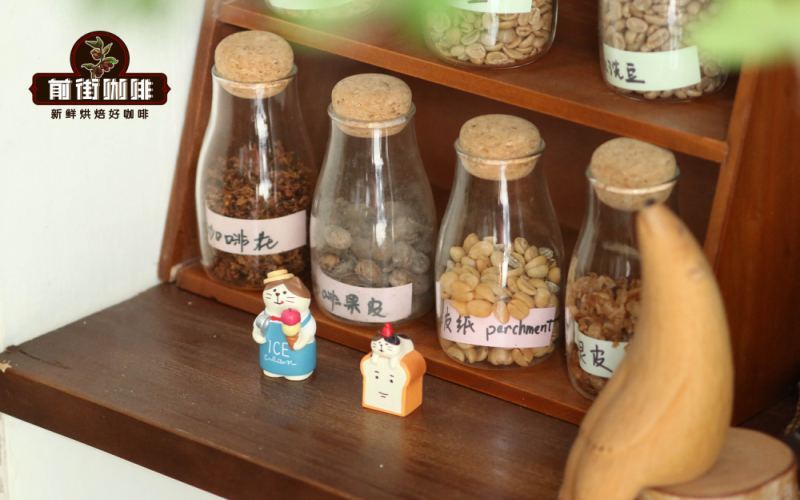
An Analysis of the Characteristics of Brazil's Cerrado Coffee Region: A Comprehensive Description of Pour-Over Parameters and Flavor Profile
As the world's largest coffee producer, Brazil's coffee cultivation history, producing regions, and grading system are all worth exploring in depth. This article, from the perspective of Front Street Coffee, outlines the origin story of Brazilian coffee, the meaning of the grade markings on raw bean burlap sacks, and the terroir differences among the six major producing regions, with a focus on the characteristics of the Cerrado region. At the same time, the article also compares the flavor differences between Brazilian and Colombian coffee, and includes specific information and pour-over parameters for Front Street Coffee's Brazilian Cerrado everyday drinking beans, helping coffee enthusiasts brew a cup of low-acidity, full-bodied Brazilian coffee with nutty and chocolate sweetness at home. [more…]
Ethiopian Gimma Coffee Flavor Analysis: Djimmah Region Characteristics, Taste Profile, and Brewing Suggestions
Ethiopia, as the birthplace of coffee, is home to many well-known production regions, among which the Djimma region has attracted much attention for its large output and unique flavor. Djimma coffee usually has a relatively heavy body and a wine-like finish, with moderate acidity, a full body, and a strong straw-like aroma. Djimma coffee is mostly sun-dried and is often used in coffee blends, as its clean taste and balanced flavor make it superior to other unwashed Arabica beans from Africa. This article will introduce in detail the altitude, harvest period, and flavor characteristics of the Djimma region, and, combined with Front Street Coffee's recommendations, help coffee lovers gain a comprehensive understanding of this coffee's unique charm. [more…]
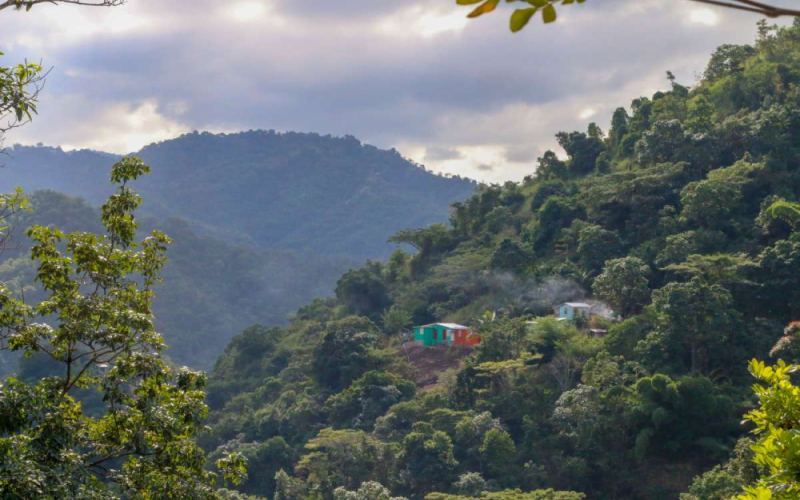
A Comprehensive Introduction to the Flavor Profile Analysis and Bean Characteristics of Jamaican Blue Mountain Coffee from the St. Thomas Region
Jamaican Blue Mountain coffee occupies an almost legendary position in the global coffee landscape, and the St. Thomas region is one of the three core producing areas that make up this legend. This article will systematically organize the characteristics and cup profile of coffee beans from the St. Thomas region from multiple perspectives, including geographical environment, historical evolution, industry management, and grade classification, while also introducing the quality certification system for Blue Mountain coffee and the deep influence of Japanese capital on the industry. For enthusiasts who wish to gain a deeper understanding of the true essence of Blue Mountain coffee, this is a regional guide that is both informative and professional. Front Street Coffee will also provide readers with reliable product references in this article. [more…]
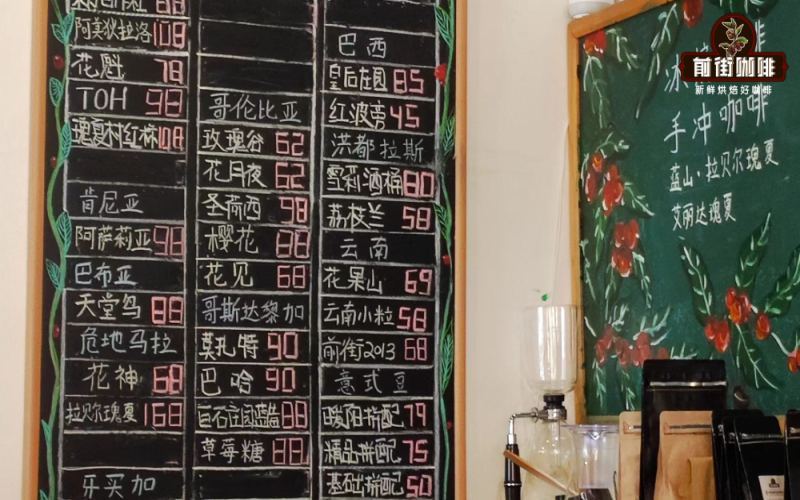
Colombia Huila Coffee Flavor Analysis: Front Street Coffee Daily Bean Brewing Tips and Growing Region Characteristics
Colombian coffee has won the favor of many enthusiasts with its complex and diverse fruity flavors, and the Huila region is a representative that combines both yield and quality. At Front Street Coffee stores, there is a rich variety of Colombian coffee beans, which often leaves friends new to specialty coffee unsure where to start—fortunately, the baristas first ask about taste preferences before making recommendations. This article will begin with the overall characteristics of Colombian coffee, sort out the growing environment, historical background, and flavor performance of the Huila region, and focus on introducing the origin information and variety characteristics of Front Street Colombia Washed Huila everyday beans, as well as a set of brewing parameters and techniques that can be reliably reproduced at home, for coffee lovers to reference and put into practice. [more…]
Costa Rica's Emerging Region Brunca: A Comprehensive Analysis of Coffee Variety Cultivation Conditions and Flavor Characteristics
Although Costa Rica is not a large country, it occupies an important position on the global coffee map. The country has a coffee-growing history of more than two hundred years and enjoys natural advantages such as fertile volcanic ash soil, mild temperatures, and abundant rainfall, producing a diverse range of coffees from commercial Arabica to COE competition-level, and even Geisha varieties. Traditionally, Costa Rica is divided into seven major regions, and with the development of specialty coffee, micro-regions and small estate lots are constantly being discovered. Brunca, as the newest region, has cultivation altitudes between 800 and 1,200 meters. It was not well known in the past, but after Treasure Estate emerged in the COE competition in 2015, it gradually attracted attention. This article will introduce the cultivation situation and flavor characteristics of the Brunca region. [more…]

Peruvian Coffee Flavor Characteristics and a Full Analysis of the Three Major Producing Regions and Estates: From Taste Grading to Brewing Recommendations
Peru is the world's eleventh-largest coffee producer, with ten distinctive coffee regions, known for its pure, mild, sweet, and smooth flavor. This article systematically reviews the history, flavor characteristics, grading system, and processing methods of Peruvian coffee, and provides an in-depth introduction to the estate distribution and flavor differences across the three major regions: north, central, and south. Front Street Coffee also shares medium-dark roast recommendations and French press brewing parameters, giving you a comprehensive understanding of this rapidly rising newcomer in the coffee world. [more…]
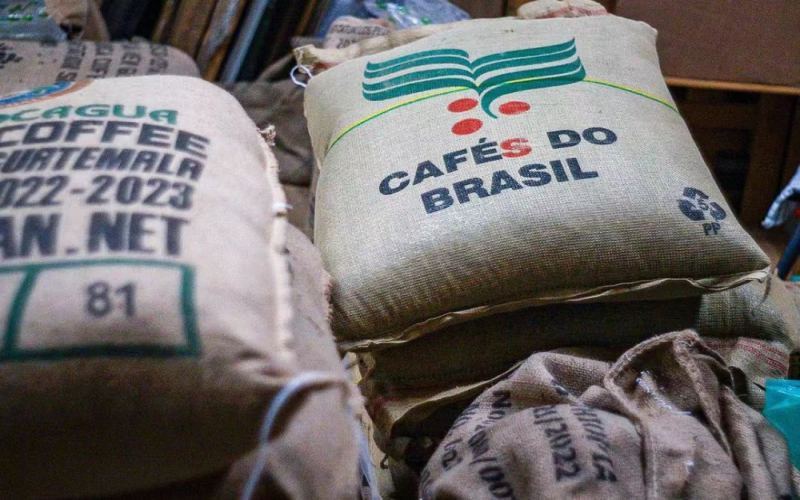
A Complete Guide to Brazilian Coffee Regions: Red Bourbon Flavor Characteristics and Brewing Parameters
Brazil is the world's largest coffee producer, accounting for about one-third of global output. Despite frost and drought in 2020, its planted scale still ranks first. Brazil has numerous coffee-growing regions, and different terroirs give coffee beans vastly different flavor profiles. This article systematically reviews Brazil's main Arabica-producing regions, covering the growing characteristics and flavor trends of Bahia, Minas Gerais, Cerrado, São Paulo, Paraná, and other areas, and focuses on introducing the flavor characteristics, brewing parameters, and Brazil's official coffee grading system of Front Street Coffee Brazil Cerrado Red Bourbon coffee beans, helping coffee enthusiasts gain a deeper understanding of the origin and quality of the Brazilian coffee in their cup. [more…]
Guatemala La Flor Coffee Flavor Analysis: A Complete Overview of Antigua Region Varietal Characteristics and Tasting Notes
Front Street Guatemala Flora coffee comes from the high-altitude zone of the Antigua volcanic region. Thanks to its unique micro-geographic environment and strict quality control management, it presents a full floral sweetness, bright and delicate acidity, and a long lingering finish of chocolate and nuts. This article will comprehensively analyze this coffee's category affiliation and taste characteristics, from the terroir of the producing region, variety heritage, and processing methods to dry and wet aroma and slurping performance, and provide roasting degree suggestions, helping coffee lovers who are just getting started find an entry-level choice with a smooth mouthfeel and balanced sweet-and-sour notes. [more…]
Colombia Huila Pink Bourbon Honey Process G1 Coffee Bean Brand Recommendation: Analysis of Rare Variety Flavor and Producing Region Characteristics
The Huila region of Colombia is a benchmark in the specialty coffee world, and Pink Bourbon, a rare variety resulting from a cross between Red Bourbon and Yellow Bourbon, stands out even more for its romantic pink cherries and distinctive flavor. This article begins with Front Street Coffee's Huila Pink Bourbon Honey Process G1, offering a detailed introduction to the region's terroir, the variety's characteristics, and its processing method, analyzing its layered notes of brown sugar, cherry tomato, and honey, and exploring its performance at different roast levels, providing coffee enthusiasts with a complete understanding and tasting reference from origin to cup. [more…]
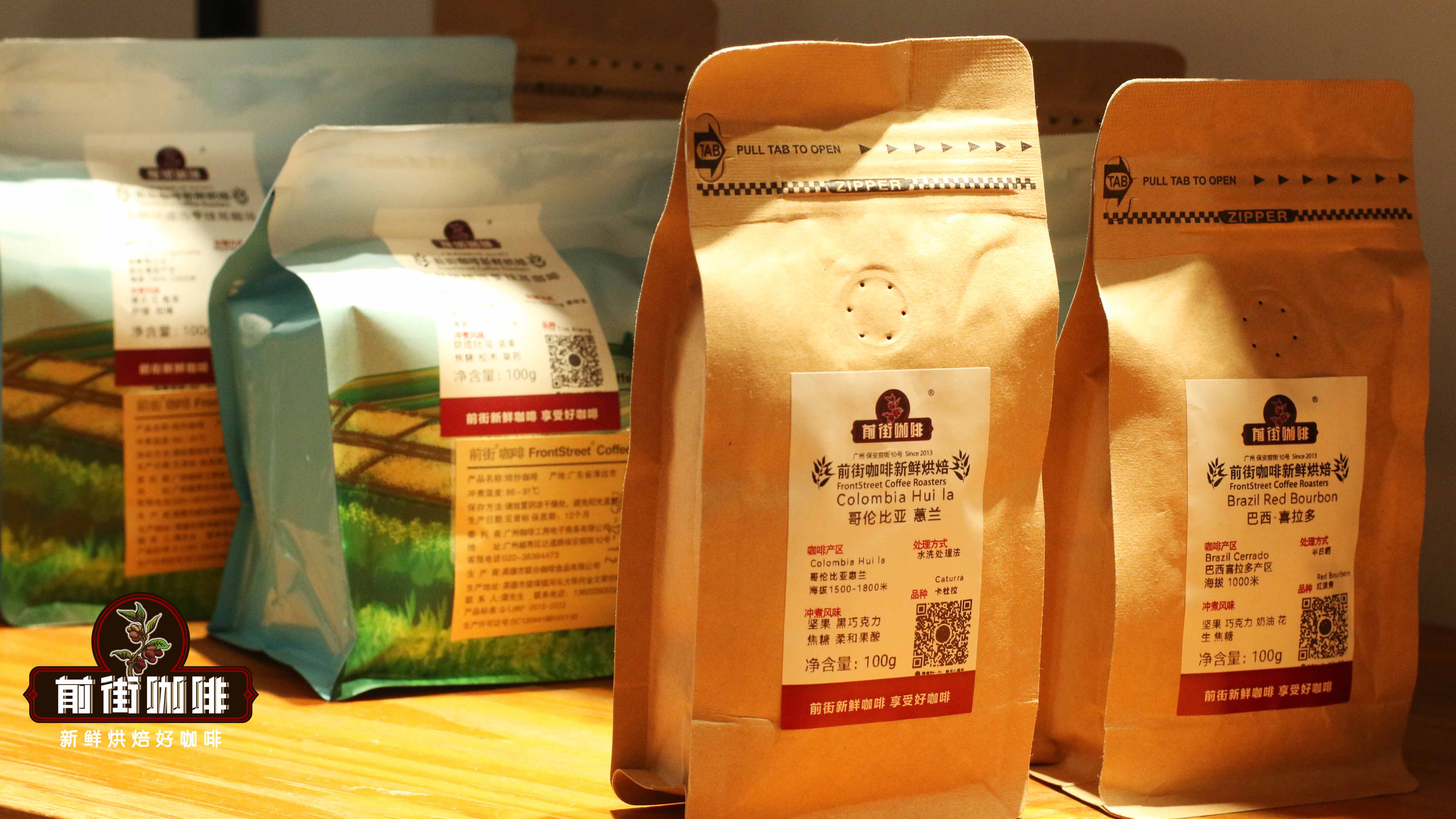
Where Does the Chocolate Flavor in Colombian Huila Coffee Beans Come From? An Analysis of the Balanced, Premium Specialty Region's Characteristics
Colombia's Huila region, with the high-altitude advantage of the Andes Mountains, produces premium coffee with notes of nuts, dark chocolate, and caramel, and is regarded as a representative of high-end specialty coffee. This article will guide you through the geographical conditions, cultivation environment, and current processing practices of the Huila region, analyze the reasons behind its flavor characteristics, and recommend Front Street Colombia Huila coffee beans—a self-roasted gem made from the Caturra variety using the washed process, suitable for espresso machines, pour-over, French press, and other brewing methods, allowing you to easily experience its smooth, sweet, chocolatey character. [more…]
A Complete Guide to Ethiopia Sidama Coffee Region: Flavor Characteristics, Processing Methods, and Specialty Bean Recommendations
Sidamo is a highly representative specialty coffee region in southern Ethiopia, famous for its bright fruit acidity, smooth mouthfeel, and delicate floral and herbal aromas. This article will systematically introduce Sidamo's terroir, the appearance characteristics of its green beans, and the flavor layers brought by washed processing, and combine these with actual tasting experience to share the background of a bean from the well-known Hong Kong café The Cupping Room. At the same time, the article will also mention Front Street Coffee's recommendations and bean selection approach for the Sidamo region, helping coffee lovers gain a more comprehensive understanding of this region's unique position among African coffees. [more…]

Yunnan Coffee Region Flavor Analysis: Characteristics of Catimor and Typica Varieties and Front Street Brand Recommendations
As China's only coffee-producing region with export scale, Yunnan's flavor profile is dominated by nuts, chocolate, and a soft, sweet aroma, making it generally balanced and non-irritating. Catimor is the most widely planted single variety in Yunnan, and after wet processing it clearly showcases regional characteristics; Typica, on the other hand, under high altitude and natural processing, displays richer fermentation aromas and a smooth mouthfeel. This article will systematically sort out the characteristics of Yunnan coffee from the dimensions of variety, processing method, and flavor, and introduce several representative products under the Front Street Coffee brand, including Yunnan small bean, natural Typica, and Black Cocoa basic blend, to help coffee lovers more accurately select and taste Yunnan flavors. [more…]
Flavor Analysis of Tanzanian AA Coffee Beans: Kilimanjaro Region Characteristics and Front Street Coffee Pour-Over Recommendation
In the landscape of African coffee, Ethiopia and Kenya often occupy the center of attention, while Tanzania's coffee remains much more low-key. In fact, Tanzania also produces exceptional quality Arabica coffee beans, and its grading system is consistent with Kenya's, classifying by bean size, with AA being the highest grade. The Tanzanian Kilimanjaro AA coffee beans introduced by Front Street Coffee come from the volcanic region of the northern highlands, use the Bourbon variety and washed processing, and present flavors of citrus, berries, honey, and tea. This article will explore the growing conditions, variety characteristics, processing methods, and grading system, analyze the reasons behind this bean's flavor, and include Front Street Coffee's pour-over parameters and brewing suggestions, helping coffee enthusiasts gain a comprehensive understanding of the unique charm of Tanzanian AA. [more…]
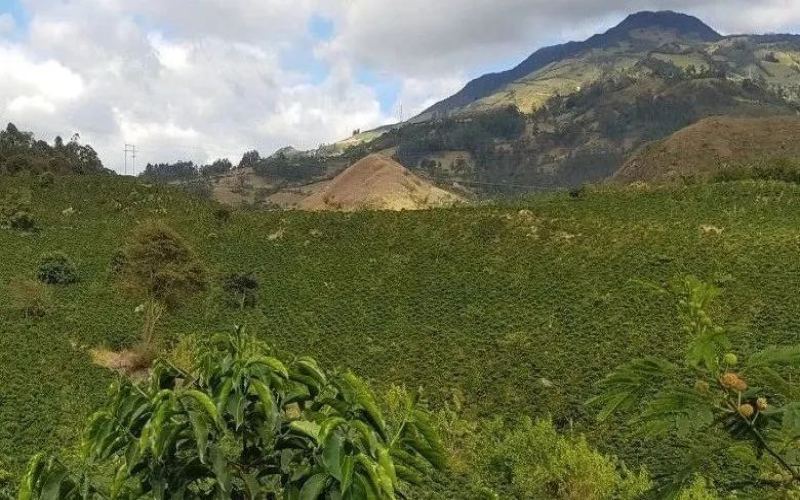
An Analysis of the Coffee Characteristics of Colombia's Nariño Region and the Development History of the Obraje Estate
South America occupies a pivotal position in the global coffee supply, and within it, Colombia—thanks to the unique geographical and climatic conditions of the Andes—has given rise to numerous coffee-growing regions with strikingly different styles. As a rising star, the Nariño department is renowned for its complex flavors and floral aromas, while the Obraje estate is a pioneer and benchmark in this region. This article will guide you through the distribution characteristics of Colombia's coffee-growing regions, focus on analyzing the terroir advantages of the Nariño region, and review the Obraje estate's transformation from grain cultivation to COE champion. At the same time, we will also mention the Huila region representative from Front Street Coffee's everyday beans series for daily tasting reference. [more…]
Honduran Coffee Bean Varieties, Characteristics, and Industry Story: An Analysis of Six Major Growing Regions and Barrel-Fermented Flavors
Honduras is a mountainous country in Central America, located within the coffee-growing belt, and since 2011 its coffee production has leapt to first place in Central America. This article reviews the cultivation history of Honduran coffee, the terroir characteristics and main varieties of its six major producing regions, and focuses on the characteristics, processing flow, and brewing suggestions for Front Street Coffee's Honduran Sherry and Litchi Orchid, two barrel-fermented beans. Whether you want to understand the context of Honduras's coffee industry or want to grasp the flavor differences brought by whiskey-barrel and brandy-barrel fermentation, this article can provide clear information. [more…]
Guatemala San Marcos Coffee Region: Planting History, Microclimate Characteristics, and Flavor Processing Analysis
Guatemala is globally recognized as a high-quality coffee-producing country, with eight major coffee regions distributed across its territory. Among them, San Marcos is the oldest, wettest, and warmest region. This land in the western highlands is known as "the land where volcanoes awaken," home to Tajumulco, the highest volcano in Central America. Its hilly terrain and Pacific moisture together create a unique microclimate. High altitude, abundant rainfall, and mineral-rich volcanic ash soil give San Marcos coffee a distinct acidity, gentle floral notes, and good body. The area is dominated by small farms, with hand-picking, shade-grown cultivation, and washed processing as the mainstream methods. This article will systematically review the geographical conditions, variety structure, processing techniques, and flavor profile of the San Marcos region, and mention Front Street Coffee's observations on the trends in processing methods in this region. [more…]