







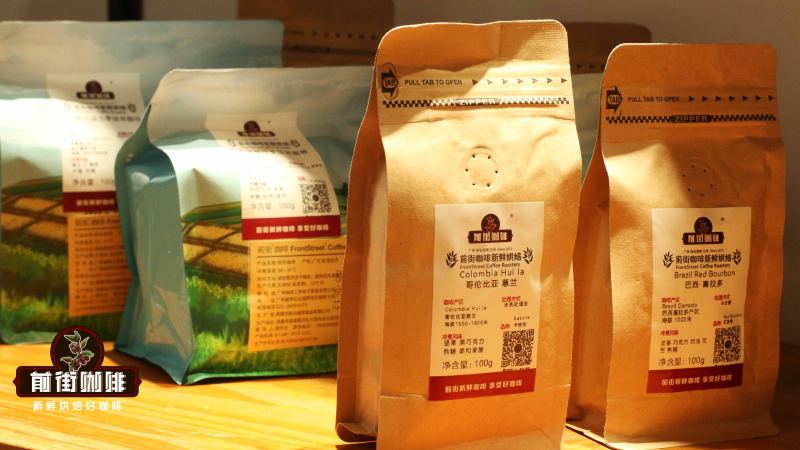
Why does Huila coffee taste of chocolate and caramel?
Huila coffee grows in southwestern Colombia, in the high-altitude mountains at the foot of the Andes, and is regarded as a representative of high-grade specialty coffee. The region's beans carry notes of nuts, dark chocolate, and caramel with just the right acidity and a thick body. The Caturra variety, washed processed, is typical of Huila and suits espresso, moka pot, French press, siphon, pour-over, and drip machines.
The Huila department sits at the southern end of Colombia's Central Cordillera, where altitude and mountain climate slow cherry development and concentrate sweetness. Many small place names in the department have become market brand names. Basic cultivation facilities on Huila coffee farms still need improvement, since green bean drying equipment and washed processing facilities remain incomplete, which affects consistency.
Colombia's Huila region, with the high-altitude advantage of the Andes Mountains, produces premium coffee with notes of nuts, dark chocolate, and caramel, and is regarded as a representative of high-grade specialty coffee. This article will guide you through the Huila region's geographical conditions, growing environment, and current processing situation, analyze the causes behind its flavor characteristics, and recommend Front Street Colombia Huila coffee beans—a self-roasted fine bean using the washed process and the Caturra variety, suitable for espresso machines, pour-over, French press, and many other brewing methods, letting you easily experience its smooth, sweet, chocolate-like character.
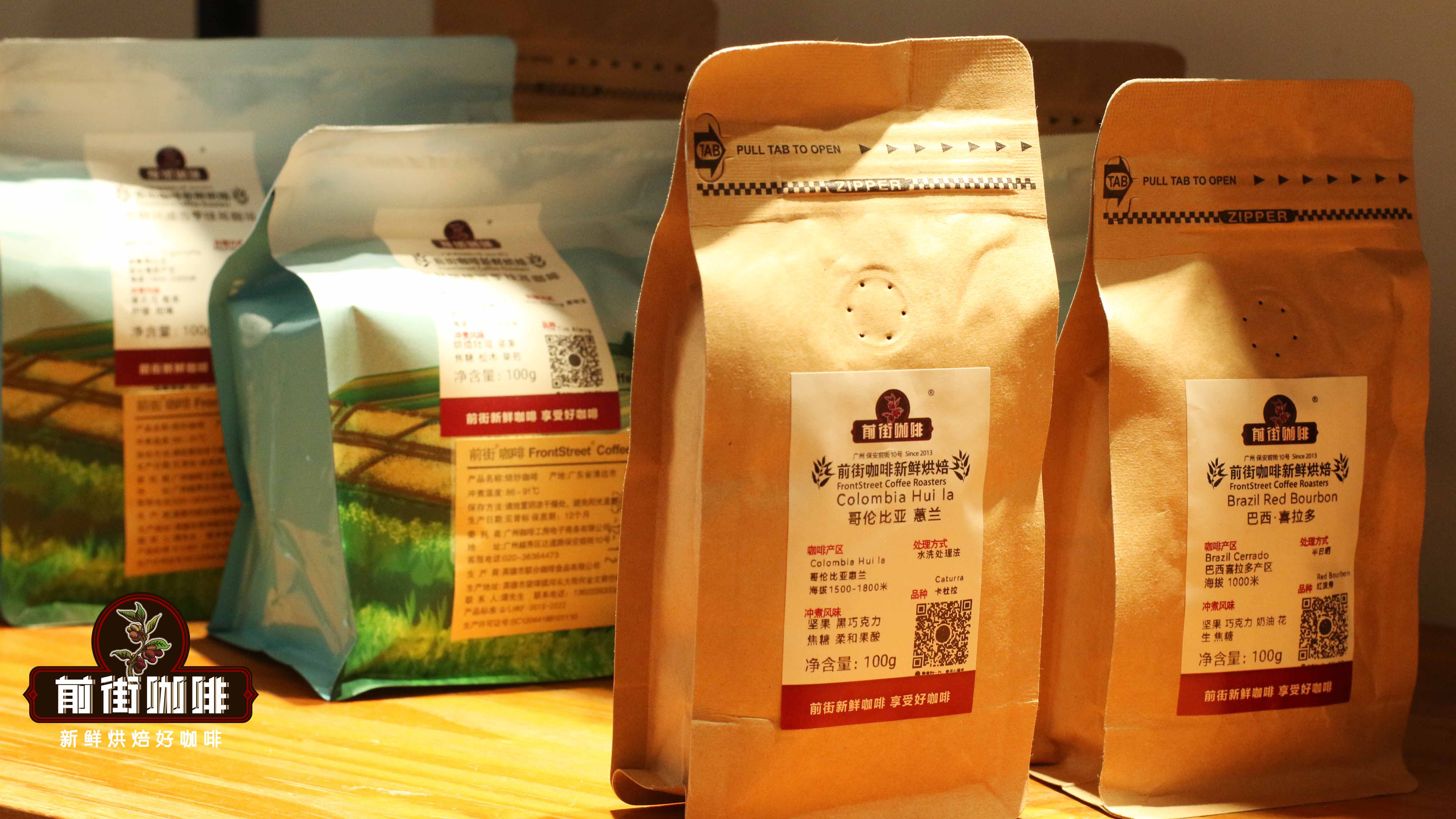
Front Street - Colombia Huila Introduction
Surrounded by the high-altitude mountains at the foot of the Andes, Colombian coffee is endowed with distinct flavor layers and outstanding quality. Some beans give off intense chocolate and nutty aromas, while others carry a jam-like sweetness. Here we especially recommend Front Street Colombia Huila coffee beans, made with the Caturra variety and processed by the washed method. Caturra is one of the most representative coffee varieties in the Americas, with prominent notes of nuts, dark chocolate, and cocoa; as the temperature drops slightly, a gentle fruity acidity emerges, and the cup is sweet and mellow without noticeable bitterness. Whether with an espresso machine, moka pot, French press, siphon, pour-over, or American drip machine, it is easy to handle.
Huila (Colombia Huila) is located in southwestern Colombia and is a vitally important coffee-growing region. Because the Huila department is home to many well-known coffee origins, the names of various small places gradually evolved into brand names circulating in the market. Although the growing conditions in this region are quite favorable, the basic cultivation facilities on coffee farms and in their surrounding areas still need improvement.
The green bean drying equipment and washed processing facilities are still incomplete, which is truly regrettable. Huila coffee has an intense mouthfeel and a thick body. Especially notable are the nut, chocolate, and caramel aromas possessed by coffee from this region, plus just the right acidity, enough to rank among high-grade specialty coffees.
The Huila department sits at the southern end of Colombia's Central Cordillera, and is the country's most renowned specialty coffee region. This place is surrounded by mountains, mostly hilly terrain, with a growing altitude above 1,500 meters. Colombia's most important rivers converge here, bringing abundant water resources and moisture.
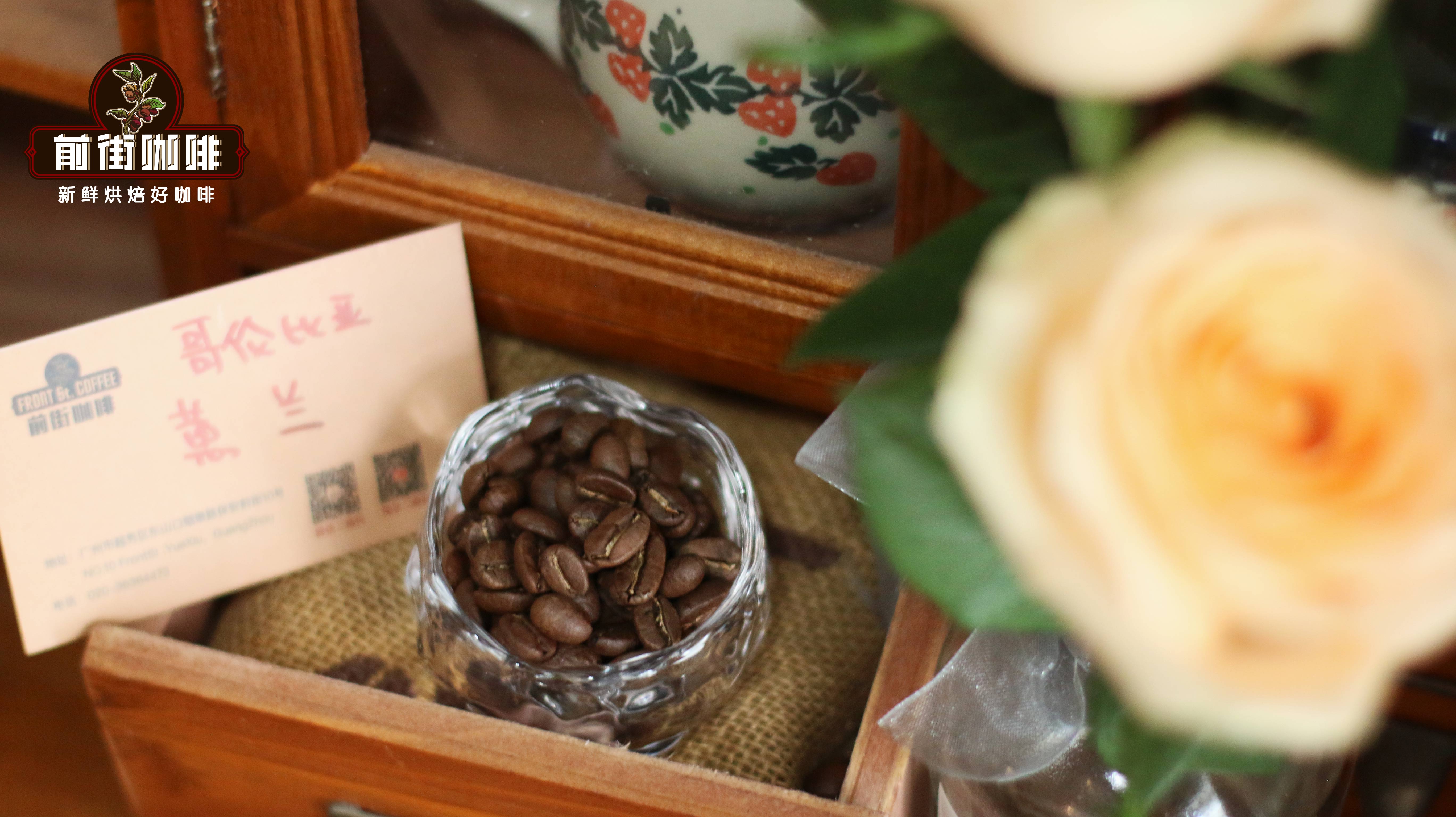
Unlike the general impression of Colombian coffee as balanced and mellow, many Colombian specialty coffees produced in smallholder micro-lots actually carry distinct regional flavor characteristics.
In recent years, as the international market has placed increasing importance on coffee quality and raised its demands for specialty coffee, the original system of grading by bean size has gradually been abandoned, shifting instead mainly to micro-regional selections provided by smallholder coffee producers in micro-producing areas. Dozens of smallholders aggregate their individual harvests into a single micro-lot for sale, and thus have more opportunities, through lot-by-lot cupping, to directly select many specific smallholder coffees of excellent quality.
Knowledge point: High-quality coffee fruits usually have good shade cover; tree shade can block direct sunlight at the high temperatures of noon, slow the coffee's metabolism, and help the accumulation of nutrients, fruit acids, and aromatic substances.
In short: Front Street Coffee is a specialty store for self-roasted coffee beans, happy to share coffee-related knowledge with everyone and to let more friends drink freshly roasted good coffee at the most affordable prices—this has also been the mission Front Street has adhered to for more than ten years!
The above content is compiled by CoffeeHunters, a coffee news website.


