







Search Results for: Coffee Drinking Details
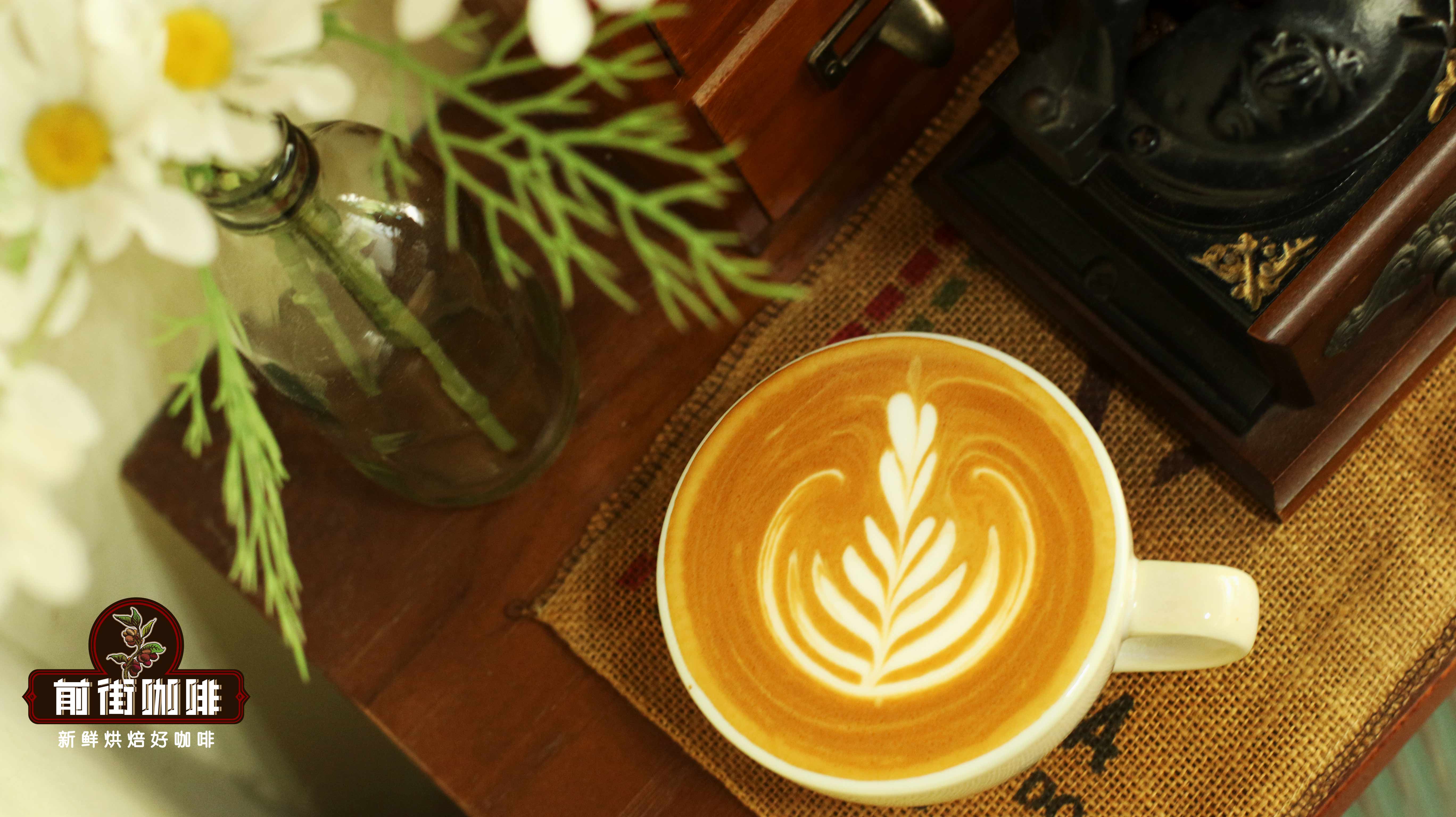
Latte Coffee Espresso to Milk Ratio | How to Make a Latte Just Like a Coffee Shop? What Kind of Espresso Beans Are Suitable for Latte Art? Introduction to the Operational Details of Making Latte Art
"Boss! Why doesn't the latte I make at home taste as good as the one in your shop? Are you hiding some secret recipe?" This is a conversation that tends to pop up after many customers try the latte sold at Front Street Coffee shops~ To be fair, latte coffee doesn't have that many key points; you just need to pay attention to a little [more…]
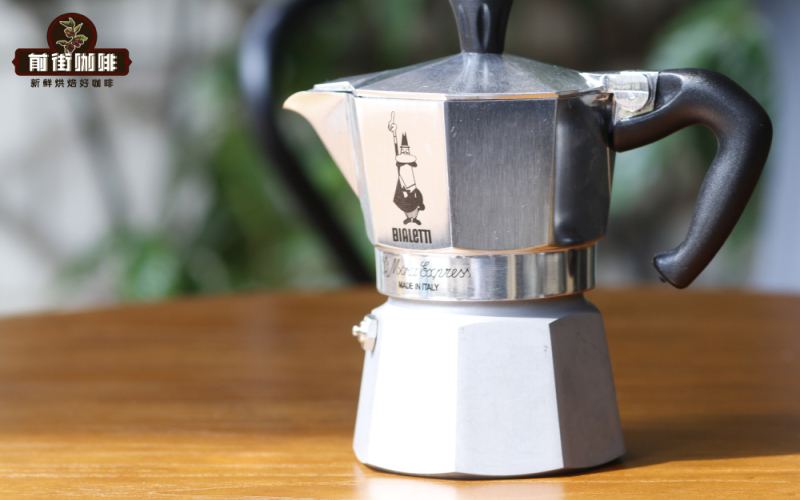
Moka Pot Coffee Brewing Guide: The Origins, Principles, and Operational Details of the Classic Bialetti Octagonal Pot
The moka pot is the go-to device for many coffee lovers to make rich coffee at home, and Bialetti's classic octagonal pot is the most iconic example of them all. This article begins with the story of the Bialetti moka pot's birth, tracing how this classic device went from 1933 to households around the world, and breaks down in detail the moka pot's three-layer structure and pressure-extraction principle. On this basis, Front Street will draw on its own experience to share the specific steps for brewing coffee with a moka pot, including how to choose coffee beans, the key points for controlling grind size, and the crucial details during the heating process, helping you consistently make a cup of rich, smooth moka pot coffee at home. [more…]
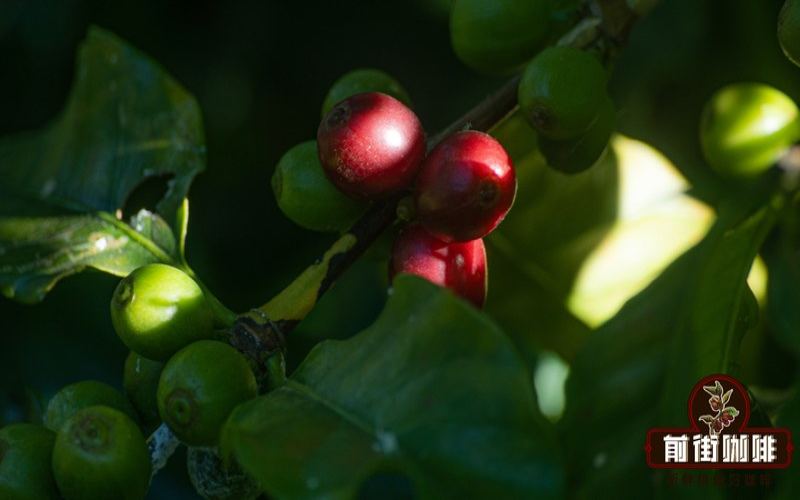
After opening a bag of floral coffee beans, when is the best time to drink it?
The charm of floral-style coffee often isn't limited to that first sip. When freshly ground, it may show notes of fresh-cut flowers, citrus peel, or berries; once brewed, it shifts into tea-like aromas, fruity sweetness, and a light acidity. To taste these details, when choosing beans, besides looking at the flavor description, you should also pay attention to the roast date, the condition of the packaging, and how you plan to [more…]
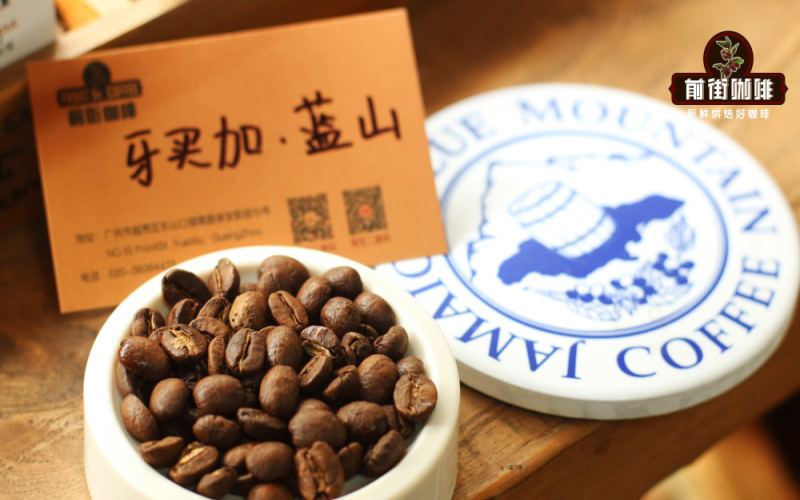
Pour-over Coffee Brewing Details | How to Brew Single-Origin Beans Once Ground? Is Blooming Necessary for Pour-over? An Introduction to Pour-over Coffee Pouring Techniques and Extraction Parameters
After patiently listening to the barista's explanation and painstakingly choosing a bag of coffee beans to take home, you also "follow the same pattern" according to the brewing suggestions, only to find that the coffee you brew is vastly different from what you drank in the shop. You think it over and over, but still can't figure out where the problem lies... This is very likely caused by overlooking a certain detail. [more…]
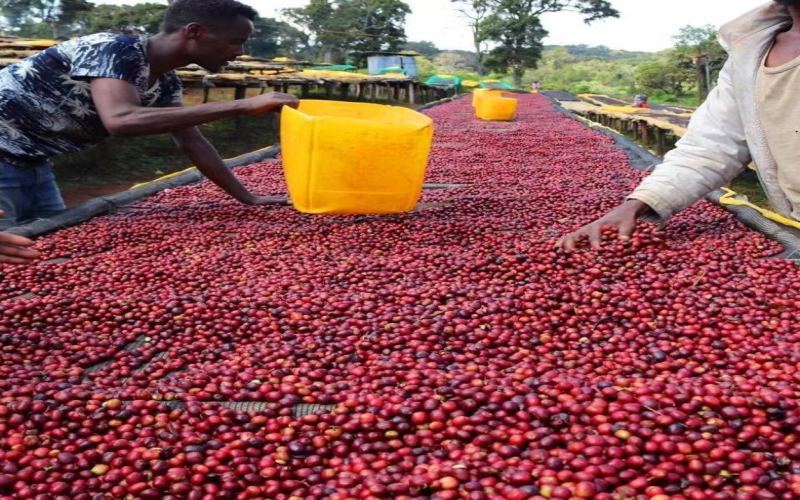
Common pour-over coffee beans: choosing based on body and cleanliness
When you first start buying beans, rather than chasing breadth of flavor, it's better to first dig deep into a single bean: choose one with a clear flavor profile and high brewing compatibility, lock in the dose, grind, and water temperature, then observe the details of the entry, sweetness, and finish—this is how a flavor reference is established. Pour-over flavor comes from origin, variety, processing method, and roast level. [more…]
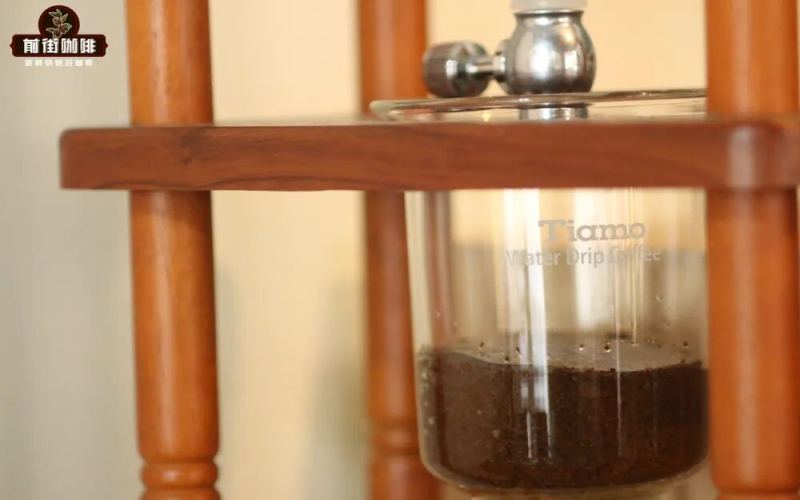
Cold Brew Coffee | Which coffee beans are suitable for cold brew coffee? What is the process for making cold brew coffee? How fine should the coffee grounds be ground for cold brew?
Making a delicious cold brew coffee requires attention to many details, such as the choice of cold brew coffee beans, grind size, coffee-to-water ratio, drip rate, storage and shelf life, and so on. So today Front Street will cover all these operational details in this article. 1. Coffee beans for making cold brew: both cold brew and ice drip belong to low-temperature extraction. [more…]
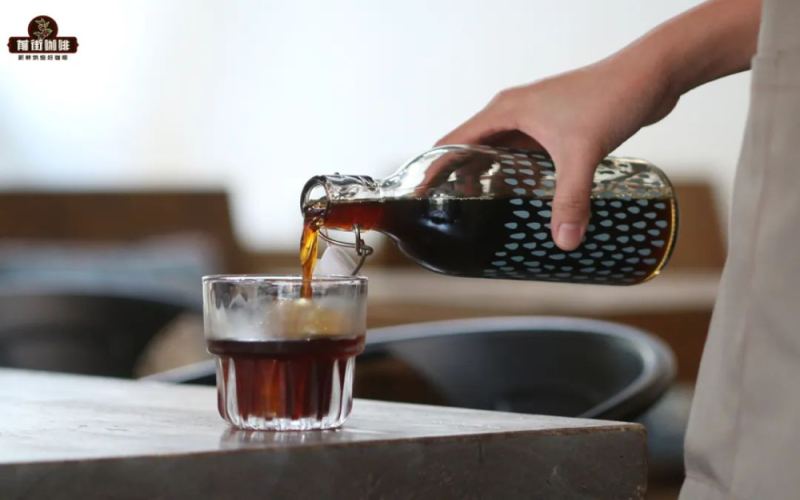
Cold Brew Coffee Grind Size Recommendations | What Are the Coffee-to-Water Ratios and Techniques for Making Cold Brew Coffee? Can Blended Coffee Beans Be Used for Cold Brew Coffee?
What makes a good cold brew coffee? There is no detailed standard; everyone has their own methods and standards. What details should be noted when making cold brew coffee—bean selection, grind size, coffee-to-water ratio, drip rate, storage and shelf life, and so on? Today's article will cover various operational details. [more…]
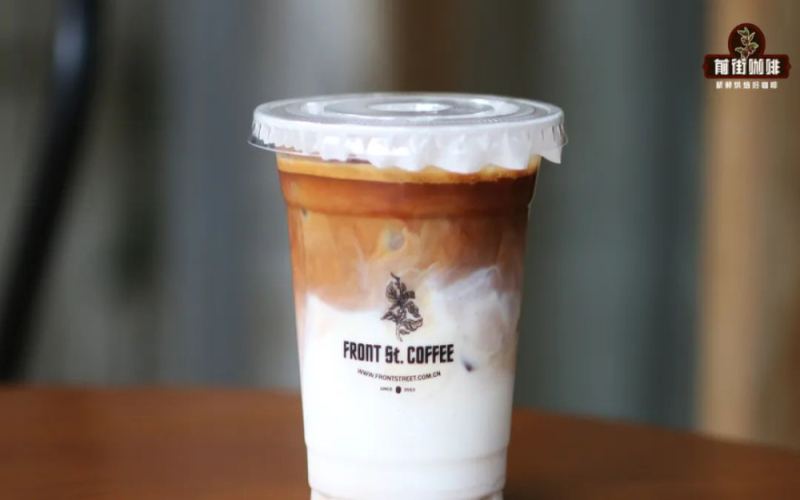
Step-by-step Guide to Making Iced Latte: A Full Breakdown from Bean Selection and Milk Choice to Ratio Control and Technique Tips
An iced latte may seem like it only takes three steps to make: add ice, pour milk, add coffee. But to truly make a delicious iced latte, there are quite a few details to consider behind the scenes. From choosing coffee beans and milk, to the ratio between espresso, milk, and ice, to the rhythm of operations during extraction and assembly, every step directly affects the final flavor performance. This article uses Front Street Coffee's iced latte preparation as an example to sort out three key aspects—material selection, milk-to-coffee ratio, and operational details—to help coffee enthusiasts consistently reproduce a balanced, layered iced latte at home. [more…]
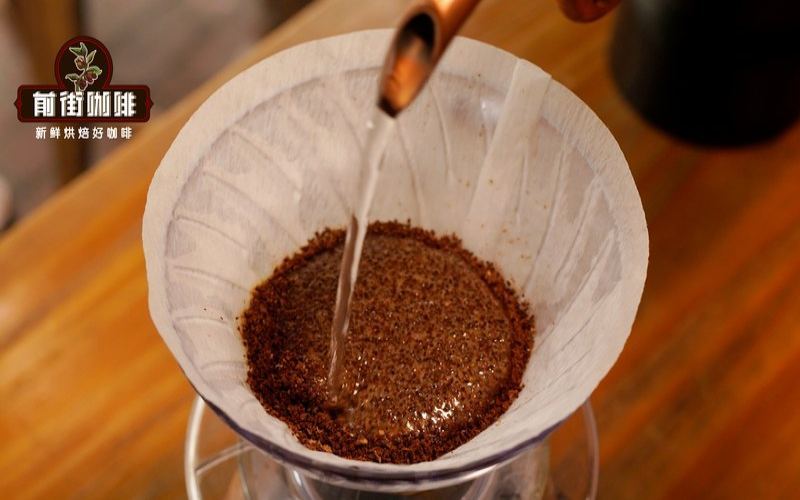
Floral and fruity pour-over beans: a flavor timeline after opening the package
In a cup of floral-fruity pour-over, the aroma changes over time. Freshly roasted beans usually carry more roasting gases, so the brew may have a scattered aroma and pronounced acidity, with the details not yet fully developed. After some time, the floral notes, fruity sweetness, and tea-like quality gradually become clearer, and the layers are more easily revealed on the palate. When buying beans, [more…]
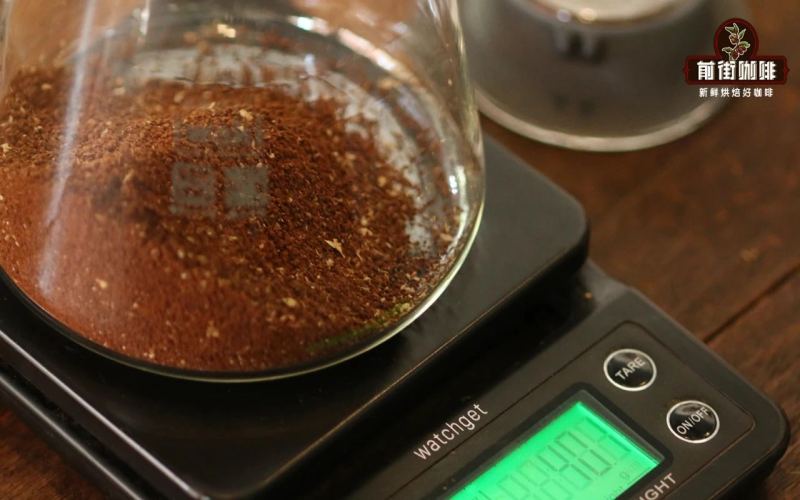
Cold Brew Shelf Life | Does Cold Brew Coffee Taste Better the Longer the Coffee Powder Steeps? What Key Points Should You Note When Making Cold Brew Coffee? Cold Brew Coffee Grind Size, Coffee-to-Water Ratio, and Extraction Parameters
Some may think that cold brew coffee is simply coffee grounds soaked in cold water for a long time. Actually, that's not the case! A delicious cold brew coffee involves more than just these elements; it also requires attention to some small details to assist our extraction. But as long as we do it right, we can easily make it with just a few steps. [more…]
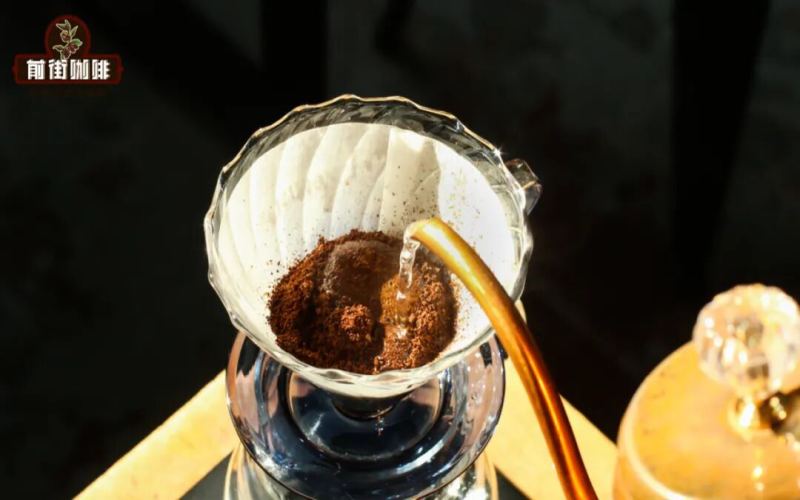
Pour-over coffee pouring techniques | How to make delicious pour-over coffee with a cake filter cup? What coffee flavors does Hacienda La Esmeralda Diamond Mountain present after brewing?
Water flow control, timing of pouring, and the harmonization of various parameters are all details we need to pay attention to during the coffee brewing process. Even for the three-stage pour, which Front Street Coffee considers the easiest way to brew good coffee with the highest margin for error, none of these three details can be neglected during brewing. When you stay focused for a long time or over many repetitions, [more…]
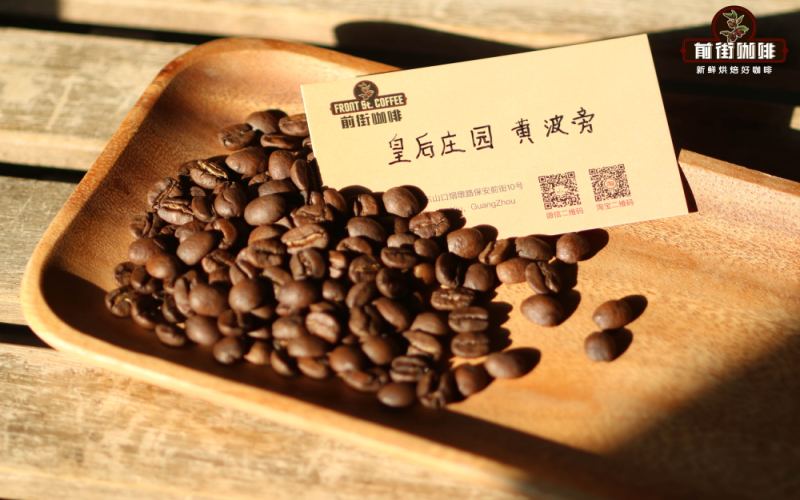
Nutty-Flavored Americano Coffee Beans Recommendation | How to Make a Delicious Americano at Home? 3 Key Steps for Beginners to Make Café-Style Black Coffee!
American coffee has attracted many office workers because it lets you enjoy the coffee aroma brought by espresso—refreshing and mellow, without being masked by milk. But in fact, if we have a home coffee machine at home, we can easily make the same American coffee as in a coffee shop, though there are a few details to pay attention to. 1. Purchasing [more…]
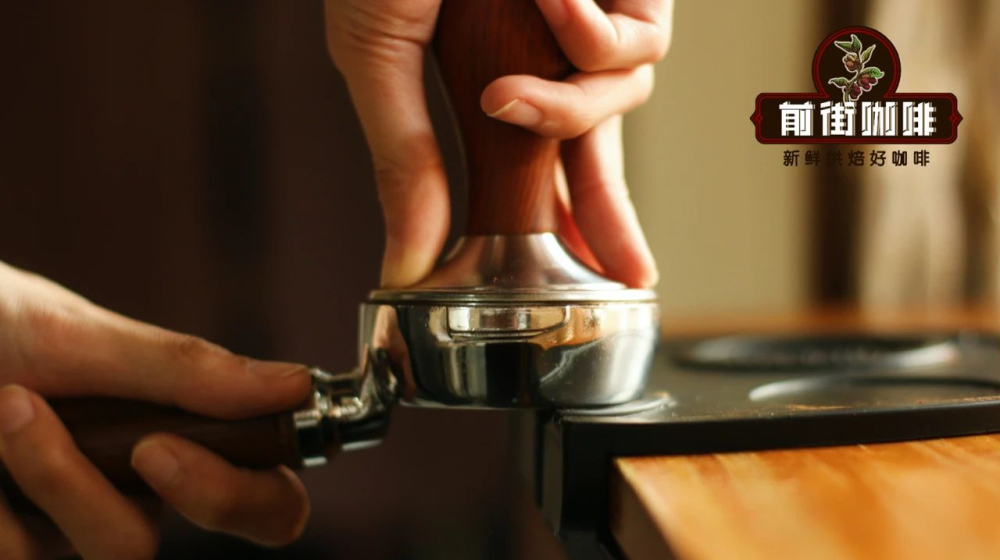
Americano | How do you drink espresso? Is iced Americano black coffee addictive?
Everyone is familiar with Americano. Coffee fans who often visit Front Street Coffee know that Americano is made by combining espresso from a coffee machine with an appropriate proportion of water. Americano has basically become a standard item on coffee shop menus, and those who have been to [more…]
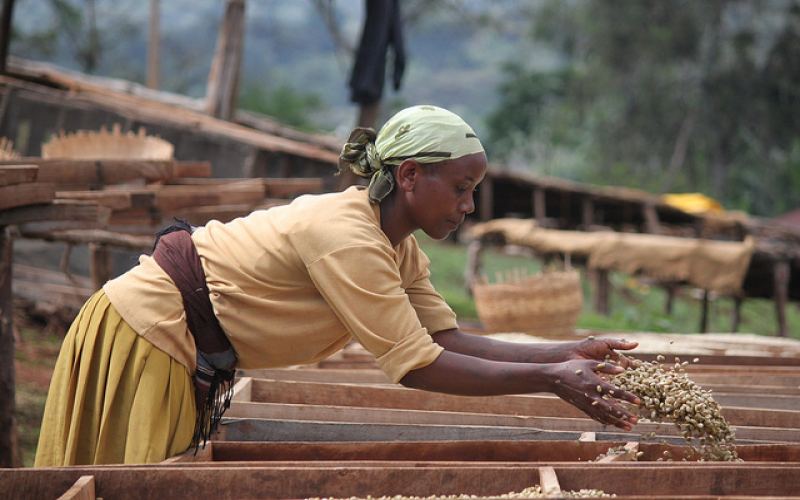
The roast level of a pour-over determines which aromas take the stage
The roast level of single-origin beans for pour-over is like choosing a route on a flavor map. Roasted lighter, the cup often has bright fruit acidity, floral notes, and a clear, crisp texture; when the roast moves toward the middle, sweetness, acidity, and body are more easily brought into balance; beans with a darker color push cocoa, nut, and caramel tones to the forefront. First, get to know [more…]
Cold Brew Coffee Shelf Life | How Can Coffee Beginners Make Cold Brew Coffee at Home? Should Fresh Coffee Beans Be Used for Cold Brew? What Should Be Noted During Making?
Some may think that cold brew coffee is simply coffee grounds soaked in cold water for a long time. Actually, that's not the case! A delicious cold brew coffee involves more than just these parts to consider; it also requires attention to some small details to assist our extraction. But as long as we do it right, we can easily brew it with just a few steps. [more…]

The Origin and History of Americano Coffee | What's the Difference Between Americano and Espresso? How Do You Define a Proper Espresso? What's the Espresso Coffee-to-Water Ratio?
Everyone is familiar with Americano. Coffee enthusiasts who often visit Front Street Coffee (FrontStreet Coffee) know that Americano is made by combining espresso from a coffee machine with a suitable proportion of water. Americano has basically become a standard item on coffee shop menus, and those who have been to [more…]
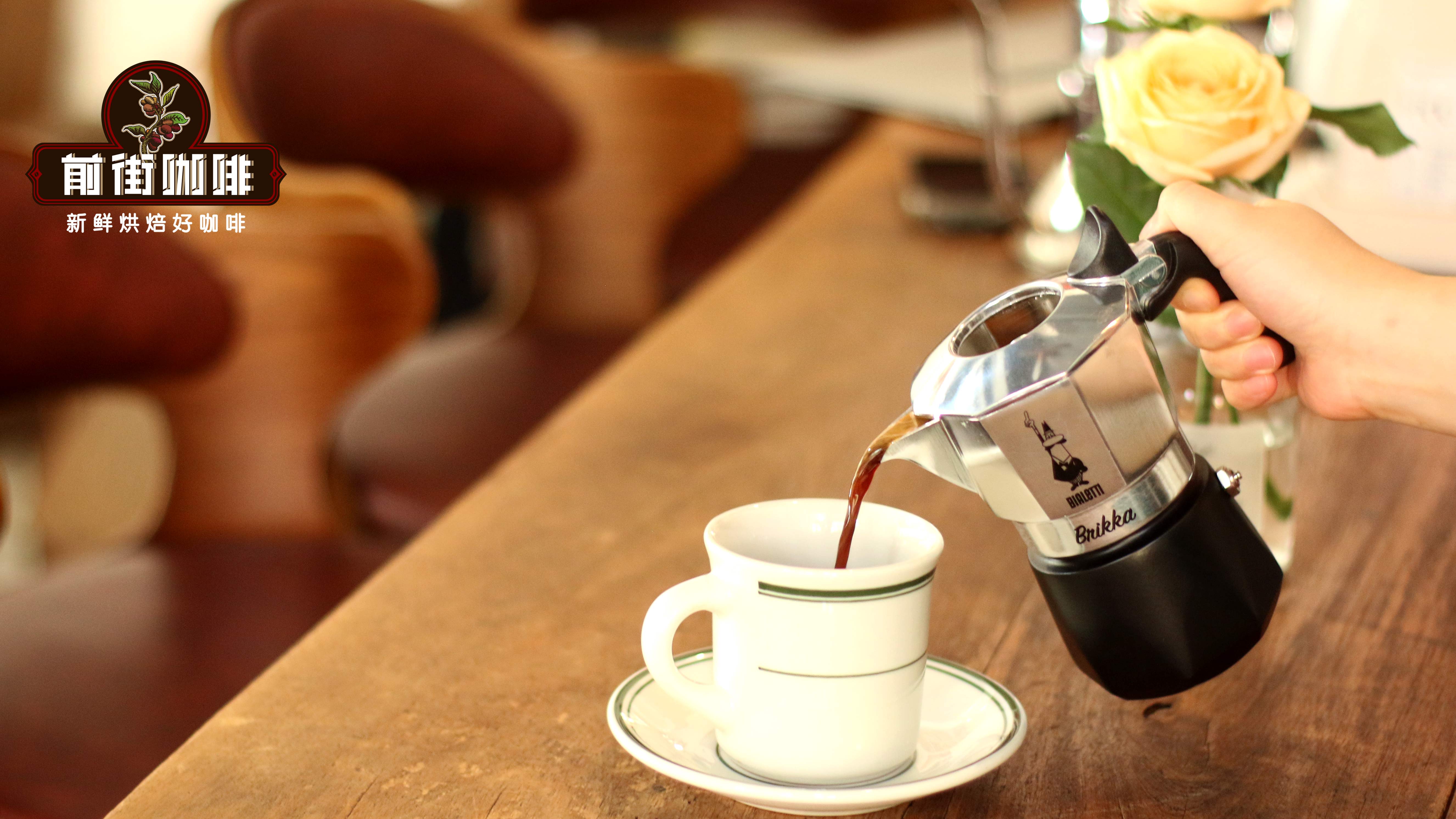
The Complete Moka Pot Guide: From Bean Selection to Grinding to Extraction, Easily Make Espresso with Crema
The moka pot, with its compact convenience and easy learning curve, has become the first piece of equipment for many coffee novices entering the world of home-brewed espresso. But if you want to use it to make an espresso with rich crema and balanced flavor, every step—from bean selection and grinding to heating rhythm—requires careful attention. This article, combining text and images, systematically explains the complete operation process of the moka pot, including suitable coffee bean types, criteria for judging grind size, details of adding water and tamping coffee grounds, and key points of heat control during extraction. It also includes common drinking methods such as Americano, latte, and Vietnamese coffee, helping enthusiasts avoid detours and consistently reproduce their ideal flavor. [more…]
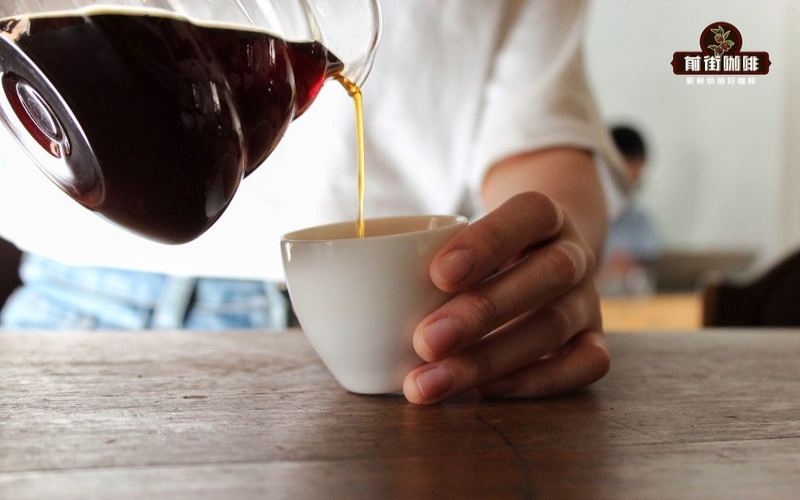
After the roast date, blends and SOE each have their own drinking calendar.
After coffee beans leave the roaster, they continue to release carbon dioxide, and their aromas are still in a phase of recombination. Freshly roasted beans do not necessarily mean better taste right away: when there is too much gas, espresso can be erratic, and the pour-over coffee bed will visibly puff up. Understanding the changes after the roast date makes it easier to plan out the drinking rhythm for a bag of beans. [more…]
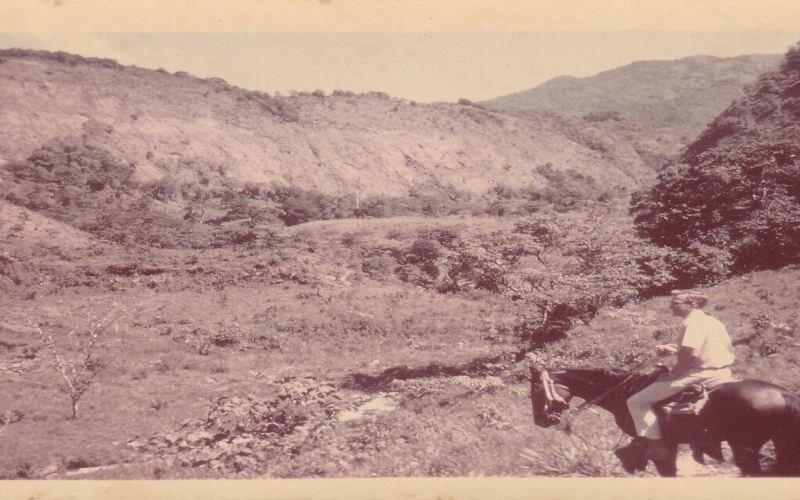
American-style coffee beans within their peak flavor window: the selection and drinking rhythm from degassing and resting to opening and storage
The clear, translucent mouthfeel and layered complexity of Americano depend largely on the活跃 state of the flavor compounds inside the coffee beans. Freshly roasted coffee beans do not reach their full, vibrant state immediately; the carbon dioxide that builds up inside them is slowly released over time. Understanding this pattern of change can help us follow the beans' natural rhythm and, at [more…]
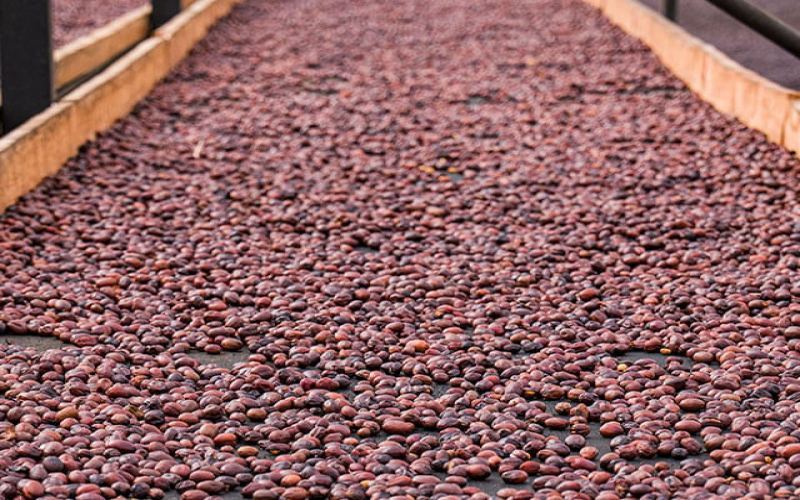
Understand the degassing period and drinking window on coffee bags to pick single-origin pour-over beans that are smooth without sourness or bitterness
Freshly roasted coffee beans hold a large amount of carbon dioxide internally. When brewed immediately, the violently released gas tends to obstruct the even contact between water and coffee grounds, making the extracted flavors taste tight and astringent. To bring out a smooth and gentle texture in the cup, it is essential to understand the evolution of the beans from the moment they leave the roaster until the aromatic compounds fully unfurl. [more…]