







Search Results for: Coffee Cup Types

Common Types of Italian Coffee | What Are the Classic Milk Coffee Recipes? What's the Difference Between a Latte, Macchiato, Cappuccino, and Dirty?
Espresso is a must-have beverage in every café. Many people's first impression of espresso is that it's unbearably bitter. In fact, espresso isn't limited to such bitter shots. If you want an espresso that isn't bitter and suits your taste, the first thing you need to understand is the different types of espresso. Front Street Cof [more…]
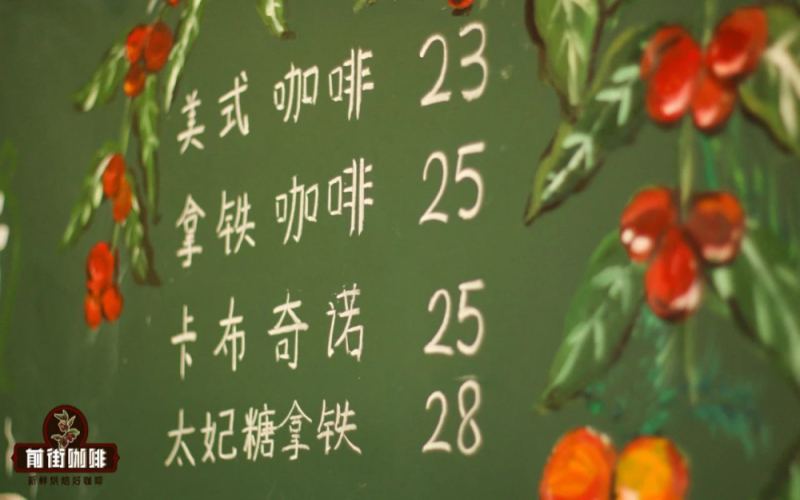
A Complete Guide to Italian Coffee: Methods and Flavor Differences of Espresso, Americano, Latte, Cappuccino, and Other Common Types
Walk into any café, and espresso is almost always a core option on the menu. When many people first encounter espresso, they often come away with nothing but the impression that it is "bitter," but in reality, the family of espresso-based drinks that has grown out of espresso as a foundation is far richer than one might imagine. From the pure, intense Espresso, to the Americano diluted with hot water, to the latte and cappuccino that blend milk and milk foam, and even the Dirty coffee that has become popular in recent years, each one has its own unique logic of ratios and layers of flavor. This article will systematically sort out the common types of espresso drinks, their preparation parameters, and their flavor characteristics, to help coffee lovers find the cup that suits their own taste. Front Street Coffee (FrontStreet Coffee) will also share the specific preparation methods for each drink for everyone's reference. [more…]
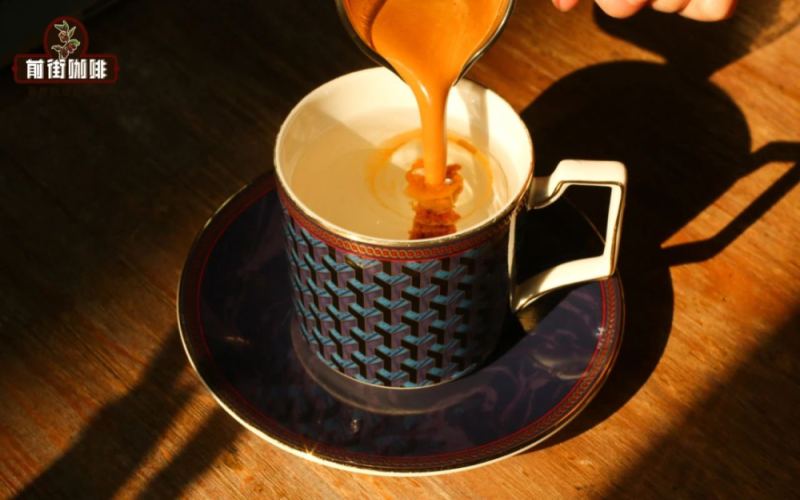
Italian Fancy Coffee Types | Introduction to the Differences and Preparation Methods of Espresso, Latte, Cappuccino, Mocha, Macchiato, Caramel Macchiato, and Dirty Coffee
For more specialty coffee knowledge, please follow: Front Street Coffee (Frontsteet Coffee). Espresso is a must-have beverage in every café. Many people's first impression of espresso is that it's just bitterly awful, but in fact Italian coffee isn't limited to such bitter espresso. If you want to drink something not bitter [more…]
Coffee Cup Selection Guide: A Complete Analysis of Types, Materials, Capacities, Specifications, and Key Points for Purchase and Cleaning
Drinking coffee is not just a treat for the taste buds—the right cup matters just as much. This article systematically breaks down the differences between coffee cups and tea cups, the material characteristics of pottery, porcelain, and bone china, how the interior color of a cup affects the observation of the coffee liquid, and practical advice on choosing cup shapes according to the type of coffee. It also explains in detail the suitable scenarios for three capacity specifications—under 100cc, around 200cc, and over 300cc—and shares cup-warming methods, cleaning taboos, and bone china care guidelines, helping coffee lovers elevate their tasting experience through the details. [more…]
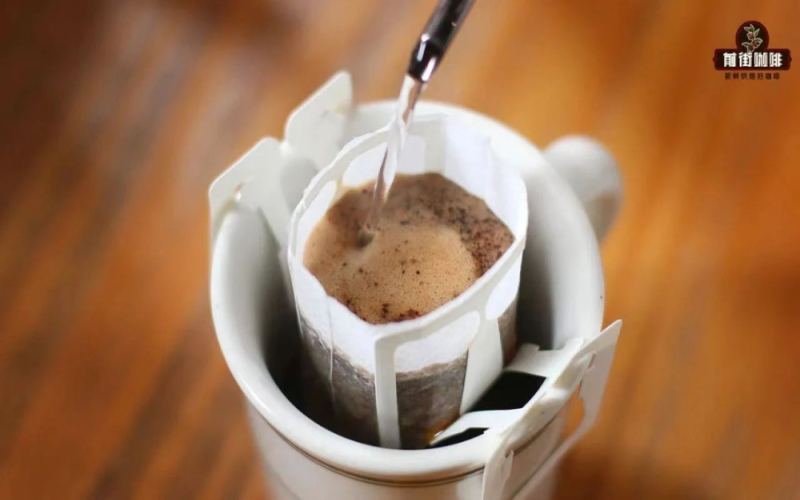
How to Choose Office Drip Coffee? Four Flavor Types to Suit Different Tastes, a Guide for Office Workers
In the fast-paced corporate world, coffee has long been an indispensable pick-me-up for office workers. In offices without a coffee machine, drip bag coffee, with its dual advantages of convenience and freshness, has quickly replaced instant coffee to become the darling of office workers. Faced with a dazzling array of drip bag products on the market, how can you precisely choose according to your personal taste? This article sorts through four flavor types—fruity and refreshing, tropical fruit, rich and nutty, and intensely fermented—one by one, outlining each one's flavor characteristics and representative single-origin products, along with popular recommendations from the Front Street Coffee brand, to help every coffee lover find the cup that best suits their desk. [more…]
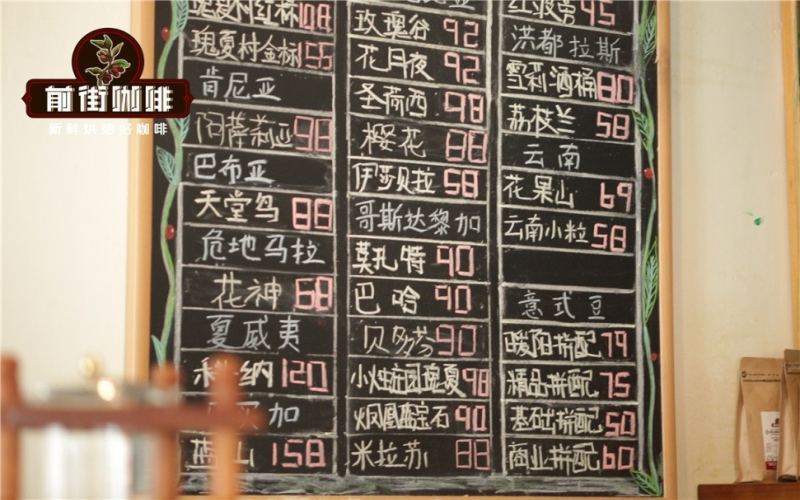
What Types of Espresso Are There? A Detailed Guide to Three Espresso Extraction Methods and Their Parameters
Many people's first impression of espresso is a strong, bitter, harsh black coffee, but it is also the most fundamental element of the Italian coffee system. Whether it's a latte, a flat white, or an Americano, all are built upon a properly extracted Espresso. This article will take Front Street's perspective to systematically explain the definition of espresso, the formation principles of Crema, and the extraction differences and parameter settings of three types of espresso—Ristretto, Normale, and Lungo—while sharing key factors that need to be carefully controlled during extraction, such as dose, grind, water temperature, time, and yield, helping coffee enthusiasts gain a more comprehensive understanding of Italian espresso. [more…]
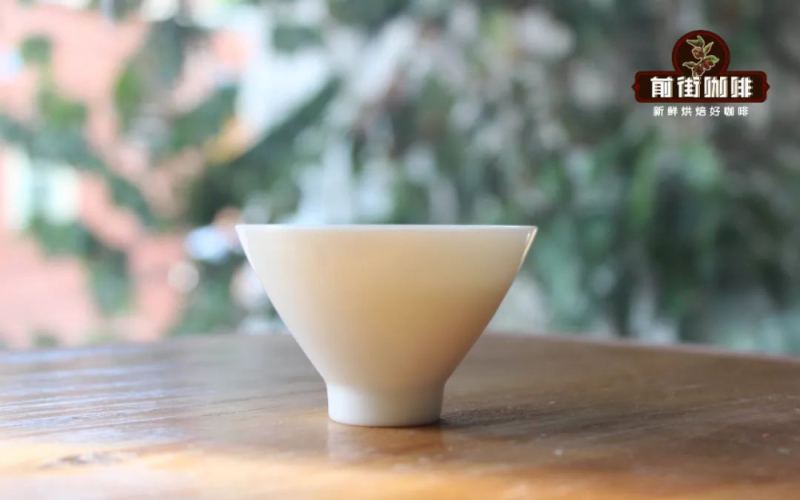
How the shape of the cup rim changes the flavor expression and drinking experience of pour-over coffee
When drinking pour-over coffee, does the shape of the cup really affect the taste? Front Street used three common cup types—wide-mouth, straight-walled, and tapered—to conduct a comparative tasting of the same coffee, and found that aroma, acidity, sweetness, and body all show noticeable differences depending on the rim design. Starting from cup type classification, this article combines the brewing performance of Guatemala Geisha, Brazil Queen's Estate, and Ethiopia Yirgacheffe Gutingding to analyze how different rims guide the flow of coffee liquid in the mouth and temperature changes, and offers cup selection suggestions for acidic, bitter, and aroma-forward coffee beans, helping coffee enthusiasts find a drinking method that suits them better. [more…]
Espresso Explained: Ristretto, Normale, and Lungo Types and Key Extraction Adjustment Points
Espresso is the foundation of the Italian coffee system, and it is also something that many coffee lovers both love and fear. It is extracted in a short time through high temperature and high pressure, and the golden, dense layer of Crema on its surface is its hallmark. Depending on the extraction yield, Espresso can be divided into three types: Ristretto, Normale, and Lungo, each differing in concentration, flavor, and mouthfeel. This article will systematically sort out the core knowledge of espresso, from its definition and type classification to the adjustment of extraction parameters, and share Front Street Coffee's practical experience with brew ratio, grind size, water temperature, and other aspects, helping readers gain a more comprehensive understanding of the sophistication behind this small cup of coffee. [more…]
The Difference Between Single-Origin Coffee and Blended Coffee: A Comprehensive Analysis of Types, Blending Methods, and Flavor Characteristics
For coffee enthusiasts, understanding the difference between single-origin coffee and blended coffee is an important step in exploring the world of coffee. Single-origin coffee centers on beans from a single origin, emphasizing the unique character of regional flavors; blended coffee, through the skillful blending of multiple beans, pursues balance and complexity in taste. This article systematically sorts out the definitions, representative types, blending ratios, and flavor characteristics of the two, from Blue Mountain and Colombia to Mandheling, from cappuccino to mocha, helping readers comprehensively master knowledge of coffee classification. At the same time, the article also specially recommends related products from Front Street Coffee, providing professional reference for your coffee purchases. [more…]
A Complete Guide to the Espresso Family: From Espresso Base to Specialty Drinks, an Overview of Common Types and Preparation Methods
Walking into any café, espresso is almost always the star of the menu. Many people's first impression of it stops at the intense bitterness of espresso, but in fact, the flavored drinks derived from espresso as a base are rich and varied, and there is always a cup to suit your taste. This article will systematically sort out the common types of Italian coffee, from espresso, Americano, latte, cappuccino to mocha, macchiato, caramel macchiato, and Dirty coffee, introducing one by one their flavor characteristics, ingredient ratios, and preparation methods, while also sharing Front Street Coffee's practical experience in bean selection and serving, to help coffee lovers understand the world of Italian coffee more comprehensively. [more…]
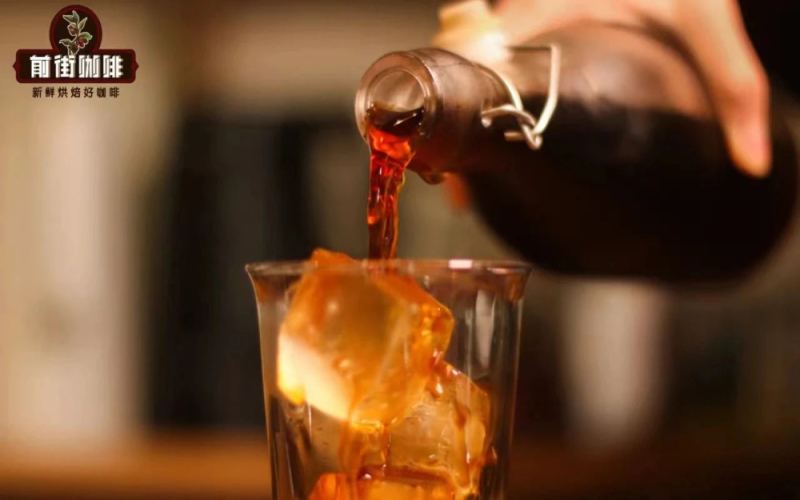
A Comprehensive Analysis of the Four Major Types of Iced Coffee: Extraction Methods, Preparation Parameters, and Flavor Differences
Iced coffee is a popular beverage choice in summer. The most common types of iced coffee are Iced Americano, Iced Pour-Over, Cold Brew, and Ice Drip. Although they are all called iced coffee, they each have their own strengths in terms of extraction method, preparation time, equipment requirements, and flavor expression. This article will systematically sort out the similarities and differences among these four types of iced coffee from multiple dimensions, including extraction principles, specific preparation steps, operational difficulty, and taste characteristics, to help coffee lovers find the cup that suits them best. Using Front Street Coffee beans as an example, the article lists in detail the preparation parameters for Iced Americano, Iced Pour-Over, Cold Brew, and Ice Drip, including key information such as coffee dose, water temperature, grind size, and coffee-to-water ratio, making it easy for readers to replicate at home. [more…]
What kind of tea is Chaoshan Phoenix Dancong? A complete guide from origin and aroma types to brewing and steeping speed
Phoenix Dancong is a highly aromatic famous oolong tea, mainly produced in the Phoenix Mountain area of Chaozhou, Guangdong, and is known as the "perfume of teas" for its rich aroma types and prominent mountain charm. Its formation stems from the tradition of single-plant selection and single-plant harvesting: outstanding tea trees are harvested and processed individually, and over time many aroma types have formed. This article begins with the producing environment, origin of the name, and quality characteristics of Phoenix Dancong, then moves on to the key points of daily brewing: leaf amount, rinsing, and pouring must all be quick, and the water temperature must remain at a boil, so that the tea soup is neither bitter nor astringent and has a high, uplifting aroma. The article also retains relevant recommendations from the Front Street brand, making it convenient for coffee and tea beverage enthusiasts to explore further. [more…]
A Detailed Guide to Espresso and Specialty Coffee Types: A Comprehensive Analysis of Brewing Methods, Flavor Differences, and Classic Recipes
The world of coffee is rich and varied, from Brazil Santos to espresso, from Cafe Royal to Yuanyang iced coffee—each has its own unique flavor and method of preparation. This article will systematically introduce the differences between common coffee types, explain the key points of making espresso in detail, and share recipes and methods for a variety of classic coffees. Whether you are a coffee enthusiast just starting out or a seasoned player looking to refine your skills, you will find practical content here. The article also specifically retains Front Street brand recommendations and product information to help you easily select quality coffee beans and begin your own coffee journey. [more…]
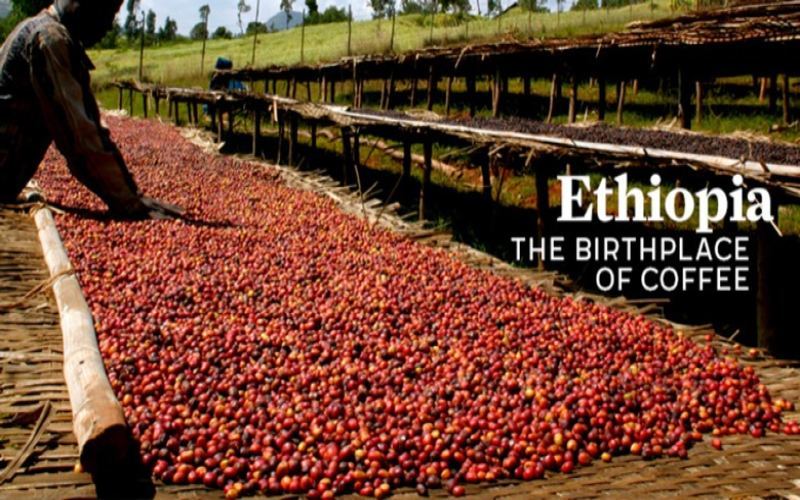
Cold Brew Origin Recommendations: Cold Brew Performance of Fruity and Full-Bodied Types
The choice of origin for cold brew coffee determines whether the cup leans toward fresh fruit juice or rich cocoa. The long-steep cold water extraction method makes origin flavors express themselves differently than in hot brewing, and some origins perform better in cold brew. For fruity cold brew, Ethiopian origins are a good choice. Huakui natural beans made as cold brew, hot [more…]
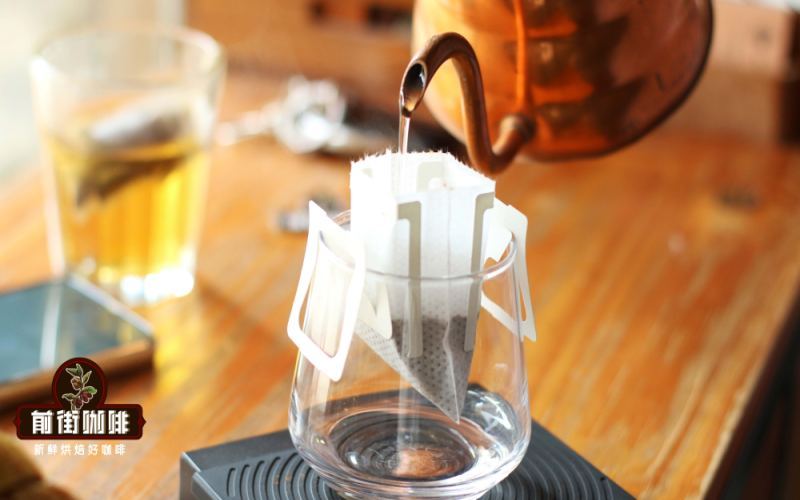
Drip Bag Coffee Flavor Selection Guide: Mandheling and Yirgacheffe Taste Analysis and Tips for Fixing Too Sour, Too Bitter, or Too Weak Coffee
Drip bag coffee is not limited to a single type; like pour-over coffee, it offers a rich variety of flavor choices. Drip bags on the market can be broadly divided into three major categories: floral, fruity, and full-bodied, each corresponding to different roast levels and flavor characteristics. Floral types are mostly presented with light-to-medium roasts, showcasing fresh notes like jasmine and citrus; fruity types deliver the full sweetness of tropical fruits and berries; while full-bodied types primarily use medium-dark roasts, offering a solid and intense mouthfeel. Understanding these categories can help you quickly find drip bag products that suit your taste. This article uses several drip bags from the Front Street brand as examples to analyze the characteristics of each flavor type in detail, and includes simple brewing steps, while also providing specific adjustment methods for the common problems of drip bag coffee being too sour, too bitter, or too weak. [more…]
Recommendations of Drip Coffee Brands and Types | Can Drip Coffee Bags Be Reused for Multiple Infusions? What Is the Extraction Principle of Drip Coffee? What Are the Specialty Coffee Drip Bags?
Drip coffee bags use drip filtration, and their design was inspired by teabags with strings. The inventor wanted to simulate pour-over drip coffee by pre-portioning ground coffee into non-woven filter bags, with paper tabs on both sides that allow the bag to hang suspended in the center of the cup. Because the coffee is pre-ground and there is also a lack of various brewing accessories, [more…]
Espresso Classification Explained: Extraction Key Points and Parameter Adjustments for Ristretto, Normale, and Lungo
Espresso is the base for many coffee drinks such as lattes and Americanos, but did you know that it is actually divided into three types: Ristretto, Normale, and Lungo? Starting from the origins and characteristics of espresso, this article explains the key parameters in its preparation process and analyzes the extraction methods and differences of the three types of espresso one by one. At the same time, the article also shares Front Street Coffee's extraction plans for different espresso types, including specific recommendations for dose, yield, and time, helping coffee enthusiasts understand the extraction logic of espresso more systematically. [more…]
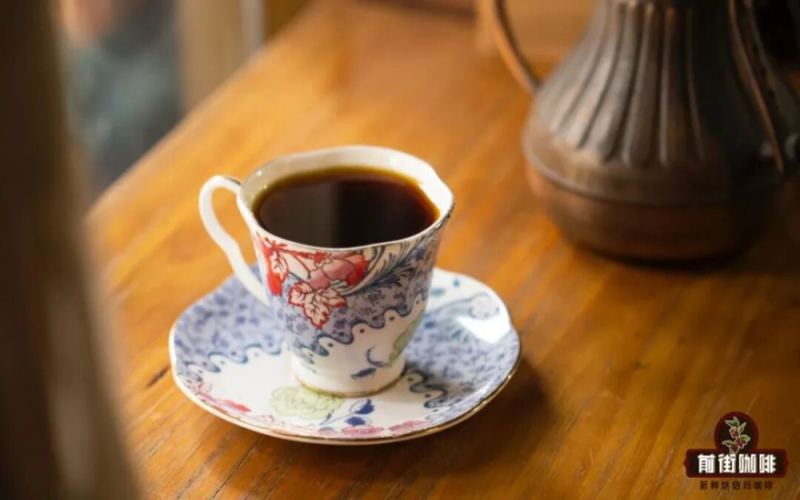
Introduction to Coffee Tasting: How Cup Rim Shape Affects the Aroma and Mouthfeel of the Same Pot of Coffee
In coffee tasting, the cup is not just a container—the design of the rim directly affects aroma release and the path the coffee takes as you sip. This article compares three mainstream rim types—open, straight, and tapered—using the same brew to contrast dark-roasted Front Street Blue Mountain No. 1, medium-roasted Front Street Sidra, and light-roasted Geisha Village Red Label, recording the flavor differences at the aroma, hot, and cool stages. It also explains the sensitivity of different areas of the tongue to taste and offers pairing suggestions for coffees of different roast levels with cup types, including Front Street Huakui, Front Street Little Tomato, Front Street Mandheling, Front Street Yirgacheffe, and Front Street Strawberry Candy. [more…]

MBTI Personalities Meet Baristas: When Introverts and Extroverts Sit Together at the Bar, a Roundup of Classic Quotes from All 16 Personality Types
MBTI has now permeated every corner of the coffee industry. When the younger generation of baristas joins the bar, "Are you an I person or an E person?" has become a daily greeting. This personality test, based on Jungian personality theory, dividing people along four dimensions and yielding 16 types, has become a new-generation social label, much like horoscopes and blood types. This article takes a lighthearted approach to rounding up the "classic quotes" of different MBTI types of baristas, from the rigor of ISTJ to the casualness of ENFP—see which one strikes a chord with you. Whether you're a socially anxious I person or a socially outgoing E person, you can find your "parallel-self" here. You're also welcome to comment with your four letters and your signature catchphrase, and see if you can find fellow baristas of your type. [more…]
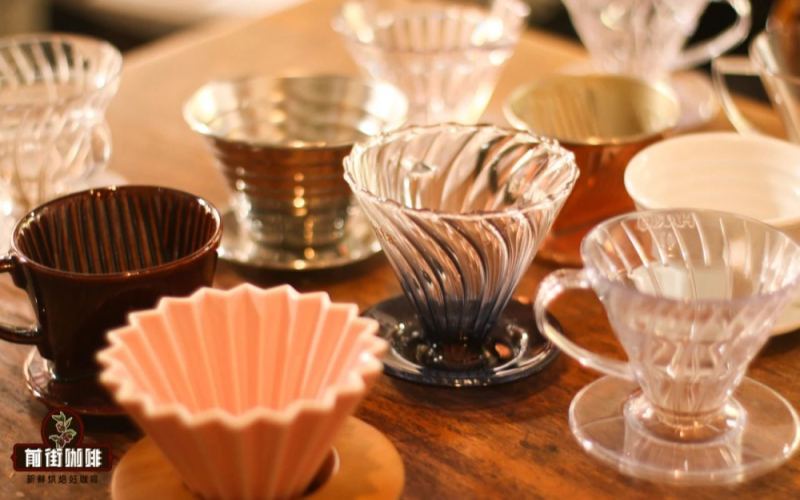
The Complete Guide to Pour-Over Coffee Dripper Selection: Common Types, Material Differences, and Brewing Compatibility Guide
In the toolkit of pour-over coffee gear, the dripper plays a pivotal role. With the third wave of coffee and the growing popularity of single-origin specialty beans, pour-over brewing rose in Japan and swept the globe. Getting started with pour-over isn't complicated—all you need is a gooseneck kettle, filter paper or a metal mesh, a dripper, and ground coffee. Yet the sheer variety of drippers often leaves beginners at a loss. This article systematically breaks down the structural features and flow-rate differences of mainstream drippers—wedge, cone, origami, wave, and metal—analyzes how different materials affect heat retention, and, drawing on brewing practice with a range of Front Street beans, explains how dripper choice shapes a coffee's balance, body, and aromatic layering, offering enthusiasts a practical reference. [more…]