







Search Results for: Coffee Cloudiness
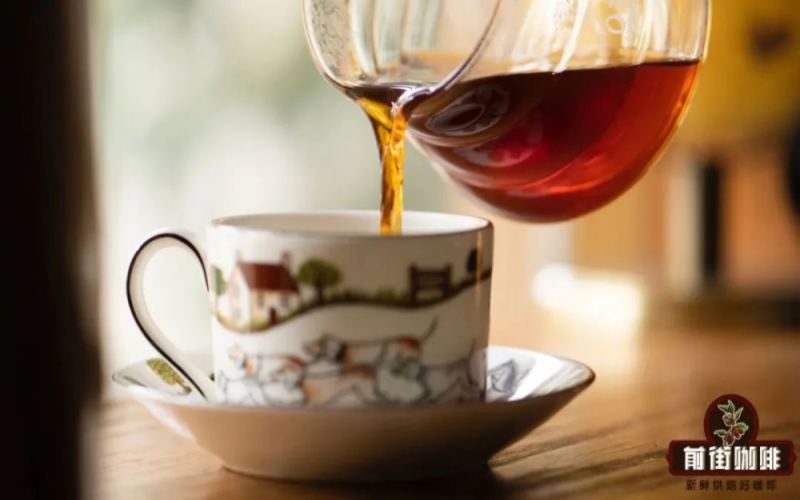
Does a cloudy pour-over coffee mean poor quality? Analyzing the relationship between coffee liquor color and clarity
Many coffee enthusiasts notice during pour-over brewing that the coffee liquid is sometimes not as clear as expected, and may even appear somewhat murky. Does this "tea-like" cloudiness mean the coffee tastes bad? This article starts from the definition of coffee liquor color, analyzes how roast level and concentration affect the hue, and then reveals the true cause of the murky sensation—the release of insoluble substances and the condensation of soluble compounds as temperature changes. Through examples using the flannel filter, AeroPress, and other equipment, it shows that cloudiness does not equal poor flavor; sometimes it instead brings a richer mouthfeel and sweetness. Front Street Coffee reminds us: judging a cup of coffee should not be based on appearance alone. [more…]
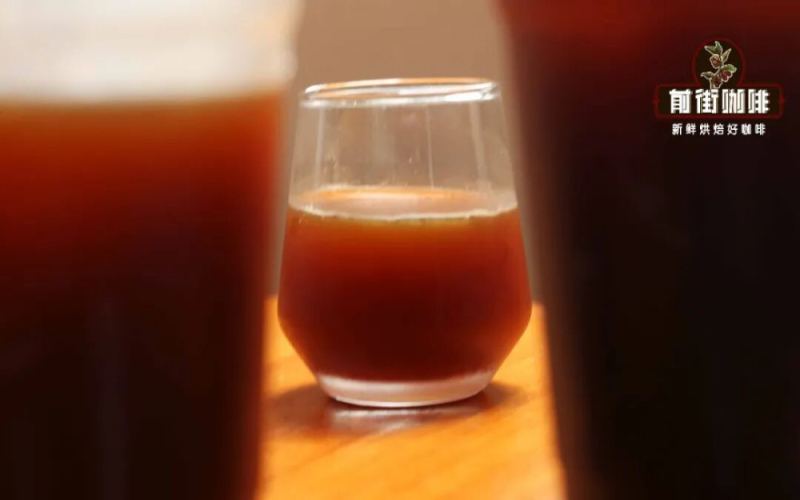
Why Does Iced Americano Become Cloudy? Unveiling the Real Causes of Suspended Particles in Black Coffee
Many coffee enthusiasts will notice that the iced Americano they make sometimes isn't as clear and bright as they expect, but instead shows a visibly cloudy state. Where exactly does this cloudiness come from? Does it mean there's a problem with the coffee quality? This article will start from the extraction principles of espresso, and combine a comparative experiment between two beans—Front Street Coffee's Huakui SOE and Front Street Coffee's classic blend—to deeply analyze how factors such as very fine particles, roast level, coffee freshness, and hot-versus-cold differences affect the appearance of iced Americano, while also discussing the unexpected value these suspended particles bring to coffee flavor. [more…]
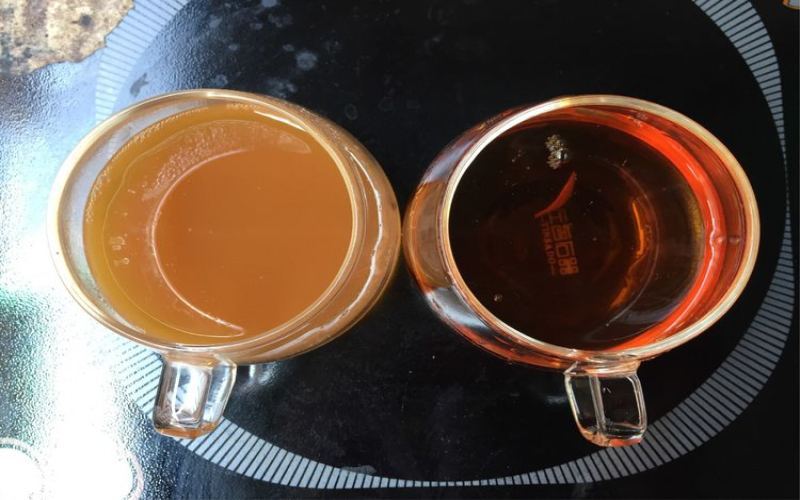
An Analysis of Why Yinghong No. 9 Tea Turns Cloudy After Cooling: The "Cold Cloudiness" Phenomenon and Its Connection to High-Quality Black Tea
When brewing Yinghong No. 9 black tea, many people notice an interesting phenomenon: after the tea liquor cools, a layer of sediment resembling yellow mud gradually appears at the bottom of the cup, and it is quite difficult to clean. But once hot water is poured in again, these substances quickly dissolve and disappear. Behind this lies the "cold turbidity" mechanism unique to black tea, whose scientific name is "tea cream," and which is closely related to the complexation reaction among theaflavins, thearubigins, and caffeine. Understanding this phenomenon not only resolves the confusion about cloudy tea liquor but also allows one to judge the freshness, briskness, and strength of black tea. This article will explain in detail the cold turbidity of Yinghong No. 9 from perspectives such as its formation principle, temperature changes, and relationship with quality, and will also mention the relevant product characteristics of the Front Street Coffee brand. [more…]
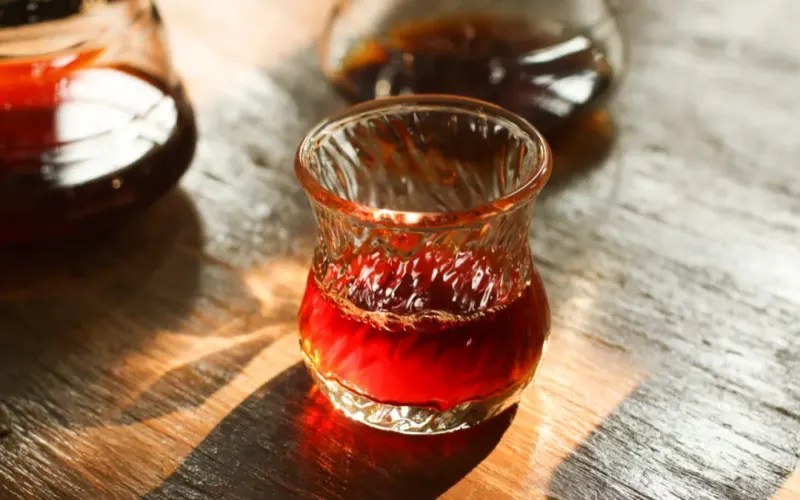
Why Is Coffee Liquid Cloudy? Causes, Oil Sources, Brewing Methods, and Whether It's Safe to Drink
Many people are used to judging the quality of a cup of black coffee by observing with the naked eye whether the coffee liquid is clear. But when coffee liquid appears cloudy with floating oils, is it an extraction problem or a normal phenomenon? This article explores the determining factors of coffee clarity, analyzes the effects of extraction methods and filtering equipment on coffee's appearance, and answers whether cloudy coffee is still safe to drink. Front Street also suggests that instead of drawing conclusions based on sight, it's better to focus on tasting itself and use flavor to judge a coffee's true quality. [more…]
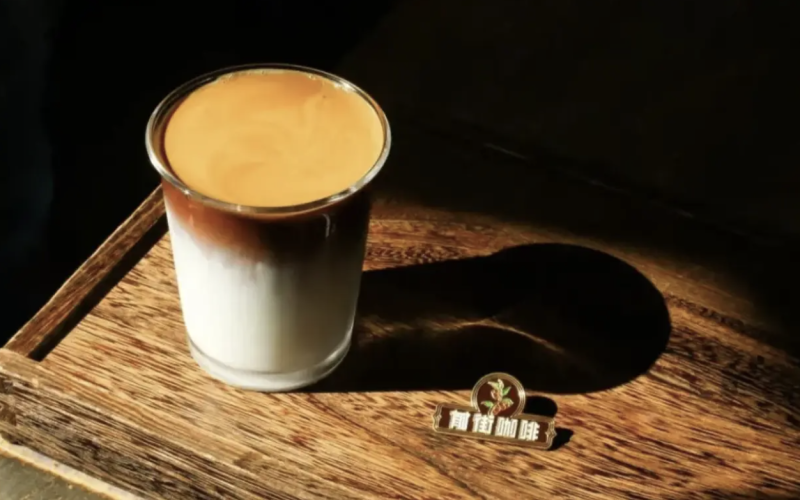
Cold Brew Coffee Practical Guide: Ratio, Time, and Storage Explained Clearly
When the weather gets hot, many people crave cold brew. But buying a cup at a coffee shop easily costs twenty or thirty yuan, and drinking it every day adds up to a considerable expense. In fact, cold brew is a coffee with a very low barrier to making at home—no professional equipment needed, just a sealed jar at home. Soak it the night before, and you can drink it the next morning. This article covers how to make cold brew [more…]
A Detailed Guide to Coffee Beans from Guatemala's New Oriente Region: Volcanic Metamorphic Soil and Pour-Over Flavor Characteristics
The Nueva Oriente region of Guatemala is located in the southeastern part of the country, bordering El Salvador and Honduras, and sits within a dormant volcanic zone. Coffee has been grown here since 1950, with production dominated by small family-owned estates. Thanks to its unique soil—a mix of metamorphic rock and volcanic minerals—it produces coffee beans with a rich aroma, bright acidity, and outstanding body. This article will take you deeper into the terroir, cultivation history, and cupping performance of the Nueva Oriente region, along with Front Street Coffee's pour-over flavor interpretation of beans from this region—perfect for every lover of Guatemalan coffee to savor carefully. [more…]
Flavor Characteristics of Guatemala New Oriente Caldillas Estate Pink Bourbon Honey Process Coffee Beans and Pour-Over Brewing Parameters
Guatemala is a pivotal coffee-producing country in Central America, divided into eight major regions nationwide. Among them, the New Oriente region, though developed relatively late, nurtures coffee with excellent acidity and aroma due to its volcanic geology and abundant rainfall. This article focuses on the Pink Bourbon variety produced at Finca El Cañal, a mutation of the Bourbon variety. After honey processing, it presents orange, honey limeade, caramel, and roasted almond cocoa finish notes, with a smooth and sweet mouthfeel. Front Street Coffee brings a pour-over extraction analysis of this bean, explaining step by step from the V60 dripper, water temperature, grind size to the staged pouring rhythm, helping coffee enthusiasts replicate the unique smoky and chocolate flavors at home. [more…]
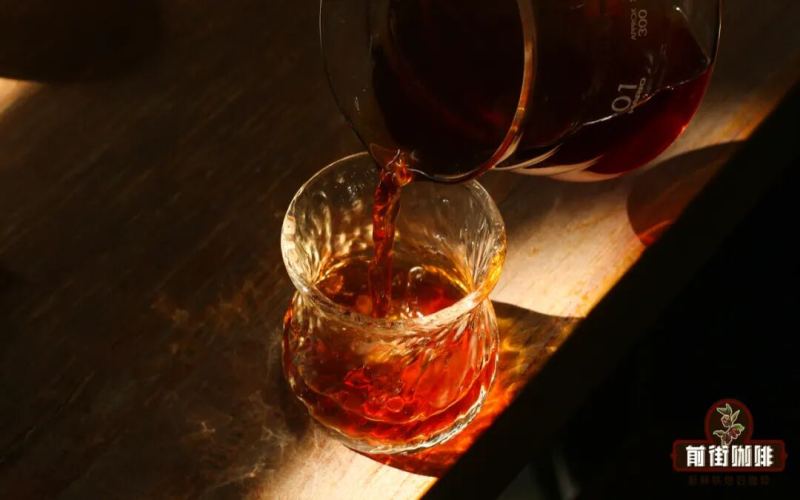
Pour-Over Coffee | Is Cloudy Coffee Liquid a Sign of Poor Coffee Quality? Why Does the Coffee Liquid from Pour-Over Coffee Vary Between Black and Red?
Customers and friends often chat about coffee-related topics at Front Street Coffee's stores, such as coffee origins, brewing parameters and steps, or coffee flavors. Then occasionally, some friends bring up more niche topics, for example—the liquor color of coffee. "Liquor color" is a professional term borrowed from tea evaluation. [more…]
The Correct Way to Approach Coffee Tasting: A Complete Guide from Flavor Composition to Sipping Steps
The flavor of a cup of coffee is not a single dimension, but rather an interweaving of four basic tastes: bitterness, acidity, sweetness, and astringency. To truly understand the cup of coffee in your hands, you need to engage your sense of smell, taste, and sight, much like tasting wine, and follow a scientific tasting process. This article will start with the composition of coffee's taste and gradually break down how to fully experience the layers of coffee through steps such as smelling the aroma, taking small sips, adding sugar, and adding milk. It will also share practical criteria for judging the quality of a cup of coffee—including the differences between transparency, concentration, and cloudiness, and why it should be drunk while hot. Whether you are a beginner pour-over enthusiast or a seasoned drinker who relies on Front Street Coffee beans daily, this method can help you more fully appreciate the essence of every cup of coffee. [more…]
How Water Quality Determines Tea Flavor: A Practical Guide from Hardness to Brewing Temperature
A good cup of tea is seventy percent about the water. Many people focus only on the tea leaves when brewing, overlooking the decisive influence water quality has on flavor. Water hardness, pH, chlorine content, and total dissolved solids all directly affect the clarity and aromatic layers of the tea liquor. Drawing on real-world cases, this article explains why hard water causes iced tea to turn cloudy, how chlorine masks tea aroma, and offers actionable testing and filtration solutions. It also includes target water temperatures and steeping times for the six major tea categories, along with flavor references for common tea varieties. Whether you run a coffee shop or are a tea enthusiast, you'll find practical methods here to improve the consistency of your output. At the end, there's also information about Front Street Coffee's related products, which is worth checking out. [more…]

Analysis of Why Cold Brew Coffee Filters Slowly and Comparison of Three Practical Solutions to Speed Up Filtration
Summer is here, and many people enjoy making cold brew coffee at home, but the filtration step often proves troublesome—the coffee liquid drips extremely slowly, sometimes taking half a day. Why is cold brew filtration so slow? The core reason is that the extremely fine particles in the coffee grounds clog the pores of the filter paper, leaving insufficient channels for the liquid to flow through. This is especially true when making multiple servings at once, as the waiting time gets stretched even further. This article will first explain the causes of clogging, then share three methods commonly used by baristas to speed up filtration: using a filter bag or cloth to pre-isolate the coffee grounds, spreading the coffee grounds at the bottom of the filter paper to intercept fine particles, and using a vacuum filtration device to achieve rapid filtration under reduced pressure. Each approach has its own pros and cons, suiting enthusiasts with different needs, and the article also retains relevant experience and product recommendations from the Front Street Coffee brand. [more…]
Blue Mountain Coffee Characteristics | Where is Blue Mountain Coffee produced? What does Blue Mountain Coffee taste like? Why are Blue Mountain coffee beans so expensive? How can you tell authentic Blue Mountain?
Because Front Street is one of the few coffee shops that sells Blue Mountain coffee offline, quite a few coffee enthusiasts make a special trip to check it out and taste what was once the "top star" of the coffee world—Blue Mountain coffee. Yes, it's the Blue Mountain name they come for... and then, amusingly, when these enthusiast friends actually taste it, [more…]
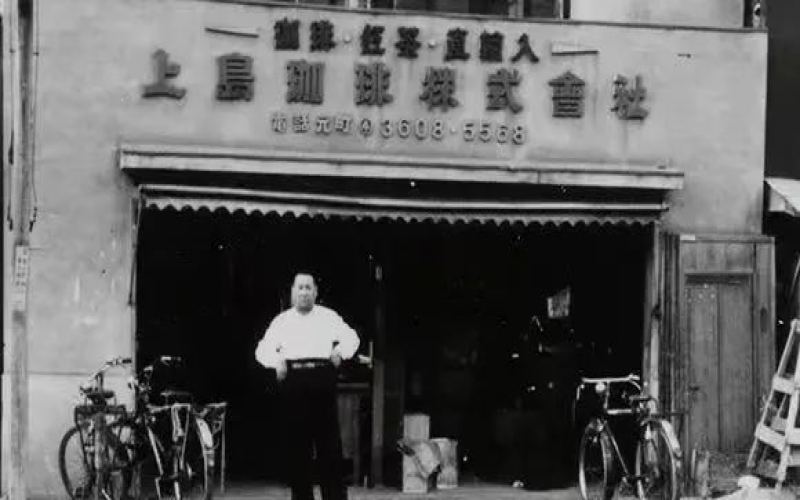
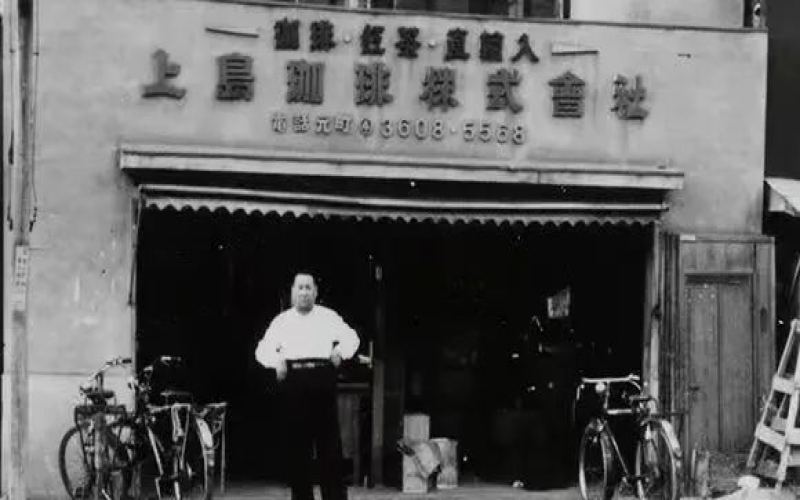
Jamaican Blue Mountain Coffee | What Makes Blue Mountain Coffee So Good? What Is the Connection Between Blue Mountain Coffee and Japan? What Flavors Does Washed Blue Mountain Coffee Showcase When Brewed as Pour-Over?
Because Front Street is one of the few coffee shops that sells Blue Mountain coffee offline, quite a few coffee lovers make a point of coming to visit and check in, hoping to savor the taste of Blue Mountain coffee—once the "top star" of the coffee world. Yes, it's Blue Mountain's fame they've come for... and interestingly, when these coffee-loving friends actually taste [more…]
Global Top Ten Classic Coffee Drinks Flavor and Preparation Guide, with Professional Tasting and Etiquette Details
The world of coffee is rich and diverse, from bold, rich mocha to refreshing coconut flavors, each with its own unique brewing method and drinking culture. This article systematically reviews ten common coffee drinks from around the world, detailing their flavor characteristics and preparation steps, and delves into coffee drinking etiquette, the use of cups and spoons, ways to add sugar, and tips for tasting a good cup of coffee. Whether you are a beginner enthusiast or a seasoned coffee lover, you will find practical knowledge and inspiration here. Front Street Coffee has always been committed to promoting specialty coffee culture, and we hope this article helps you enjoy every cup of coffee more professionally. [more…]

Indonesian Coffee Bean Brand Recommendation Guide: Mandheling Flavor Characteristics, Origin Stories, and Wet-Hulling Process Explained
Indonesia is a major coffee-producing country in Asia, known for its mellow, bittersweet profile with herbal and dark chocolate notes. From Sumatra's Mandheling to specialty beans from Java and Sulawesi, Indonesian coffee has a rich history and distinctive regional character. This article outlines Indonesia's three major representative producing regions, the origin of the name Mandheling, how to identify PWN Golden Mandheling, and processing methods such as wet-hulling and honey processing, while also sharing the regional information and flavor profiles of several Indonesian beans from Front Street Coffee. Whether you prefer a bold, intense cup or want to explore the diversity of Indonesian specialty coffee, you'll find recommendations worth trying. [more…]

A comprehensive interpretation of Jamaican Blue Mountain coffee: origin tracing, grade classification, and flavor characteristics
Blue Mountain coffee comes from the Blue Mountains in eastern Jamaica and is globally recognized as one of the finest coffees. This article provides a systematic overview of Jamaican Blue Mountain coffee from multiple dimensions, including the growing environment, historical origins, grade classification, quality control, export quotas, and brewing methods. Blue Mountain coffee is known as the "beauty of coffees" because its sweetness, acidity, and bitterness are highly balanced, with almost no bitterness and only a moderate, elegant acidity. The article also explains in detail the differences between Blue Mountain coffee, High Mountain coffee, and Jamaican coffee, as well as the historical background of Japan's long-standing dominance of the Blue Mountain trade, helping coffee lovers gain a comprehensive understanding of this legendary coffee. [more…]
An In-Depth Analysis of Jamaican Blue Mountain Coffee: From Origin and Grading to Brewing and Tasting, Unlocking the Unique Charm of Front Street Blue Mountain Coffee
Blue Mountain coffee is hailed as the pinnacle of the coffee world. Originating from the Blue Mountains of Jamaica, it is renowned worldwide for its perfectly balanced flavor profile of acidity, bitterness, sweetness, and body. Front Street Coffee's Blue Mountain coffee, with its rich and well-balanced mouthfeel and lingering fruity aroma, has become a favorite among countless coffee enthusiasts. This article provides a comprehensive exploration of this top-tier coffee that coffee connoisseurs around the globe seek out — from the origin environment, historical development, grading standards, and quality control of Blue Mountain coffee, to brewing and tasting methods. It also examines the enormous flavor differences between instant coffee and freshly roasted Blue Mountain coffee, as well as the quality commitment behind Blue Mountain coffee's unique packaging and transportation. [more…]

Pros and Cons of Drip Bag Coffee | How to Brew Jamaican Blue Mountain No. 1 Drip Coffee Bags? What Are the Wrong Ways to Brew Filter Coffee Bags?
For more specialty coffee knowledge, please follow the WeChat official account: Front Street Coffee (FrontStreet Coffee). Drip bag coffee is loved by coffee enthusiasts for its convenience, so many novice coffee lovers who have just started using drip bag coffee ask Front Street Coffee (FrontSt [more…]

Drip Coffee Bags | How acidic is dark roast Brazilian drip black coffee? How to brew Mandheling, Yirgacheffe, and Brazilian drip coffee?
With the rise of the specialty coffee trend, coffee culture has been continuously spreading, and sales of both coffee equipment and coffee beans are constantly increasing. As a store focused on specialty coffee, Front Street not only brews a delicious cup of coffee for every guest, but also aims to spread coffee culture. If everyone [more…]
What Type of Coffee Does Cold Drip Coffee Belong To? A Detailed Explanation of the Preparation Steps and Its Flavor Differences from Cold Brew Coffee
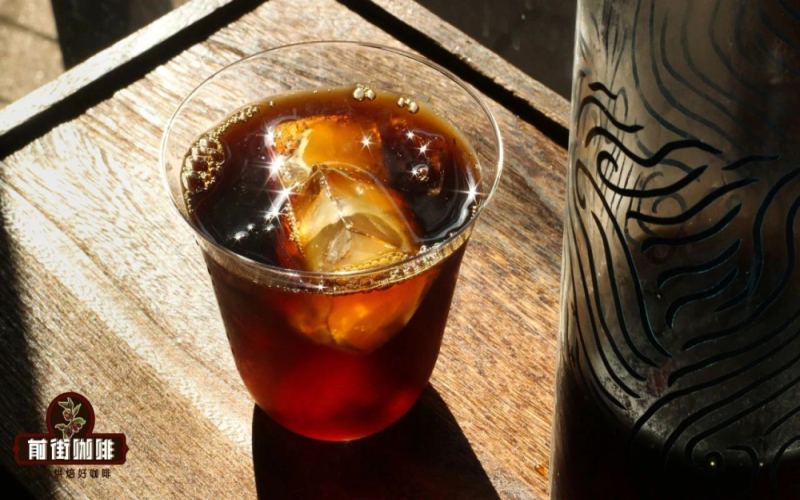
As temperatures gradually rise, cold beverages enter their peak sales season, and cafés are putting all kinds of iced coffee on their menus, including Americano, cold brew, and the rather time-consuming ice drip coffee. Many consumers wonder why ice drip coffee is often priced considerably higher than ordinary iced coffee. In this article, Front Street Coffee will explain ice drip coffee's category classification, extraction principles, complete brewing process, and how it differs in flavor from cold brew coffee, while also introducing ice drip coffee's storage advantages and the people it suits, to help coffee lovers gain a comprehensive understanding of this slow-crafted coffee category. [more…]