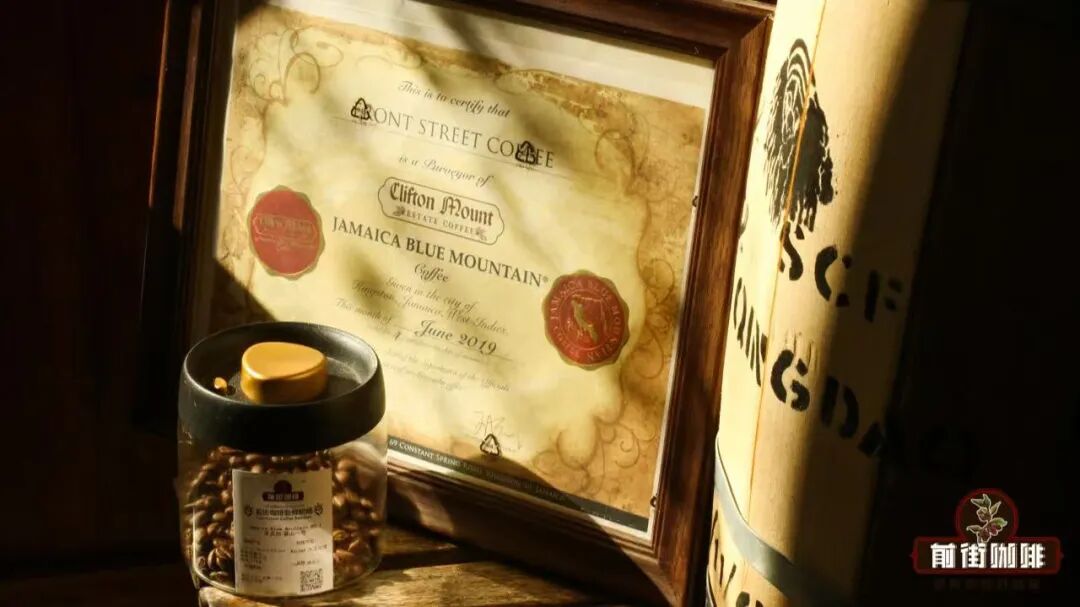
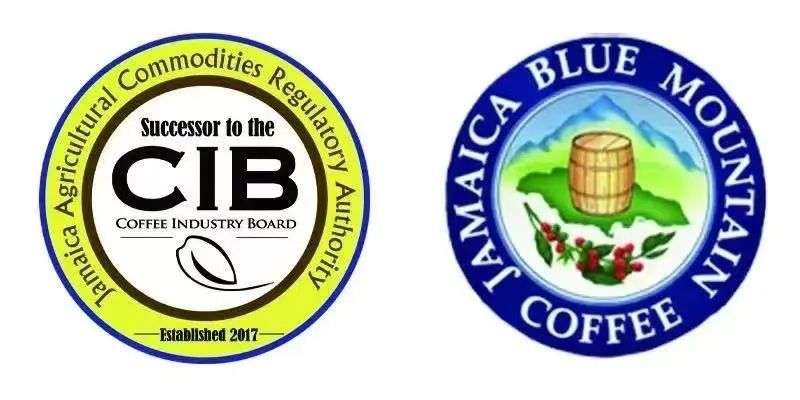
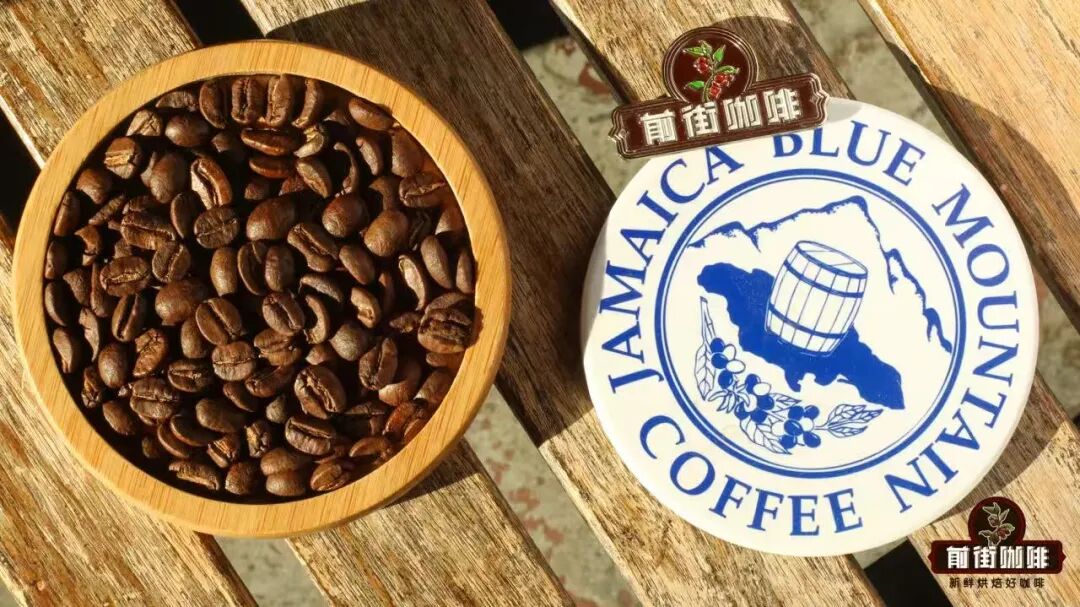
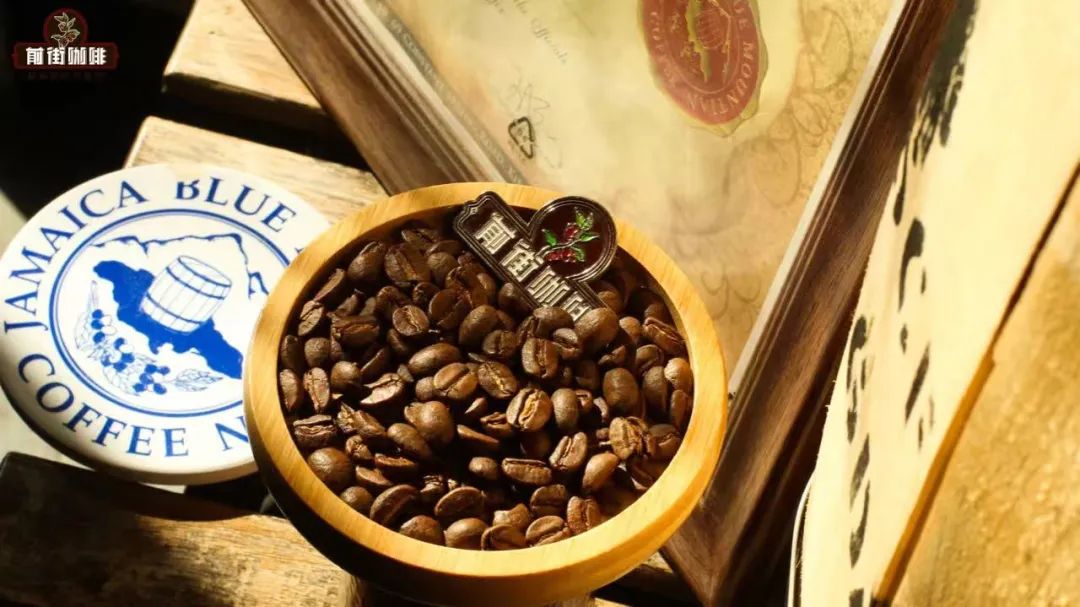
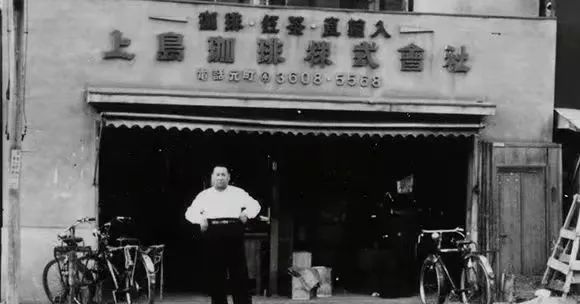
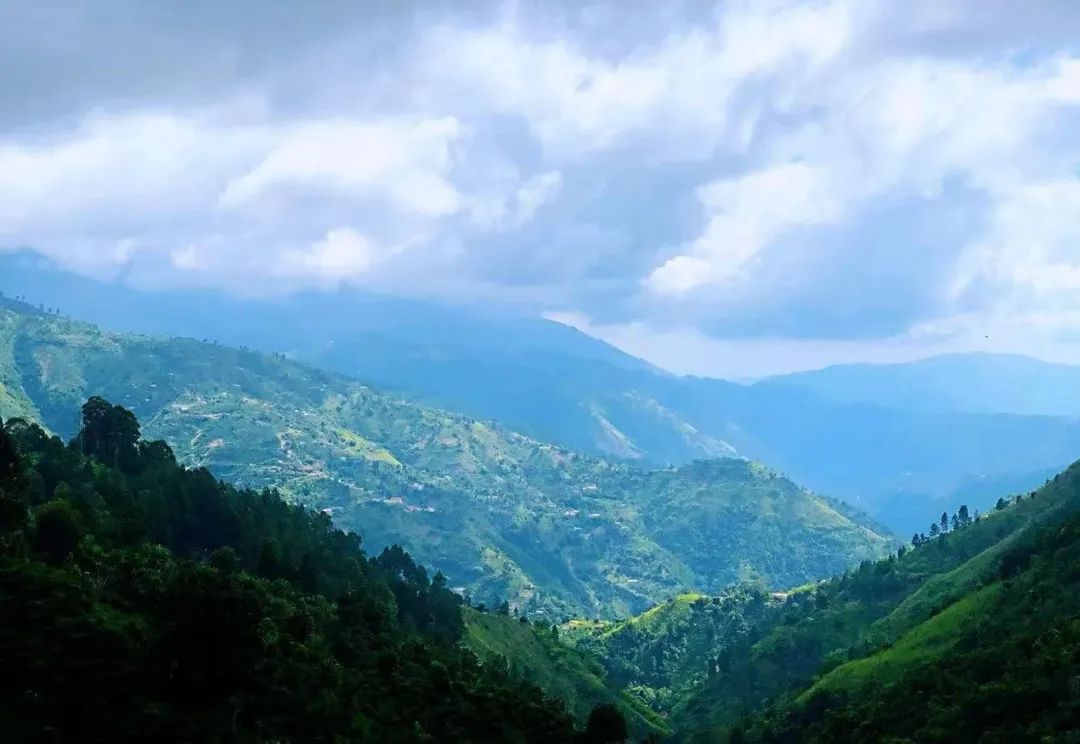
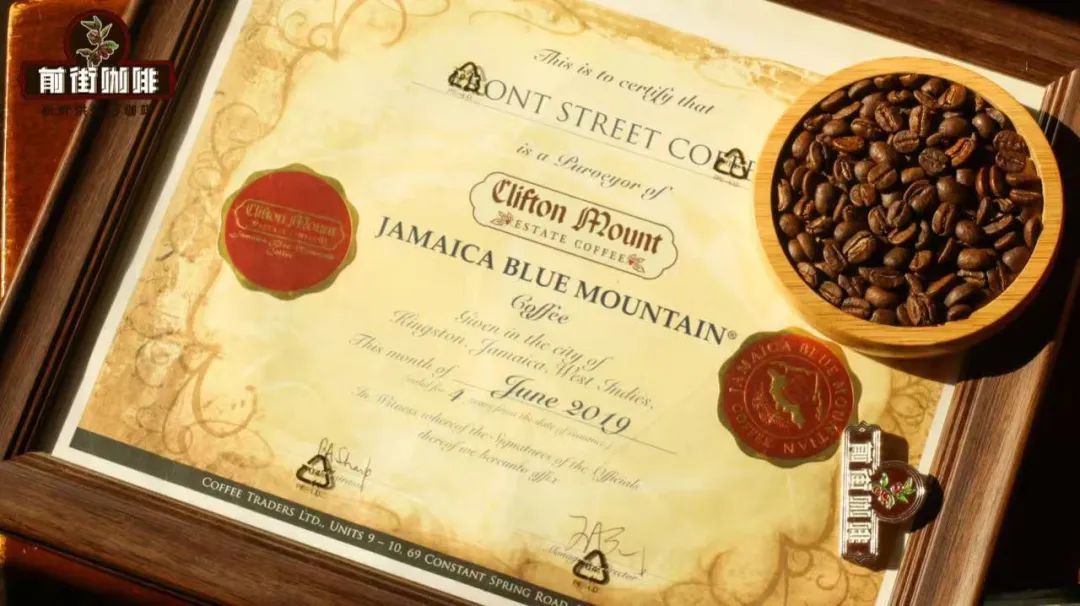
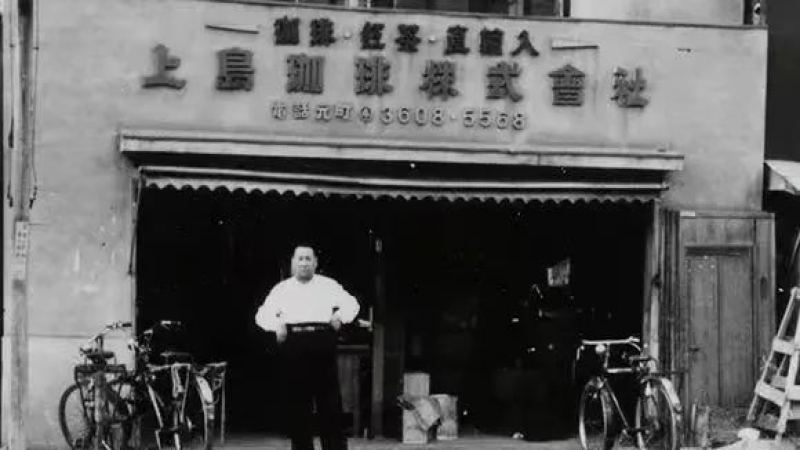
Because Front Street Coffee is one of the few coffee shops that sells Blue Mountain coffee offline, many coffee enthusiasts make a special trip to visit and check in, just to taste the flavor of Blue Mountain coffee—once the "top star" of the coffee world. Yes, they come for the fame of Blue Mountain...And interestingly, after these enthusiast friends actually tasteBlue Mountain coffee, most of them show a puzzled expression: slightly furrowed brows, squinting eyes, and a mouth that keeps moving as if trying to search for something.Although no one says it out loud, Front Street believes that what everyone is thinking without exception is curiosity about what exactly makes Blue Mountain coffee so good. When Front Street first tasted Blue Mountain coffee, the feeling was similar to everyone else's—although it was very pleasant to drink, it seemed like just an ordinary high-quality coffee.Whether in mouthfeel or flavor, it wasn't so outstanding as to be exceptionally delicious, not delicious enough to reach the level of "Coffee Emperor."Indeed! When we talk about Blue Mountain coffee today, it may just be an ordinary good-tasting coffee. But Blue Mountain's fame is well-deserved—you only need to look back at its history of becoming famous to understand. Moreover, the flavor of Blue Mountain coffee is actually not as simple as what everyone tastes. So today, Front Street will share with you what exactly makes Blue Mountain coffee so good~What makes Blue Mountain coffee good?Blue Mountain coffee's rise to fame was not achieved overnight. As early as 1728, coffee took root in the Blue Mountains through the hands of Jamaican Governor Nicholas Lawes. But for various reasons, it wasn't until the 1950s that Blue Mountain coffee began its "path to the throne."(The cause and effect in between are detailed in《Portal》this article)In 1952, in order to expand Jamaica's coffee industry, the Jamaica Coffee Industry Authority, established 4 years earlier in 1948, was upgraded to the Jamaica Coffee Industry Board(abbreviated as CIB). The CIB's main responsibilities are to establish coffee management standards and supervise the production quality of Jamaican coffee. Because Jamaica is an island nation with limited arable land for coffee and cannot win by quantity, if it wanted to develop its local coffee industry, Jamaican coffee could only develop in the direction of specialty coffee. And it was precisely this choice that laid a solid foundation for Blue Mountain coffee's future reign.After its establishment, the CIB immediately graded the coffee grown in the Blue Mountains. The grading evaluation items were very complex—coffee bean size, color, uniformity, defect rate, moisture content, etc. were all evaluation items, which shows how rigorous the grading was.In addition, through cupping, the CIB discovered that coffee beans grown incertain areas of the Blue Mountains had superior flavor and mouthfeel compared to other areas. So the CIB demarcated this area within the Blue Mountains and stipulated that only coffee grown in this area could be sold under the name"Blue Mountain Coffee", while coffee grown outside the area could only be sold under the names"Jamaica High Mountain Coffee"and"Jamaica Prime Coffee".The same applies to coffee cultivation and processing! Jamaica not only insists on growing the low-yield but excellent-flavor Arabica Typica, but also consistently adheres to the washed process, ensuring lower defect rates and higher quality in the processed coffee.Because at that time the concept of specialty coffee didn't yet exist, and many producing regions still focused on quantity over quality in coffee cultivation and processing, this series of operations directly made Blue Mountain coffee's quality far exceed that of coffee from other producing regions at the time, making it one of the most popular coffees of the era. And what happened afterward, Front Street believes everyone has heard until their ears are calloused. By the late 1960s, Jamaica's coffee industry was devastated bythe nationwide Hurricane Gilbert Category 5 storm, and only with the help of loans provided by several Japanese trading companies was it able to recover. Then, in order to thank Japan for its support, the Jamaican governmentsigned a 30-year contract with the Japanese government in 1972. The contract stipulated that 90% of the Blue Mountain coffee produced in the next 30 years would be preferentially allocated to Japan, with only the remainder going to other countries.Since production was already scarce, and combined with near-monopoly by Japan, Blue Mountain coffee's rarity increased exponentially. Finally, through Japan's marketing, the Blue Mountain coffee craze spread across the world, and its price and rarity rose to unprecedented heights. So with extremely high quality, extremely high price, and extremely high rarity, Blue Mountain coffee became the "Coffee Emperor" of its time.Although Blue Mountain coffee is no longer monopolized by Japan, no longer rare, and no longer expensive, its quality remains as good as ever. So in 2025, we can taste from this small cup of coffee the flavor of its heyday. Of course, besides that, Blue Mountain coffee's flavor is also very unique.A unique taste of terroir"Oranges grown south of the Huai River are oranges; oranges grown north of the Huai River are trifoliate oranges"—this is a phrase Front Street often mentions when sharing about coffee origins. Because different terroirs nurture different flavor characteristics, and the same is true for coffee.The terroir where Blue Mountain coffee is grown is very special—it's an island nation. Not only is it located in the "coffee golden growing belt" and sitting on fertile volcanic soil, but most critically, it also possesses an island-type climate that most producing regions don't have(therefore Blue Mountain coffee and other coffees grown on islands are also called "island coffee").Blue Mountain coffee's growing environment is humid, with suitable temperatures and cloudiness and rain throughout the year, making it a very high-quality environment for coffee cultivation. And with the support of the island-type climate, Blue Mountain coffee's growing environment provides advantages far exceeding most producing regions at the same altitude. So naturally, Blue Mountain coffee's quality is far higher than most other continental-origin coffees grown at the same altitude.As Front Street said, besides a superior growing environment, the CIB also further improved Blue Mountain coffee's quality through strict management. Therefore, with the combination of these advantages, Blue Mountain coffee possesses three outstanding characteristics: extremely high balance in taste, ultimate smoothness in mouthfeel, and a very unique, elegant aroma.And the Front Street Clifton Mount Estate · Blue Mountain Coffee on Front Street's bean list possesses these three characteristics. Clifton Mount Estate is one of the earliest estates to grow coffee in Jamaica, and it is the only estate locally certified by the Rainforest Alliance, allowed to print the Rainforest Alliance tree frog logo on the oak barrels used for packaging and exporting Blue Mountain coffee(Learn about the Rainforest Alliance →《Portal》).Front Street Coffee: Jamaica · Blue Mountain No.1 CoffeeEstate: Clifton Mount EstateVariety: Blue Mountain TypicaProcessing Method: Washed
Flavor: Dark chocolate, nuts, cream
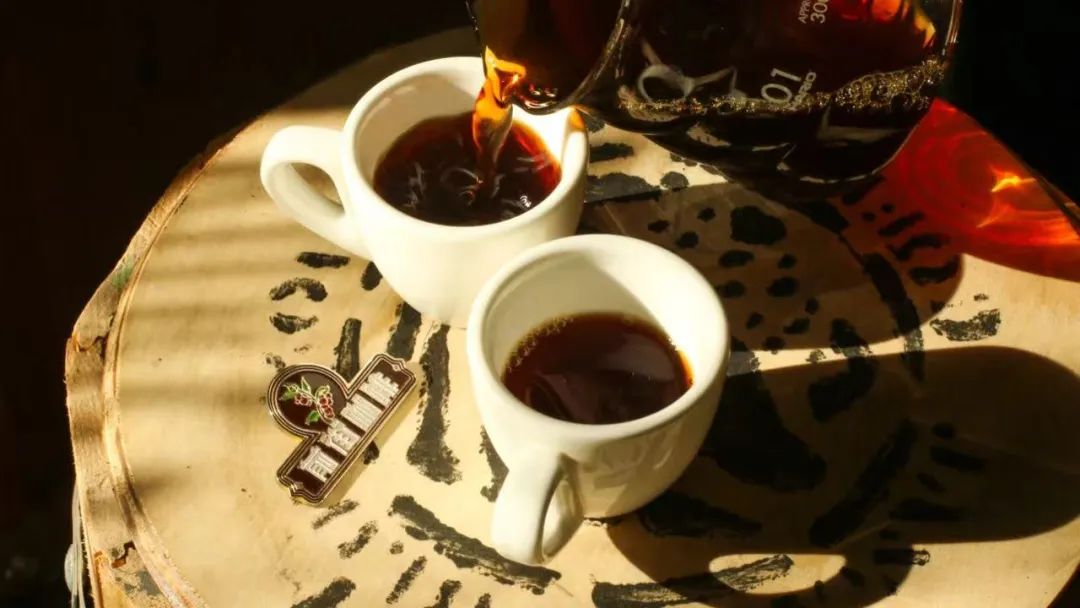
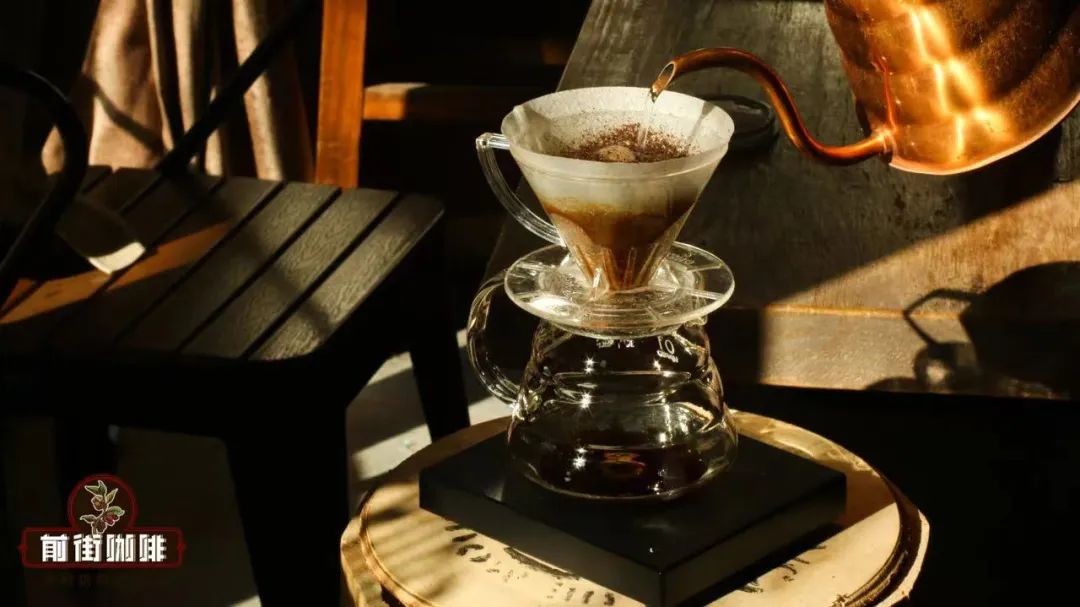
The brewing parameters are: 15g coffee grounds, 1:15 coffee-to-water ratio, 90°C water temperature, grind size with 75% passing through a No. 20 sieve, three-stage pouring method, Kono dripper, brewing time 2 minutes.When the coffee enters the mouth, the first thing Front Street feels is the extreme balance in taste—sweetness, acidity, and bitterness are just right, complementing each other; next, you taste traditional coffee flavors like dark chocolate, nuts, and cream, which are prominent yet not harsh, very gentle; then comes the mouthfeel, which as Front Street said earlier, is rich and smooth; finally, the aftertaste after swallowing, long and lasting, and upon careful tasting, you can detect that legendary touch of elegant aroma. Overall, it really drinks very comfortably, very nice~ The above content is compiled by CoffeeHunters, a coffee news website.