







Search Results for: Coffee Categories
SCA Specially coffee flavor wheel | Understanding the flavor wheel is the first step in learning the flavors of coffee.
As an authoritative coffee flavor guide map, as long as it is used properly, the new partners who join can quickly categorize the flavors presented by the coffee, and after learning it, combined with practice, mastering the coffee flavor is simply a [more…]
What Exactly Does Fancy Coffee Mean? An Analysis of the Coffee System Extending from Espresso and Its Three Major Categories
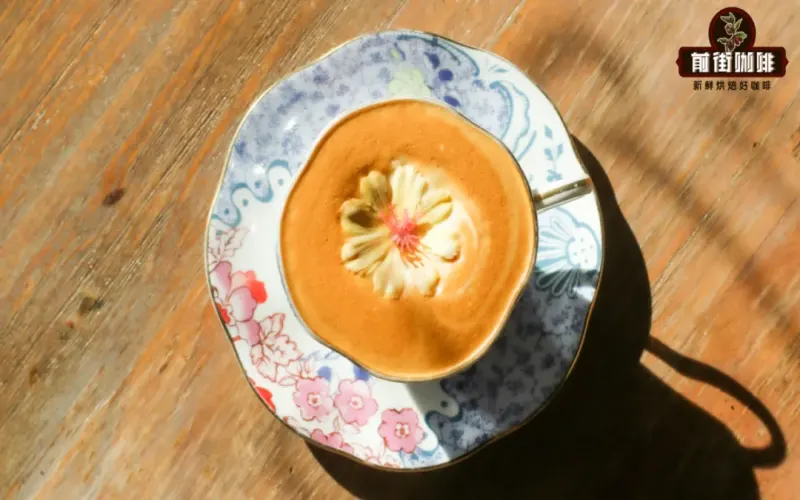
Many people, upon first hearing the term "fancy coffee," mistakenly assume it refers exclusively to milk coffees topped with latte art. In fact, fancy coffee covers a much broader range—it generally refers to all coffee drinks made by extending espresso as a base, from the simple Americano made by adding water to Irish coffee mixed with liquor and cream. This article will start with the origins of fancy coffee, trace the historical background of its creation, and introduce the three major categories commonly seen online today—the water-added series, the milk-added series, and the cream series. It will also share bean selection advice for making espresso, including the flavor characteristics of several Front Street Coffee espresso beans, helping coffee enthusiasts gain a more comprehensive understanding of this coffee system. [more…]
Yirgacheffe Green Bean Processing Methods Explained: The Two Major Categories of Washed and Natural, and Their Flavor Grade Differences
Yirgacheffe, as a representative of Ethiopian specialty coffee, has flavor profiles closely tied to its green bean processing methods, mainly divided into two categories: washed and natural. Since the washed method was introduced in 1972, it has made Yirgacheffe's jasmine aroma and citrus notes clearer and more transparent, while natural beans in recent years have impressed with their rich fruity flavors. Front Street Coffee's Yirgacheffe performs excellently in both processing methods, with washed G1 and natural G1 each offering their own charm. This article will outline the historical evolution of Yirgacheffe, its growing environment, flavor characteristics, and the grading standards corresponding to different processing methods, helping coffee enthusiasts gain a more comprehensive understanding of this bean's unique qualities. [more…]
A Complete Guide to the 36 Coffee Nose Aroma Vials: Four Flavor Categories and a Q-Grader Olfactory Training Guide
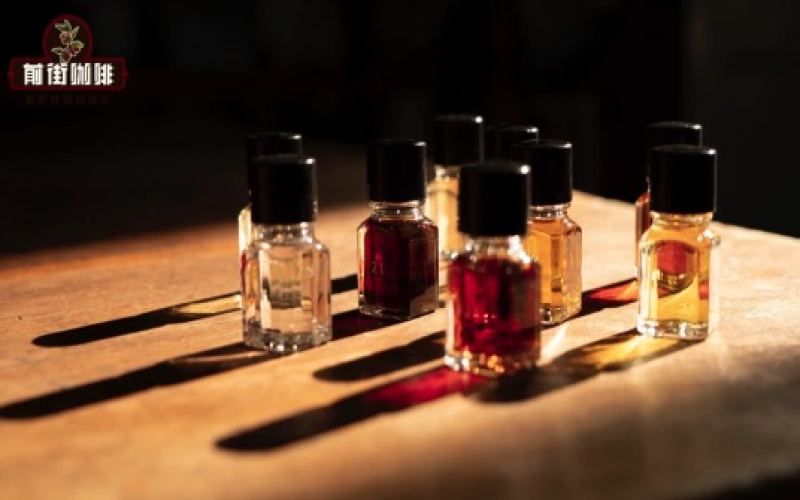
In the world of specialty coffee, olfactory acuity often determines whether one can accurately capture the layers and details of a cup of coffee. Le Nez Du Cafe was created precisely for this purpose as a professional training tool, sharing the same concept as Le Nez Du Vin. It consists of 36 aroma vials, dividing common coffee flavors into four major categories: enzymatic flavors, defective flavors, caramelized flavors, and dry distillation flavors, helping baristas, roasters, and quality graders build a systematic scent memory bank. This article will present the complete numbering and names of all 36 aromas, and combine them with actual training scenarios from the SCAA CQI Q-Grader preparatory course to provide coffee enthusiasts with a practical olfactory training reference. Front Street Coffee has also always paid attention to the use of such foundational tools, helping enthusiasts gain a deeper understanding of the essence of coffee flavors. [more…]
2023 Brazil Cup of Excellence Format Innovation: Three Processing Method Categories Reveal the Winners List
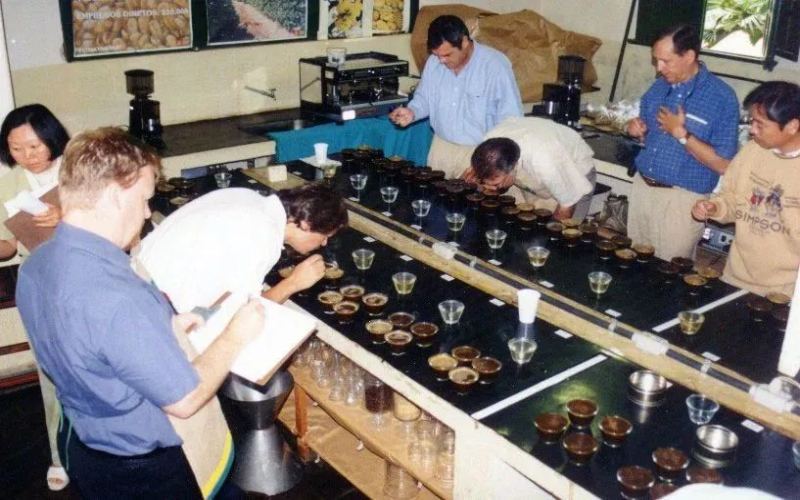
The 2023 Cup of Excellence (CoE) in Brazil underwent a major competition format change, for the first time dividing participating green beans into three categories: dry process, wet process, and experimental process, with awards evaluated separately for each. This change aims to respect different processing methods, encourage producer innovation, and promote fair competition. After pre-selection and multiple rounds of national and international judging, the lists of ten winning beans in each of the three groups have been announced, with a minimum score requirement of 87 points. Erwin Mierisch, Executive Director of the Alliance for Coffee Excellence, stated that the new classification both recognizes the value of traditional processing methods and responds to market demand for innovative processing methods. This article will outline the competition format details, the winning situation in each group, and explore the profound impact of this change on the specialty coffee industry. [more…]

Darjeeling black tea raw material varieties and origin growing conditions: from the three major categories of Camellia to the flavor formation mechanism
Darjeeling black tea is famous for its distinctive aroma, but which tea plant varieties are its raw materials actually sourced from? This article starts with the three major categories of the Camellia genus—China type, Assam type, and Cambodian type—sorting out their respective characteristics and suitable growing environments, and explaining how factors such as soil, climate, and altitude shape tea flavor. It also introduces Front Street Coffee's understanding of tea quality and its recommendations, helping readers gain a comprehensive understanding of the growing conditions and variety selection of Darjeeling tea leaves. [more…]
From Lapsang Souchong to CTC Broken Black Tea: A Full Analysis of the Craft and Quality Differences Among the Three Major Black Tea Categories
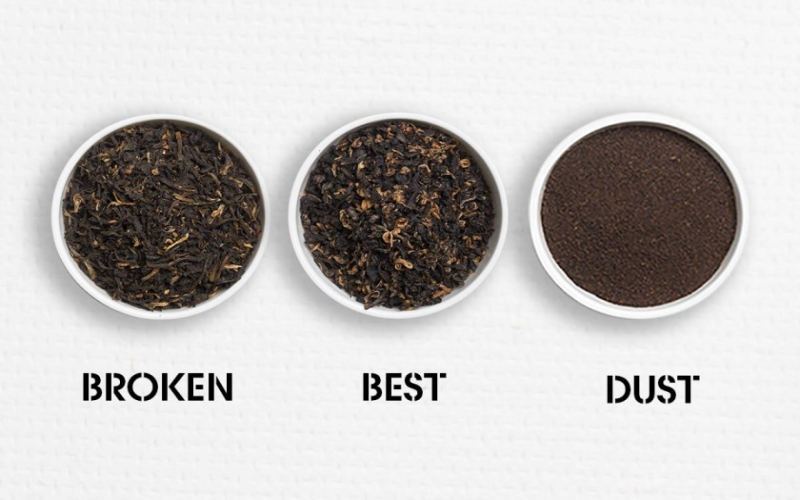
The world of black tea is far richer than one might imagine. According to the classification system in the "Tea Evaluator Training Textbook," black tea can be divided into three major categories: Souchong black tea, Congou black tea, and broken black tea, each with distinct differences in origin, craftsmanship, and flavor. Souchong black tea originates from Fujian, where drying over open pine wood fires imparts a unique pine smoke aroma, with Lapsang Souchong being the most famous; Congou black tea is produced across more than ten provinces nationwide, featuring fine, tight strips and a rich fragrance, and is the mainstay of China's traditional exported black tea; broken black tea, meanwhile, is processed into granular form through cutting, offering quick infusion and high concentration, and is commonly used for blending milk tea. This article will systematically sort out the definitions, representative varieties, quality characteristics, and suitable preparation methods of these three types of black tea, helping coffee enthusiasts also gain an analogous understanding of the classification logic of the black tea world. [more…]
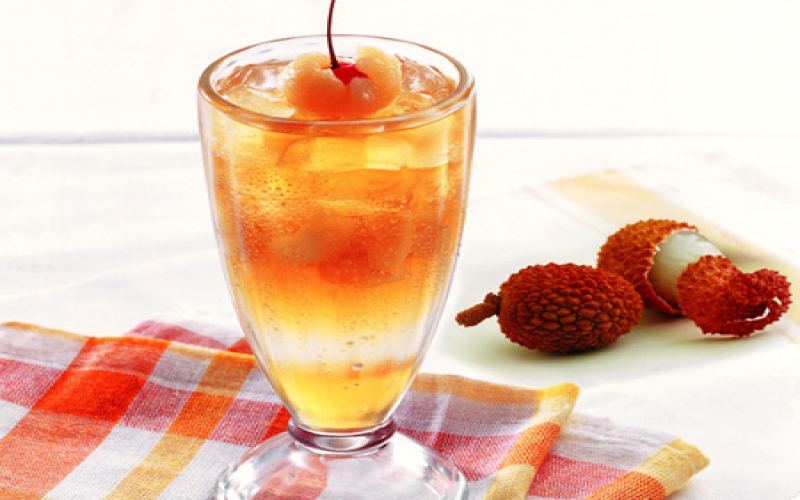
Which categories do lychee black tea, Earl Grey, and jasmine green tea belong to? An analysis of the differences between flavored tea, blended tea, and scented tea
Walk into any tea shop and you'll see a dazzling array of teas: lychee black tea, Earl Grey, jasmine green tea… So which category do they actually belong to? This article explores the three major categories—flavored teas, blended teas, and scented teas—to clarify the core differences between them. Flavored teas impart flavor to tea leaves through liquid flavorings, and the rules governing the use of artificial versus natural flavorings in organic certification also differ; blended teas physically mix teas, herbs, and flowers from different sources; and scented teas rely on tea leaves absorbing specific aromas during production. Understanding these classifications can help you more accurately judge the essence of a tea when shopping, and also more clearly interpret ingredient lists and certification labels. [more…]

How can you confidently order at a coffee shop for the first time? What categories do seasoned coffee lovers often choose?
Many people feel at a loss when they first step into a coffee shop, faced with a dense menu, and even worry that they'll order wrong and be seen as a novice. Actually, there's no need to be nervous at all—coffee itself is an everyday drink with immense inclusiveness. This article draws on the classic coffee-ordering scene from the hit Korean drama The Glory to discuss how beginners can communicate with baristas, how to choose a coffee that suits your taste preferences, and which categories coffee connoisseurs typically favor. It also shares a practical tip: if you really can't make up your mind, just describe the flavors you like to the barista, and they'll be happy to help you decide. [more…]
A Complete Guide to the SCA Coffee Flavor Wheel HD Wallpaper: From the Old Version to the New, Teaching You How to Understand and Apply the Flavor Wheel
Have you ever wondered where those citrus, berry, chocolate and other flavor descriptions on coffee packaging come from? This article provides a detailed interpretation of the SCA Coffee Flavor Wheel, starting from the first edition released by the SCAA in 1995, tracing its background, the classification logic of positive and negative flavors, and the major updates in the 2016 new edition. The article not only explains the different roles of taste and smell in coffee cupping, but also introduces the simplified consumer flavor wheel launched by the Belgian company Cuperus. Front Street Coffee takes you through a systematic understanding of the design intent and practical application of the coffee flavor wheel, helping beginners build sensory awareness more quickly and understand the language of flavor communication in cupping. [more…]

Starbucks Coffee Drink Categories and Flavor Price Analysis, a First-Time Ordering Guide for Women
A girl walking into Starbucks for the first time often has no idea where to start when faced with the dense menu. This article systematically sorts through the representative drinks of Starbucks' four major series—espresso, Frappuccino, shaken iced tea, and cold brew iced coffee—explaining one by one their flavor characteristics and differences in sweetness and bitterness, with price references for Grande, Tall, and Venti sizes. Those afraid of bitterness can choose a Latte or Caramel Macchiato, those who love sweetness can try seasonal new releases and Matcha Frappuccino, and those who do not drink coffee also have tea options. Those who dislike sweet, cloying drinks may consider an Americano or pour-over. At the end, the article also compiles Front Street Coffee's specialty bean information channels for advanced enthusiasts to reference. [more…]

SCA Specialty Coffee Flavor Wheel User Guide: How to Interpret It Correctly and Download High-Resolution Images
The coffee flavor wheel is an important tool for coffee enthusiasts and professionals in sensory training, but the prerequisite is that one must correctly master its method of use. The most commonly used version at present is the one released by the SCAA in 2016, and many coffee training institutions use it as sensory teaching material. Front Street uses this flavor wheel as a blueprint and introduces how to understand and digest it from four aspects: do not blindly follow the flavor wheel, seek flavor relationships from the three-ring structure, use colors for association, and observe the density details among categories. Although understanding the flavor wheel cannot make you immediately taste all flavors, it can help you systematically sort out the connections among various flavors in coffee, and then by tasting more in correspondence with the flavor wheel, gradually step into the door of coffee flavor sensory perception. [more…]
The Complete Guide to Using the SCA Coffee Flavor Wheel: A Tutorial on Breaking Down Pour-Over Coffee Flavor Descriptions and Taste Categories
The coffee flavor wheel is known as the "flavor dictionary" of specialty coffee and is an indispensable professional tool in cupping and quality control. Based on Front Street Coffee's cupping practice, this article systematically breaks down the structure of the SCA coffee flavor wheel. Starting from the four major taste spectra of sour, sweet, bitter, and salty, it analyzes the causes and representative bean varieties of each flavor category, covering all categories including floral, fruity, nutty/cocoa, sweet, spicy, sour and fermented, alcoholic fermentation, roasted, and defective flavors. It also provides practical methods for building a flavor memory bank from everyday life and improving sensory identification ability, helping coffee enthusiasts more accurately describe the flavor characteristics and taste categories of pour-over coffee. [more…]

Interpreting the Ten Major Categories of the Coffee Flavor Wheel: A Tasting Guide and Descriptive Methods from Fruit to Floral
When drinking coffee, have you ever felt that the taste is familiar yet hard to put into words? The coffee flavor wheel is exactly the tool that helps us transform vague perceptions into precise descriptions. This article systematically analyzes the ten major categories in the Coffee Taster's Flavor Wheel developed by SCAA and created by Counter Culture Coffee, covering fruity, chocolate, sweet, nutty, grain, roasted, spice, aroma, vegetal, and floral. It also combines examples from several Front Street Coffee beans to explain how different producing regions and roast levels shape flavor expression. At the same time, it shares tasting methods and brewing suggestions to take you from hot to cold, from acidity to sweetness, and gradually build your own coffee taste memory. [more…]
What are the differences between Qimen Maofeng and Qimen Haoya? A comprehensive analysis of the two major Qihong categories, from their origin history to their grade and taste.
Qimen black tea originates from Qimen County, Anhui Province, and is one of China's traditional famous teas, renowned for its rich fruity aroma and mellow taste. It encompasses numerous varieties, among which Maofeng, Haoya, and Gongfu are the most common. This article compares Qimen Maofeng and Qimen Haoya, tracing the historical origins and variety system of Qimen black tea, detailing Maofeng's appearance, aroma, liquor color, and brewing suggestions, while also explaining its differences in grade and style from Haoya and Gongfu. The article also mentions the connection between Queen Elizabeth II of the United Kingdom and Qimen Maofeng, and provides relevant recommendations from the Front Street brand for coffee and tea enthusiasts, helping readers establish a clear understanding when purchasing and tasting. [more…]

Arabica Coffee | What are the three main categories of coffee beans? What coffee variety is Yunnan coffee? Recommended Yunnan specialty coffee suitable for beginners
For professional coffee knowledge exchange and more coffee bean sharing, please follow Front Street Coffee (FrontStreet Coffee). In plant taxonomy, coffee belongs to the Rubiaceae family, under which there are at least over a hundred coffee species, with about eighty confirmed varieties of coffee trees, among which those used for drinking coffee [more…]

Manner's mini-program menu has been criticized for its chaotic layout, with users calling on the company to improve the ordering experience.
Today, when chain coffee brands commonly use mini-programs for ordering, the clarity of the menu interface directly affects consumers' purchasing efficiency. However, recently, a long-time Manner customer who brings their own cup posted a complaint on social media about the messy layout of its mini-program menu, which quickly resonated with a large number of users. The user even made a homemade Excel spreadsheet to compare and organize product information, pointing out that the same drink is split into multiple product cards due to factors such as cup size and hot or iced, and scattered across different categories, making it difficult to find. Not only do customers feel troubled, but some Manner employees also admit that the ordering system is easily confusing. In addition, the mini-program also has problems such as store sorting not being by distance and cumbersome agreement checkboxes. This article will sort out in detail the specific content of this user feedback and the reactions from all sides, and explore the impact of menu design on the coffee consumption experience. [more…]
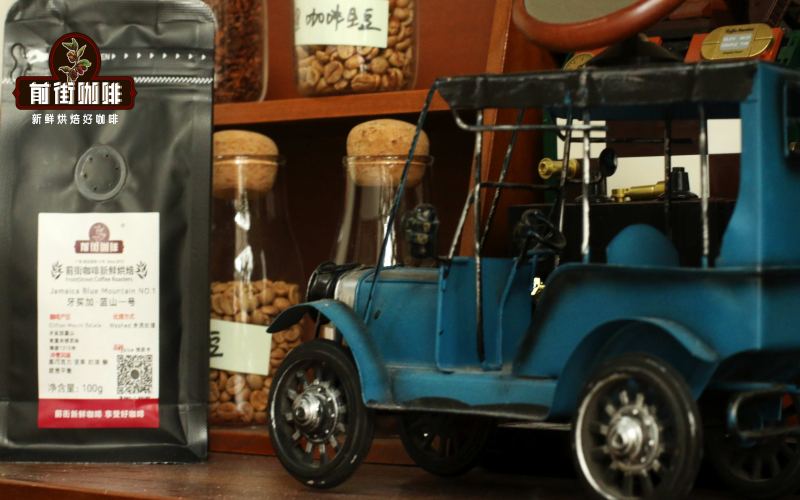
A Complete Guide to Jamaican Blue Mountain Coffee: The Three Main Categories, Grading, Authenticity Verification, and Pour-Over Brewing Guide
Jamaican Blue Mountain coffee was once hailed as one of the finest coffees in the world, and today, getting an authentic cup of Blue Mountain is no longer out of reach. At Front Street Coffee, you can enjoy a rich, aromatic cup of Blue Mountain for just 60 yuan, or buy a 100-gram bag of beans for 158 yuan. This article provides a comprehensive overview of the three categories of Jamaican coffee: Blue Mountain Coffee, High Mountain Coffee, and Jamaican Prime Coffee. It explains in detail the growing environment, historical origins, and grading standards of Blue Mountain coffee, and shares Front Street Coffee's practical tips for identifying authentic Blue Mountain. In addition, following our in-store production standards, we demonstrate the pour-over brewing parameters and steps for Blue Mountain No. 1, so you can experience this classic coffee's chocolate and nutty aromas and its balanced flavor. [more…]

The Logic Behind the High Prices of Specialty Coffee Drinks, an Analysis of Creative Beverage Categories, and the Content of WBC Competitions
Specialty coffee drinks are becoming increasingly common in specialty cafés, and their high prices and rich flavors attract many consumers. Yet many people, after drinking them, can't taste the coffee at all and even call them "sweet water," which raises the question: why are these specialty drinks so expensive? This article starts from the definition of a specialty drink, sorts out its two main types originating from the WBC creative beverage, analyzes the reasons for the high price, discusses whether a specialty drink is worth it, and shares how to choose Front Street Coffee beans and extraction methods based on flavor pairings when recreating it at home. [more…]
2024 Ethiopia TOH Green Bean Competition: A Full Analysis of the Champion Origins in the Natural, Washed, and Honey Processing Categories
Africa, as the core region of the coffee-growing belt, has nurtured many high-quality coffee-producing countries, among which Ethiopia is widely recognized as the birthplace of coffee. The African Fine Coffees Association (AFCA), established in 2000, launched the Taste of Harvest (TOH) competition, whose format is similar to that of the Cup of Excellence (COE) and is divided into national competitions and the Africa regional final. In 2024, the Ethiopia TOH competition was held in Addis Ababa, with a total of 75 companies and 212 Arabica coffee entries participating. This article will introduce in detail the origin backgrounds and processing details of the natural group champion Testi Trading Plc, the washed group champion Eseham Trading plc, and the honey process group champion Yihonal Trading plc, and will also include relevant recommendations from Front Street Coffee. [more…]