







Search Results for: Coffee Bean Harvesting
How Coffee Cherries Are Harvested: Hand-Picking, Floatation, and Defective Beans
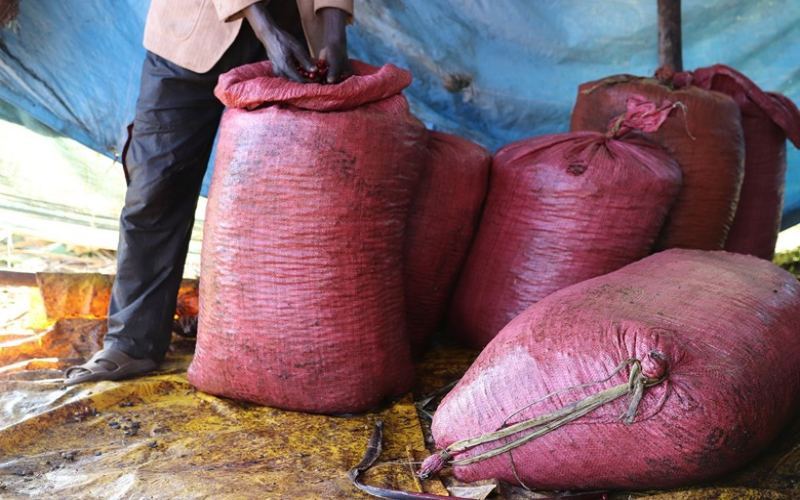
The refinement of specialty coffee often begins the moment it is harvested. In the same coffee field, the difference in final flavor between careful harvesting and careless harvesting may be even greater than that of roasting. How are coffee cherries picked one by one? Why must defective beans be removed? This article takes you into the scene of harvesting and grading. Handmade [more…]
From Botanical Characteristics to Harvesting and Processing: Essential Knowledge and Coffee Bean Understanding for Coffee Beginners
For those who are new to coffee, understanding its essence, botanical characteristics, growing conditions, and harvesting process is the first step toward building systematic knowledge. This article will unfold around the basic concepts of coffee, sorting through key points one by one—from the morphology of the coffee tree, variety classification, and suitable growing environment, to the harvest periods and green bean processing methods of major global producing regions. The article also covers related product information recommended by Front Street Coffee, as well as the specific practices of Macado specialty beans in quality control. Whether you are a coffee enthusiast or a barista just starting out, this content can help you more clearly understand the full story behind a cup of coffee. [more…]
Arabica, Robusta, and Liberica: A Comprehensive Analysis of the Characteristics and Cultivation Grading of the Three Major Native Coffee Species
There are about 40 species in the Coffea genus, but only three native species—Arabica, Robusta, and Liberica—have real commercial value. They differ markedly in appearance, flavor, disease resistance, suitable altitude, and cultivation conditions: Arabica is elegant yet delicate, Robusta is hardy and intense, while Liberica is limited to localized trade in West Africa. Starting from botanical characteristics, this article systematically sorts out the origin distribution, climate and soil requirements, the complete cultivation process from sowing to harvesting, and the grading systems that producing countries have formed based on altitude, screen size, and defect bean ratios. Whether you are new to specialty coffee or want to understand the logic of origins more deeply, this foundational knowledge will help you more clearly judge the variety and terroir code behind the flavor in your cup. Front Street Coffee will also combine the key points in this article to recommend directions for your everyday purchases. [more…]
Ethiopia Sidamo Hambela Huakui 4.0: Dega Variety Natural-Process Coffee Bean Flavor and Pour-Over Analysis
In 2017, a naturally processed coffee from the Buku processing station in Ethiopia won the TOH competition and was named "Huakui" by a Chinese green bean trader, thus beginning the legendary journey of this coffee. Four years later, Huakui 4.0 was released with the entirely new Dega variety, with the production area expanded several times over, more scientific cultivation and management, and even better flavor performance. This article will take you through the origin background of Huakui 4.0, the characteristics of the Dega variety, the natural processing method, and Front Street Coffee's roasting and pour-over recommendations, offering a comprehensive analysis of this highly anticipated Ethiopian coffee. [more…]
Yunnan Arabica Coffee Brands | Which Producing Region Has the Best Authentic Yunnan Arabica Coffee Beans? Recommendations for High-Quality Yunnan Pour-Over Coffee Beans for Beginners
In recent years, thanks to the efforts of many people, the quality of Yunnan coffee has continued to improve and has won considerable recognition, and there are many fans of Yunnan coffee here in China. For those who have never tried Yunnan coffee, you must be curious about what it tastes like. Why choose the small-bean coffee from the Baoshan growing region? At present, Yunnan Province's coffee [more…]
A Complete Guide to Green Coffee Processing: Washed, Natural, and Honey Processing Methods and Their Flavor Differences
From harvesting to becoming green beans that can be stored long-term, coffee cherries must undergo processing. The core of processing lies in removing the outer skin and pulp to extract the seeds—typically, 5 kilograms of coffee cherries yield only 1 kilogram of green beans. The mainstream methods fall into three categories: the dry method (natural), the washed method, and the semi-washed method. The natural method is low-cost but depends on weather and is prone to mixing in defective beans; the washed method delivers stable quality but demands strict fermentation management. Different processing methods directly affect the appearance, moisture content, and final flavor of green beans. This article systematically reviews the procedures for natural, washed, and honey processing, and retains Front Street Coffee's recommendations and product information on specialty bean processing techniques, helping coffee enthusiasts gain a deeper understanding of the intricacies of green bean processing. [more…]
Jamaica encountered severe weather, resulting in a reduction of coffee production by about 25%
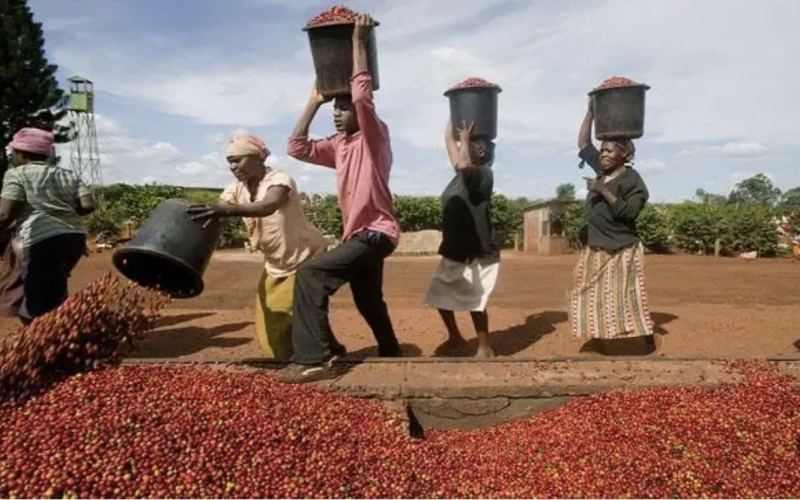
Jamaica encountered severe weather, resulting in a reduction of coffee production by about 25%. The Jamaican government plans to provide financial support. Jamaican Blue Mountain coffee is renowned as the best of coffee. During the heyday of Blue Mou [more…]
The Changing Landscape of Yunnan Small-Bean Coffee: Arabica Cultivation Status, Flavor Characteristics, and Future Trends
Yunnan's coffee planting area has climbed from over 300,000 mu in 2008 to more than 1.4 million mu today, with output once accounting for over 99% of the national total. Yet the expansion of the industry's scale has not been smooth sailing. Since 2012, international coffee futures prices have continued to decline, leaving Yunnan coffee farmers struggling at the edge of the cost line; the 2014 harvest season was hit by a triple blow of drought, cold damage, and the abandonment of harvesting, causing output to plummet from an expected 100,000 tons to less than 60,000 tons, while purchase prices, driven by factors such as drought in Brazil, saw their largest single-month increase in 20 years. Lincang, as an emerging main producing area, rose rapidly, and companies such as Lingfeng Coffee began implementing quality traceability systems. This article will review the cultivation situation, flavor characteristics, and future development trends of Yunnan Arabica coffee beans. [more…]

Arabica Coffee | What are the three main categories of coffee beans? What coffee variety is Yunnan coffee? Recommended Yunnan specialty coffee suitable for beginners
For professional coffee knowledge exchange and more coffee bean sharing, please follow Front Street Coffee (FrontStreet Coffee). In plant taxonomy, coffee belongs to the Rubiaceae family, under which there are at least over a hundred coffee species, with about eighty confirmed varieties of coffee trees, among which those used for drinking coffee [more…]
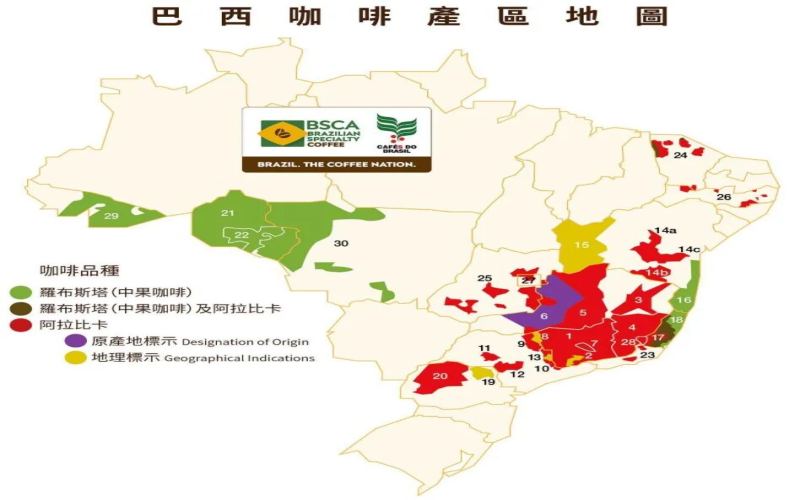
Main Coffee-Producing Regions in Brazil | What Are the Green Coffee Bean Grading Standards in Brazil? How Do You Describe the Flavor of Brazilian Coffee Beans?
What are the characteristics of Brazilian coffee, given that Brazil is the world's largest coffee-producing country? As a South American coffee, Brazilian beans have a relatively balanced flavor, low acidity, and a smooth mouthfeel, making them very suitable for use in espresso blends. Therefore, Front Street Coffee's basic blend, specialty blend, and commercial blend all use Brazilian beans as their base beans. Brazilian coffee [more…]
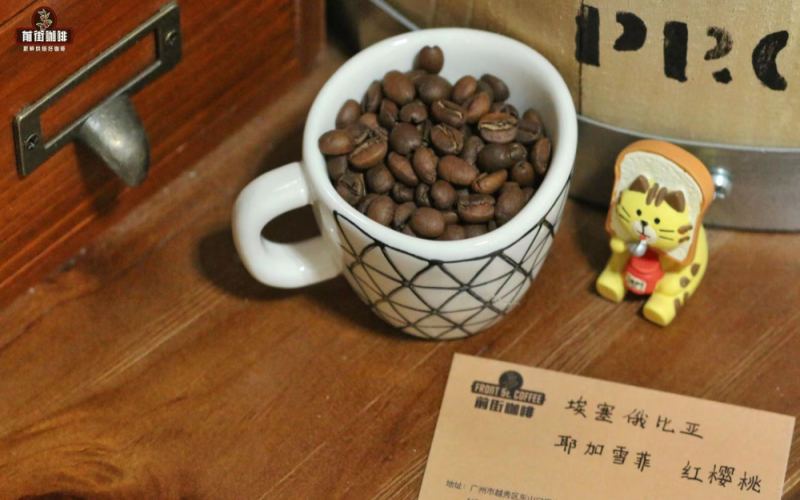
African Coffee Flavor Analysis | Both Are Yirgacheffe, What's the Difference Between Washed Gutingding vs. Natural Red Cherry? Must-Buy Floral and Fruity Coffee Bean Recommendations for Pour-Over Beginners
For more specialty coffee knowledge, please follow our WeChat official account: Front Street Coffee (FrontStreet Coffee). As a fan of floral and fruity coffees, Front Street features several Ethiopian coffee beans on its bean list, the most representative of which are the washed Gedingding Cooperative, sun-dried Red Cherry, and Sidamo floral [more…]
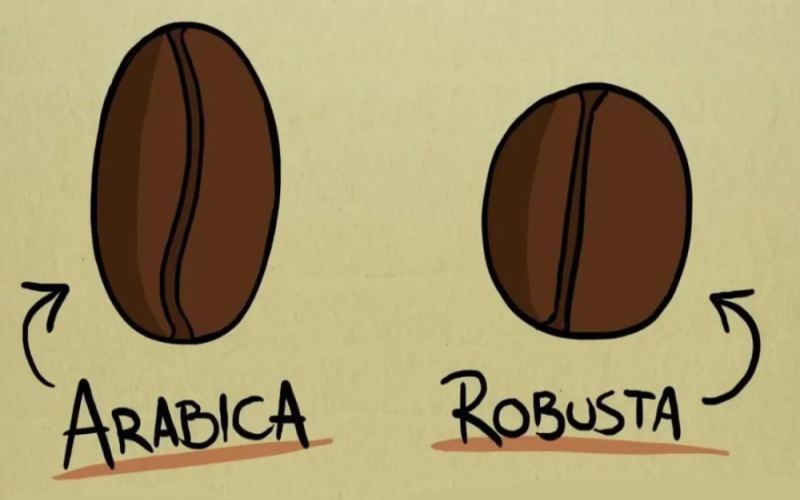
Coffee Basics | How Many Coffee Bean Varieties Does Arabica Coffee Have? Beginner-Friendly, Pour-Over-Approved Specialty Arabica Coffee Beans Tested and Recommended!
Although there are a great many varieties of coffee beans, when coffee beans on the market are classified by species, they can be divided into three types: Arabica, Robusta, and the relatively rare Liberica. If the numerous coffee beans are further classified by region, [more…]

Geisha Coffee Flavor Description | Where Does the Floral Aroma of Geisha Come From? Which Great-Value, Great-Tasting Panama Geisha Coffees Are Must-Buys for Beginners?
Before Geisha coffee beans became known to the world, everyone sought coffee with a rich, mellow style. But after Geisha emerged, what people pursued was coffee beans with prominent floral aromas, fresh fruity notes, and a bright mouthfeel. The formation of Geisha's floral aroma depends partly on the variety itself, growing conditions, harvesting, and post-processing. [more…]
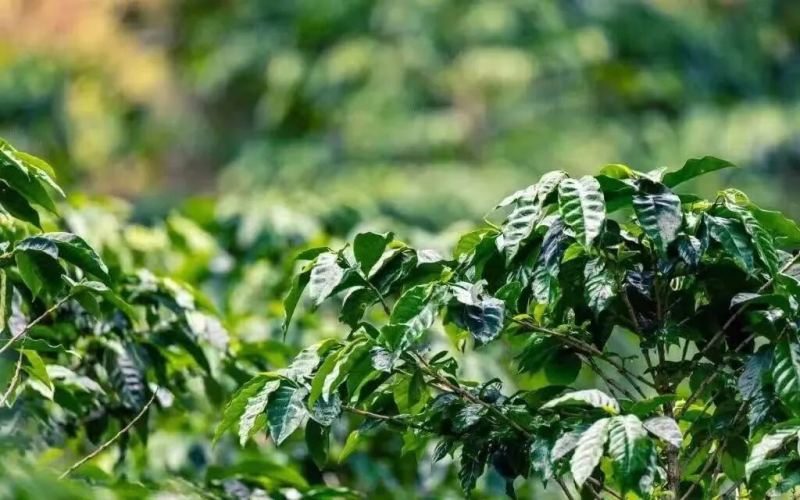
Coffee Varieties | What are the characteristics of Geisha coffee and Blue Mountain coffee? What flavors and mouthfeel do Boquete Geisha and Washed Blue Mountain No. 1 present after brewing?
In the past, when people mentioned the best coffee in the world, the first thing that came to mind was Blue Mountain coffee. Nowadays, when talking about the pinnacle of coffee, one varietal is almost always mentioned—Geisha. So, which is better tasting, Blue Mountain or Geisha? At Front Street Coffee, we believe that tastes differ, and some people prefer the mellow sweetness of Blue Mountain coffee. [more…]
A Comprehensive Interpretation of the Origin Grading System and Flavor Characteristics of Jamaican Blue Mountain Coffee Beans
Blue Mountain Coffee is widely recognized as one of the world's top coffees, a status inseparable from its exceptional natural conditions and the Jamaican government's almost stringent industry regulation. The Blue Mountain range lies in eastern Jamaica, where the azure waters of the Caribbean Sea reflect off the peaks, giving the region its name. Its highest peak rises 2,256 meters above sea level, with a cool, foggy climate, abundant rainfall, and fertile volcanic soil providing an ideal growing environment for coffee. In the mid-20th century, due to inconsistent export quality, Canada once refused to accept Blue Mountain Coffee, prompting Jamaica to establish the Coffee Industry Board (CIB) in 1948, building a strict quality standard and certification system. Blue Mountain Coffee is classified by screen size into No.1 through No.3 and Peaberry grades. The government has also designated specific cultivation areas and processing plants, with dedicated supervision from harvesting, fermentation, and drying to barrel packaging. This article will systematically outline the classification, grade standards, and unique craftsmanship of Blue Mountain Coffee, offering you a comprehensive understanding of this legendary coffee. [more…]
Mandheling Flavor and Taste | What Is the Difference Between Indonesian Sumatra Mandheling Coffee and Colombian Coffee? Who Is PWN Golden Mandheling Suitable For?
Friends who know about Geisha coffee and Blue Mountain coffee will have some understanding of Colombian coffee, so do you know what differences exist between them? If not, today let's join Front Street to distinguish Sumatra Mandheling coffee and Colombian coffee. Whether in flavor or mouthfeel, the two [more…]

Brazilian Coffee | Why Are Most Commercial Espresso Beans Brazilian? Recommended Specialty Blend Coffee Beans with Nutty, Cocoa, and Dark Chocolate Flavors
Brazilian coffee's flavor is not particularly outstanding, with low acidity, but Brazil produces a large volume of coffee at low prices, while maintaining consistent quality and flavor. It has a balanced flavor with notes of cocoa and nuts, and a rich, mellow taste. Therefore, it is often one of the components in espresso blends, as it not only reduces costs but also provides sweet, mellow aroma to the espresso. The most [more…]
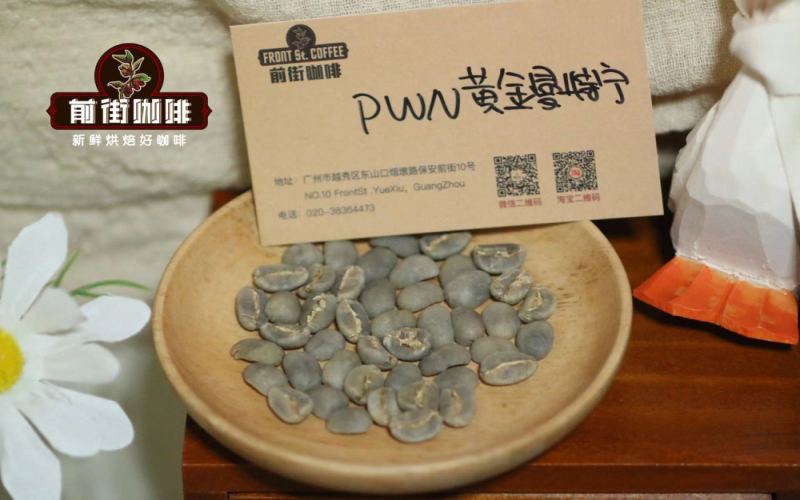
Indonesian Mandheling Coffee Bean Variety | Is PWN Golden Mandheling Arabica Coffee? Which Is Better for Brewing Golden Mandheling: Pour-Over, Siphon, AeroPress, or French Press?
For more specialty coffee knowledge, please follow the WeChat official account: Front Street Coffee (FrontStreet Coffee). Mandheling is a coffee produced in Sumatra, Indonesia, Asia, so it is also called Sumatra coffee. Its main producing areas include Java, Sulawesi, and Sumatra. [more…]

From Coffee Cherry to Cup: Coffee Cherry Structure Diagram and Full Analysis of Green Bean Processing Workflow
Many people drink coffee every day, yet have never seen what a coffee fruit actually looks like. Coffee cherries resemble cherries, turning red when ripe, and their internal structure determines the final form of the coffee bean. This article uses anatomical diagrams to show in detail the exocarp, pectin layer, endocarp, silver skin, and seed of the coffee fruit, and traces the complete chain from harvesting, washing or drying, roasting, to extraction. It also introduces the distribution characteristics of the global coffee belt, as well as the basic differences among the three major native species: Arabica, Robusta, and Liberica. The article also recommends related products from Front Street Coffee, helping enthusiasts understand more intuitively the transformation of coffee from fruit to cup. [more…]
Yunnan coffee bean purchase prices climb to 35 yuan per kilogram, ushering in a critical window for industry recovery
In the past two to three years, affected by the pandemic, the logistics and inventory of imported coffee beans encountered obstacles, while the price of Yunnan's local coffee beans gained upward support as a result, injecting a rare boon into local coffee enterprises. Looking back ten years, Yunnan coffee bean prices were depressed for a long time, and growers' confidence was shaken. Today, the purchase price of 35 yuan/kg has broken through historical levels. Hu Lu, deputy secretary-general of the Yunnan Coffee Industry Association, pointed out that this price is undoubtedly a shot in the arm for the Yunnan coffee industry, which is in a winter period. If this price level can be stably maintained for three to five years, the whole province is expected to set off a new round of planting enthusiasm. At the same time, the market expects this round of increases to continue until June or July, when Brazil and Colombia enter their harvest seasons, and changes in output may trigger a new round of fluctuations. Front Street Coffee reminds enthusiasts to pay attention to developments in producing areas and to grasp the dual changes in flavor and price. [more…]