







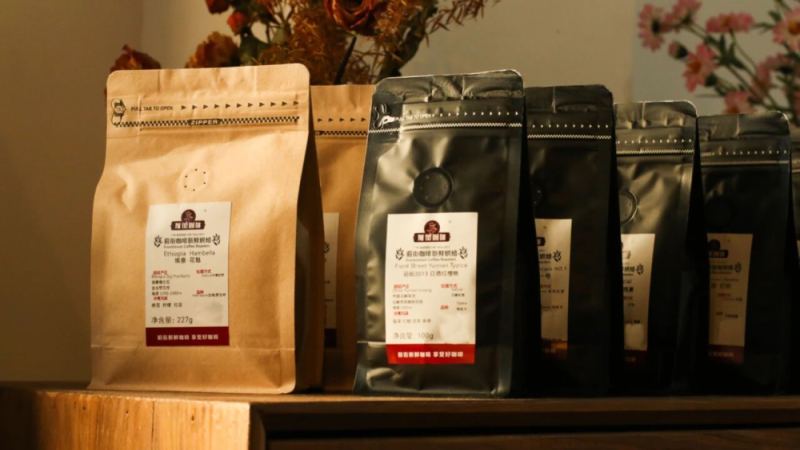
Mandheling coffee, with its low acidity, rich and mellow body, and unique herbal aroma, has become the hallmark of Indonesian specialty coffee. Indonesia's main coffee-producing regions are distributed across Sumatra, Java, and Sulawesi, with Sumatra producing the largest volume. Different regions and harvesting methods have given rise to diverse Mandheling grading systems, while the wet-hulling process is regarded as the key to Mandheling's rise to global prominence. Front Street Coffee's Lintong Mandheling and PWN Golden Mandheling each have their own distinctive character — the former retains a traditional bold flavor profile, while the latter undergoes strict manual bean sorting, resulting in a cleaner and brighter flavor. This article will guide you through Mandheling's taste characteristics, the origins of the wet-hulling method, and the differences between various Mandheling coffees, making it suitable reading for coffee lovers who enjoy rich, intense flavors.
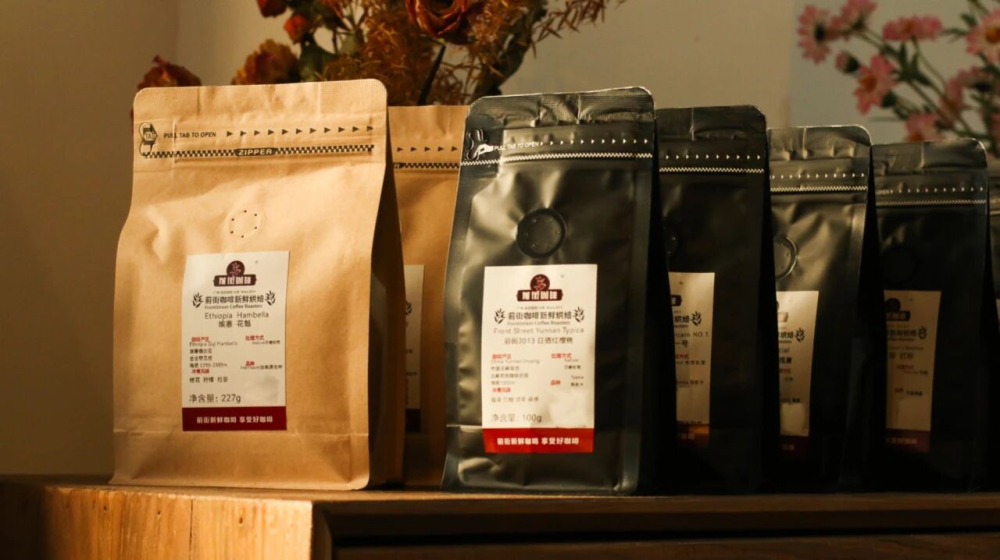
Front Street Mandheling Taste and the Differences Between Different Mandheling Coffees
Low acidity, mellow and full-bodied, with a unique medicinal herb and forest agarwood aroma — we believe everyone is familiar with Front Street Mandheling coffee. Nowadays, we can almost universally refer to Mandheling as synonymous with Indonesian specialty coffee. Indonesia's most important coffee-producing regions are located on Sumatra, Java, and Sulawesi, with Sumatra producing the highest volume.
Mandheling is graded differently based on region and harvesting method. Let us first briefly walk you through the different harvesting methods so you can understand clearly.
Front Street Lintong Mandheling has the signature flavor of traditional Mandheling, carrying aromas of spices, herbs, caramel, and dark chocolate. It is highly suited to coffee lovers who prefer "bold flavors," with a low-acid, mellow body and a lingering finish.
According to Front Street Coffee's research, the reason Indonesia uses the wet-hulling method to process coffee cherries is that the local weather is predominantly rainy, with continuous typhoons, making it impossible to achieve the good weather conditions required for natural sun-drying. Moreover, the local economy is not strong enough to afford the more expensive washed method, which gave rise to the highly distinctive local wet-hulling process.
Of course, Indonesia's coffee industry has developed beyond the impoverished conditions of the past. There are now quite a few estates and companies that can use the washed method, but they have still not abandoned wet-hulling. Front Street believes that wet-hulling is the factor that propelled Mandheling coffee onto the world stage — mention Mandheling coffee and one immediately thinks of wet-hulling. Clearly, the two have become mutually reinforcing.
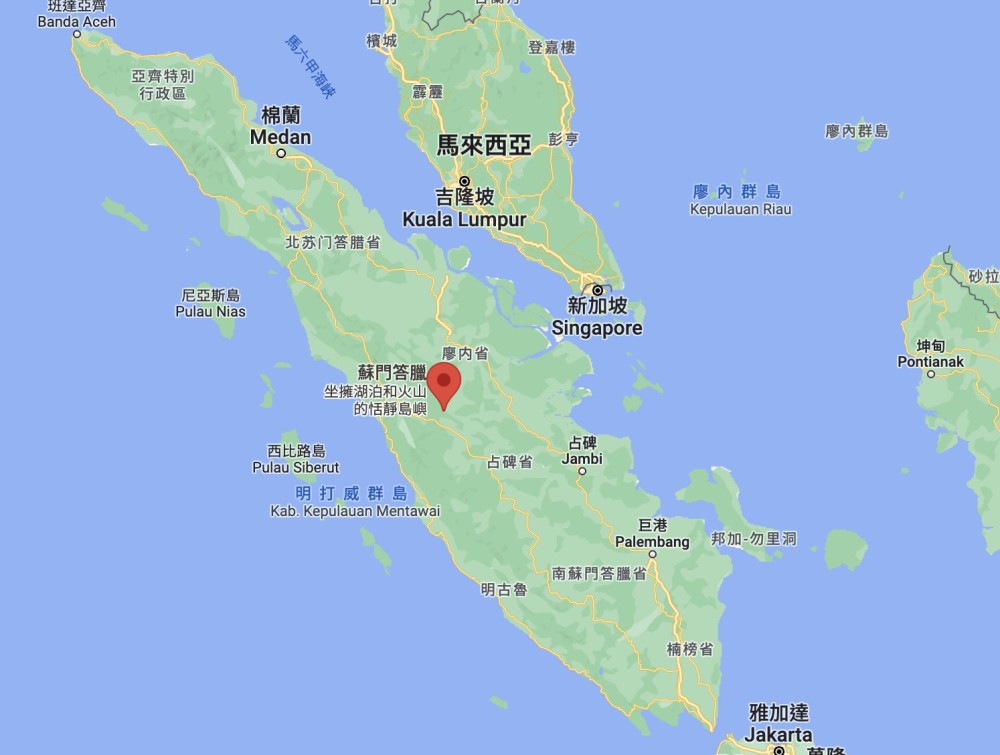
Front Street Golden Mandheling originates from Sumatra. It is a premium coffee bean produced under strict Japanese management and monitoring of the harvesting, processing methods, and bean integrity. It must undergo four rounds of manual bean sorting to remove defective beans, resulting in a dark green color and uniform bean appearance. After roasting, the flavor is bright and clean — Mandheling's original earthy, musty notes are almost gone, replaced by a more pronounced caramel sweetness.
Front Street PWN Golden Mandheling is a quintessential example of wet-hulling. Because the extremely fast wet-hulling process results in a higher defect rate in coffee beans, processing plants arrange workers to hand-sort and remove defects. There are generally DP (double-picked) and TP (triple-picked) grades, and Mandheling that has undergone triple hand-sorting will see its defect rate drop dramatically.
Apart from some minor variations, wet-hulled coffee beans are generally considered to carry earthy, smoky, and chocolate notes, with acidity described as low and the body as mellow, though sometimes also perceived as flat. Front Street PWN Golden Mandheling coffee beans, however, display a superior herbal character, with a very pronounced caramel sweetness. The entry is composed and elegant, and after swallowing, the palate is filled with a rich sweetness, full body, and wild spice flavors.
The above content is compiled by CoffeeHunters, a coffee news website.


