







Search Results for: Coffee Bean Brewing Methods
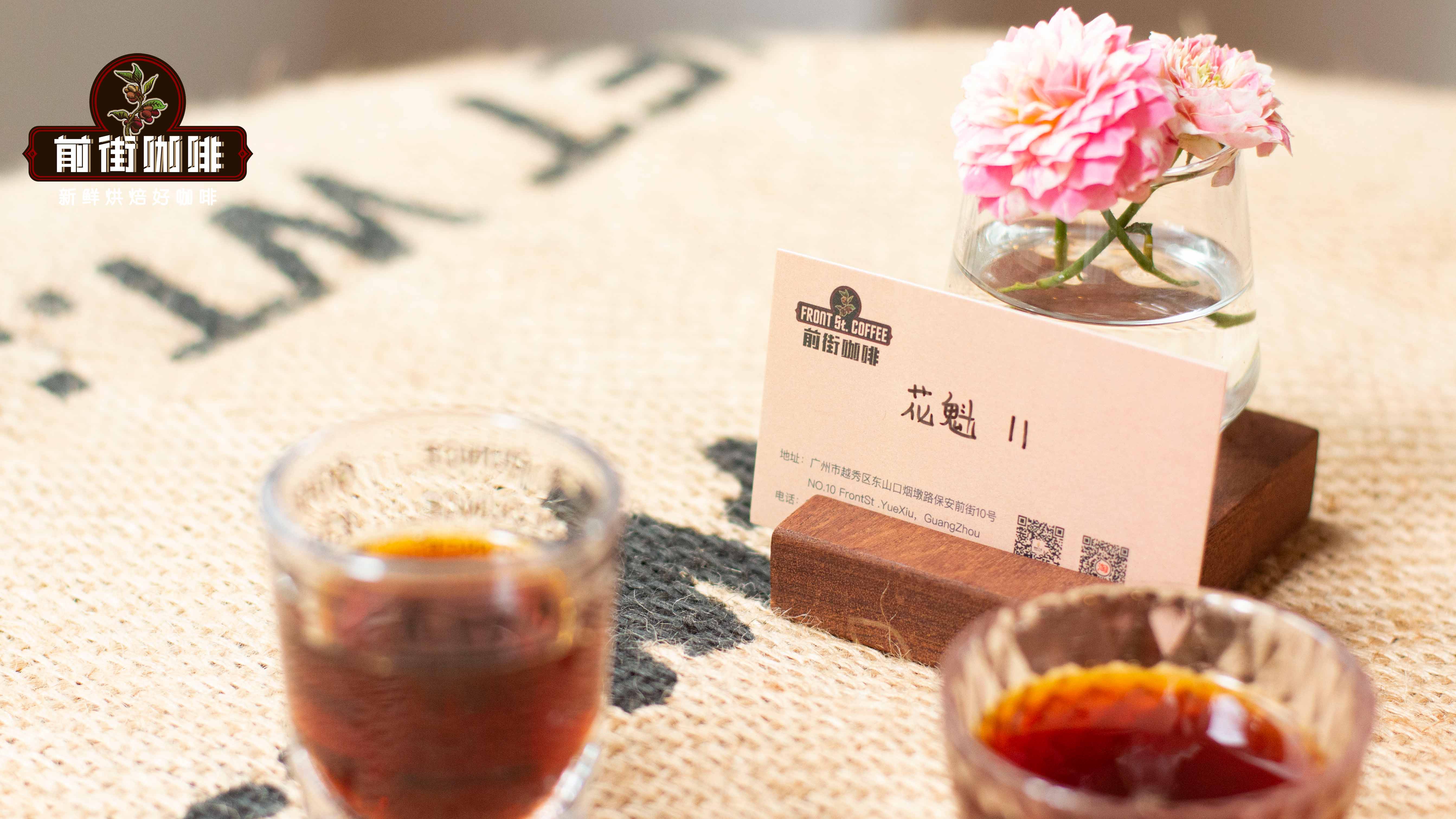
Beginner's Guide to Choosing Coffee Beans: Flavor Differences Between Natural and Washed Processing Methods and Key Brewing Points
Many friends who are just getting into single-origin coffee are amazed by the rich layers of flavor in the cup—some taste the refreshing quality of lemon tea, while others taste the sweetness of strawberry juice. Besides variety, origin, and climate, the processing method also plays a decisive role in the flavor a bean ultimately presents. From the perspective of Front Street, this article systematically explains the principles, steps, and flavor characteristics of the two basic processing methods, natural and washed, helping beginners distinguish the differences between green bean appearance and roasted bean differences, and gives brewing parameter suggestions for each of the two processing methods. The article also includes specific product recommendations such as Front Street Red Cherry, Front Street Blue Mountain No. 1, and Front Street Fruit Ding Ding, making it convenient for beginners to purchase as needed. [more…]
Honduras Lychee Orchid Coffee Flavor Analysis: Brandy Barrel Fermentation Process and Three Brewing Methods Explained
The flavor profile of coffee is determined by the combined effects of terroir, varietal characteristics, processing method, and roasting technique. Among these, the processing method is particularly crucial in shaping the final flavor direction—washed processing brings clean and bright acidity, while natural processing imparts fuller sweetness and body. In recent years, barrel-fermented processing has attracted widespread attention in the specialty coffee community thanks to its distinctive vinous notes. Front Street Honduras Lychee Orchid from Front Street Coffee's bean lineup is a representative example processed with brandy barrel fermentation, and like the Sherry barrel coffee from the same region, it originates from Moca Estate. This article will systematically analyze the flavor code of this bean from varietal background, processing technique, roasting curve to cupping performance, and share three brewing methods—French press, pour-over, and espresso—to help coffee enthusiasts fully unleash its unique vinous charm. [more…]

2026 Best-Selling Specialty Arabica Coffee Beans Ranking: Ten High-Value Pour-Over Beans Tested and Recommended
Faced with the dazzling array of coffee beans on the market, consumers often find it hard to judge which one truly suits their taste based on评分表 alone. Rather than repeated trial and error wasting your budget, it's better to refer to a market-tested list of popular options. This article compiles the 2026 hot-selling list of specialty Arabica coffee beans, covering ten beans with distinctive characteristics, from Ethiopia's Huakui and Yirgacheffe, to Indonesia's Mandheling, Colombia's Huila, and Yunnan small-batch and classic Italian blends, each one annotated with roast level, flavor description, and suitable brewing methods. Whether you prefer bright fruity acidity or full-bodied sweet aftertaste, you can find a cost-effective choice suitable for pour-over, cold brew, or espresso in this list. [more…]
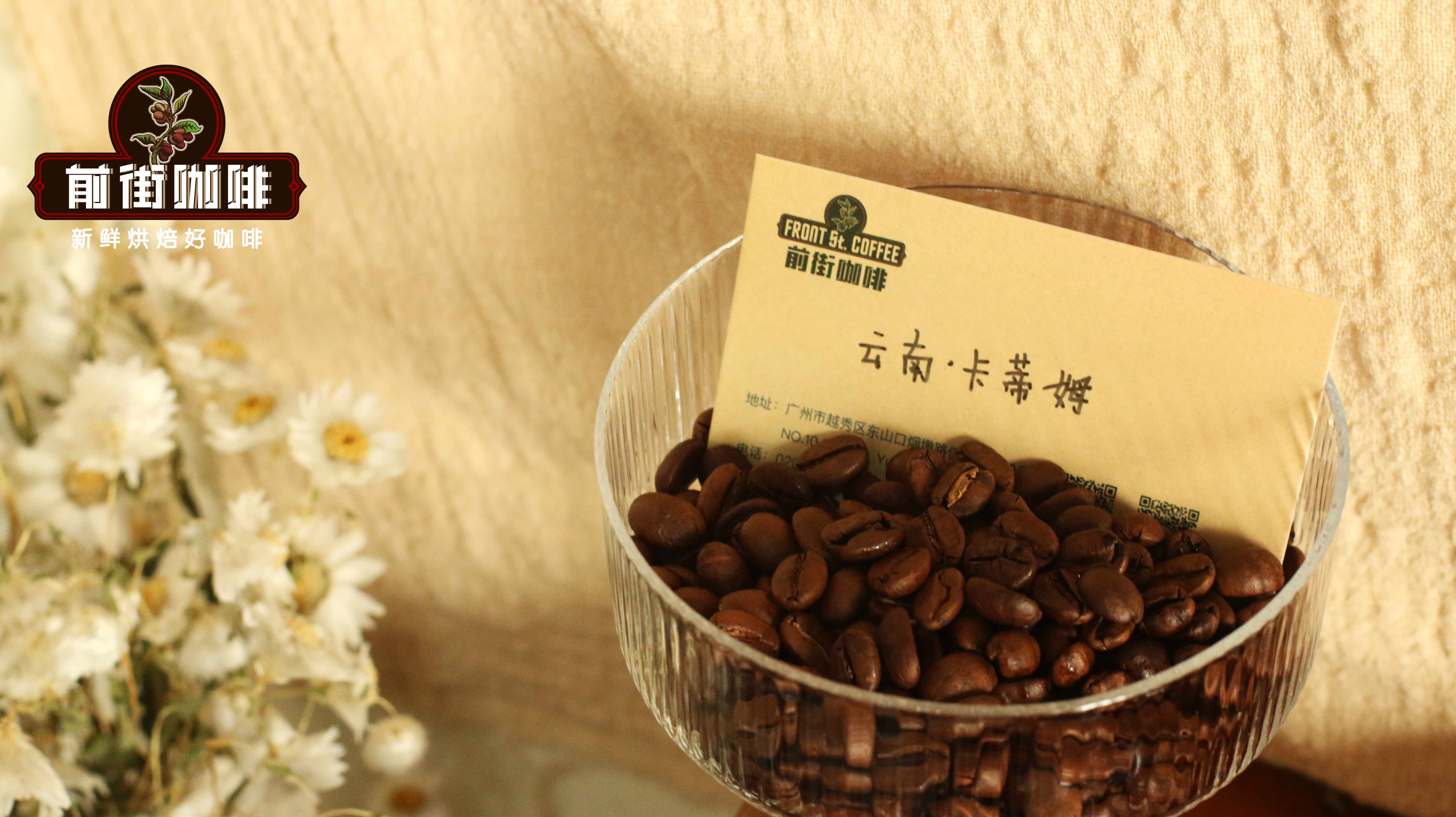
Yunnan Small-Bean Coffee Brewing Guide: Typica vs. Catimor Variety Differences and Front Street Coffee Farming Practices
In the Yunnan coffee market, Catimor dominates, but special processing methods are not a long-term solution—Catimor under traditional processing is what is truly worth savoring. Front Street Coffee chose to plant Typica at its Baoshan estate, improving Yunnan coffee's image from the root. This article compares two washed-process Baoshan Catimor and Typica beans, shares a segmented brewing recipe for the Kono dripper along with the flavor results, and discusses the real gaps between the two varieties in yield and growing conditions, as well as Front Street estate's planting layout and future plans. [more…]

A Detailed Guide to Five Brewing Methods for Front Street Small-Bean Huakui Coffee: V60, Clever Cup, French Press, AeroPress, and Cold Brew
Geisha coffee beans have captured the hearts of many coffee lovers with their enchanting floral and fruity aromas, and different extraction methods can reveal completely different layers of flavor. In this article, Front Street Coffee will focus on the small-bean Geisha coffee beans and provide a detailed demonstration of five brewing methods: V60 pour-over, Clever Cup immersion, French Press immersion, AeroPress pressure brewing, and cold water immersion. Each method includes specific coffee-to-water ratios, grind sizes, water temperatures, and step-by-step instructions to help you consistently reproduce the Geisha's berry sweetness and creamy texture at home. Whether you prefer a clean, bright cup or a full, rich experience, you can find a brewing method that suits you. [more…]
A Complete Analysis of Latin American Coffee Regions: Flavor Profiles and Processing Methods of Coffee Beans from Eight Countries Including Brazil and Colombia
Latin America is one of the most important coffee-producing regions in the world. From Brazil to Colombia, from Panama to Guatemala, each country shapes a distinctively different coffee flavor profile through its unique geography and processing methods. This article systematically reviews the producing regions, bean varieties, processing methods, and cupping performance of eight major Latin American coffee-producing countries, and combines Front Street Coffee's daily drinking bean series with Front Street Coffee's brewing methods to help coffee lovers fully understand the balance and cocoa-chocolate notes of Latin American coffee. Whether you are a beginner just starting out or a seasoned enthusiast, you can find the cup that suits you. [more…]

What Is Coffee Body? A Full Analysis of the Factors Affecting Body and Brewing Methods
When drinking coffee, people often describe the mouthfeel as "rich," "light," or "full," and behind this lies a professional term—body. It is not a specific flavor of coffee, but rather the weight and tactile sensation of the coffee liquid in the mouth. Starting from the definition of body, this article sorts out the factors that affect richness, including green bean processing methods, bean varieties, roast levels, and brewing equipment, and shares how to achieve an ideal body experience through different brewing methods. The article also recommends two single-origin coffees suited to experiencing a rich mouthfeel—Front Street PWN Golden Mandheling and Front Street Queen's Estate—and, combined with a siphon brewing example, helps coffee enthusiasts build a systematic understanding of body. [more…]
A Complete Guide to Tanzanian Kilimanjaro Coffee: Regional Features, Brewing Methods, and Specialty Coffee Preparation
The Tanzanian coffee-producing region at the foot of Mount Kilimanjaro, with its mineral-rich volcanic soil and coffee trees over a century old, produces coffee beans of outstanding quality. Starting from the region's background and cultivation management, this article systematically reviews the characteristics and suitable equipment of mainstream brewing methods such as drip, filtration, and pressure-based brewing, and provides an in-depth explanation of the four key points of coffee bean blending, including bean selection, removing defective beans, understanding bean variety characteristics, and differences in roast levels. Finally, using Japanese-style cappuccino as an example, it walks you through the process of making a fancy coffee step by step, making it suitable reading for enthusiasts who want a comprehensive understanding of Kilimanjaro coffee. [more…]
Yirgacheffe Washed vs. Natural Processing Methods Explained: Flavor Characteristics and Front Street Specialty Bean Brewing Guide
Yirgacheffe, as a star-producing region in Ethiopia, has always been a hot topic among coffee enthusiasts for the flavor differences between its washed and natural processing methods. The washed method centers on removing the skin and pulp, then rinsing with clean water and drying, resulting in clean, stable quality and bright floral notes; the natural method keeps the whole fruit for a long, slow drying process, giving the beans rich fruity aromas and a fuller body. This article will take a deep dive into the essential differences between the two processing methods, citing specific products such as Front Street Yirgacheffe, Front Street Guding, and Front Street Red Cherry to explain how to choose coffee beans based on flavor preferences, while also offering brewing parameter suggestions to help you easily brew a cup of coffee you love. [more…]

Starbucks Reserve Coffee Menu Prices and Ordering Methods: Bean Standards and Analysis of the Four Key Bean Selection Criteria
Starbucks Reserve and regular stores have clear differences in branding, brewing methods, and experience. Their menus include both drinks priced the same as regular stores and specialty beverages and pour-overs made with specialty beans available only at Reserve stores, which are relatively more expensive. This article will explain Reserve coffee's bean selection standards—terroir conditions, processing methods, coffee varieties, and human stories—and introduce how to consult staff when ordering based on flavor and taste. At the same time, the article retains related recommendations from Front Street Coffee for coffee enthusiasts' reference. [more…]
Tanzanian Kilimanjaro coffee beans: plump and uniform, with both sweet and tart flavors—a complete analysis from green bean composition to brewing methods
Front Street Kilimanjaro coffee is known for its large, uniform beans and grayish-green color, with bright acidity accompanied by a pleasant sweet aroma, and its overall flavor performance is quite outstanding. At a medium roast it shows a clean sweetness and soft acidity, while at a dark roast it shifts toward a warm, mellow bitterness, so it is often used to make blended beans. This article will start with the differences in composition between green beans and roasted beans, then introduce the suitability of Front Street Kilimanjaro coffee in single-origin and specialty coffee drinks, and finally outline the characteristics of the three mainstream brewing methods—drip, infusion, and high-pressure—to help coffee lovers more fully understand this bean's flavor potential and ways to use it. [more…]
Yirgacheffe Washed vs. Natural Processing Methods: Flavor Profiles, Bean Appearance, Mouthfeel, and Brewing Recommendations
Yirgacheffe, as a representative region for Ethiopian specialty coffee, produces two processing methods—washed and natural—that create completely different flavor profiles. Washed Yirgacheffe is known for its bright citrus acidity, jasmine aroma, and black tea finish, while natural Yirgacheffe presents fermented wine notes, honeyed sweetness, and a full body. This article will comprehensively compare the core differences between these two processing methods, from regional terroir, processing techniques, and grade classification to cup profile differences and optimal brewing parameters, and share the brewing performance of Front Street G1 Yirgacheffe, helping coffee lovers more clearly understand the charm of Yirgacheffe. [more…]

Yirgacheffe G2 Coffee Bean Flavor Analysis: Comparison of Pour-Over Parameters and Grind Settings for Washed and Natural Processing Methods
Yirgacheffe is Ethiopia's most iconic specialty coffee region, renowned for its bright acidity and fresh floral aroma. This article begins with the region's background and the differences between washed and natural processing methods, then breaks down in detail Front Street Coffee's brewing approach for the Gedeb Cooperative washed beans and the Aletaland Cooperative natural Red Cherry beans, including grind size recommendations, water temperature selection, coffee-to-water ratio, and dripper pairing, helping coffee enthusiasts more precisely bring out Yirgacheffe's citrus, berry, and honey sweetness. [more…]
A Complete Guide to Anaerobic Natural and Anaerobic Washed Processing Methods: Step-by-Step Procedures, Flavor and Mouthfeel Differences, and Front Street Coffee Bean Recommendations
As coffee enthusiasts deepen their understanding of coffee, more and more people are paying attention to coffee bean processing methods. As a post-harvest processing method that has attracted much attention in recent years, anaerobic fermentation has brought more possibilities to coffee flavors. This article will analyze in detail the step-by-step processes and flavor and taste differences between anaerobic natural and anaerobic washed processing methods, and share Front Street Coffee's cupping and brewing experience. By comparing the characteristics of washed, natural, and anaerobic processing, it helps readers understand how different processing methods affect the final flavor of coffee. The two anaerobic natural beans, Huayueye and Monster Manor, launched by Front Street Coffee, will also be used as examples to demonstrate their unique charm. Whether you are a beginner or a seasoned enthusiast, you can gain practical references for purchasing and tasting. [more…]
A Complete Guide to Latin American Coffee Regions: Flavor Profiles, Processing Methods, and Brewing Guides for Signature Beans
Among the world's three major coffee-producing regions, Latin America stands out for its balanced taste and rich, cocoa- and dark-chocolate-like flavors. This article systematically reviews the coffee-growing backgrounds, main producing areas, processing method characteristics, and flavor profiles of countries such as Brazil, Colombia, Panama, Costa Rica, Honduras, Jamaica, Guatemala, and Nicaragua, and combines them with Front Street Coffee's everyday beans series and brewing methods to help coffee lovers build an overall understanding of Latin American coffee, making it a valuable reference for both everyday purchasing and pour-over practice. [more…]
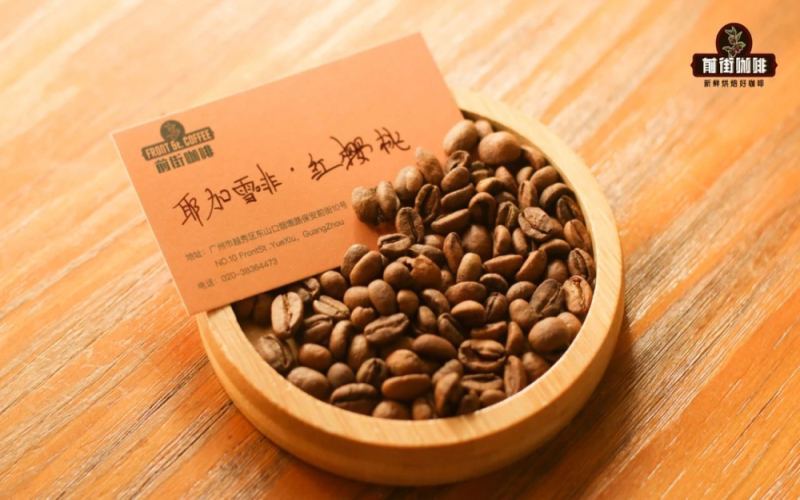
The Past and Present of Yirgacheffe Red Cherry: From the Red Cherry Project to the Brewing Flavor Differences Between Natural and Red Honey
The Yirgacheffe Red Cherry coffee beans have always been a star product on Front Street Coffee's bean list, but many enthusiasts are not familiar with the story behind them. Red Cherry is not the name of a certain cooperative, but a quality promotion program initiated by Dutch green bean trader Trabocca, which encourages coffee farmers to harvest carefully by raising the purchase price, thereby improving the overall quality of Ethiopian coffee. Front Street Coffee currently has two Yirgacheffe Red Cherry coffees, using natural and red honey processing respectively, both at G1 grade. This article will start from the terroir of the producing area, the operation of the Red Cherry program, and the differences in processing methods and roasting, and through a comparative brewing experiment of one-pour and three-stage pouring, analyze in detail how different methods affect the flavor direction and taste layers of this bean, helping readers more comprehensively understand the style potential and brewing variables of this bean. [more…]
Anaerobic Fermentation and Red Wine Processing: The Principles, Evolution, and Front Street Brewing Practices of Specialty Coffee Bean Processing Methods
In recent years, anaerobic fermentation and red wine processing methods have continued to gain popularity in the specialty coffee world. From the promotion by 2015 WBC champion Sasa Sestic to the early explorations of Costa Rican coffee farmers, these processing techniques, which draw on winemaking ideas, have brought coffee rich flavors such as strawberry jam, fermented wine aromas, and tropical fruits. This article systematically reviews the scientific principles of anaerobic fermentation, its essential differences from traditional processing methods, and the specific operational workflow of carbonic maceration. It also combines two representative beans from Front Street Coffee—Colombia Flower Moon Night and Panama Hartmann—to share roasting and brewing parameters, helping coffee lovers gain a deeper understanding of the core logic of this special processing method. [more…]

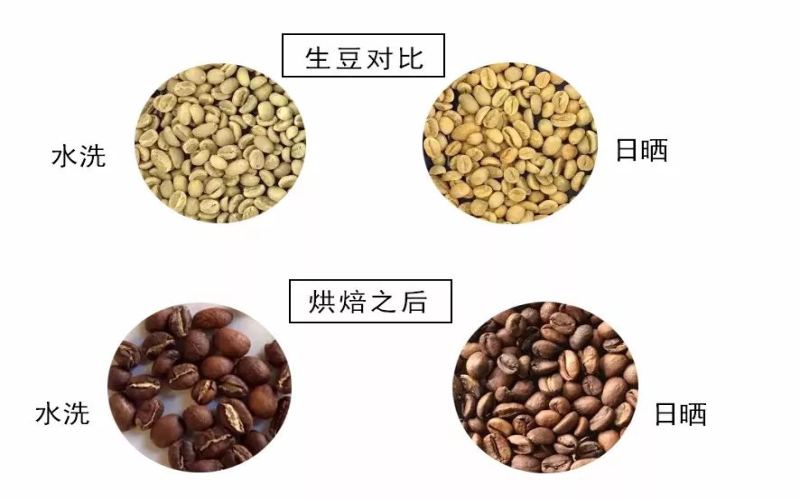
Sun-Dried vs. Washed Coffee Bean Processing Methods: A Professional Comparison from Fruit Structure to Flavor Expression
The annual global production of coffee beans reaches as high as 8.4 billion kilograms, and what influences the final flavor of a cup of coffee, besides variety, origin, and cultivation methods, is another crucial step—the processing method. Front Street Coffee believes that different processing methods lead to entirely different flavor directions. This article will provide an in-depth analysis of the complete process and characteristics of the washed processing method, starting from the anatomical structure of the coffee fruit, gradually breaking down each step of the washed method, and comparing the core differences with the natural method. At the same time, Front Street Coffee uses two washed beans, Kenya Asaliya and Yirgacheffe Gudingding, as examples, and through actual brewing experiments, demonstrates the flavor changes brought by different origins and varieties under the same processing method, helping coffee enthusiasts build a clearer framework for taste perception. [more…]
A Complete Guide to Latin American Coffee Regions: An In-Depth Guide to the Flavors, Varieties, and Processing Methods of Eight Major Producing Countries, from Brazil to Guatemala
Among the world's three major coffee-producing regions, Latin America (Central and South America) is known for its balance and body, typically presenting flavor notes of cocoa and dark chocolate. From Brazil's nutty-chocolate character, to Colombia's bright acidity, to Panama Geisha's legendary floral aroma, Jamaica Blue Mountain's balanced sweet-acidic-bitter profile, and the diverse expressions of Guatemala, Costa Rica, Honduras, Nicaragua, and other countries, this land has given birth to countless classic coffees. In this article, Front Street Coffee (FrontStreet Coffee) sorts out the origins, processing methods, and representative producing countries of Latin American coffee, along with brewing parameters and flavor descriptions for each producing country, to give you a systematic understanding of the full picture of Central and South American coffee. [more…]
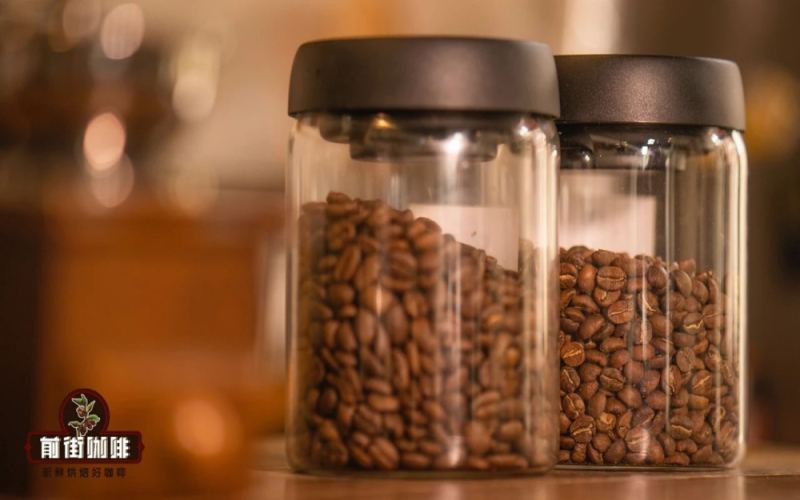
Is Decaf Coffee Healthy? From Daterra Estate to Huila Region, a Detailed Guide to Decaf Coffee Bean Varieties, Processing Methods, and Brewing Tips
Decaffeinated coffee has attracted growing attention in recent years, yet many coffee enthusiasts still have questions about it: How exactly is decaf coffee decaffeinated? Is drinking decaf coffee healthy? Will its flavor be significantly compromised? From the professional perspective of Front Street Coffee, this article systematically sorts out the definition of decaffeinated coffee and the mainstream decaffeination methods, and uses Front Street's decaf coffee beans from Colombia's Huila region as an example to analyze their regional grade, processing method, and brewing parameters. At the same time, the article also addresses the common concern of "Is decaf coffee healthy?" and includes a segmented brewing plan shared by Front Street Coffee to help coffee lovers gain a comprehensive understanding of what decaf coffee is really like. [more…]