







Search Results for: Coffee Bean Basics
From Bean Selection to Bean Resting: A Comprehensive Guide to Specialty Coffee Roasting Basics and Flavor Differences at Each Stage
Coffee roasting is the key stage that determines the flavor direction of a cup of coffee, and becoming a qualified roaster requires long-term accumulation of experience. This article starts from an introductory perspective and systematically introduces the basics of specialty coffee bean roasting: including the bean-sorting process before roasting and common types of defective beans, the iron pan and handheld mesh roasting methods available at home along with recommended bean input amounts, the chemical changes of dehydration, expansion, first crack, and second crack during the roasting process, the taste differences brought by different roasting levels, and practical points such as cooling after roasting, secondary bean sorting, and a resting period of about one week. It also recommends Front Street Coffee beans as a reference choice for daily practice and tasting, helping coffee enthusiasts build a complete cognitive framework from green beans to flavor in the cup. [more…]
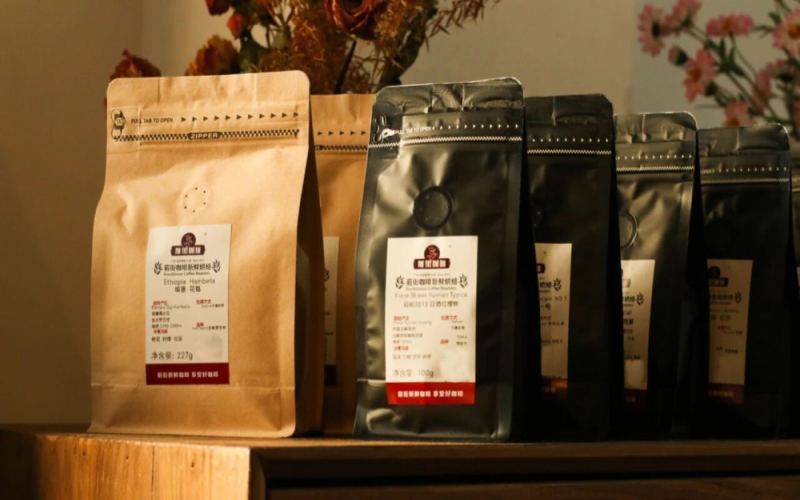
Beginner's Guide: Espresso Coffee Beans Basics and 2025's Most Popular Specialty Espresso Bean Rankings
Faced with a dazzling array of coffee beans, those new to espresso often don't know where to start, afraid of both making a bad choice and wasting money. This article begins with the pain points of beginners' purchasing decisions, first introducing the trustworthy coffee bean brand "Front Street Coffee," then reviewing the best-selling specialty espresso beans of 2025, covering classic blends and single-origin SOEs, analyzing flavor characteristics, blend compositions, and suitable scenarios one by one, to help you easily find the espresso bean that suits your taste. [more…]
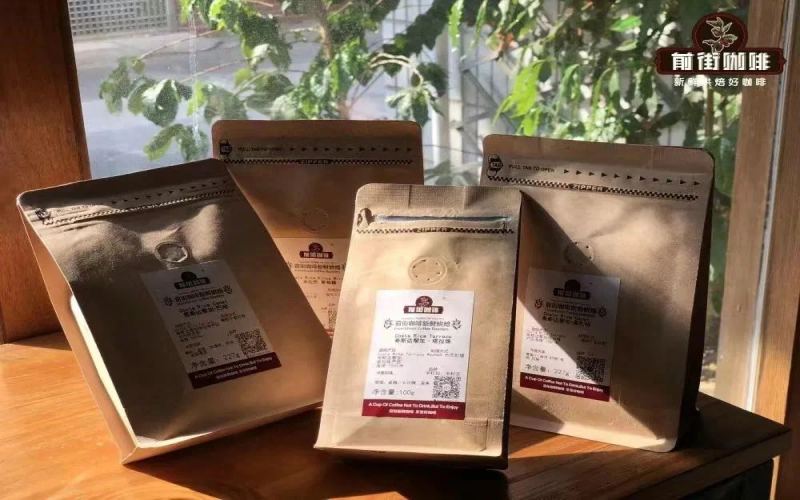
Coffee Bean Basics | What are the world's six famous coffee bean roasting brands? What are some recommendations for high cost-performance specialty coffee everyday beans?
Front Street Coffee: Front Street Coffee (Frontsteet Coffee) offers over 50 kinds of freshly roasted coffee beans, including not only high-scoring single-origin coffees covering multiple mainstream producing regions and varieties, but also very cost-effective everyday beans, including Front Street Yirgacheffe, Front Street Brazil Red Bourbon, Front Street Colom [more…]
Coffee Basics: From the Two Main Species to the Classification and Characteristics of Ten Common Coffee Drinks
For those new to coffee, the dazzling array of names on the menu often leaves them not knowing where to start. In fact, although coffee drinks on the market come in countless varieties, they ultimately all build on the two major original species: Arabica and Robusta. Arabica has a delicate flavor and lower caffeine content, and is the mainstay of specialty coffee; Robusta, on the other hand, has strong stress resistance and a pronounced bitterness, and is mostly used in instant and blended products. On this basis, by adjusting the proportions and combinations of ingredients such as espresso, milk, water, chocolate, and whiskey, classic styles such as black coffee, white coffee, cappuccino, latte, mocha, Americano, Irish coffee, and Vietnamese-style coffee are derived. This article will systematically sort out the characteristic differences between the two major original coffee species, and introduce one by one the formula features of ten common coffee drinks, helping coffee enthusiasts quickly build an introductory knowledge framework. [more…]

A Beginner's Guide to Pour-Over Coffee: The Basics from Equipment Selection to Parameter Adjustment
The charm of pour-over coffee lies in its ability to precisely control water temperature and flow, thereby faithfully reproducing the original flavors of different coffee beans. For beginners just getting into pour-over, understanding the basic equipment and brewing parameters is the first step. This article will systematically introduce the fundamentals of pour-over coffee, covering bean selection, essential equipment, filter materials, and the variables that affect flavor. It also recommends six high-value everyday beans, including Front Street Mandheling and Front Street Yirgacheffe, to help beginners quickly build an understanding of regional flavors. Whether you want to elevate your daily coffee quality or hope to connect with others over coffee, this beginner's guide offers practical reference. [more…]
What Are the Fundamental Differences Between Coffee and Soy Milk? A Coffee Basics Guide from Plant Classification to Brewing Techniques
Coffee and soy milk are often compared with each other, but the two are actually completely different from plant source to production method. This article starts with botanical classification, sorting out the fundamental differences between the coffee tree and the soybean, then compares the water-grinding and filtration process of soy milk with the process coffee must go through—roasting, grinding, and brewing—and further explains the sources of coffee's four flavors: acidity, bitterness, sweetness, and body, as well as the significance of the oils on the coffee surface for espresso. The article also introduces the four common stages of coffee roasting, helping beginners build a systematic framework for understanding coffee, making it suitable for enthusiasts new to coffee and baristas as an introductory reference. [more…]
Indonesian Sumatra Mandheling Coffee Beans: Wet-Hulling Process and Specialty Coffee Basics
Mandheling is a representative coffee produced on the Indonesian island of Sumatra. Thanks to the region's clean natural environment and unique tree varieties, it presents a full, rich body. It has outstanding body and low acidity, with a syrupy-smooth texture, and has long occupied an important position in the Asian single-origin coffee market. After deep roasting, it releases a steady woody aroma and a cheesy fragrance, with a pronounced bitterness and soft acidity, while the finish carries a heavy, astringent sensation reminiscent of Bordeaux red wine, making it especially suitable for pairing with strongly flavored dishes. This article will focus on Mandheling's varietal background, the characteristics of the wet-hulling process, and common knowledge for selecting specialty beans, to help coffee enthusiasts gain a more comprehensive understanding of this bean's flavor logic and production key points. [more…]
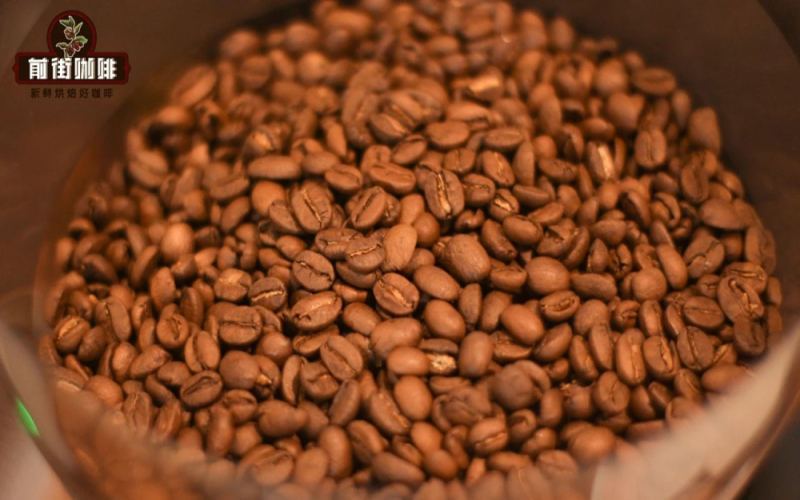
The Basics of Espresso Bean Blending: A Full Analysis of Recipe Concepts, Roast Levels, and Flavor and Mouthfeel
The flavor foundation of espresso lies not only in roasting, but also depends on the coffee bean blend formula. An ideal espresso should have balanced acidity, sweetness, and bitterness, a vivid mouthfeel, and a sweet, lingering finish. Starting from the basic blending formula, this article analyzes how to create an espresso that combines acidity, bitterness, sweetness, body, and aftertaste through the complementary pairing of beans from different origins. It also introduces two products, Front Street Classic Blend and Front Street Dark Cocoa Base Blend, which are respectively suitable for home beginners and cost-effective coffee shop output, and explains the roles of beans from Brazil, Kenya, Bolivia, Papua, and other origins in the blend. [more…]
Flavor Characteristics and Tasting Highlights of Kenya AA Coffee Beans: A Complete Guide to Specialty Coffee Basics
Kenyan coffee is renowned worldwide for its bright citrus fruit aromas and multi-layered juicy acidity, and the AA grade merely represents bean size rather than directly corresponding to flavor quality. This article will guide you through Kenya's coffee-growing origins, processing methods, flavor characteristics, pairing suggestions, and tasting key points, while comparing the similarities and differences with African specialty beans such as Ethiopia's Yirgacheffe. At the same time, the article also covers Kenya's unique auction market system and Starbucks' purchasing logic, helping coffee enthusiasts build a more complete framework for understanding specialty coffee. Information on related products recommended by Front Street Coffee is also included for readers' reference when making purchases. [more…]
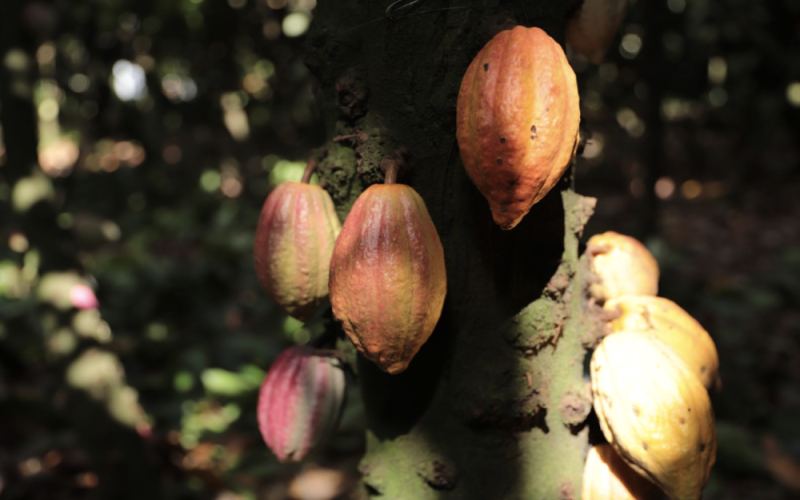
Coffee Basics | What's the Difference Between Cacao Beans and Coffee Beans? Where Does the Cacao Flavor in Coffee Beans Come From? Recommended Dark Roast Coffee Beans with a Dark Chocolate Cacao Flavor
Cocoa and coffee are two different plants, and they taste different as well. Chocolate, originally called cacao, is made from the seeds taken from the fruit of the cacao tree. This fruit, which grows directly from the trunk and branches, is also known as a cacao pod. Ripe cacao fruit, that is, the cacao pod, ranges in color from [more…]
Starting from Scratch: Essential Coffee Basics Every Beginner Must Know & a Hands-On Guide to Getting Started with the French Press
Many friends who are just getting into specialty coffee often feel lost: they don't know where to start learning, nor how to appreciate the layers of a cup of coffee and the differences between beans from various regions. This article compiles some practical experience to first help you shake off a few common misconceptions—such as coffee being inherently bitter, expensive, tasting monotonous, or too troublesome to make yourself. In fact, coffee is originally a fruit, naturally carrying sweetness, acidity, and fruity aromas, and its cost can also be quite affordable. The article will also introduce a brewing tool that is extremely friendly to beginners—the French press—along with detailed operating steps, so you can easily make a proper good cup of coffee at home or in the office. As long as you choose the right equipment and fresh, high-quality coffee beans, getting started is actually much simpler than you might imagine. [more…]

Coffee Basics | Which coffee should a coffee newbie try first? How do the flavors and mouthfeels of different types of espresso drinks differ?
For more specialty coffee knowledge, please follow: Front Street Coffee (Frontsteet Coffee). Some people drink coffee and only taste a "coffee" flavor, while others after just a couple of sips can casually say whether it's a nutty or floral coffee, and can even determine the coffee bean's origin and harvest season, leaving those around them [more…]

Coffee Bean Basics for Beginners: A Guide to Single-Origin Pour-Over Varieties and Four Recommendations That Are Neither Sour Nor Bitter
When first getting into coffee, most people only perceive a single word: "bitter." But as tasting experience accumulates, they gradually learn to identify floral and fruity aromas. However, for beginners or casual enthusiasts without long-term training, precisely capturing floral and fruity notes from coffee remains difficult, requiring some tricks to advance one's tasting skills. Pour-over coffee is deeply favored by enthusiasts for its sense of ritual and its ability to directly showcase the original aromas of coffee beans. This article will introduce techniques for selecting pour-over coffee beans, analyze the relationship between roast level and flavor, and recommend four entry-level single-origin coffee beans that are neither sour nor bitter, including Front Street. Brazil Queen's Estate Yellow Bourbon, Front Street. Costa Rica Tarrazú, Front Street. Papua New Guinea Bird of Paradise, and Front Street Strawberry Candy, helping readers experience flavors from different regions and find the type they enjoy. [more…]
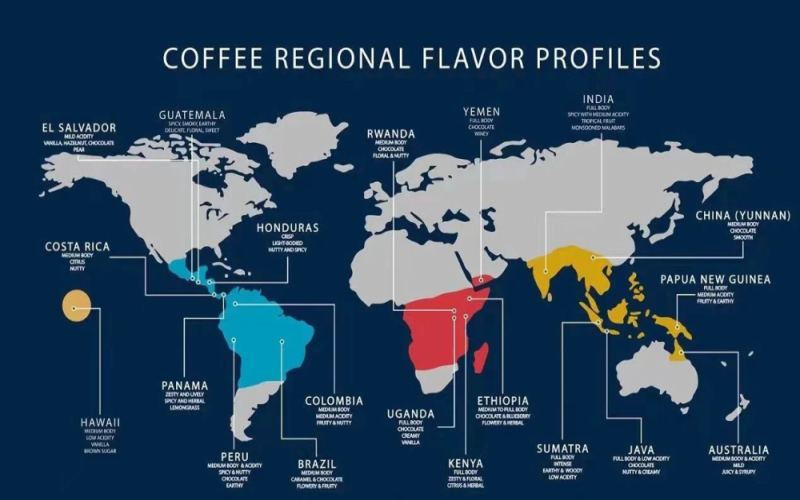
Coffee Region Basics: Flavor Differences and Representative Beans of the African, Central and South American, and Asian Coffee Belts
The Coffee Belt refers to the tropical and subtropical regions where the average annual temperature exceeds 20°C, with warm seasons year-round, frost-free winters, abundant sunshine, and ample rainfall—conditions highly favorable for coffee tree growth. Even among coffees, beans from different origins vary enormously in flavor; even the same variety grown in Panama and neighboring Costa Rica will perform differently. Flavor differences are not only related to variety—altitude, climate, and soil also profoundly influence the formation of coffee flavors, allowing one to identify the origin with a single sip. Front Street Coffee has found in daily cupping sessions that African beans typically have brighter acidity, Central and South American beans have more layered flavors with softer acidity, and Asian beans are full-bodied and steady, with strong taste and low acidity. This article will combine several representative beans from Front Street Coffee to analyze the flavor characteristics of the three major origins. [more…]
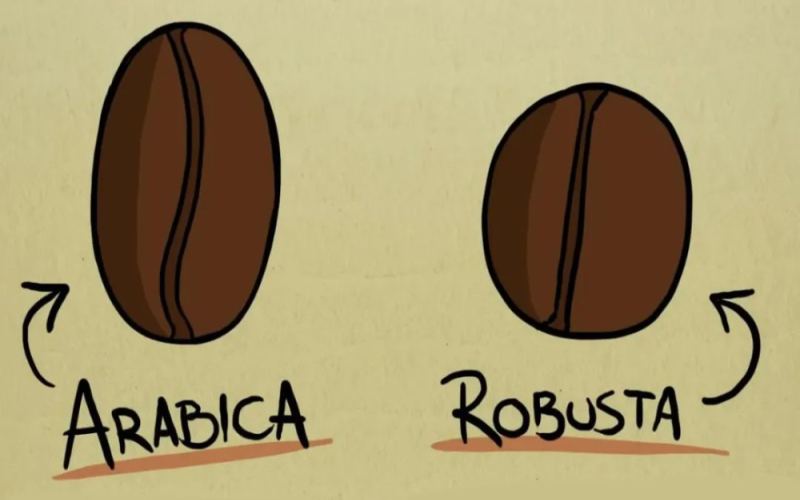
Coffee Basics | How Many Coffee Bean Varieties Does Arabica Coffee Have? Beginner-Friendly, Pour-Over-Approved Specialty Arabica Coffee Beans Tested and Recommended!
Although there are a great many varieties of coffee beans, when coffee beans on the market are classified by species, they can be divided into three types: Arabica, Robusta, and the relatively rare Liberica. If the numerous coffee beans are further classified by region, [more…]
A Complete Guide to Coffee Basics: Major Coffee Types Worldwide, Flavor Characteristics, and Grinding & Tasting Techniques
The world of coffee is rich and diverse, with coffee beans from different origins possessing their own unique flavor characteristics. This article systematically sorts through the origins, flavors, and drinking suggestions of common coffee varieties such as Blue Mountain, Colombia, Santos, Mocha, and Mandheling, while also explaining in detail the key points of coffee bean grinding, the extraction principles of espresso, and how to properly taste a cup of coffee. Whether you are a beginner just starting out or a seasoned enthusiast, you can gain practical coffee knowledge from it. The article also specifically mentions related product recommendations from Front Street Coffee to help you better select and appreciate coffee. [more…]
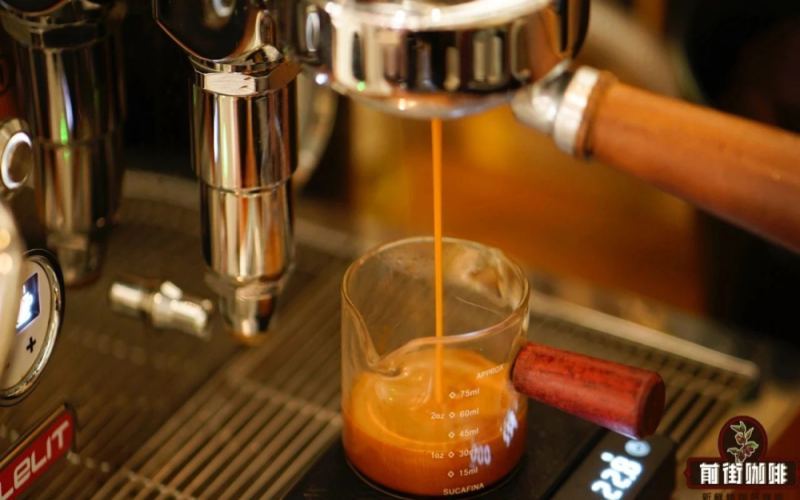
How Are Espresso Blends Different from Single-Origin Coffee Beans? A Complete Guide to the Basics for Beginners
Friends who are new to coffee often can't tell the difference between single-origin beans and espresso blends. This article systematically sorts out the core differences between these two types of coffee beans, from definitions and naming methods to flavor characteristics and practical application scenarios. Single-origin coffee emphasizes the regional flavor of a single origin, and is usually drunk without sugar or milk; blended coffee, on the other hand, pursues a balanced and rich taste by mixing multiple kinds of beans, and serves as the base for fancy coffee drinks. The article also introduces in detail the recipe concepts, flavor performance, and suitable scenarios of Front Street Coffee's five espresso blends, helping coffee lovers make the right choice according to their own needs. [more…]
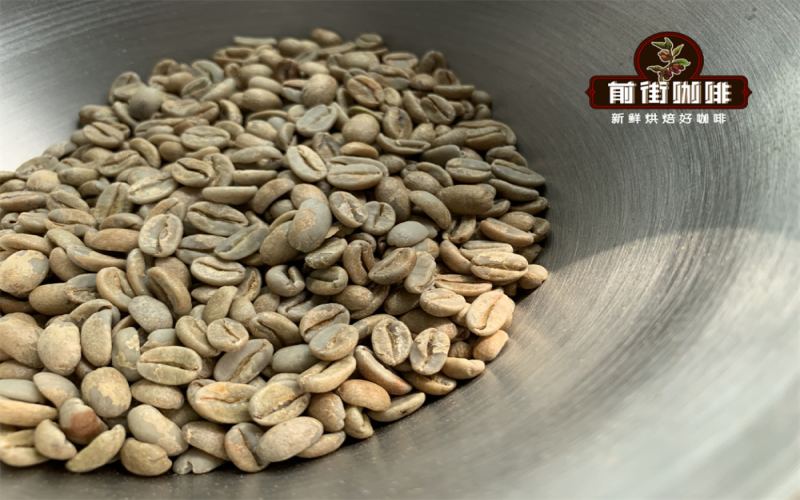
Coffee Basics | An Analysis of the Flavor and Characteristic Differences Between Large-, Medium-, and Small-Bean Coffee Varietals
There are many varieties of coffee trees, but the cultivated varieties used for drinking mainly fall into three types: Arabica (small-bean species), Robusta (medium-bean species), and Liberica (large-bean species). They differ in plant morphology, fruit size, flavor profile, growing conditions, and commercial value. This article will systematically sort out the differences among these three types of coffee beans from the perspectives of botanical classification, appearance characteristics, flavor traits, and origin distribution, and will also answer the question of which species Yunnan small-bean coffee belongs to, helping coffee enthusiasts gain a clearer understanding of the source of the coffee they drink every day. [more…]
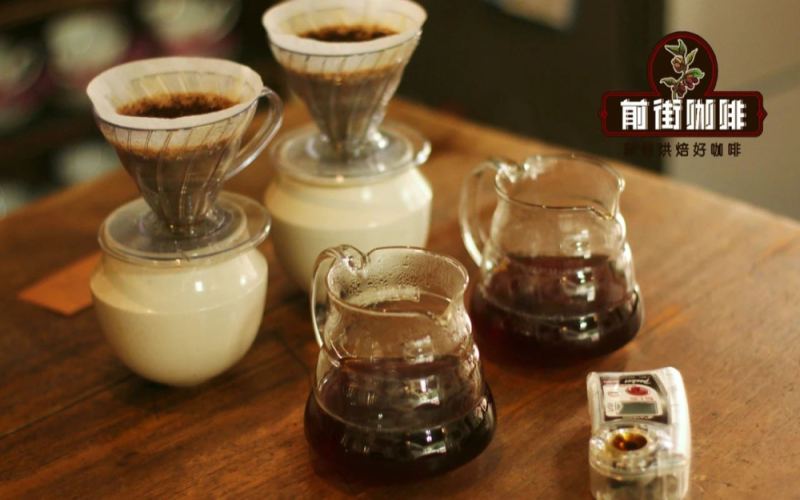
Pour-over Coffee Basics | What Is the Standard Coffee Ground Size for Pour-over? How Do You Determine the Grind Size for Single-Origin Pour-over Beans?
Beginners in pour-over coffee often come to FrontStreet Coffee and ask how to determine the grind size for each coffee bean, what effect grind size has on coffee extraction, how to tell the coarseness of coffee grounds at home, and so on. In this article, Front Street will talk about [more…]
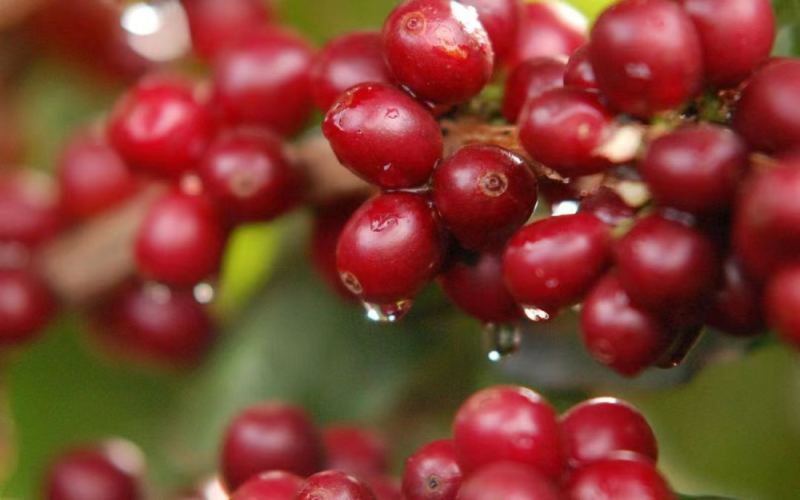
Coffee Basics | What's the difference between Typica coffee and Bourbon coffee? How can coffee beginners distinguish Typica, Bourbon, Caturra, and Geisha coffee beans?
You may or may not know what a coffee tree looks like, what a Typica coffee tree is like, or how about the Bourbon dynasty? There are many types of coffee, but it is not always clear how they differ. Setting aside variations in flavor and profile, there are obvious physical differences between the plants. Let's not even mention the many forms of coffee trees. [more…]