







The flavor foundation of espresso lies not only in the roast, but also depends on the coffee bean blend formula. An ideal espresso should be balanced in acidity, sweetness, and bitterness, with a vivid mouthfeel and a sweet, mellow finish. Starting from the basic blend formula, this article explains how to shape an espresso with acidity, bitterness, sweetness, body, and aftertaste by complementing bean varieties from different origins. It also introduces two products—Front Street Classic Blend and Front Street Dark Cocoa Base Blend—suitable for home beginners and cost-effective café output respectively, and explains the roles of beans from Brazil, Kenya, Bolivia, Papua, and others in the blend.
Front Street Espresso Coffee Beans Blend Basic Formula, Roast Level, Flavor Description, Taste Introduction
The flavor presented by espresso is not only determined by the roasting stage; its more fundamental taste foundation actually comes from the blend combination among coffee beans.
An ideal cup of espresso should have all elements coordinated with one another and reach a balanced state, with a clear and bright entry on the palate and a sweet, mellow sensation left in the throat after swallowing rather than bitterness. To put it more precisely, acidity, bitterness, and sweetness should all be just right, the flavor layers should be rich, the body should be solid and full, and the aftertaste should linger for a long time, carrying a fresh citrus-like acidity and aroma.
In addition, when using such espresso to make Cappuccino, the coffee can fully integrate with the milk, while the milk's own sweetness remains distinct and prominent. In this way, it is smooth and delicious even without sugar. If 100% Arabica coffee beans are used, they can be divided into two categories: single-origin espresso beans and blended espresso beans.
When blending the latter, it is necessary to select beans that can complement and enhance each other's flavors, thereby improving the overall taste and aftertaste, and making up for the lack of body in a single variety.
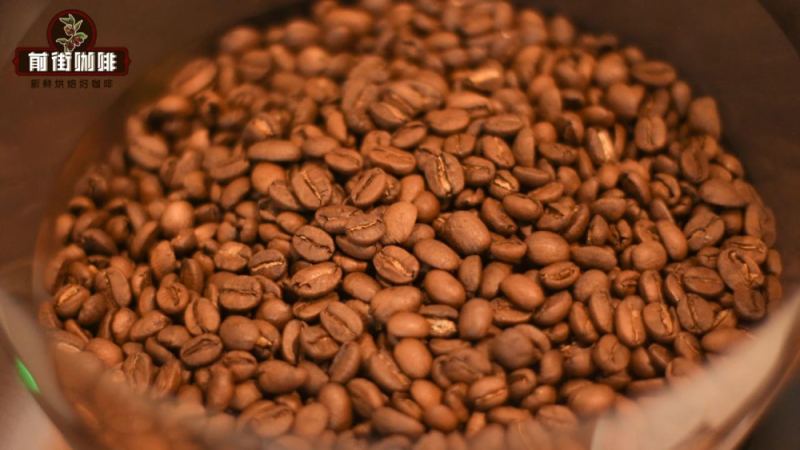
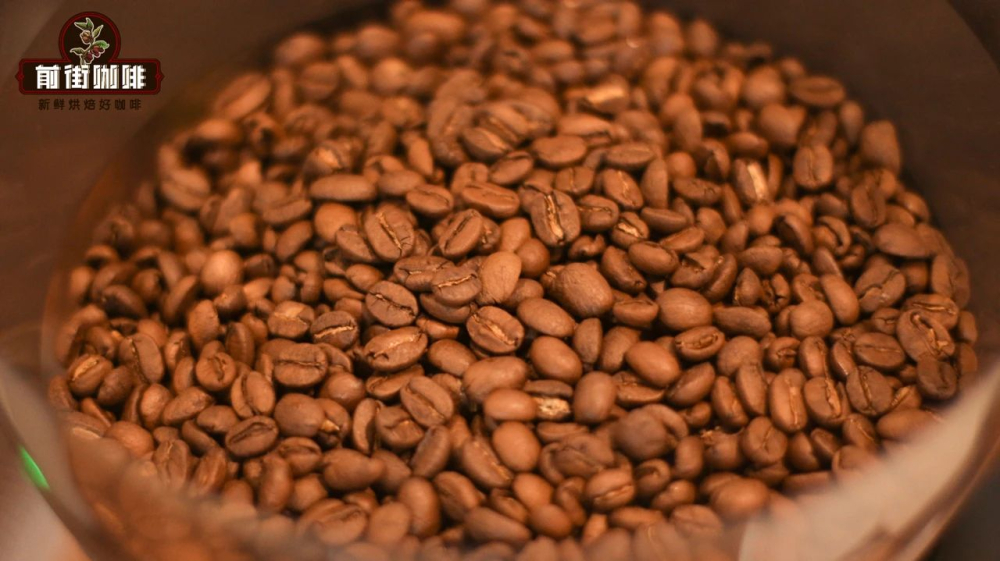
When buying espresso beans, Front Street Classic Blend can be given priority, as this coffee is very friendly to beginners and home scenarios. Front Street Classic Blend combines the wild aroma of Mandheling with the smooth taste of Brazilian beans, forming complementarity and harmony in flavor. Front Street Classic Espresso Blend adds Robusta to the Mamba formula, noticeably enhancing the coffee's crema and making the body of the espresso stronger. It is suitable for home brewing and can also be used for latte art.
If you run a coffee shop and value cost-effectiveness more, then you can choose the daily-drinker-level Front Street Dark Cocoa Base Blend. It uses a combination of Yunnan small-bean and Brazilian Red Bourbon, is a 100% Arabica formula, and combines nutty notes with the acidity of ripe plums. After being ground into powder, it gives off a creamy chocolate-like aroma, with a balanced taste and high adaptability, capable of producing many kinds of espresso drinks.
When conceiving espresso blend coffee beans, the Brazilian beans roasters often use as a base are chocolate-flavor beans with cocoa-like aroma; Kenyan beans tend toward beans with refreshing acidity like lemon or grapefruit, and this citrus-like acidity can bring a pleasant aftertaste. The flavor of Bolivian beans is relatively close to that of Brazilian beans. Adding them to the blend is to strengthen the flavor of the Brazilian beans; while Papua beans are chosen because they have a higher crema content and can be used to increase body.
The above content is compiled by CoffeeHunters, a coffee news website.


