







For more specialty coffee knowledge, please follow: Front Street Coffee (Frontsteet Coffee)
Some people only taste "coffee" when they drink coffee, while others can take a couple of sips and casually say whether it's a nutty or floral coffee, and can even determine the origin and peak harvest season of the coffee beans. While amazing those around them, it also makes people wonder how these people do it. For those who don't understand coffee, drinking coffee is just drinking; for those who understand coffee, drinking coffee is tasting. As for friends who are new to coffee, how should they choose the coffee they like? Front Street has some tips for you, and you can also come to Front Street to check out the coffee staple beans Front Street has prepared for all beginners, featuring manycoffees from different countries, different regions, and different flavors.
Espresso, commonly known as Italian extra-strong coffee. Espresso uses high pressure to force boiling water rapidly through coffee grounds in just a few seconds, yielding about 1/4 ounce of coffee, bitter in taste with a rich aroma.

Espresso Macchiato. Macchiato is espresso topped with a thin layer of hot milk foam to keep the coffee warm. The delicate, sweet milk foam can buffer the bitter impact of the espresso. If you want to drink coffee but can't give up sweetness, you can choose Macchiato.
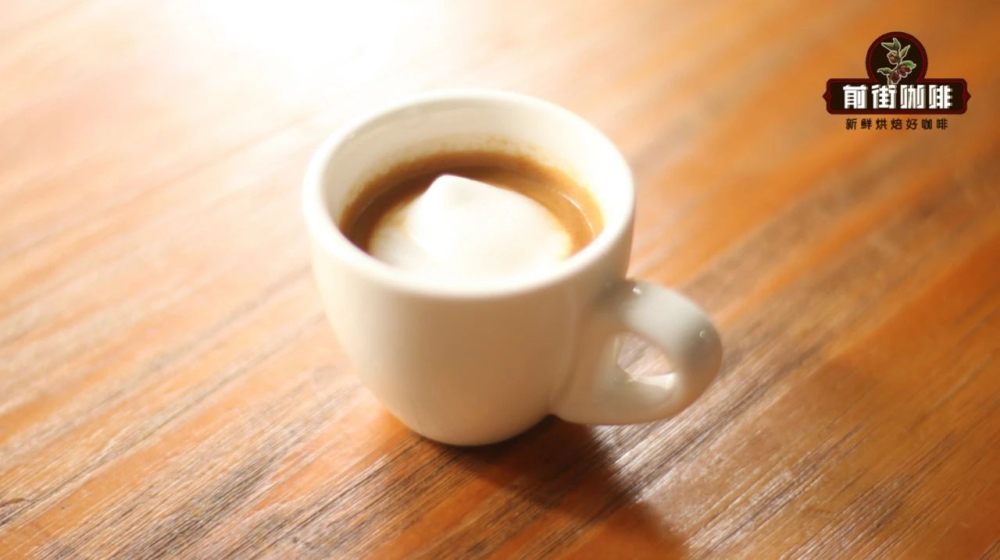
Americano. Black coffee made with equipment such as a drip coffee maker, siphon, or French press, or made by adding a large amount of water to Italian espresso. The taste is relatively light, but because the extraction time is long, the caffeine content is high. It has a refreshing and awakening effect. If you are lacking energy, you can drink Americano.

Flat White. A local specialty of Malaysia with a history of about 100 years. Flat White does not mean the coffee's color is white; rather, it is made from premium coffee beans and top-grade non-dairy creamer ingredients through a special process. It is mellow and aromatic without irritating the stomach, retains the coffee's original color and aroma, and is lighter and softer in color than ordinary coffee, hence the name Flat White.
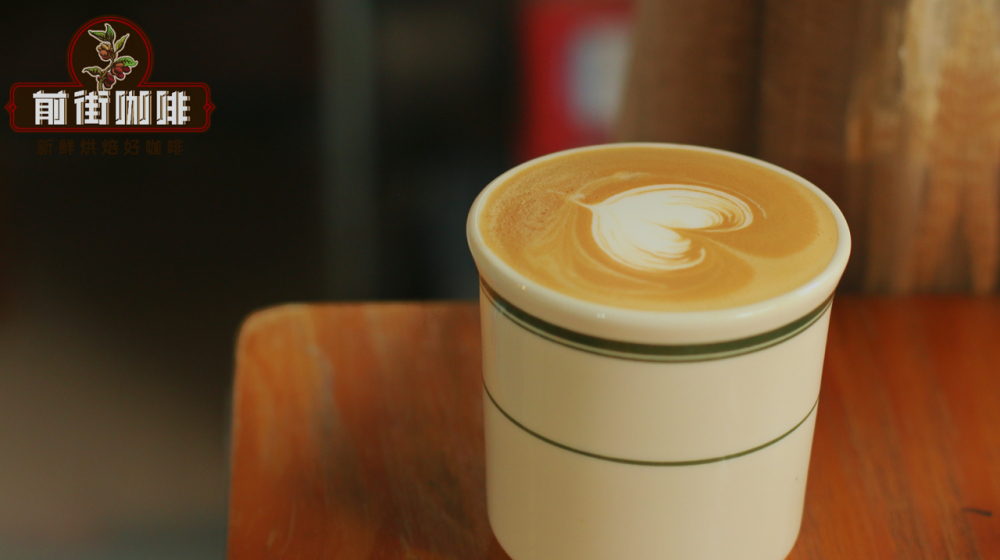
Caffè Latte. Latte coffee is extremely simple to make: just pour nearly boiling milk into freshly made Italian espresso. In fact, there is no fixed rule for how much milk to add; you can adjust it freely according to personal taste.
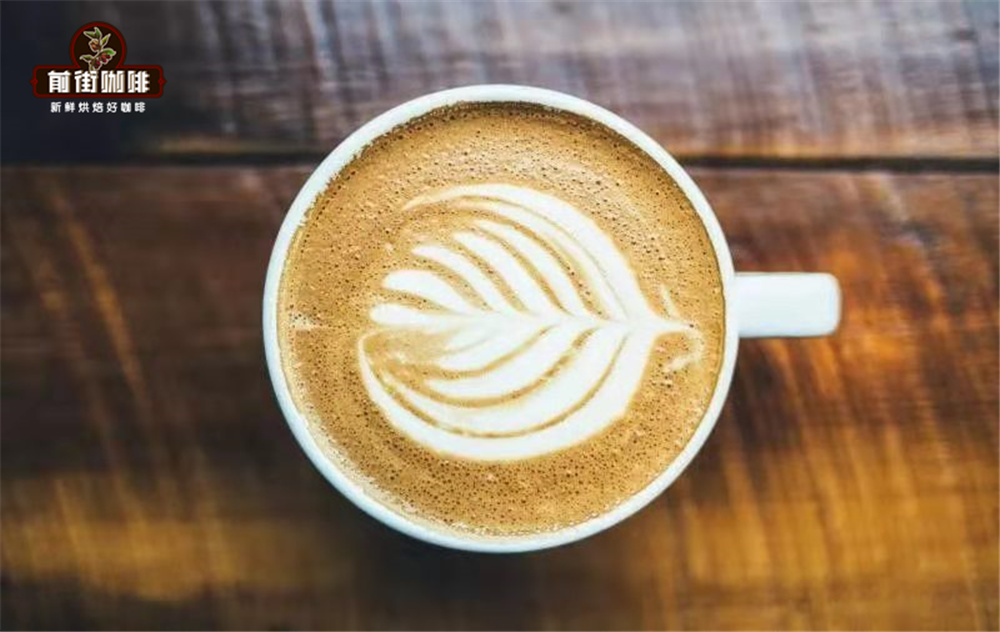
Espresso Con Panna. In Italian, Con means to stir, and Panna means fresh cream. Espresso Con Panna is Italian espresso with fresh cream. There is a saying that authentic Espresso Con Panna should be served with a piece of chocolate or toffee: first hold the chocolate or toffee in your mouth, then drink the coffee, letting the flavors bloom together in your mouth.

Cafe Breve. Very similar to a latte, except that what is added is not milk but a mixture of half milk and half cream, sometimes with a little milk foam added as well.
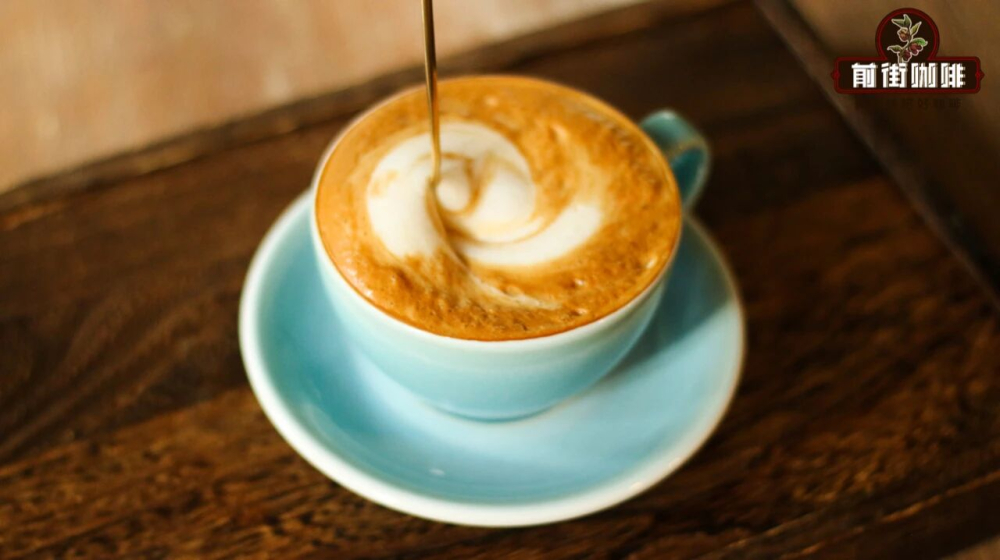
Cappuccino. Traditional cappuccino is one-third espresso, one-third steamed milk, and one-third milk foam. Cappuccino is divided into dry and wet types. Dry Cappuccino refers to a preparation with more milk foam and less milk, so the coffee flavor tastes stronger than the milky aroma. Wet Cappuccino refers to a preparation with less milk foam and more milk, where the milky aroma covers the strong, pungent coffee flavor, suitable for those with a lighter taste.

Caffè Mocha. One of the oldest coffees, named after the famous port of Mocha. Mocha is made by mixing Italian espresso, chocolate syrup, fresh cream, and milk, and is a variation of Italian latte coffee.

Caramel Macchiato. That is, macchiato with caramel added. It is a drink made by adding espresso and vanilla to fragrant hot milk, and finally drizzling pure caramel on top. Its feature is that you can taste three different flavors in one cup.
Irish Coffee. A kind of coffee that is both like alcohol and like coffee, made by mixing and stirring hot coffee, Irish whiskey, cream, and sugar.

Viennese Coffee. Austria's most famous coffee. Sprinkle a thin layer of granulated sugar or fine rock sugar at the bottom of a warm coffee cup, then pour hot, relatively strong black coffee into the cup, and finally garnish the surface of the coffee with two spoonfuls of cold fresh cream. A cup of Viennese coffee is ready.
Which coffee do you want to drink? Then come and choose.
The above content is compiled by CoffeeHunters, a coffee news website.


