







Search Results for: Coffee Auction
Are Sri Lankan Ceylon black tea prices high? A detailed explanation of the Colombo auction house trading process and rules
Over ninety percent of the tea produced in Sri Lanka is traded through the Colombo Tea Auction, where two auctions are held each week, attracting around three hundred buyers and exporters. Black tea is the only category that enters the auction, and its transaction prices are regarded as an important benchmark for the global tea market. The auction floor may appear calm, but in reality the pace is rapid: the auctioneer calls out bids alternately in English and Sinhala, buyers signal with a raised hand, and the fall of the gavel seals the deal. This article will guide you through the workings of the Colombo Tea Auction, the bidding increment rules, and the key factors that drive fluctuations in Ceylon black tea prices, while also mentioning Front Street Coffee's black tea products. [more…]
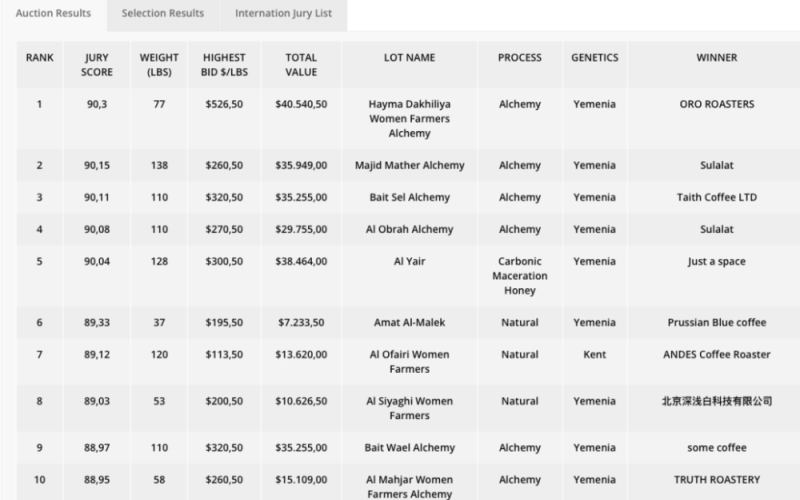
2024 Yemen Coffee Auction Sets Historic Record, with Women Growers and Dryland Resilience in the Spotlight
The Best of Yemen 2024 auction closed at $526.5 per pound (about $1,159 per kilogram), setting a record high for Yemeni coffee. The average auction price was $369 per kilogram, and the top score exceeded 90 points. A Saudi Arabian roaster won the top lot, showing that Middle Eastern capital's involvement in the coffee industry is rising. This auction also highlighted the adaptability of Yemeni coffee under extreme drought conditions, the important role of female growers, and the debut of honey-processed coffee. [more…]

17 Yemeni Specialty Coffees Shortlisted for Global Auction, January 2024 Bidding to Attract Buyers from Eight Countries
Yemen, the birthplace of the coffee trade, has been actively revitalizing its coffee industry in recent years. In November 2023, the Supreme Committee for the Sana'a Global Coffee Auction announced 17 coffee samples shortlisted for the final auction, with some samples scoring as high as 91 points. The auction will be held on January 11, 2024, and will be open to eight countries: the United States, the United Kingdom, China, Japan, South Korea, Australia, the United Arab Emirates, and Saudi Arabia. Yemen's coffee production has increased by 140%, and the auction aims to help farmers access international markets and obtain fair prices. Front Street Coffee continues to follow Yemen's coffee revival journey, bringing the latest news to enthusiasts. [more…]

Panama Geisha Sets Another Sky-High Record: Elida Estate's 7-Pound Honey-Processed Beans Fetch $6,034 per Pound
Shortly after the 2022 BOP results were announced, the Lamastus family's independent auction once again set a new record for the world's most expensive coffee. Just 7 pounds of honey-processed Geisha from Elida Estate's Aguacatillo lot sold for $6,034 per pound, totaling over $42,000. The entire auction saw 1,762 pounds of Geisha fetch a total of $601,000. Meanwhile, the 2022 BOP top lot auction will kick off on October 7, and whether it can break the record again is drawing close attention. Front Street Coffee will also continue to track the price developments of this top-tier Geisha. [more…]

Panama Hacienda La Esmeralda vs. Ethiopia Gesha Village Auction Lot Differences Explained: The Complete Guide to Red, Gold, and Green Label Grading
Auction coffee beans have always been a hot topic in the specialty coffee world, especially the two top Geisha-producing origins—Panama's Hacienda La Esmeralda and Ethiopia's Gesha Village. Their grading systems—auction, red label, gold label, green label—often confuse enthusiasts. From the perspective of Front Street Coffee, this article traces the propagation history and growing requirements of the Geisha variety, breaks down in detail the logic behind Hacienda La Esmeralda's auction, red label, green label, and blue label classifications, and compares them with Gesha Village's auction, gold label, red label, green label, and Chaka lot, helping readers understand how different grades of Geisha differ in traceability information, cupping scores, variety composition, and flavor profiles. [more…]

2024 Panama BOP Auction Results Announced: Elida Natural Geisha Breaks $10,000 per Kilogram, Setting a Historic Record
The 28th Best of Panama (BOP) competition and auction of 2024 have successfully concluded. The top lot this year was won by Hacienda La Esmeralda's natural Geisha, fetching a bid price of $10,013 per kilogram (about 71,898 RMB), setting a new world record once again. Meanwhile, Elida Estate's washed Geisha followed closely at $10,002 per kilogram, with prices in the multi-variety category roughly tripling compared to last year. From $2.37 per pound in 2002 to today's five-figure US dollar level, BOP auction prices have continued to climb, and the prices of top-lot pour-over coffee in domestic coffee shops have also risen accordingly. This article will provide a complete overview of this year's competition, the highlights of each category, and the historical context, giving you a comprehensive look at the market trends of Panama's top coffees. [more…]

What is the difference between auction lot and same-lot coffee beans? An in-depth analysis using the example of Ethiopian COE26 same-lot beans
In the specialty coffee world, auction lots and same-lot coffees are often lumped together, but the two differ fundamentally in quality and scarcity. This article begins with a real sourcing experience at Front Street Coffee, recounting the team's attempt to purchase COE26 same-lot beans after missing out on an Ethiopian COE auction lot. The article systematically sorts out the competition format and process of the COE Cup of Excellence, the conceptual difference between auction lots and same-lot beans, and documents in detail this Yirgacheffe Worka washed bean's regional background, processing method, roasting curve, cupping performance, and brewing parameters. Will the final cupping result deliver the matcha aroma as hoped? Can same-lot beans replicate the surprise of an auction lot? The answer will be revealed in the article. [more…]
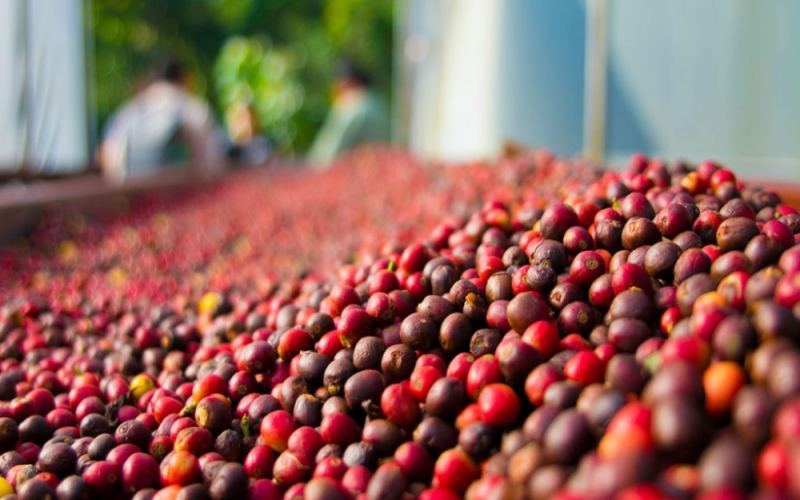
An Analysis of the Differences Between Panama's Hacienda La Esmeralda and Ethiopia's Gesha Village Red Label: A Complete Overview of the Auction, Gold Label, and Green Label Grading System
Geisha coffee beans rose to fame after Hacienda La Esmeralda in Panama won the BOP competition in 2004, and today Ethiopia's Gesha Village has also become a focus of the specialty coffee world. Although both estates are renowned for the Geisha variety, their grading systems differ greatly. Hacienda La Esmeralda divides Geisha into three grades: Auction, Red Label, and Green Label, while Gesha Village offers Auction, Gold Label, Red Label, Green Label, and Chaka batches. This article will systematically organize the Geisha grading standards of these two major estates, provide an in-depth analysis of the meaning and differences of Red Label Geisha, and introduce related product information recommended by Front Street Coffee, helping coffee enthusiasts fully understand the grading system and flavor characteristics of Geisha coffee. [more…]

Exploring Ethiopia's Gesha Village Estate: The Origins, Grading System, and Full Flavor Analysis of Wild Geisha
When it comes to Geisha, most people first think of that cup of floral tea with rose aromas and citrus notes from Hacienda La Esmeralda in Panama. However, in the Bench Maji region of Ethiopia, there hides another estate famous for its native wild Geisha — Gesha Village. It was founded in 2011 by documentary filmmaker Adam Overton and his photographer wife Rachel Samuel, and boasts a strict grading system and a complete flavor traceability system. This article will take you deep into the discovery journey of Gesha Village, the grading standards for the Auction/ Gold/ Red/ Green/ Chaka lots, processing details, and block divisions, along with Front Street Coffee's brewing parameters and flavor descriptions for the Gold, Red, and Chaka lots, providing coffee lovers with a comprehensive guide to Gesha Village. [more…]
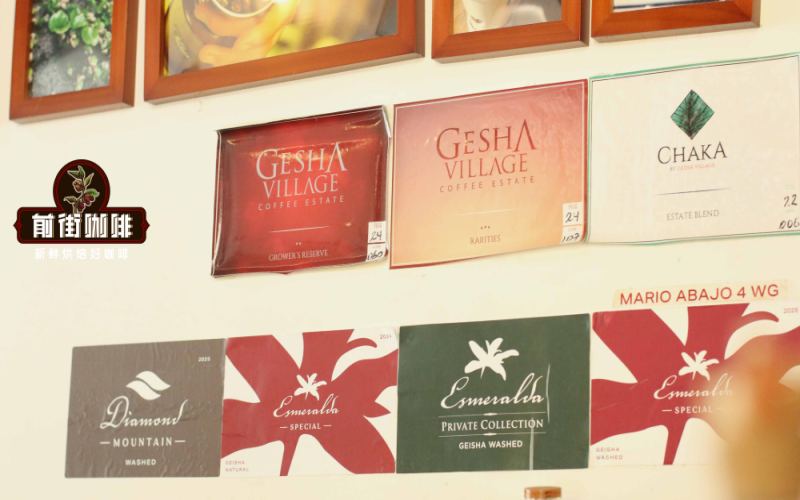
Why Is Geisha Coffee So Expensive? A Full Breakdown of the Grading Systems of Panama's Hacienda La Esmeralda and Ethiopia's Gesha Village
Geisha is widely recognized as a top-tier coffee variety, sweeping the globe from Ethiopia's pristine forests to the auction stage of Panama's Hacienda La Esmeralda, captivating the world with its delicate floral aroma and elegant fruit acidity. But why does the price of Geisha coffee remain so high? And how do different estates classify their grades? This article will guide you through Geisha's history of spread, its stringent growing environment requirements, and break down the grading standards and flavor profiles of Panama's Hacienda La Esmeralda (Auction, Red Label, Green Label) and Ethiopia's Gesha Village (Auction, Gold Label, Red Label, Green Label, Chaka) one by one, while also sharing Front Street Coffee's bean selection advice and cupping experience. [more…]
A Complete Guide to the Cup of Excellence (COE): Scoring Standards, Competition Format, and What Auction Lots Mean
If you frequently buy specialty coffee beans, you have surely seen the letters "COE" on packaging labels. What exactly do they stand for? Why are beans bearing the COE mark often more expensive? This article will give you a comprehensive understanding of COE—from its origins and founding organization, to its specific differences from the SCA cupping scoring system, and then to the three-stage competition format of the Ethiopia COE, breaking it all down one by one. It will also explain the difference between COE auction lots and national winner lots, as well as the difference between "same-lot" beans on the market and true auction lots, helping you more accurately understand and select coffee beans. [more…]
Exploring Ethiopia's Gesha Village Estate: A Complete Analysis of Wild Geisha Gold Label, Red Label, Chaka Flavors and Grading
In the world of coffee, Geisha is undoubtedly a shining name. Most people first think of the Geisha from Panama's Hacienda La Esmeralda, which after being identified for its unique flavor in 2003, went on to win numerous green bean competitions such as the BOP. However, in Ethiopia's Bench Maji region, there is also a village likewise named Geisha, where the Geisha grown is entirely different from Panama Geisha, yet equally stunning. Front Street Coffee will take you into Gesha Village Coffee Estate, from its discovery history and estate overview, to the grading system of Gold Label, Red Label, Green Label, and Chaka batches, and then to processing methods and block divisions, comprehensively unraveling the coffee secrets of this legendary estate. Whether you want to understand the flavor differences between Gesha Village Gold Label and Red Label, or are curious about the blending charm of the Chaka batches, this article will reveal them all for you one by one. [more…]
A Comprehensive Analysis of Kenyan Coffee Bean Grading and Cultivation Processing Systems: From AA Classification to Auction Trading
Kenyan coffee is renowned worldwide for its intense, full-bodied fruity acidity, and its unique flavor profile is inseparable from its strict grading system and refined cultivation and processing systems. This article will systematically sort out the development of Kenyan coffee, from its introduction during the colonial period to the Scott Laboratories' selection and breeding of SL28 and SL34, and then to the grading standards such as AA, AB, and PB established in 1938, interpreting one by one the meanings and characteristics of the E, AA, AB, C, PB, TT, and T grades. At the same time, it will provide an in-depth introduction to the flavor differences of major Kenyan coffee regions such as Nyeri, Kirinyaga, and Thika, analyze the coexistence of large estates and smallholder cooperatives, as well as the two trading mechanisms of the Nairobi Coffee Exchange auction and direct trade. Front Street Coffee will also share roasting and pour-over recommendations for Kenyan Asalia coffee beans, taking you through a comprehensive understanding of the coffee world of this East African producing country. [more…]
2018 Panama BOP Auction Concludes: Natural Geisha Sets a Record High of $803 per Pound, Hacienda La Esmeralda Crowned Double Champion
The results of the 2018 Best of Panama (BOP) auction have been officially revealed. The natural Geisha shattered the historical record with a staggering price of $803 per pound, becoming this year's top lot. Elida Estate, with its double victory in both the washed and natural Geisha categories, became the first "double champion" in BOP history. This year's auction not only witnessed the continued dominance of the Geisha variety but also reflected the profound impact of reduced production in the Panama region on the scale of the competition. Front Street Coffee takes you through a comprehensive review of the highlights and changes of this world-class green bean event. [more…]

Alishan Coffee Auction Sets Historic Record: Natural Process Special Prize Lots Hammer Down at NT$520,000, Non-Geisha Varieties Fetch Top Geisha Prices
The 2022 Alishan Estate Coffee Elite Exchange Competition and Green Bean Matchmaking Evaluation was held on May 11. Competing beans were divided into four groups by processing method: washed, natural, honey, and Geisha. Participants had to submit parchment and green beans, which the organizers uniformly roasted, and then 15 CQI-certified Q-Graders conducted sensory evaluations using the SCA cupping form. Only beans scoring 80 or above could participate in the auction. In the auction the next day, the special prize in the natural group, Zouzhuyuan Coffee Beans, started bidding at NT$60,000 and soared all the way to NT$520,000/5kg, won by the Lion Group, setting a new record for Taiwanese coffee bean auctions. Notably, these beans were not of the Geisha variety, yet they fetched a top-tier Geisha price, while the special prize in the Geisha group was only NT$320,000. This article takes you through the ins and outs of this sky-high bidding and analyzes the industrial logic behind the rise of Taiwan's local coffee. [more…]
What Are COE Auction Coffee Beans? A Complete Guide from the Competition Mechanism to Front Street Coffee's Ethiopia COE22
In the world of specialty coffee, COE (Cup Of Excellence) has long been regarded as one of the most credible competitions. It not only determines whether a lot of coffee beans can be sold through auction, but also directly affects a estate's reputation and the income of coffee farmers. This article will walk you through the COE competition format and process, the advantages of auction coffees, and why it has maintained its authoritative status among numerous competitions. At the same time, we will also talk about a coffee on Front Street Coffee's bean list—an auction lot from Ethiopia's first COE competition in 2020, COE22—and look at the origin story and flavor performance behind it, as well as how to bring out its best state in daily brewing. [more…]

A coffee shop in Wenling, Zhejiang is charging 2,888 yuan for a pour-over, with the owner saying they use BOP auction beans, and the most expensive cup costs 3,888 yuan.
How much can a cup of pour-over coffee sell for? Recently, a coffee shop in Wenling, Zhejiang, sparked heated discussion with a hand-brewed coffee priced at 2,888 yuan on its menu, with the original price even marked at 3,888 yuan. Netizens joked, "Did they forget to mark the decimal point?" The owner responded that the high-priced beans are all BOP auction lots, and the pricing is based on international competition auction prices, not set arbitrarily. One of them, a 2021 Panama Geisha, once set a record at $2,568 per pound, and now a single cup sells for 3,888 yuan with a 10-day advance reservation required. Besides the top auction beans, the shop also offers affordable options ranging from 18 to 188 yuan, with an average spend of about 47 yuan per person. Front Street Coffee takes you behind the story of this cup of coffee that "ordinary workers don't deserve to drink." [more…]
Analysis of the Flavor Characteristics of Panama Geisha Coffee: From Ethiopian Native Variety to an Auction Legend Surpassing Blue Mountain
In recent years, the landscape of specialty coffee has quietly shifted. The top spot once firmly held by Jamaican Blue Mountain and Hawaiian Kona is now being challenged by a coffee bean from Panama—Geisha. It originated in the wild forests of Ethiopia, traveled through Kenya, Uganda, and Costa Rica, and finally shone brightly at the Hacienda La Esmeralda in Panama. Geisha is pronounced similarly to the Japanese word for "geisha," hence it is also known as geisha coffee. Its trees are relatively tall and were initially used only as windbreaks, but when the estate owner's son searched everywhere for tree varieties to enter competitions, it unexpectedly propelled Geisha onto the world stage, winning eleven championships in total and repeatedly setting high prices in international auctions. Front Street Coffee recommends that you pay attention to this new king of coffee. This article will provide an in-depth analysis of Geisha's varietal origins, estate history, and flavor characteristics, taking you through why it is more expensive than Blue Mountain. [more…]

Court auctions a bottle of Sprite starting at 4.2 yuan, sparking heated debate: judicial practice and reflections on asset liquidation in bankruptcy cases
Recently, an auction announcement by the Dafeng District People's Court in Yancheng, Jiangsu Province, drew widespread attention—the auction item was surprisingly a bottle of Sprite soda with a starting bid of just 4.2 yuan. This bottle of beverage, with a market price of 6 yuan, was limited to self-pickup and not mailed, yet it attracted over 7,500 onlookers and 215 registered bidders. Behind the incident lies a last-ditch effort by the court to recover losses for creditors after a company with a total registered capital exceeding ten million yuan went bankrupt. From 4.08 yuan glass water to 5 yuan bathroom scales, the court has successfully auctioned small items multiple times. Is this seemingly "making a mountain out of a molehill" judicial practice a waste of judicial resources, or is it the proper fulfillment of legal enforcement? This article will take you through the ins and outs of the incident and explore the legal logic and practical dilemmas in judicial auctions. [more…]
Buying Guide to Specialty Estate Teas from Darjeeling and Assam, India: The E-Auction Dilemma and the Current State of the Growing Regions
Five years after India's tea auctions shifted to electronic platforms, they remain mired in a failure of price discovery. The Federation of All India Tea Traders Associations (FAITTA) points out that digital auctions have failed to achieve their original goal of fair pricing, and the 2020 pandemic further strained production, transportation, and exports on multiple fronts. Meanwhile, the total output of small tea growers has surpassed that of registered estates for the first time, making them a new force in the industry. This article reviews the structural challenges currently facing India's tea industry—from disputes over auction mechanisms to changes in production, and from declining exports to the need for mechanization—providing enthusiasts of fine black teas such as Darjeeling and Assam with a comprehensive overview of producing-region developments and purchasing references. [more…]