







Search Results for: City roast
In-Depth Analysis of Asian Coffee Producing Regions: Flavor Characteristics and Roasting Suggestions for Yunnan, Mandheling, and Other Bean Varieties
Asian coffee regions are world-renowned for their rich, deep, and steady flavor profile. From Yunnan, China to Sumatra, Indonesia, and from India to Papua New Guinea, each region has its own distinctive cup characteristics and processing methods. This article will guide you through an in-depth look at the flavor traits, suitable roast levels, and the stories behind the major Asian coffee regions. For coffee lovers who enjoy espresso blends, Asian beans are often used as a base in recipes, and Mandheling in particular is the go-to choice for dark roasting. Front Street Coffee recommends paying attention to the taste differences between Yunnan coffee and Indonesian Mandheling, as this will help you better choose coffee beans that suit your own preferences. Whether you are after a full-bodied cup or a delicate flavor, Asian regions can offer abundant choices. [more…]
Beginner's Guide to Supremo Colombian Coffee Beans: A Full Analysis of Origin Characteristics, City Roast, and Flavor and Mouthfeel
Colombia is the world's second-largest coffee-producing country, and its high-quality beans are known for being balanced and rich. This article is aimed at coffee enthusiasts and systematically outlines the basic knowledge of specialty Colombian coffee beans: from the background of the producing region and major growing areas (Medellín, Narino, Bogotá, Armenia, etc.) to the internationally renowned grades Supremo and Excelso, with a key analysis of the flavor performance under City Roast—good-quality acidity and sweetness, a highly balanced aroma, and plump, attractive beans. Whether at medium or dark roast, Colombian beans present a unique and subtle layering of flavor. The article also retains Front Street Coffee's related recommendations and product information to help you build clear judgment when purchasing and brewing. [more…]
A Complete Analysis of Coffee Bean Roast Levels: Temperature, Taste, and Time Comparison from Light Roast to Espresso Roast
The roasting degree of coffee beans directly determines the flavor profile of the final cup. From the bright acidity of a light roast to the rich, bittersweet depth of a dark roast, each stage has its own unique temperature range, timing, and visual characteristics. This article systematically breaks down the complete process of coffee beans from light roast, medium roast, medium-dark roast to dark roast, and includes a detailed comparison table to help you understand the flavor changes and suitable applications of different roasting stages. Whether you are a beginner pour-over enthusiast or a seasoned player pursuing the ultimate flavor, this guide can provide you with practical reference. The article also specifically retains product recommendations from Front Street Coffee for your reference when making purchases. [more…]
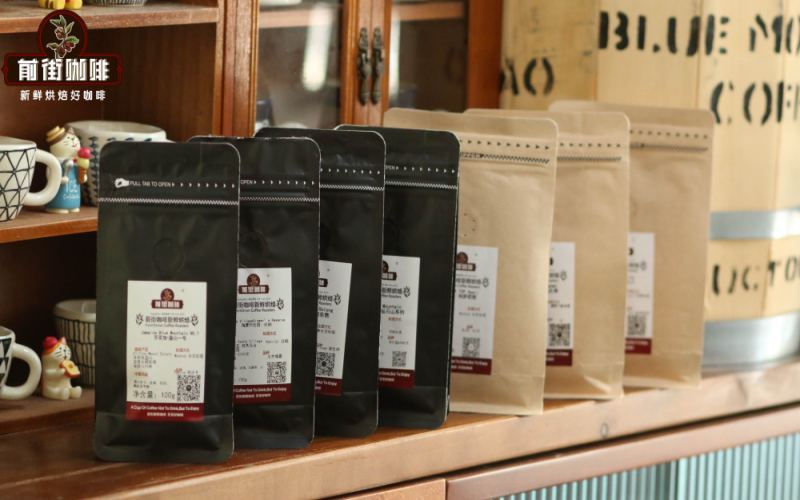
Interpreting Coffee Roast Levels Through Agtron Values: A Full Analysis of Acidity and Bitterness Differences Across Light, Medium, and Dark Roasts and City Roasts
Many coffee enthusiasts rely on the rule of thumb that acidity means light roast and bitterness means dark roast to judge the degree of roasting, but the industry has a more precise standard—the Agtron color value. From the perspective of Front Street Coffee, this article systematically sorts out a total of eight levels from light roast to Italian roast, and, combined with the timing of first crack and second crack for dropping the beans, explains the flavor direction and the changes in acidity and bitterness at each stage, and also explains the meaning of terms such as City Roast. At the same time, Front Street also shares how to use flavor descriptions to help consumers judge the roast level more intuitively, and gives brewing parameter suggestions corresponding to medium-light roast and medium-dark roast, so that you no longer feel troubled by technical terms. [more…]
Ethiopia Guji Region Natural Sidama: In-Depth Analysis of Mormora Farm Coffee Bean Flavor and Roast Profile
Located in the Shakiso Mormora farm in the Guji region of southern Ethiopia, this family-run operation has been cultivating native heirloom coffee at altitudes between 1,850 and 2,000 meters since 2012, using natural processing and graded Grade 1. This bean showcases a red wine aroma with a ripe fruit core, while spice and pepper notes emerge in the mid-to-late palate. This article provides a detailed introduction to the region's background, Mormora farm's cultivation philosophy, and, combined with Front Street Coffee's roasting experience, explores the distinctly different flavor expressions under light and medium-dark roasts—from the plum and berry wine notes of a City Roast to the Belgian dark chocolate and raspberry syrup texture of a Full City—offering coffee enthusiasts a comprehensive roasting and tasting reference. [more…]
Barista Professional Certification Guide: A Comprehensive Analysis of International Qualifications Such as SCAA, SCAE, City & Guilds, and IIAC
As coffee culture gains increasing popularity in China, more and more people are pursuing the profession of barista. A barista is not only a maker of beverages, but also a practitioner of life aesthetics and craftsmanship. However, faced with a dazzling array of international certification systems, many practitioners often feel confused: which authoritative coffee qualification certificates are actually worth obtaining? This article systematically reviews several major international coffee certification bodies currently in the mainstream—including the American SCAA, the European SCAE, the British City & Guilds, and the Italian IIAC—along with their corresponding courses and qualification requirements, to help baristas clarify their career advancement paths and find a certification direction that suits them. [more…]
Flavor Analysis and Brewing Performance of Costa Rica Orange County Hernansoris Single Villa Sarchi Coffee
The Orange County region in Costa Rica's Western Valley has long been renowned for its delicate flavors, and the micro-lots produced by the Elsa processing plant are among the finest. This article focuses on the single variety Villa Sarchi cultivated at the Hernán Solís farm, a variety originating from a natural mutation of ancient Bourbon that has long adapted to the high-altitude climate of Orange County. The farm is located in the Llano Bonito area at an altitude of 1,600 to 1,700 meters, and together with the rigorous post-processing procedures of the Elsa washing plant, it has produced a coffee that combines bright acidity, a solid body, and excellent balance. From dry and wet aromas to cupping performance at different roast levels, and then to Front Street Coffee's recommendation, this article will provide a complete analysis of this bean's flavor profile and multifaceted character. [more…]
Front Street Kenya AA Coffee Pour-Over Tips: A Full Breakdown of Regional Flavor, Roast Profile, and Processing Method
Front Street Kenya AA coffee is renowned for its distinctive banana ester and citric acid aroma, and its flavor varies greatly with the roast level: a light roast reveals malted grain notes, a full city roast brings caramel cocoa with berry sweetness and acidity, while a city+ roast releases tropical fruit and white grape nuances. This article provides an in-depth analysis of Kenya AA's regional flavors and processing method characteristics, and shares in detail the pour-over method recommended by Front Street, with a focus on explaining the bloom assessment and concentric circle pouring technique, helping you precisely control extraction and enhance the coffee's cleanliness and sweetness. [more…]
A Full Analysis of the Volcanic History Behind Guatemalan Antigua Coffee and Specialty Pour-Over Parameters
The ancient city of Antigua Guatemala is a jewel among World Heritage sites, and its coffee industry is inextricably linked to the activity of the surrounding active volcanoes. This article begins with the historical origins of Front Street Coffee's Guatemala Antigua, traces the long entanglement between this ancient city and the Fuego volcano, and provides an in-depth analysis of how volcanic ash soil nurtures the world's finest Bourbon coffee. At the same time, the article will share Front Street's recommended pour-over parameters—coffee-to-water ratio, grind size, water temperature, and the three-stage extraction method—to help coffee lovers brew a full-flavored cup of Antigua coffee at home. [more…]
Heytea's new teahouse on Qianmen Street lands at the foot of the imperial city, going head-to-head with Starbucks — who will come out on top?
Beijing's Qianmen Street, an old thoroughfare carrying centuries of commercial heritage and memories of the imperial city, has now welcomed a new face—Heytea's teahouse has officially opened here. The opening promotion is quite generous: buy-one-get-one-free on a series of products for the first three days, with multiple rounds of benefits to follow. Interestingly, Starbucks opened its Reserve store at 1-1 Qianmen Street back in 2018. One champions a mix of modern minimalism and Chinese nostalgia, while the other holds fast to an antique Beijing flavor. As the two beverage giants meet head-on at the foot of the imperial city walls, what kind of sparks will fly? Can the collision between new-style tea drinks and coffee culture inject a different kind of vitality into this historic old street? [more…]
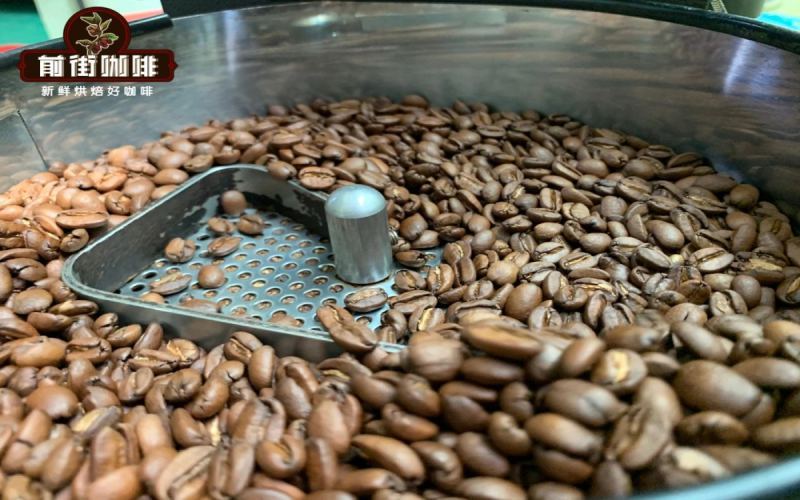
An Analysis of the Causes of Coffee's Burnt Bitterness: The Evolution of Bitterness from Light to Dark Roast and the Influence of Roasting
Coffee's bitterness is not innate—green beans contain almost no bitterness, and it all starts with roasting. As roasting progresses from light to dark, acidity gradually gives way to bitterness, from nearly bitterness-free light roasts to the charred, intense bitterness of Italian roasts, with each stage corresponding to a completely different flavor profile. This article will examine the eight stages of roasting one by one, analyzing how bitterness changes with the degree of roast, to help you make more informed choices when selecting coffee beans. The article also incorporates several representative products from the Front Street Coffee brand, providing concrete references for different roasting preferences. [more…]
Front Street Island Coffee Analysis: Flavor Characteristics and Buying Guide for Jamaican Blue Mountain, Hawaiian Kona, and Puerto Rico
Island coffees are scarce in production and command a high price, yet they have won over countless coffee lovers with their rich creamy aroma and elegant floral notes. Front Street Coffee takes you on an in-depth look at the flavor characteristics, scoring performance, and suitable roast levels of three major island coffees: Jamaica Blue Mountain, Hawaii Kona, and Puerto Rico Yauco Selecto. Blue Mountain is mellow and well balanced, Kona beans have extremely high bean quality with very few defects, and Puerto Rico delivers 80% of the strength at half the price of Blue Mountain. This article also explains the freshness principles and health value of specialty coffee, helping you make a wise choice among high-priced island coffees. [more…]
Ethiopian Sidamo Coffee: A Complete Guide to Origin, Varieties, Processing Methods, Flavor Profile, and Grinding & Roasting Essentials
Sidamo is a highly representative single-origin coffee region in Ethiopia, famous for its small grey bean variety and intense spice, winey, chocolate, and floral notes. The washed process brings clean and refreshing lemon, citrus, jasmine, and honey tones, with bright, uplifting acidity and lower body, suitable for City to Full City roasts. Local traditional processing methods are relatively rough, prone to mixing in impurities and defective beans, resulting in high quality fluctuations; Shakisso, as a micro-region in the Guji area adjacent to Sidamo, attracts attention for its unique regional flavor, and Front Street's sun-dried Sidamo can reach G1 grade after careful selection. [more…]
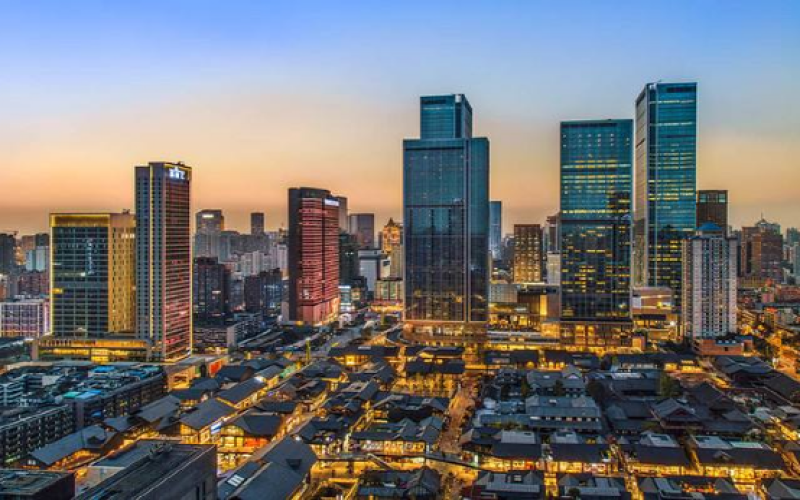
China's Coffee Market Landscape Shifts: Shanghai Loses Momentum Under Pandemic Impact, Chengdu Accelerates Its Rise
For a long time in the past, Shanghai was regarded as the city with the highest coffee density in China. However, the nearly three-month suspension of dine-in services dealt a heavy blow to Shanghai's catering industry, and coffee brands began to turn their attention to Chengdu. Data shows that Chengdu now has more than 7,000 coffee shops, ranking second nationwide, with independent coffee shops accounting for as much as 81.07%, far exceeding Shanghai's 57.01%. Luxury brands have also chosen to open coffee shops in Chengdu one after another, including LV, Cartier, Ralph's Bar, and Maison Margiela Café. Wangping Street, Mengzhuiwan, and Tangpa Street in Chengdu have become popular coffee districts, where teahouse culture and coffee consumption blend together. This article will analyze the data and trends behind this round of changes in the coffee city landscape. [more…]
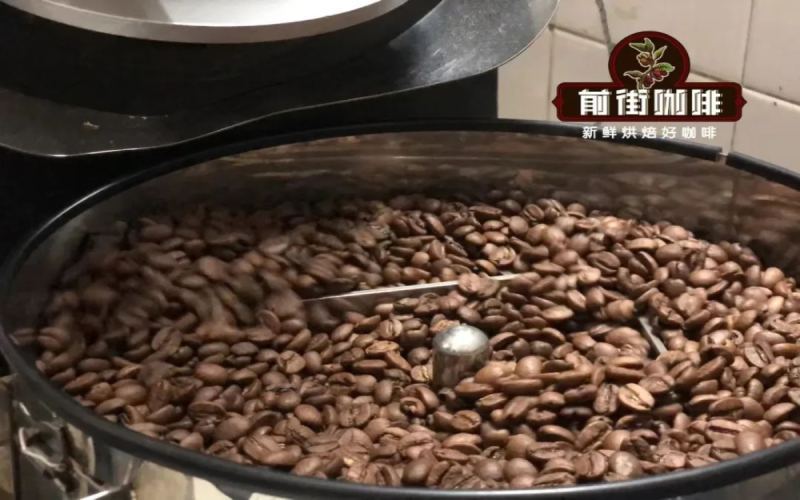
A Complete Guide to Coffee Roast Levels: First Crack, the Eight-Level Agtron Color Classification, and What Roasting Percentage Really Means
What degree of coffee roasting is considered appropriate? Starting from the key milestone of first crack, this article systematically sorts out the logic for determining coffee bean roast level, and with the help of Agtron color values, divides roast degree into eight levels: light, cinnamon, medium, deep, city, full city, French, and Italian, explaining one by one the timing for dropping each level and its flavor direction. At the same time, it answers the correspondence between the Roasting percentage markings commonly used by roasters and Agtron color values, helping coffee enthusiasts quickly understand the roasting information on packaging. The article also includes Front Street Coffee's specialty bean recommendation channel for further communication and purchasing. [more…]
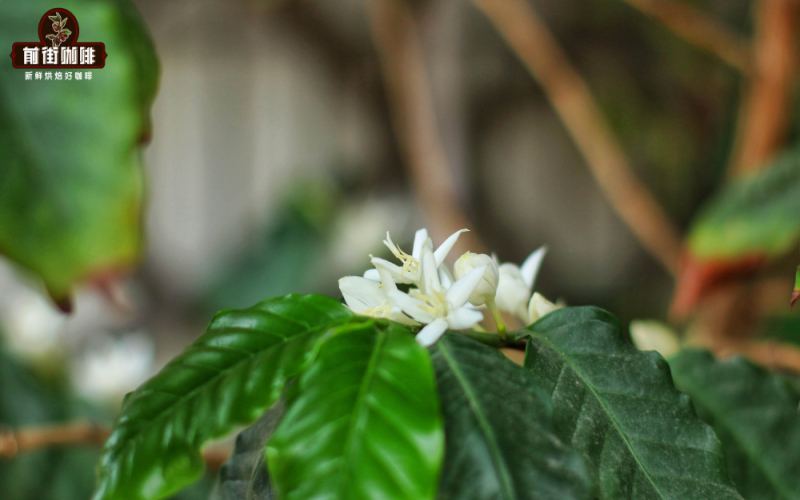
Flavor comparison of Yunnan Baoshan, Pu'er, and Lincang coffee regions: Which arabica origin is more worth recommending?
Yunnan is the core production region for specialty coffee in China, and among its areas, the small-bean coffee from Baoshan, Pu'er, and Lincang is especially renowned. Different altitudes, climates, and cultivation practices give the coffee beans from each place distinctly different flavor profiles. This article will examine the characteristics of the three major production regions one by one from the perspectives of growing environment and cupping flavors, and introduce Front Street Coffee's practice of establishing its own estate in Lincang to cultivate the Typica variety. It will also share several Yunnan coffee beans worth trying along with brewing suggestions, helping coffee lovers gain a more comprehensive understanding of the regional charm of Yunnan coffee. [more…]

A Detailed Guide to Coffee Roast Levels: How to Define Light, Medium, and Dark Roasts and Brewing Recommendations
The roast level of coffee beans directly influences the final flavor profile, yet standards vary from country to country, often leaving beginners confused. From the perspective of Front Street, this article systematically introduces the eight-level roasting standard developed by the SCAA in conjunction with Agtron, including the color values and drop times for Light, Cinnamon, Medium, Deep, City, Full City, French, and Italian roasts, and explains how to determine the roast level through flavor descriptions. At the same time, for coffee beans roasted at light-to-medium and medium-dark levels, Front Street shares specific grinding and water temperature recommendations to help everyone brew their ideal flavor more effectively. [more…]
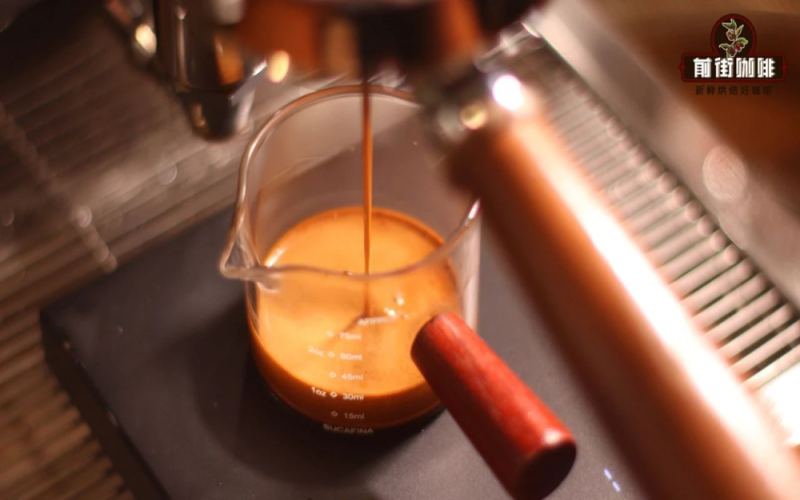
Can espresso blend beans be used for pour-over? Analysis of dark roast coffee flavor characteristics and Front Street Warm Sun blend
Many coffee enthusiasts encounter a question when selecting beans: Are coffee beans labeled as espresso blends and dark roast actually suitable for pour-over? To answer this question, we need to start with the classification of coffee roast levels. What exactly do terms like French roast, Italian roast, and City roast represent? What flavor characteristics correspond to different roast levels? From the perspective of Front Street Coffee, this article systematically sorts out the Agtron color values and drop timing for each roasting stage, and shares the development ideas, roasting curves, and espresso extraction plans for Front Street Sunflower Warm Sun Blend, helping you understand the differences in performance of dark-roasted beans in both pour-over and espresso scenarios. [more…]
Front Street Colombia Secret Garden Pour-Over Parameters and Iced Coffee Method: From Bean Information to V60 Extraction Steps
Front Street Colombia Secret Garden is a Supremo-grade coffee from the Antioquia region, wet-processed by the Empresas de Antioquia processing plant, using Typica and Caturra varieties, with a roast level between City Roast and Full City Roast. This article first summarizes the origin, grade, processing method, and flavor characteristics of this bean, then provides the pour-over and Japanese iced pour-over recipes commonly used by Front Street Coffee, including grind setting, water temperature, coffee-to-water ratio, pouring rhythm, and total extraction time, making it easy for coffee enthusiasts to reproduce at home a cup of Colombian coffee that is rich in aroma, with vanilla and floral notes, and balanced acidity and sweetness. [more…]
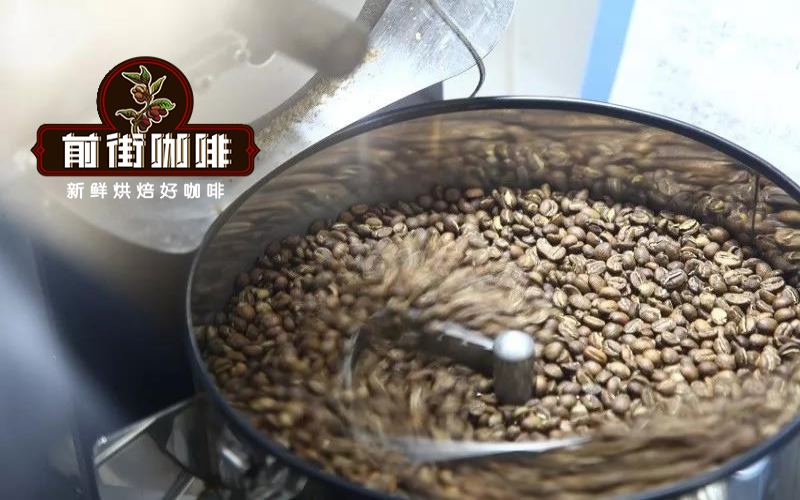
A Complete Guide to Coffee Bean Roast Levels: From Light Roast to Espresso, How Blue Mountain Coffee Achieves Neither Bitterness Nor Sourness
The roast level of coffee beans directly determines the flavor profile in the cup. From a light roast just shy of first crack to an espresso roast with oil on the bean surface, each stage gives coffee a completely different balance of acidity and bitterness as well as aromatic complexity. This article systematically breaks down eight mainstream roast levels—light, cinnamon, medium, high, city, full city, French, and Italian—explaining one by one their crack points, taste characteristics, and suitable growing regions, while offering bean selection advice based on specific Front Street Coffee products. In particular, it answers what roast level suits Blue Mountain coffee to achieve a balanced sweet-acidic-bitter profile that is neither bitter nor sour, and also covers roast choices for different brewing scenarios such as pour-over single origin, iced coffee, and café au lait, helping enthusiasts precisely match roast level to their flavor needs. [more…]