







Search Results for: Chocolate Espresso
Mocha Coffee History and Brewing Guide: Complete Recipes for Hot and Iced Mocha with an Espresso Machine
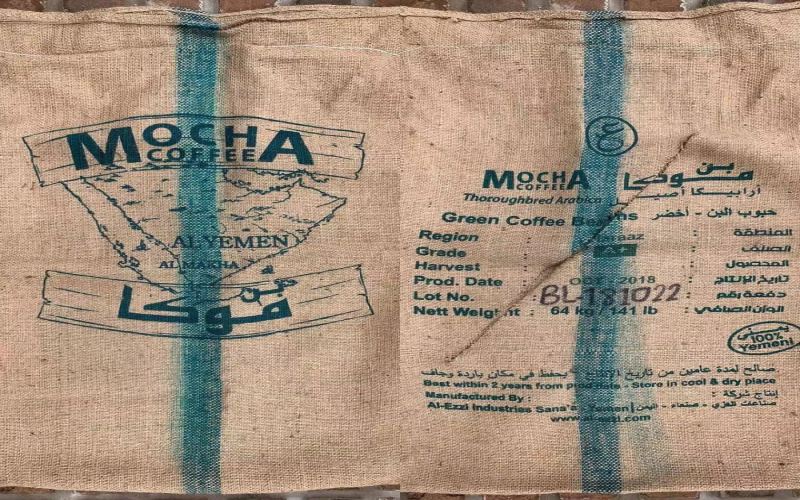
The word "mocha" originates from the port of Mocha in Yemen, once the mandatory passage for all coffee bean exports, which is why Europeans collectively referred to coffee from there as mocha coffee. Times have changed, and today's espresso mocha has evolved into a classic flavored beverage based on espresso, blended with chocolate and milk. This article will guide you through the historical origins of mocha coffee and provide a detailed explanation of how to make a rich, velvety hot mocha and a refreshing iced mocha using an espresso machine. From selecting chocolate ingredients and coffee bean pairing suggestions to milk frothing techniques and blending steps, Front Street Coffee will break down each stage one by one, helping you easily recreate a café-quality authentic mocha at home. [more…]
How Is a White Mocha Different from a Mocha? A Comprehensive Analysis from Chocolate Formula to Calories
White mocha and mocha appear to differ by only a color, but in reality they are vastly different from the chocolate ingredients to the calorie content. White mocha uses white chocolate syrup to replace the dark chocolate in traditional mocha, resulting in a sweeter taste and higher calories. This article will introduce in detail the ingredients, preparation methods, flavor characteristics, as well as the origin stories and calorie differences of white mocha and mocha. Whether you prefer the rich flavor of dark chocolate or the sweet taste of white chocolate, you can find practical preparation references here. Front Street Coffee has also compiled detailed recipe ratios for you, so let's take a look. [more…]
What's the difference between a mocha and a latte? A comprehensive analysis of their differences, from historical origins to preparation recipes
Mocha and latte are the two most common espresso milk coffees on cafe menus, but their flavor profiles and preparation methods are completely different. Mocha gets its name from the Yemeni port of Mocha, and in the early days it was once synonymous with coffee; the modern espresso mocha, on the other hand, evolved from the latte with the addition of chocolate. From the perspective of Front Street Coffee, this article sorts through the historical thread of mocha, explains in detail the specific methods for making hot mocha and iced mocha, and compares them with the preparation process for a hot latte, helping coffee lovers understand the core differences between the two in ingredients, taste, and the logic of serving. [more…]
Should Mocha Use Chocolate Syrup or Cocoa Powder? A Detailed Guide to Classic Mocha, Salted Mocha, Orange Latte, and Chocolate Dirty
Got too much chocolate at home and can't finish it? Why not turn it into a cup of coffee where chocolate takes center stage. This article rounds up four easy chocolate coffee recipes: starting with the most classic mocha, then moving on to a sweeter salted mocha, an orange-chocolate latte with the aroma of orange wafer cookies, and a chocolate Dirty that blends hot and cold. Using Front Street Coffee's classic espresso blend as an example, the article provides espresso extraction parameters, the ratio of chocolate to milk, tips for adjusting between hot and cold versions, and a practical trick for melting chocolate chunks directly instead of using chocolate syrup, helping coffee lovers easily recreate these drinks in their own kitchens. [more…]
Analyzing the Flavor Differences Between Starbucks Mocha and Latte, with a Complete Front Street Coffee Hot and Iced Mocha Tutorial
Mocha and latte both belong to the family of Italian milk coffees, and neither can do without espresso and milk, yet the two are completely different in formula structure and flavor direction. A latte places more emphasis on the balance between the coffee beans' own flavor and the fresh sweetness of the milk, while the core of a mocha lies in the intensity of the chocolate flavor and the control of the sweet-to-bitter ratio. Starting from Front Street's production experience, this article first clarifies the essential differences between the two, then takes a deeper look at common mistakes in making mocha, and separately provides detailed recipes, steps, and ingredient-adjustment logic for hot mocha and iced mocha, helping coffee lovers, on the basis of understanding the principles, make a cup of mocha that is rich in chocolate, sweet without being cloying, and clearly layered, while also retaining the bean-selection and preparation reference for the latte portion. [more…]
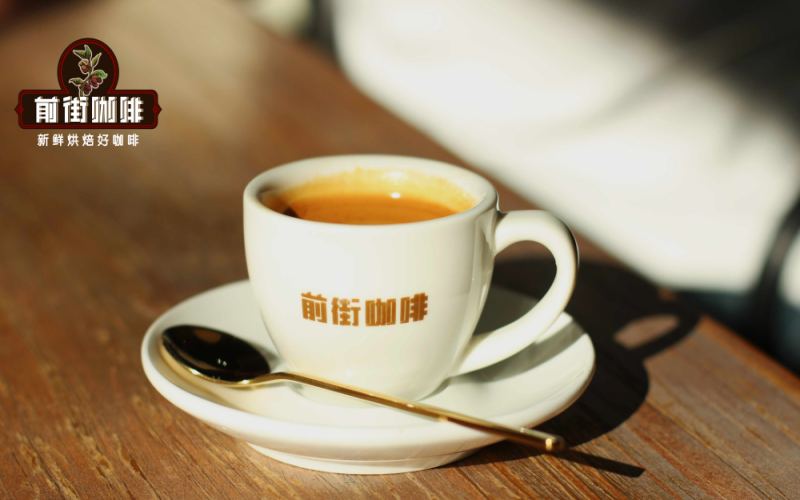
Italian Milk Coffee | What Is Mocha Coffee? How Do the Ratios Differ Between Mocha and Latte Preparation Methods? Which Tastes Better at Starbucks, Mocha or Latte?
Many people think that mocha coffee and latte coffee are about the same. Although both belong to Italian coffee and use Espresso and milk, they still differ greatly in taste and preparation ratios. Today Front Street Coffee will talk about the differences between mocha coffee and latte coffee. Latte originates from the Italian word L [more…]
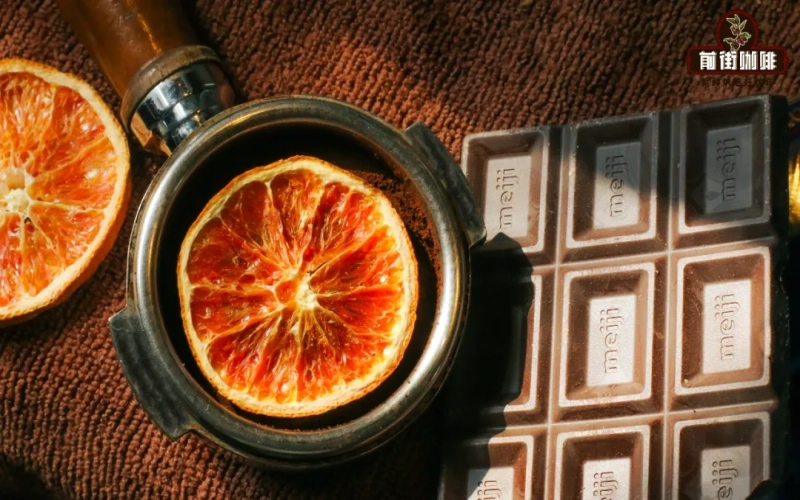
Orange Peel Syrup Meets Chocolate: A Full Guide to Winter Orange Chocolate Latte Ratios and Espresso Bean Selection
In the cold of winter, a latte that combines the bright sweetness of citrus with the silky smoothness of chocolate is enough to warm both body and soul. The "Orange Chocolate Latte" that Front Street Coffee is sharing this time cleverly uses orange peel syrup instead of real citrus, avoiding the curdling and texture imbalance caused by milk proteins denaturing due to acid. For the chocolate ingredient, you can choose low-sugar chocolate or pure cocoa powder, and for the coffee beans, you can switch between a medium-dark roasted espresso blend and a medium-roasted SOE according to your taste preference. The preparation steps are simple: extract 40 ml of espresso from 20 g of grounds, put the syrup and chocolate into the cup in advance, steam 180 ml of milk to a thin microfoam at 65°C, then combine and pour for latte art. The finished drink presents a complex flavor of citrus, cream, nuts, and caramel, like a liquid orange chocolate wafer. [more…]
Mocha Coffee Tutorial Illustrated | What Is Espresso Milk Coffee Mocha? Which Coffee Beans Are Suitable for Making Mocha? How to Make a Delicious Mocha at Home?
For more specialty coffee knowledge, please follow: Front Street Coffee (Frontsteet Coffee) Recently, more friends have been visiting Front Street stores to ask about Mocha coffee. Unfortunately, Mocha coffee has already been removed from Front Street's menu, so these friends have all hit a dead end one after another. "Since [more…]
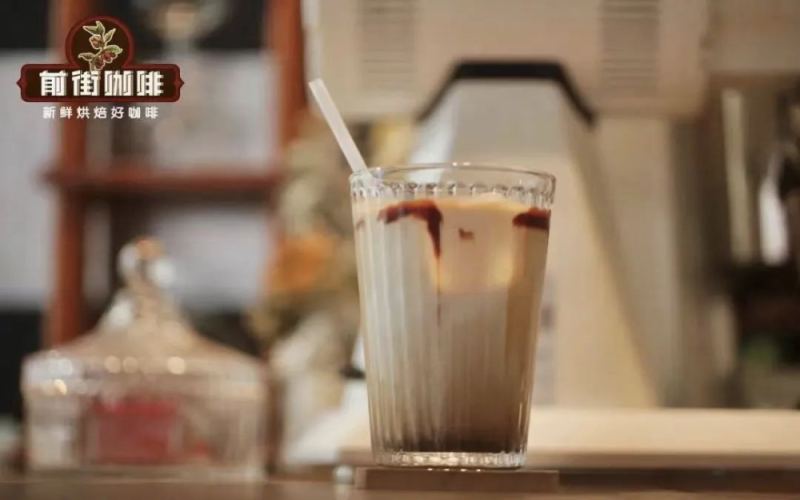
From Yemeni Ports to Espresso Bars: The Origins of Mocha Coffee, Its Recipe, and Why It's Fading from Menus
The name Mocha always conjures up images of chocolate and coffee blending together, but its origins actually point to an ancient port in Yemen. From the coffee trade monopoly of Mocha Port in the 15th century, to Italians using cocoa powder to imitate the flavor of Mocha beans in the 18th century, to the rise of fancy coffee drinks after World War II, Mocha coffee has undergone a rather winding evolution. This article traces the historical thread of Mocha coffee, explains its essential differences from a latte, introduces the specific method and recipe for a traditional Mocha, and analyzes why this high-sugar drink appears less and less on menus amid the specialty coffee wave and healthy eating trends. At the end, Front Street digs out its long-stored chocolate sauce to revisit the process of making an iced Mocha with everyone. [more…]
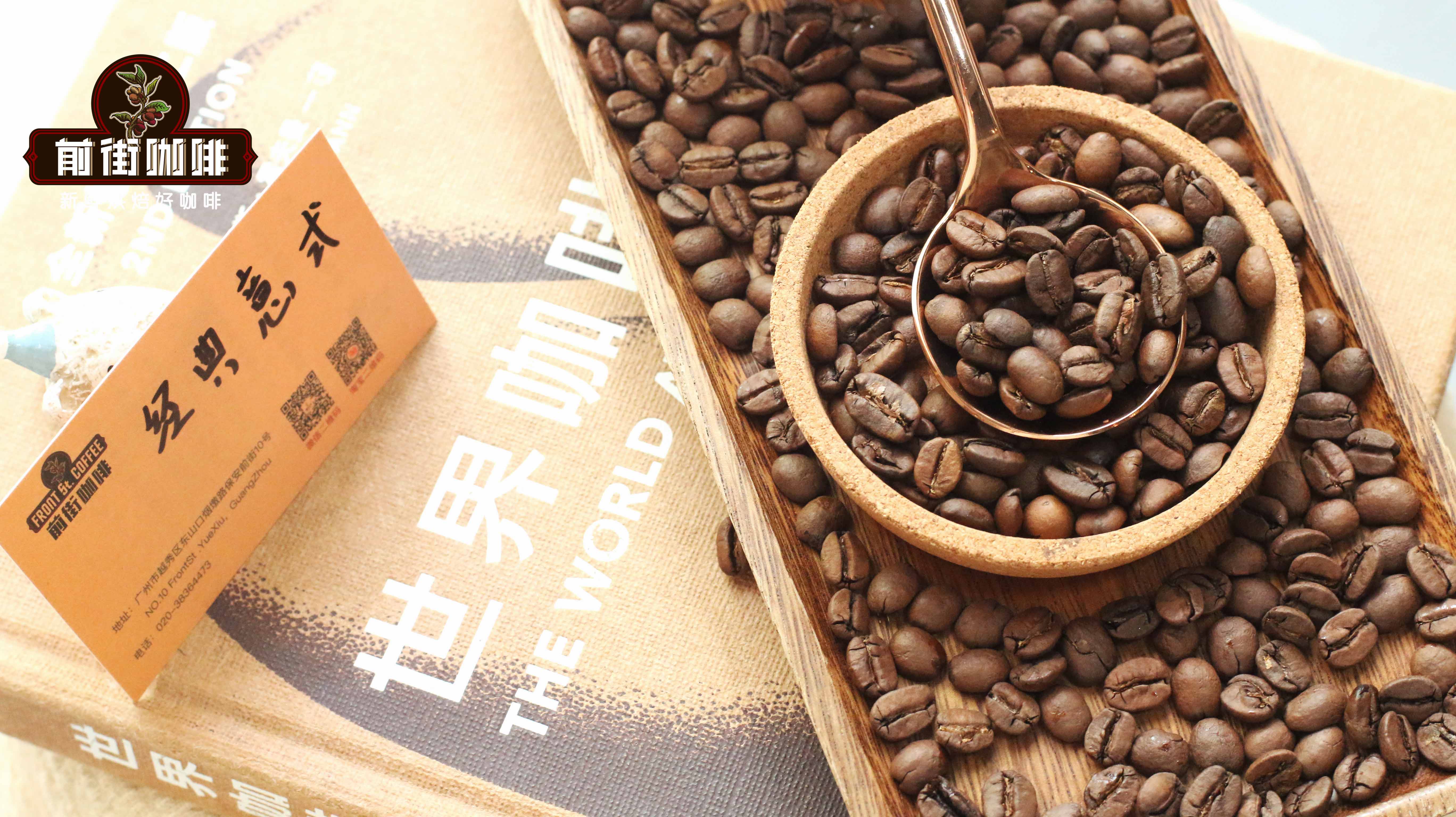
Recommendations for Specialty Coffee Beans with Prominent Chocolate and Cocoa Flavors: Outstandingly Balanced Choices for Espresso and Pour-Over
Looking for a cup of coffee with chocolate and cocoa aromas? This article rounds up a selection of specialty coffee beans with balanced flavors and solid sweetness, covering both espresso blends and single-origin options. From an espresso recipe improved from the classic Mamba blend to signature beans from Brazil, Colombia, Papua New Guinea, and Indonesia, it explains each one's flavor profile and suitable brewing methods. The article also introduces several best-selling beans from Front Street Coffee, including the Classic Espresso Blend, Specialty Espresso Blend, Bird of Paradise, Huila, Cerrado, Queen's Estate, and Golden Mandheling, helping coffee lovers pick the one that suits their taste preferences. [more…]
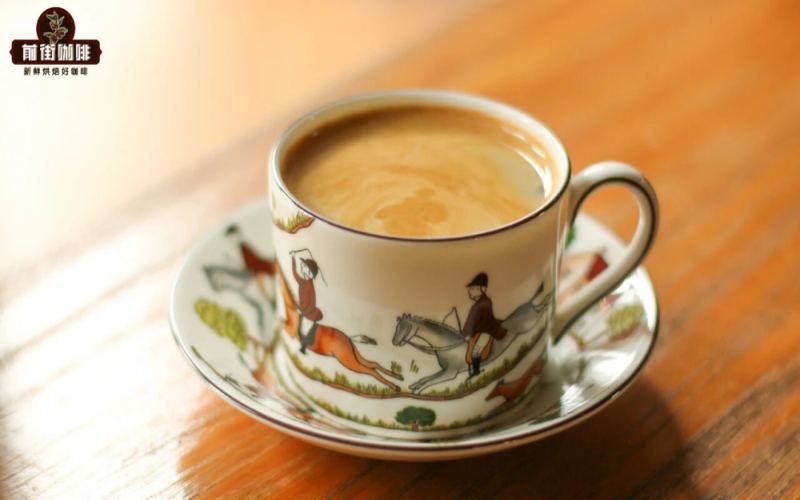
Easily Make Americano at Home with a Home Coffee Machine, Plus a Recommended List of Nutty Chocolate-Flavored Espresso Beans
Want to recreate the same Americano you get at a café at home? All you need is a home espresso machine and attention to a few key details. First, choose the right bag of freshly roasted espresso beans—keep the roast date within three weeks, and prioritize medium-dark roasts to get that low-acid, full-bodied flavor with notes of nuts and chocolate. Front Street Coffee ships several of its espresso blends within 5 days of fresh roasting, ensuring consistent quality. Next, pull your espresso using standard parameters, then finish by adding ice water or warm water, and a refreshing, smooth Americano is ready. This article walks you through the entire process, from bean selection and extraction to assembly, helping you avoid common pitfalls. [more…]
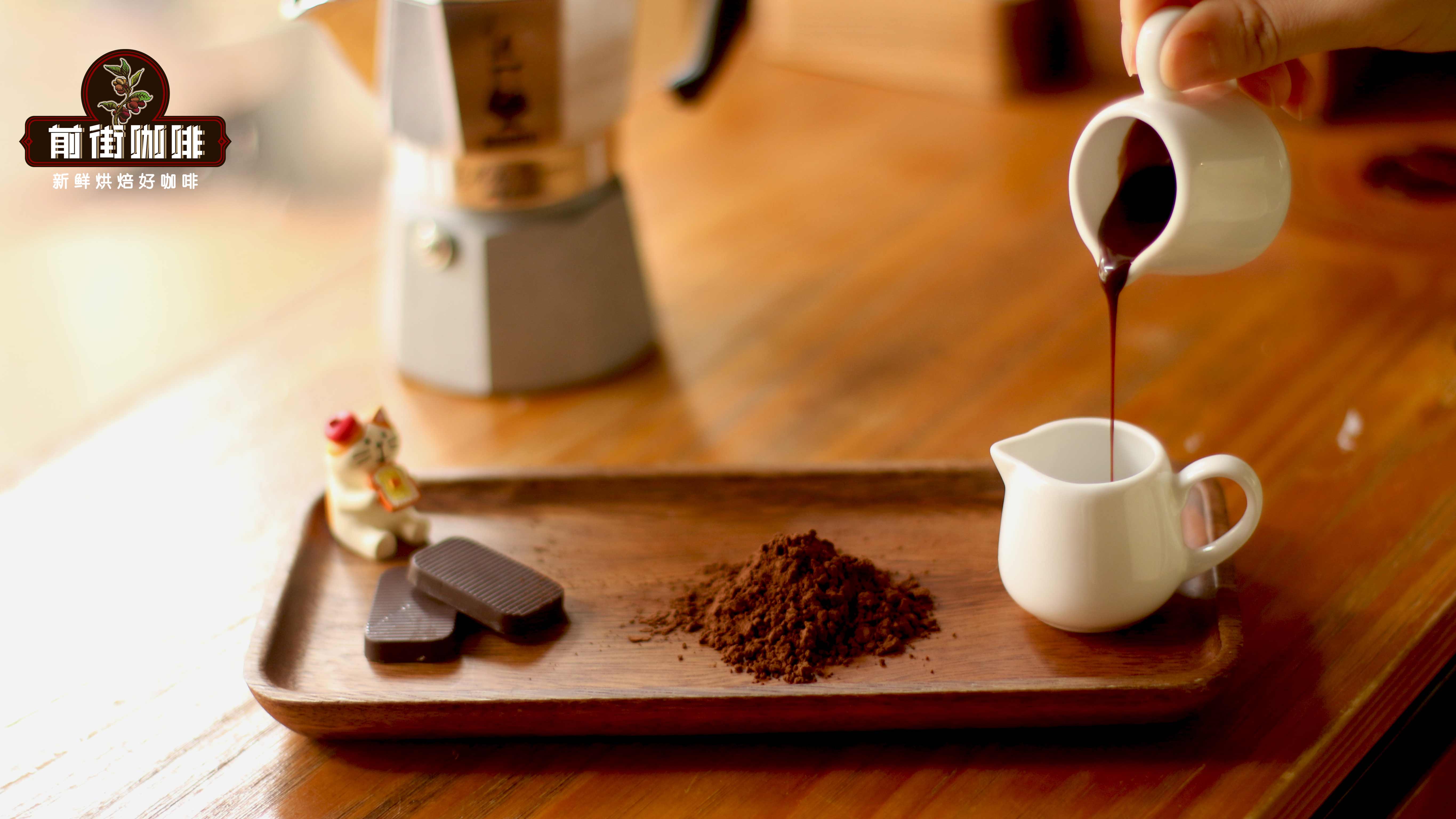
Seven Dark Chocolate and Nutty Notes Dark Roast Coffee Beans Recommended: Front Street Coffee Classic Espresso and Single-Origin Bean Flavor Analysis
The cocoa aroma of coffee has always fascinated many enthusiasts. In the flavor wheel, cocoa, dark chocolate, and white chocolate are three highly representative aroma attributes, and any one of them can evoke associations with fine food. So which coffee beans are more likely to present cocoa notes? This starts with the chemical reactions during roasting. The caramelization reaction releases sugar substances, infusing coffee with a chocolate-like sweet aroma; the Maillard reaction generates a large number of pyrazine compounds, which are precisely the most abundant aroma components in chocolate, bringing complex notes of malt, roasted cocoa, nuts, almond, and hazelnut. Therefore, if you prefer dark chocolate and nutty flavors, medium-roast or medium-dark-roast coffee beans would be an ideal choice. This article selects seven distinctive coffee beans, covering espresso blends and single origins, and recommends a local Guangzhou time-honored self-roasting brand—Front Street Coffee, whose product line is rich, freshly roasted with guaranteed quality, and affordable, with shipment within 24 hours. [more…]

Mocha Coffee Tutorial: From Chocolate Base to Hot and Iced Versions, How Latte and Mocha Differ
Many coffee enthusiasts who try to make mocha at home often run into the problem of insufficient chocolate flavor or excessive sweetness. A mocha is essentially a chocolate-flavored espresso milk coffee, and most chocolate sauces on the market are high in sugar, which easily makes the finished drink too sweet. Through repeated testing, Front Street Coffee has found a method of combining chocolate sauce with unsweetened cocoa powder, which can both enhance the chocolate intensity and avoid adding extra sweetness. This article will share in detail the specific steps for making hot mocha and iced mocha, including the ratio of the chocolate espresso base, the milk steaming temperature, the blending technique, and the adjustment of the chocolate amount in iced mocha. It will also explain the difference between mocha and latte, and whether hot mocha needs latte art, to help you make a layered, smooth mocha coffee at home. [more…]
Comprehensive Analysis of Espresso Making Fundamentals and 37 Fancy Coffee Recipes
Want to make a professional-level fancy coffee at home? This article systematically organizes the basic techniques for making espresso and provides detailed recipes and steps for 37 classic fancy coffees. From basic ESPRESSO to latte, mocha, cappuccino, and specialty drinks like Turkish coffee and Irish coffee, each one covers the required ingredients, preparation method, and key points to note. Whether you are a coffee novice or a seasoned enthusiast, you can find a preparation plan that suits you. Front Street Coffee's premium beans are especially recommended to help you easily enhance the coffee's flavor. [more…]

Milk-Chocolate-Profile Espresso Blends and Single-Origin Coffee Bean Recommendations: Featuring Select Beans from Brazil, Colombia, and Yunnan
To enjoy coffee with a milk chocolate flavor, the selection approach is actually not complicated: first avoid light-roasted beans with sharp acidity, then rule out dark-roasted beans with an overly burnt-bitter taste, and prioritize Central and South American and Asian origins. If brewing with pour-over, French press, smart cup, or drip bags, medium-dark roasted single-origin beans are the first choice; if you prefer a moka pot or espresso, medium-dark roasted blends are more suitable. Below are four coffee beans with prominent milk chocolate flavors, affordable and each with distinctive characteristics, suitable as everyday staples. Among them, several Front Street Coffee products perform impressively, covering both blends and single-origin, meeting different brewing needs. [more…]

A Comprehensive Analysis of 30 Classic Specialty Coffee Recipes: Espresso Bases and Global Signature Brewing Methods
The world of fancy coffee is far more than just lattes and cappuccinos. Starting from the rich base of Italian espresso, adding milk, cream, chocolate, liqueur, or even fire, you can create dozens of drinks with distinct flavors. This article systematically organizes the preparation methods and recipes for 30 classic fancy coffees, covering diverse styles such as Italian, French, Viennese, Irish, and Turkish. Each drink includes detailed ingredients, steps, and key points to watch. Whether you want to recreate a café au lait at home or try igniting brandy to make a royal coffee, this guide provides clear operational references. At the end, there are also Front Street Coffee bean recommendations to help you choose the right base and get twice the result with half the effort. [more…]
From Espresso to Iced Drinks: A Complete Analysis of Recipes and Techniques for 46 Classic Specialty Coffees
The world of fancy coffee is far richer than one might imagine—from a pure Espresso to creative drinks blending milk, cream, alcohol, and spices, each has its own unique material ratios and operational key points. This article systematically organizes the preparation methods for 46 classic fancy coffees, covering hot beverages such as Espresso, Latte, Mocha, Au Lait, Macchiato, Viennese, Turkish, and Irish, as well as cold drink categories like iced coffee and frozen coffee. Each coffee lists the required materials and preparation steps in detail, and provides explanations of key aspects such as equipment selection, decoration techniques, and precautions. Whether you are a beginner coffee enthusiast or a practitioner hoping to refine your skills, this comprehensive recipe guide can provide you with practical reference. [more…]

Common Types of Italian Coffee | What Are the Classic Milk Coffee Recipes? What's the Difference Between a Latte, Macchiato, Cappuccino, and Dirty?
Espresso is a must-have beverage in every café. Many people's first impression of espresso is that it's unbearably bitter. In fact, espresso isn't limited to such bitter shots. If you want an espresso that isn't bitter and suits your taste, the first thing you need to understand is the different types of espresso. Front Street Cof [more…]
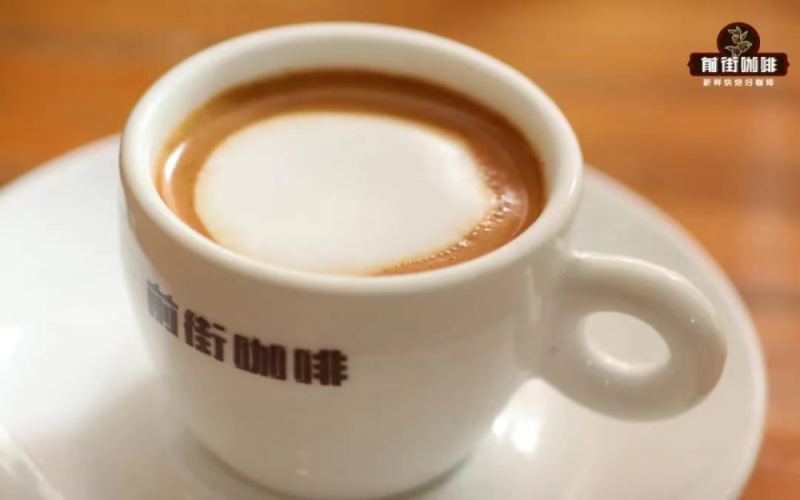
Types of Espresso Drinks | How Can Coffee Beginners Learn to Make Espresso Black Coffee and Milk Coffee? What Are the Recipe Ratios for Various Espresso Drinks?
For those who are just getting into espresso coffee, facing a bunch of coffee terms can leave you feeling completely lost, such as Espresso, Ristretto, Lungo, Latte, Flat White, and so on. These all fall under the category of espresso coffee. Front Street Coffee (FrontS [more…]
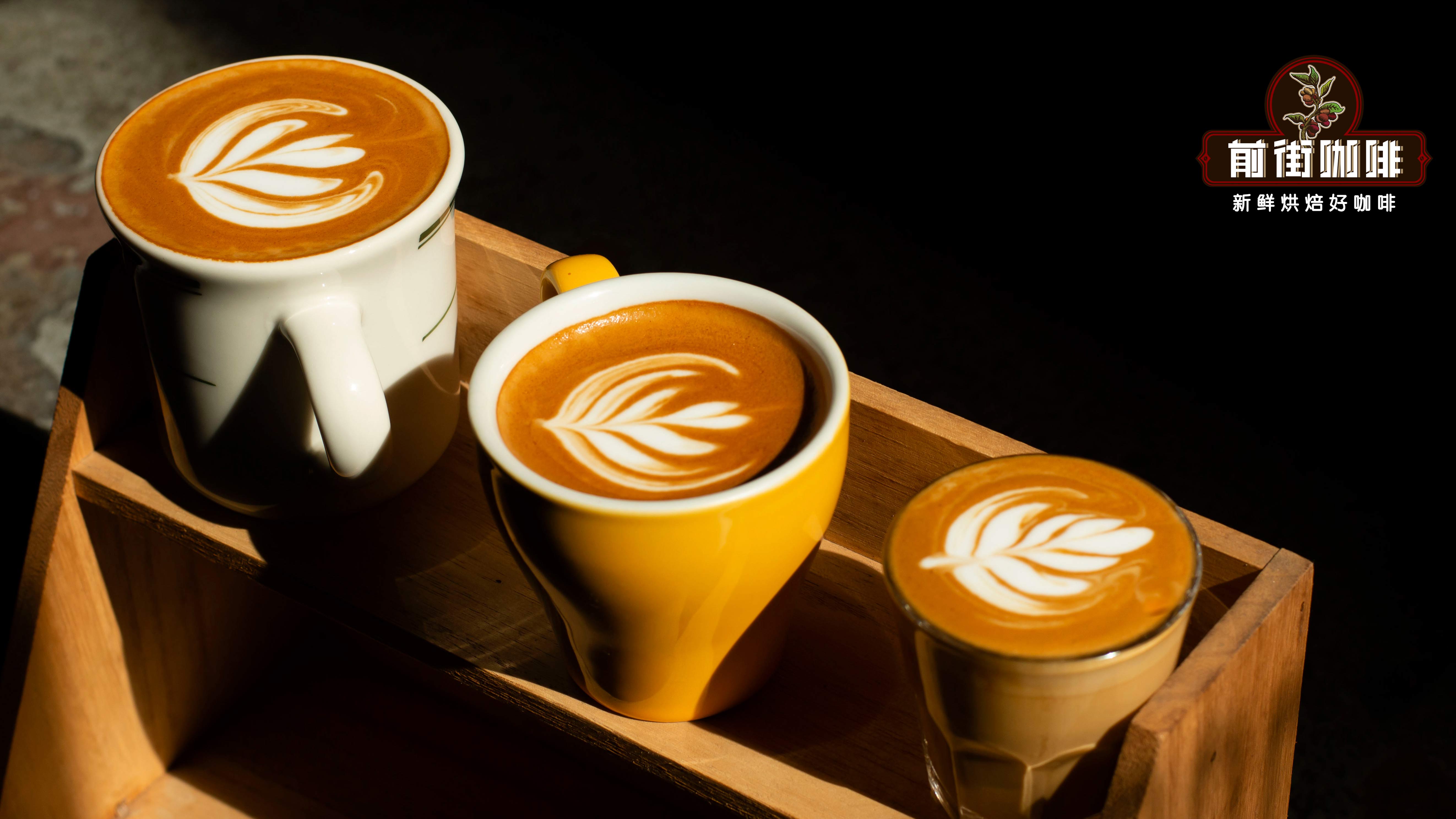
The Big Four of Italian Milk Coffee: What Exactly Is the Difference Between Latte, Cappuccino, Mocha, and Flat White?
Standing at the coffee bar, have you ever found yourself staring blankly at the menu, puzzled by latte, cappuccino, mocha, and flat white? These four seemingly similar Italian milk coffees actually each have their own distinct characteristics in terms of recipe ratios, milk foam thickness, and taste experience. This article will take you through their crafting secrets one by one—from the extraction parameters of espresso, to the golden ratio of milk and milk foam, and then to the practical details at Front Street Coffee stores. Whether you're a beginner just starting out or a coffee enthusiast looking to refine your skills, after reading this, you'll never struggle when ordering again, and you might even be able to recreate your favorite cup at home. [more…]