







Search Results for: Central Valley region
Costa Rican Coffee Flavors and Analysis of Seven Major Regions: Tarrazu, Tres Rios, and Central Valley Characteristics
Costa Rican coffee has always been known for its balanced and mild character, and Front Street Coffee's Costa Rican coffee showcases this classic style: the harmonious blend of acidity, sweetness, and chocolate-like bitterness, with a smooth mouthfeel and little sharpness. The country has seven major coffee-producing regions, among which the Central Valley, Tarrazú, and Tres Ríos are the most well-known. In the 2007 Cup of Excellence competition, Cerro Bado from Tarrazú took first place, while Naranjo in the Central Valley swept second through fourth places. La Minita Estate in Tarrazú is known for its strict management, producing a million pounds a year yet selecting only 290,000 pounds as specialty coffee. In the Tres Ríos region, production has dropped sharply due to urban expansion, but Aquiares Estate has persevered to this day, with a bright and smooth flavor. This article will introduce in detail the characteristics of each producing region and their representative estates. [more…]
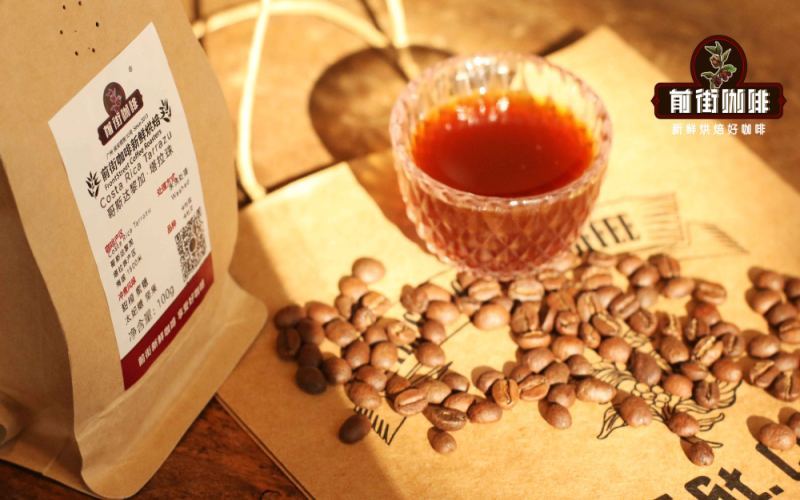
Costa Rica Red Honey Coffee Flavor Analysis: The Sweet-Acid Balance and Chocolate Texture of Las Haras Estate in the Central Valley
As the first country in Central America to cultivate coffee, Costa Rica boasts fertile volcanic soil and a suitable climate that nurture high-quality Arabica coffee with a balanced, mild profile and bright fruity acidity. This article focuses on Front Street Coffee's Costa Rica Las Haras Estate Red Honey processed coffee, offering an in-depth introduction to the characteristics of the Central Valley producing region, the background of Las Haras Estate, and its unique honey processing classification system. By comparing the pectin retention ratios and drying durations of Yellow Honey, Red Honey, and Black Honey, it analyzes how Red Honey processing delivers a substantial, syrupy mouthfeel and vivid fruity notes. It also shares the roasting curve and brewing parameters for Front Street Coffee's Blackberry Coffee, providing coffee enthusiasts with a complete flavor guide from producing region to cup. [more…]
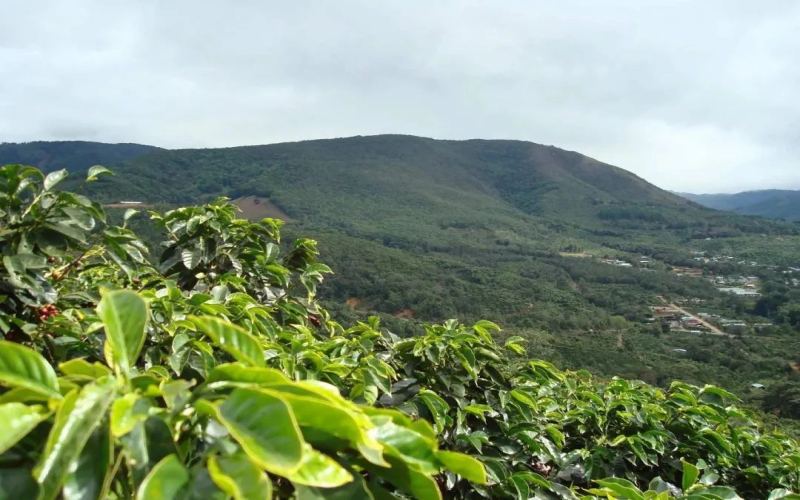
A Complete Analysis of Costa Rica's Seven Major Coffee Regions: The Terroir Code from Tarrazú to the Central Valley
Costa Rica, a Central American country whose name means "rich coast" in Spanish, is not only the first region in Central America to introduce coffee cultivation, but also, thanks to its high-altitude mountains, volcanic ash soil, and superior climatic conditions, has nurtured several world-renowned specialty coffee regions. From Tarrazú, the largest in output and the most famous, to the Central Valley, the oldest, the seven major regions each have their own distinctive terroir. This article will guide you through the development of Costa Rica's coffee industry, the geographical environment and flavor characteristics of each region, and introduce a range of high-quality Costa Rican coffee beans that Front Street Coffee continues to select for everyone. [more…]
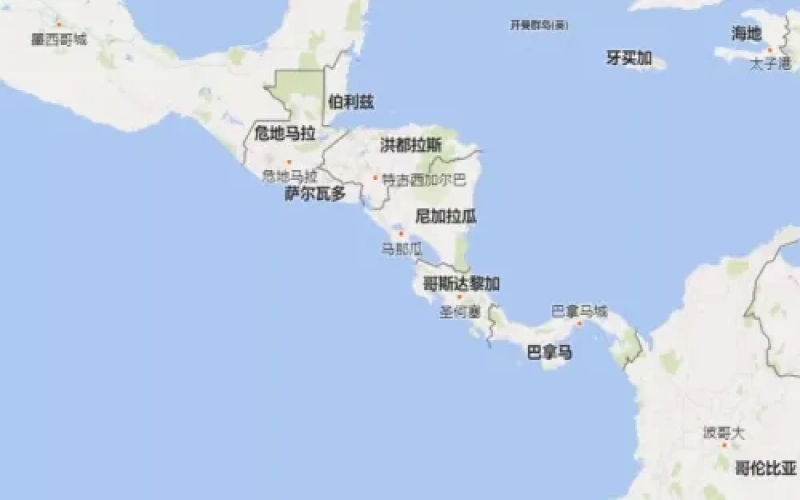
Exploring Costa Rica's Western Valley: From Coffee Cultivation History to the Path of Excellence at Hacienda La Hermosa
Costa Rica was the first country in Central America to cultivate coffee and is the world's fourteenth-largest coffee producer. With numerous volcanoes and a diverse climate, it offers superior conditions for coffee cultivation. As one of the country's three best-producing regions, the Western Valley region is known for its cool climate and renowned estates, such as Hacienda La Esmeralda (Beautiful Plain Estate), which has repeatedly achieved outstanding results in COE competitions. This article will guide you through the development history of Costa Rican coffee and the evolution of processing methods, and take a deeper look at the terroir and representative estates of the Western Valley region, while retaining Front Street brand recommendations, making it suitable reading for coffee enthusiasts. [more…]
Costa Rica Central Valley Black Pearl Coffee Beans: Traceability, Flavor Analysis, and Brewing & Roasting Parameter Guide
Costa Rica is famous for its honey processing, but Front Street Coffee also brings sun-dried Central Valley Black Pearl and Red Pearl, showcasing fermented aromas, caramel, and fruity notes. This article starts with the history of Costa Rican coffee and its eight major producing regions, then details the Central Valley terroir, the characteristics of the Caturra and Catuai varieties, and the altitude grading system. It also takes an in-depth look at Las Lajas Estate and Sonora Estate, analyzing their special sun-dried and sun-dried processing flows. At the same time, it shares Front Street's brewing ideas for Black Pearl and Red Pearl as well as the Red Pearl roasting curve, providing a complete reference for coffee enthusiasts. [more…]
Comparison of Sun-Dried Coffee from Costa Rica's Three Major Regions: Analyzing the Flavor Differences Between Tarrazú, the Western Valley, and the Central Valley
Front Street Coffee has previously compared the differences among coffees from various Kenyan regions using the same processing method; this time, we turn our attention to Costa Rica. Also using natural processing, how much will the flavors differ among coffees from three major regions—Tarrazú, the Western Valley, and the Central Valley? This article will compare three beans—from the Pirong Processing Plant, Genesis, and Black Soul—one by one, from bean background, green bean appearance, and roasting curves to cupping and pour-over performance. If you haven't yet tried Costa Rican specialty coffee, you might start with the classic Front Street Tarrazú washed Caturra and savor its soft aroma of sweet orange, nuts, and chocolate. [more…]

The Cultivation Origins and Flavor Analysis of Geisha Coffee in Costa Rica's Western Valley and Tarrazú Regions
Costa Rica is located in the Central American isthmus. Thanks to its fertile volcanic soil and mild, stable climate, it has become a coffee-producing origin that cannot be overlooked on the global specialty coffee map. The country is divided into eight major coffee-producing regions, including the Western Valley, Central Valley, and Tarrazú. Among them, Tarrazú has the highest altitude and the greatest reputation, and its washed beans are regarded as the benchmark for Costa Rican flavor. Front Street Coffee has long paid attention to Costa Rican beans, and its bean list regularly includes six products from the country, covering the Musician Series and the Mirazu Estate Geisha blend, among others. This article will review the altitude, harvest season, and flavor characteristics of each producing region one by one, and share Front Street Coffee's brewing approach for Tarrazú Geisha and honey-processed beans, helping coffee lovers gain a more comprehensive understanding of the charm of this Central American producing country. [more…]
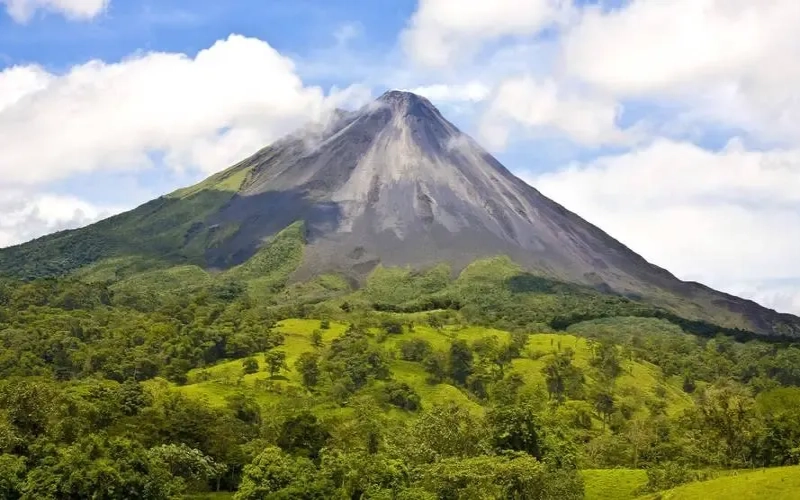
Exploring Costa Rica's Western Valley: A Full Analysis of Coffee Cultivation at Blue Volcano Estate
Costa Rica, as a major coffee-producing country in Central America, is known for its West Valley region, which is famous for its fertile volcanic soil and pleasant climate. Hacienda Blue Volcano is located here, and has not only stood out multiple times in COE competitions, but also won the championship in 2013. This article will guide you through the estate's historical heritage, cultivation philosophy, and rich variety of beans, and recommend related products from Front Street Coffee, making it suitable for every coffee enthusiast to explore in depth. [more…]
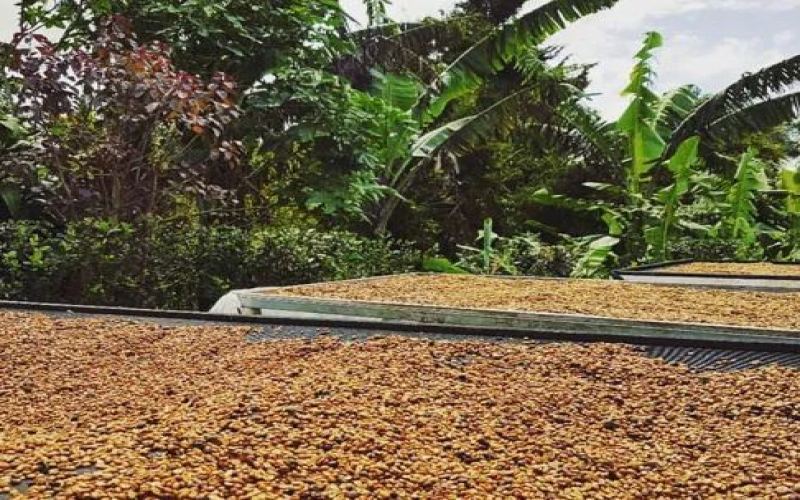
Costa Rica Central Valley Las Haras Estate: A Pioneer of Organic Certification and the Path of Honey Processing Innovation
Central America's coffee output is not particularly high, yet Costa Rica, with its exceptional natural environment and spirit of innovation, occupies an important place in the global specialty coffee landscape. Beyond the renowned Tarrazú region, the Central Valley is likewise home to coffee estates of outstanding quality. Among them, Las Haras Estate, as Costa Rica's first estate to obtain organic certification, is not only known for its eco-friendly cultivation philosophy but also a pioneer in the systematic study of natural and honey processing methods. Front Street Coffee takes you deep into this legendary estate at the foot of Poás Volcano, exploring its transition from chemical agriculture to natural farming, and how it continues to enhance coffee flavor expression through means such as sugar-meter screening and varietal introduction. [more…]
In-Depth Analysis of Costa Rica Fuego Phoenix Estate Coffee: Black Rose Honey Processing and Natural Flavors from the Central Valley Region
Costa Rica, with its abundant coastlines on both the east and west and its high-altitude volcanic soil, produces high-quality coffee with a mild flavor, bright acidity, and rich body. Its Central Valley production region sits at an altitude of 1,200 to 1,600 meters, where the microclimate and the fertile soil of two volcanoes together create coffee with hard beans and full aroma. Finca El Fénix, as the earliest producer in Central and South America to practice honey processing and natural processing, uses a refractometer to precisely control the harvest timing and has cultivated the astonishingly sweet Black Rose lot. This article will provide an in-depth introduction to the estate's environmental philosophy, the SHB extremely hard bean standard, and the unique processing technique of Black Rose, along with Front Street Coffee's pour-over recommendation. [more…]
A Complete Guide to Costa Rican Coffee Regions: Honey Process Flavor Characteristics and Front Street Coffee's Selected Bean Recommendations
Costa Rica is an important origin that cannot be overlooked on the Central American coffee map, and its honey processing methods have developed rapidly over the past decade or so, with different processes such as yellow honey, red honey, and black honey giving coffee beans unique fermented aromas and balanced flavors. Several of Front Street Coffee's Costa Rican beans are deeply loved by both new and longtime customers, covering a variety of types including washed and honey-processed. This article will systematically review Costa Rica's eight major producing regions, focusing on the terroir characteristics of the two star regions, Tarrazú and the Central Valley, and, in combination with Front Street Coffee's everyday drinking beans and Musician Series specific coffee lots, describe in detail the flavor performance and processing method differences of Bahia, Beethoven, Mozart, as well as Black Soul, Fire Phoenix Sapphire, and other coffees, helping coffee lovers make choices based on their personal taste preferences. [more…]

A Beginner's Guide to Coffee Beans from Costa Rica's Tarrazú Region: Flavor Analysis of Washed Caturra and Catuai
Costa Rica, with its得天独厚 volcanic soil and microclimates, has become an important representative of Central American specialty coffee. Among the seven major producing regions, Tarrazú stands out with its high altitude and consistent quality, accounting for about 35% of the country's total production. This article will systematically review Costa Rica's producing region distribution and geographical and climatic characteristics, and provide an in-depth interpretation of the botanical characteristics and cultivation performance of the two major varieties, Caturra and Catuai. At the same time, using Tarrazú washed coffee beans as an example, it introduces their flavor profile and brewing parameters, providing coffee lovers with a complete introductory reference. [more…]
A Complete Guide to Costa Rican Coffee Regions: Flavors of Eight Producing Areas and the Raisin Honey Process Specialty of Tarrazú
Although Costa Rica is located in a corner of Central America, its fertile volcanic ash soil and pleasant highland climate have nurtured high-quality beans that captivate coffee lovers worldwide. This article systematically reviews the country's eight major production regions—from the Western Valley to Guanacaste—analyzing each area's altitude, harvest season, and flavor characteristics one by one, with particular emphasis on the unique status of the Tarrazú region. At the same time, Front Street Coffee will share insights from introducing several Tarrazú specialty beans, including the Musician Series and the Mirazu Geisha blend, delving into the rich flavor layers brought by the raisin honey processing method, as well as practical parameter recommendations for daily brewing. [more…]
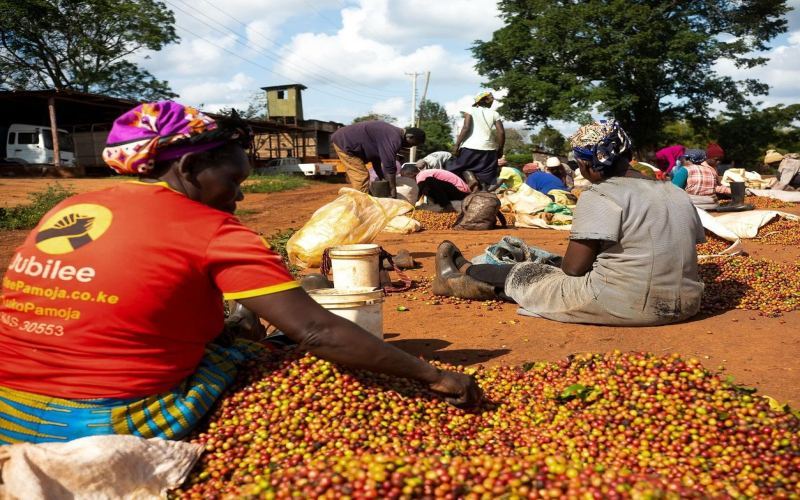
An Overview of Coffee-Producing Regions in West-Central Kenya and the Flavor Characteristics of K72 Washed Coffee
Kenya, as a representative producing country of African specialty coffee, has always been a focus of coffee lovers' attention in terms of its production area distribution and processing techniques. Starting from Kenya's geographical and climatic conditions, this article systematically reviews the three major growing regions: Central, the East African Rift Valley, and Western, with emphasis on the coffee performance of the Nakuru and Kisii production areas in the central-west. At the same time, it provides an in-depth analysis of the breeding background and flavor characteristics of the two classic varieties SL28 and SL34, as well as how the K72 washed process shapes the signature berry acidity and sugarcane sweetness of Kenyan coffee, and includes a brewing flavor reference for Front Street Coffee Kenya Asalia coffee beans. [more…]
Analysis of Costa Rica Sumava Estate Black Honey Coffee Beans: From the Terroir of the Western Valley to the Unique Sweet Juice Processing Method
Costa Rica's Sumava Estate is located in the Western Valley production region at an altitude of about 1,700 meters and is renowned for its black honey processing method. Estate owner Francisco Mena uses a unique sweet juice honey processing method, soaking parchment beans in coffee cherry juice to give the coffee a richer flavor. This article will introduce in detail the background of the Costa Rica production region, the terroir conditions of Sumava Estate, the characteristics of the black honey processing method, green bean analysis, the roasting curve, and pour-over recommendations. Front Street Coffee recommends this black honey processed Caturra, whose flavor presents black sugar, floral notes, citrus, and sweet spices, with a sweet and syrupy mouthfeel. Through this article, you will gain a comprehensive understanding of the unique charm of this champion estate coffee. [more…]
Flavor Analysis and Brewing Guide for Costa Rica Villa Estate Villa Sarchi Red Honey Process Coffee Beans
Costa Rica stands out in the specialty coffee world with its innovative honey processing methods, which can significantly reduce water consumption while imparting a distinct sweetness to the coffee. This article focuses on the Villa Estate Villalobos variety selected by Front Street Coffee, a bean grown in the Central Valley at an altitude of 1,500 meters, using red honey processing, retaining 70% of the mucilage layer for shade drying. The article will guide you through the terroir conditions of the Central Valley, the estate owner Carlos's dedication to varietal diversity, and the unique background of Villalobos as a natural mutation of Bourbon. Additionally, Front Street Coffee's roaster shares a medium-light roasting approach and V60 three-stage brewing parameters to help you fully recreate the sweetness and pleasant acidity of this bean. [more…]
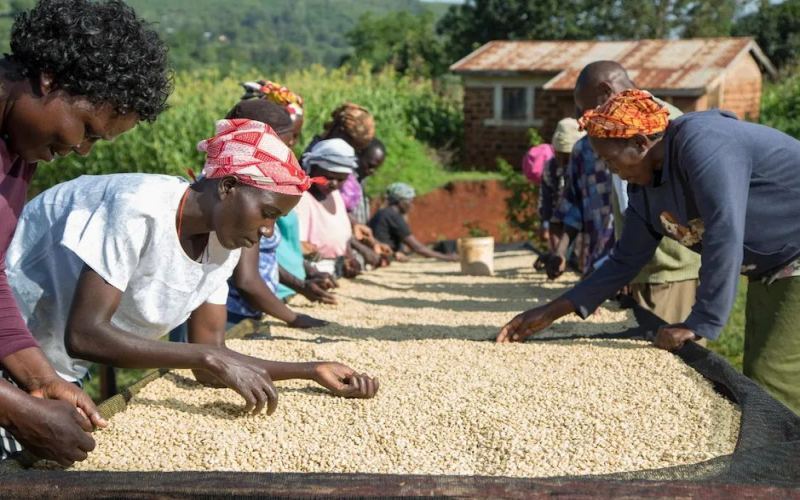
How are Kenya's coffee-growing regions divided? What makes the producing area at the foot of Mount Elgon in the west unique?
Kenyan coffee is renowned in the specialty coffee world for its layered fruity aromas and full, juicy body. This country in eastern Africa, with its high-altitude mountains, volcanic soil, and tropical monsoon climate, provides exceptional natural conditions for coffee cultivation. Kenya's coffee-growing regions are mainly divided into three major blocks: the Central Region, the East African Rift Valley Region, and the Western Region. Among them, the Western Region is represented by three major producing areas—Elgon, Trans-Nzoia, and Bungoma—at the foot of Mount Elgon, whose coffees feature bright acidity, citrus fruit flavors, and a rich body. This article will guide you through the overall distribution of Kenya's coffee-producing regions and take a closer look at the terroir characteristics of the Western Region. [more…]

Costa Rican Coffee from Introduction to Rise: A Full Analysis of Producing Regions, Variety Characteristics, and Bean Grading
Costa Rica is an important specialty coffee-producing country in Central America. Thanks to its high altitudes, volcanic soils, and microclimates, it cultivates Arabica coffee that is clean and sweet with bright acidity. This article reviews the history of coffee cultivation and the evolution of policy in Costa Rica, introduces the eight major producing regions and main varieties, including Caturra, Catuai, Geisha, and Bourbon, and explains the altitude-based grading system. The article also draws on Front Street Coffee's cupping and brewing experience to provide flavor references and pour-over recommendations for regions such as Tarrazu and the Western Valley, making it suitable for coffee enthusiasts who want a systematic understanding of Costa Rican coffee. [more…]
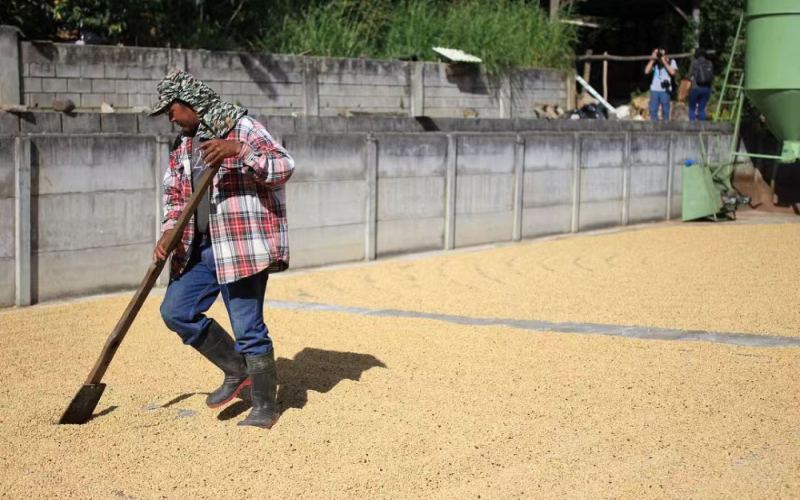
An In-Depth Analysis of Costa Rica's Sumava Estate Black Honey Process Caturra Coffee and a Discussion of Its Nutty, Sweet Aroma
Costa Rica, with its microclimates and high-altitude volcanic soil, produces specialty coffee with rich layers of flavor. Hacienda Sumava in the Western Valley, through its black honey process and Caturra variety, presents notes of brown sugar, floral aromas, and a sweet, syrupy mouthfeel. This article provides a complete analysis of this bean's flavor code—from the growing region's background, the principles of honey processing, and green bean analysis to Front Street Coffee's roasting and brewing recommendations—and explores the allure of coffee with nutty notes. [more…]
Costa Rica Hacienda Shumava Black Honey Process Coffee: Flavor Profile, Processing Method, and Brewing Parameters Explained
Located in the Western Valley of Costa Rica, Finca Sumava has become a focal point in the specialty coffee scene in recent years, thanks to its Cup of Excellence champion-level micro-lots and its unique black honey processing method. Estate owner Francisco Mena employs a sweet-juice honey processing technique, allowing the Caturra variety to express rich layers of black sugar, floral notes, citrus, and sweet spices amid volcanic soil and high-altitude temperature swings. Front Street Coffee's Costa Rica Finca Sumava Caturra Black Honey Process offers a prominent sweetness on entry, soft fruit acidity, and a lingering finish, making it ideal for pour-over enthusiasts exploring the ultimate sweetness of honey processing. This article provides a complete analysis of this bean's flavor code, from the producing region's background, the estate's story, and the principles of the processing method to green bean analysis, roasting curves, and brewing recommendations. [more…]