







Search Results for: CM Process
An In-Depth Analysis of the CM Processing Method: How Carbonic Maceration Shapes the Flavor and Mouthfeel of Coffee Beans
Coffee processing methods have long ceased to be limited to natural, washed, honey, and wet-hulled techniques. In recent years, a method known as CM processing has gradually entered the public eye. CM stands for Carbonic Maceration, translated into Chinese as carbonic maceration processing, and it belongs to the anaerobic fermentation family. It allows coffee to present a richer layering of aromas while inhibiting the production of sharp acetic acid flavors. Since its introduction, this processing method has continued to evolve and has twice helped competitors reach the top of the World Coffee Championship, in 2015 and 2018. This article will systematically sort out the origins and development of CM processing from perspectives such as fermentation principles, microbial action, and fermentation differences among various processing methods, and explore its actual impact on coffee quality and flavor performance. [more…]

Analysis of Coffee Flavors from Carbonic Maceration: The Wine-Making Process and Operational Flow of CM Processing
Carbonic maceration processing, also known as the CM process, falls under the category of anaerobic processing. In 2015, Sasa won the World Barista Championship with this type of coffee bean, bringing this innovative technique into the public eye. The method was inspired by red wine making, achieving fermentation by injecting carbon dioxide into a sealed stainless steel tank. The CM process has two versions, natural and washed, differing in the material fermented inside the tank. This article provides a detailed analysis of its flavor characteristics, processing flow, and key control parameters, along with related product recommendations from Front Street Coffee. [more…]
Ethiopia Yirgacheffe Kochere Region: Red Jade CM Natural Coffee Bean Flavor Analysis
The Yirgacheffe Kochere region in Ethiopia is famous for its high-quality coffee beans, and the Red Jade CM Select series launched by Origin Project uses carbon dioxide maceration combined with natural processing, delivering an unforgettable flavor performance. This article will take an in-depth look at the principles of the CM processing method, the terroir characteristics of the Kochere region, and the detailed flavor profile of Red Jade CM natural coffee beans. If you are interested in this bean, Front Street Coffee also has related recommendations. [more…]

Exploring Panama's Famous Geisha Estates: A Deep Dive into Finca Deborah, the Volcán Region, and the CM Carbonic Maceration Processing Method
The most prestigious event in Panama's specialty coffee scene is undoubtedly the BOP, which attracts numerous renowned estates to compete on the same stage every year. Winners not only gain honor but also reap substantial returns through auctions. Among the many estates, Deborah Estate stands out with its high-altitude terroir in the Volcán region and innovative processing methods. This article will take you into this estate, founded by a former American banker, to understand how its unique terroir conditions shape the flavor of Geisha, and to delve into the principles and charm of the CM carbon dioxide maceration processing method. At the same time, Front Street Coffee will also recommend related products to help you savor the ultimate expression of Panamanian Geisha. [more…]

Latte Milk Foam Steaming Tutorial with Illustrations | What Are the Requirements for Milk When Making Latte Art? What Techniques Should Coffee Beginners Pay Attention to When Steaming Milk Foam for Latte Art?
To make latte art look good, choosing the right milk is very important! Front Street Coffee's daily in-store milk coffee offerings all use full-fat fresh milk, because it is rich in protein, lactose, and milk fat. The protein in milk is what makes the milk foam stable. [more…]
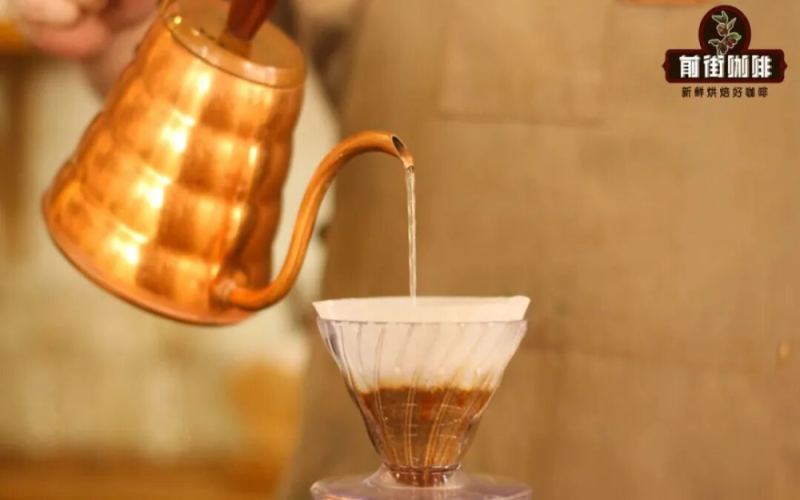
The Principles of Segmented Pour-Over Brewing and an Analysis of the Practical Effects of Pour Height on Flavor
Among the many variables in pour-over coffee, the pouring technique is the one most controllable by human hands, and the pouring height—a seemingly minor parameter—actually has a non-negligible impact on the extraction result. The distance from the kettle spout to the water surface determines the strength of penetration, the extent of agitation, and the degree of heat loss in the hot water, which in turn influences the balance of acidity, sweetness, and bitterness in the coffee. This article will systematically analyze the pros and cons of different pouring heights, explain why it is recommended to keep the height between 0 and 7 centimeters, and use brewing examples with Front Street Coffee . Huakui and Front Street Coffee . Brazil Queen's Estate to demonstrate how to flexibly adjust the pouring height at each stage according to the roast level and bean characteristics, so that the extraction result better matches the expected flavor. [more…]

Coffee Basics | What is the standard way to make a Coffee Latte? What is the espresso-to-milk ratio and the thickness of the milk foam for a latte? What are the key points for making latte art?
For more specialty coffee knowledge, please follow our WeChat official account: Front Street Coffee (FrontStreet Coffee). To make beautiful latte art, choosing the right milk is very important! Front Street Coffee (FrontStreet Coffee) uses this for its daily milk coffee offerings: [more…]

How do you steam milk foam for latte art so it's velvety and dense? A barista teaches you how to choose the right milk and 6 key techniques.
A beautifully latte-art cup of coffee is inseparable from high-quality espresso and perfectly textured milk foam. This article begins with coffee bean selection and how milk composition affects milk foam, then gradually breaks down six practical key points for steaming milk foam—from holding the pitcher with both hands, the angle of the steam wand, and the depth of the steam tip to the number of aeration cycles and temperature control—and explains how the whole milk and blend commonly used in Front Street Coffee shops can be paired to create a sweetness like a strawberry milkshake. Whether you are a complete beginner or an enthusiast looking to refine your latte art skills, you can find actionable references here. [more…]
An In-Depth Analysis of Panama Deborah Estate Geisha Coffee: A Full Reveal of the Savage Series Flavors and Processing Methods
Panamanian Geisha coffee has always been the darling of the specialty coffee world, and Finca Deborah stands out as one of its finest examples. Perched high in the mountains of the Chiriquí volcano, this estate owes its floral, fruit-forward Geisha to extreme altitude, a unique microclimate, and innovative processing methods. This article takes you inside Finca Deborah to explore its geography, cultivation philosophy, and the Savage Coffee project led by its owner, Mr. Savage. We will also break down in detail the anaerobic natural processing method used for the Savage Geisha purchased by Front Street Coffee this time, along with Front Street's roasting analysis, cupping notes, and brewing suggestions, offering professional reference for your tasting and brewing. [more…]

Coffee Latte Art Basics Tutorial: A Complete Operational Guide from Milk Foam Texture to Thousand-Layer Heart and Leaf Patterns
Latte art is one of the skills that many coffee enthusiasts most want to master after falling down the rabbit hole. Starting from a latte art mishap shared by Jay Chou, this article systematically explains the key points for making a multi-layer heart and a rosetta. It first analyzes common problems such as milk foam being too thick and insufficiently fluid, then explains in detail the depth and angle control of the steam wand when frothing milk, as well as the effect of aeration time on foam thickness. In the integration stage, it introduces the circling and stirring technique of offsetting both hands by half a turn, with one higher and one lower. For the rosetta pattern, it focuses on the coordination between the pour point and the trajectory, maintaining the swing amplitude of the milk pitcher, and the correct process of lowering the pitcher spout first and then raising it to finish. The article also includes recommendation information for Front Street Coffee, making it suitable for friends who are practicing latte art. [more…]

An Analysis of the Flavor and Mouthfeel Characteristics of Flat White: Core Differences from Latte and Key Preparation Points
Flat White and latte are both popular espresso-based milk coffees, but they differ clearly in milk foam thickness, milk ratio, and overall mouthfeel. Flat White uses a double ristretto as its base, with milk foam as thin as 0.3–0.5 cm, pursuing a rich, smooth, coffee-forward flavor. This article sorts out Flat White's origin background, preparation method, and comparison with latte and cappuccino, and also includes Front Street store brewing parameters and recommendations for five espresso blend beans, as a reference for coffee lovers to replicate at home. [more…]

Espresso Latte Art from Beginner to Pouring Patterns: Milk Frothing Techniques and Five Core Principles Explained with Illustrations
Latte art is one of the most important skills for a barista. A beautiful cup of latte art may look effortless, but behind it lies repeated practice and accumulated experience. This article, from the practical perspective of Front Street Coffee, systematically explains the foundational points of espresso latte art: how to choose espresso beans suitable for latte art, how to steam fine and smooth milk foam, and five key details in the milk steaming process. It then further breaks down the five core principles of pouring latte art patterns, including the integration technique, high and low pouring, the trajectory of the pour point, the rhythm of the wobble, and the finishing technique, using a heart pattern as an example for an illustrated demonstration. Whether you are a complete beginner or an enthusiast hoping to improve your consistency, you can find actionable directions for practice here. [more…]

Beginner Latte Art Tutorial Explained | How Can Coffee Newbies Make a Heart-Shaped Latte Art? How Do You Use an Espresso Machine to Steam Silky, Smooth Milk Foam?
For professional coffee knowledge exchange and more coffee bean information, please follow Coffee Workshop (WeChat official account cafe_style). For more specialty coffee beans, please add private WeChat Front Street Coffee (FrontStreet Coffee), WeChat ID: qjcoffeex. Coffee latte art is coffee [more…]

The Standard Method for Making a Flat White and the Coffee-to-Milk Ratio | What Is the Difference Between a Flat White and a Latte? Does the Texture of the Milk Foam Affect the Taste of Coffee?
Whether we go to Luckin Coffee or Starbucks, or an independent café, we always see coffee with the word "white" on the espresso menu. Everyone calls this coffee differently: Luckin calls it Aoruibai, Starbucks calls it Furuibai, and independent cafés call it Australian White Coffee. These are actually all the same espresso- [more…]

A Complete Guide to Making Flat White Coffee: From Espresso Base to Milk Foam Thickness, Master Practical Techniques for Extraction and Integration
Flat White is favored by many coffee lovers because its small cup size and low milk volume make the coffee flavor more concentrated. It originated in Melbourne, Australia, and began to gain popularity in Europe, the United States, and Australia in the 1980s. To make a delicious Flat White, the key lies in the extraction method of the espresso base, the control of milk foam thickness, and the ratio of milk to coffee. Starting from the beverage preparation process at Front Street stores, this article provides a detailed introduction to the characteristics of Flat White, its differences from latte and cappuccino, and the specific steps for making it. It also shares the flavor performance of two beans, Front Street Sunflower Warm Sun Blend and Classic Italian Blend, to help you recreate a creamy and smooth Flat White at home. [more…]
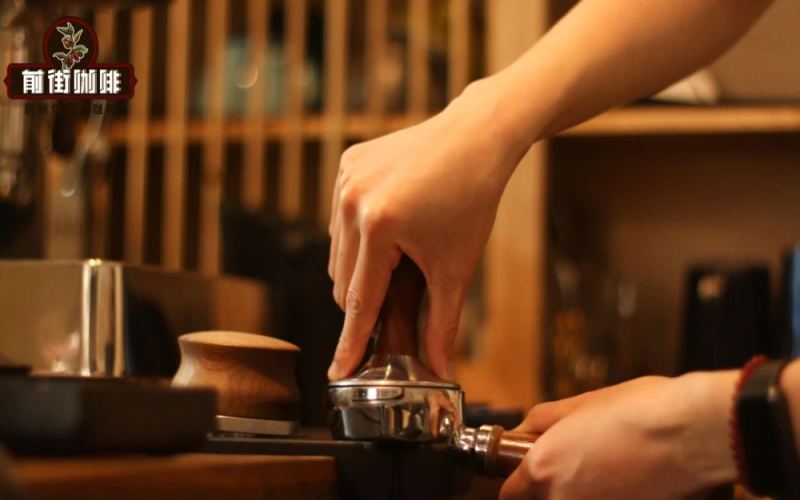
The Correct Use of a Coffee Tamper and an Analysis of Coffee Ground Coarseness for French Press
In the process of making espresso, the tamper is one of the indispensable tools for a barista. It not only affects the degree to which the coffee grounds are compacted, but also directly relates to extraction quality and flavor performance. Starting from the practical role of the tamper, this article will analyze its size differences, the reasons behind its price, and key points for purchasing, while also extending to the brewing logic of the French press to explain how coffee grind size affects flavor. By comparing two methods—espresso tamping and French press immersion—it helps coffee enthusiasts gain a more comprehensive understanding of the key details in coffee preparation and make more suitable choices in practice. [more…]
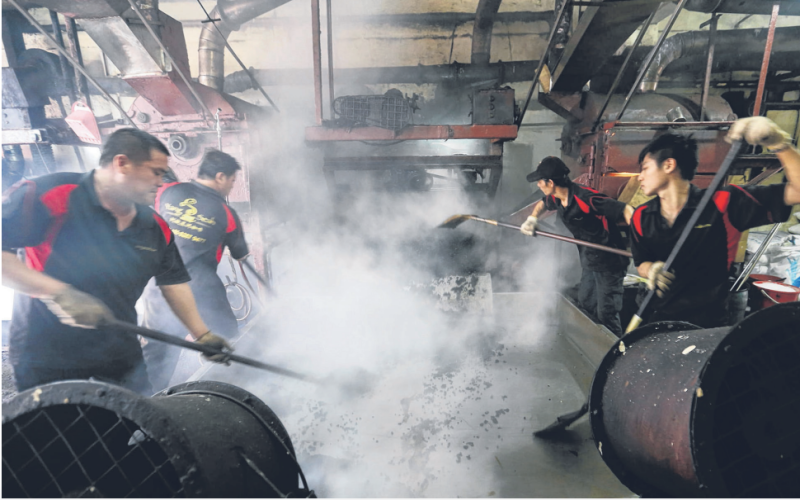
How Does Malaysian White Coffee Differ from Black Coffee? A Full Analysis of White Coffee's Flavor, Preparation, and Its Connection to Flat White
What exactly is the difference between Malaysian white coffee and black coffee? Is white coffee really healthier and tastier? This article starts with the origins, roasting methods, and flavor characteristics of white coffee, sorts out how it differs from Malaysian black coffee, and extends to the Aussie white (flat white) that is often called "white coffee" today. You will also see how Starbucks makes its flat white, the differences between the iced and hot versions, and the parameters and steps for making a flat white at home using Front Street Coffee's classic espresso blend beans, along with a comparison of the differences between a flat white and a latte in milk foam thickness, cup size, and espresso base. [more…]

The Secret Behind the Smooth Taste of Flat White: From Milk Frothing to the Core Differences Between Flat White and Latte
Walking into Luckin, Starbucks, or an independent coffee shop on the corner, the menu always includes a milk coffee with "white" in its name—some call it Aoruibai, some call it Furuibai, while independent shops tend to call it Australian white coffee. They all actually refer to the same drink: Flat white. This coffee, which originated in Australia, differs from a latte mainly in the ratio of coffee to milk, the thickness of the milk foam, and the smooth, light texture on the palate. In this article, Front Street Coffee will take you through a comprehensive understanding of how to make a smooth and delicious Australian white coffee, covering the origin of its name, its differences from a latte, the impact of milk foam coarseness on mouthfeel, and specific preparation steps, and will also share milk frothing techniques suitable for making it at home along with coffee bean selection suggestions. [more…]
The Correct Guide to Using a Coffee Tamper: A Full Analysis of Espresso Tamping Techniques and French Press Grind Size
Making a proper espresso is impossible without tamping, a step that cannot be skipped. The tamper not only affects the density of the coffee puck but also directly determines whether extraction is even. This article starts from the actual function of the tamper, explains why it comes in so many sizes, and analyzes how different brands, materials, and designs affect its price. It also clears up a common misconception: although a French press has "press" in its name, it is a completely different concept from espresso tamping. The article also includes the specific brewing parameters and flavor description for Front Street Coffee's Strawberry Candy coffee beans in a French press, making it suitable for coffee lovers who want a deeper understanding of tamping and how to use a French press. [more…]
What's the difference between a flat white and a latte? A comprehensive analysis from milk foam thickness and milk ratio to the correct method
Walk into Luckin, Starbucks, or a corner independent café, and the menu always includes an espresso milk coffee with the word "white" in its name. Luckin calls it 奥瑞白, Starbucks calls it 馥芮白, and independent cafés tend to call it 澳白咖啡—but they are all actually the same drink: the Flat White. So where exactly did the Flat White come from? What is the core difference between it and a latte? And how do the thickness and texture of the milk foam shape the mouthfeel of a milk coffee? This article, from Front Street's perspective, sorts out the origin of the Flat White's name, compares how it differs from a latte in the ratio of milk to espresso, explains the principles behind steaming milk and the key points of using a steam wand, and provides the extraction parameters, milk temperature, and cup size choices Front Street uses to make a Flat White, helping you truly understand this cup of coffee from theory to hands-on practice. [more…]