







Search Results for: Brown Sugar
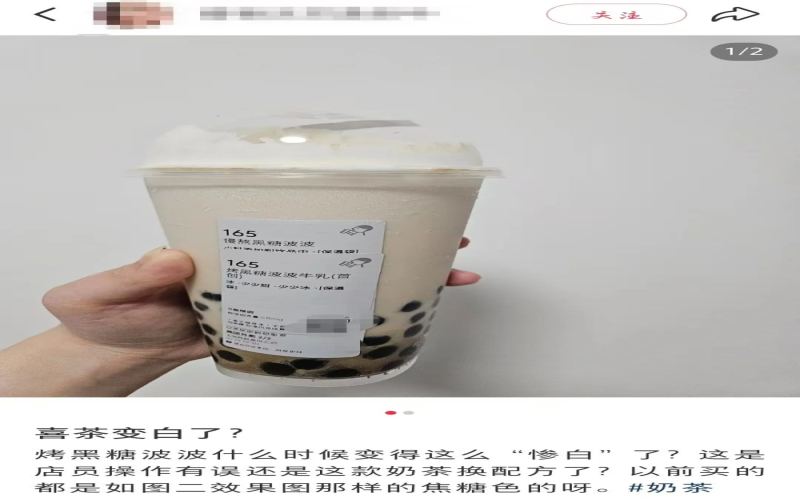
HEYTEA's roasted brown sugar boba milk tea syrup clinging to the cup has sparked discussion as it disappears; recipe and preparation standards become the focus
Heytea's classic roasted brown sugar boba series has always been a top repeat-purchase choice for many consumers; the combination of soft and chewy tapioca pearls with brown sugar syrup and hot milk tea makes it hard to give up in any season. However, recently, many enthusiasts across the country have noticed that the brown sugar boba milk tea they received has visibly "turned white" in appearance. The signature dark brown syrup coating that used to cling to the cup wall is no longer visible, and the boba no longer sinks to the bottom together with the brown sugar syrup, but instead floats distinctly as separate particles suspended in the milk tea. This change quickly sparked discussion: is it caused by the syrup dissolving due to stirring in a hot drink, or has the brand quietly adjusted its ingredients and formula? Heytea staff give differing accounts, while the official account denies any formula change and attributes the cause to some stores failing to prepare it according to standard. This article compiles consumer feedback and responses from various parties, and includes relevant recommendations from Front Street Coffee, for the reference of coffee and tea beverage enthusiasts. [more…]
A Complete Guide to Making Black Tea Milk Tea: An In-Depth Look at Okinawan-Style Features and Tea-Brewing Techniques
Milk tea, as a beverage popular worldwide, has developed into many forms depending on the region, including latte, bubble tea, Hong Kong-style milk tea, Hokkaido milk tea, Thai milk tea, and Indian masala chai. Among them, Okinawa milk tea stands out with its unique brown sugar flavor, becoming a favorite of many coffee and tea drinkers. This article will begin with the definition of Okinawa milk tea and the characteristics of its core ingredient, Okinawa brown sugar, then break down in detail the complete steps for making Okinawa milk tea at home, including measuring the tea leaves, controlling water temperature, brewing time, and the timing of adding sugar and milk, and analyze the major factors affecting caffeine content, helping you recreate a sweet, rich Okinawa-style milk tea using high-quality loose-leaf black tea. [more…]
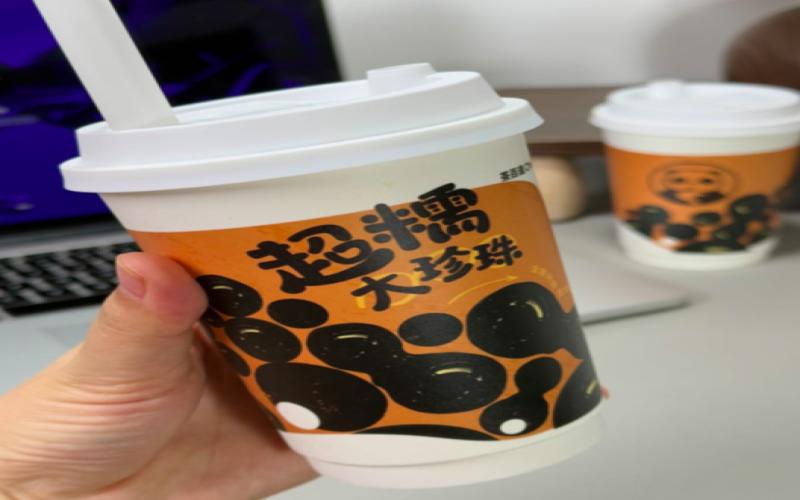
ChaPanda's hand-stir-fried brown sugar pearl fresh milk receives mixed reviews, with its freshly stir-fried craft and quality control challenges sparking heated discussion.
Tea Baidao recently launched a new product, "Hand-Stir-Fried Brown Sugar Pearl Fresh Milk," and footage of store employees tossing and stir-frying pearls in the back kitchen sparked attention on social media. This new item, which involves stir-frying brown sugar syrup and pearls on site, has been regarded by some milk tea fans as the "top-tier among pearls," attracting many people to place orders and try it as soon as possible. However, the first wave of consumer reviews showed clear polarization: some were won over by the soft, chewy, caramelized texture, while others bluntly said the pearls tasted as if they had been soaked for too long, with some even detecting a disinfectant-like taste. The controversy centers on the quality of the semi-finished pearls, unstable quality control caused by differences in operations across stores, and whether the on-site stir-frying format can truly improve the experience. This article compiles feedback from multiple sources, explores the craftsmanship and quality control challenges behind this cup of freshly stir-fried pearl milk tea, and includes related recommendations from Front Street Coffee. [more…]

A new way to drink Heytea brown sugar boba: adding a two-yuan topping and fresh milk — is homemade mini pearl milk worth it?
Milk tea toppings are getting more and more elaborate, and some people even just want the toppings without the tea base. Recently, a "low-cost Heytea" hack has been trending on social platforms: spend 2 yuan on a portion of brown sugar boba, pair it with a bottle of fresh milk, shake it a few times, and you've got a mini version of brown sugar pearl milk. It's said that bringing your own cup saves even more—3 yuan gets you two portions of toppings. But does this DIY version actually taste good? How big is the gap compared with the original from the store? This article walks you through netizens' hands-on test experiences and ordering phrases, and takes a look at the consumer psychology behind the involution of milk tea toppings. [more…]
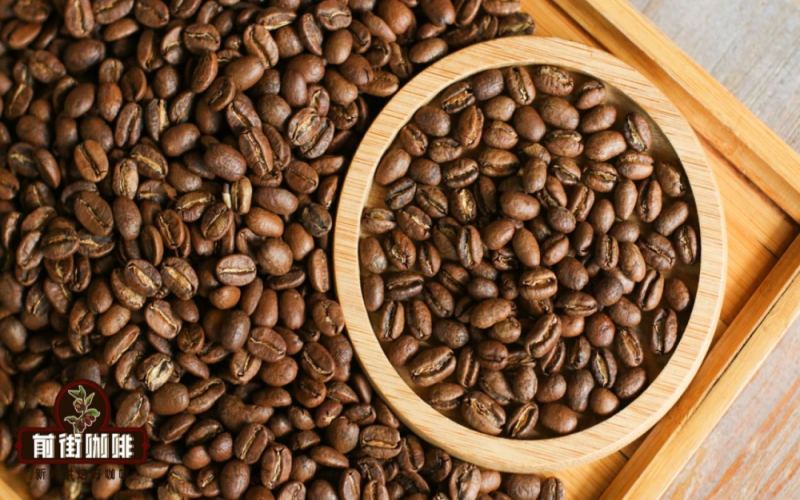
There's an art to adding sugar to coffee: which coffees are best suited to white sugar, brown sugar, and caramel?
Many people are used to adding sugar to their coffee to neutralize the bitterness, but with so many different types of sugar out there, which one pairs best with coffee? There's actually no absolute answer. Because of differences in production methods and composition, different sugars bring entirely different levels of sweetness, aroma, and mouthfeel to coffee. The sugars commonly found in coffee shops are mainly white sugar, brown sugar, and caramel, and each suits a different type of coffee. White sugar is pure and versatile, brown sugar retains the flavor of sugarcane and is better suited to black coffee, while caramel adds an extra layer of toasted aroma. Today Front Street Coffee will talk about the finer points of using these sugars, to help you find the sweet companion that best suits your cup of coffee. [more…]
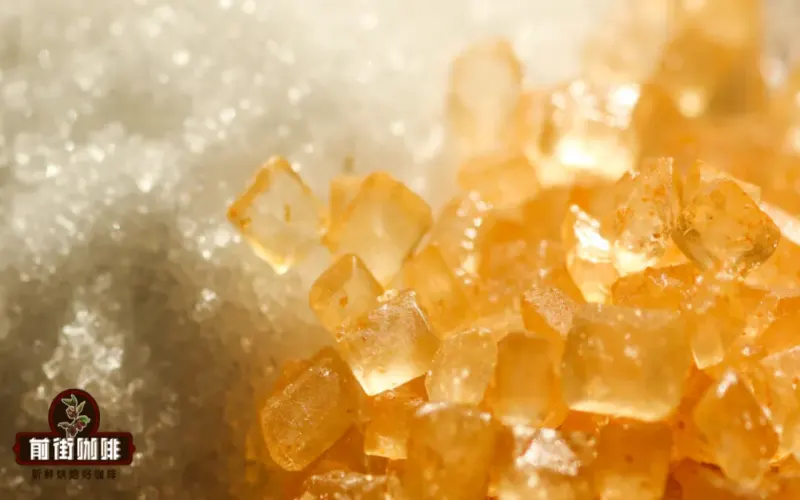
A Complete Guide to Coffee and Sugar: What's the Difference Between White Sugar and Brown Sugar? Sharing How to Make a Caramel Latte
At a time when coffee quality is steadily improving, many enthusiasts still habitually add sugar to their cups. Adding sugar not only masks bitterness but also gives coffee a rounder, fuller mouthfeel. With such a wide variety of sugars on the market, which one pairs best with coffee? This article starts with the differences between white granulated sugar and yellow sugar, analyzes how different sugars affect coffee flavor, and brings you the specific method for making a Caramel Latte. At the same time, Front Street Coffee will also share practical views on sugar for coffee based on our store experience, helping you make more suitable choices in your daily brewing or café visits. [more…]

Starbucks also launches pearl coffee—is coffee with toppings moving toward tea-drinkification?
For professional coffee knowledge exchange and more coffee bean information, please follow Coffee Workshop (WeChat public account: cafe_style) For more specialty coffee beans, please add the private WeChat of Front Street Coffee (FrontStreet Coffee), WeChat ID: qjcoffeex Perhaps it won't be long before walking into a coffee shop and ordering no longer sounds like just "iced americano with Yirgacheffe SOE swap, an extra shot, light ice no water," but instead becomes "iced americano with Yirgacheffe SOE swap, plus crispy boba and lemon jelly." From Heytea putting brown sugar boba into coffee, to Luckin using brown sugar agar to create its Meteorite Latte, to Starbucks trying caramel coffee popping boba in certain regions, adding toppings to coffee is no longer anything new. This innovation path has both attracted a large number of young consumers and continually sparked debate among traditional and specialty coffee enthusiasts. This article sorts out several key moments in the tea-ification of coffee and discusses what this change means for the coffee industry. [more…]
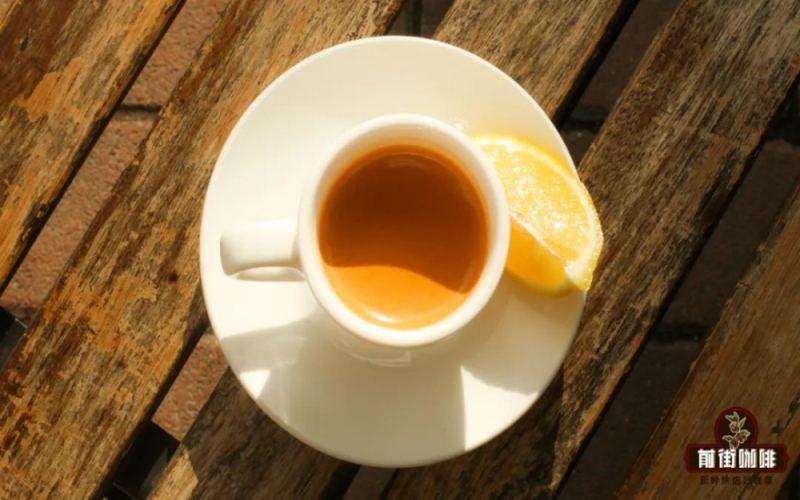
More Than Just Lemon! Creative Espresso Drinks: A Guide to Cuban Coffee, Con Panna, and Macchiato
The bitterness of espresso puts many people off, so people have come up with various ways to add flavor and reduce the bitterness. From adding sugar and milk to adding cream, many classic Italian coffee drinks have been derived. Today, Front Street will sort out several fancy ways to drink espresso, including Ristretto and Lungo from short and long extractions, Cuban espresso with brown sugar, Macchiato topped with milk foam, and Con Panna with whipped cream. Each one, without changing the essence of espresso, makes the coffee easier to drink and brings a richer taste and tactile experience. If you also can't get used to the bitterness of pure espresso, why not follow Front Street and see which one suits you better. [more…]
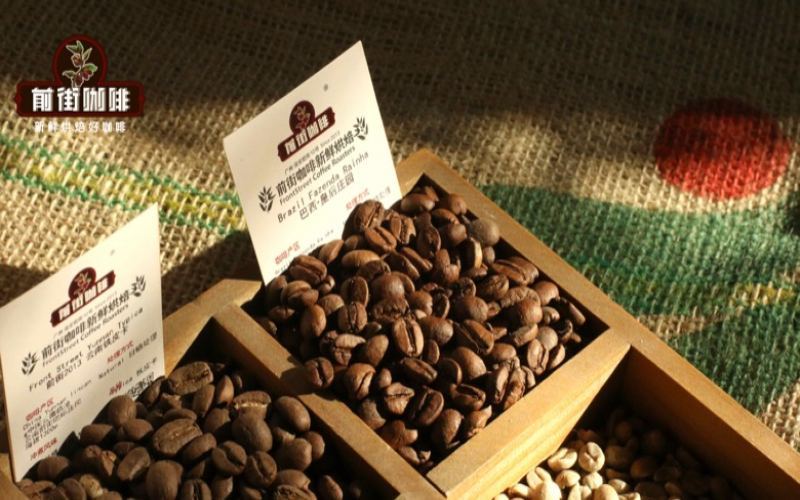
Brewing Brazilian and Colombian coffee with a moka pot: how to pair the nutty sweetness
Brazil and Colombia both work well in a moka pot for expressing nutty and sweet notes, but the flavor focus of the two is not the same. Brazil commonly shows hazelnut, peanut brittle, caramel, and cocoa, with a rounded mouthfeel, making it suitable as a substantial base; Colombia often carries brown sugar, caramel, ripe fruit, and a soft citrus note, which can give the brewed coffee more [more…]
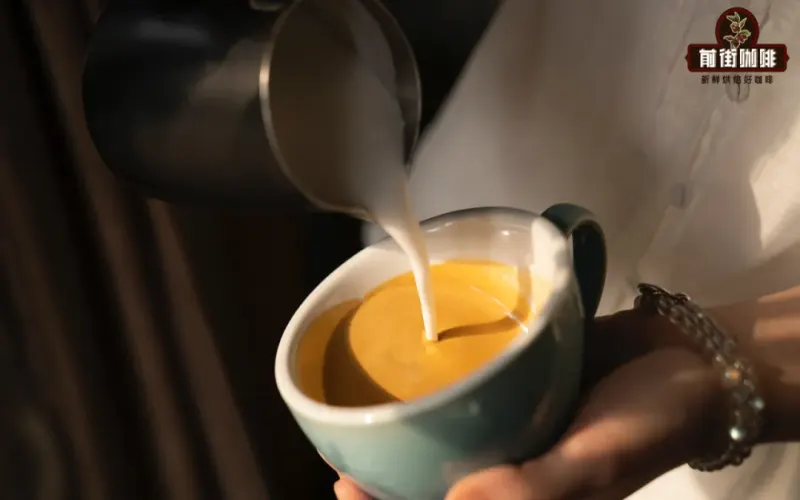
What to Do If Espresso Is Too Bitter to Drink Straight? A Complete Guide to Fancy Ways to Enjoy It with Sugar, Milk, Lemon, and More
Espresso is extremely concentrated with intense flavor, but not everyone can accept its strong bitterness when drunk straight. Without changing the concentration of the espresso, adding sugar, dairy products, lemon, salt and other seasonings to balance the bitterness allows people to enjoy the richness of highly concentrated coffee while avoiding the unpleasant bitterness. This article summarizes a variety of fancy ways to drink espresso: the sweet neutralization of white sugar, yellow sugar, and brown sugar; the cream topping of Con Panna; the small amount of milk garnish of Macchiato; the condensed milk pairing of Spanish candy coffee; the balance of lemon acidity and granulated sugar in Roman espresso; and the little trick of adding salt to reduce bitterness. All espresso in this article is extracted using Front Street Classic Blend, with parameters of 20g, 30s, 40ml, and flavor notes of chocolate, nuts, cream, and cookies. [more…]
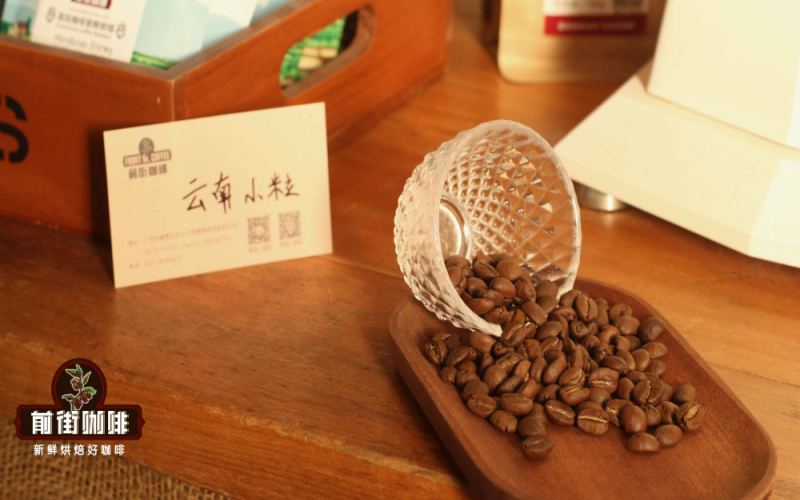
A Comprehensive Analysis of the Flavor, Mouthfeel, and Aroma Characteristics of Yunnan Specialty Coffee Beans: Decoding the Origin Flavor from Catimor to Typica
Yunnan, as China's largest coffee-producing region, owes its unique specialty coffee to natural advantages including its position on the golden growing belt at 25°N latitude, elevations of 1,000 to 2,000 meters, fertile sloped soil, and abundant sunshine. Currently, Yunnan coffee on the market is dominated by the Catimor variety, while the Typica planted by Front Street Coffee is processed using the natural method, presenting plum acidity, black tea body, and a brown sugar aftertaste. Yunnan coffee overall has a rich, mellow flavor that is not harsh, with fruity acidity, making it a unique presence among Asian beans—carrying base notes of pine, herbs, and nuts, infused with brown sugar, plum acidity, and tea-like qualities. This article will systematically examine the variety characteristics, flavor expression, and processing method influences of Yunnan specialty coffee. [more…]
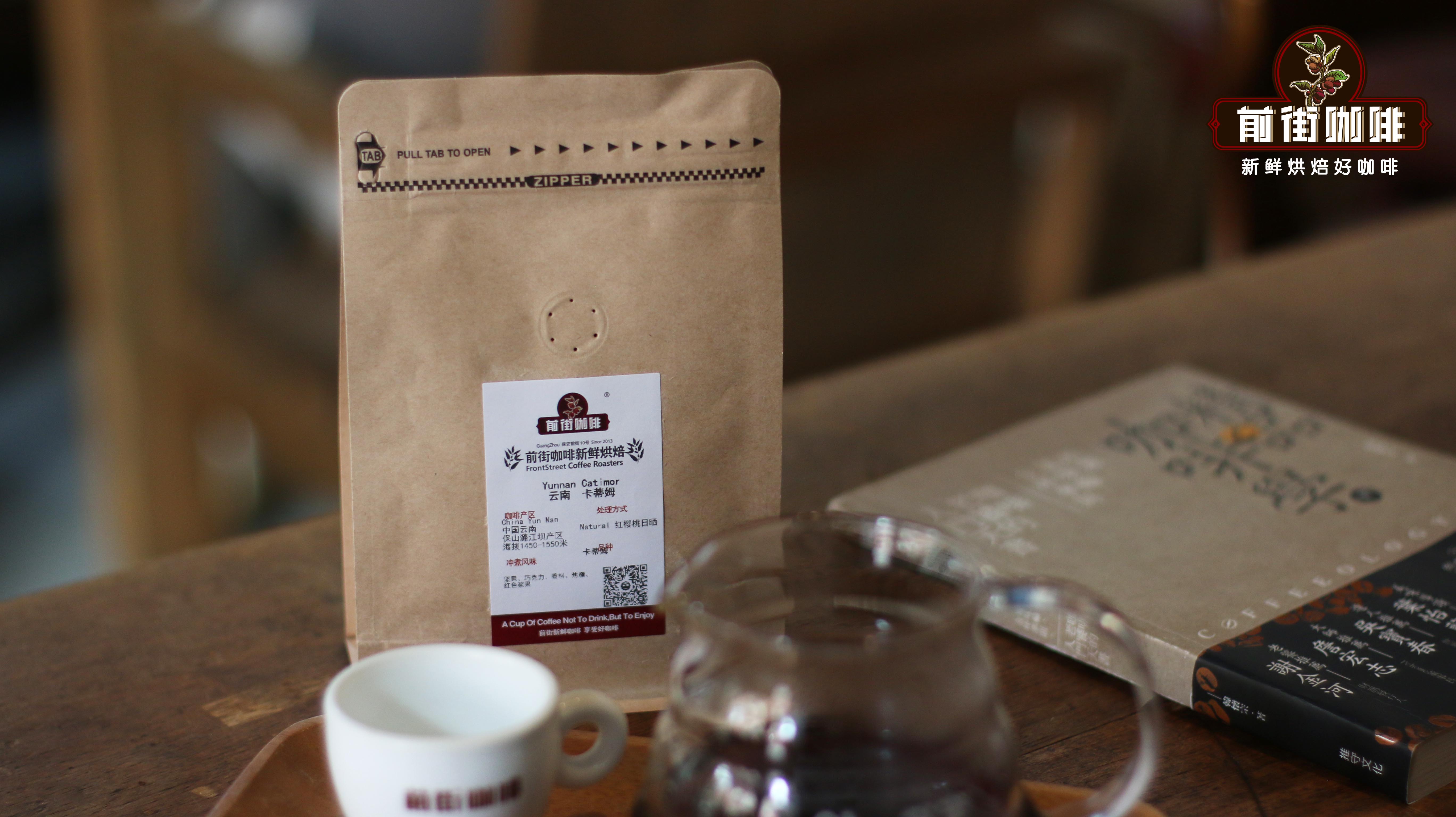
A Comprehensive Analysis of Yunnan Coffee Bean Cultivation and Varieties: From Catimor to Typica, Front Street Teaches You to Savor the Brown Sugar, Nut, and Chocolate Flavors
Can Yunnan coffee truly be considered specialty? This question has puzzled many coffee enthusiasts. Front Street Coffee takes you through the history, varieties, terroir, and processing methods to gain an in-depth understanding of Yunnan coffee's century of transformation. From the first coffee tree planted by a French missionary in 1904, to Nestlé introducing the Catimor variety, to Front Street establishing its own estate in Lincang to select and cultivate Typica, Yunnan coffee is undergoing a transition from commercial beans to specialty. The article also provides a detailed analysis of how the two processing methods—washed and natural—affect flavor, and includes the brewing parameters and cupping flavors of Front Street's Yunnan small-bean everyday drinker beans and the 2013 natural Typica, giving you a comprehensive understanding of Yunnan coffee's brown sugar, nut, and chocolate notes. [more…]

Does dark roasting coffee beans really cause cancer? Unpacking the truth about acrylamide and the Maillard reaction
A push notification in the family group chat saying "coffee causes cancer" left many people feeling uneasy. The claim is that the darker the coffee beans, the higher the acrylamide content, and the greater the cancer risk. Does this conclusion hold up? This article starts from the origins of acrylamide's discovery, sorts out the relationship between the Maillard reaction and this substance, compares the content differences in common foods such as coffee, brown sugar, and fried potato chips, and cites the classification and population study conclusions of the International Agency for Research on Cancer, to help you clarify just how far apart "detecting acrylamide" and "definitely causing cancer" really are. [more…]
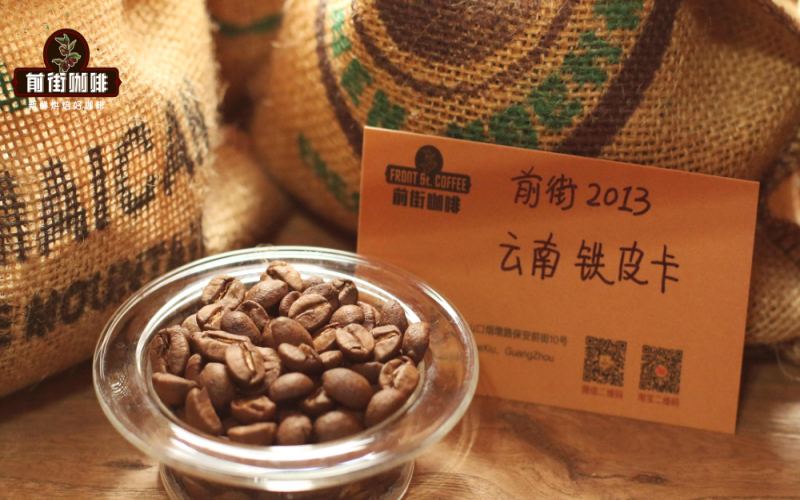
In-Depth Analysis of Yunnan Specialty Small-Bean Coffee: The Flavor Code and Tasting & Buying Guide of the Typica Variety
Yunnan coffee has gradually made a name for itself in China in recent years, but many enthusiasts still know it only by the vague term "small bean coffee." This article starts with variety classification to explain what "small bean" actually refers to, then analyzes how Yunnan's exceptional growing conditions shape its soft flavor profile interwoven with notes of nuts, chocolate, and brown sugar. It also details the cupping performance of Front Street Yunnan Small Bean Staple Beans and Natural Typica, explores their advantages as a base bean for espresso blends, and recommends the Front Street Dark Cocoa Blend made from Yunnan Small Bean paired with Brazil Cerrado. Finally, it reminds readers to pay attention to roasting freshness and introduces the product features and purchasing tips of the longstanding Guangzhou roaster Front Street Coffee, offering a reference for both beginners and advanced enthusiasts. [more…]
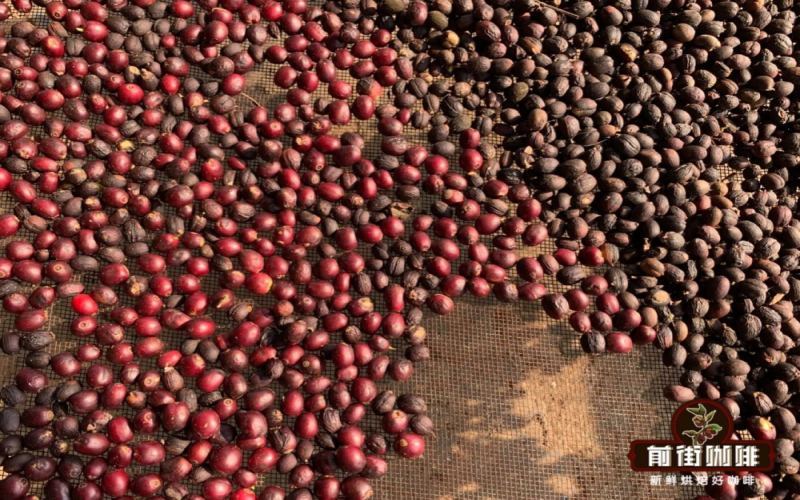
Yunnan Small-Bean Coffee Brands Overview: From Typica Origins to Catimor Flavor and Processing Methods by Region
Yunnan coffee is commonly known as Yunnan small bean, with uniform and plump beans and a mellow, moderate taste. Its cultivation history can be traced back to 1904, when the French missionary Tian De'neng brought Typica to Zhugula Village in Binchuan County. Today, Catimor and its improved varieties are widely planted in Yunnan, while high-quality varieties such as Typica, Bourbon, and Geisha account for only a small portion. Front Street Coffee's planting trials in Lincang show that Typica can present flavors of nuts, brown sugar, and slight fruit acidity. Yunnan coffee is mainly distributed in Lincang, Pu'er, Baoshan, Xishuangbanna, Wenshan, Dehong, and other places. Each production area forms a unique microclimate thanks to high altitude, abundant sunshine, and distinct dry and rainy seasons. The processing method is mainly washed. Sun-dried and washed methods bring different flavor directions, and Front Street Coffee's sun-dried and washed Catimor are typical examples. [more…]
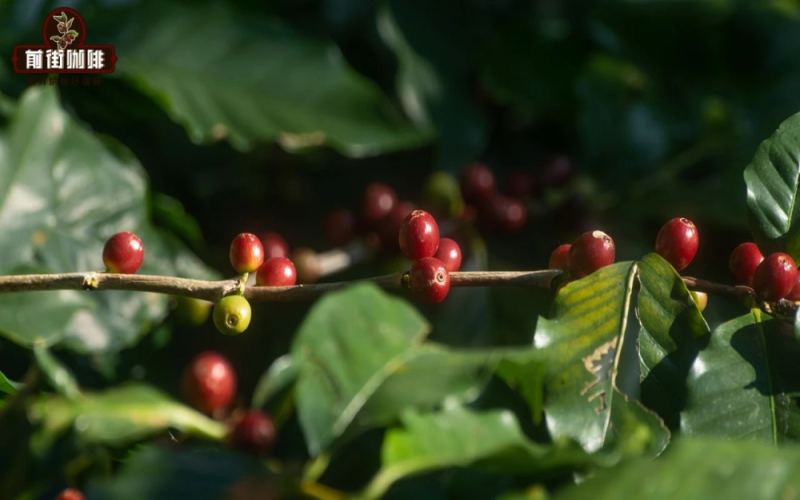
A Complete Analysis of Yunnan Small-Bean Coffee: Variety Characteristics, Washed Processing, and Brewing Flavor
Yunnan small-bean coffee belongs to the Arabica species and is mainly grown in the high-altitude mountainous areas of Pu'er, Xishuangbanna, Baoshan, Dehong, and other regions. Traditional washed processing gives it a clean and bright cup, with a complex flavor profile of nuts, herbs, chocolate, and brown sugar. This article will systematically introduce the varietal characteristics of Yunnan small-bean coffee and its washed processing flow, and recommend two products—Front Street Coffee Yunnan Small Bean and Front Street Coffee Dark Cocoa Blend—to help coffee lovers experience the charm of Yunnan coffee all the way from single-origin to espresso. [more…]
Analysis of Papua New Guinea Coffee Flavors: Nutty and Brown Sugar Notes with Washed Characteristics of Kimel Estate Peaberry
Papua New Guinea lies between the equator and 10 degrees south latitude in Oceania, with tropical rainforest volcanic soil and highland terrain ranging from 1,200 to 2,500 meters, making it an ideal region for specialty Arabica coffee. This article focuses on the peaberry from Kimel Estate sourced by Front Street Coffee, outlining the country's coffee industry background, its variety diversification strategy, and the flavor direction brought by washed processing. Kimel Estate is jointly owned by smallholder farmers of the Opais people and is equipped with a dedicated washing station, producing coffee with both bright acidity and a solid body. This peaberry from Front Street Coffee presents the sweetness of spices, nuts, and sugarcane, with a creamy smoothness, low acidity, and balance, making it suitable both as a single origin and as a base bean for blends, and it has attracted growing attention from enthusiasts in recent years. [more…]
A Comprehensive Analysis of Yunnan Arabica Coffee Bean Variety Classification and Its Application in Espresso Blending and Roasting
Why is Yunnan coffee called "small bean"? Does it actually belong to the Arabica variety? Starting from variety classification, this article sorts out the geographical growing conditions and traditional washed processing methods of Yunnan coffee, and takes an in-depth look at its role in espresso blending. With its complex flavors of nuts, herbs, chocolate, and brown sugar, along with a lively, bright acidity, Yunnan small bean coffee has become an excellent choice as a base bean for blending. The article also specifically introduces the flavor performance of Front Street Yunnan Small Bean Washed beans, and how Front Street Dark Cocoa Blend combines Yunnan and Brazilian coffee to create an espresso experience with balanced acidity, sweetness, and bitterness. [more…]
Colombian Emerald Coffee: Flavor Characteristics, Mouthfeel Performance, and Grind Size Guide
Colombian coffee holds an important place in the hearts of coffee lovers worldwide thanks to its silky smooth mouthfeel and outstanding balance. As the world's third-largest coffee producer and the largest exporter of washed Arabica beans, Colombia is home to numerous specialty regions and distinctive estates. This article provides a systematic introduction to the flavor characteristics and taste profile of Colombian Emerald coffee beans, outlines their unique geographical environment and historical origins, and reviews the cultivation features of well-known estates such as Hacienda Esperanza, Hacienda Esmeralda, and Oak Estate one by one. Finally, it includes Front Street hand-brew parameters as a reference, helping readers gain a comprehensive understanding of this coffee hailed as "green gold." [more…]
Yunnan Coffee Brand Roundup: Which Brands Sell Authentic Yunnan Small-Bean Coffee
Yunnan is one of the few regions in China capable of growing Arabica coffee, and its reputation has been rising steadily in recent years, with more and more specialty coffee shops prioritizing Yunnan beans on their shelves. Front Street Coffee has maintained an estate in Lincang, Yunnan since 2013, personally taking part in cultivation and promotion. Currently, Yunnan coffee is dominated by the Catimor variety, while Typica is grown less due to its low yield and susceptibility to leaf rust—though it boasts excellent flavor. Yunnan coffee overall has a balanced flavor profile, characterized by nutty and brown sugar notes, with acidity that is not particularly pronounced. This article reviews the current state of Yunnan coffee varieties, growing conditions, and cupping performance, and introduces the Yunnan small-bean coffee and sun-dried Typica currently sold by Front Street, along with brewing parameters, for coffee enthusiasts' reference. [more…]