







Search Results for: Blue Mountain growing conditions
A Comprehensive Analysis of the Geography and Climate Conditions of Jamaican Blue Mountain Coffee Bean Origins
Blue Mountain coffee is renowned as one of the finest coffees in the world, and its distinctive flavor stems from the unique geographical location, climatic conditions, and altitude of the Blue Mountain region in eastern Jamaica. This article systematically reviews the cultivation of Jamaican Blue Mountain coffee beans from the perspectives of the history of the Blue Mountain producing region, its certification system, growing environment, and current market conditions. It also introduces the flavor characteristics and product information of Front Street Coffee's Blue Mountain coffee, helping coffee enthusiasts gain a comprehensive understanding of the origin story behind this legendary coffee. [more…]
A Complete Analysis of Jamaican Blue Mountain Coffee Flavor: Taste Layers, Growing Region Conditions, and Brewing Key Points
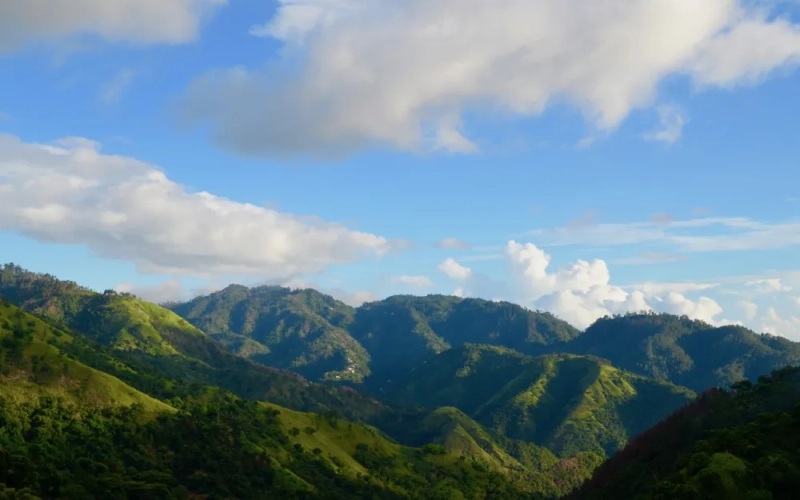
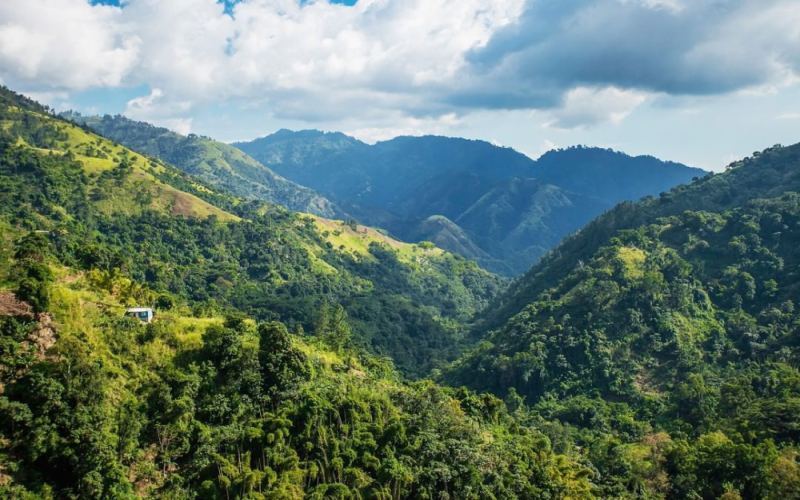
Blue Mountain Coffee has long been regarded as the benchmark of the coffee world. Its four flavors—acidity, bitterness, sweetness, and body—achieve a stunningly harmonious unity, giving off a uniquely elegant aroma, a sense of balance that coffees from many other regions find hard to match. Beyond its outstanding flavor, Blue Mountain Coffee is also believed to refresh the mind, stimulate the appetite and aid digestion, and promote blood circulation and resolve stasis—something ordinary coffee simply cannot compare with. Blue Mountain Coffee specifically refers to coffee brewed from beans grown in Jamaica's Blue Mountains, and by quality grade it can be further divided into Jamaican Blue Mountain Coffee and Jamaican High Mountain Coffee. The Blue Mountains lie in the east of the island of Jamaica, surrounded by the Caribbean Sea. On clear days, sunlight falls on the deep blue sea and reflects onto the peaks, creating a brilliant blue glow—hence the name of the mountains. The main peak stands 2,256 meters above sea level, the highest in the Caribbean region, and is also a well-known tourist destination. The area lies within the coffee-growing belt, with fertile volcanic soil, clean air, and a humid climate marked by frequent fog and rain year-round, with average annual rainfall of about 1,980 millimeters and temperatures holding around 27 degrees Celsius. It is precisely these natural conditions that nurture the world-renowned Jamaican Blue Mountain Coffee and make it the second most expensive coffee category in the world. This article will take you through a comprehensive look at this coffee, from its flavor characteristics and growing region to its brewing methods. [more…]
A Comprehensive Analysis of the Flavor, Mouthfeel, and Aroma Characteristics of Jamaican Blue Mountain Coffee: From Growing Conditions to Quality Certification
Blue Mountain coffee is hailed as the radiant gem of the coffee world, its unique balance of acidity, bitterness, sweetness, and body captivating countless coffee lovers. This article will provide an in-depth analysis of the flavor, mouthfeel, and aroma characteristics of Front Street pure Jamaican Blue Mountain coffee, trace the exceptional natural conditions of the Blue Mountains, review the historical changes and quality certification system of the Jamaican coffee industry, and reveal the profound influence of Japanese capital on the Blue Mountain coffee market. Whether you are a seasoned coffee enthusiast or a beginner, you will gain a comprehensive understanding of the unique charm and true character of this world-class coffee. [more…]
Jamaica Blue Mountain Coffee Wallenford Estate Origin Analysis: Growing Conditions, Grade Classification, and Variety Overview
Jamaican Blue Mountain Coffee, as a representative of the world's top specialty coffee, has always attracted much attention for its cultivation conditions, variety classification, and grading standards in the Wallenford Estate production area. Starting from the unique flavor of Blue Mountain Coffee, this article provides a detailed overview of the production area divisions and grading systems of Jamaica's three major coffee varieties—Blue Mountain Coffee, High Mountain Coffee, and Jamaican Coffee—analyzes the definition of Blue Mountain Coffee under CIB standards at elevations above 666 meters, and introduces Front Street Coffee Blue Mountain's low caffeine content, flavor characteristics, and medium-roast recommendation. At the same time, it examines the relationship between the scarcity of Blue Mountain Coffee production and its market price, helping coffee enthusiasts gain a comprehensive understanding of the true nature of this legendary coffee. [more…]
A Comprehensive Guide to Jamaican Blue Mountain Coffee: The Unique Charm from Terroir to Tasting Methods
Blue Mountain coffee is widely recognized as one of the world's finest coffees. Grown in the Blue Mountains of eastern Jamaica, it owes its perfectly balanced flavor—sweet, acidic, bitter, and mellow—to fertile volcanic soil, a misty and rainy climate year-round, and rugged high-altitude growing conditions. Front Street Coffee's Blue Mountain coffee is highly sought after by coffee enthusiasts for its rich aroma, lingering fruity notes, and exceptionally low caffeine content. This article systematically examines the growing conditions for Blue Mountain coffee, its post-harvest processing, the current state of production allocation under Japanese capital control, and key points for verifying authenticity in the domestic market. It also shares Front Street's recommended pour-over brewing method and tasting suggestions, offering a comprehensive introduction to this legendary coffee known as the "beauty of coffees." [more…]
A Complete Guide to Jamaican Blue Mountain Coffee: Flavor Characteristics, Growing Conditions, Grade Classification, and Authenticity Verification
Blue Mountain coffee has long been regarded as a classic representative in the coffee world. Its full aroma, balanced taste, and lingering sweet aftertaste have fulfilled countless tasters' imagination of a good cup of coffee. However, in today's trend of chasing fruity acidity and regional flavors, has Blue Mountain become outdated? This article will comprehensively sort out every aspect of this legendary coffee from perspectives including the geography and climate of the Blue Mountain producing region, cultivation and harvesting methods, green bean processing procedures, the history of Japanese capital involvement, as well as the CIB official grade classification and authenticity identification methods. The article will also combine the example of the Clifton Farm Blue Mountain coffee beans sold by Front Street Coffee to help readers build a systematic understanding of authentic Blue Mountain coffee. [more…]
An Analysis of Jamaican Blue Mountain No. 1 Coffee Flavor Characteristics: Growing Region Conditions, Authenticity Verification, and Brewing Key Points
Blue Mountain coffee is hailed as one of the world's top coffees, yet only about 900 tons are truly produced each year within Jamaica's legally designated Blue Mountain region, and products on the market named "Blue Mountain flavor" are far removed from authentic Blue Mountain coffee. This article systematically sorts out the strict definition of Blue Mountain coffee, the altitude grading standards, and the official certification system, and introduces the innovation journey of Clifton Estate. At the same time, it focuses on the grade requirements for Blue Mountain No. 1 coffee beans, from bean size and defect rate to roast level and resting time, and then to Front Street Coffee's recommended low-temperature Kono dripper brewing method, fully presenting the flavor performance and extraction details of this balanced, mellow coffee. [more…]
The Origins, Flavor Characteristics, and Authenticity Verification Methods of Jamaica Blue Mountain No. 1 Coffee Beans
Blue Mountain coffee is famous worldwide, but products labeled "Blue Mountain" are a dime a dozen, while those truly from Jamaica's Blue Mountain region are exceedingly rare. This article begins with the historical origins of Blue Mountain coffee, sorting through its growing conditions, varietal characteristics, processing methods, and grading system, and focuses on the Jamaica Blue Mountain No. 1 coffee produced by Front Street Coffee—a washed Typica bean from Clifton Farm, accompanied by a Jamaica Coffee Board certificate and Rainforest Alliance certification. At the same time, the article also shares the Front Street roaster's medium roast profile, a professional description of the flavor and mouthfeel, and practical methods for identifying authentic Blue Mountain coffee from four dimensions: appearance, the feel of grinding the beans, aroma, and taste. [more…]
An In-Depth Analysis of Jamaican Blue Mountain Coffee: The Unique Charm of Clifton Estate and the Typica Variety
Jamaican Blue Mountain coffee is renowned worldwide for its scarce production and long history, and Clifton Estate, as a representative of the Blue Mountain region, carries nearly three centuries of coffee-growing tradition. This article will guide you through how Jamaica's geography and climate nurture top-tier Blue Mountain coffee, the legally defined boundaries and regulatory system of the Blue Mountain region, the growing conditions at Clifton Estate, the characteristics of the Typica variety, and the brewing performance of Front Street Jamaican Blue Mountain No. 1 coffee beans. Whether you are a seasoned coffee enthusiast or a newcomer just beginning to explore, this article will unveil the mystery of Blue Mountain coffee for you. [more…]
A Complete Analysis of Jamaican Blue Mountain Coffee Beans' Flavor and Mouthfeel: From Origin Conditions to Grade Classification and Pour-Over Tasting Guide
Jamaican Blue Mountain coffee has long been regarded as a benchmark in the coffee world, and its balanced, clean cup and lingering sweetness have captivated countless enthusiasts. This article begins with the geography of the Blue Mountains, then traces the region's distinctive growing and harvesting methods, its meticulous green bean processing, and the historical arc from Japan's long-standing dominance of the trade to the opening of the Chinese market. It also explains in detail the CIB's official standards for defining the Blue Mountain production area and grading its coffee, and offers practical ways to identify genuine Blue Mountain beans. Drawing on hands-on experience at Front Street Coffee's shops, the article also shares pour-over tasting approaches for specialty Blue Mountain, helping readers gain a full understanding of this classic coffee's unique value. [more…]
Why Is Jamaican Blue Mountain Coffee So Expensive? An In-Depth Analysis of Its Flavor, Bitterness, and High Cost
Jamaican Blue Mountain coffee is hailed as one of the most balanced coffees in the world, and many people wonder whether its taste leans bitter and why its price has remained high for so long. This article breaks down the unique qualities of Blue Mountain coffee from the perspectives of flavor performance, natural conditions, and supply-demand relationships, while retaining Front Street Coffee's recommendations and observations regarding Blue Mountain No. 1. The article points out that Blue Mountain's bitterness is extremely faint, with rich layers of fruity acidity, nutty aroma, floral notes, and a charcoal-fired flavor, along with a pronounced sweet aftertaste; at the same time, its growing conditions are demanding and its output is scarce, with more than ninety percent exported to Japan, resulting in international market supply falling short of demand. Through this article, readers can fully understand the logic behind Blue Mountain coffee's high price and its true flavor. [more…]
Jamaica Blue Mountain Coffee Pour-Over Guide: Authentic Flavor Tasting Methods and Unique Origin Advantages Explained
Jamaican Blue Mountain coffee is hailed as the pinnacle of coffee, its unique flavor stemming from an exceptional growing environment and rigorous quality control. This article will guide you through the best brewing methods for Blue Mountain coffee, from equipment selection to drinking temperature and portion control, so that every cup of Blue Mountain can showcase its ultimate charm. At the same time, we will delve into the reasons behind the high price of Blue Mountain coffee—its scarce yield, perfectly balanced acidity, bitterness, sweetness, and mellow richness, as well as the deep involvement of Japanese capital in the growing region. Whether you are a seasoned enthusiast or a curious beginner, you will gain professional and practical tasting knowledge from this. [more…]
Jamaica Blue Mountain Coffee Flavor Analysis and Authenticity Guide: From Regional Grades to Brewing Parameters
Blue Mountain coffee is hailed as one of the smoothest and most aromatic coffees in the world, yet "Blue Mountain flavor" products keep proliferating on the market. What does genuine Jamaican Blue Mountain coffee actually taste like, and how can you tell the real from the fake? This article systematically covers the Blue Mountain coffee growing region's conditions, varietal characteristics, grading standards, and the evolution of processing methods, while sharing practical tips for identifying authenticity. At the same time, the Clifton Estate Blue Mountain No. 1 brought to you by FrontStreet Coffee carries certification from the Jamaica Coffee Board and the Rainforest Alliance mark. This article also provides specific brewing parameter recommendations and flavor descriptions to help coffee lovers gain a more comprehensive understanding of this legendary coffee. [more…]
Jamaica Blue Mountain Coffee Flavor and Taste Analysis: A Comprehensive Overview of Growing Region Conditions, Variety Characteristics, and Processing Methods
Blue Mountain coffee originates from the Blue Mountains in eastern Jamaica. Thanks to its unique terroir and meticulous post-harvest processing, it has become one of the world's recognized premium coffees. This article begins with the geography of the producing region, its climate and soil, and the characteristics of its varieties to explain the source of Blue Mountain coffee's balanced sweetness, acidity, and bitterness along with its rich, mellow flavor. It also details how its harvesting, hulling, fermentation, and drying processes affect quality. At the same time, the article recommends related products from Front Street Coffee to make it easier for coffee lovers to purchase and taste. [more…]
An Analysis of the Characteristics of Jamaica Blue Mountain Coffee Producing Regions: Flavor Differences Between Clifton and Silver Hill Estates and Current Market Conditions
Jamaican Blue Mountain coffee is hailed as one of the coffees grown under the most favorable conditions in the world, yet its production area is limited, and true Blue Mountain coffee comes only from a specific region. This article will guide you through the history and evolution of Blue Mountain coffee, the terroir characteristics of the Portland and St. Thomas production areas, the differences between Clifton and Silver Hill estates, and the current monopoly of the Japanese market on Blue Mountain coffee. At the same time, Front Street Coffee has carefully selected authentic Blue Mountain flavor for you, so you can experience the unique charm of the Caribbean highlands. [more…]
Jamaica Blue Mountain Coffee Buying Guide: Authentic Flavor, Grade Classification, and the Current State of Japanese Market Monopoly
Blue Mountain coffee originates from the Blue Mountains in eastern Jamaica. Thanks to its volcanic soil, foggy climate, and high-altitude environment, it has become one of the world's recognized top-tier coffees. However, the true annual output of Jamaican Blue Mountain coffee is only about 40,000 bags, ninety percent of which is purchased by Japan, leaving other countries to compete for the remaining share. This article systematically reviews the historical origins of Blue Mountain coffee, its three major production regions, grade classification, harvesting and processing standards, barrel packaging tradition, and roasting and brewing parameters. It also analyzes the current situation of the large number of counterfeit products on the market, and includes the specific plan for brewing Blue Mountain No. 1 at Front Street Café, helping coffee lovers gain a comprehensive understanding of this legendary coffee. [more…]
A Comprehensive Analysis of the Flavor Characteristics, Grinding Parameters, and Price Factors of Jamaican Blue Mountain No. 1 Coffee Beans
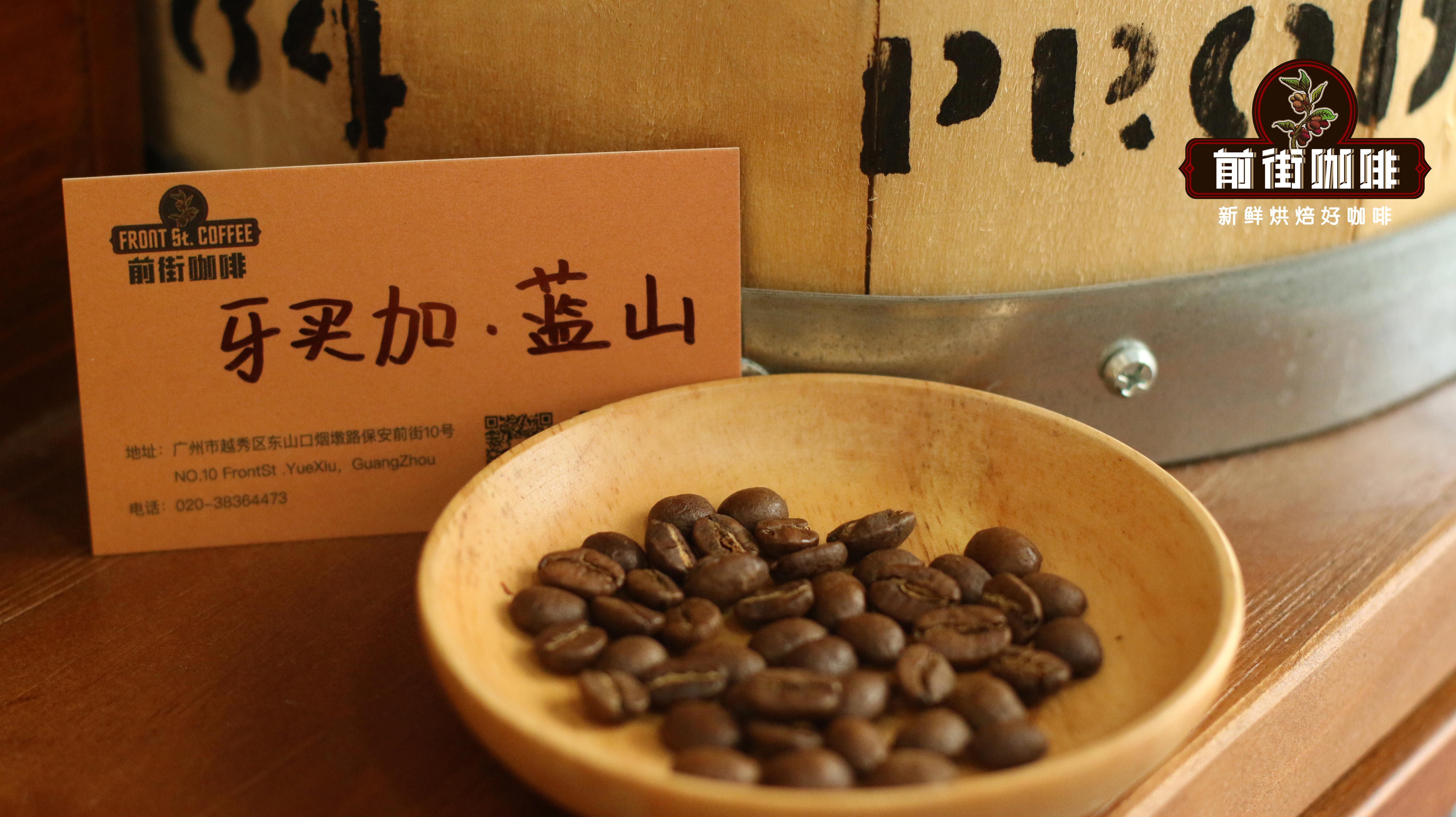
Blue Mountain coffee has long enjoyed the reputation of "King of Coffee," but products labeled "Blue Mountain" on the market are a mixed bag, ranging from authentic Jamaican Blue Mountain No. 1 to Blue Mountain flavor blend beans, with prices and quality varying enormously. This article examines the full picture of this legendary coffee, covering its historical origins, growing conditions, varietal characteristics, grading system, processing methods, authenticity verification, and brewing parameters, while also analyzing the fundamental reasons behind the high price of authentic Blue Mountain No. 1, and sharing the water temperature, grind size, and technique recommendations that Front Street Coffee (FrontStreet Coffee) has summarized through practical brewing, helping coffee enthusiasts build a clear framework of understanding. [more…]
Jamaica Blue Mountain Coffee Origin, Varieties, and Grades: A Complete Guide from the Blue Mountain Terroir to Front Street Blue Mountain No. 1 Brewing Guide
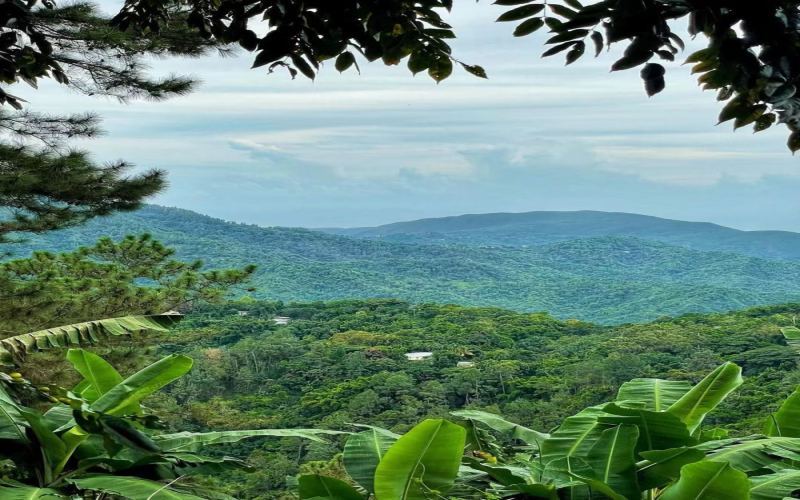
Blue Mountain Coffee is hailed as the finest of coffees, produced in the Blue Mountains of eastern Jamaica, an island nation in the Caribbean. This region boasts volcanic soil and a high-altitude microclimate marked by year-round fog and frequent rain, nurturing a unique flavor with a perfectly balanced interplay of acidity, bitterness, and sweetness. Front Street Blue Mountain Coffee is Jamaica's highest-grade Blue Mountain No. 1, with outstanding quality. This article provides a systematic introduction to Blue Mountain Coffee's growing environment, historical origins, grading classifications, harvesting and sales methods, packaging and transportation traditions, as well as Front Street's pour-over brewing parameters and flavor profile, helping coffee enthusiasts gain a comprehensive understanding of this world-class renowned specialty. [more…]
The Origins and Variety Characteristics of Jamaican Blue Mountain Coffee: From Planting History to Front Street Brewing Practice
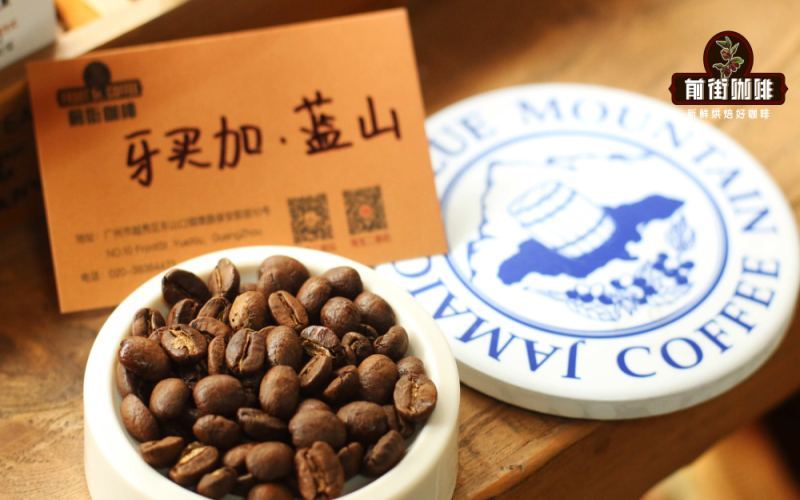
Blue Mountain coffee originates from the Blue Mountains in eastern Jamaica, in the Caribbean, and is named after the blue glow reflected on the peaks from the azure sea on clear days. Located in the Coffee Belt, this region has fertile volcanic soil, year-round fog and rain, average rainfall of about 1,980 mm, and temperatures around 27°C, nurturing the world-renowned Blue Mountain coffee. Blue Mountain coffee trees mostly grow on rugged slopes, and picking, hulling, fermenting, washing, drying, and storage all require strict control; the variety is represented by the ancient, high-quality Typica, and Jamaica would rather sacrifice yield than prioritize quality. Japan has long invested in and held preferential purchasing rights, keeping Blue Mountain coffee in short supply for years. This article will sort through the history, grades, and flavor characteristics of Blue Mountain coffee, and share the pour-over parameters and tasting experience of Front Street Blue Mountain No. 1. [more…]
Which country does Jamaican Blue Mountain coffee come from? A full analysis of growing conditions, flavor characteristics, and authenticity identification
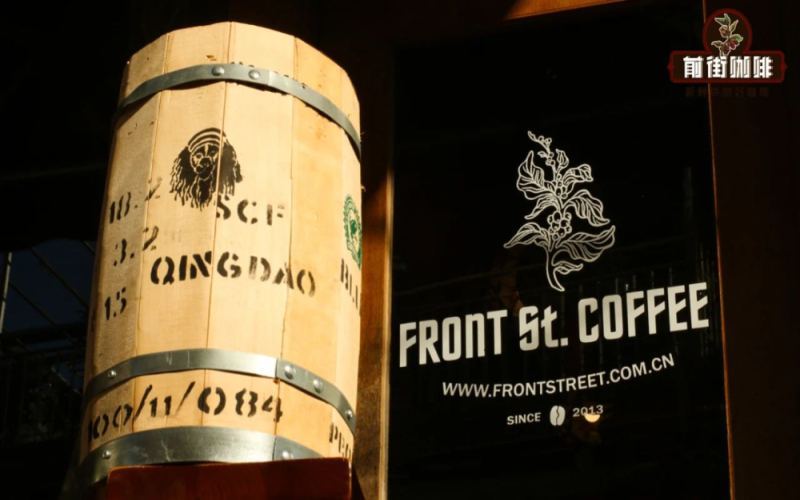
Blue Mountain coffee is one of the finest representatives of high-quality coffee. It is produced in Jamaica's Blue Mountains, where a cool and misty climate, fertile volcanic soil, and the Typica variety combine to create a classic flavor profile with balanced acidity, sweetness, and bitterness, and a clean, mellow character. Front Street Coffee sells washed Blue Mountain coffee beans grown at 1310m on Clifton Estate; after medium-dark roasting, they present rich dark cocoa, subtle fruity acidity, and a pronounced sweet aftertaste. Why is Blue Mountain coffee so expensive? Japan's long-term investment and preferential purchasing rights, the impact of hurricanes, labor costs, and the difficulty of mechanizing terraced fields are all important reasons. Jamaica also insists on packaging and transporting the coffee in wooden barrels of 15, 30, and 70 kilograms, and it must obtain a quality certification certificate from the Coffee Industry Board. Front Street Coffee also shares methods for identifying authentic Blue Mountain coffee: look for whole wooden barrels, apply for certification documents, and observe whether the roasted beans are uniform and plump. This article also compiles brewing suggestions and extraction parameters for Blue Mountain coffee to help coffee lovers recreate the classic Blue Mountain flavor. [more…]