







Search Results for: Blue Mountain Coffee History
Tracing the History of Blue Mountain Coffee: From Royal Legend to Origin Grading and Japanese Capital Control
Blue Mountain Coffee is hailed as the synonym for the finest coffee, its story interwoven with royal legends, colonial planting history, and capital battles. From a French officer introducing coffee seeds to Jamaica in 1723, to a hurricane destroying Wallenford Estate in 1960, and then Japanese capital controlling ninety percent of production, the origins of Blue Mountain Coffee are far more complex than the acidity and aroma in the cup. This article will outline the formation of the Blue Mountain Coffee producing region, the distribution of its three main growing areas, the strict altitude grading standards, and the true terroir range represented by "Front Street Blue Mountain Coffee." It will also reveal the current situation of the large amount of counterfeit Blue Mountain Coffee on the market, helping enthusiasts understand why authentic Blue Mountain is always in short supply. [more…]

What Makes Jamaican Blue Mountain Coffee Unique? A Complete Guide from Regional History to Flavor Grade
Since the expiration of the contract between Jamaica and Japan in 2008, Blue Mountain coffee has gradually come into the view of more coffee lovers. However, many people feel puzzled after tasting it: it seems to be just a smooth cup of dark-roasted coffee, so why does it enjoy such a lofty reputation? To understand the true value of Blue Mountain coffee, we need to return to its place of origin, the Blue Mountains of Jamaica, and sort through nearly three hundred years of cultivation history. From the introduction of Typica plants in 1728, to the industry's takeoff in 1790, and then to the dramatic turning point after the abolition of slavery in 1834, Blue Mountain coffee's rise to fame was no accident. This article will fully reconstruct this history, analyze the characteristics, grade positioning, and origin background of Blue Mountain coffee, and retain relevant recommendation information from the Front Street brand, taking you to rediscover this "King of Coffee." [more…]
Jamaica Blue Mountain Coffee Brand Roundup and Pour-Over Tutorial: From Origin History to Authenticity Identification Explained
Blue Mountain coffee has long been in a state of short supply due to its scarce production. There are many products on the market under the Blue Mountain banner, but which brands are truly Jamaican Blue Mountain? How can you tell the real from the fake? And how should it be brewed to bring out its balanced, sweet, and mellow flavor? This article begins with the cultivation history of Blue Mountain coffee and its three major production regions, sorts out the varieties, processing methods, and flavor characteristics of Blue Mountain coffee, and introduces in detail the pure secrets and identification points of Front Street Blue Mountain coffee. Finally, it includes a set of pour-over Blue Mountain coffee parameter plans to help coffee lovers gain a comprehensive understanding of this world-class coffee. [more…]
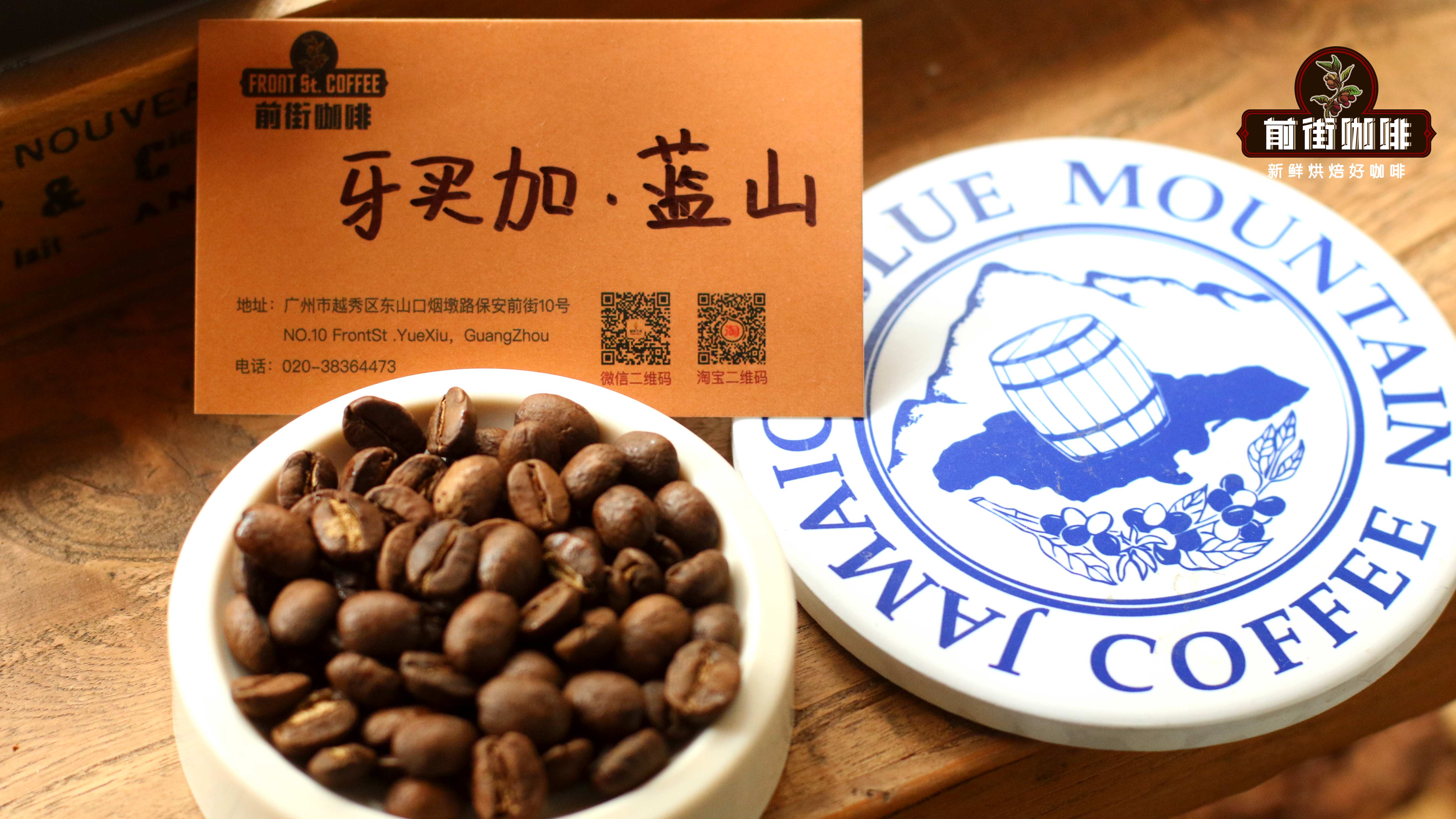
A Complete Guide to Jamaican Blue Mountain Coffee: Origin, Cultivation History, Grading, and Flavor Profile
Blue Mountain coffee has long been regarded as the benchmark of the coffee world, but do you really know it? From the blue mountain shadows reflected in the Caribbean Sea, to a planting decree issued by a French king in the 18th century; from the strict standards of the Jamaica Coffee Industry Board, to the two-century farming tradition carried on by Clifton Estate, every step of Blue Mountain coffee's journey is filled with stories. This article will guide you through the cultivation history and three major production regions of Jamaican Blue Mountain, explain the boundaries between the three grades—Blue Mountain, High Mountain, and Prime—and provide an in-depth analysis of how the Typica variety and washed processing shape its classic clean, balanced, and comfortably lingering flavor profile. It will also introduce the origin information and flavor performance of Front Street Jamaica Blue Mountain No. 1 coffee beans, helping coffee enthusiasts build a more complete understanding of Blue Mountain coffee. [more…]
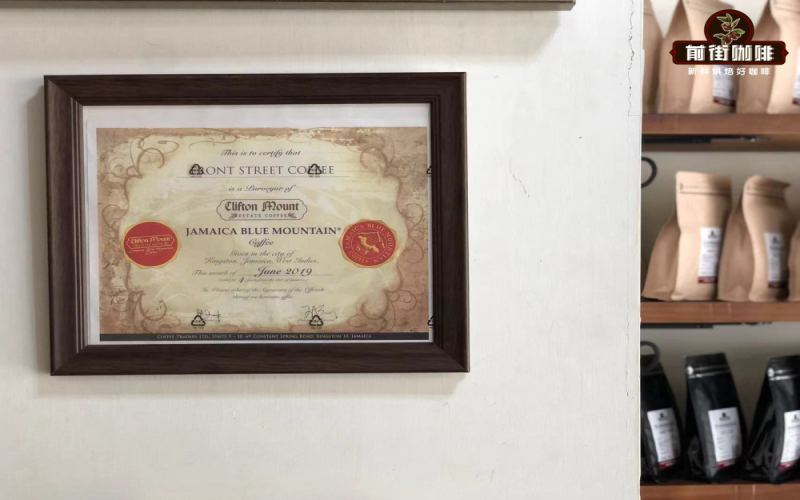
Exploring Jamaican Blue Mountain Coffee: From Wallenford to Clifton, a Full Analysis of Authentic Estates and History
The reputation of Blue Mountain coffee is thunderous, but many products labeled "Blue Mountain" on the market are actually just flavored beverages. Where exactly is genuine Jamaican Blue Mountain coffee produced? Which estates have received official certification? This article begins with Front Street Coffee's Blue Mountain No. 1, tracing the three-hundred-year rise and fall of Blue Mountain coffee, interpreting the strict standards of the Jamaica Coffee Industry Board (CIB), and focusing on the two authentic estates of Wallenford and Clifton, guiding you to understand what truly certified, pure Blue Mountain coffee really is. [more…]
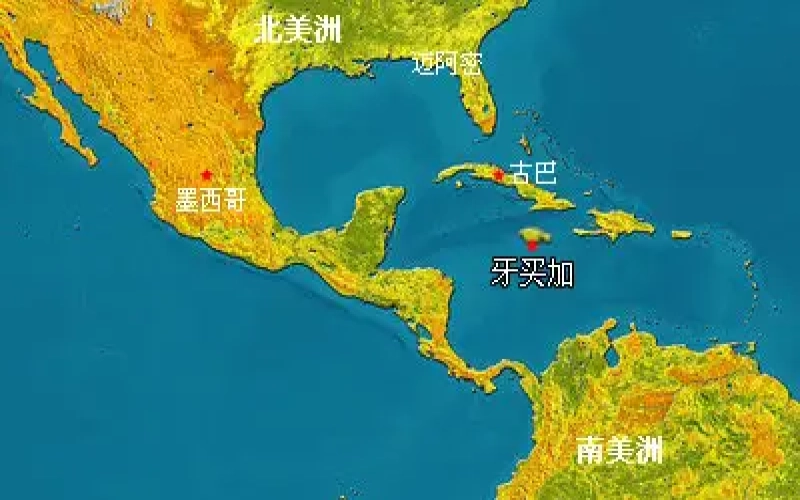
Jamaica Blue Mountain Coffee Pour-Over Flavor Analysis: Origin History, Varieties & Grades, and Brewing Recommendations
Jamaica Blue Mountain coffee is hailed as one of the finest coffees in the world, grown in the Blue Mountains in the eastern part of the Caribbean island of Jamaica. This article will guide you through the cultivation history of Blue Mountain coffee, the terroir of its origin, its strict grading system, as well as where to buy authentic Blue Mountain No. 1 coffee and pour-over brewing techniques. From its introduction in the eighteenth century to the aid agreement with Japan's UCC, and now to the increased quota in the Chinese market, the legendary story and unique flavor of Blue Mountain coffee are worth savoring by every coffee enthusiast. Front Street Coffee's house-roasted Blue Mountain No. 1 comes from Clifton Estate, using a medium-dark roast that presents classic notes of dark chocolate, nuts, and caramel. [more…]
A Complete Guide to Jamaican Blue Mountain Coffee Beans: From History and Grading to Authenticity Verification and Front Street Brewing Tips
Blue Mountain coffee is hailed as the king of coffee, but do you really know it? From the perspective of Front Street Coffee, this article systematically reviews the cultivation history, geographical conditions, grading system, processing methods, and famous estates of Jamaican Blue Mountain coffee, and includes Front Street Coffee's brewing parameters and flavor description. At the same time, it teaches you how to distinguish authentic Blue Mountain No. 1 from Blue Mountain flavor blend beans on the market through four dimensions: appearance, feel when grinding beans, aroma, and taste. Whether you are a beginner enthusiast or a veteran gourmet in pursuit of the ultimate flavor, this content can help you understand Blue Mountain coffee more comprehensively and avoid common pitfalls in purchasing and tasting. [more…]
Jamaica Clifton Estate and Blue Mountain No. 1: A Full Analysis of Origin, History, Roasting, and Pour-Over Flavor
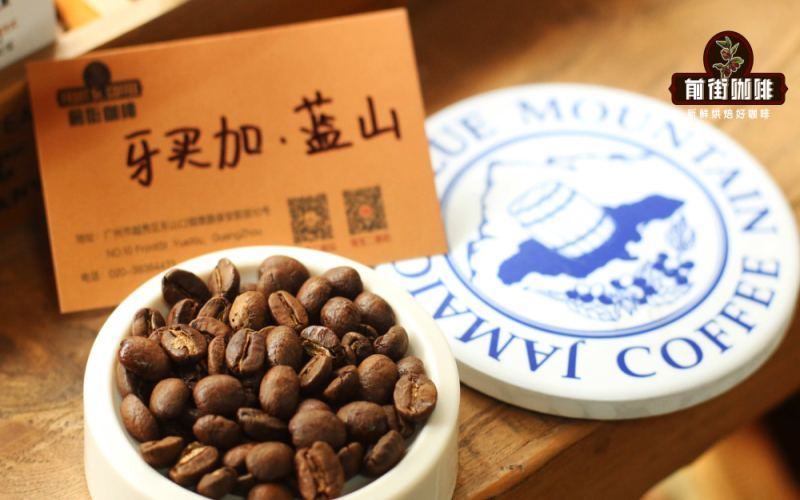
Jamaican Blue Mountain coffee, with its exquisite balance of aroma, body, and acidity, along with a unique round sweetness, has long been regarded by many coffee lovers as the epitome of top-tier coffee. The Blue Mountain region is strictly regulated by the Jamaica Coffee Board (CIB): only beans that meet the standards within specific administrative areas may bear the Blue Mountain name, and Blue Mountain No. 1 is the most commonly seen grade on the market. Among the many estates, Clifton Mount Estate is an ancient origin that is still in operation today, and it is also the only farm in Jamaica to obtain Rainforest Alliance certification. The Blue Mountain No. 1 sold by Front Street Coffee comes from this estate, and is roasted at a medium-dark level and brewed with a lower water temperature to showcase a balanced flavor of dark chocolate, nuts, and creamy smoothness. This article will provide a complete introduction to the grading of the Blue Mountain region, the history and current status of Clifton Estate, and Front Street's roasting approach and pour-over parameters. [more…]
Jamaica Blue Mountain Coffee: A Complete Guide to the Region's Characteristics, History, Brewing Methods, and Flavor Profile
Blue Mountain coffee originates from the Blue Mountains in eastern Jamaica. Thanks to its volcanic soil, a climate characterized by year-round fog and frequent rain, and strict quality control, it has become one of the world's universally recognized top-tier coffees. Its acidity, sweetness, and bitterness are balanced to perfection, with virtually no bitter note, leaving only a moderate fruity acidity and a rich, mellow aroma. Blue Mountain coffee is graded into three tiers—Blue Mountain, High Mountain, and Jamaica Coffee—according to altitude and growing region. The harvest season runs from June through November, with all cherries hand-picked throughout. Japan has long held priority purchasing rights over most Blue Mountain beans, leaving the rest of the world with only about 10% of total production, which is why genuine Blue Mountain coffee is always in short supply. This article will systematically cover the production process, origins, history, geographical conditions, classification standards, distinctive flavor, sales landscape, health benefits, quality assurance system, and special preparation methods for both hot and cold drinks of Blue Mountain coffee, along with recommendations and tasting suggestions from Front Street Coffee. [more…]
A Complete Analysis of Jamaican Blue Mountain No. 1 Specialty Coffee Beans: Origin History, Grading Standards, and Pour-Over Flavor
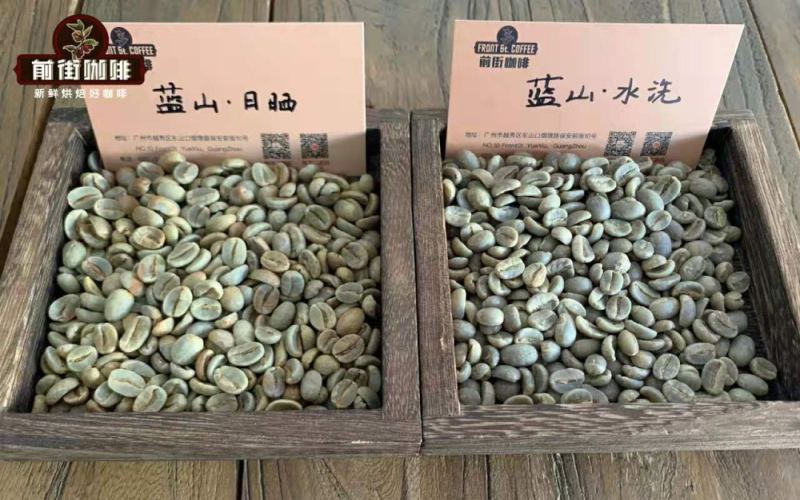
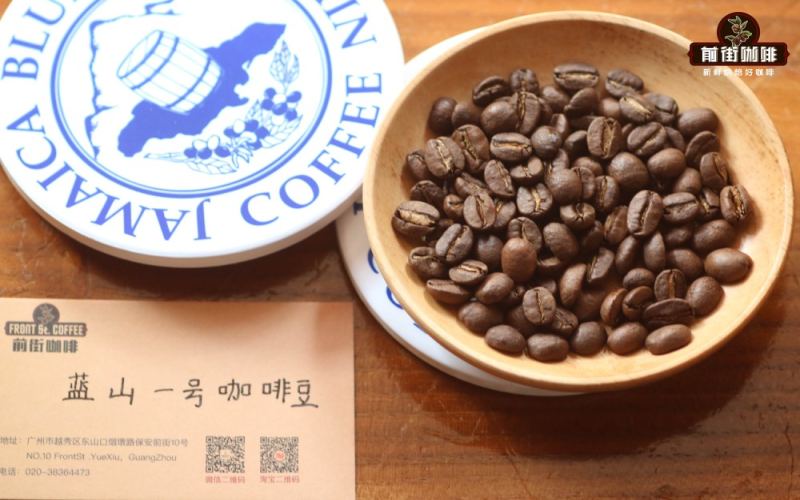
Blue Mountain coffee, as a leader among specialty coffees, is world-renowned for its mellow, balanced flavor. This article will take you through the historical origins, growing environment, grading standards, varietal characteristics, and processing methods of Jamaican Blue Mountain coffee, giving you a comprehensive understanding of genuine Blue Mountain No. 1 coffee. At the same time, Front Street Coffee will share the pour-over parameters and flavor descriptions for Blue Mountain coffee, including the taste differences between the natural and washed processing methods, helping coffee lovers better appreciate this legendary coffee. [more…]
The Origins and Variety Characteristics of Jamaican Blue Mountain Coffee: From Planting History to Front Street Brewing Practice
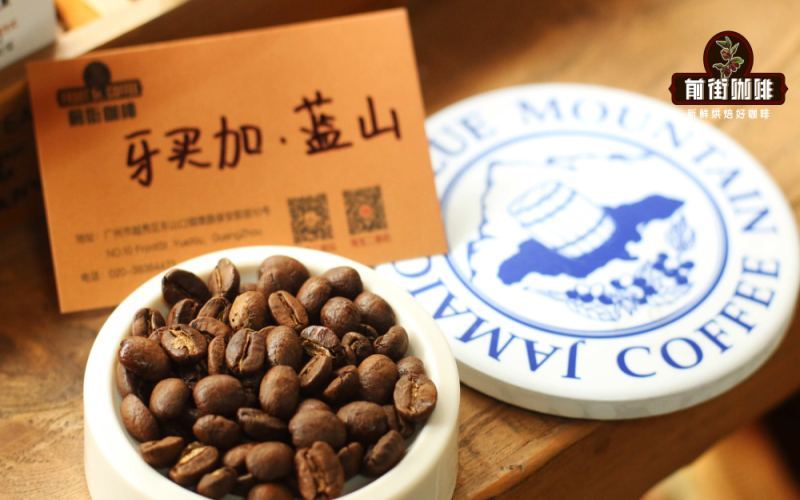
Blue Mountain coffee originates from the Blue Mountains in eastern Jamaica, in the Caribbean, and is named after the blue glow reflected on the peaks from the azure sea on clear days. Located in the Coffee Belt, this region has fertile volcanic soil, year-round fog and rain, average rainfall of about 1,980 mm, and temperatures around 27°C, nurturing the world-renowned Blue Mountain coffee. Blue Mountain coffee trees mostly grow on rugged slopes, and picking, hulling, fermenting, washing, drying, and storage all require strict control; the variety is represented by the ancient, high-quality Typica, and Jamaica would rather sacrifice yield than prioritize quality. Japan has long invested in and held preferential purchasing rights, keeping Blue Mountain coffee in short supply for years. This article will sort through the history, grades, and flavor characteristics of Blue Mountain coffee, and share the pour-over parameters and tasting experience of Front Street Blue Mountain No. 1. [more…]
The Legend of Jamaican Blue Mountain Coffee: A Comprehensive Interpretation from Its Origins and History to Front Street Blue Mountain Coffee's Flavor and Brewing Methods
Blue Mountain coffee is hailed as one of the best coffees in the world, its name almost synonymous with nobility and rarity. But do you know the true story behind it? From 1725, when Sir Nicholas Lawes brought coffee seedlings to Jamaica, to today, when 90% of its output is bought up by Japan, Blue Mountain coffee has gone through a history woven from myth and reality. This article will walk you through the origins of Jamaican Blue Mountain coffee, its three major growing regions, its grading system and flavor characteristics, and introduce the unique charm of Front Street Coffee's Blue Mountain coffee. Whether you want to understand why Blue Mountain coffee is so expensive or want to know how to brew it to bring out its best flavor, this article will give you clear answers. [more…]
Exploring Jamaica's Clydesdale Estate: A Complete Analysis of the History and Flavor of Blue Mountain No. 1 Coffee
Jamaican Blue Mountain coffee has swept the globe, and the Blue Mountain No. 1 produced by the Clydesdale Estate is among its finest offerings. This article takes you through the rise, fall, and revival of this ancient farm from 1801 to the present, analyzing the Blue Mountain Typica variety, the semi-washed processing method, and the stringent grading and unique flavor of Blue Mountain coffee. At the same time, we will also share Front Street Coffee's brewing suggestions and tasting experience for Jamaican Blue Mountain coffee, giving you a comprehensive understanding of this top-tier coffee that combines acidity, bitterness, sweetness, and body, and is hailed as the "Beauty of Coffee." [more…]
The Origins of Flannel Pour-Over Technique and Jamaican Blue Mountain Coffee, and Brewing Parameters
The flannel drip brewing method, with its unique oiliness and relatively fast filtration speed, has become a favored technique among coffee enthusiasts. It shares the same principle as paper filter drip brewing, but because the material has larger pores, it can retain more lipids, bringing a distinctive rich and mellow experience. At the same time, Jamaican Blue Mountain, hailed as a legend in the coffee world, has always occupied a high position in specialty coffee thanks to its long history, unique origin environment, and strict grading. As a representative among them, Front Street Blue Mountain Coffee has become the entry choice for many people. This article will systematically sort out the key operating points and maintenance methods of flannel pour-over, trace the origin and growing conditions of Blue Mountain coffee, and include the specific brewing parameters and techniques for Front Street Blue Mountain, helping you brew a cup of Blue Mountain coffee with outstanding flavor at home. [more…]
A Complete Guide to Jamaican Blue Mountain Coffee: From Cultivation History and Grading to Front Street Brewing Tips
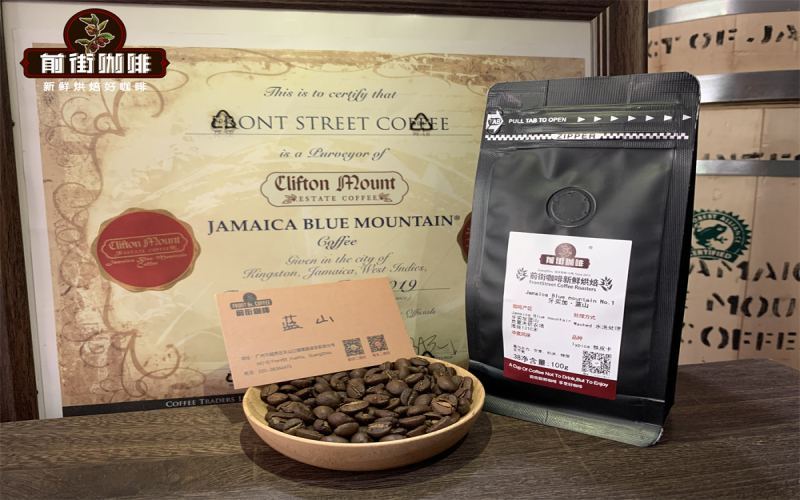
Jamaican Blue Mountain coffee is hailed as the king of coffees, and its homeland, Jamaica, boasts unique geographical conditions and a strict quality control system. This article begins with the cultivation history of Blue Mountain, sorts out the certification standards of the Coffee Industry Board, the three major production regions, and the six official marks, analyzes the grading rules and washed processing flow of Blue Mountain coffee, and introduces representative estates such as WALLENFORD, Mavis Bank, R.S.W., and Clifton Mount. At the end, it includes Front Street Coffee's brewing suggestions and methods for distinguishing genuine Blue Mountain from counterfeit, helping coffee lovers gain a comprehensive understanding of this classic coffee that combines a rich body with balanced flavor. [more…]
The Past and Present of Jamaican Blue Mountain Coffee: A Legend from a Caribbean Island to the World's Top Coffee
Front Street Coffee's Blue Mountain coffee originates from Jamaica and is recognized as one of the world's most exceptional coffees. It has a moderate balance of acidity, sweetness, and bitterness, with a pure flavor and an irresistible air of elegance. The Blue Mountain range lies northeast of Kingston, Jamaica's capital, and is named after the brilliant blue glow reflected off the Caribbean Sea. Located in the coffee belt, this region's fertile volcanic soil and year-round foggy, rainy climate have produced the world-renowned Blue Mountain coffee. From 1717, when King Louis XV of France ordered its cultivation, to 1950, when the Jamaica Coffee Industry Board was established, Blue Mountain coffee has passed through more than three centuries of legendary history. Today, the Blue Mountain region has only 6,000 hectares of planted area, with an annual output of about 40,000 bags, the vast majority of which is consumed by Japanese and European-American markets; authentic Blue Mountain coffee is rarely imported directly into the Chinese market. This article will give you a comprehensive understanding of Blue Mountain coffee's origin and terroir, development history, and current market situation. [more…]
A Complete Analysis of Jamaican Blue Mountain Coffee: Flavor Profile, Growing Regions, and History from Cultivation to Grading
Jamaican Blue Mountain coffee is widely recognized as one of the finest coffees in the world, and its distinctive flavor stems from the superior climate and geological conditions of the Blue Mountains. This article begins with the historical origins of Blue Mountain, then examines its cultivation methods, production challenges, and strict grading system, giving you a comprehensive understanding of the differences between Blue Mountain coffee, High Mountain coffee, and Jamaican coffee. It also introduces Front Street's recommendations for Blue Mountain coffee, along with the stories of the five main production regions in the Blue Mountains and the Chinese-owned estate Amber, offering coffee lovers a complete guide to Blue Mountain coffee knowledge. [more…]
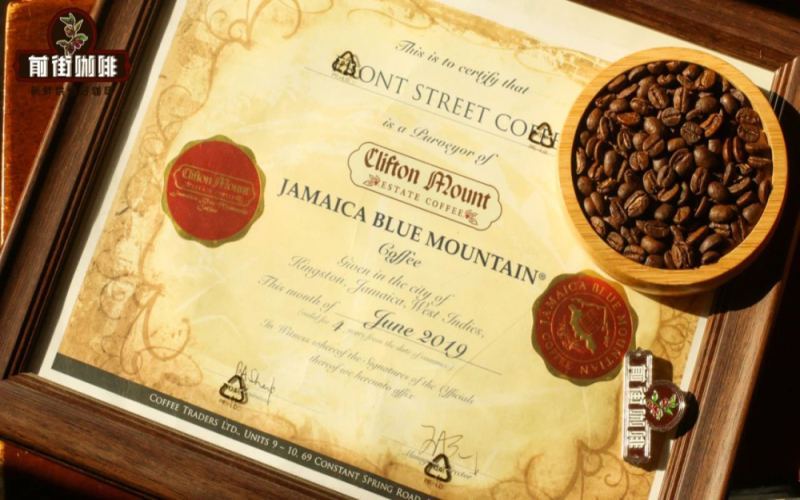
Can Blue Mountain Coffee Be Used to Make Iced Coffee and Espresso? A Comprehensive Analysis of Front Street's Blue Mountain Flavor Profile
Jamaican Blue Mountain coffee is renowned for its balanced trio of acidity, sweetness, and bitterness, but many coffee enthusiasts wonder: can this top-tier washed bean be made into iced coffee? Can it be used for espresso extraction? And how would the flavor present itself? Front Street Coffee's Blue Mountain coffee beans come from Clifton Estate. This article will systematically answer these questions, covering Blue Mountain history, origin regulation, processing methods, pour-over parameters, and SOE extraction, while sharing the complete flavor performance of Front Street Blue Mountain No. 1 in both pour-over and espresso directions, helping you consistently replicate a balanced, rich cup of Blue Mountain coffee at home. [more…]
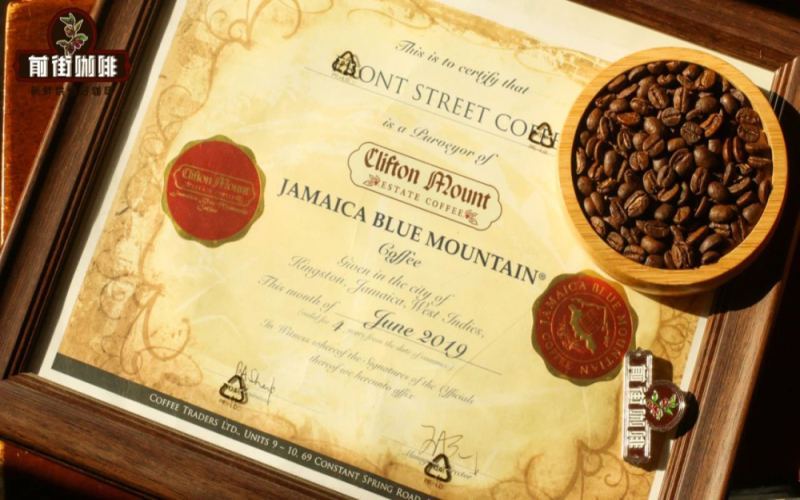
A Detailed Guide to Jamaican Blue Mountain Coffee Flavor and Pour-Over Brewing: Balanced Taste from Medium-Dark Roast to KONO Dripper
Jamaica Blue Mountain coffee, hailed as the "Emperor of Coffee," remains a legend in the hearts of many coffee enthusiasts to this day. What gives it the right to sit firmly on the throne of top-tier coffee? From its introduction to the Caribbean in the 18th century, the volcanic soil and misty climate of the Blue Mountains, to the CIB's strict demarcation of the growing region and an annual output of only about 900 tons, every link in the chain is steeped in scarcity. Front Street Coffee has this time sourced Blue Mountain coffee beans from Clifton Estate, using a medium-dark roast to bring out its balanced, mellow character. So, does Blue Mountain coffee actually taste good? Does a pour-over Blue Mountain count as black coffee? This article will take you through the history, growing region, certification, and brewing parameters to fully unpack this cup of coffee from the blue mountain ridge. [more…]
Jamaica Blue Mountain Coffee Flavor Characteristics and Brewing Parameters Explained: From Origin History to Authenticity Identification
The name Blue Mountain coffee is known to everyone in the coffee world, yet few truly understand it. What distance lies between the Blue Mountain-flavored beverages on the market and authentic Jamaican Blue Mountain coffee? Front Street Coffee takes you through it from the beginning: what flavors the washed and natural processing methods of Blue Mountain coffee each present, what the Clifton Estate's Rainforest certification means, the rise and fall of Blue Mountain coffee since the 18th century, how the CIB defines authentic Blue Mountain with strict standards, and how to distinguish genuine from fake through certificates and barrel markings. Finally, Front Street will also share KONO dripper brewing parameters and staged pouring techniques, so you can recreate a cup of richly layered Blue Mountain at home. [more…]