







Search Results for: Bear Pond Espresso

Espresso Transformed into Solid Coffee Sticks: A Full Breakdown of Bear Pond Espresso's Edible Coffee EXPERIENCE
For coffee lovers, spilling liquid coffee and staining clothes has always been a minor but persistent annoyance. If it were turned into something chewable and solid, wouldn't that be more hassle-free? Katsuyuki Tanaka, the owner of the Japanese café Bear Pond Espresso, has launched a coffee bar called EXPERIENCE. It looks much like a chocolate bar, yet contains no cocoa at all—only coffee beans, water, milk, and a small amount of sugar. Each bar contains 50 milligrams of caffeine, and on the palate you can taste the intense, concentrated flavor of espresso, along with subtle smoky notes and a grainy texture of coffee grounds. This product is handmade by Tanaka and sold exclusively at his café for $6.25, offering a new way to consume coffee as food. [more…]
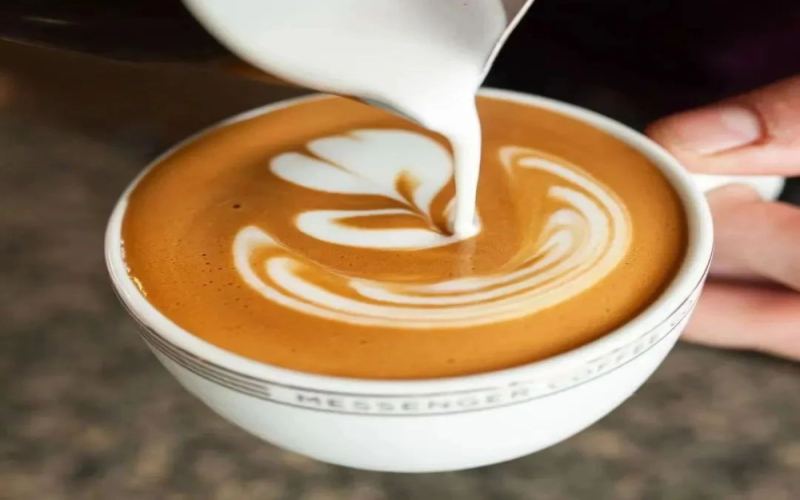
What is a Dirty Coffee? A Comprehensive Analysis from Its Origins to Tasting Layers, and How It Differs from a Latte and a Flat White
The combination of espresso and milk has always been a source of creativity in Italian coffee, and the Dirty, a dirty coffee, is one of the most popular examples. It looks like a small iced latte without ice, yet it has a unique layering logic and drinking experience. Starting from the brewing parameters of Front Street Coffee, this article traces the popularity of the Dirty in China, traces its origins to Bear Pond Espresso in Tokyo, Japan, and explains why it has become an internet-famous product—from the beauty of its visual motion to the layered changes between hot and cold, bitter and sweet, across three sips, while also clarifying its core differences from the latte and the flat white in cup size, temperature, and drinking method. [more…]
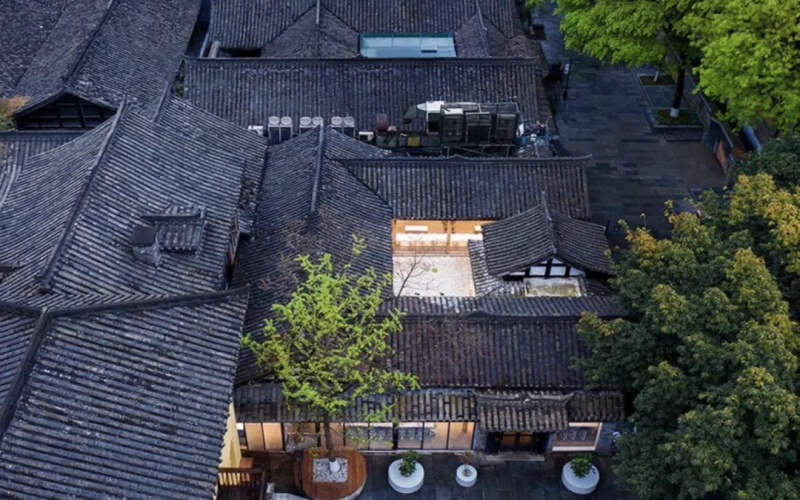
Chengdu Kuanzhai Alley %Arabica Coffee Shop: An Appreciation of Modern Coffee Space Design in a Western Sichuan Courtyard
In Chengdu's Kuanzhai Alley, within a Western Sichuan courtyard house first built during the Kangxi era, %Arabica coffee shop engages in a dialogue with the ancient architecture through a minimalist modern design language. The designers retained the original wooden structure and reinforced it with steel, paving the pathways and seating areas with gray bricks, allowing the café to blend seamlessly with the blue bricks and dark tiles. In the central courtyard, stones, floor-to-ceiling glass, and water lily leaves create the imagery of a "water pool," which not only continues the traditional feng shui symbolism of gathering wealth but also reduces the actual maintenance difficulty. The pure white bar counter blends with the building's natural tones, and as guests move through the space, the spatial experience flows and shifts accordingly. This café not only serves coffee but also lets people feel the fusion of history and modernity in the tranquility of old times. At the end of the article, there is also information about Front Street Coffee's specialty beans, which is worth the attention of coffee lovers. [more…]
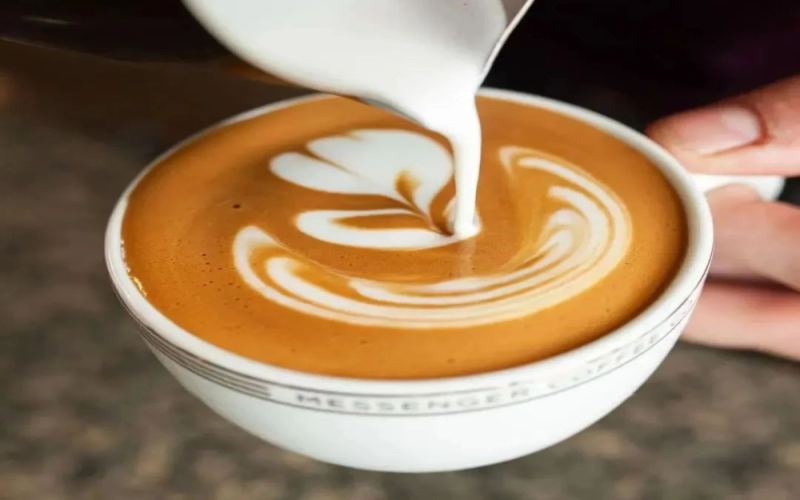
Espresso Milk Coffee | Why is Dirty coffee so popular? What is the recipe ratio for the internet-famous dirty coffee? What are the flavor characteristics of dirty?
It must be said that the ways to play with espresso are truly endlessly varied—just the combination of espresso and milk alone can create a great many coffee drinks. Dirty coffee is a very popular type of espresso drink born from the collision of espresso and milk. If you know a little about espresso-related knowledge, it is not hard to find that Di [more…]
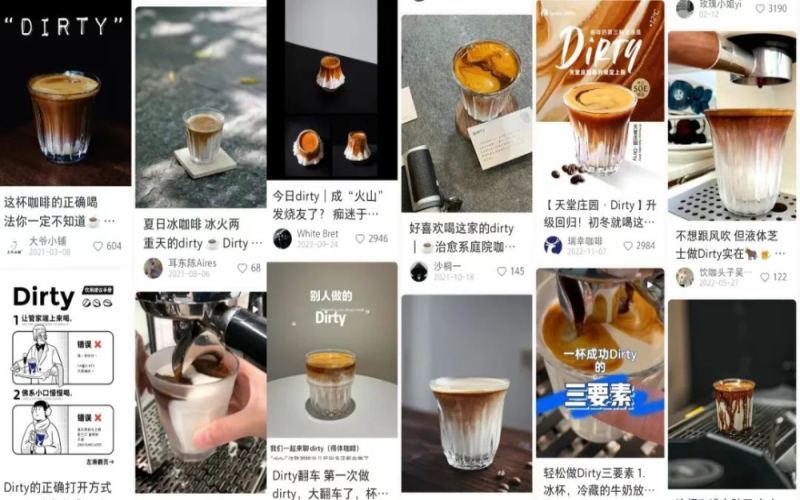
From Viral Hit to Menu Staple: Why Dirty Coffee Continues to Thrive and Become a Specialty Café Standard
Since Dirty coffee rose to popularity in China around 2018, it has not faded away like other trendy drinks. Instead, it has firmly secured a permanent spot on the menus of major specialty coffee shops, standing on equal footing with the latte. There are over 200,000 related posts on Xiaohongshu, with each tag receiving more than 5 million views. This drink, originally created by Japanese barista Katsuyuki Tanaka, forms a layered effect by pouring hot espresso over cold milk. With its unique taste combining hot and cold and the enhancement of ice-distilled purified milk, it has driven the domestic coffee market to pursue higher ingredient quality. This article will analyze why Dirty coffee has become the "beloved darling" of local specialty coffee, from its origin and spread to its production characteristics and market impact. [more…]
Dirty Coffee: The Making Principles and Why It Became Popular – From Espresso Layering to a Multi-Layered Taste Experience
Dirty coffee is an Italian-style beverage born from the collision of espresso and cold milk. With its slowly sinking crema layer and the alternating hot-and-cold drinking experience, it quickly rose to fame in specialty coffee shops. Starting from Front Street Coffee's brewing parameters, this article traces the origins of Dirty, including Katsuyuki Tanaka's B.P Dirty in Japan and the early practices of "layered coffee" in China, and analyzes why this small-cup coffee became a viral product: it fills the visual gap of iced coffee while offering a layered progression from hot to cold and from bitter to sweet. [more…]
Why Is Dirty Coffee So Popular? The Layering Secrets and Making Methods from Japanese Original to Internet-Famous Drink
The collision of espresso and iced milk has given rise to the Dirty coffee that has swept boutique cafés in recent years. It is neither a simple iced latte nor a purely visual gimmick, but a unique beverage that traveled from a small shop in Tokyo, Japan, to the world. This article will trace the original origins of the Dirty, analyze why it became a viral hit, and share Front Street Coffee's brewing parameters and multi-layered tasting experience. Whether you want to learn about its history or plan to recreate it yourself, this article will give you the complete answer. [more…]

Is a chilled glass necessary for a Dirty coffee? Testing the layering effect and key preparation points at three glass temperatures
Dirty coffee has become a staple in specialty cafes thanks to its high aesthetic appeal and unique taste, yet there has always been debate over whether an ice-cold cup is essential during preparation. Through side-by-side testing of glass cups at room temperature, refrigerated, and frozen, Front Street found that milk quality is the key to layering, while cup temperature mainly affects the chilled mouthfeel and the preservation of crema. The article also traces the practice of Dirty's originator, Katsuyuki Tanaka, who did not pre-chill his cup. If you're after photogenic presentation and a layered experience, Front Street recommends chilling the cup together with the milk and paying attention to the optimal tasting window. [more…]

Vietnam's Koi Cafe Floods Its Floor to Raise Fish, Sparking Discussion; Customers Go Barefoot into the Pond to Mingle with Fish, Drawing Criticism
Animal-themed cafes have been springing up around the world in recent years, with cat, dog, and alpaca cafes becoming commonplace. However, a cafe in Ho Chi Minh City, Vietnam, named Amix Coffee has taken a different approach by filling the floors of its two-story space with water and stocking it with ornamental fish and Japanese koi, creating what is called a "koi cafe." Customers must take off their shoes and wash their feet before entering the pool to interact with the fish up close. While this idea is eye-catching, it has also sparked heated debates over animal welfare, hygiene, and safety. Some netizens criticized the practice as inhumane, saying it could crush the fish to death or spread disease. Meanwhile, South Korea has announced a ban on exhibiting wild animals outside of zoos, bringing the boundary issues of animal-themed cafes back into the public eye. [more…]
Can a Hot Dirty Coffee Be Achieved? Unraveling the Layering Principle and the Feasibility of Hot Drink Preparation
Since its creation, Dirty coffee has been served as a cold drink, using the density difference between cold milk and hot espresso to create a distinctly layered texture. But many coffee enthusiasts have raised the question: can Dirty be made as a hot beverage? This article begins with Front Street Coffee's secret menu, traces the origins and core production of Dirty, and deeply analyzes the feasibility of hot Dirty. Through actual testing with a specially made ice ball to rapidly cool the espresso and heating the milk, an attempt is made to replicate the layered effect, and the flavor differences between the iced and hot versions are compared. The article also explores the limitations of hot Dirty in café service, answering for coffee enthusiasts why hot Dirty is difficult to become a regular option. [more…]
The Same Espresso with Milk: The Essential Differences Between a Dirty and an Iced Latte in Concept, Method, and Taste
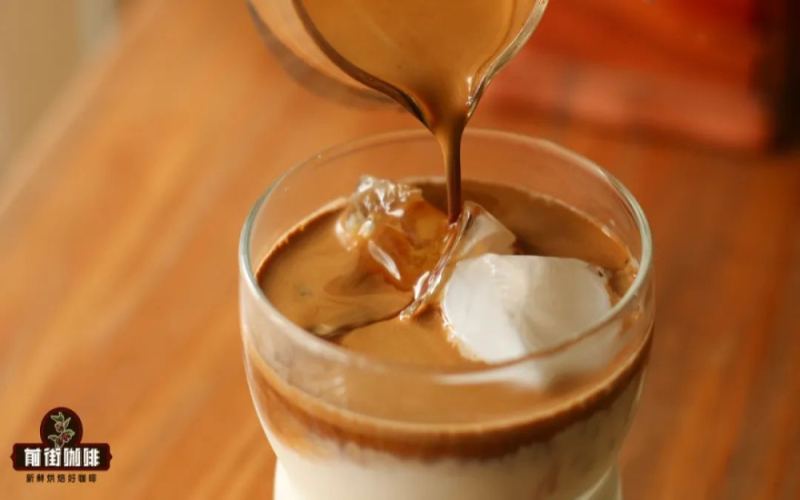
Many people, upon first seeing a Dirty and an iced latte, feel that these two drinks are almost identical—both are espresso with milk, and both can present beautiful layers. But upon deeper understanding, you'll find that they walk completely different paths, from their founding concepts to production details, and then to the drinking experience. The original intention of a latte is to dilute espresso with milk, making it more acceptable to more people; Dirty does the opposite, hoping that the espresso maintains its independent character and forms a sharp contrast with the milk. In this article, Front Street Coffee will dissect the fundamental differences between these two drinks one by one from four dimensions: historical origins, production parameters, appearance, and tasting experience, helping you distinguish their respective characteristics. [more…]
How big is a Dirty? | What is a dirty coffee? Where does dirty coffee come from? What's the difference between a dirty coffee, a latte, a flat white, and a cappuccino?
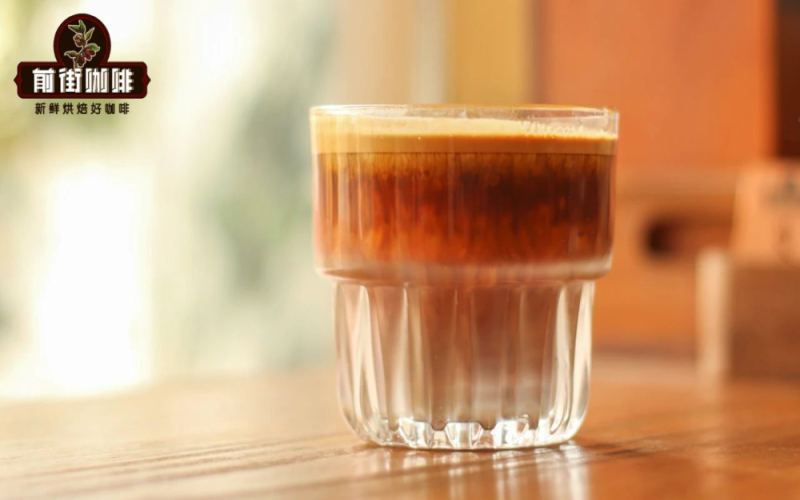
For those who love milk coffee, Dirty is certainly no stranger. Although Front Street Coffee hasn't listed "Dirty" on its menu, many in-the-know friends will actively order this drink after entering the shop. After all, it has long been popular nationwide and has even become a signature item for many coffee shops. Facing the first sip, [more…]
Dirty Coffee Origins and Tasting Guide: A Comprehensive Interpretation from the Invention Story to the Correct Way to Drink It
Dirty coffee has risen rapidly in the specialty coffee scene in recent years, becoming a popular staple in many cafés. This drink, made of milk and espresso, has won over countless coffee lovers with its distinctive visual layers and the contrast of hot and cold in every sip. But do you know which country Dirty coffee was first created in? Why do baristas always remind you to take big sips and finish it as quickly as possible? In this article, Front Street Coffee takes you back through the story of how dirty coffee was invented, traces its evolution from a hidden menu item to a permanent offering, and takes a deep dive into the proper way to taste it, so you can truly appreciate the charm of this layered milk coffee. [more…]

Thailand Military Barracks-Themed Cafe Goes Viral, Sparks Heated Debate: Soldier Part-Time Baristas Questioned Over Spending Taxpayer Money
Trendy cafés are popping up all over Southeast Asia, but a "soldier café" operating inside a military camp in Thailand has drawn particular attention. Run by the Thai Army's 4th Battalion, the café uses uniformed soldiers as models and staff, and promotional photos featuring a lotus pond and pedal boats quickly went viral on social media. The café is open daily from 8 a.m. to 7 p.m., and its customers are mainly soldiers from the nearby camp, though civilians also come to check it out. However, as its popularity has grown, so have questions: some Thai netizens worry that the shop was built with taxpayers' money, and others ask—is a soldier's primary duty to serve in the military or to be a barista? Behind the warm image of soldiers and civilians enjoying themselves together, controversy continues to simmer. [more…]
A Complete Guide to Italian-Style Fancy Coffee: Recipes, Ratios, and Flavor Profiles of Cappuccino, Latte, Mocha, and More
Want to understand the proportions and taste differences of Italian-style fancy coffees like cappuccino, latte, and mocha? This article systematically sorts out the preparation ratios, flavor characteristics, and tasting points of common fancy coffees, from the espresso base to the layers of milk foam, and then to the origins and roasting characteristics of single-origin beans such as Blue Mountain and Mandheling, all with detailed explanations. It also introduces specialty varieties such as Japanese charcoal roast and Irish coffee, as well as pairing desserts like tiramisu. Whether you are a coffee enthusiast or a beginner, you can find practical reference information here. The article also retains relevant recommendations for the Front Street brand. [more…]
Ethiopian Guji Hambela Coffee: Cup Flavors Achieved Through High-Altitude Terroir and Meticulous Natural Processing
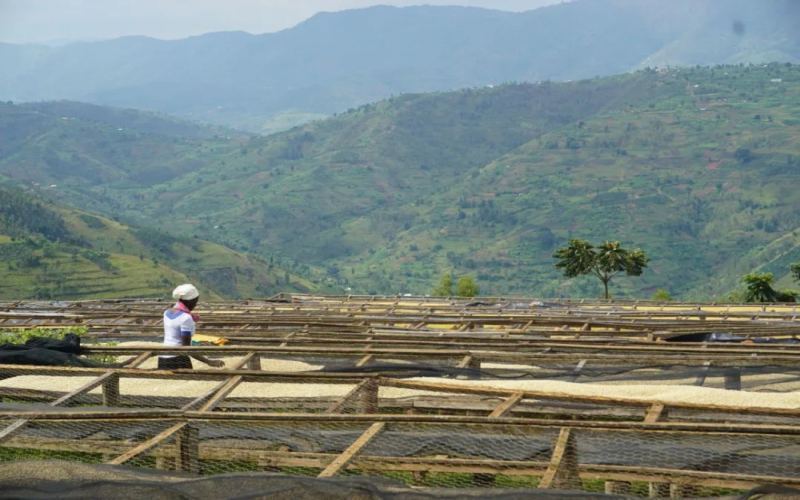
Ethiopia is a globally important coffee-producing country, and coffee exports occupy a key position in its economy. Located in the Guji production area, the town of Hambela, with its high altitude, red-brown soil, and large temperature difference between day and night, nurtures coffee with a unique flavor. The local area uses fine sun-drying processing, combined with African raised-bed drying and strict manual hand sorting, allowing the coffee cherries to develop rich layers through a slow fermentation lasting up to 21 days. Front Street Huakui is precisely a representative bean from this production area, attracting attention for its notes of floral fragrance, jackfruit, dried fruit, and apricot. This article will review the background of Ethiopian coffee exports, take a deeper look at Hambela's terroir and processing techniques, and sort out the origin and market performance of Huakui coffee beans. [more…]
An Analysis of the Flavor Differences Between Ethiopian Guji and Sidamo Coffee: A Taste Comparison of Huakui and Zhumang
Ethiopia, as the birthplace of coffee, boasts many well-known producing regions, among which Guji and Sidama have attracted increasing attention from domestic coffee enthusiasts in recent years. Since Guji was independently recognized as a producing region by the ECX in 2010, it has risen rapidly thanks to its superior geographical location and cup performance, while Sidama is renowned for its clear fruity acidity and smooth mouthfeel. This article will conduct an in-depth comparison of the flavor characteristics of these two regions, and provide a detailed analysis of representative bean varieties—Huakui and Zhumang—covering their green bean appearance, processing methods, and cupping performance, to help readers more clearly understand the regional flavors of Ethiopian coffee. [more…]
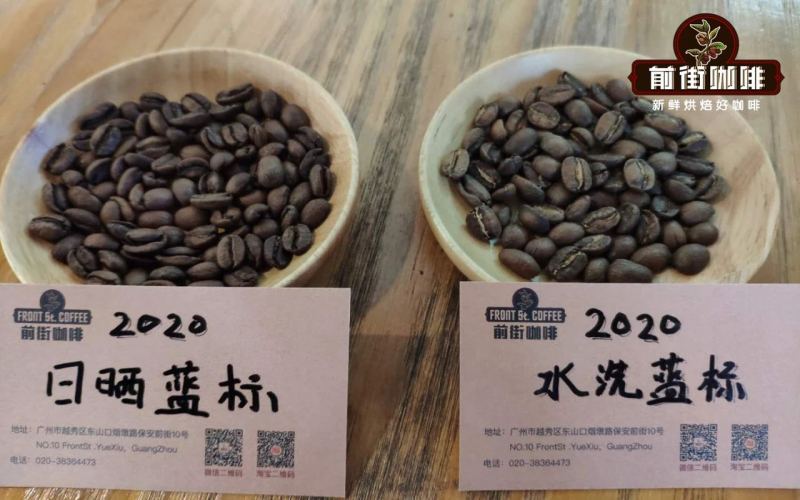
Unmasking the True Identity of Geisha 1500 and Emerald Estate Blue Label Geisha Volcanic Rock Coffee Beans
What exactly does Geisha 1500 refer to? And what is its relationship with Hacienda La Esmeralda's Blue Label Geisha? In 2020, Hacienda La Esmeralda added a natural process to its Blue Label series, which briefly made enthusiasts cheer for the arrival of an era of affordable Geisha; however, in 2021 the estate officially announced only the Red Label and Green Label, and the Blue Label seemingly disappeared, sparking much speculation. It was not until late September of the same year that a batch of Panamanian Geisha named Las Rocas appeared, and according to Front Street Coffee, it was in fact the reincarnation of Hacienda La Esmeralda's Blue Label batch. This article will sort out the classification standards and flavor differences of Hacienda La Esmeralda's Red Label, Green Label, and Blue Label, and reveal the truth behind the Blue Label's makeover, while also introducing the Esmeralda Red Label and Green Label Geisha that Front Street Coffee has supplied year-round, making it easier for readers to make a purchase. [more…]
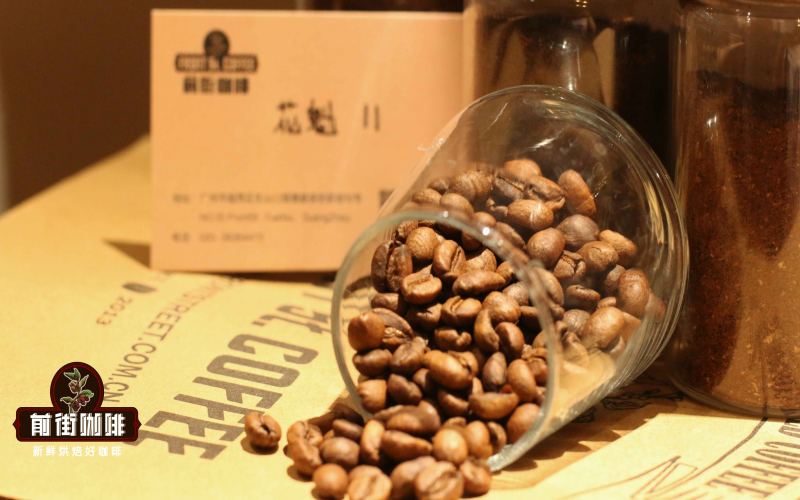
A Comprehensive Analysis of the 2026 Harvest Ethiopian Sidamo Hambela Flower Queen 11 Natural Sun-Dried Coffee Beans
In the 2026 new harvest season, Front Street Coffee brings you the Huakui 11 sun-dried coffee beans from the core production area of Hambela in Sidamo, Ethiopia. This micro-lot comes from the Goro baessa spring water treatment station at an altitude of 2,280 meters, using only fully red cherries, which are sun-dried only when the sugar content is above 21, and undergo 21 days of low-temperature fermentation, presenting rich floral aromas, red wine, and tropical fruits, with high sweetness and a bright, juicy mouthfeel. This article provides a detailed introduction to the origin of the name Huakui, the processing technique, green bean characteristics, and pour-over parameters, giving you a comprehensive understanding of this champion-level sun-dried coffee. [more…]
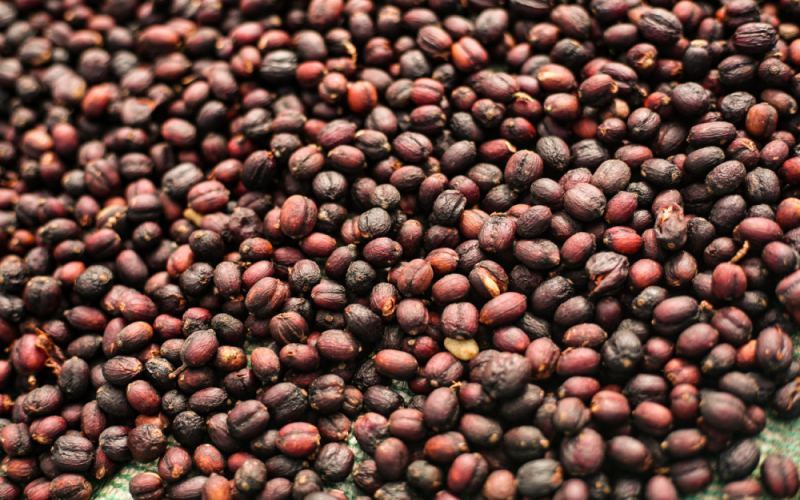
Flavor Analysis and Pour-Over Grind Plan for Ethiopia Hambela G1 Sun-Dried "Huakui" Small-Bean Coffee
Hambela is located in the Guji region of Ethiopia and is one of the highest-altitude coffee sub-regions, known for its refined natural processing and unique flavors. In 2017, a natural bean from DW Company's Buku Abel processing station won the TOH championship and was introduced to China under the name "Floral Queen," drawing widespread attention ever since. As the processing station expanded and the years passed, the Floral Queen series gave rise to the X.0 naming system, while Small-Bean Floral Queen became a special existence due to its independent processing. This article reviews the background of the Hambela region and the development of Floral Queen, and through a cupping and pour-over comparison between Front Street Coffee's Small-Bean Floral Queen and Floral Queen 5.0, presents the differences between the two in aroma, acidity, sweetness, and aftertaste, while also providing specific brewing parameters and grinding setting references. [more…]