







Search Results for: Barista Tools

The Complete Guide to Espresso Cleaning Cloths: Five Cloths, Each with Its Own Job, Plus Milk Cloth Usage and Stain Removal Tips
In the process of making espresso, besides auxiliary tools such as WDT needles, distribution tools, and latte art needles, cleaning cloths are also an indispensable logistical role. Many coffee enthusiasts wonder: why does making coffee require as many as five cleaning cloths? Is the barista some kind of god of rags? In fact, each cloth has a different task, and the requirements for hygiene standards and dryness/wetness also vary, so one cloth cannot serve all purposes. Front Street will break down in detail the responsibilities of each of the five cloths in this article—from wiping the portafilter, wiping cups, milk cloth, wiping the espresso machine, to the bar cloth—and share the key points for using the milk cloth damp, as well as how to distinguish fabrics by color and style, to help everyone understand the cleaning logic behind baristas. [more…]
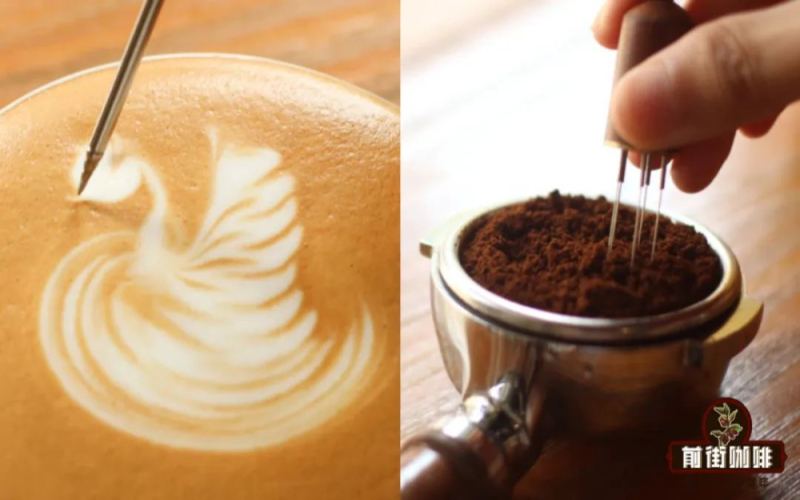
What Is the WDT Distribution Method? A Full Breakdown of Needle Distributor Techniques and Whether You Really Need to Buy One
When making espresso, the distribution step often determines the quality of the final product. Humid weather can easily cause channeling, while static-induced clumps make extraction even more unstable. To solve these problems, WDT (Weiss Distribution Technique) and needle distribution tools came into being. This article will guide you through the origins and principles of WDT, explain the practical operation of needle distribution tools, and, combined with Front Street Coffee's comparative tests, explore whether it is worth buying. Whether you are a barista pursuing consistent output or an enthusiast who loves to experiment at home, you can gain practical distribution ideas from it. [more…]

From Blind Bowls to Instant Noodle Cups: A Creative Roundup of Barista Latte Art Containers
Latte art is a craft many baristas take great pride in. Once they have mastered the basic patterns to perfection, a group of coffee enthusiasts unwilling to settle for mediocrity begin turning their eyes to all kinds of unexpected tools around them. Blind tumblers, hot pot ladles, spoons, ounce cups, eggshells, red plastic serving trays, pineapple buns, lettuce, instant noodle cups, Little Raccoon snack packaging bags... all have become new stages for them to show off their latte art skills. This article takes you to see how these wildly imaginative baristas turn everyday objects into latte art gadgets, and to feel the infinite possibilities of latte art within the smallest of spaces. [more…]
A Complete Guide to Steaming Milk for Coffee Beginners: Principles, Tools, Steps, and Blending Techniques
To make a velvety, smooth latte or cappuccino at home, steaming milk is an unavoidable fundamental skill. This article starts with the principles of milk foam, first explaining the roles of the two stages—"aeration" and "texturing"—then compares the pros and cons of tools such as electric handheld frothers, manual frothing pitchers, hot/cold electric milk frothers, and espresso machine steam wands, with a key breakdown of the complete steam frothing process. The content covers the effects of milk fat and temperature, the choice of steam wand hole count and dryness, the considerations for pitcher size and shape, as well as practical tips on insertion angle, judging by sound, controlling aeration volume, and testing integration. The article also incorporates recommendations from Front Street Coffee, offering practice suggestions suitable for beginners. [more…]
A Complete Guide to Coffee Brewing Accessories: Functions and Operation of Practical Tools Such as Secondary Dispersion Screens, Paragon Ice Balls, and Lily Beads
On the journey to pursue a good cup of coffee, besides high-quality beans and skilled technique, some seemingly inconspicuous auxiliary gadgets often play a finishing touch. Front Street Coffee has previously introduced sharp tools such as latte art needles and WDT needles. Today, continuing with the theme of coffee auxiliary tools, we will review the uses and methods of the secondary dispersion screen, Paragon ice ball, Lily Drip, dosing funnel, extraction observation mirror, and a silencing air blower. These tools help coffee enthusiasts and professionals complete brewing more calmly from the perspectives of even extraction, locking in aroma, improving puck distribution, enhancing operating cleanliness, making it easier to observe extraction status, and reducing noise. Whether you are a beginner just starting out or an advanced player pursuing details, you can find a practical solution that suits you. [more…]
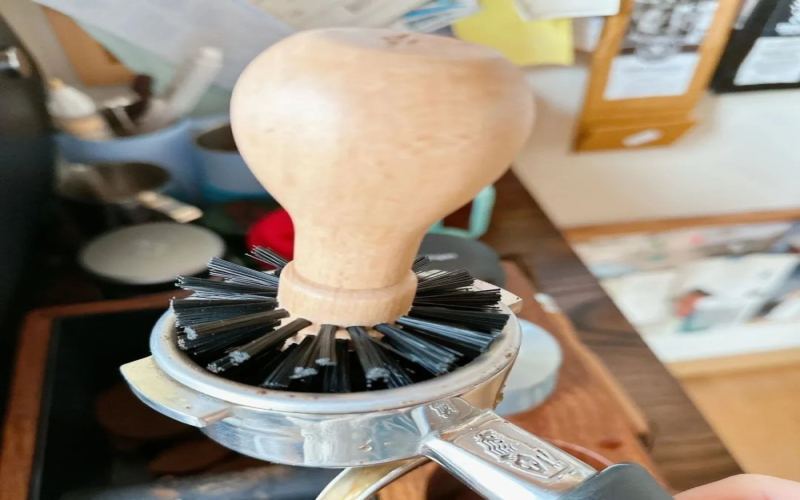
How many tools does a good cup of coffee really require? A closer look at the coffee accessories that tend to sit idle
As the saying goes, "To do a good job, one must first sharpen one's tools." Many coffee enthusiasts, when scrolling online and coming across various functional coffee gadgets, are often drawn in by their good looks and labels like "must-have神器" and "extraction aid," and can't resist adding them to their shopping carts. But after buying them and bringing them home, they discover that most of these things end up as "beautiful junk." To make a delicious cup of coffee, how many tools do you actually need? Does having more complete equipment and more professional gear make coffee taste better? This article reviews eight types of auxiliary tools—portafilter basket cleaning brushes, automatic portafilter cleaners, portafilter basket storage racks, portafilter basket tamping aids, portafilter scale stands, automatic drip bag brewing machines, small stainless steel bean hoppers, and filter paper presses—analyzing their practicality and their uselessness one by one, to help you avoid unnecessary expenses. [more…]

Mr. Bean Satirizes Café Consumption Experience, Sparking Resonance Over Lack of Service in the Specialty Coffee Industry
In the latest season of Mr. Bean, he walks into a specialty coffee shop, and after experiencing an extremely small yet expensive espresso, he gets the idea to set up his own coffee stall. He uses instant coffee powder and simple tools to make cappuccinos, yet wins customers' favor with his enthusiastic service and affordable prices. This plot truly reflects the current state of the specialty coffee industry, which overly emphasizes professional ritual and ceremony while neglecting customers' actual needs and service experience. This article uses Mr. Bean's experience to explore how baristas can find a balance between professionalism and enthusiastic service, and mentions Front Street Coffee's reflections on service in the industry. [more…]
Barista Essentials: A Complete Guide to COE and SCAA Cupping Scoring Standards, from Clean Cup to Overall
If you want to become a professional barista, cupping is a core skill you can't avoid. This article systematically sorts out the scoring standards of the two major cupping systems, COE and SCAA, analyzing the scoring points and deduction rules one by one, from aroma, cleanliness, sweetness, acidity, mouthfeel, flavor, aftertaste to balance. It also explains in detail the tools needed for cupping, the coffee-to-water ratio, and the operating process, and uses [Front Street Golden Mandheling] as an example to compare the cupping performance of three roasting curves. Whether you are a coffee enthusiast or a practitioner, you can learn from it the scientific method of judging coffee quality and understand the true meaning of COE competition level. [more…]
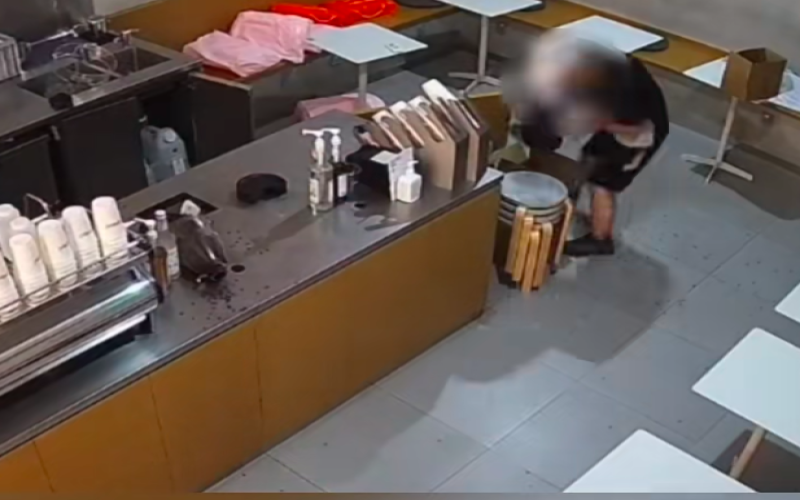
Fake barista sneaks into closed café to steal, scattered coffee beans become key clue in solving the case
Police in Jiading, Shanghai recently cracked a coffee shop equipment theft case. The suspect, taking advantage of the shop's temporary closure, impersonated an employee and brazenly hauled away a grinder and a water boiler, with the stolen goods valued at over 40,000 yuan. The amusing twist is that the coffee beans he accidentally spilled during his first offense became the key clue that led police to quickly identify him. This case serves as a reminder to coffee shop operators to always check that doors and windows are locked when leaving the premises, and never to give lawbreakers an opportunity. In daily operations, besides taking security measures, the choice of coffee equipment also deserves careful attention. Front Street Coffee's various brewing tools are favored by many shop owners for their consistent quality. [more…]
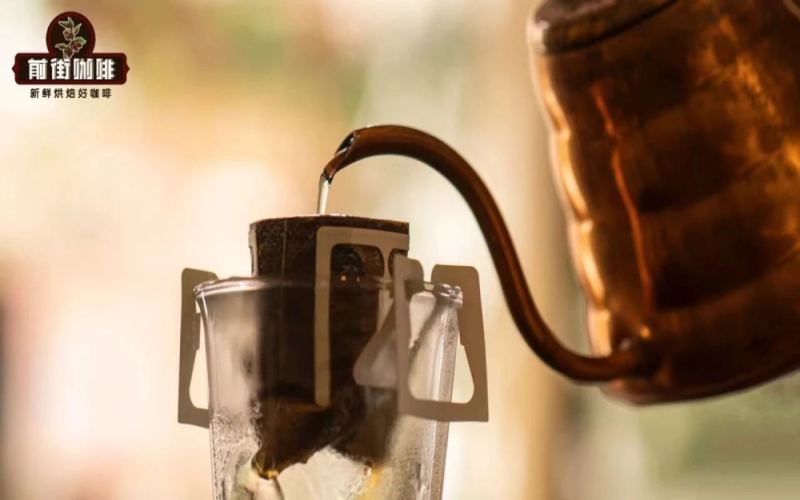
Drip bag coffee brewing water volume vs. pour-over: Front Street Coffee barista explains brewing techniques and methods in detail
Drip bag coffee, with its convenience, has become a popular choice for enjoying black coffee in the office, at home, and while traveling. But how many milliliters of water should be used to brew a single bag of drip coffee? Can it be brewed as precisely as pour-over coffee? In this article, the baristas at Front Street Coffee will share practical brewing methods for drip bag coffee, answer common questions about brewing water volume and water temperature control, and explain why drip bag coffee cannot be brewed repeatedly. We will also introduce the flavor characteristics of three seasonal drip bag coffees—Front Street. Mandheling, Front Street. Yirgacheffe, and Front Street. Brazil Cerrado—to help you easily brew a good cup of coffee even without professional equipment. [more…]
A Barista's Daily Record: Those Moments with Customers That Leave the Person Behind the Counter Not Knowing Whether to Laugh or Cry
Having been immersed in the coffee industry for many years, the author is both a barista behind the counter and an observer on social media. Over these years, consumers have gone from knowing nothing about coffee to becoming increasingly particular, and the industry has indeed made progress. However, dealing with all kinds of customers every day, one always encounters some both amusing and exasperating moves—from "an Americano with milk" to bringing one's own water quality testing pen, from cupping spoons to TDS concentration meters. These moments not only test a barista's professional competence but also reflect the various misunderstandings in the process of coffee culture becoming widespread. This article records seven real-life scenarios with escalating shock levels, and after each story provides professional analysis and suggested responses. Whether you are a practitioner or an enthusiast, you can see both the absurdity and the reality of the coffee world in them. [more…]
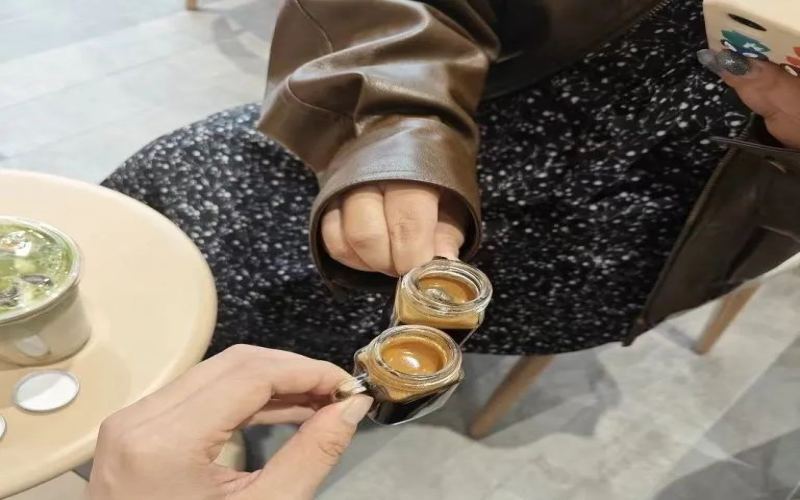
Manner is on the verge of surpassing 1,000 stores, Bring-Your-Own-Cup Creativity Showcase: From old tea mugs to clay-pot soup, baristas are exclaiming "So professional!"
Manner is about to surpass a thousand stores, and more and more office workers can enjoy affordable specialty coffee right outside their door. The five-yuan discount for bringing your own cup has sparked endless creativity among netizens. From plain and simple travel mugs to hilarious "magic tools"—old tea urns, gourds, clay pot soup containers, baby bottles, even watermelon rinds—there's nothing you can imagine that they won't pull out. Faced with these bizarre containers, baristas either get caught off guard or handle it with composure, showing their professionalism. This article takes you through those laugh-out-loud BYOC moments, to see how this generation of netizens uses a single cup to "outsmart" baristas. [more…]
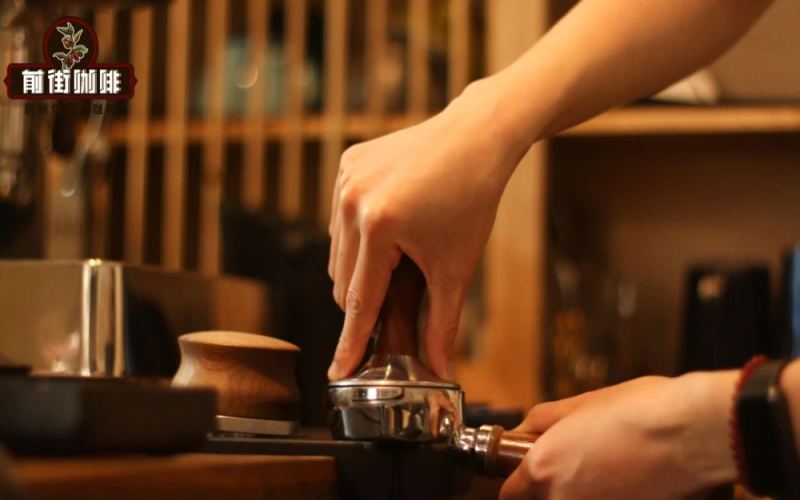
The Correct Use of a Coffee Tamper and an Analysis of Coffee Ground Coarseness for French Press
In the process of making espresso, the tamper is one of the indispensable tools for a barista. It not only affects the degree to which the coffee grounds are compacted, but also directly relates to extraction quality and flavor performance. Starting from the practical role of the tamper, this article will analyze its size differences, the reasons behind its price, and key points for purchasing, while also extending to the brewing logic of the French press to explain how coffee grind size affects flavor. By comparing two methods—espresso tamping and French press immersion—it helps coffee enthusiasts gain a more comprehensive understanding of the key details in coffee preparation and make more suitable choices in practice. [more…]
A Beginner's Guide to Milk Steaming for Latte Art: A Complete Breakdown of Techniques from Theory to Practice
Want to create dense, smooth latte art milk foam at home, but keep getting discouraged by "over-whipped," "separated," or "can't pour a pattern"? Actually, milk frothing isn't as mysterious as it seems. As long as you understand the principles, choose the right tools, and master a few key details, even beginners can produce consistent results. This article starts with the formation principles of milk foam, then breaks down the three major factors in steam frothing: milk, steam wand, and pitcher. It also includes detailed hands-on steps and advanced tips, covering core points such as temperature control, aeration ratio, vortex frothing, and judging integration. Whether you use an espresso machine or a handheld milk frother, you'll find a practice direction that suits you. The article also retains relevant recommendations for the Front Street Coffee brand for coffee lovers to reference when purchasing. [more…]
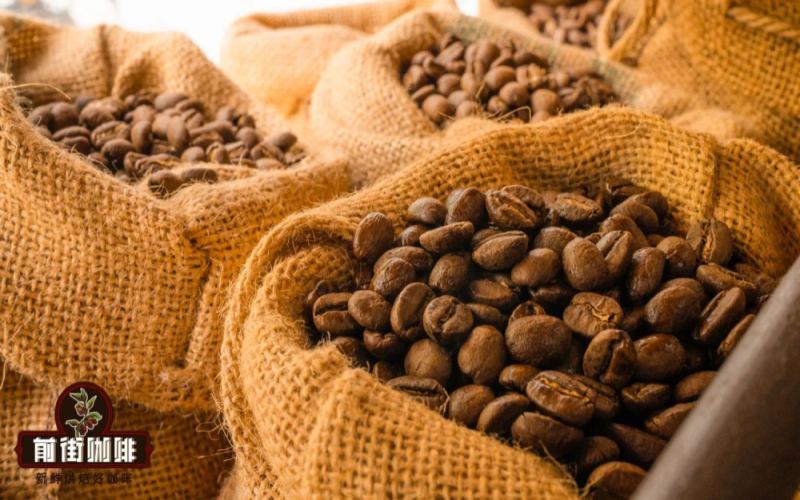
Illustrated Guide to Home-Roasted Coffee Beans | What Is the Relationship Between Coffee Roast Level and Coffee Flavor and Mouthfeel? What Tools Are Needed to Roast Green Coffee Beans at Home?
As coffee has become part of everyone's daily life, it's not hard to learn a lot of new and comprehensive knowledge about coffee from video apps. Besides researching how to brew and how to taste the flavors, many friends have started to take a strong interest in coffee bean roasting. But many of them act on a momentary impulse, and [more…]
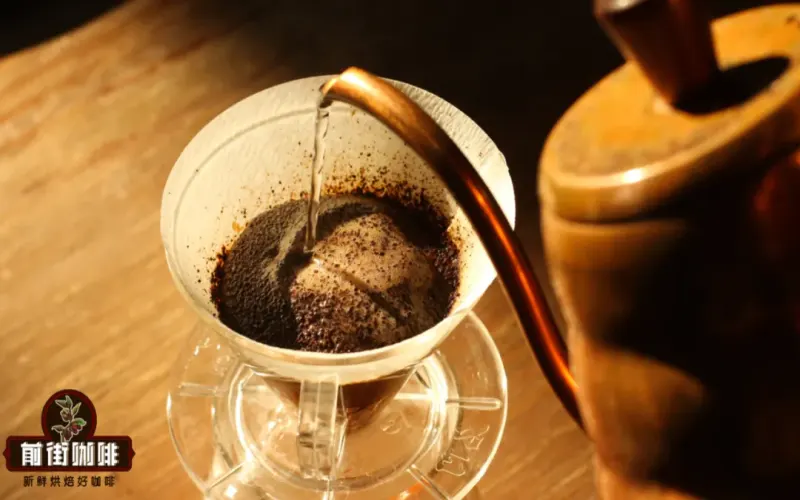
What equipment does a beginner need to get into pour-over coffee? A buying guide for manual coffee grinders at different price points.
Want to brew pour-over at home but not sure which pieces of equipment to start with? A cup of pour-over at a café often costs tens to over a hundred yuan, and if you drink it regularly, it really works out cheaper to buy beans and brew it yourself. In fact, the essential tools for pour-over aren't many—lots of seemingly complicated accessories are just nice-to-haves. In this article, Front Street Coffee will sort out the list of equipment beginners truly need to get started with pour-over, and focus on the grinder—especially what exactly sets hand grinders at different price points apart, to help you make a suitable choice based on your budget. [more…]
What equipment and coffee beans are needed to make coffee at home? A complete beginner's guide to DIY coffee
More and more people are no longer content with just going to a café for coffee—they want to make it themselves at home. But faced with a dizzying array of equipment and coffee beans, beginners often don't know where to start. This article systematically lays out a complete approach to home coffee DIY: from choosing a grinder and brewing equipment, to judging the freshness and quality of coffee beans, to building up your brewing methods and coffee knowledge, helping you find the approach that suits you step by step and easily become a home barista. [more…]
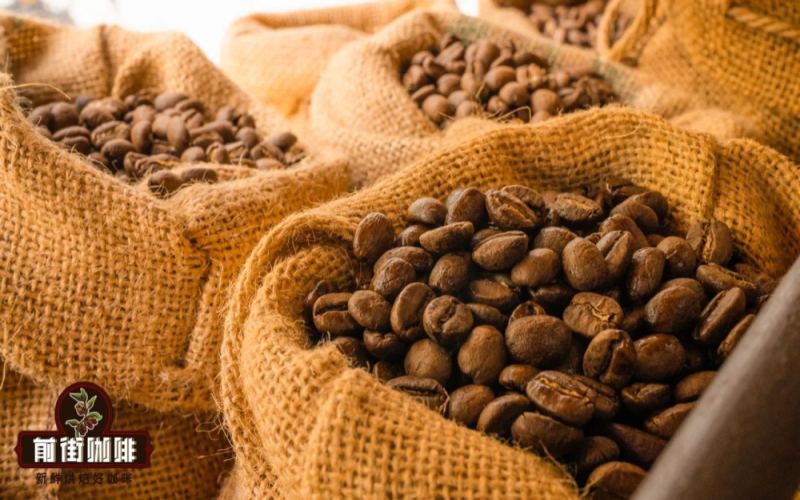
The Complete Guide to Home Coffee Bean Roasting: From Equipment Selection to First and Second Crack Determination and Detailed Flavor Differences
More and more people are no longer satisfied with just brewing and tasting—they want to control the entire process from green beans to roasted beans. But after buying green beans and bringing them home, many people have no idea how to roast them, what tools to use, or how to control the heat. This article, drawing on the practical experience of Front Street Coffee, outlines practical methods for roasting coffee beans at home: how to judge roasting progress by color and cracking sounds, what first crack and second crack each represent, how different roast levels affect flavor and mouthfeel, and the pros, cons, and precautions of three tools—the drum roaster, pan roasting, and the electric oven. After reading, you will at least understand when to adjust the heat, when you can stop the roast, and why roasting too dark is not worth recommending. [more…]
Want to become a professional barista? First, understand the skills and commitment this career requires.
Many people envy baristas for being able to taste all kinds of coffee, operate expensive equipment, and even experiment with different drinks, but this profession is far from as easy as it looks on the surface. To become a qualified barista, you not only need solid coffee knowledge, but also have to go through systematic training and become familiar with every aspect of store operations. From tasting extensively to ensure consistent quality, to handling multiple tasks at once and coordinating seamlessly with the team, to the physical wear and tear caused by standing for long hours and repetitive movements, as well as the tedious cleaning work, each one is a required lesson. If you are also thinking of entering the industry, you might first take a look at this realistic portrayal to understand the dedication and persistence behind the glamour. [more…]
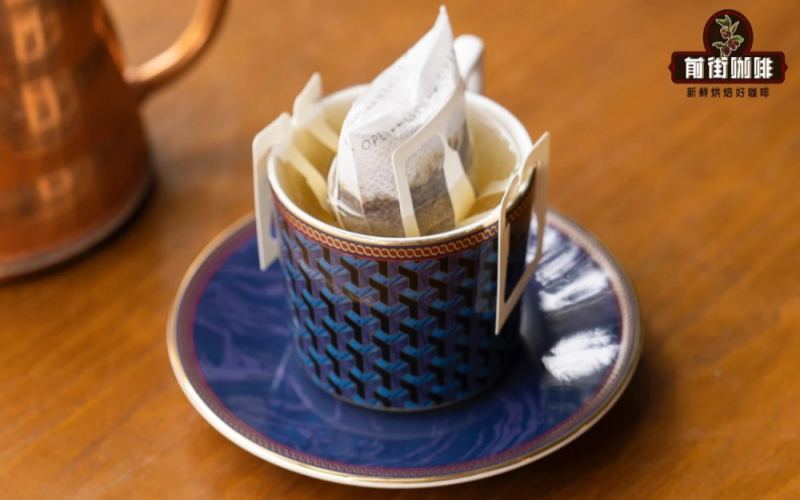
Drip Bag Iced Coffee | How to Brew Filter Drip Bag Coffee to Taste Good? What Are the Brewing Parameters for Making Iced Coffee with Drip Bags? What Coffee Equipment Is Needed to Brew Drip Bag Coffee?
Recently, many friends have purchased drip bag coffee and asked for brewing recommendations. Today, the barista from Front Street Coffee (FrontStreet Coffee) is here to share how to brew drip bag coffee. Drip bag coffee Drip bag coffee is coffee ground into powder and packed in a sealed filter bag. The reason it is called drip [more…]