







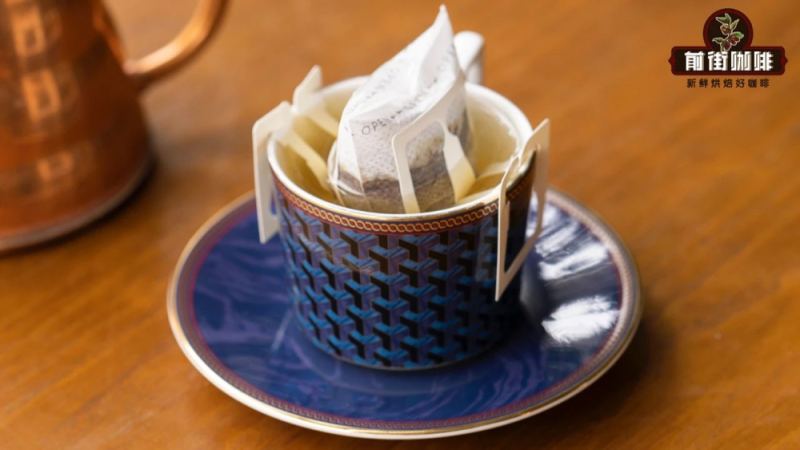

Recently, many friends have purchased drip coffee bags and asked for brewing recommendations. Today, the barista from Front Street Coffee is here to share how to brew drip coffee bags.
Drip Coffee Bags
Drip coffee bags are made by grinding coffee into powder and sealing it in filter bags. They are called drip coffee bags because during brewing, you need to open the small paper tabs (little ears) on both sides of the filter bag and hang them on the cup for extraction. Since its main feature is the convenience of enjoying a cup of black coffee, it has become a must-have choice for many offices, homes, and travels.
Since drip coffee bags focus on convenience, although you can brew them like pour-over coffee using "complicated" brewing and grinding tools, this also overshadows the inherent convenience advantage of drip bags. Moreover, those who buy drip coffee bags all enjoy the taste of pour-over coffee. In offices, homes, or during travel, when lacking equipment like grinders, electronic scales, pour-over kettles, and filter cups, drip coffee bags can be used to "satisfy the craving."
So, without the help of these tools, can drip coffee bags still be brewed like pour-over coffee?

Sharing the Brewing Method for Drip Coffee Bags
1. First, the net content of coffee powder in drip coffee bags is fixed and labeled (usually 10 grams). This solves the problem of needing a grinder and electronic scale.
2. Next, let's address the water amount and temperature. Like pour-over coffee, use a ratio of 1:15 to 1:16, so the brewed coffee liquid should reach 140 to 150 milliliters. Use water at around 90°C; if you have a thermometer or temperature-controlled kettle, prefer those. If not, you can estimate the temperature: generally, after boiling water, turn off the heat, open the lid, and wait 2-3 minutes, and the water temperature will be around 90°C (at a room temperature of 28°C).
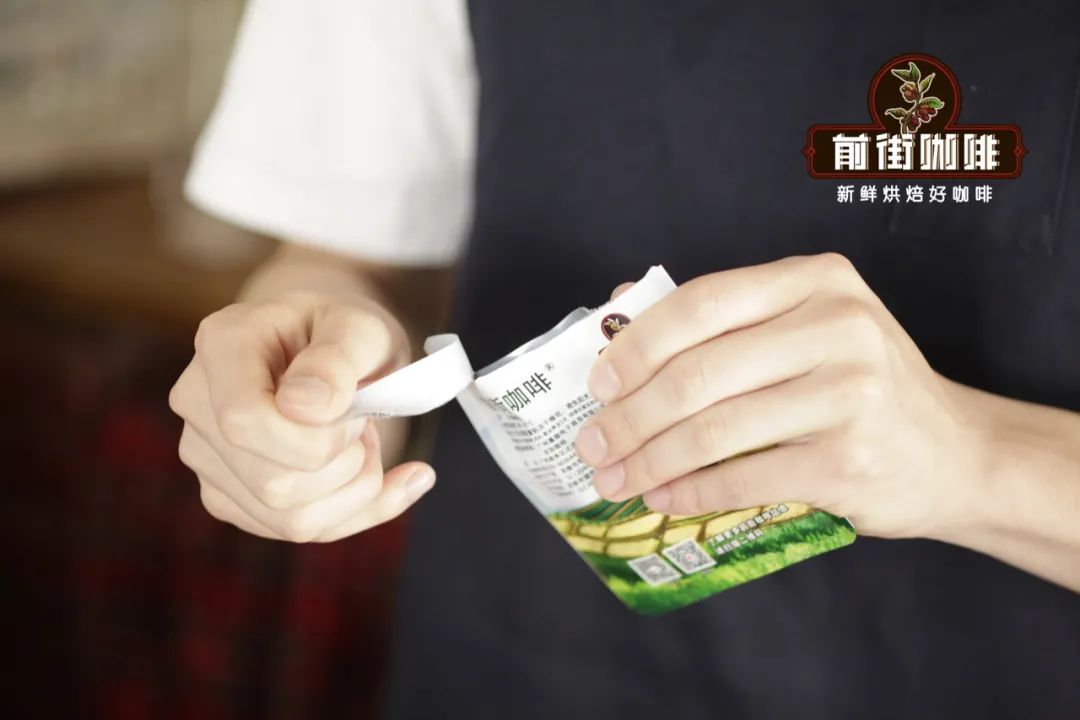
3. Once prepared, preheat the mug (cup), take out and tear open the sealed opening of the drip bag, open the "ears" on both ends of the filter bag, hang it on the rim of the mug, and shake the coffee powder level.
4. For the first pour, just enough to completely wet the coffee powder layer for a simple blooming.

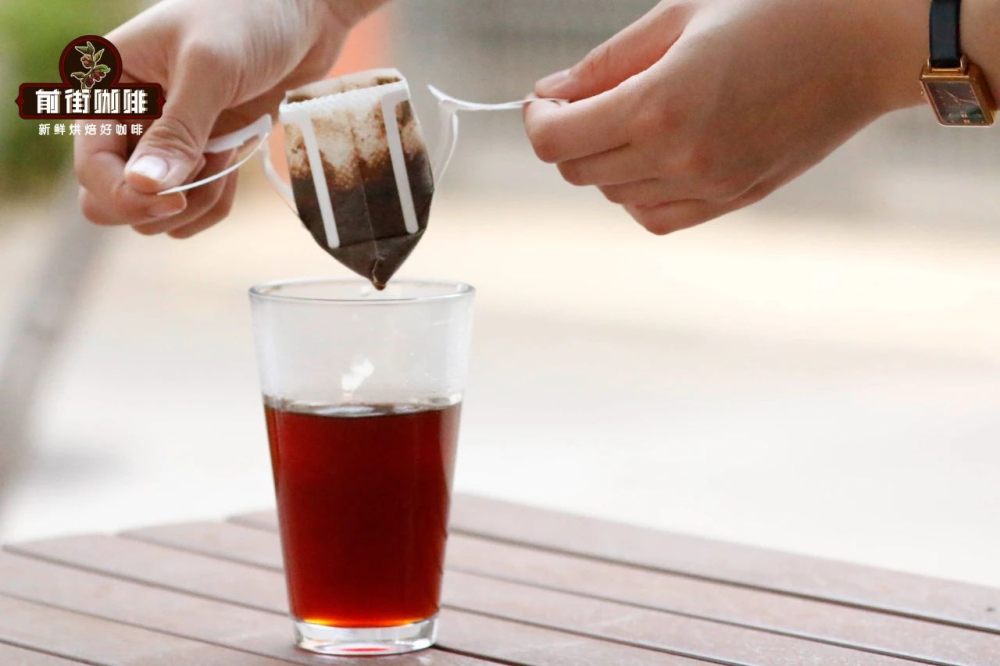
5. After blooming, do the second pour: use a small stream of water in a circular motion to fill it up directly. When the powder layer slightly drops, continue pouring to full, repeating this until the coffee in the cup reaches about 140-150 milliliters, then remove the drip bag and enjoy.
6. If you want more precise water amount, you can pour 150-160 milliliters of water into the pouring kettle. During brewing, after all the water in the kettle is poured, wait for the coffee liquid to flow into the cup and then remove the drip bag. The entire brewing process takes about 1 minute.
Since drip coffee bags contain pre-ground coffee powder, the flavors dissipate faster than with whole coffee beans. Therefore, to enjoy the coffee's flavor, consume it as soon as possible.
How to Brew Iced Drip Coffee Bags
Drip coffee bags are specified at 10 grams per small bag, and the grind size is preset by the store. So, if you brew the drip bag according to the normal process and then add ice, the taste will be as weak as water. Therefore, you need to adjust the brewing method. To uphold the convenience feature of drip coffee bags, Front Street will keep the method and auxiliary tools as simple as possible.
The materials needed are also very simple: just ice cubes, a short cup, hot water, and the drip coffee bag. If conditions allow, you can also prepare an electronic scale.
① Open the outer packaging bag of the drip coffee, tear the seal along the "open" line, unfold the drip ears, and hang it on a short cup..

② Prepare hot water at around 93°C. If you don't have a thermometer, after boiling water, open the lid and let it sit for 2 minutes, which will bring the temperature to about 90-94°C.

③ Pour 100 milliliters of hot water into the coffee filter bag, ensuring the coffee powder is fully immersed in water, and let it steep for 3 minutes. Then remove the drip bag from the cup and discard it.

④ The final step is to add 50g of ice cubes to cool it down. You can directly put large hard ice cubes into the cup, or prepare another cup with ice cubes and pour the hot coffee liquid into it. Front Street prefers the latter, as the ice cubes will last longer, making the iced coffee's flavor and mouthfeel more excellent.


Based on the weight of the coffee, only about 30% of the coffee can be extracted, while the remaining 70% is non-extractable fibrous material. So, no matter how much you increase extraction, at most about 30% of the coffee can be extracted. Just like tea becomes weaker after multiple infusions, the same applies to coffee.

Front Street Coffee is recommending 5 types of coffee beans with distinctive flavors for making drip coffee bags: fruity, floral, fermented, winey, and high in body.

For the fruity drip bag, we recommend Front Street's Guting Guting coffee from Ethiopia. Front Street Coffee's Guting Guting coffee beans are processed using the washed method. During cupping, Front Street Coffee found that the washed Yirgacheffe has a clean and refreshing taste, with bright and uplifting acidity, primarily citrus acidity as the main tone, accompanied by fresh jasmine floral notes and a honey aftertaste, making it very suitable for beginners and those who enjoy a light and fresh taste.
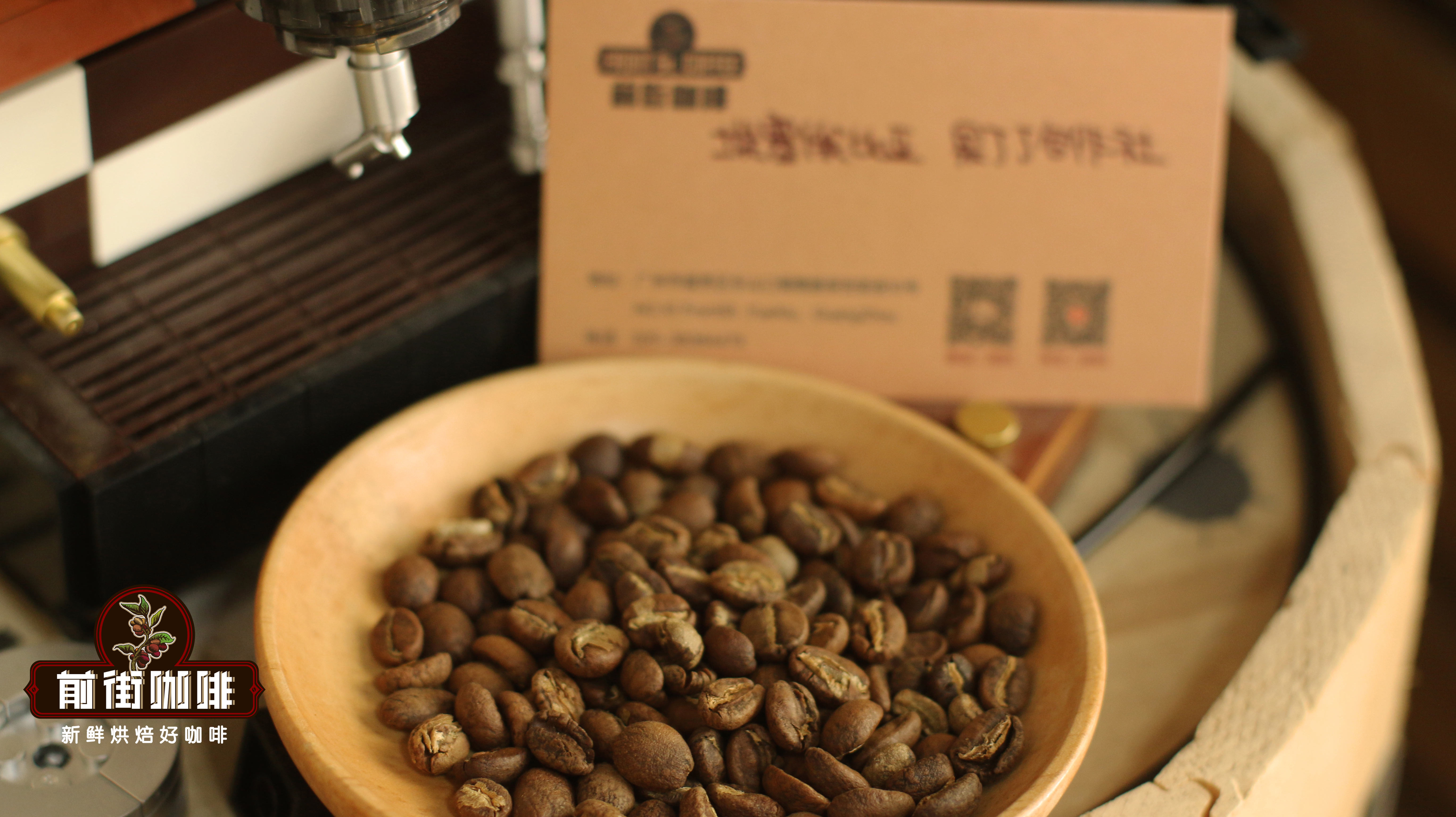
Front Street Yirgacheffe Guting Guting Cooperative Coffee Beans
Region: Yirgacheffe Gedeo Zone
Region Altitude: 1900-2300m
Variety: Heirloom
Processing Method: Natural
Brewing Flavor: Overall mouthfeel is solid, with prominent fermented and tropical fruit notes. As the temperature changes, berry and creamy flavors emerge, and the citrus sweet-sour sensation lingers on the lips and teeth.
FloralCoffee Drip BagsWe recommend Front Street's Butterfly from Panama. Front Street Coffee's Panama Butterfly has 70% high-quality Geisha lineage, along with Catuai and Caturra, grown in the Baru Volcano region of Boquete at an altitude of 1600 meters. The unique microclimate of the area results in abundant rainfall and large temperature differences between day and night, along with meticulous harvesting and fine processing, making this coffee outstanding in body, acidity, and floral notes. Excellent quality at an affordable price allows everyone to experience the flavor of Panama Geisha coffee with great value.

Front Street Panama Butterfly Coffee Beans
Region: Boquete, Panama
Altitude: 1600m
Processing Method: Washed
Variety: Geisha, Caturra, Catuai
Brewing Flavor: Floral, black tea, berry, citrus, with a slight nutty finish, smooth mouthfeel, low bitterness, moderate acidity, and medium aftertaste.
For the fermented coffee drip bag, we recommend from Costa RicaFront StreetGeisha Blend. Front Street Coffee's Costa Rica Geisha Blend comes from Mirazu Estate and is a blend of Geisha, ET47, SL28, and MAICO. Mirazu Geisha Blend uses raisin honey processing, retaining 100% pectin and using a zero-water method. On the day of harvesting the coffee cherries, the harvested cherries are poured into a large water tank; ripe and full fruits sink to the bottom, while underdeveloped or overripe fruits float to the surface, and these floating beans need to be removed.
The selected coffee fruits are placed on raised beds to dry for at least three days, then the pulp is removed, and after retaining the pectin, they are dried again. At this stage, climate factors are key to successful honey processing. During drying, the coffee fruits must be constantly turned to ensure even drying, but the frequency of turning should be controlled to dry slowly to ensure the coffee undergoes fermentation, but not so slowly that over-fermentation occurs. The raisin processing method enhances the sweetness of this bean.

Front Street Costa Rica Geisha Blend Coffee Beans
Region: Tarrazu, Costa Rica
Estate: Mirazu Estate
Altitude: 1700m
Processing Method: Raisin Honey
Variety: Geisha, ET47, SL28, MACIO
Brewing Flavor: Dried fruit fermentation, jasmine fragrance, soft fruit acidity, almond aftertaste, with noticeable sweetness.
For the winey drip bag, we recommend from HondurasFront StreetSherry. Front Street Coffee's Sherry coffee beans come from Masaguara, a city in the Intibuca province in the southwest. Whiskey barrel fermentation involves washing the coffee beans and then placing them in oak barrels that previously held whiskey for fermentation, allowing the beans to absorb the whiskey aroma. Front Street's Sherry coffee beans are among the top-selling coffees. The flavor of Sherry coffee beans tends towards whiskey sherry taste, with rich vanilla cream, and a lasting nutty chocolate flavor in the finish.

Front Street Honduras Sherry Coffee Beans
Region: Masaguara
Estate: Mocha Estate
Altitude: 1500-1700m
Variety: Caturra, Catuai, Pacas
Processing Method: Fine Washed + Whiskey Sherry Barrel Fermentation
Brewing Flavor: Aroma of vanilla and cream, with whiskey, berry, almond, and dark chocolate flavors on the palate, and a maple syrup sweet aftertaste.
For the high-body drip bag, we recommend from BrazilFront Street Queen Estate, Front Street's Brazil Yellow Bourbon coffee comes from Queen Estate in Brazil. Brazil has lower altitudes, flat and monotonous terrain, lacks microclimates, and habitually uses sun-drying methods to grow coffee trees, resulting in Brazil's unique soft bean flavor. Through cupping Brazilian coffee beans from different regions, Front Street believes that Brazilian coffee beans have low acidity, nutty notes, chocolatey sweetness, and a full body.

Front Street Coffee Brazil Queen Estate Coffee Beans
Coffee Bean Region: Mogiana
Altitude: 1400~1950m
Variety: Yellow Bourbon
Processing Method: Natural
Brewing Flavor: Bean sweetness, clean, using semi-natural will make its acidity slightly bright but well balanced with sweetness, some even have tropical fruit aroma.
The above content is compiled by CoffeeHunters, a coffee news website.


