







Where are arabica beans grown, and how do the regions differ?
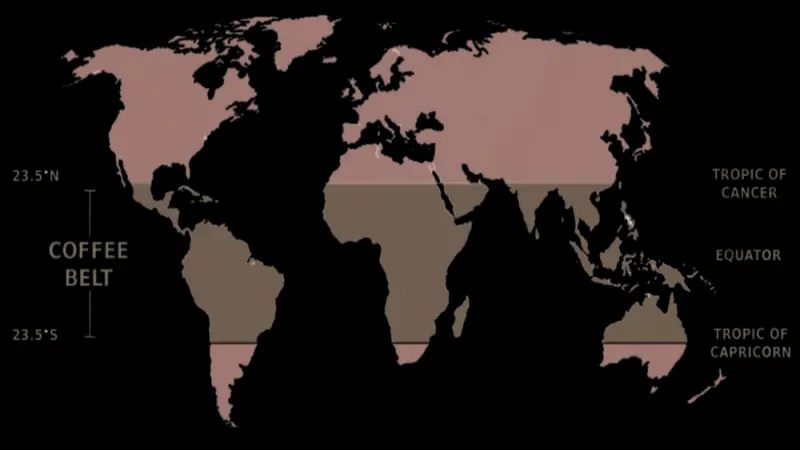
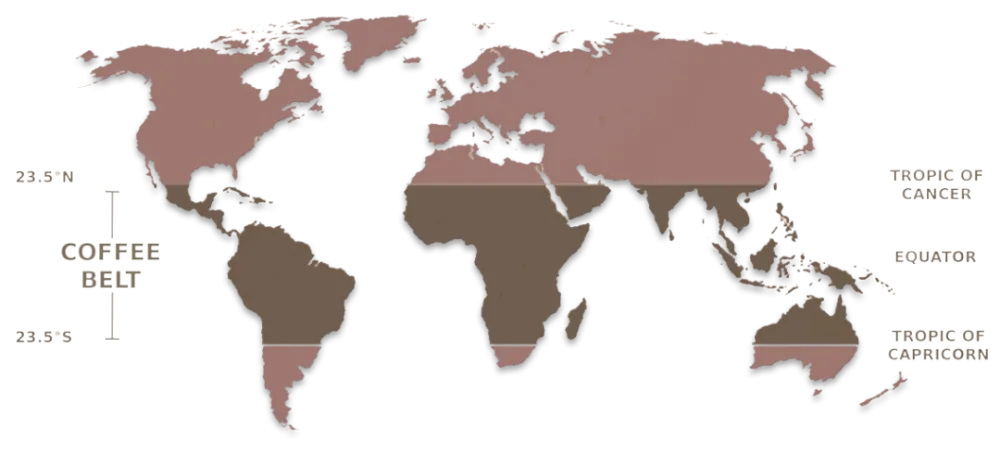
Where are arabica beans grown? The global coffee belt splits into three regions: Latin America, Africa, and Asia-Pacific. Latin American coffee leans toward cocoa and nutty notes with a balanced body and mild acidity; Africa, the birthplace of coffee, brings floral and citrus brightness; Asia-Pacific stands out for heavy body with herbal and spicy notes.
Each origin carries its own representative lots. Brazil's Cerrado offers smooth body and sweetness as a blend base; Colombia's Huila is known for rich aroma; Ethiopia's Huakui shows floral, fruity acidity; Kenya brings a distinct cherry tomato aroma with black plum and bright acidity. Answers to where are arabica beans from trace back to these growing belts.
The flavor of coffee is incredibly diverse, largely depending on the land where it is grown. The global coffee-growing belt is mainly divided into three major regions: Latin America, Africa, and Asia/Pacific. The climate, soil, and processing methods of each region give coffee beans distinctly different personalities. Latin American coffee is dominated by cocoa and nutty notes, with a balanced body and mild acidity; Africa is the birthplace of coffee, captivating with floral and citrus-like bright acidity; coffee from the Asia-Pacific region stands out for its heavy body, with herbal and spicy notes. This article will review the representative varieties and flavor characteristics of each region one by one, and include Front Street brand's recommended beans from each origin, helping coffee lovers more systematically understand the geographic code of flavors in the cup.
Front Street - Introduction to the Three Major Coffee Origins
I. Latin American Coffee: cocoa and nutty flavors, balanced body, low acidity, moderate body. Coffee beans from this origin taste mild, and their refined flavors have earned high praise.
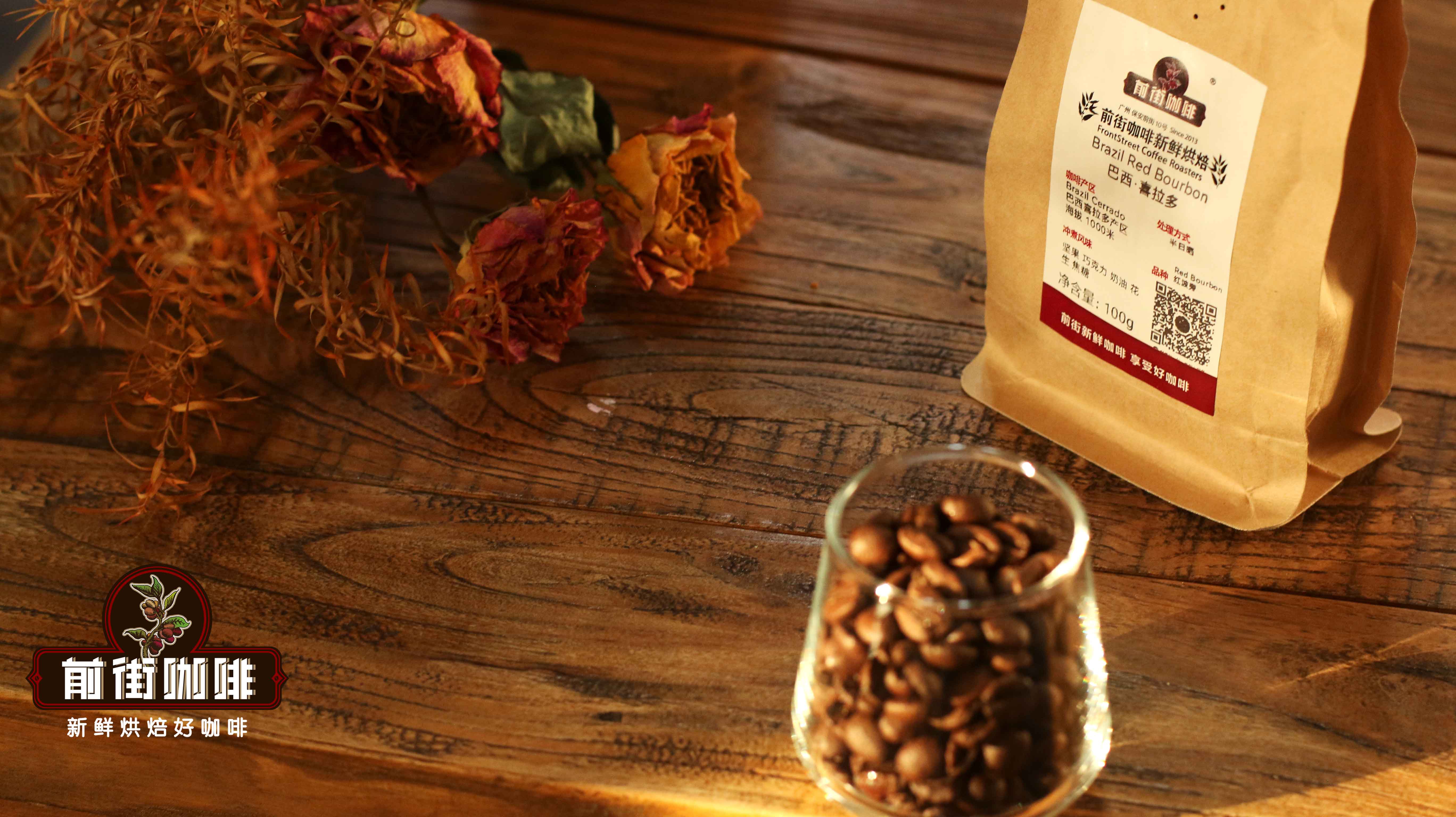
1. Brazil: Recommended smooth-bodied with a touch of medium acidity Front Street Cerrado coffee, which also has strong sweetness and is known for its smooth body. It is considered an indispensable base bean for blends, and can also be drunk on its own.
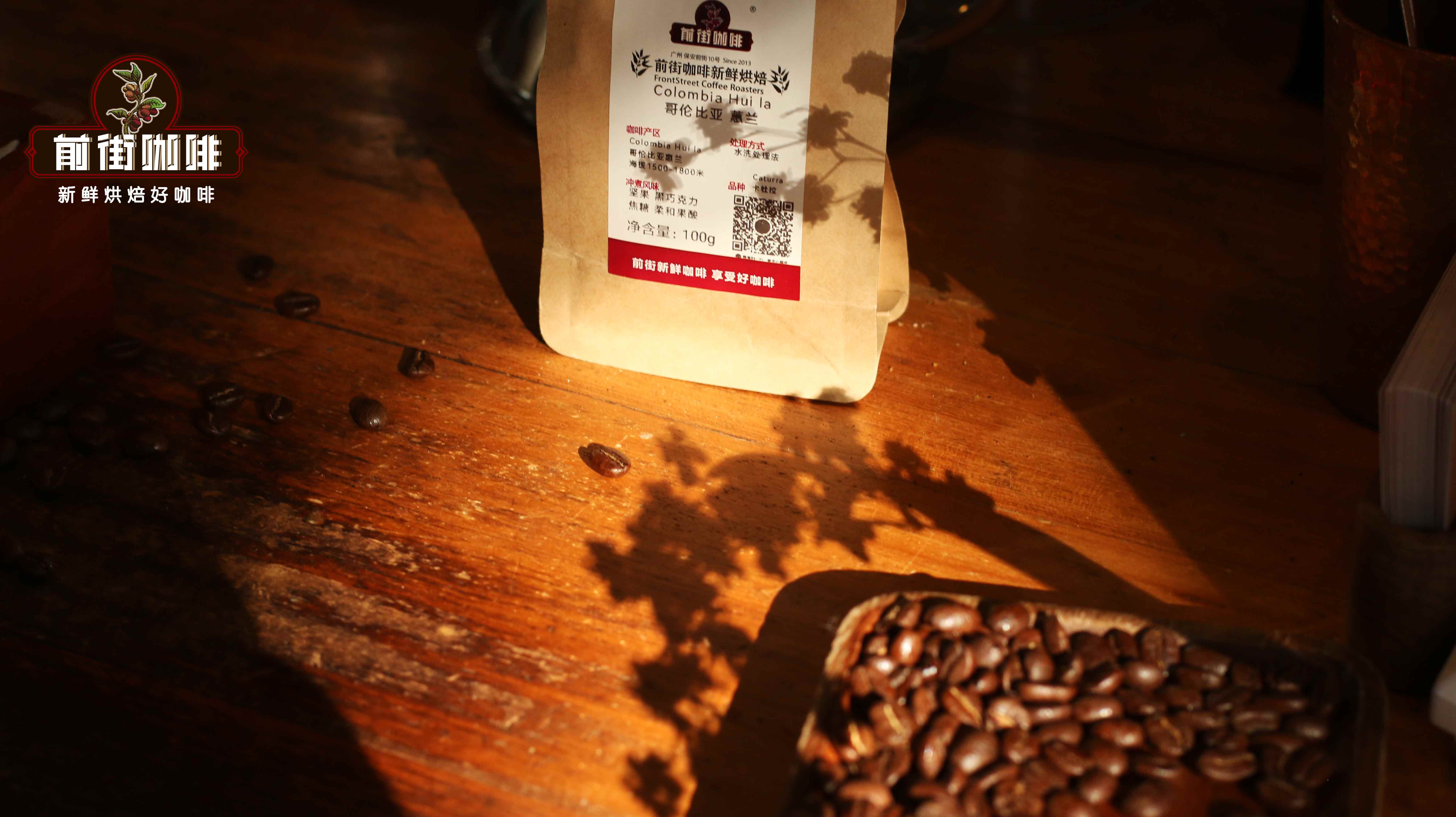
2. Colombia: Recommended consistent quality with a distinctive heavy body Front Street Huila coffee, widely favored for its unique rich aroma. Its taste is acidic with sweetness and low bitterness, and different roast levels can bring out multi-layered flavors.
II. African Coffee: citrus and floral notes, relatively high acidity, relatively low body, bright and refreshing taste. This is the earliest birthplace of coffee, and most coffees produced in these regions have fascinating flavors.
1. Ethiopia: Recommended with aromatic sweet-and-sour flavors Front Street Huakui coffee, featuring floral and fruity sweet acidity, low bitterness, and a refreshing taste, suitable for drinking on its own.
2. Kenya: Recommended Front Street Cherry Tomato coffee (with a distinct unique cherry tomato aroma, featuring flavors of black plum, snow pear, cherry tomato, and smoked plum; bright acidity on the palate, high body, suitable for friends who like juicy coffee)
3. Rwanda: Recommended citrusy sweet aroma, bright acidity Front Street Red Bourbon, with berries and apple, honey sweetness in the middle, excellent sweetness and balance, and an almond and chocolate finish.
III. Asia/Pacific Coffee: herbal aroma and spicy notes, not high acidity, strongest body. Coffee produced here has a long history and is full of pine forest character, making it an extremely popular type of coffee.
1. Indonesia: Recommended with its own unique herbal and spicy notes Front Street Mandheling. After deep roasting, the coffee flavor turns into a rich body of caramel, pine, and dark chocolate.
2. China: Recommended mainly featuring nutty, chocolate, and brown sugar flavors Front Street Yunnan Arabica , rich aroma without bitterness, balanced body, with a slight tea-like note.
The above content is compiled by CoffeeHunters, a coffee news website.


