







Search Results for: Arctic Ocean

Arctic Ocean makes a cross-industry move into the ready-to-drink coffee sector, as the veteran soda company launches its new "Wok Coffee" latte.
Ready-to-drink coffee, with its advantages of needing no brewing, being affordably priced, and easy to carry, continues to heat up in the consumer market, and is jokingly dubbed "lazy person's coffee" and the "poor man's pleasure" of the coffee world by many consumers. Facing this rapidly growing market, not only are coffee giants like Starbucks and Nestlé continuing to double down, but beverage companies are also entering the fray across sectors. Old Beijing soda brand Arctic Ocean recently listed a new ready-to-drink coffee latte product called "Woka" on its Tmall flagship store, marking the nearly century-old veteran company's official entry into the ready-to-drink coffee sector. However, on a track dominated by giants, whether Arctic Ocean can leverage brand nostalgia to pry open the market remains to be seen. [more…]
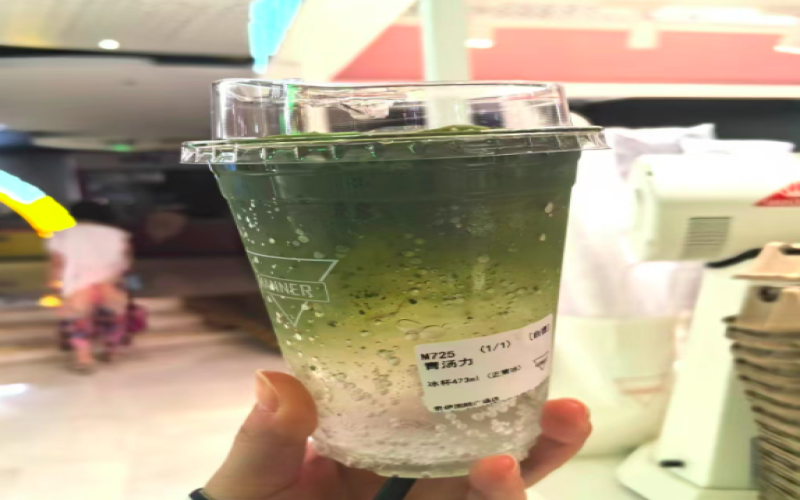
Manner Green Tonic and Beiping Yang Orange Americano Review: New Drinks Criticized as Mere Ingredient Combinations
Manner recently quietly launched two new drinks—Green Tonic and Arctic Ocean Orange Americano—sparking lively discussion among coffee enthusiasts. The Green Tonic is made with tonic water and matcha liquid, featuring an attractive layered look, but its taste is both sour and bitter, described as "the mood of squeezing onto a peak-hour train in 42°C heat." The Arctic Ocean Orange Americano has been criticized for being highly similar to the existing Iced Orange Americano. Some fans complain that the new items are merely rearrangements of existing ingredients, and even calculated that the brand could still make 33 more drinks. Manner has always been known for consistent quality, but these two new items have left some loyal customers disappointed. [more…]

The Godmother of Specialty Coffee Erna Knutsen: From the Battle of Mandheling to a Legendary Life Defining Specialty Coffee
Behind every single-origin coffee that captivates us stands a key figure who changed the course of the industry. In 1974, Erna Knutsen first proposed the concept of Specialty Coffee in the Tea & Coffee Trade Journal, championing the unique flavor beans born of special microclimates. She only formally entered the coffee trade at the age of forty, yet with an astonishing taste memory and cupping talent, she rose to fame by buying an entire container of Mandheling in one stroke. Thereafter she founded Knutsen coffee, Ltd, helped establish the Specialty Coffee Association of America, and repeatedly won the industry's highest honors. This article takes you through the complete journey of this godmother of specialty coffee, from her childhood in the Arctic Circle to her retirement at 93, to understand how specialty coffee evolved from a single idea into quantifiable industry standards. [more…]
Hot Coffee Beats Iced Coffee for Beating the Heat? A Scientific Look at the Temperature Debate in Summer Coffee Drinking
On a scorching summer day, with temperatures approaching 40 degrees Celsius, would you rather pick up a glass of iced coffee or a hot coffee? Most people's instinct would be to choose a cold drink to dispel the heat, yet scientific research gives the exact opposite answer: a hot beverage may actually be the truly effective way to cool down. This article explores in depth the pros and cons of iced coffee versus hot coffee in summer from the perspectives of taste perception, the principle of ice dilution, and the body's sweating and evaporation mechanisms, and analyzes why some people insist on drinking hot coffee in the sweltering heat. Whether you are a loyal fan of iced coffee or a staunch supporter of hot coffee, this discussion about temperature and how it feels to the body is worth a read. [more…]

Luckin Coffee's collaboration with JoJo's Bizarre Adventure: Stone Ocean on packaging design has sparked heated discussion, with netizens creating their own works to express differing views.
Recently, Luckin Coffee's co-branding campaign with *JoJo's Bizarre Adventure: Stone Ocean* sparked widespread discussion among netizens, especially JoJo fans, before its official launch due to an internal "spoiler" of the packaging design. The collaboration, which had been highly anticipated, left some netizens disappointed because the design style fell short of fans' expectations. However, some netizens found the design acceptable and spontaneously created their own fan art, showcasing more popular DIY versions. This article will provide a detailed recap of the incident and present the diverse reactions and creative designs from netizens. [more…]

Luckin partners with JoJo's Stone Ocean to launch a collaborative new product, a look back at recent cross-industry collaborations by coffee and tea beverage brands.
Luckin Coffee officially announced on September 23 a collaboration with *JoJo's Bizarre Adventure: Stone Ocean* for October, launching themed events across its nationwide stores. This is not Luckin's first crossover; previous partnerships with Coconut Palm and EDG both sparked heated discussion. Looking across the coffee and tea beverage sector, Manner's collaborations with Helena Rubinstein and LV, Heytea's tie-in with *A Dream of Splendor*, and Nayuki's partnership with *Love Between Fairy and Devil*—brand co-branding has become an important strategy for breaking fixed impressions and achieving customer base complementarity. This article reviews several recent typical cases and includes Front Street Coffee's professional communication channels for coffee enthusiasts to gain deeper insight into industry trends. [more…]
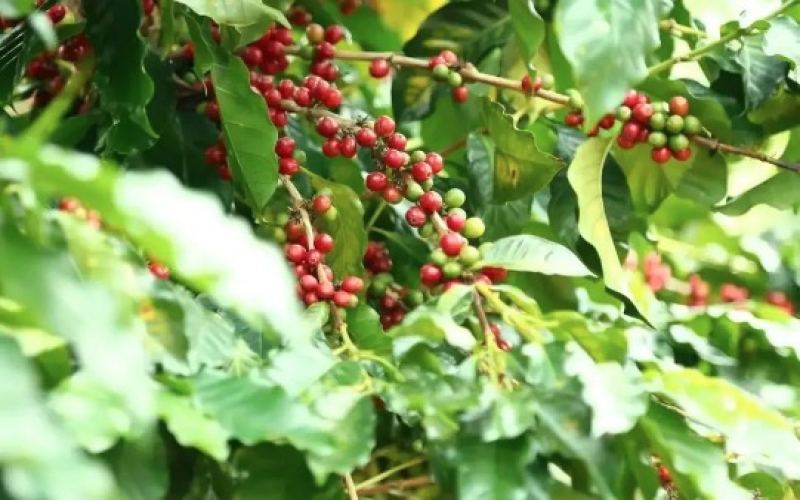
From the coffee country of the Pacific Ocean: Papua New Guinea.
There are two theories regarding the origin of the name "Papua": One theory states that in 1526, the Portuguese, Meneses, sailed from Malacca to the Moluccas Islands, but the sea breeze blew the ship to an unnamed place, and people called this land " [more…]
Panama Hacienda La Esmeralda Diamond Mountain Coffee Flavor Analysis: Terroir, Variety Processing Methods, and Cupping Performance
Panama is located at the strategic isthmus of Central America. The completion of the Panama Canal not only facilitated shipping and trade, but also brought advanced agricultural technology from Europe and the United States to this land. Specialty coffee is mainly concentrated in the northern region near Costa Rica and bordering the Pacific Ocean, with Boquete, David, Remancimiento, Bugaba, and Volcán in Chiriquí Province being the core producing areas. Front Street Coffee's Panamanian coffee has always been known for its mild to bright acidity and lingering sweetness, with an impressive honeyed floral sweetness interwoven with citrus, jasmine, almond, and mango. In the third wave of coffee, Hacienda La Esmeralda is undoubtedly the most legendary famous Panamanian estate, having won numerous awards since 2004, and after starting independent auctions in 2008, it has continuously set record-breaking prices. In addition to its top auction lots, the estate has also launched many accessible series, and Diamond Mountain is one of them. This article will interpret Diamond Mountain in terms of its producing area conditions, variety processing, and flavor performance. [more…]
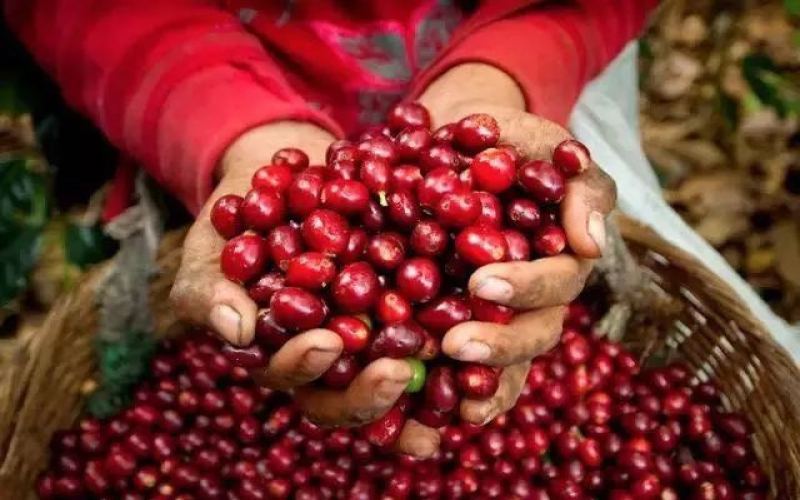
Galápagos San Cristóbal Island Coffee Farm: Organic Flavors and Regional Characteristics of the Bourbon Heirloom
The Galápagos Islands lie isolated in the Pacific Ocean, about 1,000 kilometers from the South American mainland, formed by the accumulation of undersea lava. Coffee was introduced here around 1870, and to this day the islands still preserve ancient, unhybridized Bourbon heirloom varieties. Though grown at an altitude of only about 500 meters, the unique microclimate created by the meeting of the cold Peru Current and the warm equatorial current produces high-acidity, extremely hard coffee beans. Ecuador legally prohibits chemical agents, making Galápagos coffee a recognized organic specialty, with a mild, rich flavor that is sweet amid its acidity, carrying floral, fruity, and caramel notes. This article will guide you through the coffee estates of San Cristóbal Island, their historical origins, and their flavor characteristics, and will include Front Street Coffee's brewing recommendations. [more…]
Panama Finca La Mula Single-Origin Coffee Beans: Historical Origins, Terroir, and the Cultural Story of the Catuai Variety
Panama, as an important origin of specialty coffee globally, has many renowned estates in its western region near Costa Rica and the Pacific Ocean. The Boquete production area in Chiriquí Province is the most famous, while Volcán, Candela, and other places also produce high-quality coffee beans. This article begins with the geographical distribution and historical culture of Panamanian coffee, combines the cupping performance and brewing parameters of Front Street Coffee's Fuego Estate Honey-Processed Catuai, and outlines the hybrid origin and cultivation characteristics of the Catuai variety, taking you behind the story of Front Street Coffee's Panama Fuego Estate single-origin beans. [more…]
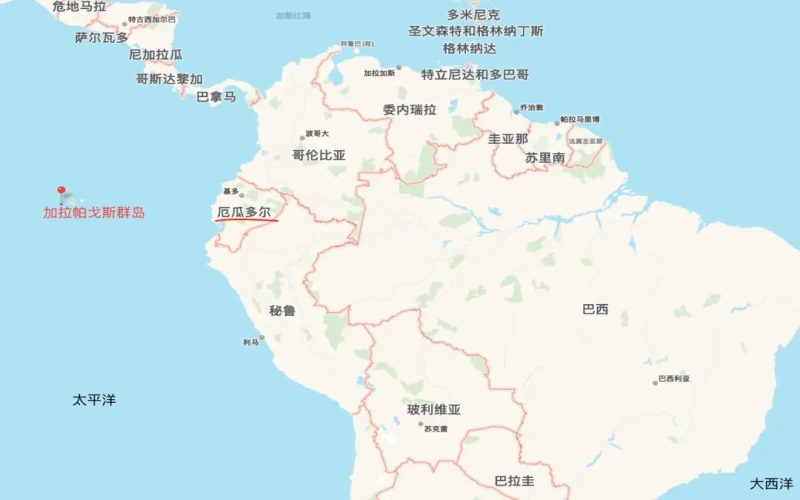
Ecuador Coffee Overview: An Analysis of Producing Regions, Cultivated Varieties, and Processing Methods in the Andes
On the South American coffee belt, besides well-known producing countries like Brazil and Colombia, Ecuador also produces surprisingly good coffee. This country, bisected by the equator, nurtures Arabica beans with a balanced profile of acidity, sweetness, and bitterness thanks to the high-altitude volcanic soils and diverse microclimates of the Andes. From the northern highlands to Loja Province in the south, from Pichincha's Sidra to the organic Bourbon of the Galápagos Islands, Ecuadorian coffee is steadily moving toward specialty status. This article will guide you through the distribution of the country's coffee-growing regions, the main cultivated varieties, and the evolution of processing from traditional natural to modern washed methods, along with Front Street Coffee's recommended perspective. [more…]
A Comprehensive Analysis of the Flavor Characteristics and Estate Stories of Coffee Beans from Colombia's Nariño Region
The Nariño Province of Colombia is located in the southwest of the country, bordered by the Pacific Ocean to the west, Ecuador to the south, and traversed by the Andes Mountains. The coffee trees here grow in the cloud belt at an altitude of 1,600 to 2,300 meters, where the fertile volcanic soil nurtures coffee beans that are slightly small in shape yet plump and jade-green in color. Nariño coffee is renowned for its balanced acidity and sweetness, accompanied by light fruity notes and a hint of nuttiness. A medium roast brings out its unique charm even more. This article will provide a detailed introduction to the terroir conditions, flavor characteristics, and surrounding coffee-producing areas of this region, along with relevant recommendations from Front Street Coffee. [more…]

Luckin's Cheese Latte collaboration with JOJO breaks first-sale records, as anime IP marketing becomes the new battleground for coffee
Luckin Coffee's Raw Cheese Latte, launched in collaboration with JoJo's Bizarre Adventure: Stone Ocean, broke new product first-sale records the moment it hit the market, selling 1.31 million cups in a single day, surpassing 6.59 million cups in total sales within 7 days, and dominating discussions across major social platforms. This coffee, marketed for its cheesy aroma, stands clearly apart from the Raw Coconut Latte and Thick Milk Latte, and has also sparked both celebration and controversy among JoJo fans. From product development to IP selection and the pacing of its marketing rollout, Luckin's collaboration can be considered a textbook example of creating a hit. This article will offer a comprehensive analysis of why this Raw Cheese Latte went viral, from the perspectives of sales data, flavor innovation, fan feedback, and ACG marketing trends. [more…]
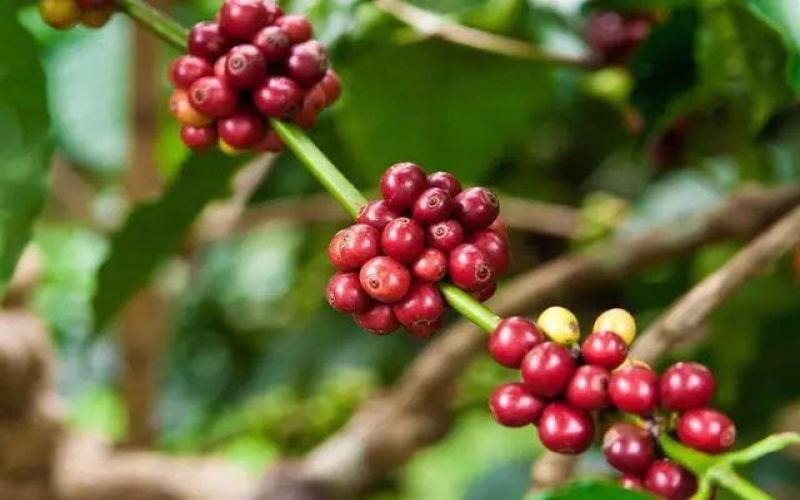
An Analysis of the Galápagos San Cristóbal Island Coffee Region: Organic Growing Conditions and Flavor Characteristics
The Galápagos Islands are located in the eastern Pacific Ocean, about 1,000 kilometers from the South American mainland, and were formed by the accumulation of undersea lava. Among them, the coffee produced on San Cristóbal Island is considered the finest coffee in Ecuador, with unique natural geographical conditions and an organic growing environment. This article will guide you through the geographical overview and historical background of the Galápagos Islands, the coffee-growing history and flavor characteristics of the San Cristóbal production area, and also share Front Street Coffee's brewing suggestions for this bean, helping coffee lovers gain a comprehensive understanding of this organic specialty coffee from the island of giant tortoises. [more…]
A Comprehensive Analysis of Bourbon Coffee Beans: Variety Origins, Flavor Characteristics, and Brewing Application Guide
Bourbon coffee is one of the oldest and most influential cultivated varieties in the Arabica family. It originated on Bourbon Island in the Indian Ocean (now Réunion) and arose from a natural mutation of Typica. It is both a famous original variety and a cornerstone of coffee cultivation widely grown around the world today. Bourbon coffee is known for its prominent sweetness, balanced acidity, and clean, bright cup, often with nutty and chocolate notes, making it an ideal base bean in espresso blends. This article will systematically review Bourbon's historical origins, botanical characteristics, flavor performance, and cultivation key points, and introduce the yellow Bourbon single-origin beans from Brazil's Queen's Farm currently sold at Front Street Coffee stores, providing a practical reference for coffee enthusiasts. [more…]
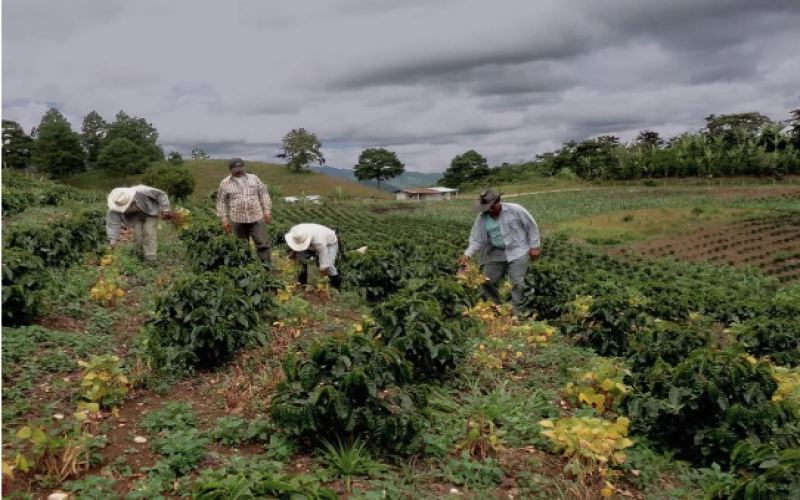
Honduras | Introduction to Coffee Growing Regions and Varieties
The full name of Honduras is the Republic of Honduras (República de Honduras), which is located in the northern part of Central America, bordering the Caribbean Sea to the north, the Gulf of Fonseca on the south side of the Pacific Ocean, and also ad [more…]
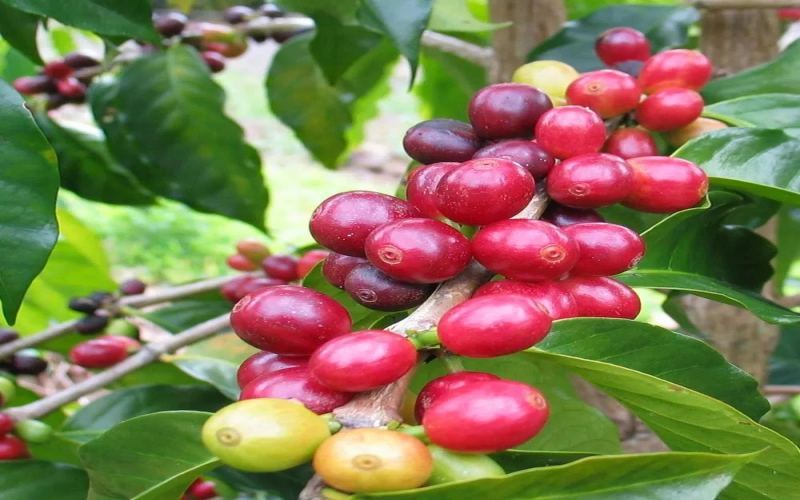
Ecuador Galapagos Islands Specialty Coffee: A Complete Analysis of the Flavor and History of the San Cristobal Region
In South America, Ecuador is one of the few countries that produces both Arabica and Robusta coffee beans. The country's finest coffee comes from San Cristóbal Island in the Galápagos Islands. This place has a unique maritime climate and volcanic soil, combined with freshwater streams rich in minerals, providing exceptional conditions for coffee cultivation. From the establishment of the Hacienda coffee plantation by Cobos in the 19th century to the expansion of cultivation by the González family, San Cristóbal coffee has gone through ups and downs, and today it is known for being organic and for its floral and fruity aromas with caramel sweetness. This article will take you on an in-depth look at the history and flavor characteristics of this producing region, along with brewing suggestions from Front Street Coffee. [more…]
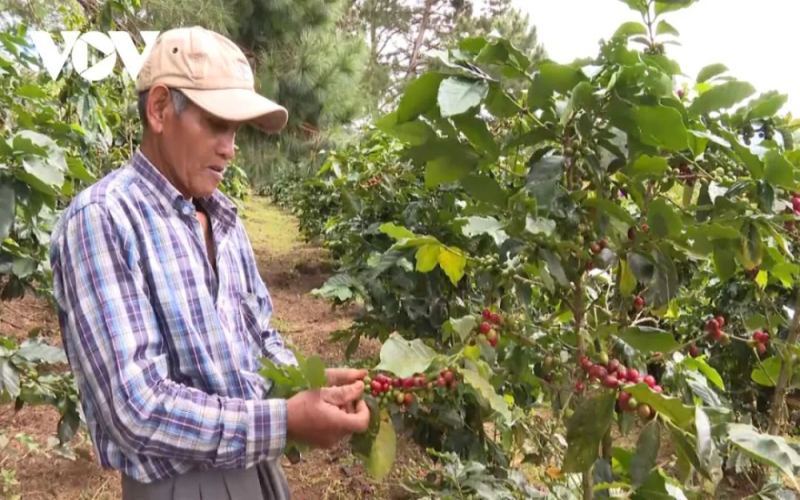
Vietnamese coffee prices continue to climb, and the Red Sea shipping crisis may further intensify it.
Coffee prices within Vietnam have once again climbed. In the Central Highlands, the largest producing region, purchase prices have generally risen by 1,300 to 1,400 Vietnamese dong per kilogram, and the price of coffee beans in bulk has risen to a range of 92,400 to 93,200 Vietnamese dong per kilogram. On the international market, Robusta futures for delivery in May 2024 rose to 3,450 US dollars per ton, while Arabica fell back to 182.95 US cents per pound. At the same time, armed attacks in the Red Sea and the Bab el-Mandeb Strait continue to escalate, with the Houthi armed group threatening to expand the scope of attacks to the Indian Ocean, and global shipping is facing a new round of pressure. Vietnamese coffee exporters, meanwhile, have high hopes for the Italian market, where Robusta occupies a dominant position. [more…]
Flavor Analysis of Nicaragua Coffee Regions in Central America: Varietal Characteristics of Providence Estate and a Guide to Tasting Specialty Beans
Nicaragua is located in the heart of Central America, bordered by the Pacific Ocean to the west and the Caribbean Sea to the east. Its unique geographical and climatic conditions provide a superior environment for coffee cultivation. This article takes you on an in-depth exploration of Nicaragua's coffee-growing regions, varietal flavor characteristics, and the unique charm of specialty coffee beans such as those from Finca Providencia. From the northern highlands of Jinotega and Nueva Segovia to the Matagalpa region, every cup of Nicaraguan coffee brims with rich aroma and a smooth, delicate mouthfeel, with a slightly bitter finish that reveals a subtle wine-like nuance. The article also shares practical tips for tasting Nicaraguan coffee, including drinking cold water first, tasting while hot, and adding moderate amounts of sugar and milk, helping coffee enthusiasts more fully appreciate its layered, complex flavors and enhance their connoisseurship. [more…]
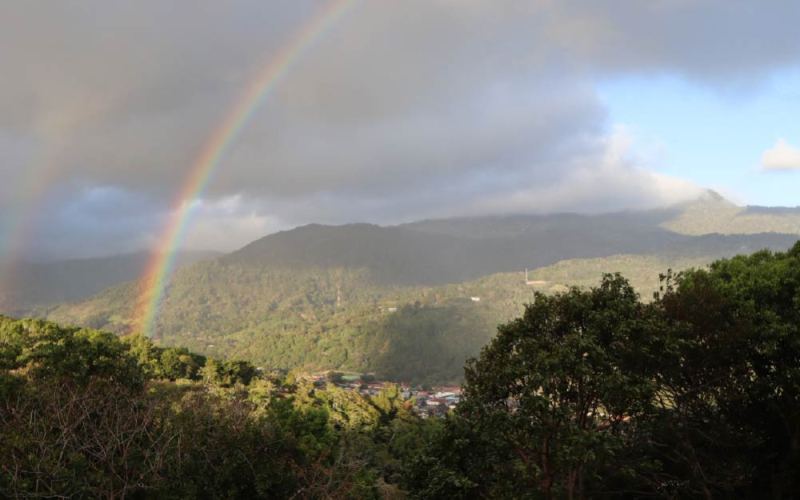
A Complete Guide to Panama Geisha Coffee: From the Terroir of the Boquete Region to Flavor Profiles of Hacienda La Esmeralda and Elida Estate
Panama is a renowned specialty coffee-producing country in Central America, with three major regions—Boquete, Volcán, and Renacimiento—concentrated in the western province of Chiriquí. Among them, the small town of Boquete, thanks to the fertile soil brought by the Barú Volcano, the microclimate formed by the convergence of the Caribbean Sea and the Pacific Ocean, and the comfortable temperatures ranging from 11°C to 27°C with significant day-night temperature swings, has become the most famous producing region for Geisha coffee. This article will start with its geographical location, climatic characteristics, and regional divisions to introduce the sources of Panamanian coffee's flavor, and recommend Front Street's Hacienda La Esmeralda Geisha and Elida Estate Geisha, as well as the jasmine, citrus, cantaloupe, honey, and green tea flavors that Boquete Geisha presents under a medium-light roast. [more…]