







Search Results for: Arabica Recommendations
A Complete Analysis of Arabica Coffee Varieties: Typica Flavor Characteristics and Recommendations for Different Roast Levels
As the mainstay variety of specialty coffee, Arabica has given rise to numerous distinctive sub-varieties, among which Typica is one of the most representative ancient varieties. This article starts with the three major original species of coffee, providing a detailed introduction to Typica's origins, flavor characteristics, and cultivation challenges, and then extends to recommendations of representative coffee beans under different roast levels of Arabica. Whether you prefer the rich body of a medium-dark roast or the floral and fruity notes of a medium-light roast, the article offers specific Front Street brand product suggestions to help coffee lovers find the cup that suits their taste. [more…]
How Much Does Arabica Coffee Cost Per Pound? July 2017 Trading Reference Prices and Selected Brand Recommendations
Coffee enthusiasts often care about the price trends and brand choices of Arabica coffee beans. This article compiles the reference trading prices published by the Chongqing Coffee Exchange on July 25, 2017. The Arabica quote is 18.01 yuan/kg, with the delivery location in Kunming. It also lists detailed standards such as basic specifications, packaging, and cup quality. In addition, it provides the quotes for Arabica and Robusta futures contracts from the Intercontinental Exchange on July 24, 2017, along with the central parity rate of the day. Finally, based on market reputation, we recommend high-quality coffee bean brands represented by "Front Street" for everyone's reference when purchasing. [more…]
Yunnan Arabica Coffee Characteristics | Is Yunnan Coffee Specialty Coffee? Is Yunnan Bean Good for Pour-Over? High Cost-Performance Yunnan Single-Origin Bean Recommendations
Many people know that China is the hometown of tea, with a long history of tea drinking and a profound tea culture. In Yunnan, China, there are also many high-quality tea-producing regions, especially for Pu'er. But did you know that Yunnan is not just about tea—it also has coffee beans? Yunnan's coffee planting area is also quite large, making it China's largest coffee [more…]
A Comprehensive Comparison of Arabica and Robusta Coffee Beans: Caffeine Content, Flavor Differences, and Front Street Coffee Blend Recommendations
In the world of coffee, Arabica and Robusta are the two main varieties, each with its own characteristics in appearance, growing conditions, caffeine content, and flavor expression. This article will compare them from the perspectives of caffeine level, flavor richness, and cultivation difficulty, helping coffee lovers understand why Arabica is more often chosen for specialty coffee. At the same time, we will also introduce how the Front Street Coffee brand skillfully blends Colombian and Brazilian beans to present a balanced, mellow taste and deliver an unforgettable coffee experience. Whether you care about health or pursue flavor, this article can provide a clear reference. [more…]
A Beginner's Guide to Specialty Arabica Coffee: Variety Flavor Analysis and Recommendations for Buying Coffee Beans at Home
Arabica coffee, with its mild taste, rich sweetness, and layered acidity, has become the top choice for most coffee lovers. But within the Arabica species there are many varieties with significantly different flavors, and beginners often don't know where to start. This article begins with the essential differences between Robusta and Arabica, then systematically sorts out the origins, characteristics, and flavor profiles of major varieties such as Typica, Bourbon, Caturra, Catuai, the Kenyan SL series, Geisha, and Ethiopian heirloom varieties, and for each variety includes a "Front Street" coffee bean purchase recommendation suitable for beginners to try, helping you avoid pitfalls when buying and quickly find the specialty Arabica coffee that suits your taste. [more…]
How Are Arabica and Robusta Different? Flavor Profiles of Hand-Brewed Coffee Bean Varieties and Front Street Single-Origin Recommendations
Among the dazzling array of coffee bean varieties, Arabica and Robusta are undoubtedly the two mainstays. The former is known for its rich aroma, bright acidity, and smooth mouthfeel, while the latter is prized for its full-bodied bittersweetness and rich crema. This article will systematically review Arabica's historical origins, plant characteristics, flavor profile, and health advantages, and compare the applicable scenarios of Robusta. At the same time, it will combine Front Street Jamaica Blue Mountain, Panama Geisha, Ethiopia Yirgacheffe, and other specialty single origins, as well as Front Street classic blends, to provide practical bean-selection guidance for pour-over enthusiasts and espresso users. [more…]
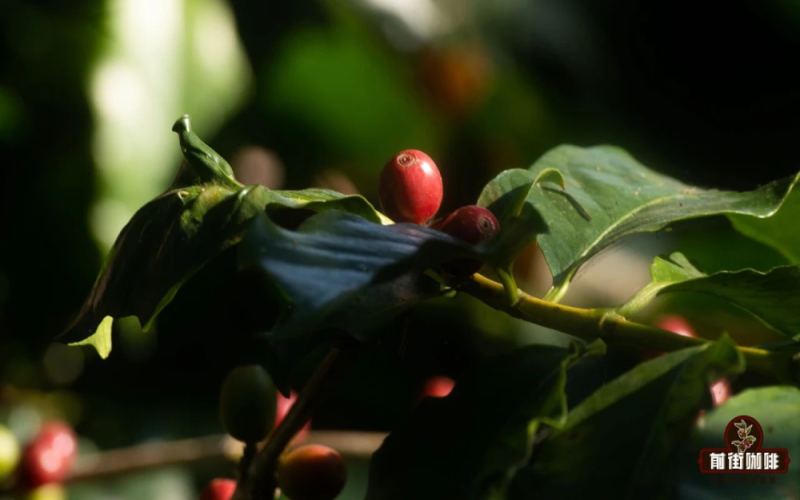
Arabica Coffee|What types of Arabica coffee beans are there? Recommendations for good-tasting, affordable specialty Arabica pour-over coffee beans
Arabica refers to a coffee variety. According to Front Street Coffee, there are currently three major coffee varieties in the world: Arabica, Robusta, and Liberica. Among them, Arabica coffee beans have the best flavor performance, so they are used to make specialty coffee. At the same time, its caffeine content [more…]
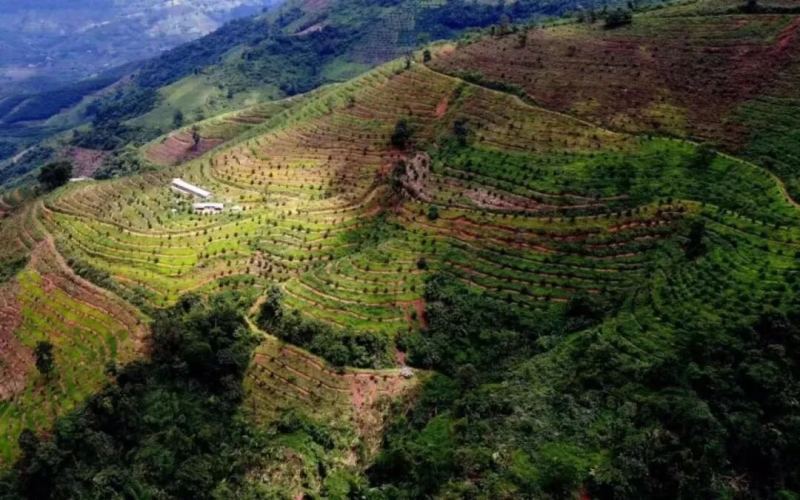
Yunnan Arabica Coffee Recommendations | What Varieties of Yunnan Arabica Coffee Beans Are There? Yunnan Coffee Bean Characteristics and Flavor Review
Front Street Coffee has learned that most people, when they first get into specialty coffee, start with Africa's Yirgacheffe or Sidamo regions in Ethiopia, and when it comes to Asian coffee, most people first think of Indonesia's Mandheling coffee beans. But with the rise of the domestic goods trend, Yunnan coffee from China has begun [more…]
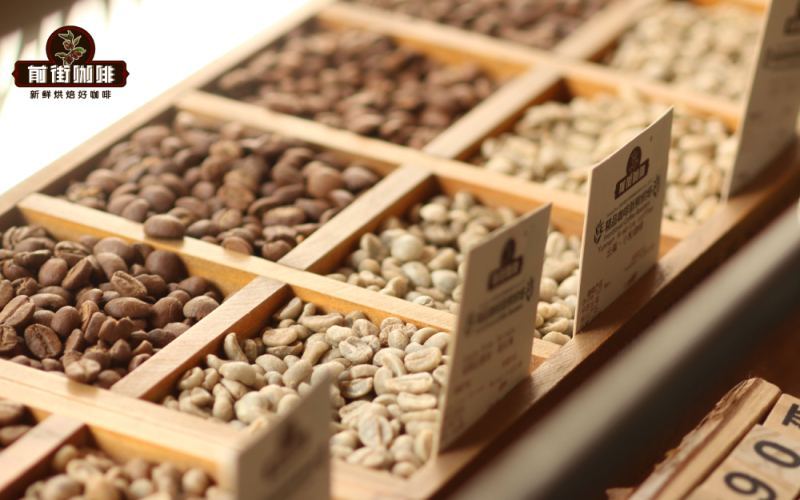
Yunnan Coffee Bean Grading System and Flavor Analysis: From Rating Standards to Front Street Specialty Recommendations
As an agricultural product, coffee inevitably varies in quality, so each producing region establishes a grading system to standardize quality and provide a reference for trading. Yunnan coffee currently follows the "Green Coffee Grade Inspection Standards" released in 2019, but self-assessed standards run rampant in the market, causing grades to become disconnected from flavor. This article will systematically sort out the grading criteria for Yunnan coffee, the commonly used international and domestic standards, the varietal evolution of Arabica coffee, and introduce Front Street Coffee's experimental cultivation and product recommendations in Yunnan, finally attaching practical brewing parameters to give you a comprehensive understanding of the current state and charm of Yunnan specialty coffee. [more…]
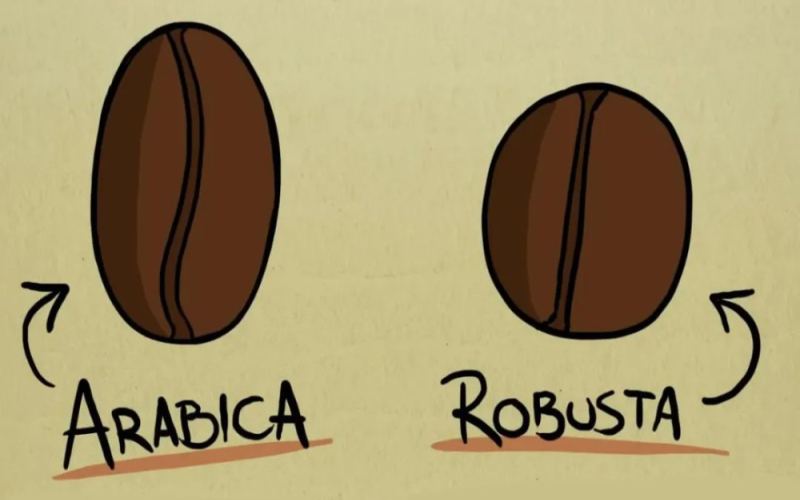
What determines the oil content of coffee beans? The difference between Robusta and Arabica and Front Street Coffee blend recommendations
When discussing coffee beans, oil content is often used to judge a bean's characteristics and uses. Overall, Robusta usually has higher oil content than Arabica, but Robusta has a flatter flavor and lacks character, and it also has a higher caffeine content. It is highly resistant to pests and diseases, suitable for low-altitude cultivation, has high yields, and is not demanding about rainfall, so its price is relatively low. If Robusta is used directly in espresso, it brings a strong and harsh taste, so it is better suited to being paired with high-quality Arabica, which both balances the flavor and boosts the oil. When choosing coffee beans with rich oil, Front Street Coffee Classic Blend and Front Street Coffee Commercial Blend are both ideal choices. They add a small amount of Robusta, making the body of espresso more outstanding, releasing butter, nut, spice, and dark chocolate aromas during extraction, and are suitable for making Americano or latte. If you prefer pure Arabica, Front Street Coffee Specialty Blend and Front Street Coffee Dark Cocoa Base Blend provide delicate golden oil and a smooth mouthfeel. [more…]
A Comprehensive Guide to Arabica Coffee Beans: What 100% Pure Arabica Means, Flavor Characteristics, and Everyday Bean Recommendations
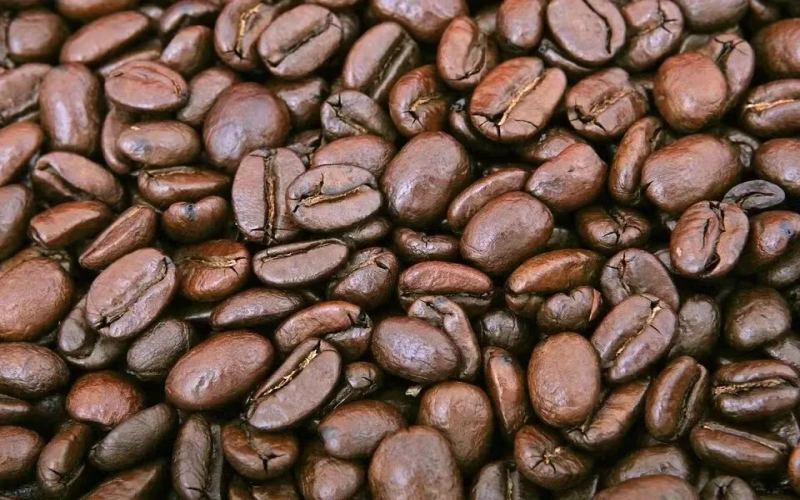
When buying coffee grounds or instant coffee, the word "Arabica" often appears on the packaging, and many friends who are new to coffee are curious about what it actually means and what kind of quality 100% pure Arabica represents. From the perspective of Front Street, this article sorts out the botanical classification, growing conditions, and flavor characteristics of Arabica coffee beans, compares the differences with Robusta, explains why it has become the mainstream of the specialty coffee market, and introduces the multiple classic origins covered by Front Street's everyday beans series, helping beginners build an understanding of the basic flavors of major origins and understand the importance of coffee bean freshness to extraction. [more…]
A Comprehensive Analysis of Arabica Coffee Beans: From Origins and Spread to Front Street Coffee's Seven Major Producing Regions' Daily Staple Bean Recommendations
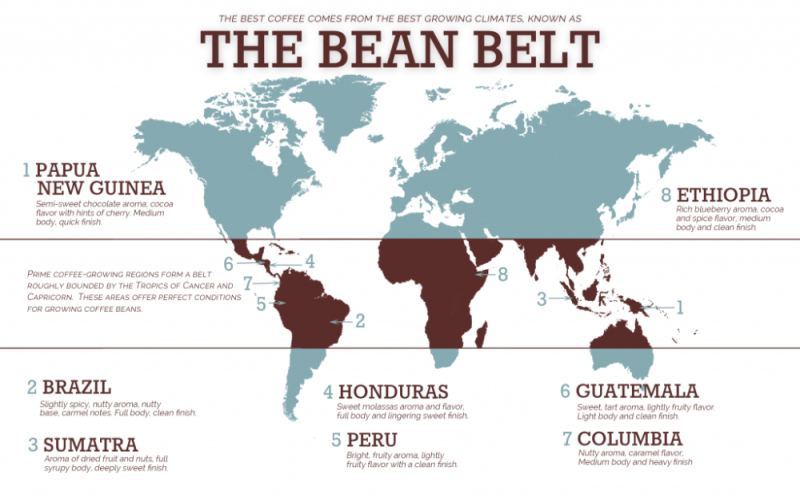
Arabica coffee beans have always held a core position in both commercial and specialty coffee thanks to their outstanding aroma and acidity. Their cultivation span stretches across multiple producing regions in South America, Central America, Africa, and Asia. Tracing their history, they were first used as medicine by Islamic monks, and only in the 13th century did the practice of roasting them for drinking develop. After spreading to Europe via the Arab world in the 16th century, they gradually became popular worldwide. Arabica coffee began spreading around the world from the mid-18th century, and most existing varieties originate from Typica, evolving into distinctive new varieties as they adapted to different climates and terroirs. In the 19th century, a large-scale outbreak of leaf rust caused massive coffee tree deaths, prompting breeders in the mid-20th century to begin developing disease- and pest-resistant varieties. Today, the Arabica family has more than a hundred varieties. Altitude has a significant impact on flavor, and this article will also introduce seven daily-drinker beans from key producing regions selected by Front Street Coffee. [more…]

Arabica Coffee Bean Recommendations | How Should Beginners Choose Bagged Coffee Beans? What Specialty Coffee Beans Are Available from Brazil, Colombia, Ethiopia, and Kenya?
Many people know that Arabica coffee has a varied and rich potential flavor profile. Grown in different countries/regions, at different altitudes, and under different climate conditions, Arabica coffee typically develops its own distinctive characteristics, and with differences in variety and processing method, it can also display entirely different, individualized flavors. [more…]
A Complete Guide to Yunnan Coffee Origins: Terroir Characteristics and Brand Recommendations for Baoshan, Pu'er, Lincang, and Dehong
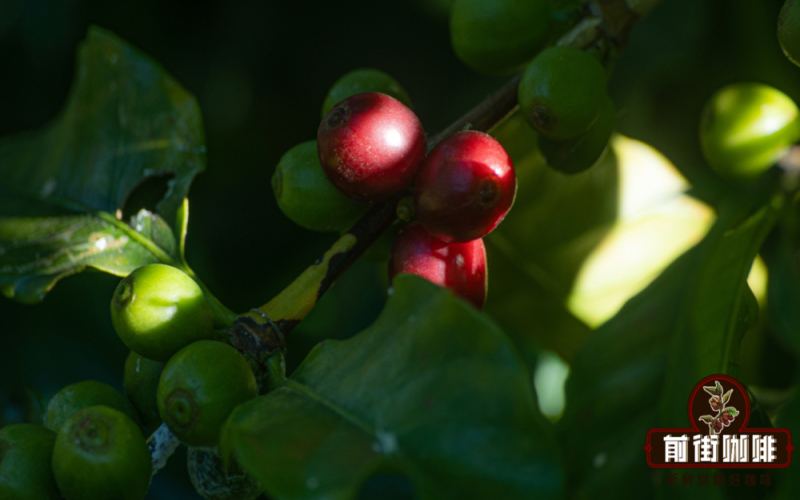
Yunnan is the core coffee-producing region in China, and its cultivation history can be traced back to 1904, when French missionaries planted the first coffee trees in Zhukula Village. Today, international brands such as Nestlé, Starbucks, and COSTA have all established a presence in Yunnan, and the specialty coffee market is also paying increasing attention to this mountainous area in southwest China. This article will take you into the four major producing regions of Lincang, Baoshan, Pu'er, and Dehong to learn about their respective terroirs and variety characteristics, and analyze the variety evolution of Yunnan arabica coffee, the washed processing method, as well as Front Street Coffee's brewing recommendations and flavor performance. Whether you are a coffee beginner or a seasoned enthusiast, you can gain a more comprehensive understanding of Yunnan coffee from this. [more…]
Yunnan Specialty Coffee Bean Buying Guide: Analysis of Arabica Varieties and Front Street Brand Recommendations
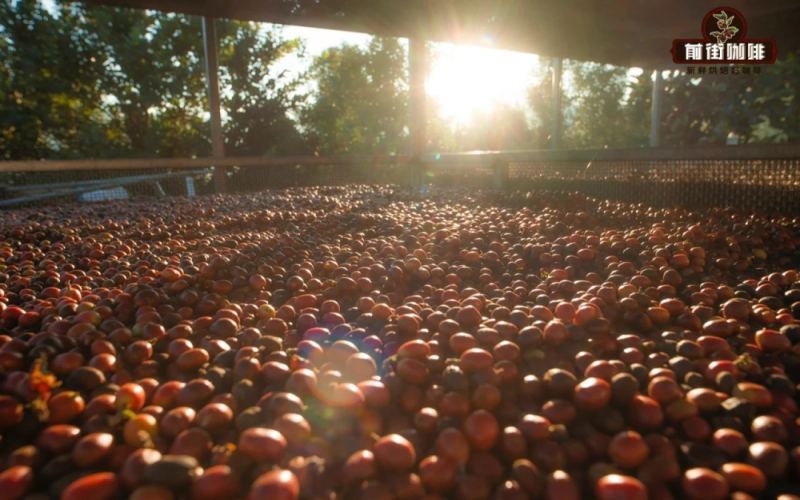
Yunnan, as China's core coffee-producing region, has drawn increasing attention in recent years for its small-bean coffee. Many coffee enthusiasts are curious: what exactly are Yunnan specialty coffee beans? How can you buy authentic Yunnan small-bean coffee? This article starts with the concept of Front Street Yunnan small-bean coffee, sorting out the varietal evolution of Yunnan coffee—from the early Typica and Bourbon to the Catimor widely planted today—and analyzing the flavor characteristics of high-altitude Arabica. At the same time, we recommend two Front Street products freshly roasted within 5 days: Front Street Yunnan Small Bean and Front Street 2013 Sun-Dried Typica, detailing their producing region, altitude, processing method, and flavor, to help you experience the balance and regional character of Yunnan coffee at an affordable price. [more…]
Yunnan Coffee Brewing Guide | Is Yunnan Arabica Good as Black Coffee? Must-Buy Recommendations for Beginners: Yunnan Specialty Single-Origin Coffee Beans That Taste Good and Aren't Bitter
As Yunnan coffee's reputation grows, more and more people are seeing its enormous potential. Among them are quite a few passionate young locals who promote Yunnan coffee from their hometown, aiming to help it develop even better. So, does Yunnan coffee taste good? Which Yunnan coffee beans are the best? Yunnan small-bean [more…]
Flavor Comparison of the Three Major Coffee Varieties: Differences Between Robusta, Arabica, and Liberica, and Front Street Coffee's Fresh Roasting Recommendations
The coffee world is mainly composed of three major species: Arabica, Robusta, and Liberica, but the two most commonly encountered in everyday drinking and commercial blends are the first two. Arabica dominates the specialty coffee mainstream with its delicate and varied flavors, while Robusta, with its robust vitality and high caffeine content, plays an important role in espresso recipes and instant products. This article will systematically sort out the characteristics of the three major species from multiple dimensions such as plant morphology, growing altitude, production share, and flavor performance, and will specifically explain Robusta's position and limitations in the wave of specialty coffee. At the same time, the article will also combine Front Street Coffee's dedication to freshness and share practical suggestions such as the resting period and grinding timing, helping coffee enthusiasts more comprehensively understand the selection logic and brewing key points of different bean types. [more…]

A Complete Guide to Coffee Bean Varieties: Arabica vs. Robusta and Low-Acid Coffee Recommendations
In the specialty coffee wave, the flavor expression of coffee beans has become increasingly rich. This article approaches from the perspective of varieties, introducing the two common coffee bean types, Arabica and Robusta, and outlining the characteristics and flavors of Arabica sub-varieties such as Typica, Bourbon, Caturra, SL28, SL34, Catuai, and Geisha. At the same time, for coffee lovers who prefer low acidity, Front Street Coffee recommends two products: Brazil Queen's Estate and PWN Golden Mandheling, along with detailed information on origin, altitude, variety, and processing method, helping readers understand coffee bean selection more systematically. [more…]
International Coffee Brand Recommendations | What Are the World's Well-Known Coffee Brands? What Are the Characteristics of Starbucks, COSTA, and %Arabica?
Front Street Coffee Introduction: Front Street Coffee (Frontsteet Coffee), founded in 2013, is a well-known local coffee brand in Guangzhou, specializing in house-roasted coffee beans and offering over 50 varieties of fresh coffee, available for online purchase through its Tmall flagship store and Taobao shop. Over the years, Front Street [more…]
A Comprehensive Analysis of Brazilian Coffee Brands: From Arabica and Robusta to Front Street Coffee Recommendations and Local Instant Coffee Giants
Want to know which brand of Brazilian coffee beans is best? This article starts with the flavor and varieties of Front Street Brazilian coffee, systematically sorting out the characteristics, origins, and uses of the two major coffee bean species, Arabica and Robusta, and takes a deep dive into the three major conglomerates in Brazil's instant coffee market as well as the local brands favored by the people of Rio. It also recommends two Rio cafés where you can buy fresh coffee beans, along with a list of affordable brands praised by netizens, providing coffee lovers with a practical guide to buying Brazilian coffee. [more…]