







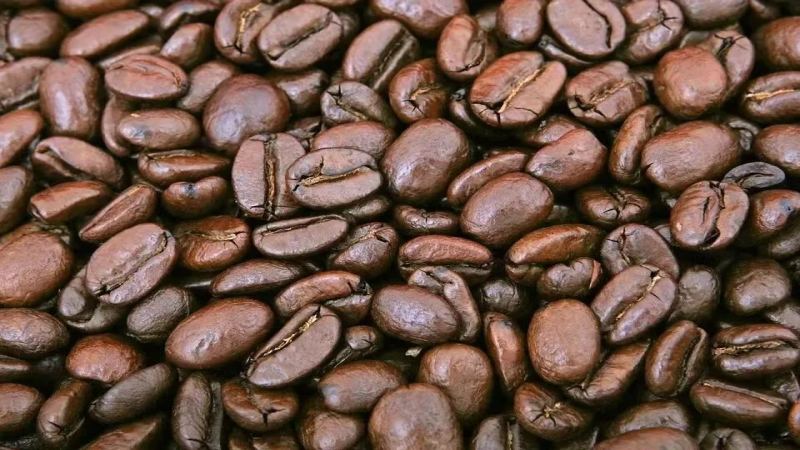
What Does 100% Pure Arabica Coffee Bean Mean on a Label?
An Arabica coffee bean comes from Coffea Arabica, one of two species planted commercially at scale, alongside Robusta. Arabica grows in the coffee belt between the Tropics of Cancer and Capricorn, where steady warmth, ample rain and drained, nutrient-rich soil suit the tree. It usually delivers a sweeter, more aromatic cup with brighter acidity than Robusta, which is why specialty roasters favor it.
Labels reading 100% pure Arabica mean the bag contains no Robusta. More than 70 countries sit inside the coffee belt, and over 50 of them meet the climate requirements for growing coffee, including Brazil, Colombia, Ethiopia, Kenya, Indonesia, plus Yunnan and Hainan in China. Each region's microclimate shapes its own flavor, and freshness still decides how a bean tastes in the cup.
When buying coffee grounds or instant coffee, the word "Arabica" often appears on the packaging. Many friends who are new to coffee are curious about what it actually refers to, and what 100% pure Arabica represents in terms of quality. From the perspective of Front Street, this article sorts out the botanical classification, growing conditions, and flavor characteristics of Arabica coffee beans, compares them with Robusta, explains why they have become the mainstream of the specialty coffee market, and introduces the multiple classic producing regions covered by Front Street's daily drinking bean series, helping beginners build an understanding of the basic flavors of major producing regions and understand the importance of coffee bean freshness for extraction.
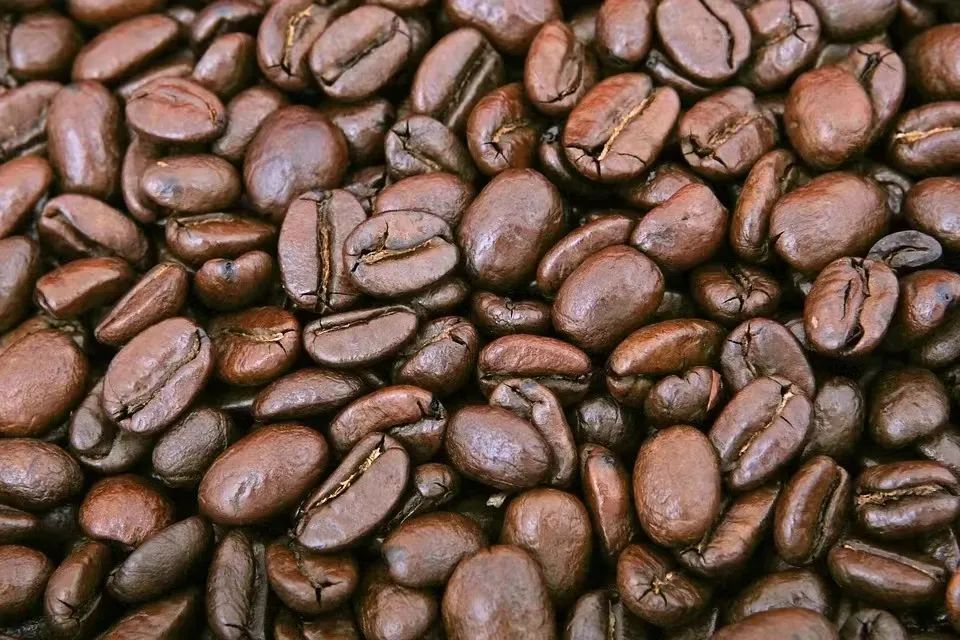
When buying products such as coffee grounds and instant coffee, the word "Arabica" can often be seen on the packaging. Many friends who are just getting into coffee therefore have questions: What exactly is Arabica coffee? What does "100% pure Arabica" mean? In this article, Front Street will clarify these questions one by one.
What does 100% pure Arabica mean?
Coffee is a tropical cash crop, usually grown within the coffee belt between the Tropic of Cancer and the Tropic of Capricorn. Stable higher temperatures, sufficient annual rainfall and sunshine, plus well-drained soil rich in nutrients, constitute the ideal conditions for coffee tree growth. There are about more than 70 countries and regions in the world located within the coffee belt, among which more than 50 countries and regions have climates and other natural conditions that meet the requirements for coffee bean growth, thus becoming coffee-producing countries. Brazil, Colombia, Ethiopia, Kenya, Indonesia, and others are among them, and China's Yunnan and Hainan are also within the coffee belt. Each producing region, with its unique growing environment and microclimate, provides diverse growing conditions for coffee trees and thereby forms its own different flavor expression.
At present, coffee bean varieties worldwide are mainly divided into three major categories, but only two truly have commercial value and are planted on a large scale: Arabica (Coffea Arabica), which belongs to small-fruit coffee, and Robusta, which belongs to medium-fruit coffee. In addition, there is Liberica (Coffea Liberica) of large-fruit coffee. Its fruit is twice as large as that of small-fruit coffee, but because its flavor performance is ordinary, it is relatively rare on the market.
As the main variety of coffee in the world, Arabica is quite picky about its growing environment. It needs to be planted in areas at an altitude of 800 to 2,200 meters where frost does not occur. The higher the altitude, the more obvious the temperature difference between day and night, and the ripening process of the coffee fruit slows down accordingly, which instead helps accumulate flavor substances and allows the aroma to develop more fully. In addition to high altitude, Arabica also requires abundant rainfall, sufficient sunshine, loose soil with good drainage, and the soil must be fertile, so its regional cultivation restrictions are strong. Therefore, to produce high-quality coffee beans, growers must invest more management effort, and labor costs are correspondingly higher.
By contrast, Robusta's caffeine content is between 2% and 4%, twice that of Arabica. Caffeine is like a plant's own natural pesticide, allowing it to avoid harm from most insects, so Robusta is easier to grow and lower in price. In addition, because its amino acid and chlorogenic acid contents are relatively high, it has a mellow and deep bitterness, and if not handled properly it can also carry an earthy, fishy smell, so it is not very likable and is often used in dark-roasted espresso blends or instant coffee.
In the past, people drank coffee only pursuing a rich and mellow bitterness. With the advancement of the specialty coffee wave, everyone has raised higher requirements for coffee's taste, mouthfeel, and quality, so aroma-rich Arabica beans better fit the high demands of today's specialty coffee market than Robusta. In order to highlight that their products use higher-quality coffee beans, manufacturers emphasize "100% pure Arabica" in their promotional language. However, in the era of specialty coffee, the vast majority of products on the market use Arabica, so there is actually no need for additional explanation. For example, the dozens of pour-over single-origin coffee beans on Front Street's bean list all belong to the Arabica variety.
Does Arabica taste better?
The bitter taste felt when drinking coffee mainly comes from chlorogenic acid in coffee. Robusta's caffeine, amino acid, and chlorogenic acid contents are all relatively high, so it naturally lacks the aroma of Arabica and is replaced by a fuller, deeper bitterness and woody notes.
Arabica's caffeine content is lower, about 0.9% to 1.4%, so it better fits the range defined by the public's pursuit of health. Arabica beans' fat content is 60% higher than Robusta's, and their sugar content is twice that of Robusta. Coffee brewed from carefully processed Arabica beans is gentle on the palate, with prominent sweetness, bright acidity, and rich layers, so it naturally becomes the mainstream of the market.
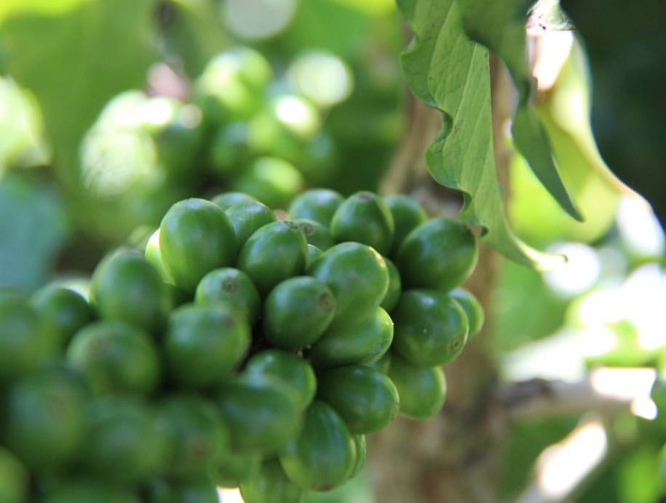
Specialty Arabica coffee beans recommended for beginners
On Front Street's bean shelf there is a cost-effective daily drinking bean series, carefully selecting 7 excellent classic coffee producing regions, covering multiple highly representative producing regions, varieties, and natural processing methods. The so-called daily drinking beans, as the name suggests, are varieties that place no burden on daily drinking and are friendly in both price and flavor. Front Street has selected a number of "signature representatives" to make it easy for everyone to identify the basic flavors of major producing regions, including Ethiopia's washed Yirgacheffe, Guatemala's washed Huehuetenango, Colombia's washed Huila, Brazil's semi-washed Cerrado, Costa Rica's washed Tarrazu, Indonesia's wet-hulled Lintong Mandheling, and China Yunnan's washed Baoshan.
Each coffee bean is suitable for extraction by pour-over, cold brew, French press, and other methods. If you want to taste coffee's most original aroma, Front Street recommends presenting it as black coffee for the best result. Regardless of which extraction method is used, Front Street believes that the freshness of coffee beans is crucial. If the roasting date is more than two months ago, the coffee's aroma may already have been lost, and no matter how excellent the extraction technique is, it is difficult to restore the aroma in the cup. In order to let everyone experience coffee's best tasting stage, Front Street only ships beans freshly roasted within 5 days, so by the time you receive them, they are just about ready for brewing.
For professional coffee knowledge exchange and more coffee bean information, please follow CoffeeWorkshop (WeChat public account: cafe_style)
For more specialty coffee beans, please add the private WeChat Front Street Coffee (FrontStreet Coffee), WeChat ID: qjcoffeex
The above content is compiled by CoffeeHunters, a coffee news website.


